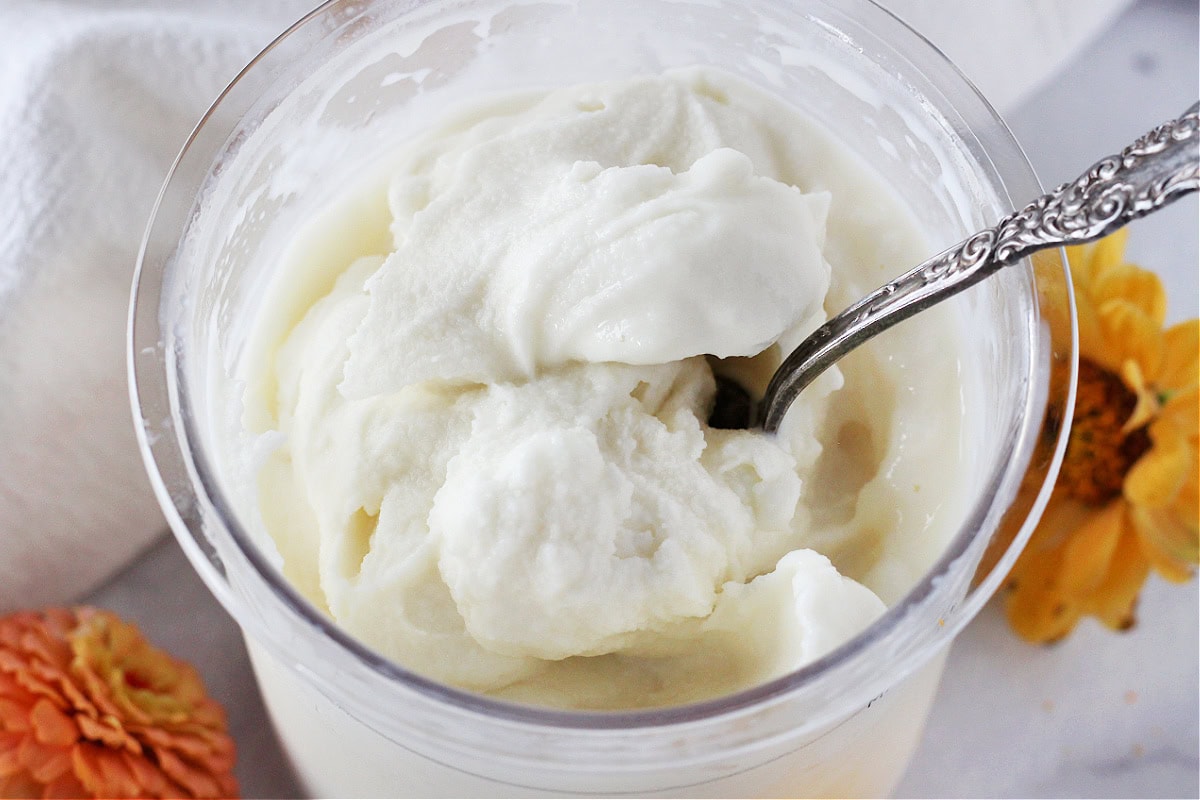
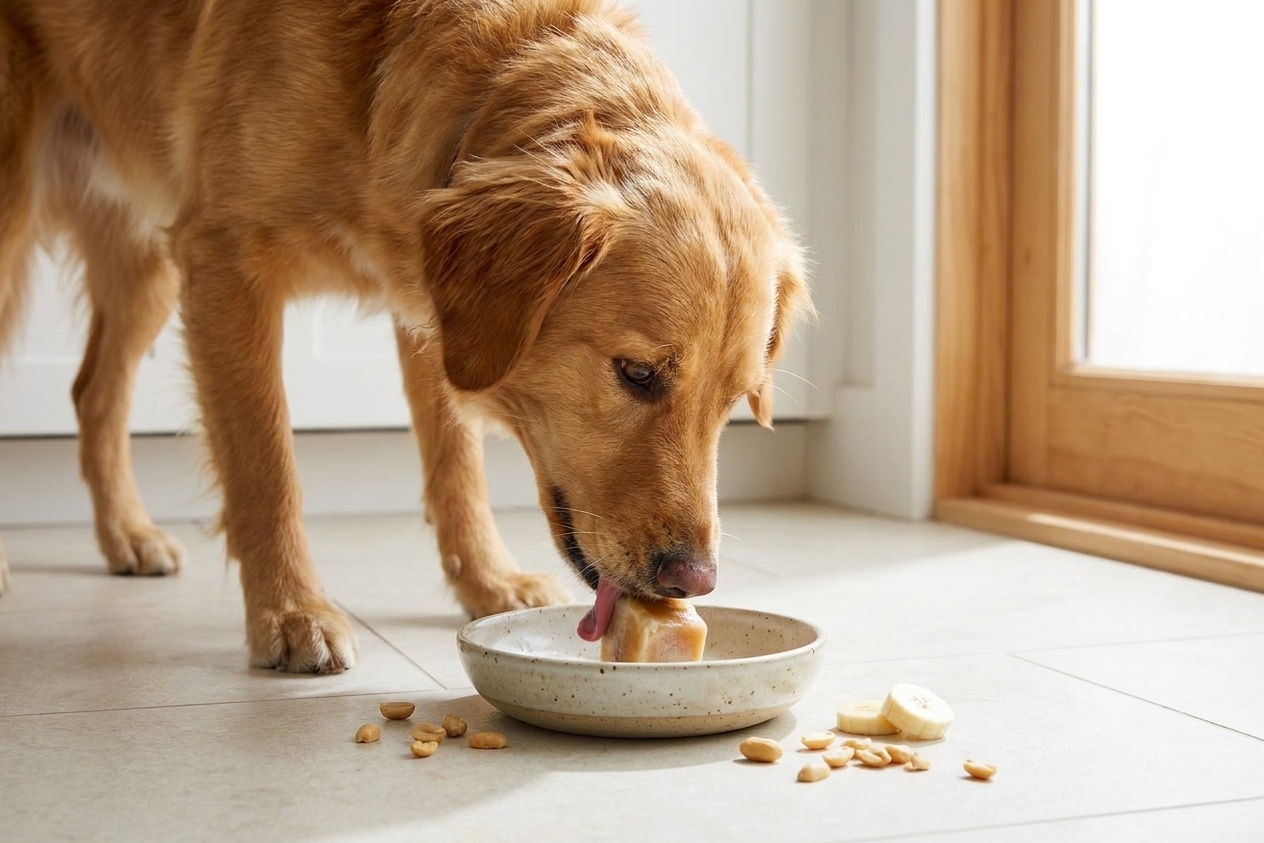
Is dog ice cream safe for dogs?
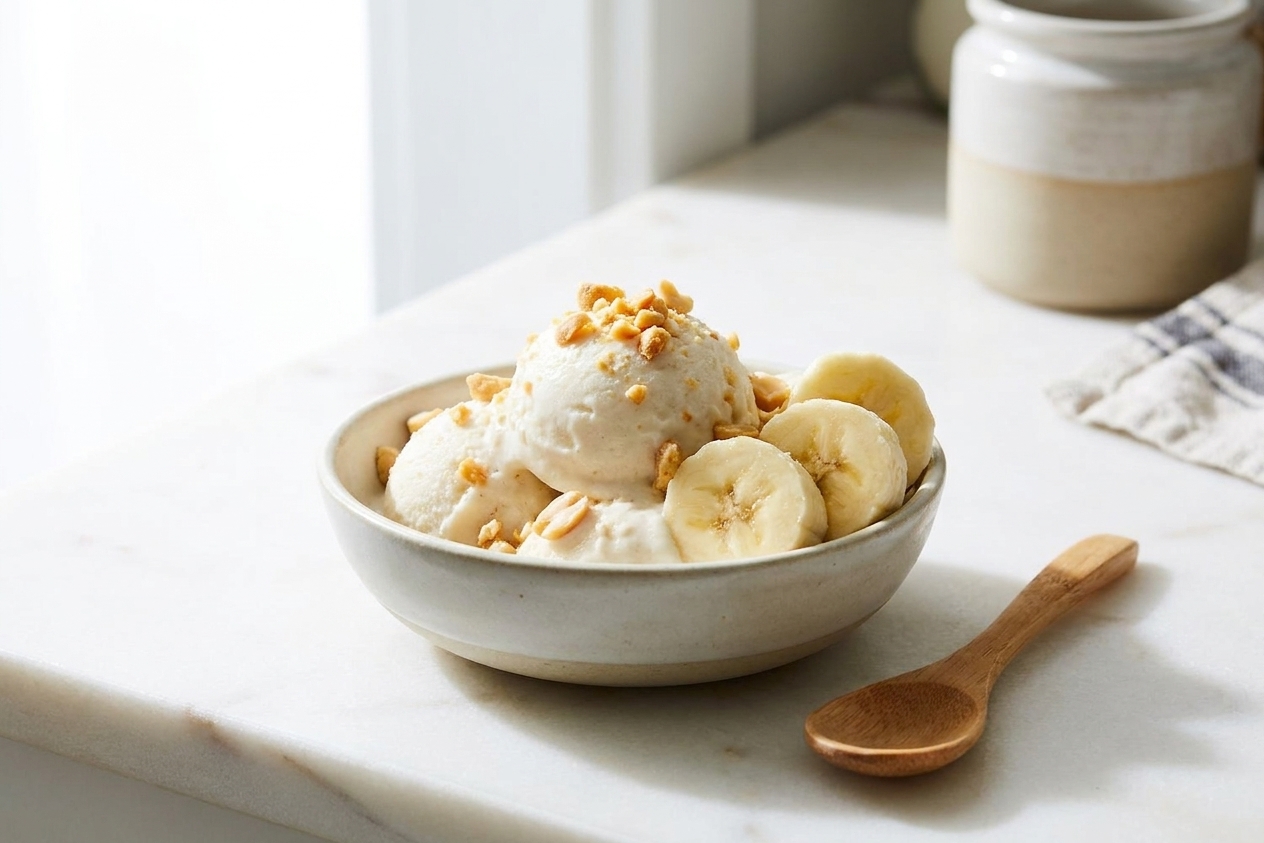
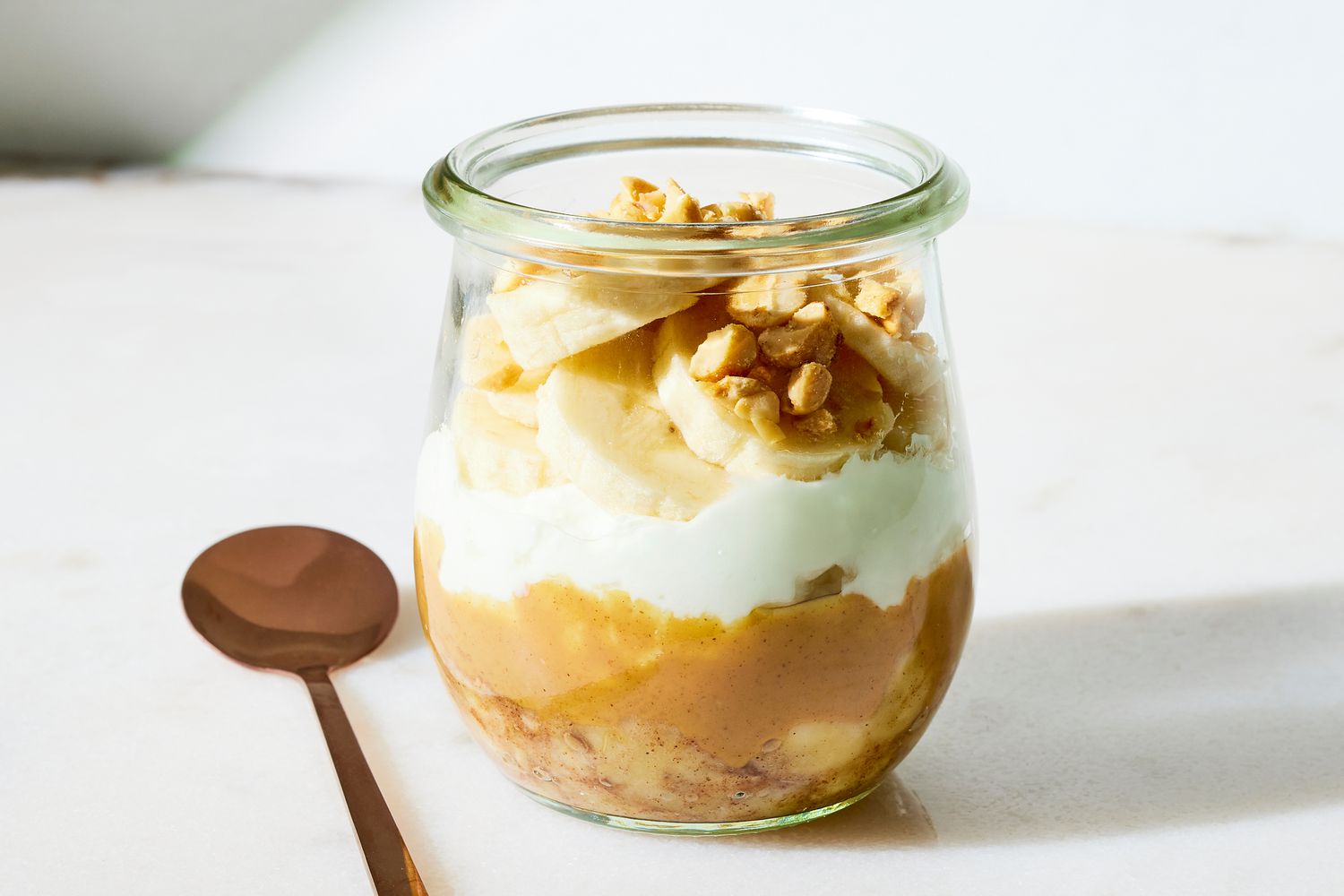
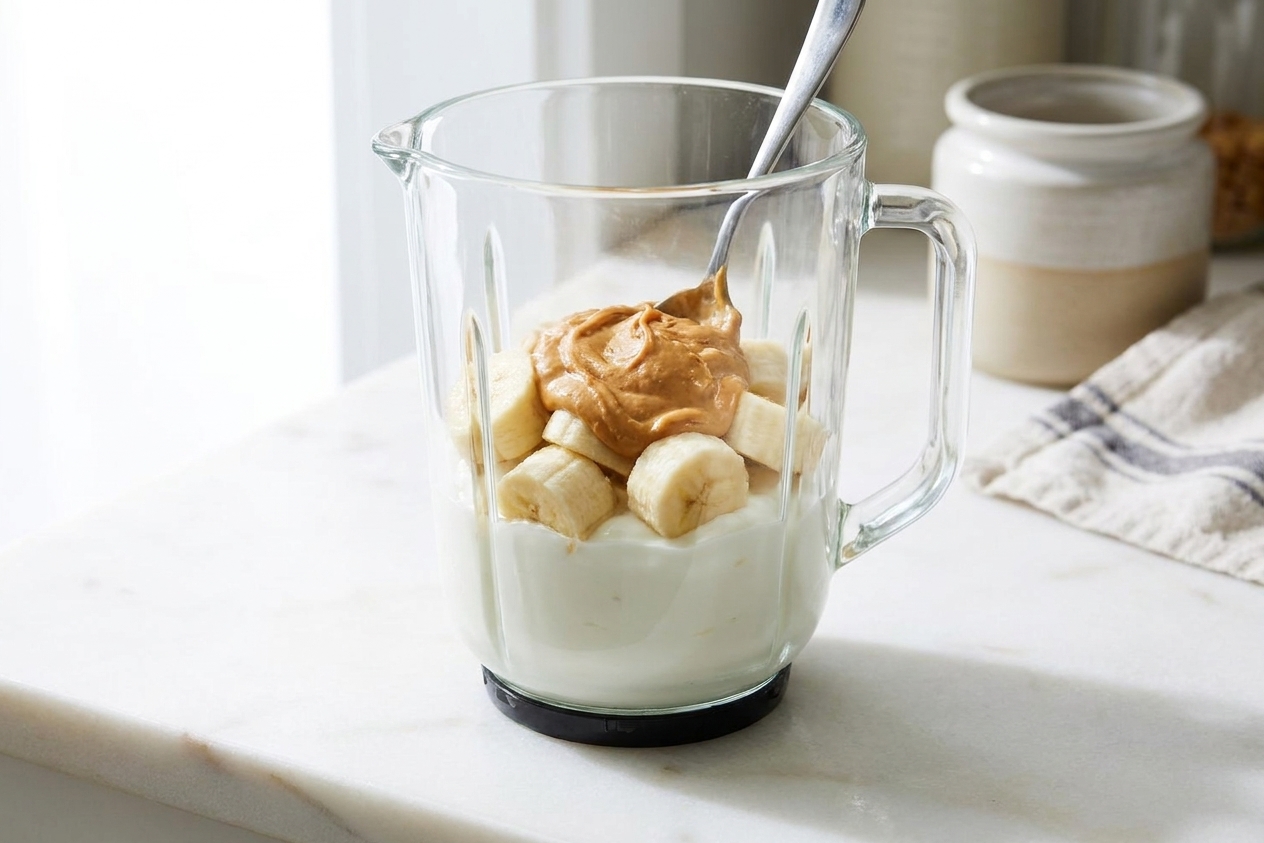
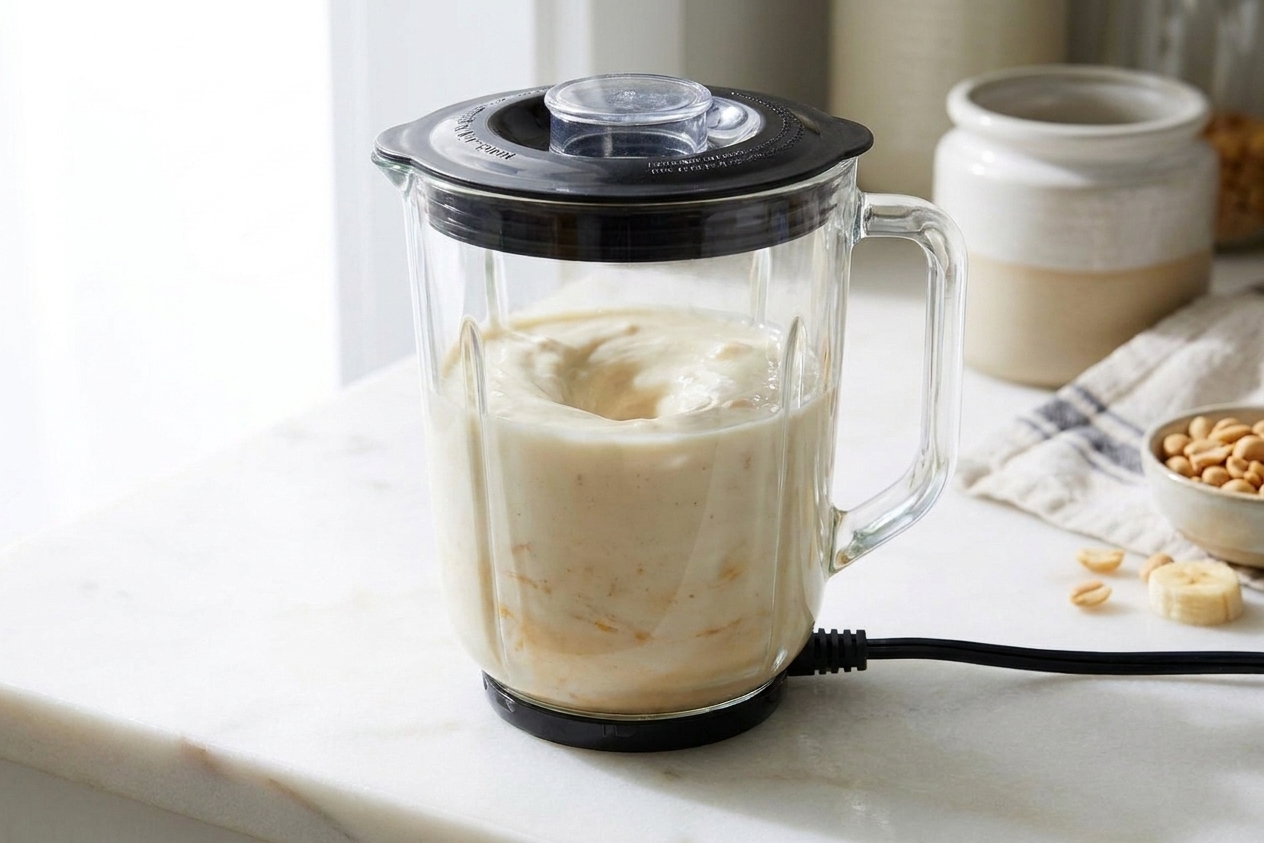
Homemade dog “ice cream” can be safe when it is made with dog-friendly ingredients and served in small portions. The big watch-outs are xylitol (toxic), too much fat (can upset stomachs), and dairy sensitivity. This recipe uses plain yogurt and a small amount of peanut butter, plus banana for sweetness.
Can I use regular ice cream for dogs?
I would not. Regular ice cream often has a lot of sugar, heavy cream, and sometimes ingredients that are not dog-safe. It is also an easy way to trigger tummy trouble.
What kind of yogurt is best?
Use plain, unsweetened yogurt. Greek yogurt works great because it is thick, and it is often lower in lactose than regular yogurt (but it is not lactose-free). Avoid anything flavored or sweetened. If your dog does not tolerate dairy, talk to your vet about alternatives or use a small amount of mashed banana with water and a dog-safe mix-in like pumpkin.
Is peanut butter okay for dogs?
Yes, in small amounts, as long as it is xylitol-free. Check the label carefully. Xylitol is sometimes listed as birch sugar, and it can also show up under the broader category of sugar alcohols. I also like peanut butter that is low or no added sugar and not overly salty, since this is a treat, not a daily staple.
How much should I give my dog?
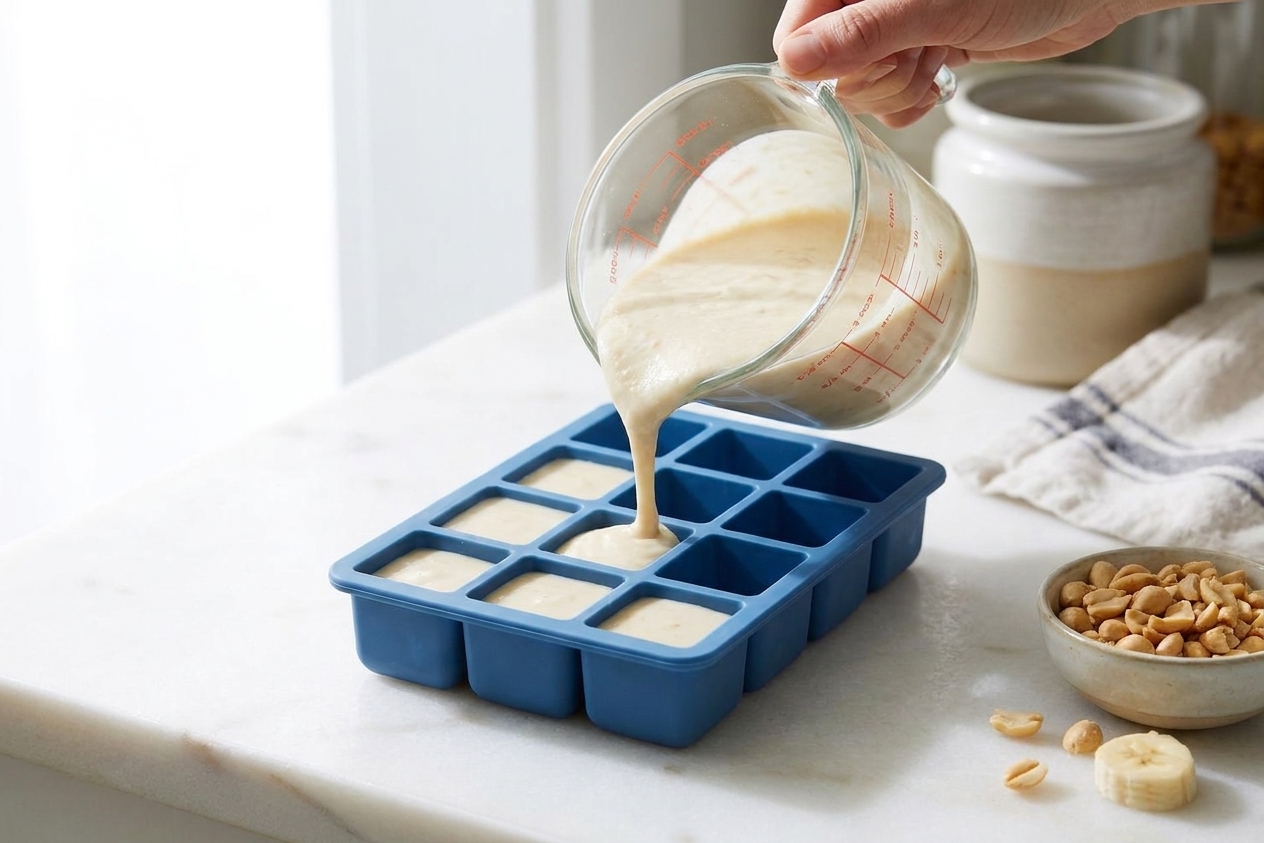
Think “treat,” not “dessert bar.” Start with 1 small cube for small dogs, 1 to 2 for medium dogs, and 2 for large dogs, then adjust based on how your dog handles it and what your vet recommends. As a general rule, keep treats as a small part of their day (many owners aim for about 10% or less of daily calories).
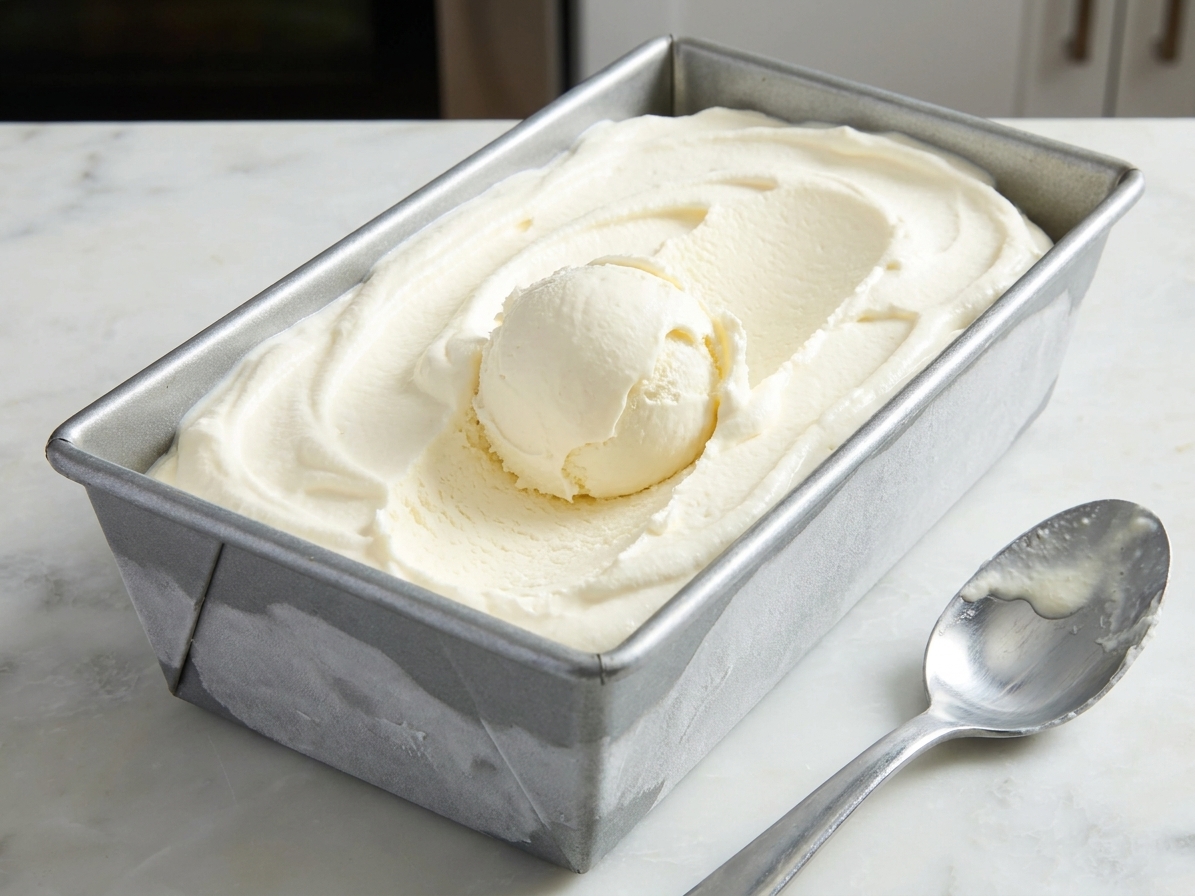
Why did my dog ice cream freeze rock hard?
That is normal for freezer treats without added sugar or stabilizers. Let it sit out for a few minutes, or freeze in smaller portions so it softens faster. You can also blend in 1 to 2 tablespoons water to make it a little more “icy pop” and less dense.