Mom's Best Recipes
Recipe

Doro Wat

A rich, spicy Ethiopian chicken stew with slow-cooked onions, berbere, and hard-boiled eggs, perfect with injera or rice.

Author By Matt Campbell
4.8
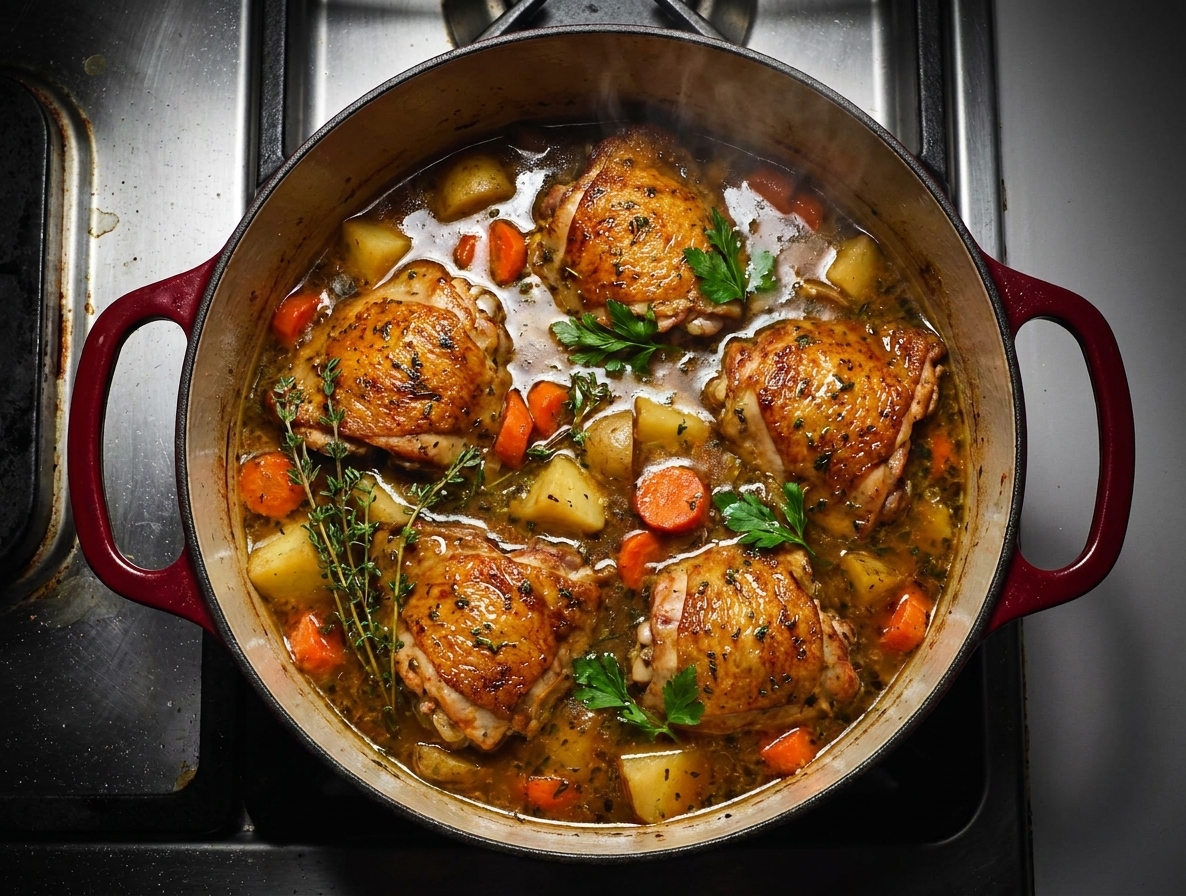
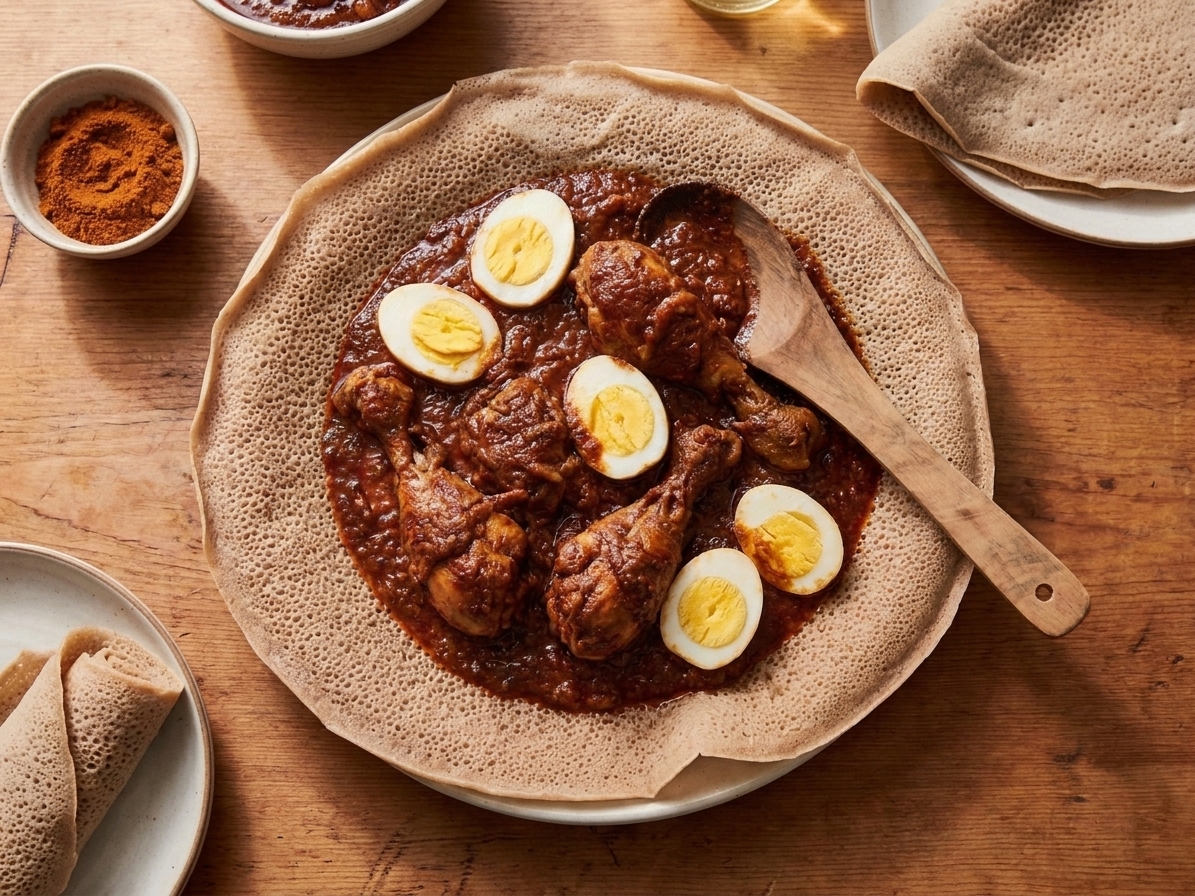
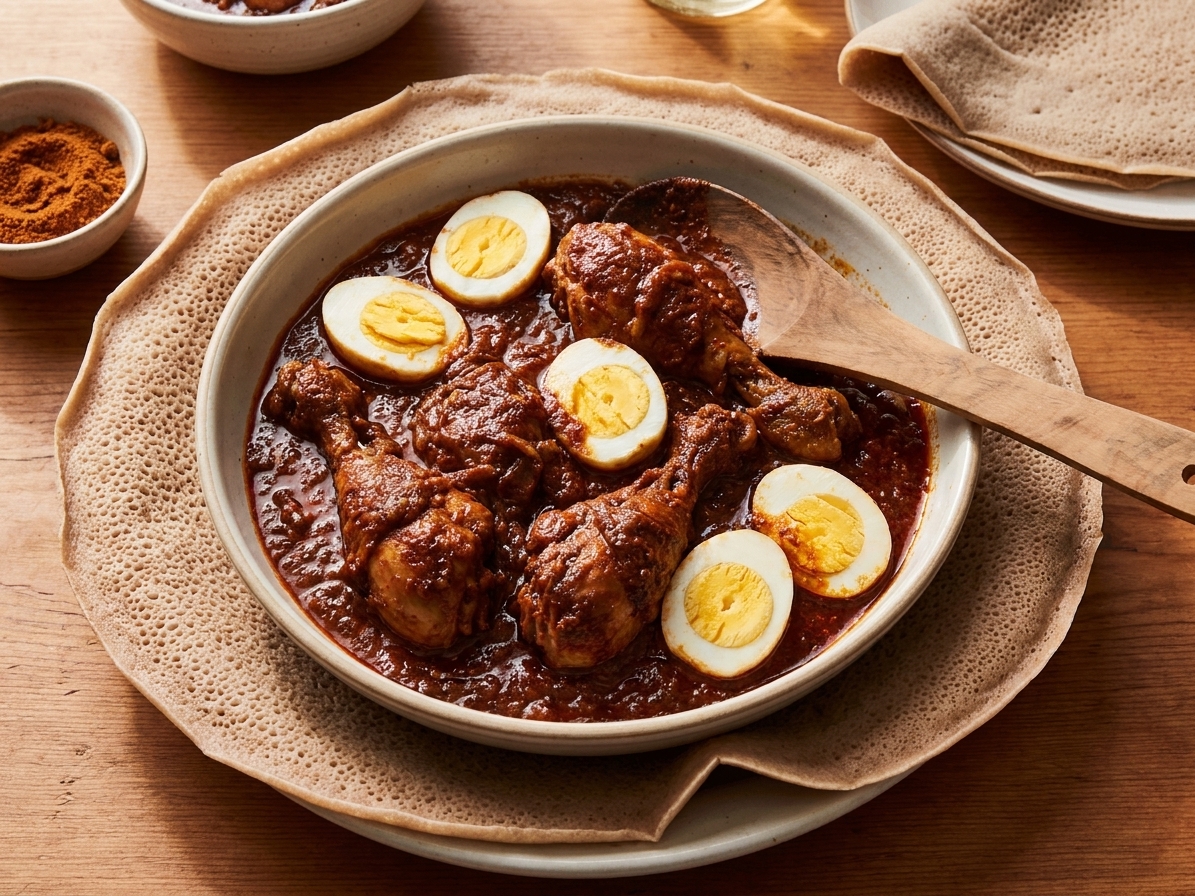
A bowl of Ethiopian doro wat with tender chicken and hard-boiled eggs, served with injera on a warm-toned wooden table

Doro wat is the kind of dish that makes your kitchen smell like you know what you are doing, even if you are cooking in sweatpants with a slightly chaotic spice cabinet. It is Ethiopia’s iconic chicken stew: deeply savory, gently smoky, and warming in a way that feels like a blanket you can eat.

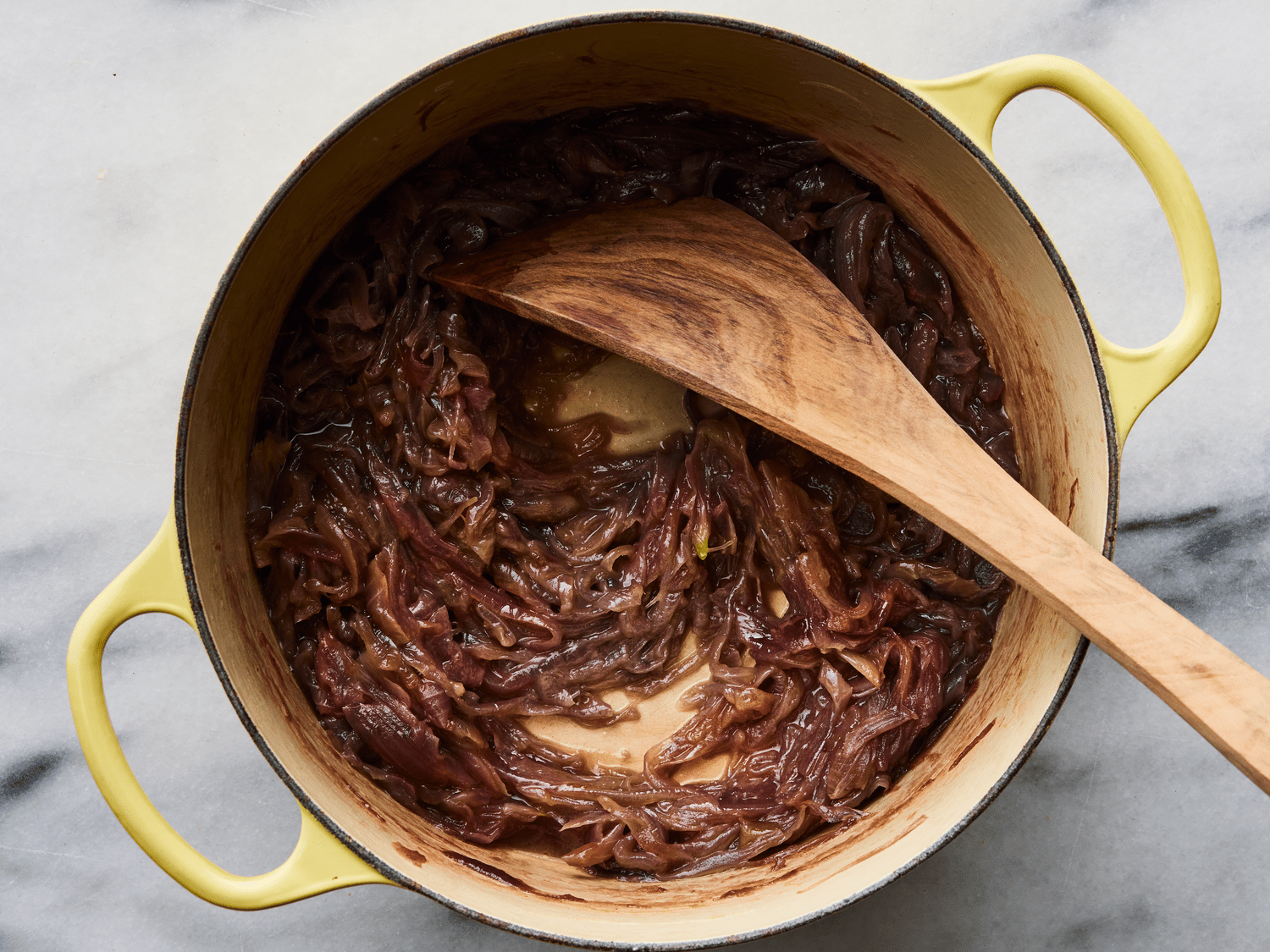
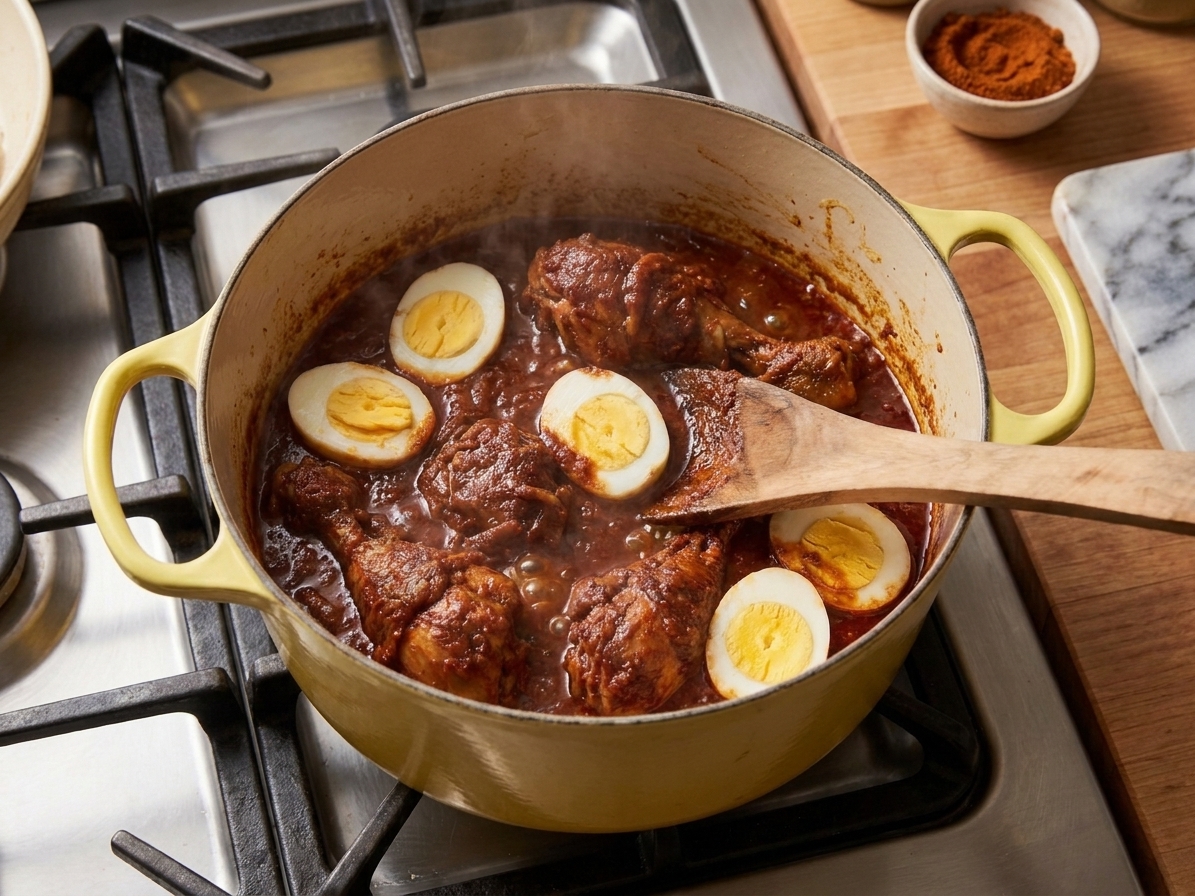
The magic here is not fancy technique. It is patience with onions, plus a bold spice blend called berbere. In many home kitchens (mine included), a little water at the start helps the onions soften before they have enough moisture to protect themselves from scorching. Once they cook down into a dark, jammy base, everything else falls into place. Chicken simmers until tender, hard-boiled eggs soak up that spicy sauce, and suddenly you have dinner that tastes like it took all day, even if you kept it pretty weeknight-friendly.
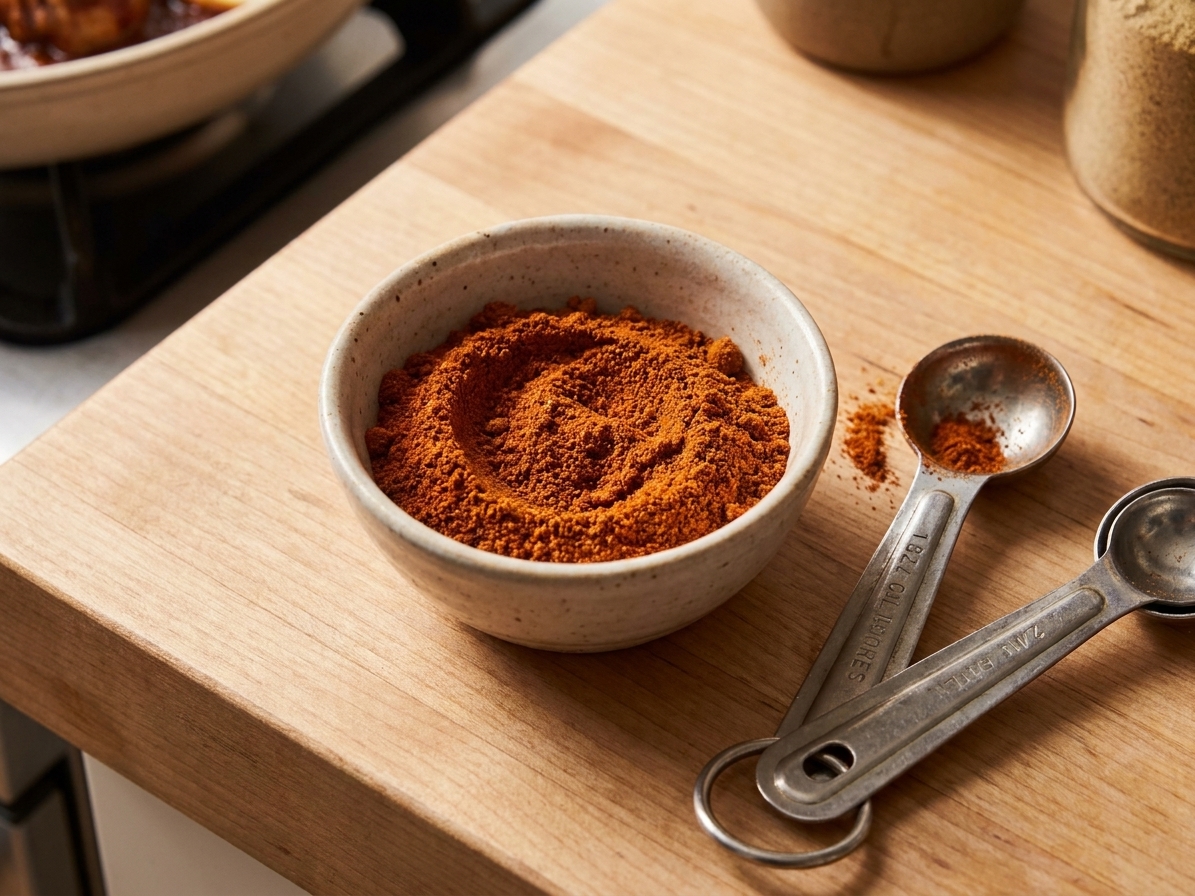
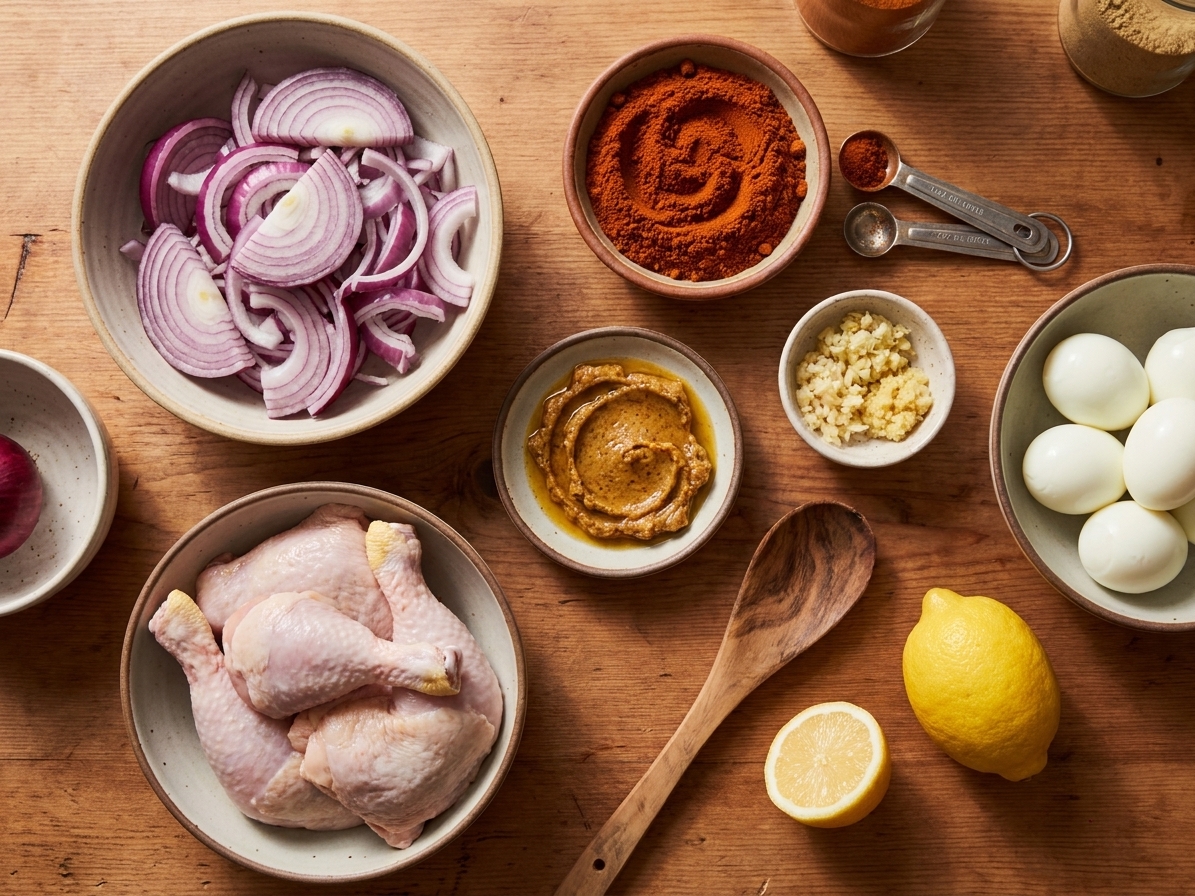
A small bowl of berbere spice with paprika-red color on a kitchen counter next to measuring spoons

If you can stir onions and taste as you go, you can make doro wat.
Why It Works

  • Onions do the heavy lifting: cooking them low and slow builds a thick, naturally rich sauce without flour or cream.
  • Berbere brings the personality: smoky chile heat, warm spices, and that unmistakable Ethiopian vibe in one scoop.
  • Two-stage cooking keeps chicken tender: a quick simmer, then a gentle finish so it stays juicy, not stringy.
  • Eggs are not a garnish: a few quick pierces help them soak up sauce and turn into little flavor sponges.

Pairs Well With

Storage Tips

Refrigerate: Cool completely, then store in an airtight container for up to 4 days. The flavor gets better by day two.

Freeze: Freeze for up to 2 months. If you can, freeze without the eggs and add fresh hard-boiled eggs when reheating for the best texture. If eggs are already in there, it still freezes fine, they just get a bit firmer.

Reheat: Warm gently in a covered saucepan over medium-low heat, adding a splash of water or chicken broth to loosen the sauce. Stir occasionally so the onion base does not stick and scorch.

Common Questions

Is doro wat very spicy?

It can be. Berbere ranges from mild to fiery depending on the brand or homemade mix. Start with less and add more at the end. You can always boost heat, but you cannot un-spice a pot.

What if I cannot find niter kibbeh?

No problem. Use unsalted butter or ghee. If you want that spiced-butter vibe, add a small pinch each of ground cardamom and cinnamon, plus a tiny pinch of cloves or allspice.

Do I need injera?

Injera is traditional and amazing, but not required. If you want to find it, check Ethiopian or other African markets, or the international aisle in some larger grocery stores. Doro wat is also great with steamed rice, couscous, or even warm pita or naan. The goal is something that can scoop sauce.

Can I use boneless chicken?

Yes. Boneless thighs work best. Reduce simmer time a bit and keep the heat gentle so they stay tender.

Why do the onions cook so long?

That onion cook-down is the sauce. Think of it like building a concentrated onion jam that turns into a thick stew base once the spices and liquid hit.

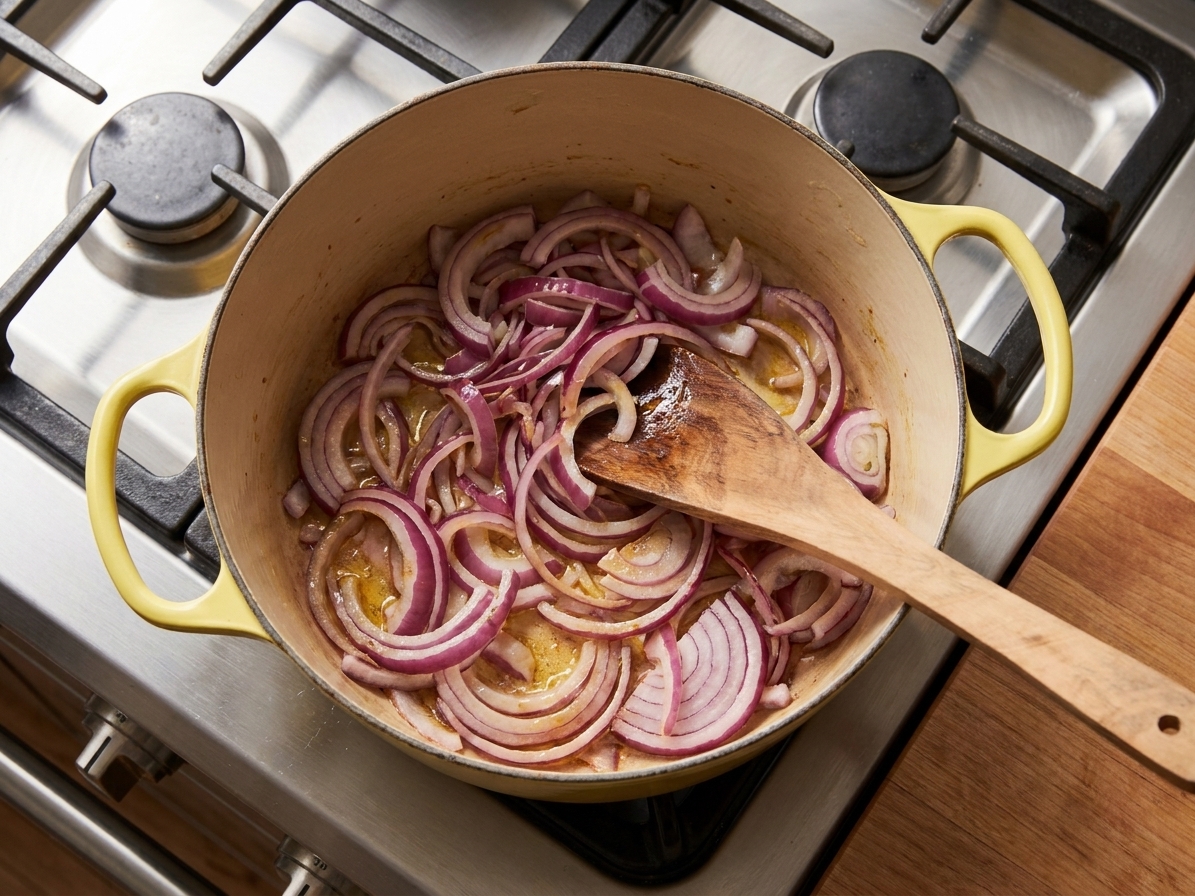
Thinly sliced onions slowly cooking down in a heavy pot on a stovetop, turning soft and golden-brown

The first time I tried to make Ethiopian food at home, I treated it like a typical stew: brown chicken, toss in onions, simmer, call it a day. It was fine. The biggest lesson for me was letting the onions be the whole foundation, like building flavor with patience instead of shortcuts. Now doro wat is my go-to when I want something deeply cozy but still bright and alive from lemon. Also, I love any dinner where a hard-boiled egg shows up and immediately makes the whole table lean in.