Mom's Best Recipes
Recipe

Dosha-Friendly Kitchari

A gentle, flavorful one-pot rice and lentil stew with easy swaps for Vata, Pitta, or Kapha.

Author By Matt Campbell
4.8
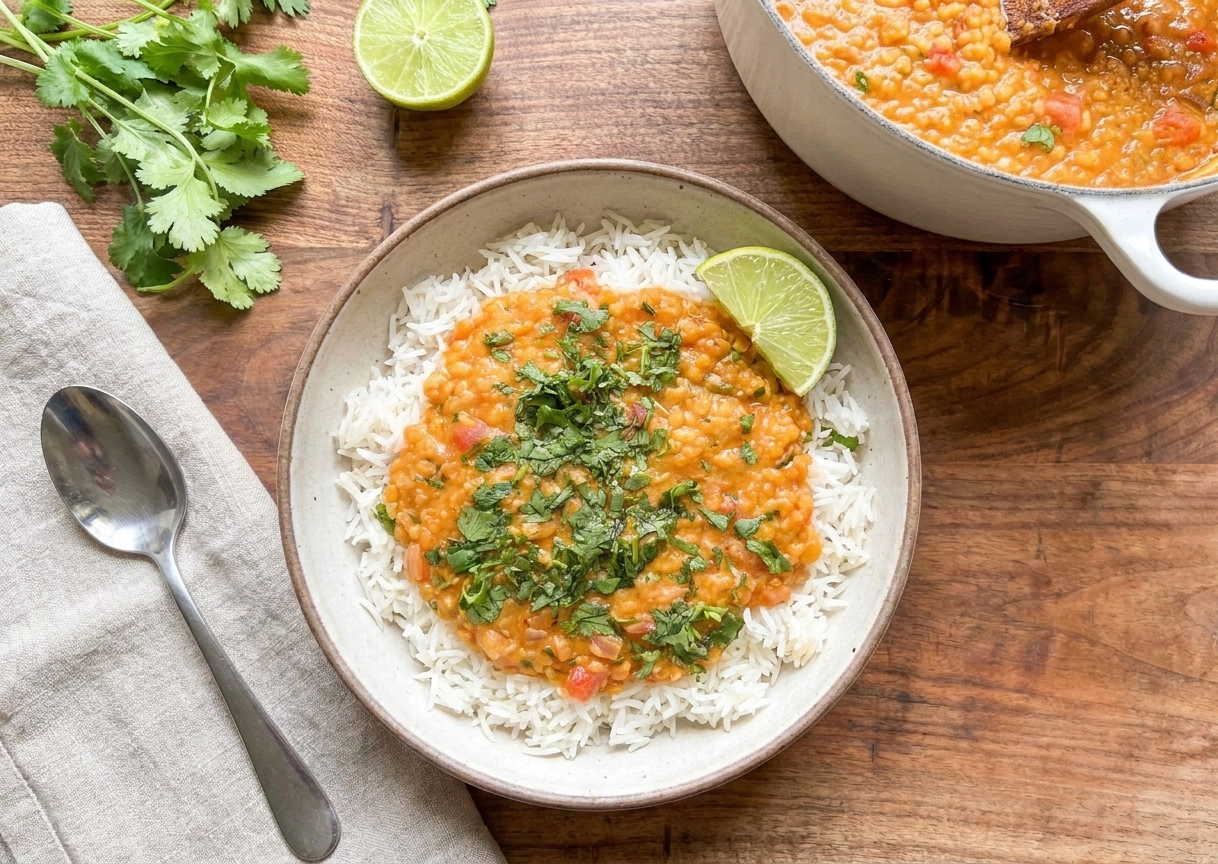
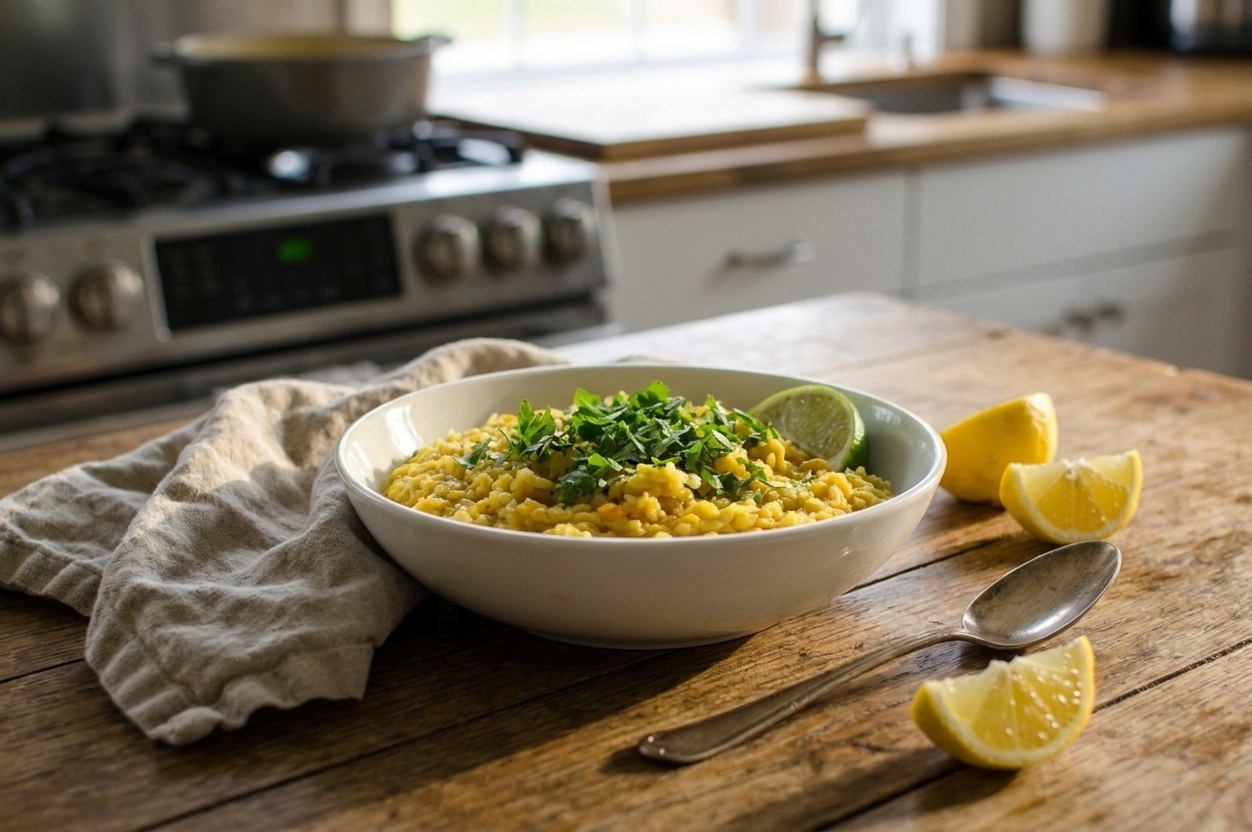
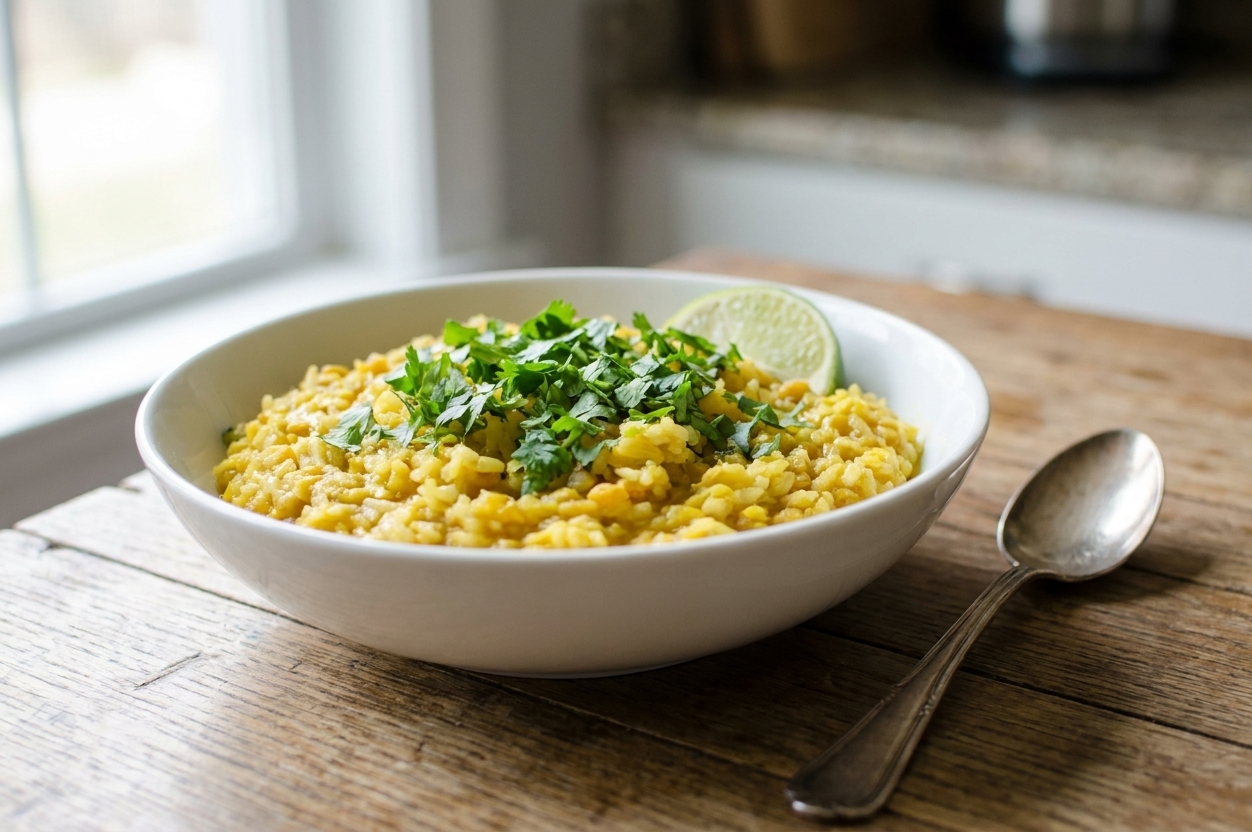
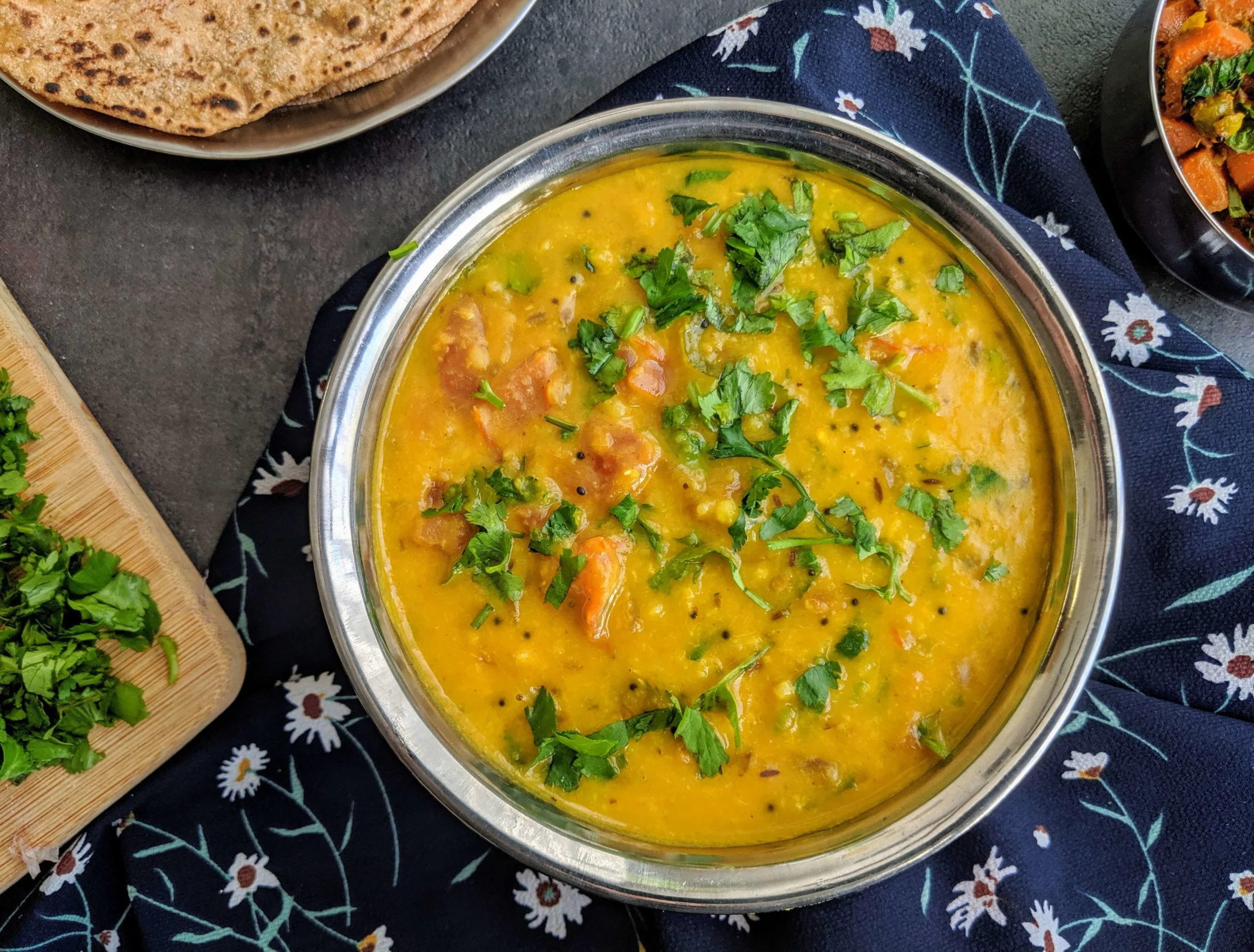
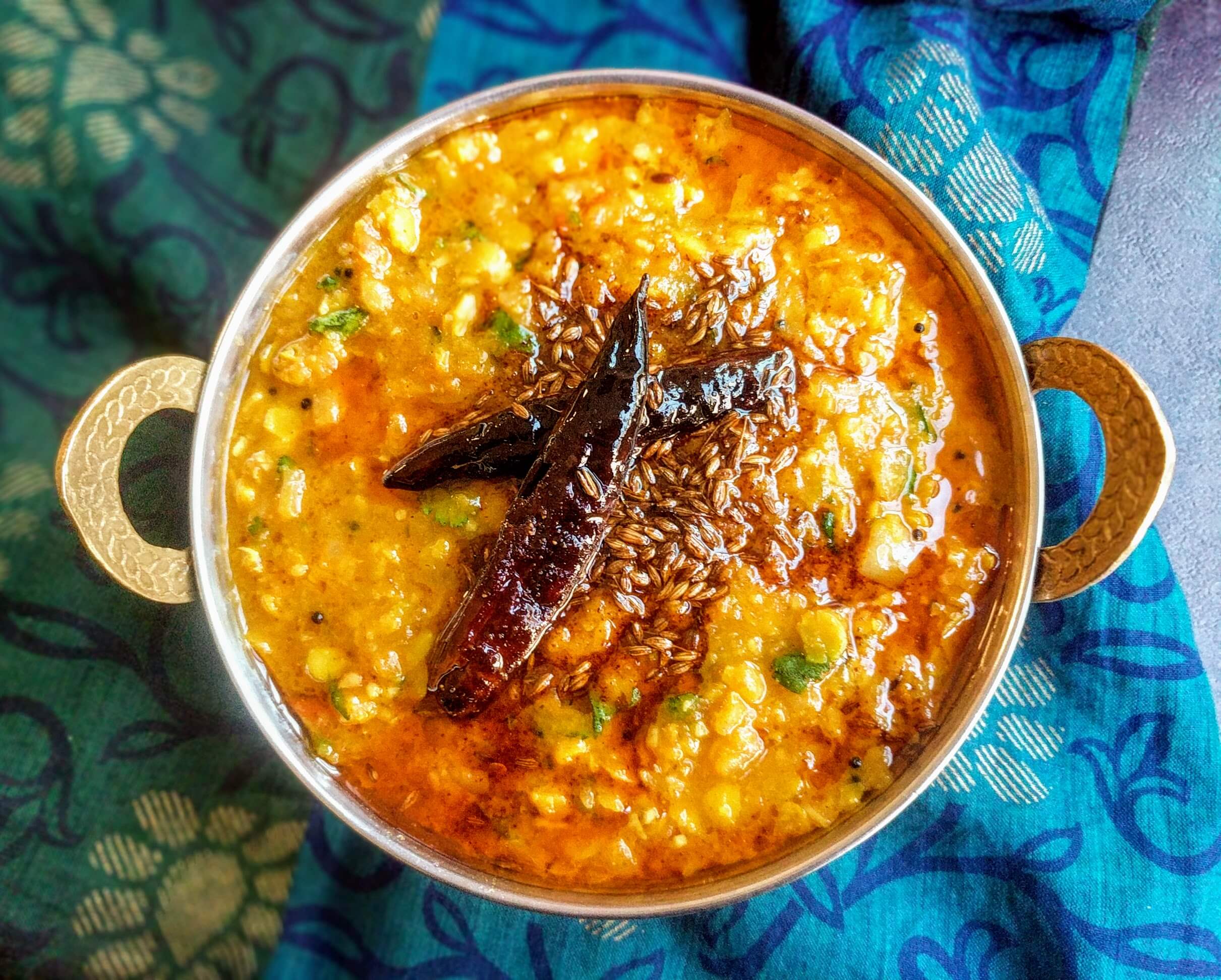
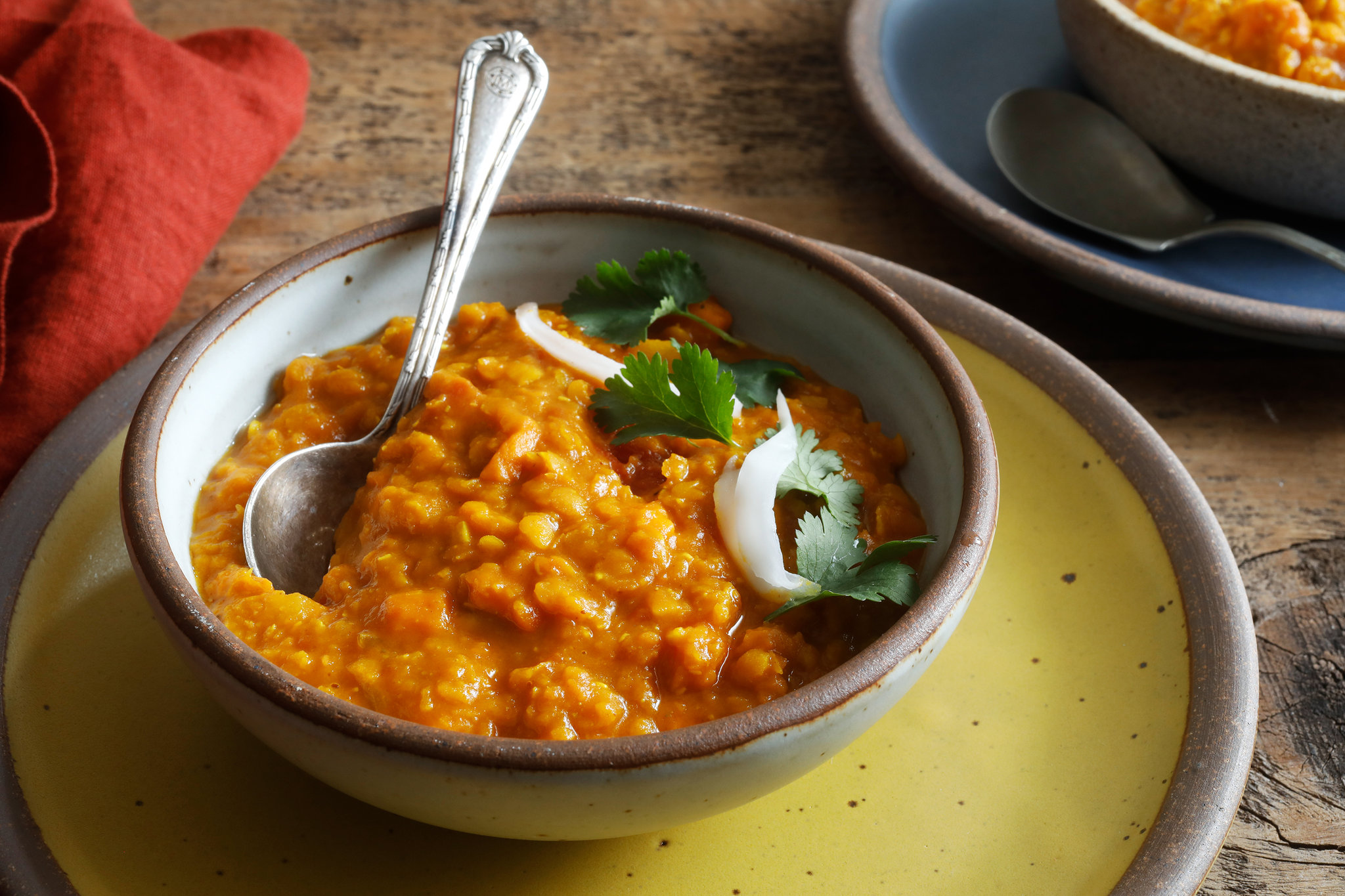
A warm bowl of golden kitchari topped with cilantro and a lime wedge on a wooden table, with a spoon resting beside the bowl in soft natural window light

Let’s talk dosha food in a way that actually helps you make dinner. In Ayurveda, doshas are three “types” of energy people talk about a lot, often described as Vata (airy and dry), Pitta (hot and intense), and Kapha (cool and steady). Whether you’re all-in on Ayurveda or you just want a meal that feels good and doesn’t fight you back, dosha-friendly cooking usually points to the same home-kitchen wins: simple ingredients, warm spices, balanced seasoning, and food that often feels easier to digest for many people.

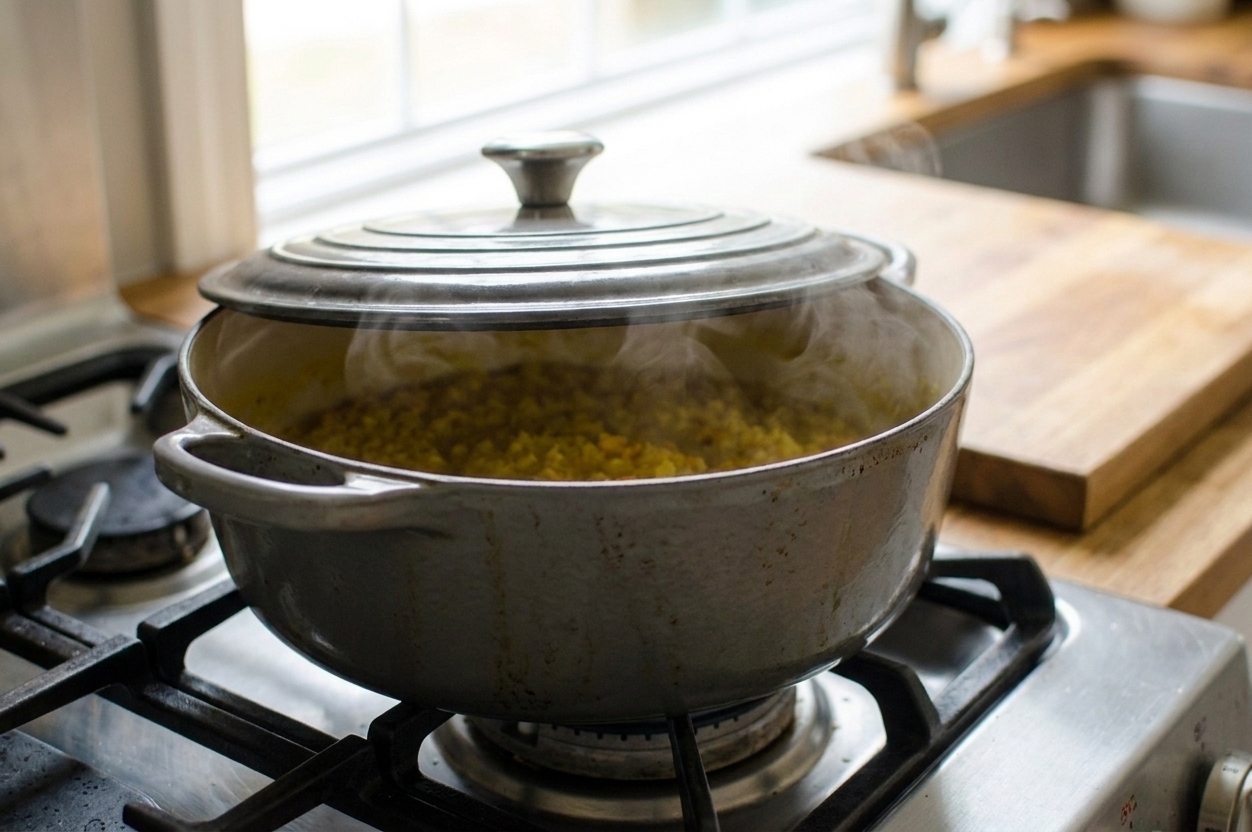
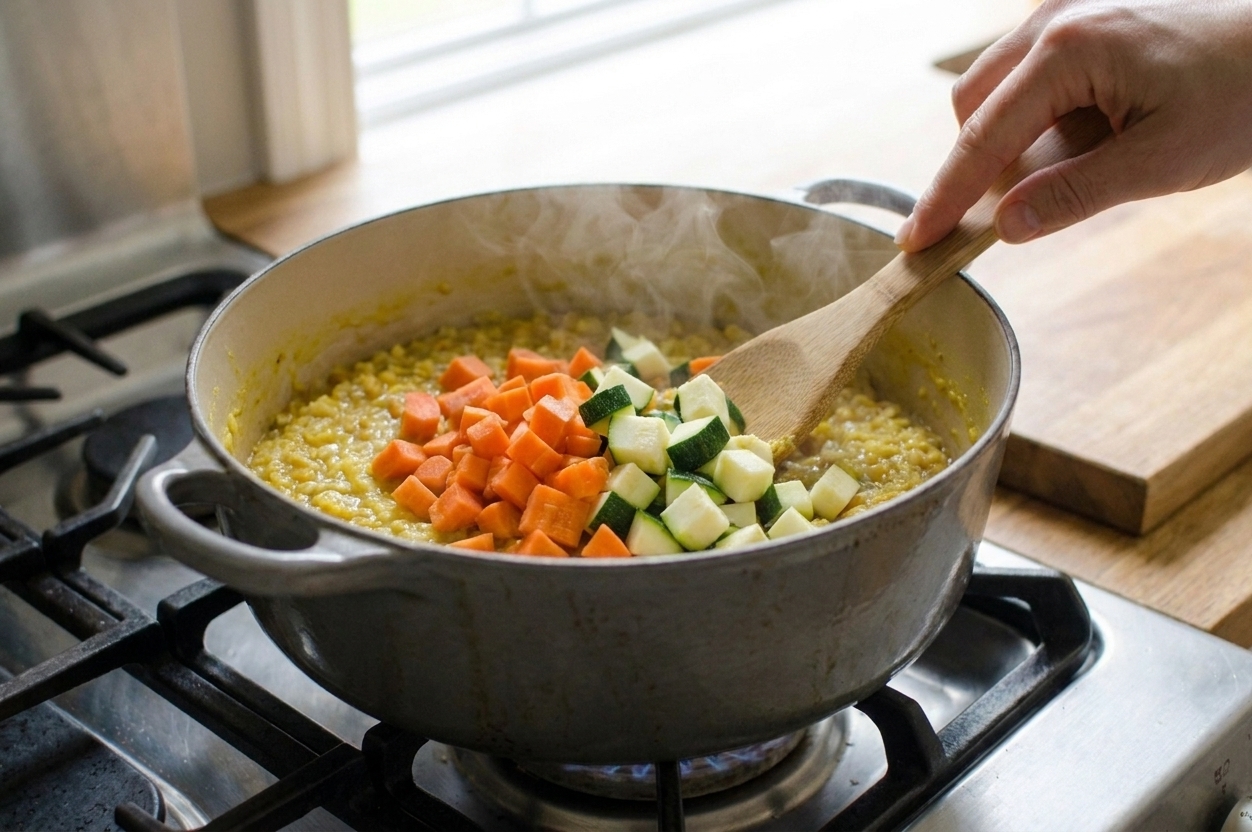
Enter kitchari (sometimes spelled khichdi): a cozy rice and lentil one-pot situation that tastes like a soft blanket but still has personality. This version stays accessible and flexible. You can lean it warm and grounding for Vata, cooling and not-too-spicy for Pitta, or light and zippy for Kapha, all without buying a suitcase of specialty ingredients.

Also, a friendly note: if you have medical dietary needs, treat this as cooking inspiration, not a prescription. The most important dosha rule in my kitchen is still the same: taste as you go.
Why It Works

  • One pot, low drama: Everything simmers together, so you get depth without juggling three pans.
  • Bright, cozy flavor: Ginger, cumin, and coriander bring warmth, while lemon and herbs keep it awake.
  • Customizable for doshas: Use the same base recipe and tweak the spice and toppings for Vata, Pitta, or Kapha.
  • Meal-prep friendly: It reheats like a champ and thickens into an even cozier bowl the next day.

Pairs Well With

Storage Tips

Refrigerate: Cool completely, then store in an airtight container for up to 4 days.

Reheat: Warm on the stovetop over medium-low with a splash of water or broth to loosen it. Microwave works too, but stir halfway through so it heats evenly.

Freeze: Freeze up to 2 months for best quality.

Texture tip: Kitchari thickens as it sits. That is normal. Add liquid until it’s the consistency you like.

Common Questions

What is dosha food, exactly?

Dosha food is a way of cooking and eating inspired by Ayurveda. The basic idea is to choose foods and flavors that help balance your dominant dosha or what you’re feeling right now. In practical terms, it often means paying attention to temperature (warming vs cooling), texture (dry vs oily), and spice level.

Is kitchari good for all three doshas?

It can be, because it’s a simple base of rice and lentils that you can steer with spice, fat, and toppings. In this recipe, the base is intentionally middle-of-the-road, then you customize at the end.

Do I need ghee?

No. Ghee is traditional and tastes amazing, but olive oil or avocado oil works. If you want the buttery vibe without ghee, a little unsalted butter is fine too.

What can I use instead of split mung dal?

Split mung dal is classic, but you can use red lentils for a similar cook time and creamy finish. Brown or green lentils take longer and stay more distinct.

What exactly is “moong dal” at the store?

Labels can be confusing. For this recipe, the easiest match is split and hulled moong dal (often yellow). Whole mung beans work, but they take longer and stay more bean-like. If you’re unsure, red lentils are the simplest swap.

How do I make it more filling?

Top with a soft-cooked egg, add cooked chicken, or stir in a couple handfuls of spinach at the end. If you want it heartier without extra protein, serve with warm naan or a side of roasted sweet potatoes.

Can I make it in an Instant Pot?

Yes. Sauté the aromatics and spices first, then pressure cook on High for 10 minutes with a natural release for 10 minutes. Dal brand and age can change the texture, and red lentils will get very soft. If it’s thicker than you like after opening, stir in extra water.

I’m not the kind of cook who wants a rulebook on a Tuesday night. But I am the kind of cook who wants dinner to feel good after I eat it. Kitchari is one of those meals that shows up when my brain is tired but my taste buds still have standards. It’s forgiving, it’s cozy, and you can make it as mellow or as punchy as you want. The first time I made it, I realized the real magic is not some mystical secret ingredient. It’s the combo of toasted spices, a little fat, and the patience to let it simmer until the whole pot tastes like it’s been cared for.