Mom's Best Recipes
Recipe

Dutch Baby Pancake

A skillet-baked pancake that puffs high, lands gently, and tastes like brunch magic with minimal effort.

Author By Matt Campbell
4.8
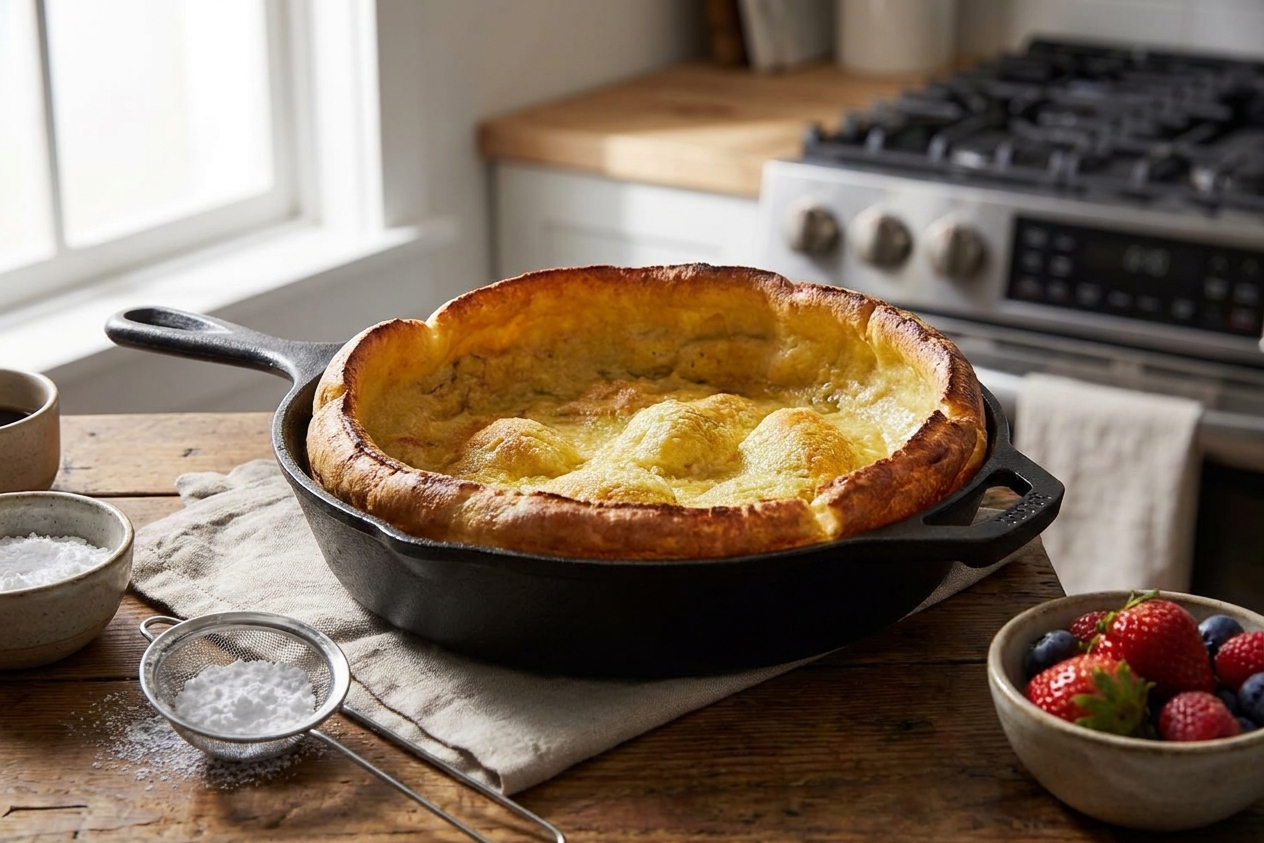
A golden Dutch baby pancake puffed high in a cast iron skillet on a kitchen counter, with crisp browned edges and a soft custardy center, morning light

If pancakes and popovers had a weekend fling, you would get a Dutch baby. It bakes up tall and dramatic, with crisp, lacy edges and a center that stays soft and custardy. The best part is you whisk the batter in about two minutes, pour it into a screaming-hot skillet, and the oven does the flexing for you.

This is my kind of breakfast: accessible ingredients, clear steps, and a little chaos that turns into something beautiful. You can keep it classic with lemon and powdered sugar, go full cozy with apples and cinnamon, or make it savory with herbs and cheese. Just promise me one thing: preheat the pan like you mean it.
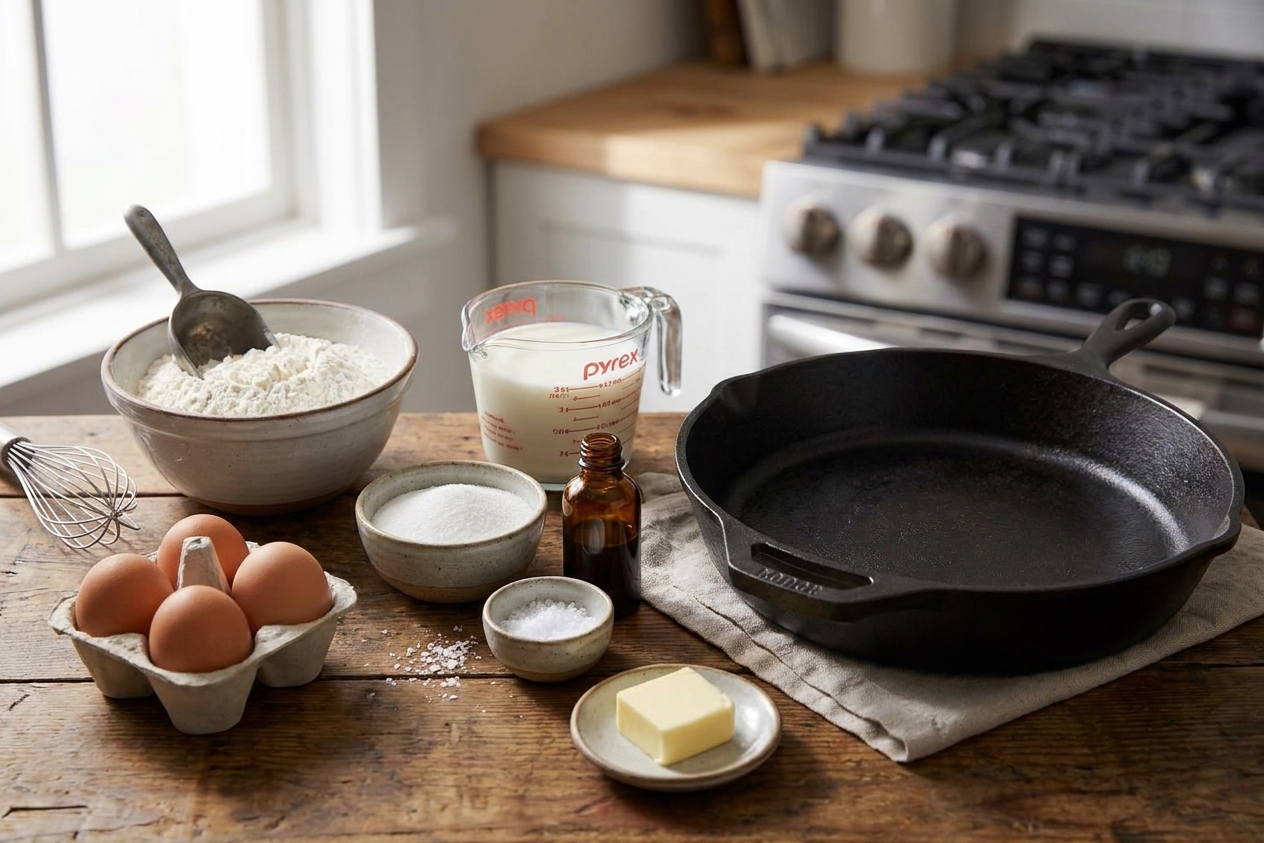
Flour, eggs, milk, sugar, salt, vanilla, and butter measured on a tidy kitchen counter next to a cast iron skillet

Why It Works

  • Big rise, crisp edges: A hot skillet plus a thin batter creates steam fast, which is what gives you that signature puff and those browned, frilly edges.
  • Tender center: The eggy batter sets like a light custard in the middle, so it stays soft even when the outside goes crisp.
  • Low effort, high reward: No flipping, no batches. One pan, one bake, and you are eating in under 30 minutes.
  • Flexible toppings: Sweet, savory, or somewhere in between. The base is neutral enough to play along.

Pairs Well With

Storage Tips

Dutch babies are best right out of the oven, when the edges are at peak crisp. But if you have leftovers, here is how to keep them from getting too sad.

Fridge

  • Cool completely, then wrap slices tightly or store in an airtight container.
  • Refrigerate up to 3 days, but for best texture, aim to eat within 1 to 2 days.

Reheat

  • Oven or toaster oven (best): 350°F for 6 to 10 minutes until warm and re-crisped.
  • Skillet: Medium-low with a tiny bit of butter, 2 to 4 minutes. Leave it uncovered for more crisp, or cover for the last 30 to 60 seconds if you just want it warmed through.
  • Microwave (least crisp): 15 to 30 seconds, just to take the chill off.

Freezing

  • You can freeze slices up to 1 month for best quality, but the texture will be more soft than crisp after thawing.
  • Thaw in the fridge overnight, then reheat in a 350°F oven.

Common Questions

Why didn’t my Dutch baby puff?

Usually it is one of three things: the skillet was not hot enough, the oven was not fully preheated, or the batter sat too long (or went in fridge-cold). Get the pan hot in the oven, pour immediately, and bake without opening the door for at least 15 minutes.

Do I need a cast iron skillet?

Cast iron is ideal because it holds heat like a champ, but any 10-inch oven-safe skillet works. Aim for a skillet that measures about 10 inches across the top rim. If your pan is wider (like a big sauté pan), the batter layer is thinner and you may get a little less puff. Stainless steel is great. Avoid nonstick if it is not rated for high oven temps.

Can I make the batter ahead of time?

Yes. You can mix it and refrigerate for up to 24 hours. Whisk again before using, and if you have time, let it sit at room temp for 20 to 30 minutes so it is not fridge-cold going into the hot pan. Expect slightly less puff, but still very good.

Why did it deflate?

It is supposed to. The puff is mostly steam. It will sink as it cools, leaving you with crisp edges and a tender center.

Can I use a different milk?

Yes. Whole milk gives the richest texture, but 2 percent works fine. Unsweetened oat milk is a solid dairy-free option. If using almond milk, choose unsweetened and expect a slightly thinner center.

How do I make it more custardy or more crisp?

More custardy: bake 1 to 2 minutes less. More crisp: bake 2 to 4 minutes longer, and be generous with the butter in the skillet.

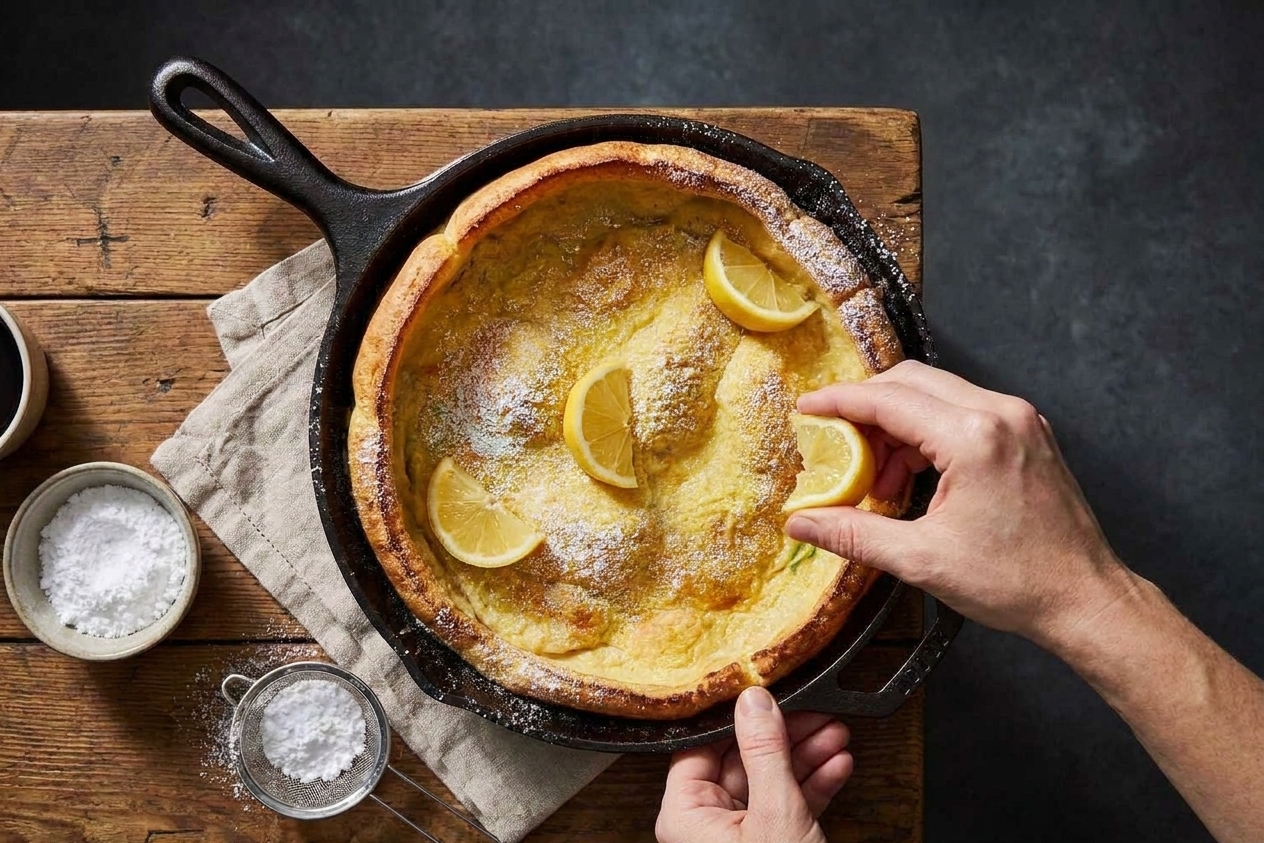
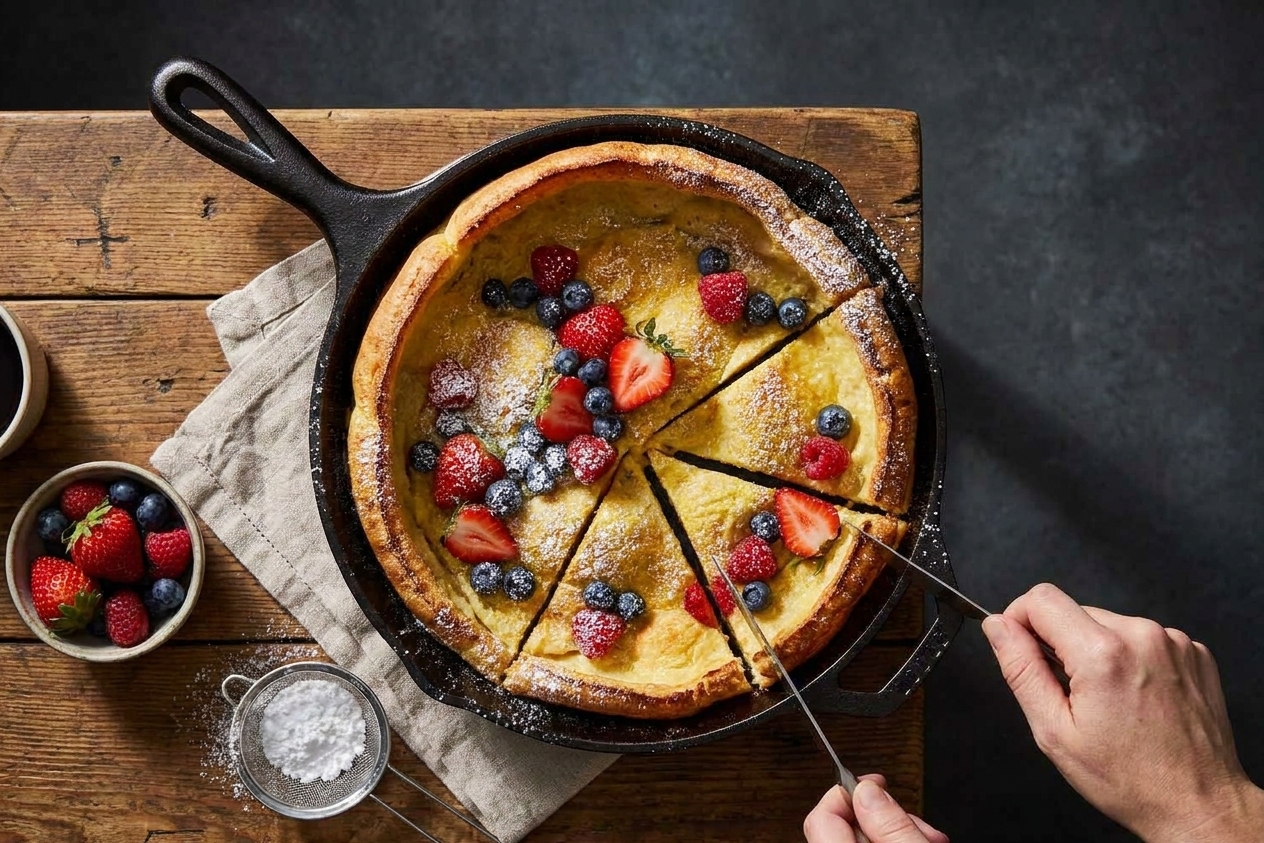
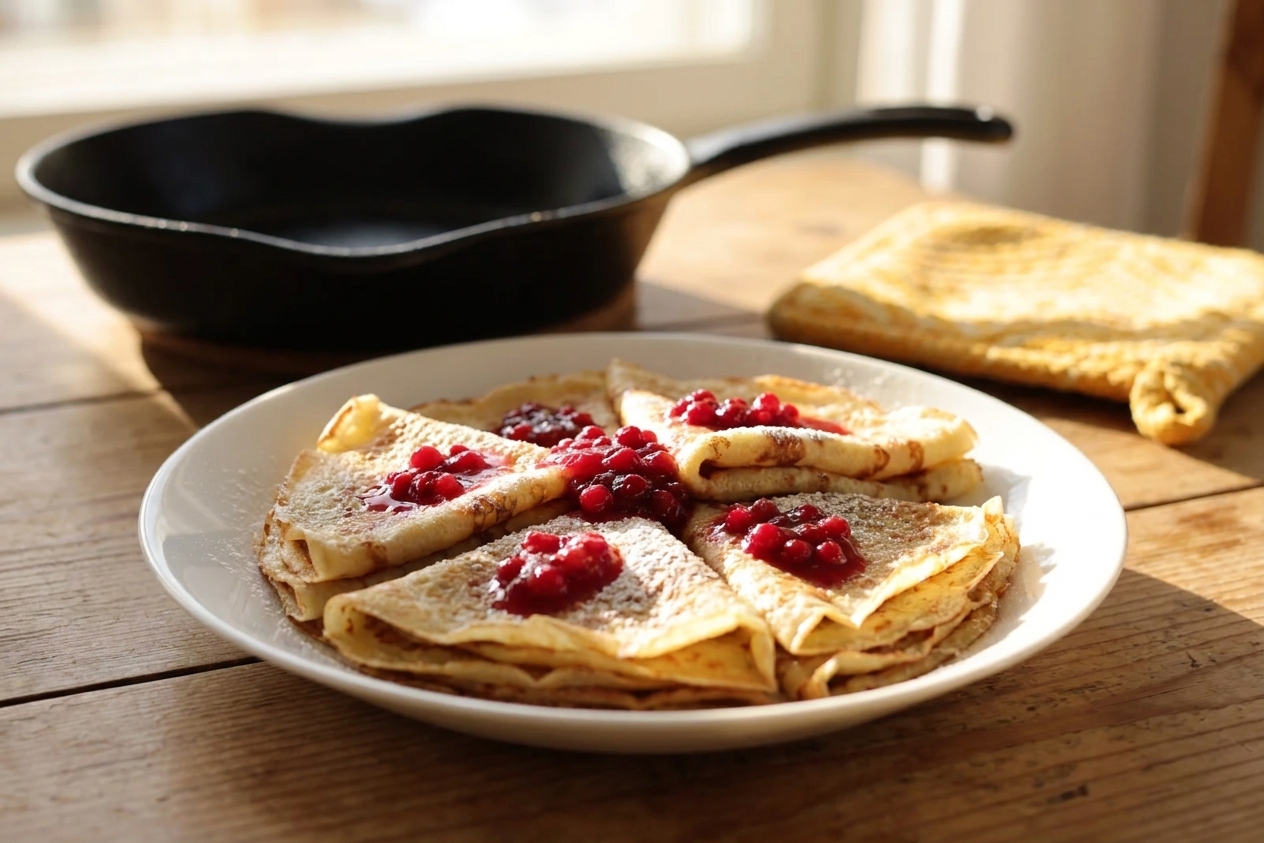
A baked Dutch baby pancake in a cast iron skillet topped with powdered sugar and lemon wedges on a wooden table setting

The first time I made a Dutch baby, I treated it like a normal pancake situation. I warmed the pan a little, got distracted, then poured the batter and hoped for vibes. Reader, it came out flat as a bad joke.

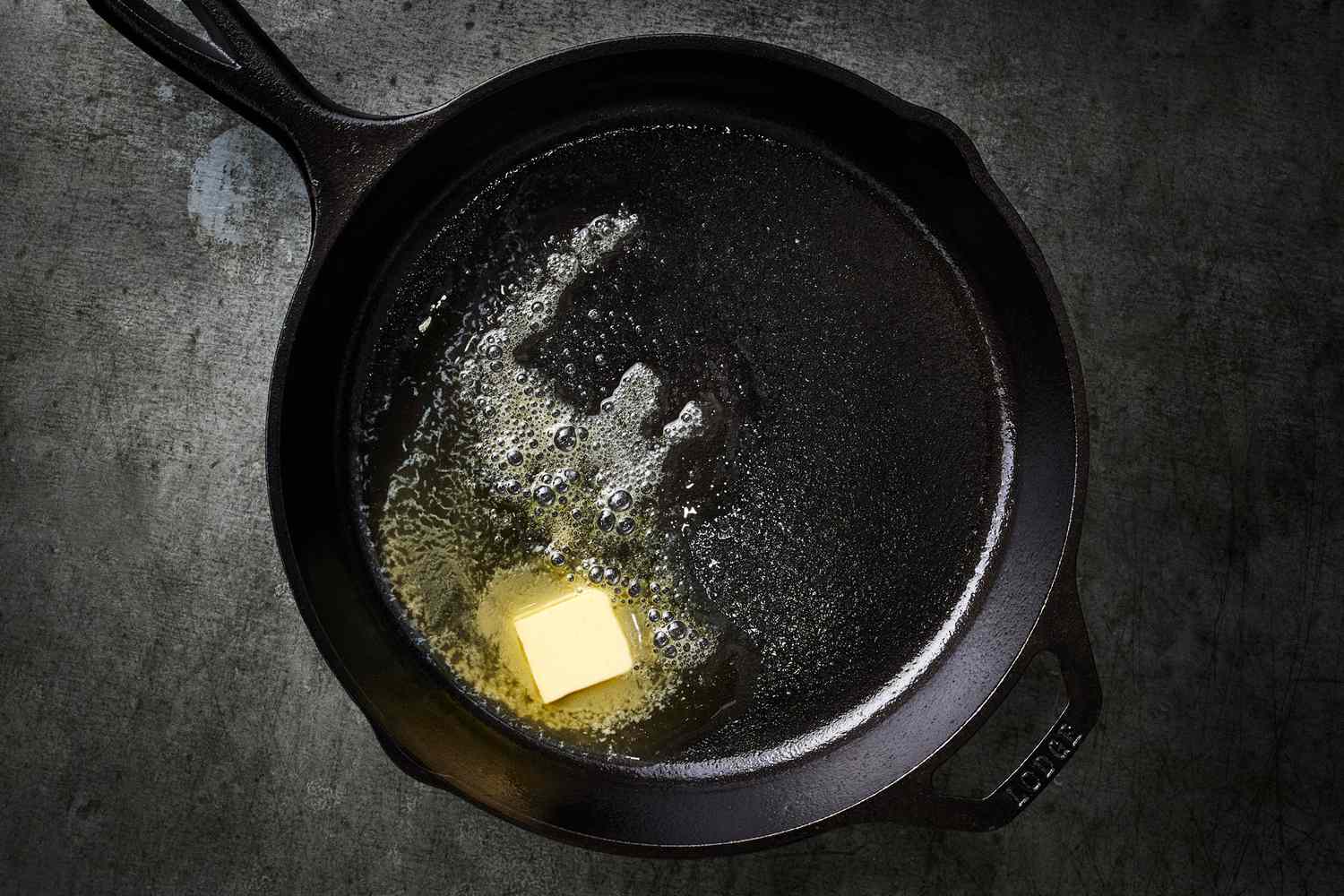
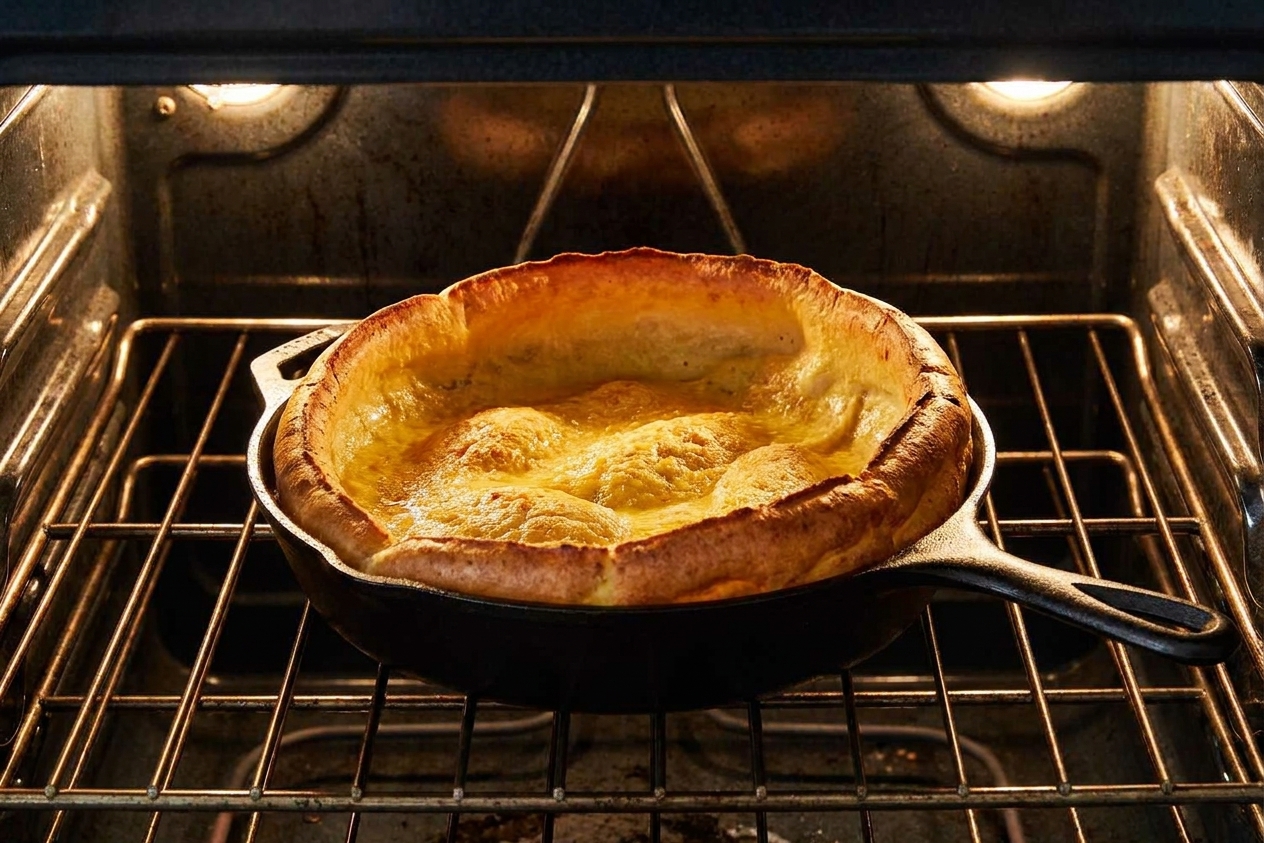
Now I do it the way the dish demands: I preheat the skillet until it feels borderline aggressive, melt the butter fast, and pour the batter like I am starting a science experiment. When it climbs the sides of the pan and turns deeply golden, it feels like the oven is cheering you on. I love recipes like that. Minimal effort, maximum moment.