Mom's Best Recipes
Recipe

Fluffy Whole Wheat Pancakes

Tender, lightly nutty pancakes with crisp edges, fluffy centers, and a batter that behaves on busy mornings.

Author By Matt Campbell
4.8
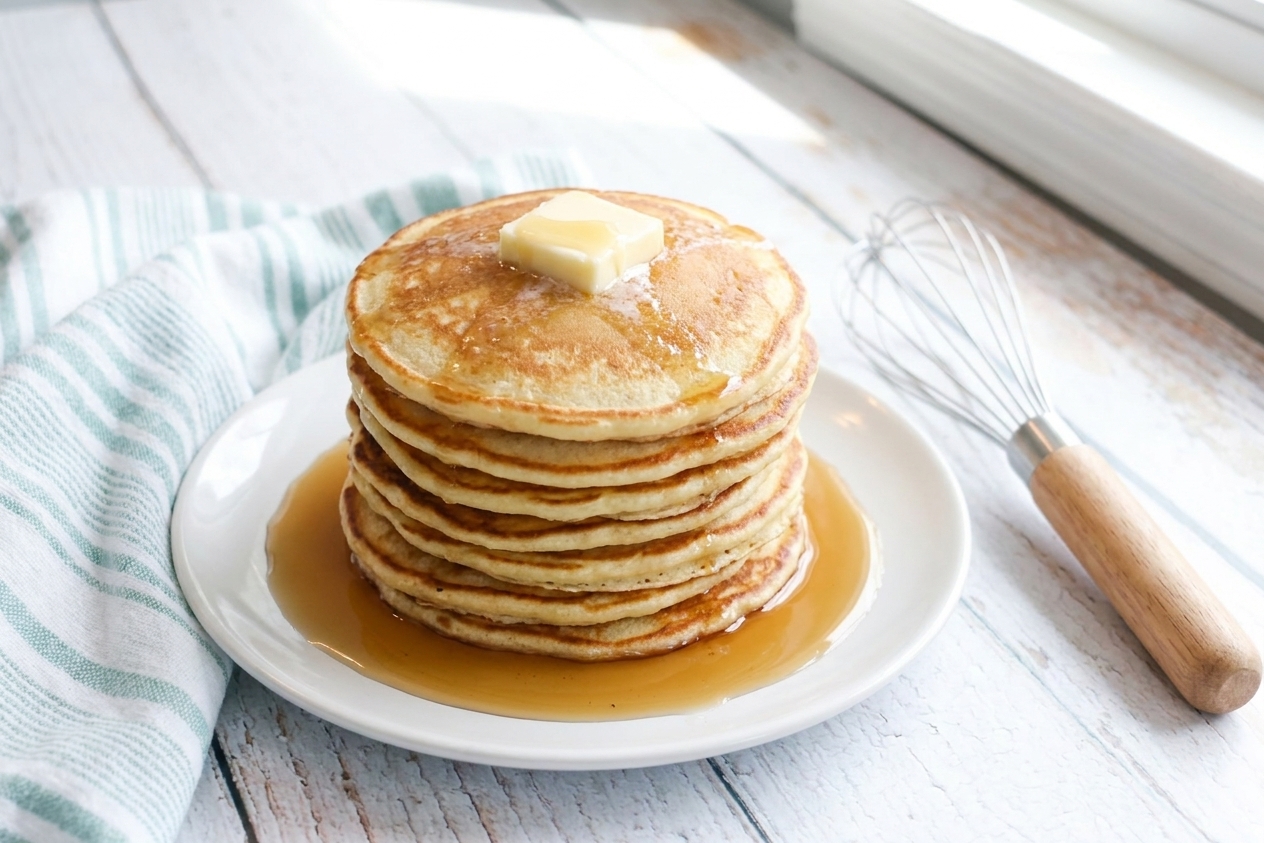
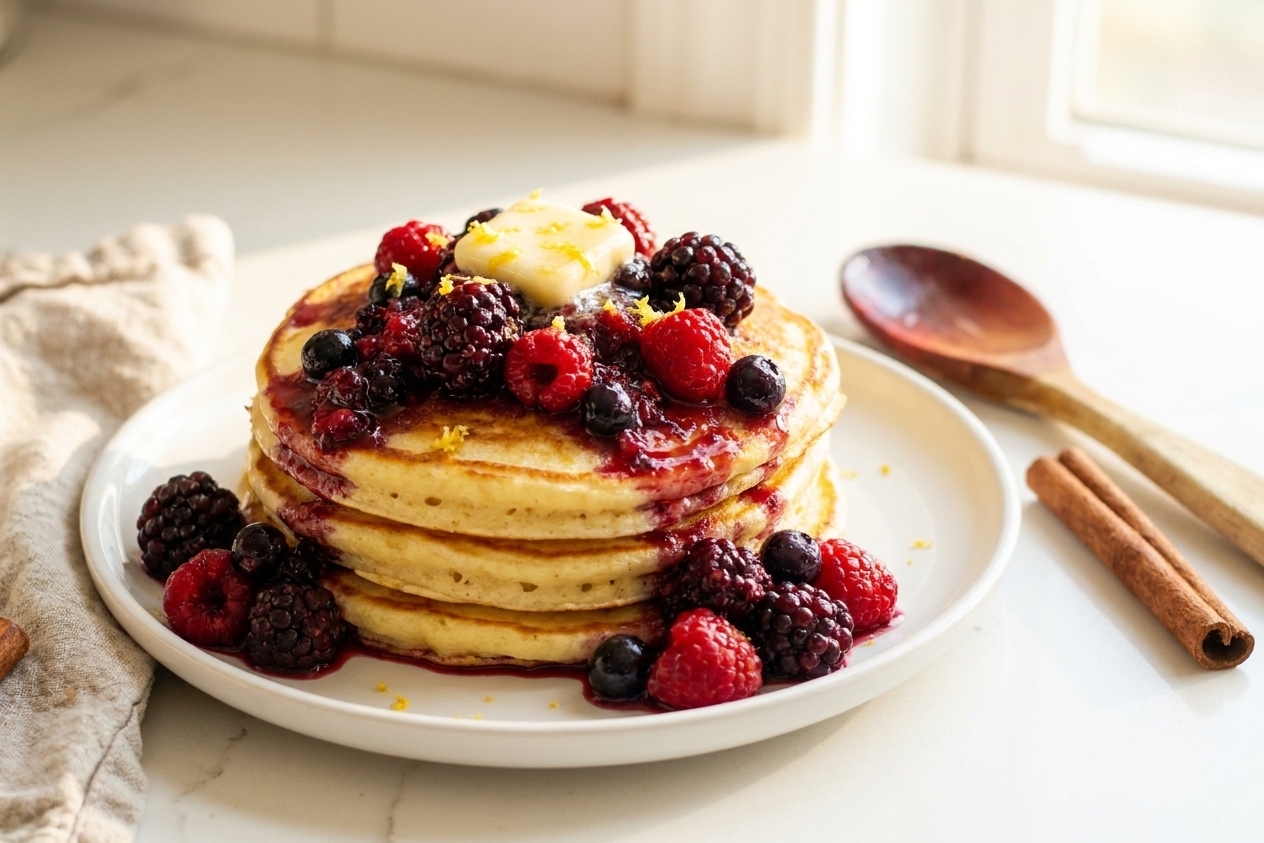
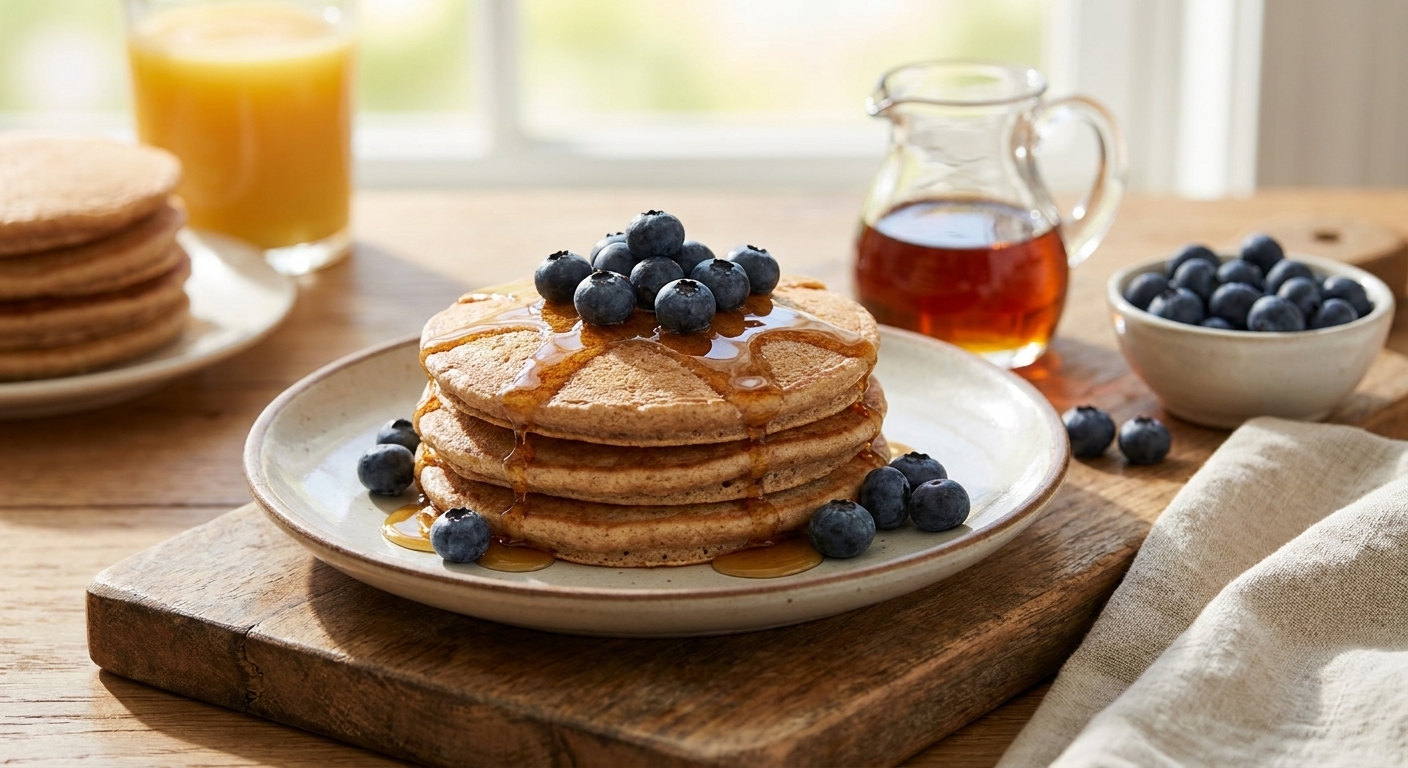
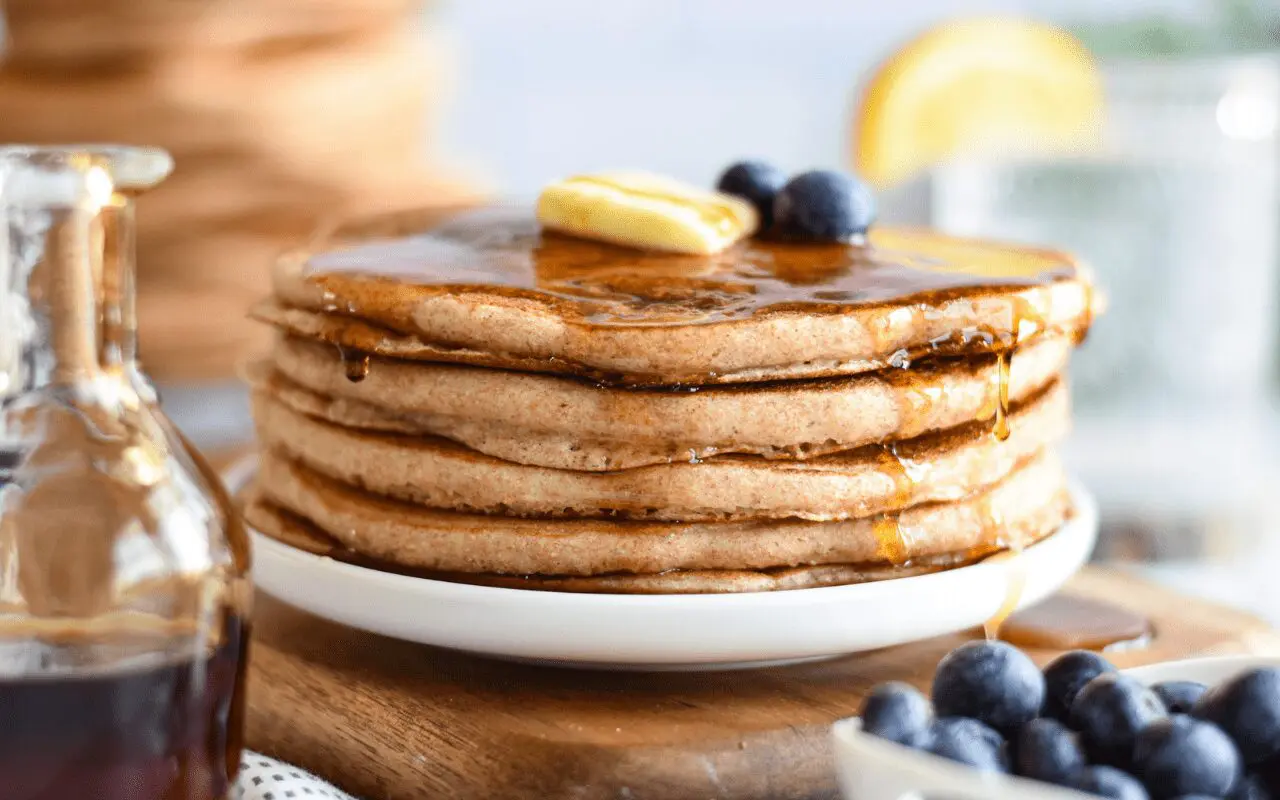
A tall stack of fluffy whole wheat pancakes on a white plate with a pat of butter melting on top and maple syrup pooling around the edges on a sunlit kitchen table

Whole wheat pancakes can go two ways: warm and fluffy with that toasty, nutty flavor we actually want, or dense little hockey pucks that make you wonder why you tried to be ambitious before coffee. This recipe is firmly in the first category.

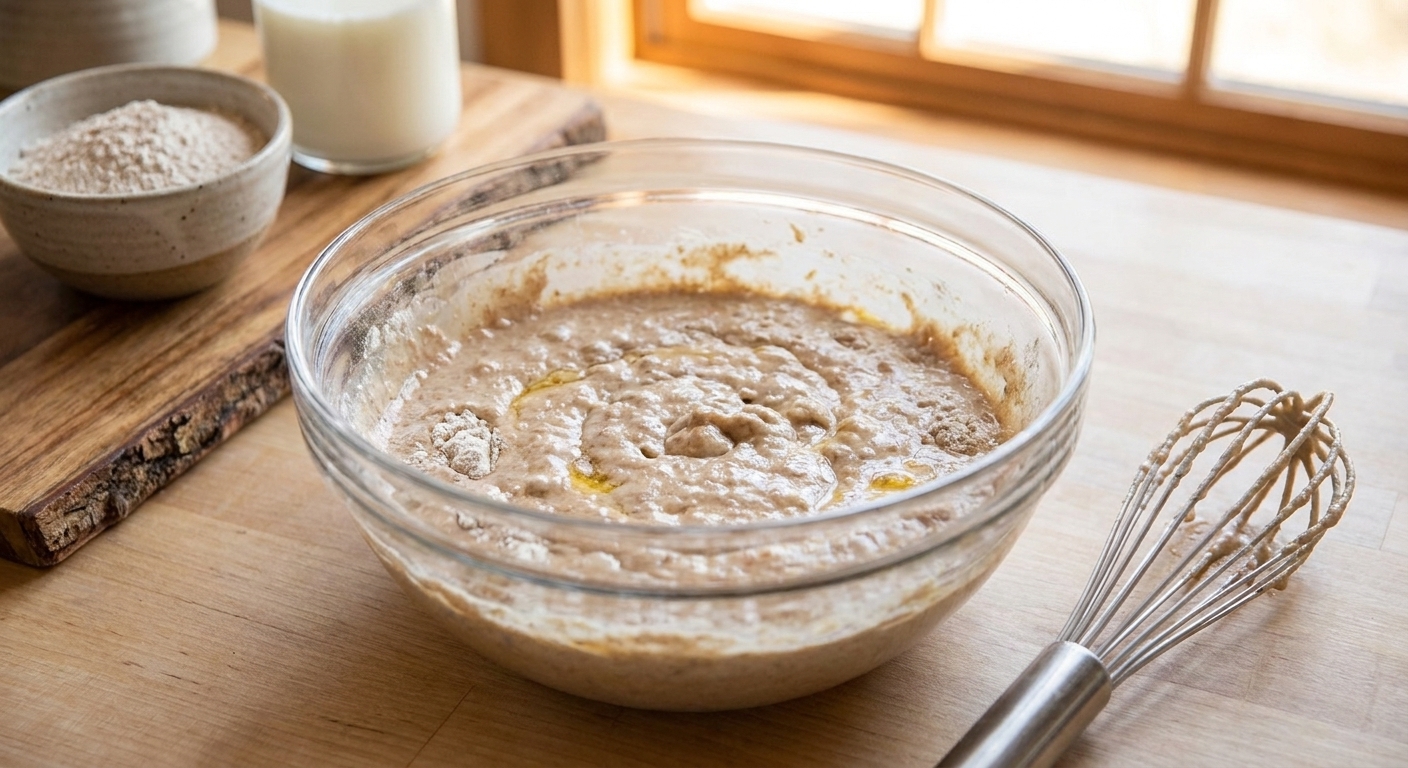
We are using a simple trick that makes whole wheat behave: let the batter rest so the flour can hydrate and soften. You get pancakes that cook up tender in the middle, with those crisp, golden edges that make a pancake worth flipping for.

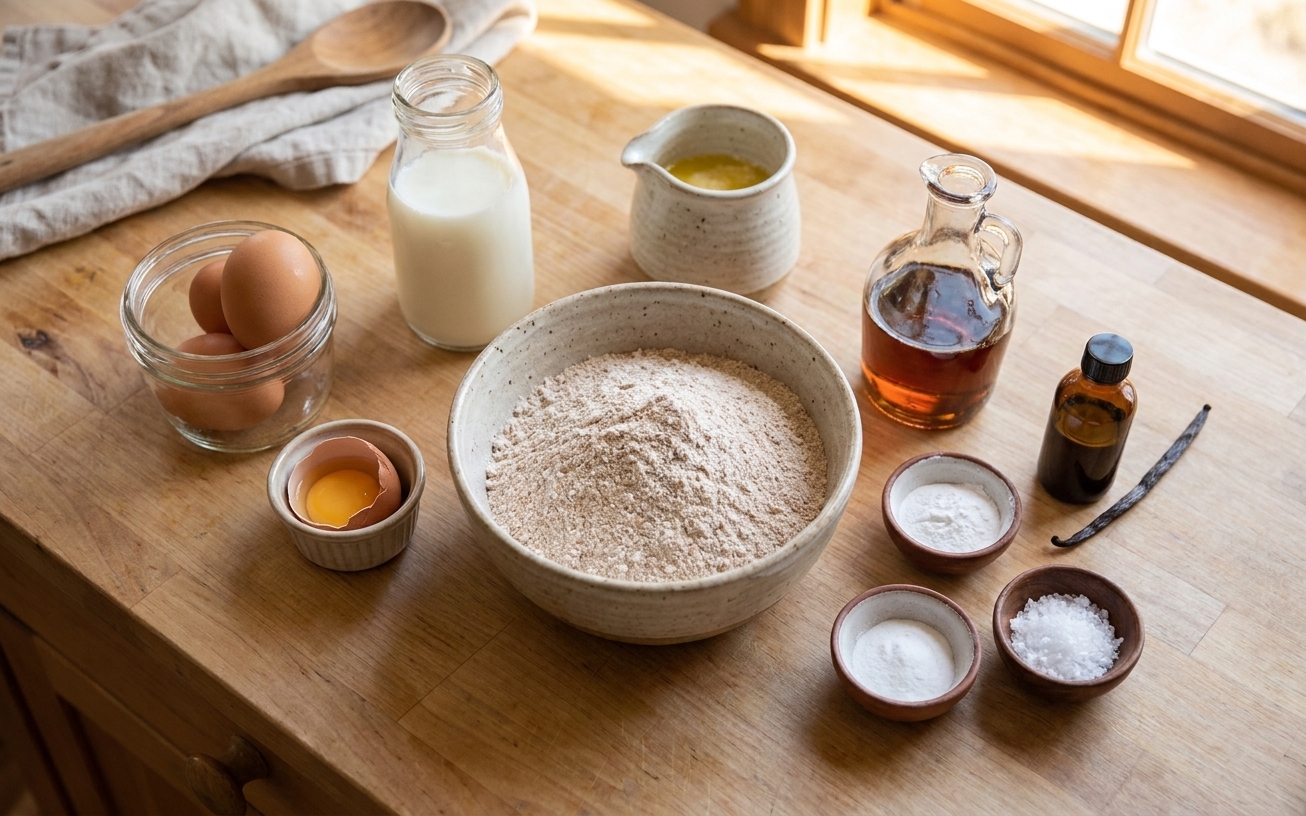
Whole wheat flour, eggs, milk, melted butter, maple syrup, baking powder, baking soda, salt, and vanilla arranged on a clean kitchen counter in natural light

Why It Works

  • Fluffy texture without fuss: Baking powder does the heavy lifting, and a little baking soda helps with browning and extra lift (especially if you use acidified milk).
  • Whole wheat flavor, not whole wheat heaviness: A touch of sweetener and vanilla rounds out the nuttiness.
  • Crisp edges, soft center: Moderate heat and the right amount of fat in the pan gets you that golden perimeter.
  • Flexible for real life: Works with dairy or non-dairy milk, and you can fold in fruit or chocolate without drama.

Pairs Well With

Storage Tips

How to Store and Reheat

Fridge (best quality): Let pancakes cool completely, then store in an airtight container for up to 4 days. Performance varies by fridge, so use this as guidance. Place parchment between layers if you want them to separate easily.

Freezer (best quality): Freeze in a single layer on a sheet pan until firm, then transfer to a freezer bag. They keep well for about 2 months, depending on your freezer.

Reheat:

  • Toaster: My favorite. Gets the edges crisp again. (Best for pancakes that are cooked through.)
  • Oven: 350°F for 8 to 10 minutes on a sheet pan, covered loosely with foil if you want them extra soft.
  • Microwave: 20 to 40 seconds, best when you are prioritizing speed over crispness.

Make-ahead tip: Cook pancakes until just set and lightly golden, then cool completely before chilling or freezing. If you know you will reheat in the toaster or oven, aiming for "just done" (not deeply browned) helps them warm through without drying out.

Common Questions

Can I use 100% whole wheat flour?

Yes. This recipe is written for 100% whole wheat flour. If you want them even lighter, you can swap in up to 1/2 cup all-purpose flour, but you do not have to.

Why do whole wheat pancakes turn out dense?

Usually one of three things: the batter was overmixed, the batter did not rest, or the pan was too hot so the outside set before the inside could puff. Stir just until no dry streaks, rest 10 minutes, and cook on medium to medium-low.

Do I need buttermilk?

Nope. Regular milk works great here. If you want a tangier pancake (and a little extra help for the baking soda), add 1 tablespoon lemon juice or vinegar to the milk and let it sit 5 minutes before using.

Can I make the batter ahead?

You can mix the dry and wet separately the night before. Combine in the morning and rest 10 minutes. Fully mixed batter is best cooked soon after mixing, but you can hold it for about 30 to 60 minutes. It thickens as it sits, so you may need a splash of milk.

How do I know when to flip?

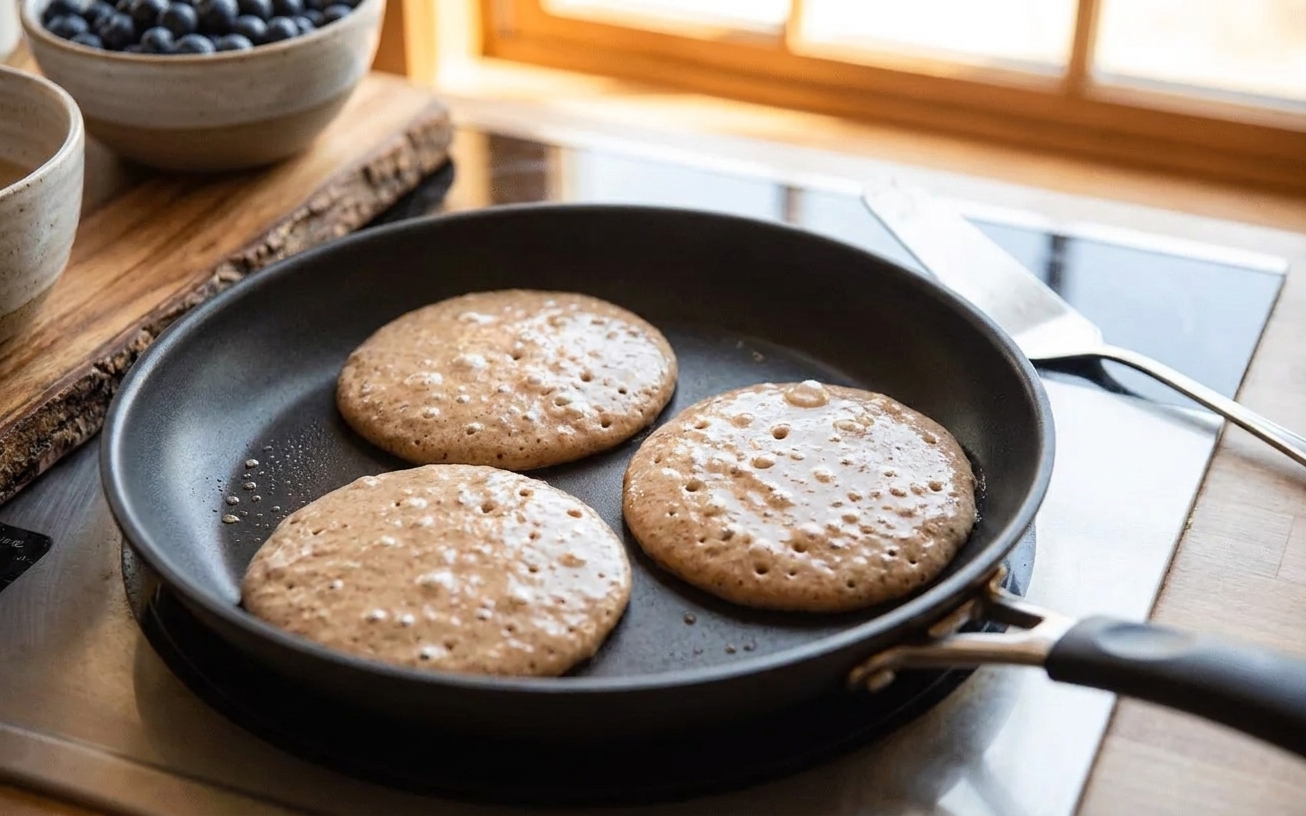
Look for bubbles across the surface and edges that look set and slightly dry. The bottom should be golden when you peek with a spatula.

What are good add-ins?

Blueberries, sliced banana, chocolate chips, chopped toasted pecans, or a pinch of cinnamon. Keep it to about 1/2 to 3/4 cup add-ins total so the pancakes still flip cleanly.

I started making whole wheat pancakes when I realized I wanted weekday breakfasts that felt like a treat but still had some substance. The first few batches were, respectfully, bricks. Then I learned to stop fighting the flour. Let it drink. Let it rest. Let the pan do its job. Now these are my go-to when I want something cozy and reliable, with enough crisp edge to make me hover over the skillet like it is a sport.