Mom's Best Recipes
Recipe

Easy Cheddar Cheese Sauce

A silky, pourable cheddar sauce made with a quick roux, real cheese, and a couple of small tricks that keep it smooth every time.

Author By Matt Campbell
4.8
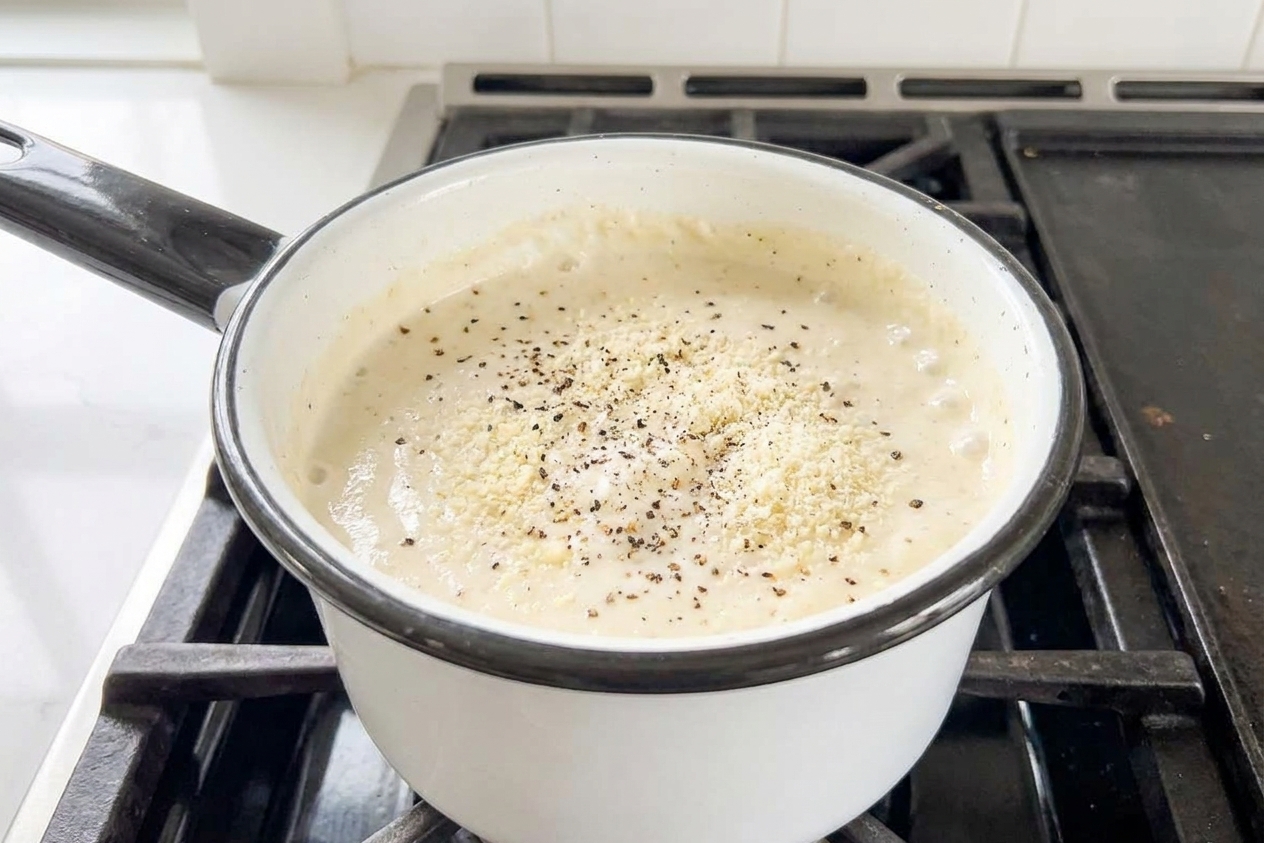
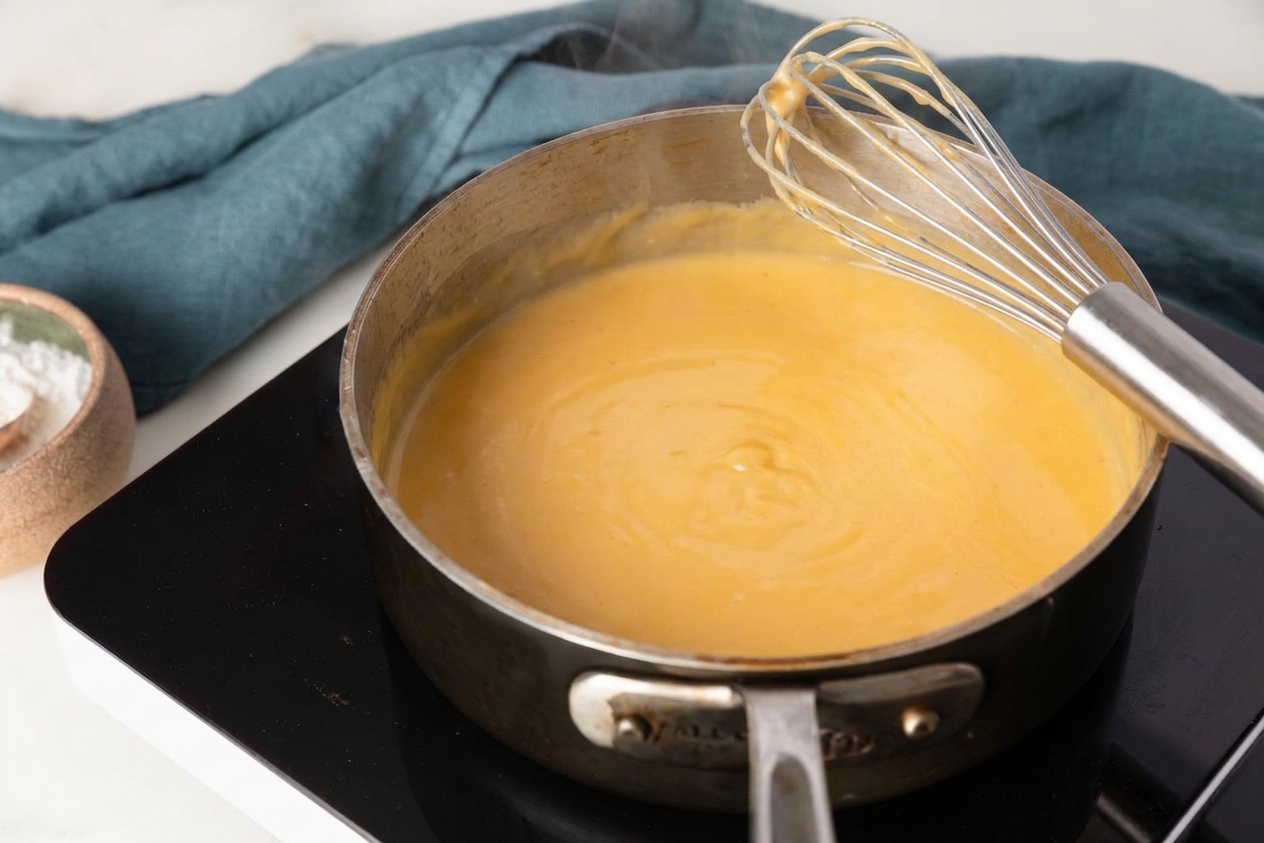
A small saucepan of glossy cheddar cheese sauce on a stovetop, with a whisk resting on the rim and steam rising in a cozy home kitchen

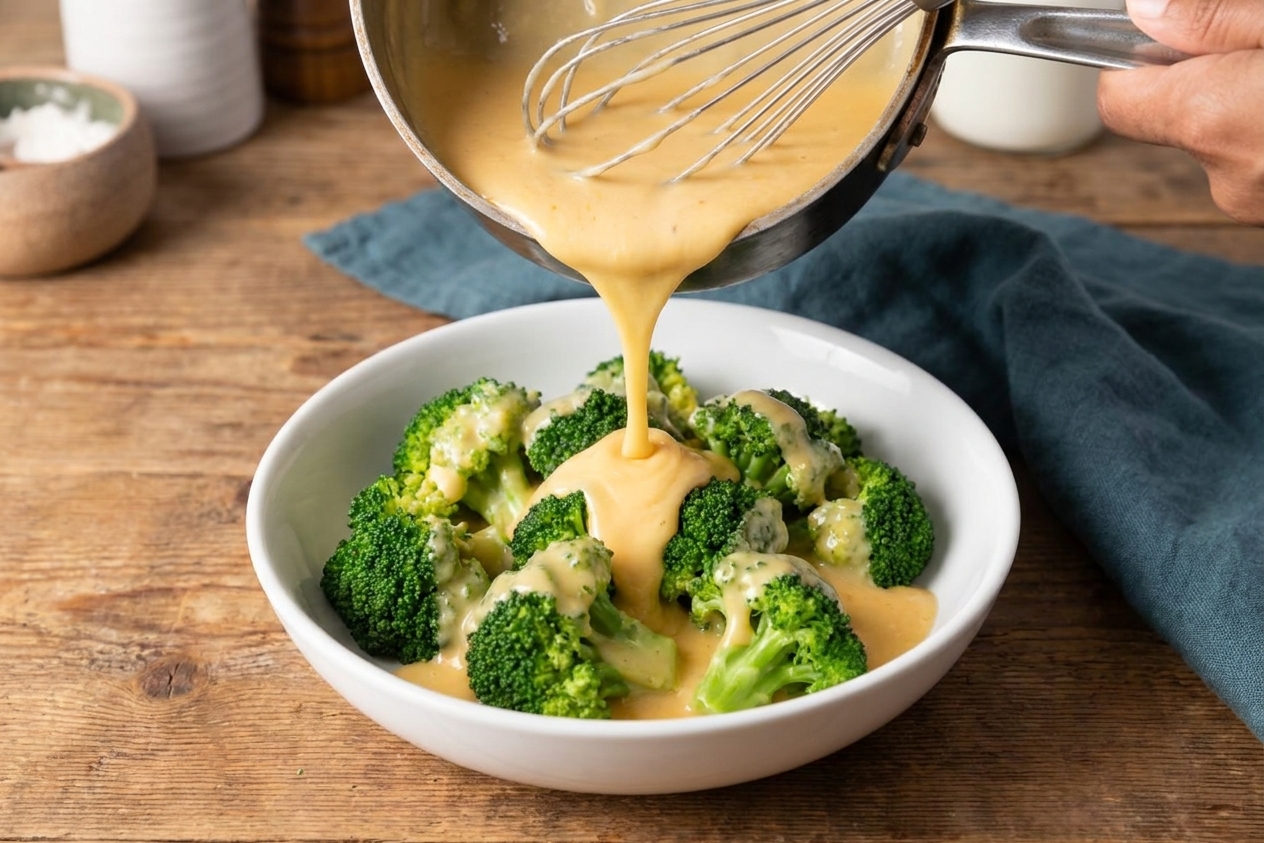
Cheddar cheese sauce is one of those kitchen superpowers that makes dinner feel like you tried harder than you did. Five minutes ago you had broccoli and a baked potato. Now you have broccoli with a warm cheddar blanket and a potato that suddenly looks like it belongs at a steakhouse.

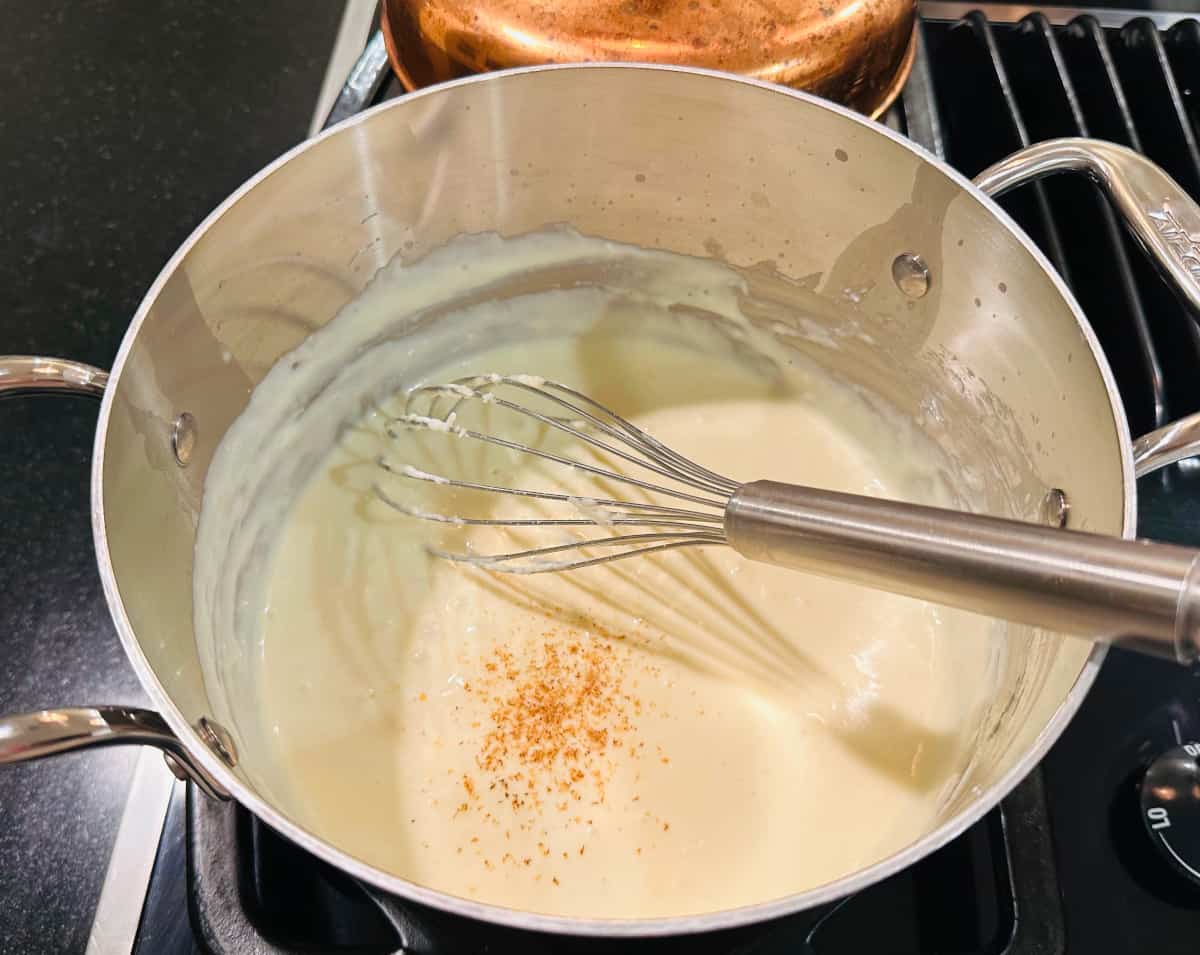
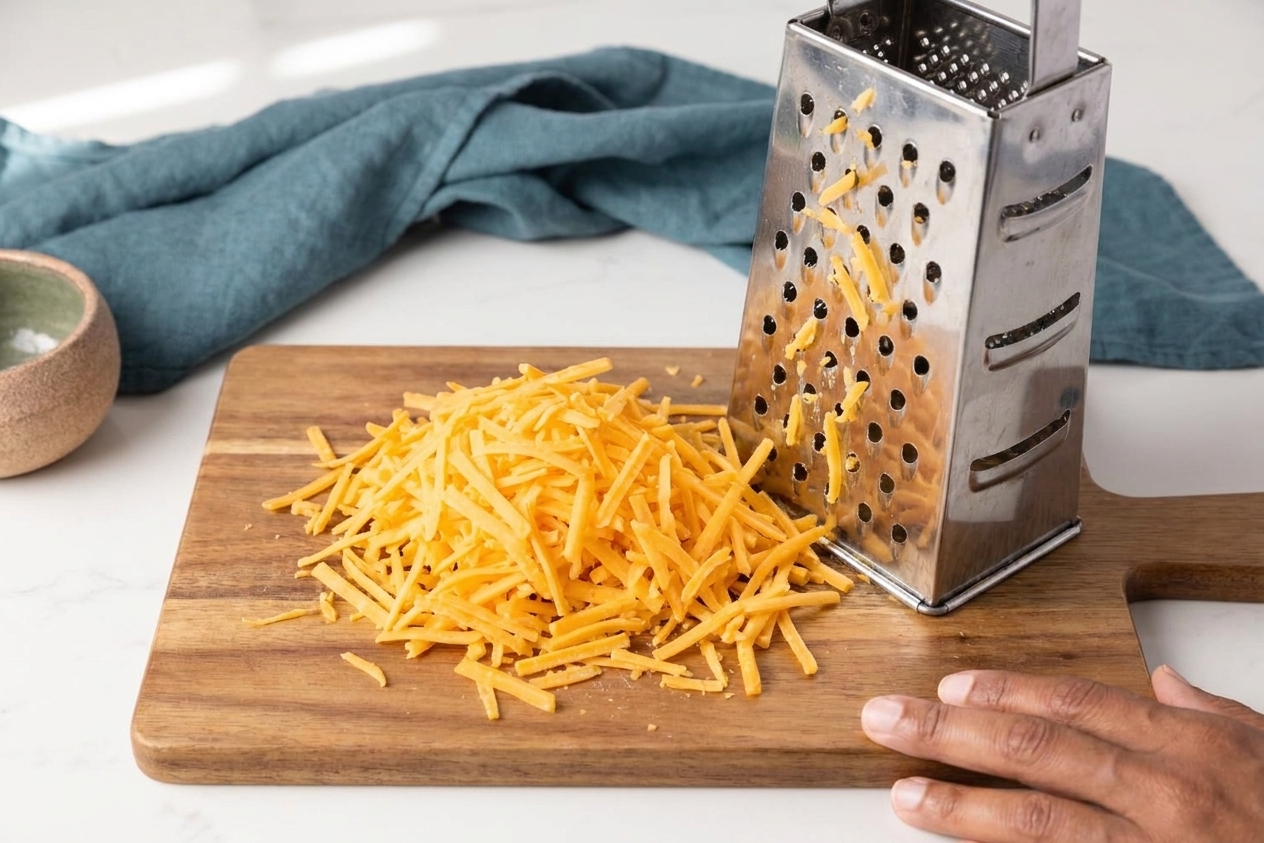
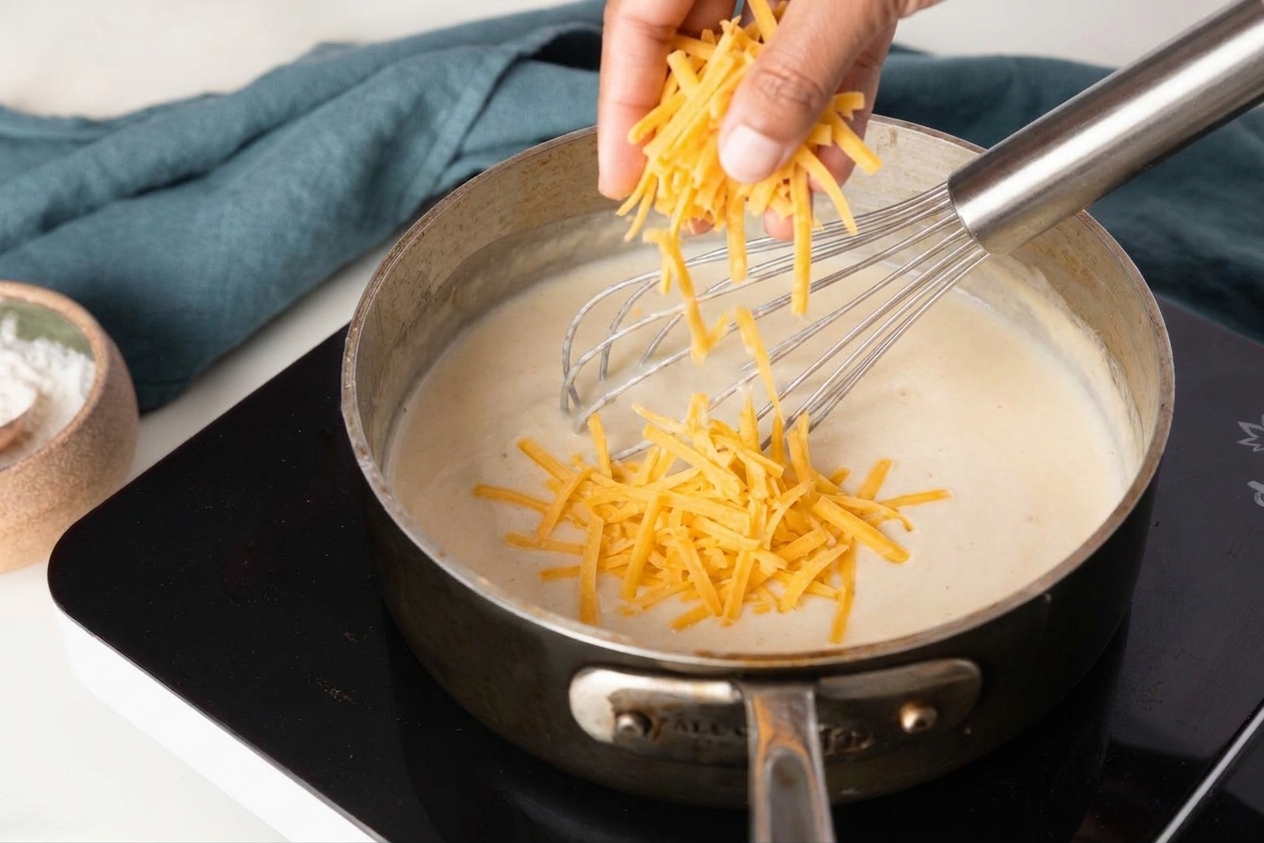
This version is my go-to because it is built on a simple roux (butter + flour), it comes together fast, and it stays smooth if you follow two rules: take the pan off the heat before you add the cheese and shred it yourself if you can. We are chasing creamy, not grainy.

Freshly shredded sharp cheddar cheese piled on a wooden cutting board next to a box grater on a kitchen counter

Why It Works

  • Smooth and stable: A quick roux thickens the sauce so it clings to pasta, coats vegetables, and is less likely to split.
  • Big cheddar flavor: Sharp cheddar brings the punch, while a little Dijon and garlic powder make it taste like more than just melted cheese.
  • Flexible texture: Keep it thick for mac and cheese, thin it for nachos, or loosen leftovers with a splash of milk.
  • Weeknight friendly: One pot, one whisk, and about 10 minutes.

Pairs Well With

Storage Tips

Refrigerate: Cool the sauce, then store in an airtight container for up to 3 to 4 days. It will thicken as it chills.

Reheat gently: Warm in a small saucepan over low heat, whisking often. Add milk 1 tablespoon at a time until it turns silky again. A microwave works too, but do it in 20 to 30 second bursts and whisk between rounds.

Freezing: You can freeze it, but cheddar sauces can turn a bit grainy after thawing. If you do freeze, thaw overnight in the fridge and reheat slowly with a splash of milk, whisking like you mean it.

Common Questions

Why did my cheddar sauce turn grainy?

Usually it is one of three things: the heat was too high when the cheese went in, you used pre-shredded cheese (anti-caking agents can mess with melt), or the sauce got cooked too long after adding the cheese. Fix: take it off the heat, whisk in a splash of warm milk, and keep it moving. If it is still grainy, an immersion blender can help smooth it out.

Can I make cheddar cheese sauce without flour?

Yes. Use a cornstarch slurry: 1 tablespoon cornstarch + 2 tablespoons cold milk. Warm the milk in a saucepan until steaming (not boiling), whisk in the slurry, and simmer for 30 to 60 seconds until lightly thickened. Remove from heat, then melt in the cheese gradually. This version is a little glossier and slightly less rich than a roux-based sauce.

What is the best cheddar for cheese sauce?

Sharp cheddar gives the most flavor. For the smoothest melt, a younger sharp cheddar works great. Super aged cheddars can be a bit oilier. If you want extra insurance, swap in 2 ounces of a great melter like Monterey Jack for part of the cheddar.

How do I thin the sauce for nachos or fries?

Whisk in warm milk a tablespoon at a time until it is pourable. Keep the heat low so it stays smooth.

Can I use this for mac and cheese?

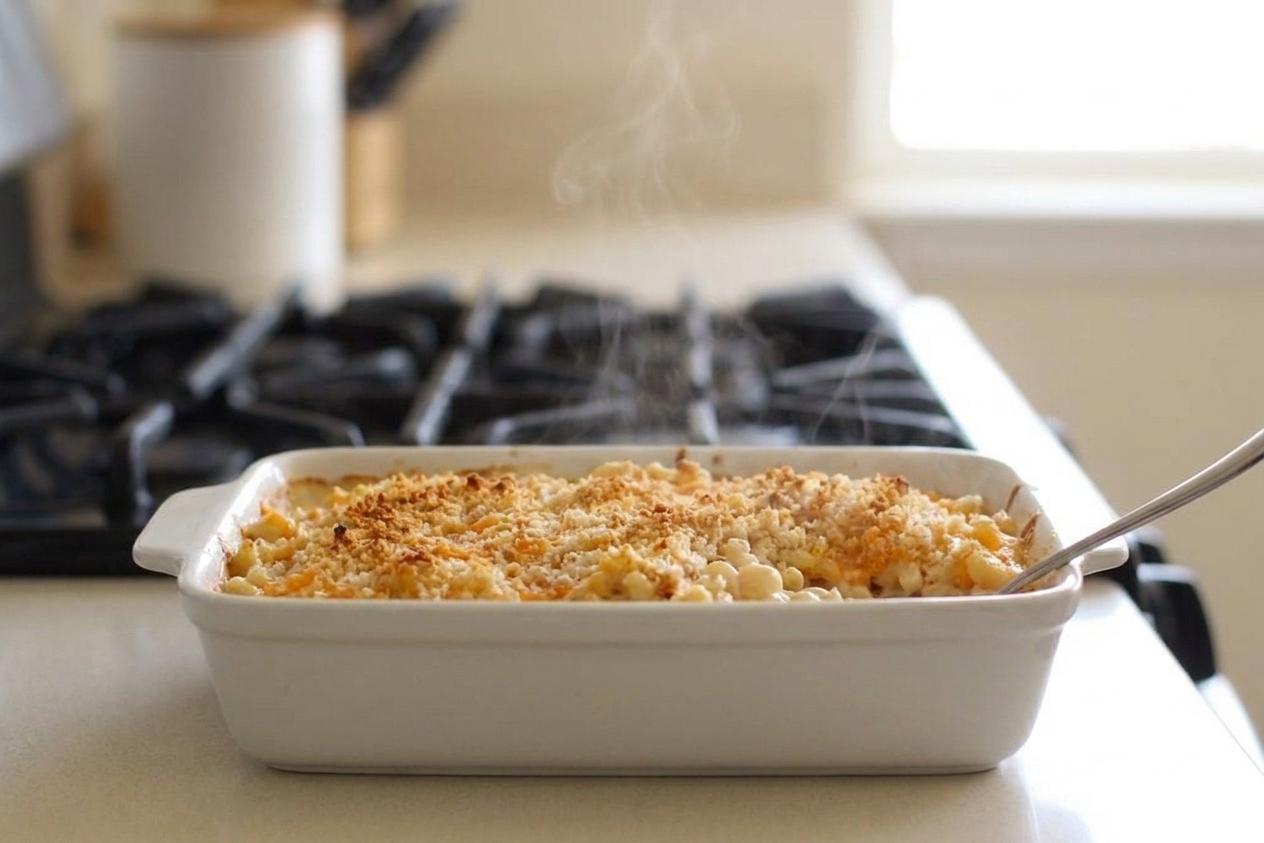
Absolutely. Keep it a touch thicker (do not add extra milk at the end), then toss with 8 ounces of cooked pasta. For baked mac, stir in the pasta, top with buttered breadcrumbs, and bake until bubbly.

I used to think cheese sauce was either a mysterious restaurant thing or something that came from a packet. Then I started cooking more seriously and realized it is basically a friendly little science experiment. Butter and flour build you a safety net, milk turns it into a cozy blank canvas, and cheddar makes everything taste like a victory lap. Now it is my go-to move when the fridge looks uninspiring and I still want dinner to feel fun.