Mom's Best Recipes
Recipe

Easy Fridge Pickles

Ultra-crisp, tangy refrigerator pickles with dill, garlic, and a balanced brine. No boiling water bath, no stress, just bright crunch in a jar.

Author By Matt Campbell
4.8
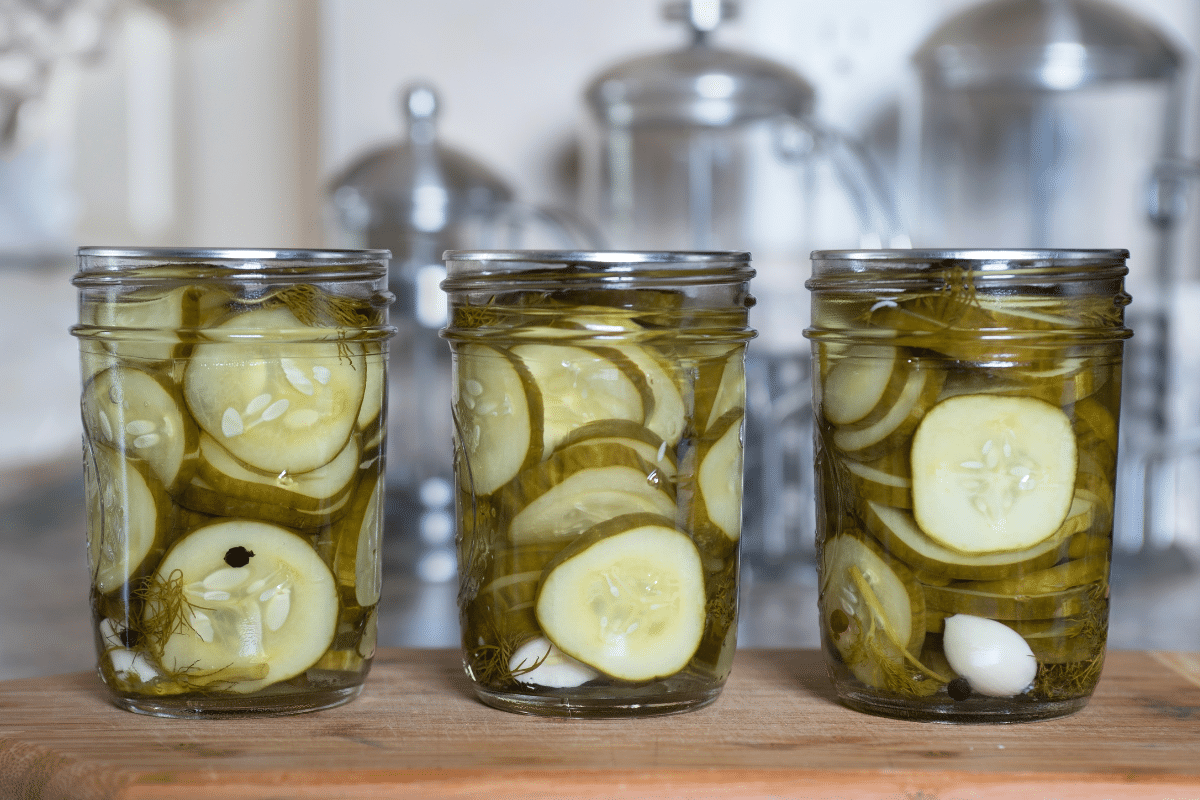
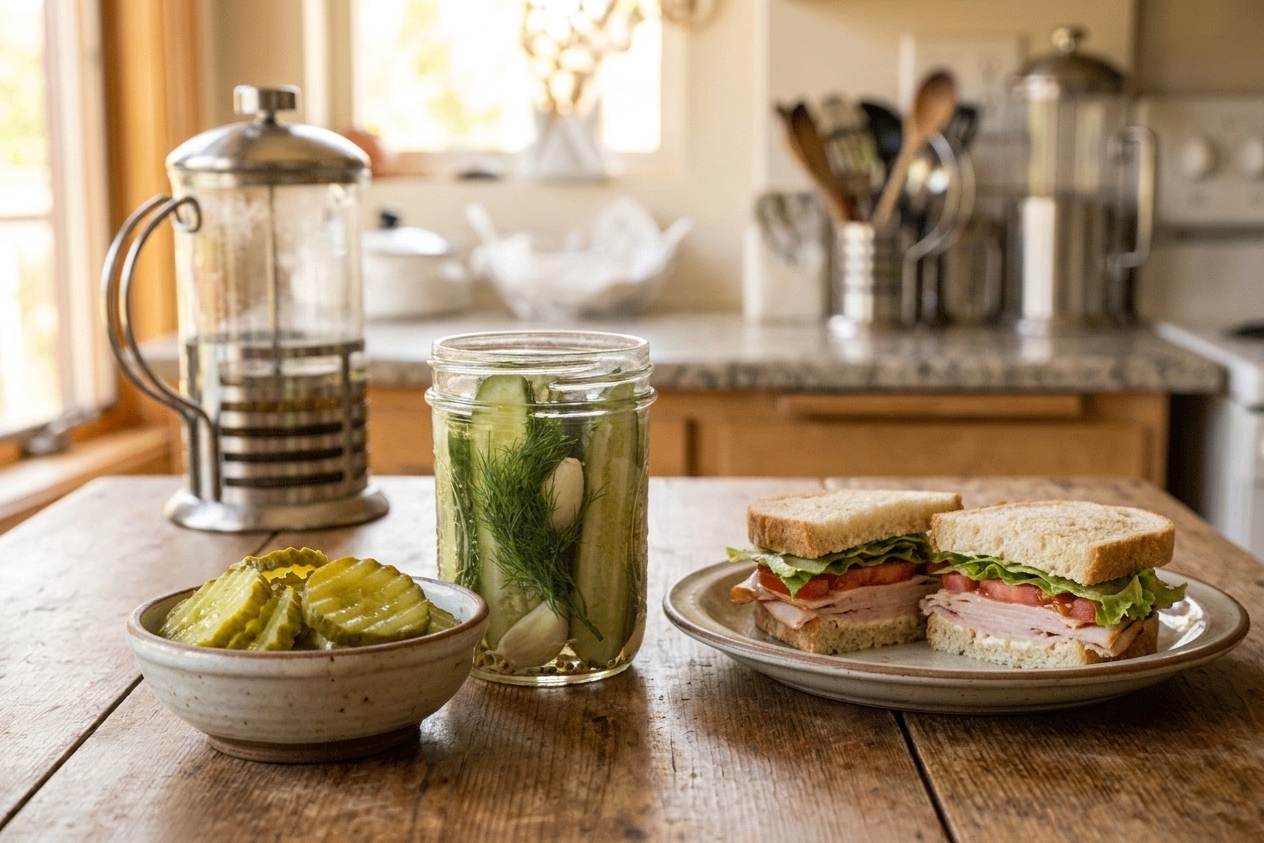
A glass jar of homemade refrigerator dill pickles with garlic cloves and fresh dill on a bright kitchen counter, lid resting nearby

If you have ever bought a tub of cucumbers with big plans and then watched them slowly get sad in the crisper, this is your redemption arc. Fridge pickles are my favorite kind of kitchen magic because they are low-drama, high-reward, and they make basically anything taste like you put effort into it.

These are crisp, punchy, garlicky, dill-forward pickles with just enough sweetness to round out the vinegar. No canning setup. No bubbling pots. Just a quick brine, a jar, and a little patience while the fridge does the work. And yes, you should absolutely taste as you go. That is the whole sport.

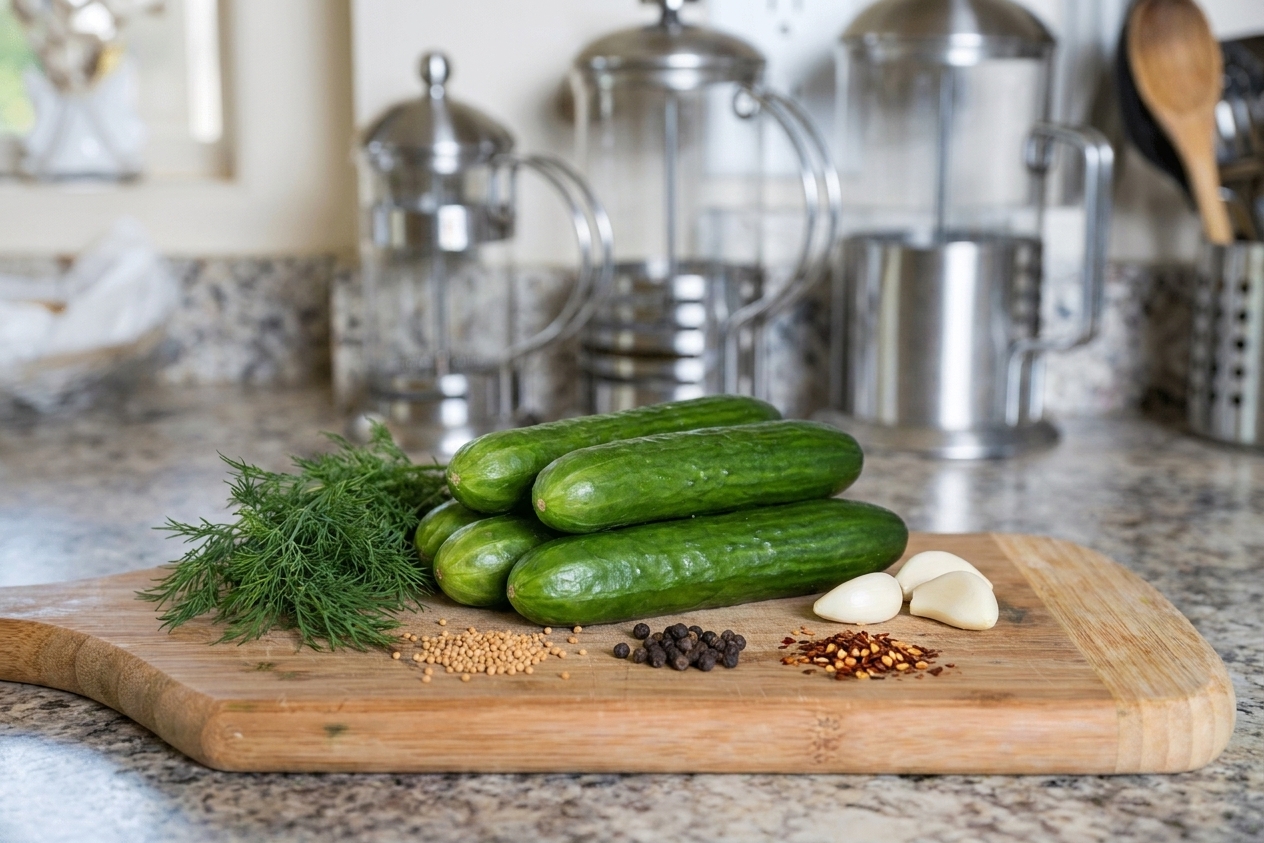
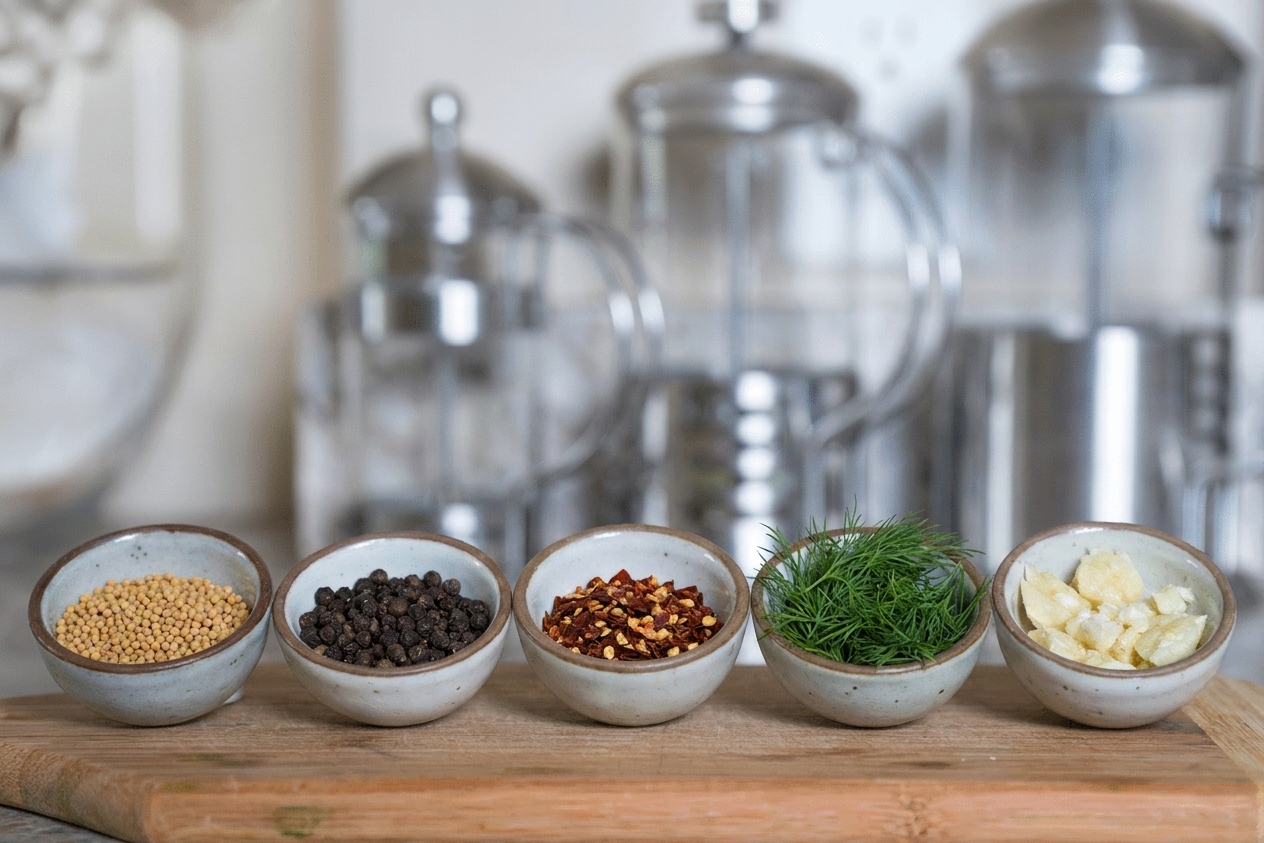
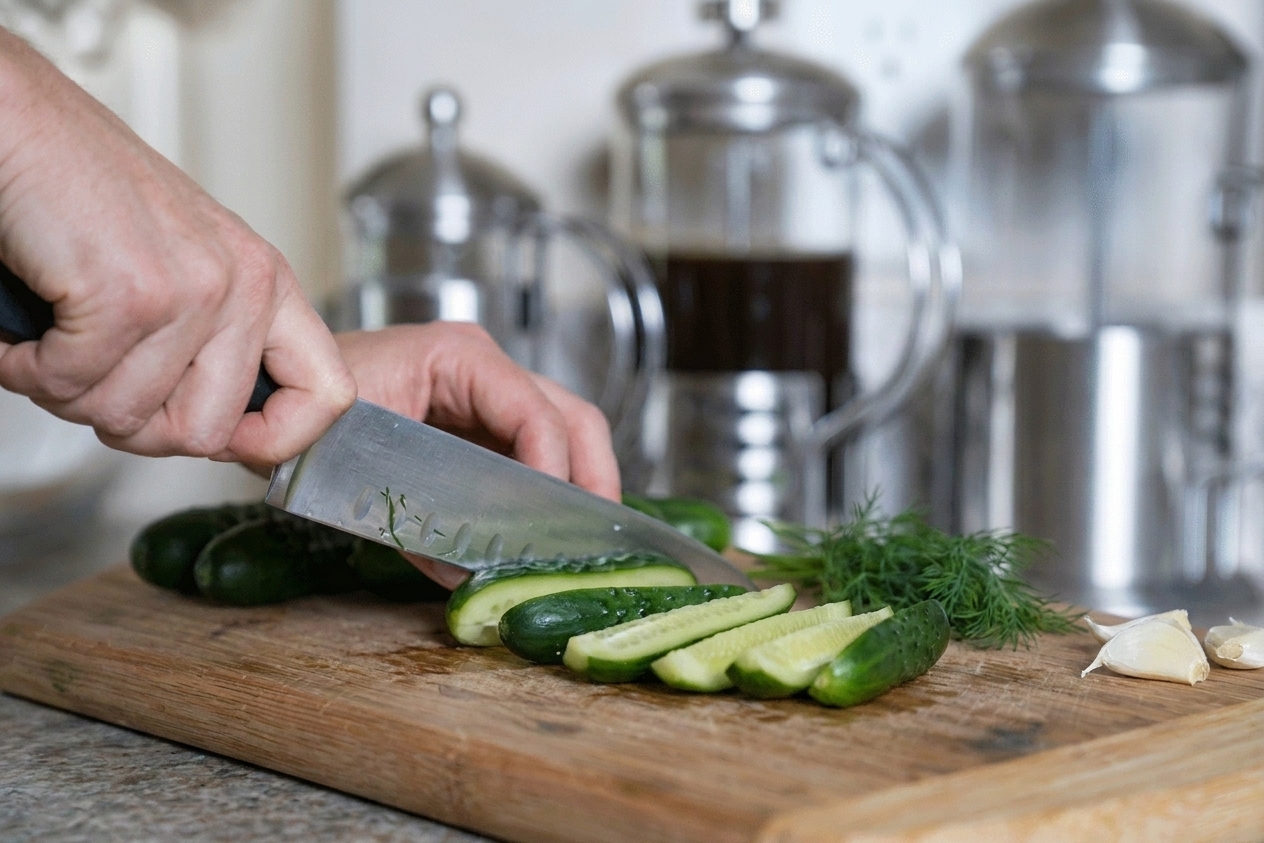
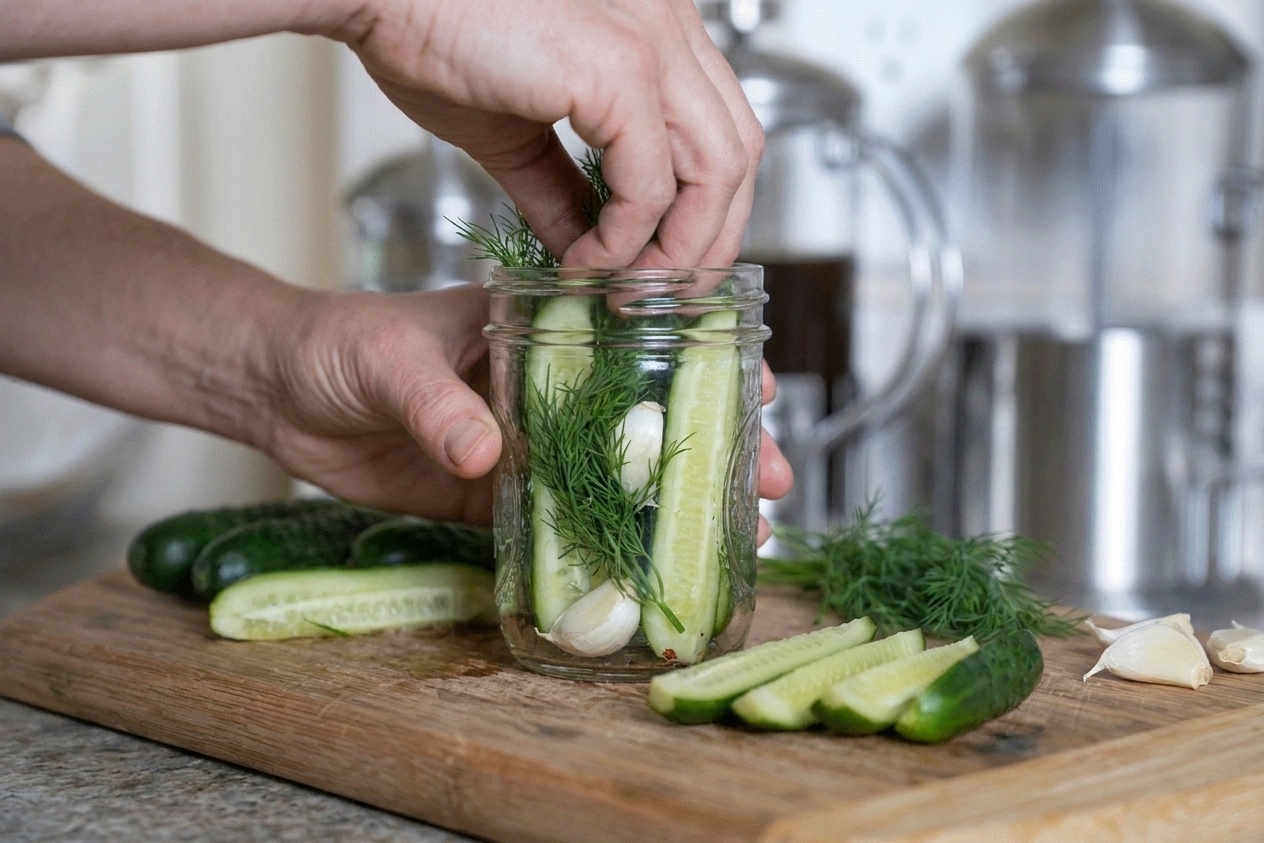
Fresh Persian cucumbers, dill sprigs, garlic, and spices arranged on a wooden cutting board on a home kitchen counter

Why It Works

  • Serious crunch: We use firm cucumbers, a salt-forward brine, and a cold rest so they stay snappy.
  • Big flavor fast: Garlic, dill, and warm spices bloom in the warm brine, then soak in as the pickles chill.
  • No canning required: These are refrigerator pickles, so you get the payoff without special equipment.
  • Flexible: Make spears, chips, or sandwich slices. Dial heat up or down. Use what you have.

Pairs Well With

Storage Tips

Refrigerate: Keep pickles fully submerged in brine in a tightly covered jar. They taste great after 24 hours and get even better after 2 to 3 days.

How long they last: For best crunch, eat within 2 weeks. They can last up to 4 weeks if kept consistently cold and handled with clean utensils. When in doubt, trust your senses and toss anything that smells off, looks moldy, or turns slimy.

Crunch insurance: Store the jar toward the back of the fridge where the temperature is most stable. If you love extra crisp pickles, add a fresh dill sprig when you open the jar and keep everything submerged.

Do not freeze: Cucumbers turn watery and soft after thawing.

Common Questions

Do I have to boil the brine?

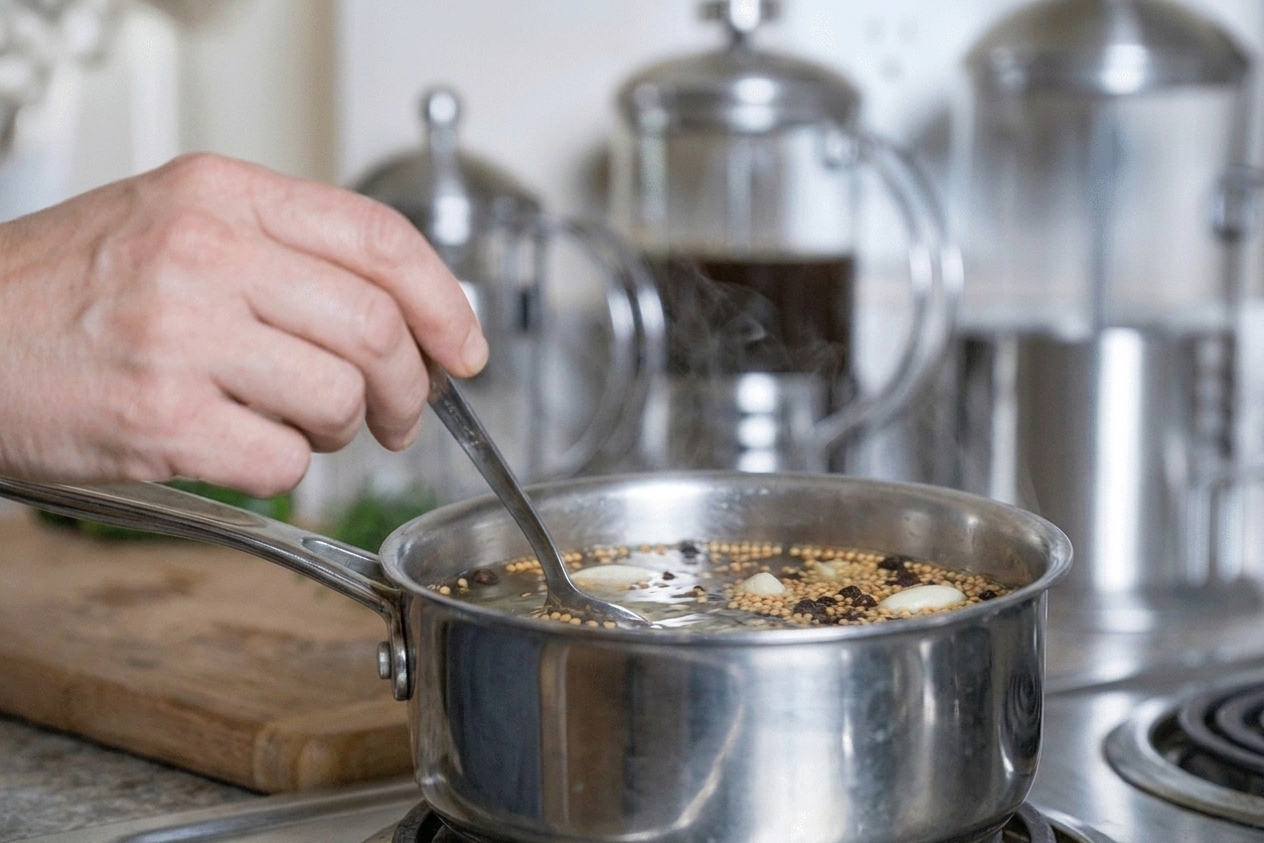
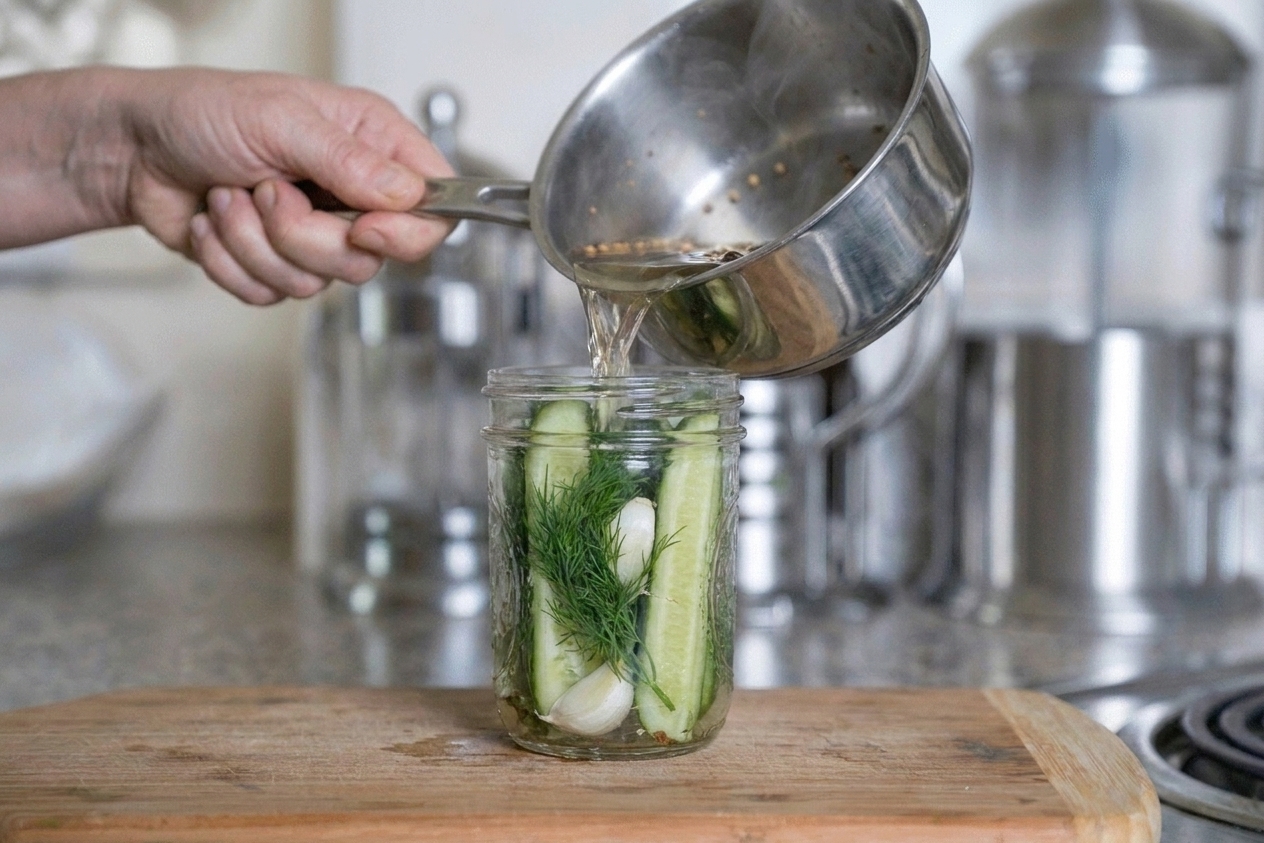
You do not have to, but I do recommend heating it just until the sugar and salt dissolve. Warm brine helps the garlic and spices wake up, and it makes the whole process more consistent. Let it cool a bit before pouring so you do not soften the cucumbers.

How long until fridge pickles are ready?

They are snackable after about 4 to 6 hours, but the real pickle flavor shows up around 24 hours. At 48 to 72 hours, they are fully in their groove.

Why are my fridge pickles soft?

Common culprits are older cucumbers, cucumbers that were previously frozen, slicing too thin, or letting the brine go in piping hot. Some pickle-makers also find that trimming a thin slice off the blossom end can help keep pickles firmer. Start with the freshest, firmest cucumbers you can, keep the jar cold, and do not skip the salt.

Can I reuse the brine?

You can reuse it once for another batch of cucumbers if it still smells fresh and looks clear, but the flavor will be lighter. If the brine turns cloudy quickly, smells off, looks slimy, or you see anything fuzzy, toss it.

Can I make these without sugar?

Yes. The sugar is there to balance the vinegar, not to make them sweet. You can reduce it to 1 teaspoon or omit it entirely for a sharper pickle.

What else helps keep pickles crunchy?

If you want extra crunch, pickle crisp (calcium chloride) is the most reliable add-in. Some folks also add a clean grape leaf or a small pinch of black tea (tannins), but it is optional and the results can vary.

Is this safe for shelf-stable canning?

No. This is a refrigerator pickle recipe, not a tested canning recipe. Store in the fridge.

I almost did the culinary school route, but I ended up chasing the hands-on path instead. Fridge pickles feel like that same energy in a jar. You learn by doing, you taste, you tweak, you make a mess of dill on the counter, and somehow dinner is better for the rest of the week.

In my kitchen, pickles are not a side. They are a strategy. A pickle can rescue a boring sandwich , wake up leftover chicken, and make a bowl of rice feel like a real plan. And when you make them yourself, you get to build the exact kind of bite you love: more garlic, more dill, more heat, more crunch. That is the fun.