Mom's Best Recipes
Recipe

Easy Grape Jelly

Bright, classic grape jelly with a reliable set, made in a small batch with approachable steps and big grape flavor.

Author By Matt Campbell
4.8
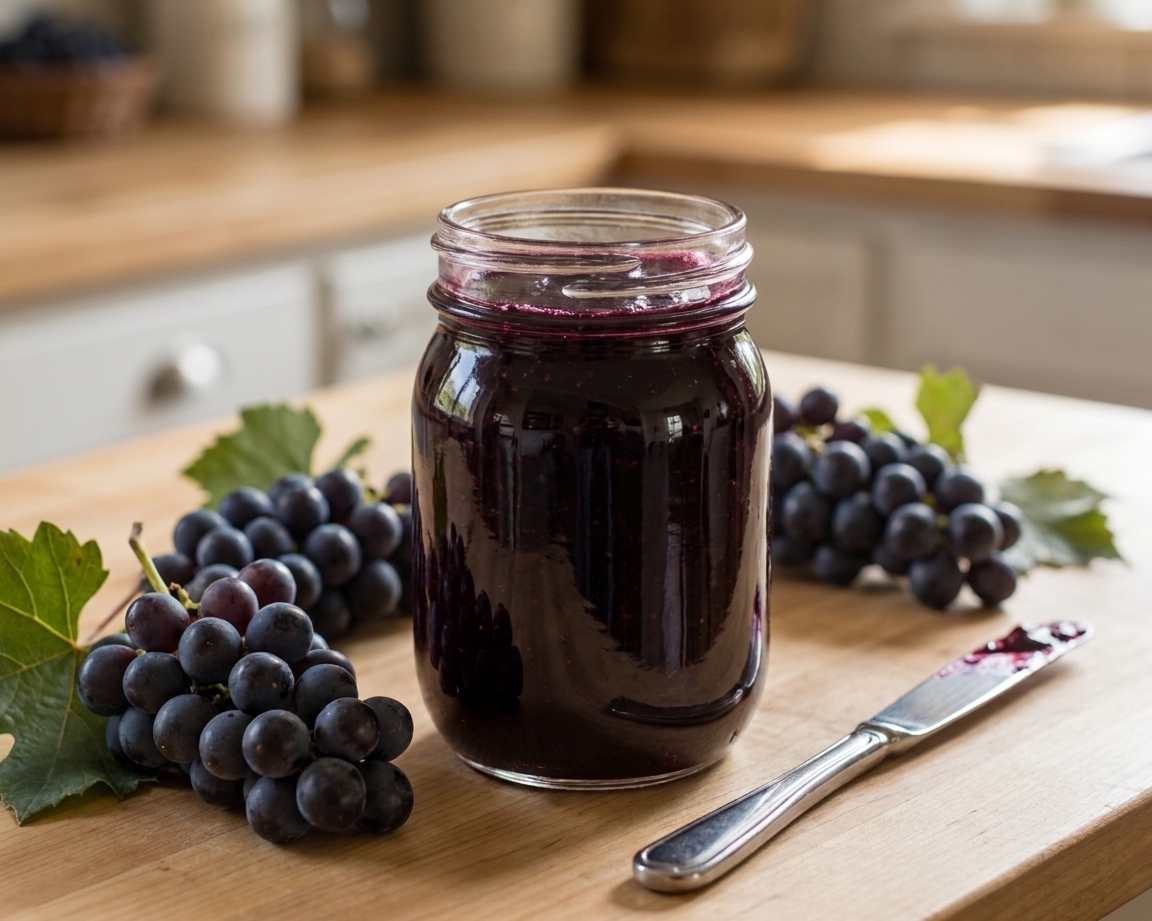
A glass jar of deep purple grape jelly on a light kitchen counter with grapes scattered nearby and a butter knife resting beside the jar

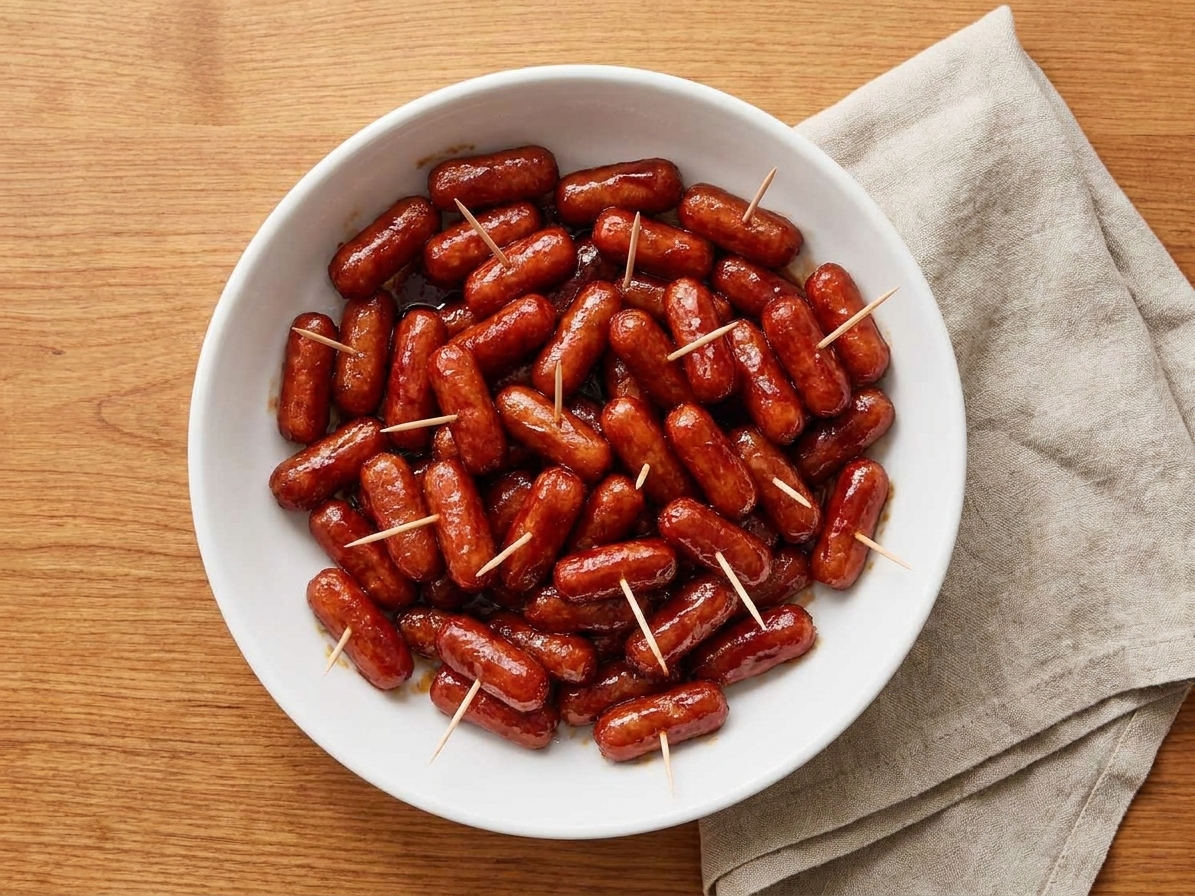
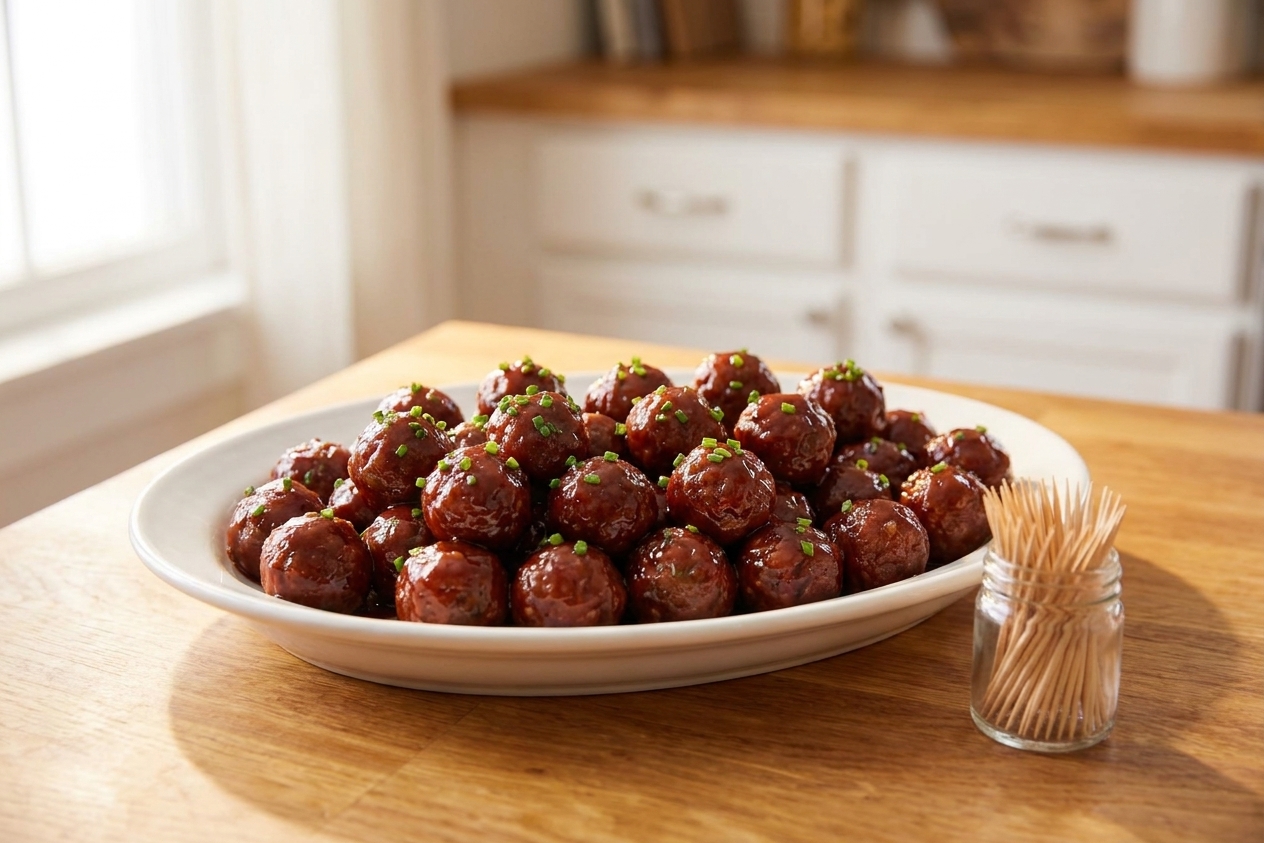
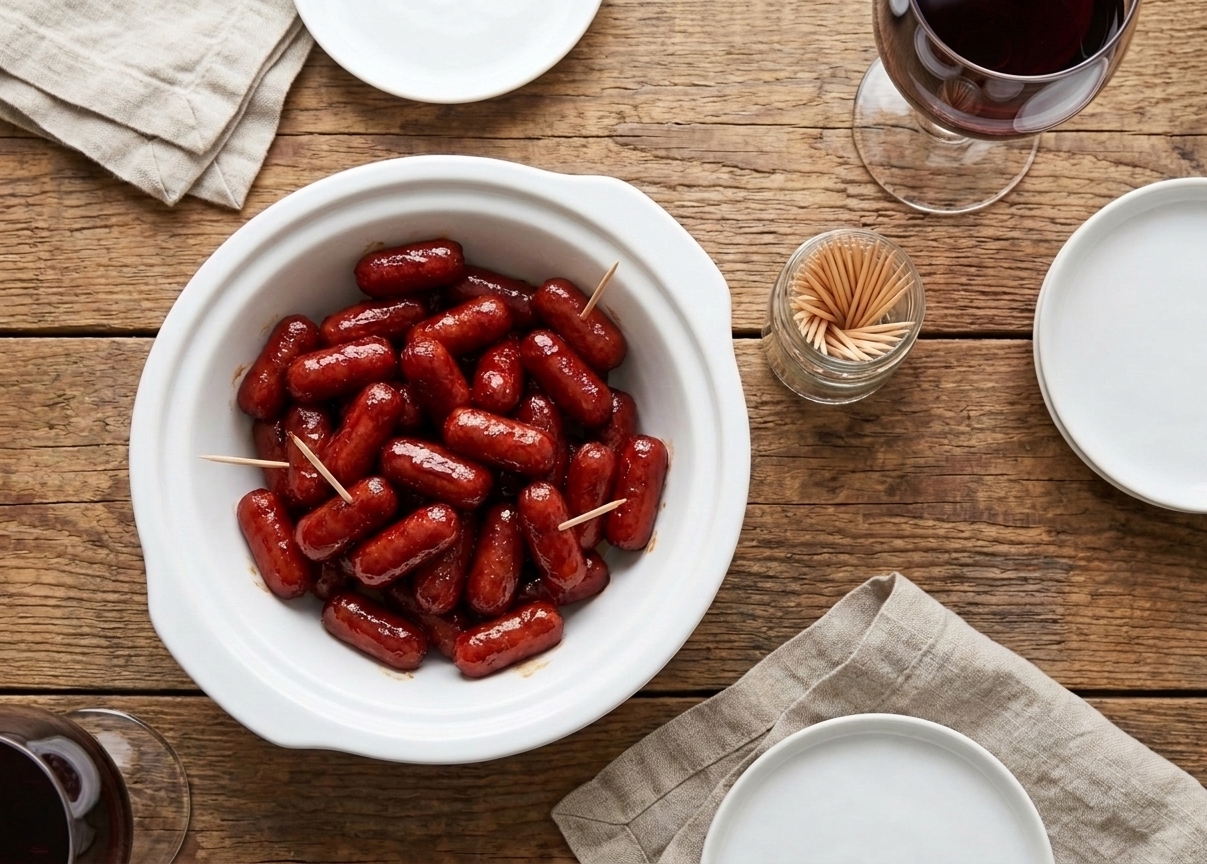
Grape jelly is one of those throwback pantry staples that deserves a little respect. Not because it is fancy, but because it is useful. It makes PB&J taste like recess again, it glazes meatballs like it is your job, and it can rescue a boring yogurt situation in about eight seconds.

This is my go-to small-batch grape jelly that sets up confidently without requiring you to own a canning warehouse. You can make it with bottled grape juice for maximum weeknight energy, or use fresh grapes if you are feeling ambitious and have a pot you trust.
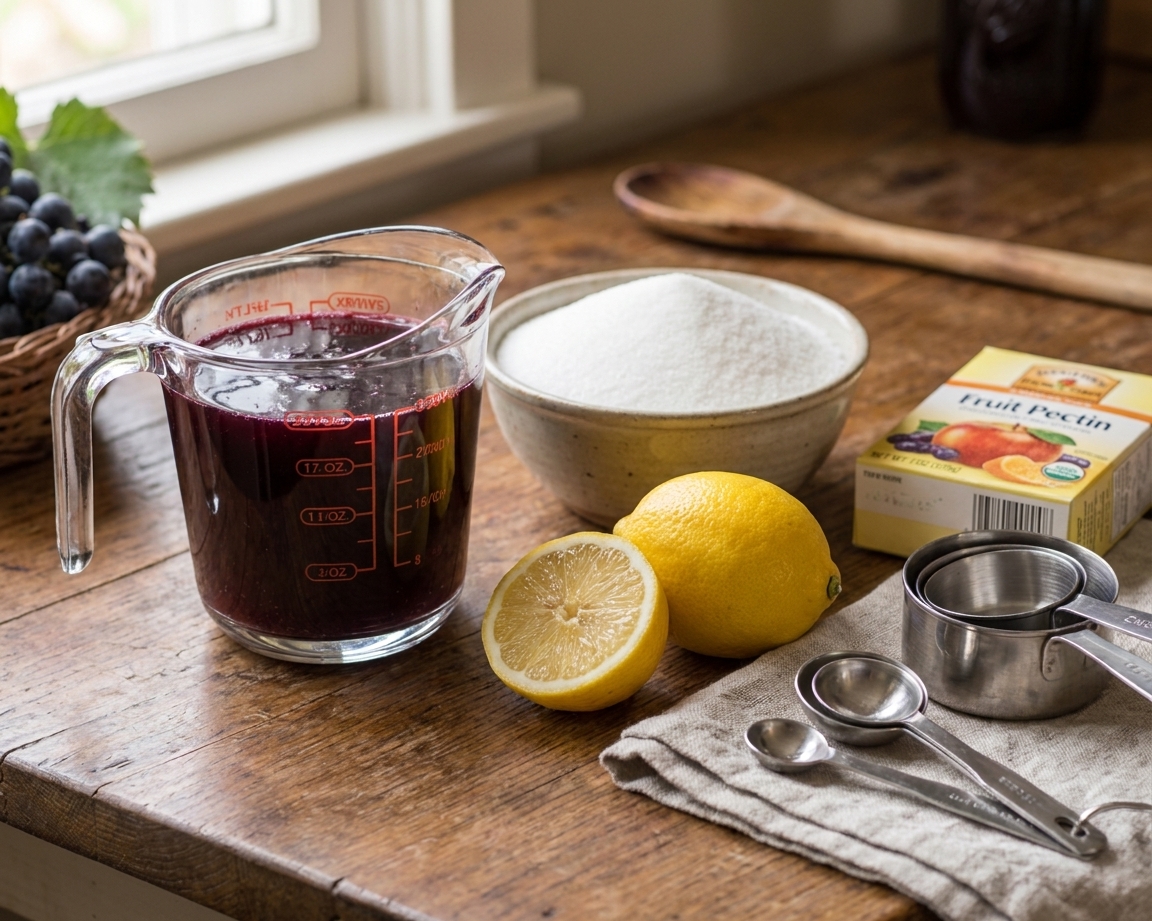
Ingredients for grape jelly laid out on a clean kitchen counter including grape juice, sugar, lemon, and pectin with measuring cups

We are going for a jelly that is glossy, deeply purple, and spreadable, not a stiff candy brick and not syrup. I will show you how to hit that sweet spot and what to do if it tries to misbehave.

Juice tip: Concord grape juice gives you that classic deep flavor and color. Stick with 100% juice (not cocktail). If your juice is labeled low-sugar or has added ingredients, results can vary.
Why It Works

  • Big grape flavor without drama: Bottled 100% grape juice gives you consistent results and a clean, bright taste.
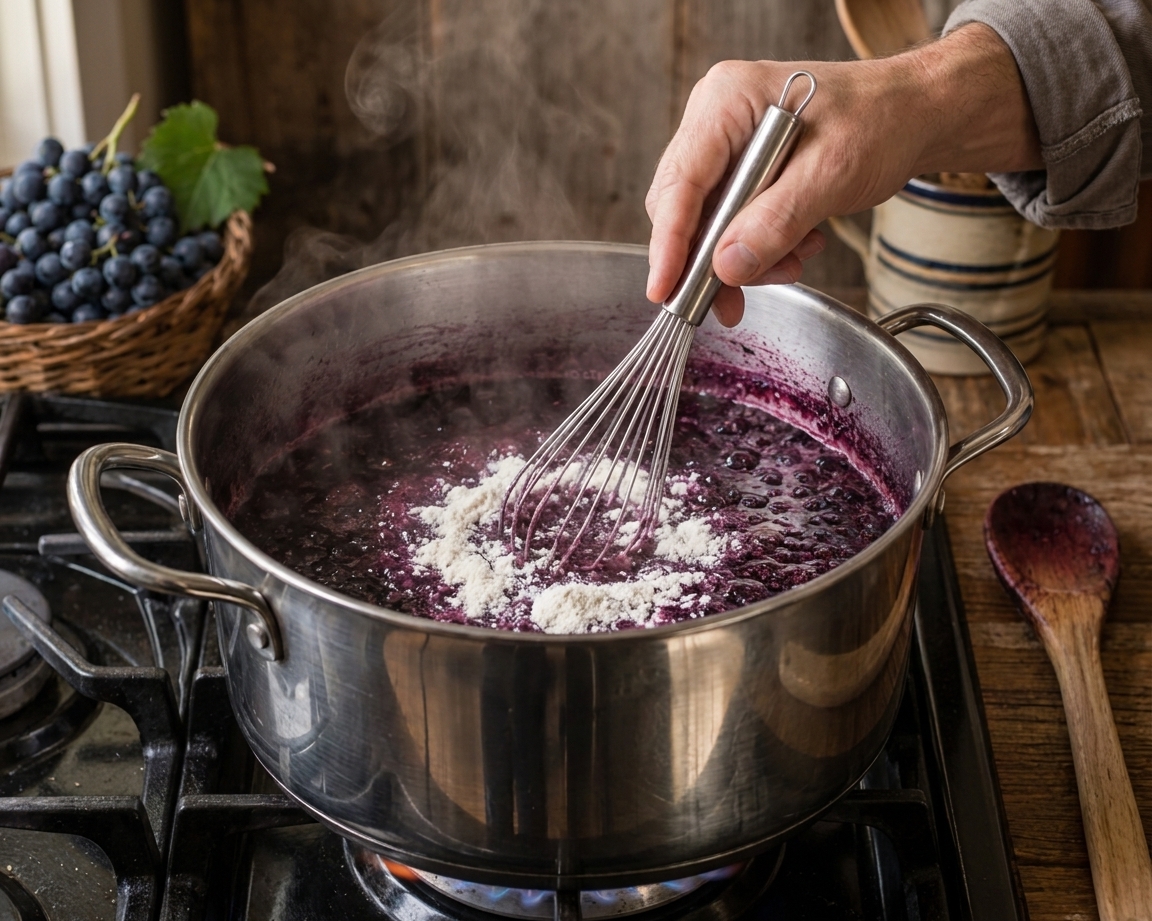
  • Reliable set: Powdered pectin plus a full rolling boil builds structure fast so your jelly does not stay runny.
  • Not overly sweet: Lemon juice keeps the flavor snappy and helps the gel set properly.
  • Flexible finish: Keep it in the fridge for easy use, freeze it for later, or follow a tested canning recipe if you want shelf-stable jars.
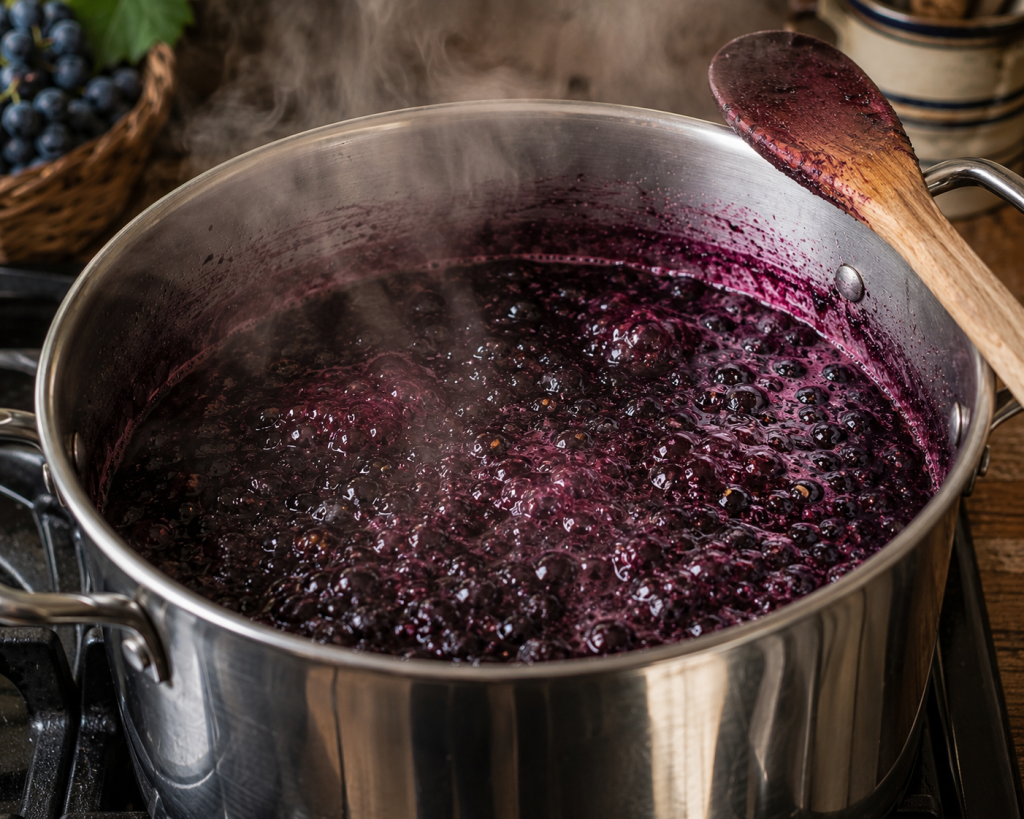
A saucepan of bubbling purple grape jelly mixture at a rolling boil on a stovetop with a wooden spoon nearby

Pairs Well With

Storage Tips

Storage Tips

Refrigerator: Once cooled, keep grape jelly in an airtight jar in the fridge for up to 3 weeks for best quality. Use clean utensils and keep the rim clean to help it last.

Freezer: Freeze in freezer-safe jars or containers for up to 6 months. Leave about 1/2 inch headspace because it expands. Thaw overnight in the fridge.

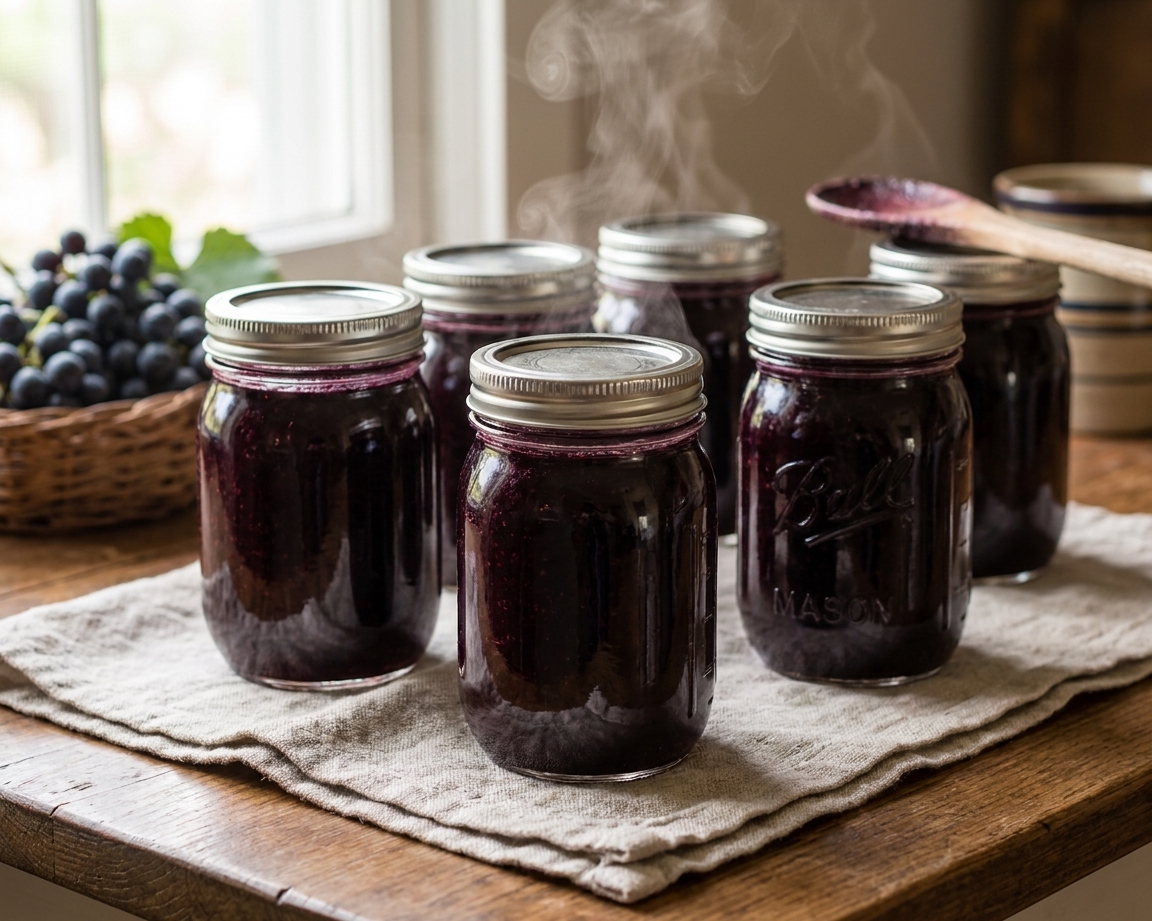
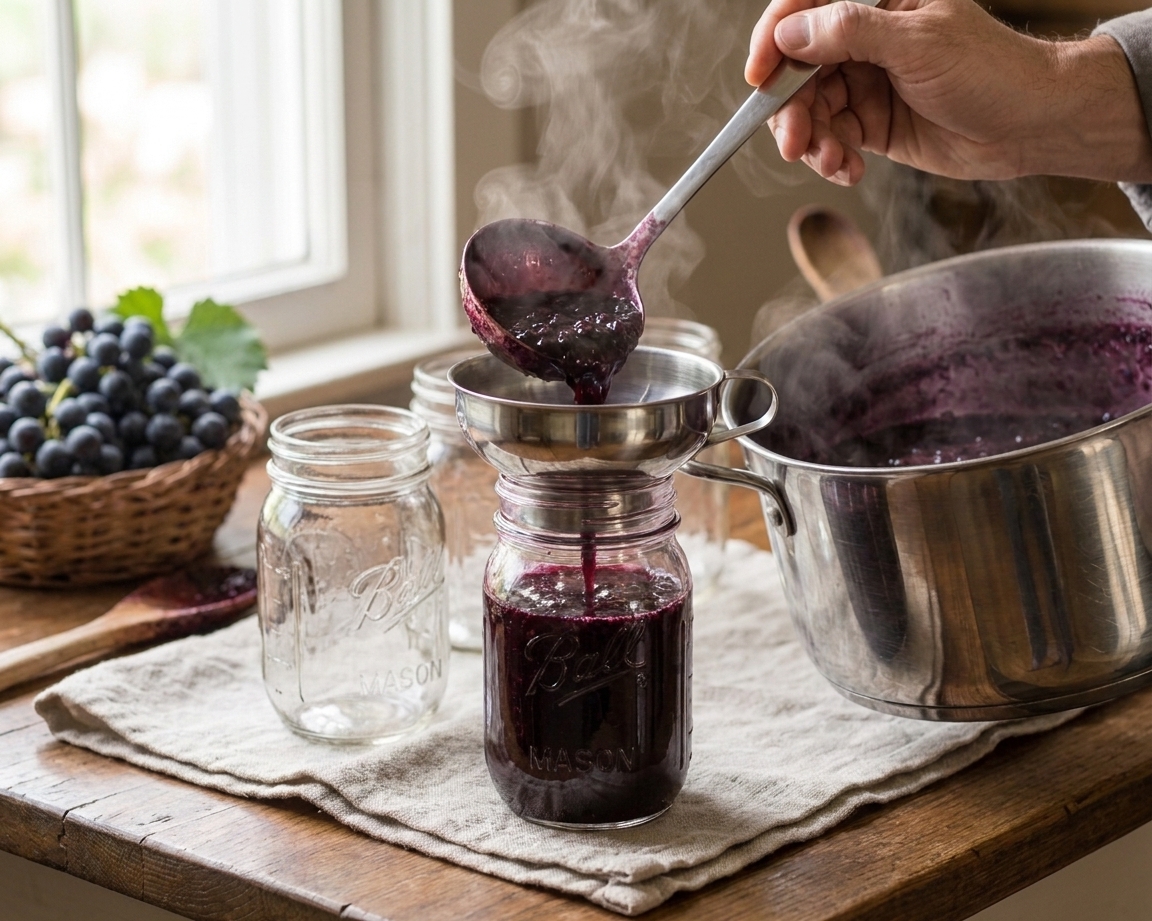
Water-bath canning (optional): For shelf-stable jelly, follow a tested canning recipe and processing time from NCHFP, USDA, or your pectin brand insert. Use clean, hot jars and follow their headspace, jar size, and altitude adjustments exactly. If a jar does not seal, refrigerate it and use it first.

Several sealed jars of homemade grape jelly cooling on a kitchen towel on the counter with soft window light

Common Questions

Common Questions

Why is my grape jelly runny?

Usually one of three things: the mixture did not reach a full rolling boil, the boil was not held long enough after adding sugar, or the ratio of juice to sugar to pectin was off. Also, jelly can take 12 to 24 hours to fully set after it cools, so give it time before you panic.

How do I fix runny grape jelly?

You can re-cook it. Pour the jelly back into a pot and bring it to a boil. Then follow your pectin brand’s “remake” or “re-cook jelly” directions (they vary by product). If your brand gives options, the usual flow is: whisk the pectin into a little sugar first so it does not clump, add it in, bring back to a full rolling boil, then boil hard for 1 minute and jar again.

Can I make this without pectin?

You can, but it becomes a longer simmer and the set is less predictable. Grapes have some natural pectin, but not always enough for a classic, firm jelly unless you reduce it significantly. If you want a low-drama, reliable set, use pectin.

What is the difference between grape jelly and grape jam?

Jelly is made from juice and is smooth. Jam includes crushed fruit and has texture.

Do I have to use lemon juice?

I strongly recommend it. The acidity helps the pectin set and keeps the flavor from tasting flat. Bottled lemon juice is consistent, which is helpful for repeatable results.

How can I tell if the jelly is set?

Try the cold plate test: put a small plate in the freezer. Spoon a little hot jelly onto the cold plate and wait 30 seconds. If it wrinkles when you nudge it with your finger, you are good.

My jelly set too firm. Now what?

No shame. Warm it gently with a splash of water or grape juice until it loosens to your liking. (Think: a spoonful or two at a time, not a full-on soup situation.) For a whole batch, you can reheat and stir in a small amount of juice, then re-jar and chill.

How do I prevent sugar crystals?

Make sure the sugar fully dissolves before you start timing the final boil, avoid scraping down the sides with a gritty spoon, and do not over-boil. Also, use clean jars and clean utensils. Sugar crystals love chaos.

I did not grow up dreaming of grape jelly. I grew up using it. It was the quiet MVP of quick sandwiches, last-minute appetizers, and those “we have nothing in the house” dinners that somehow ended with meatballs and toothpicks.

The first time I made it myself, I expected it to be finicky and kind of precious. It is not. It is basically a short, intense relationship with a rolling boil and a sticky spoon. The reward is a jar that tastes like grapes in bold font, and it makes your kitchen smell like you are up to something wholesome.