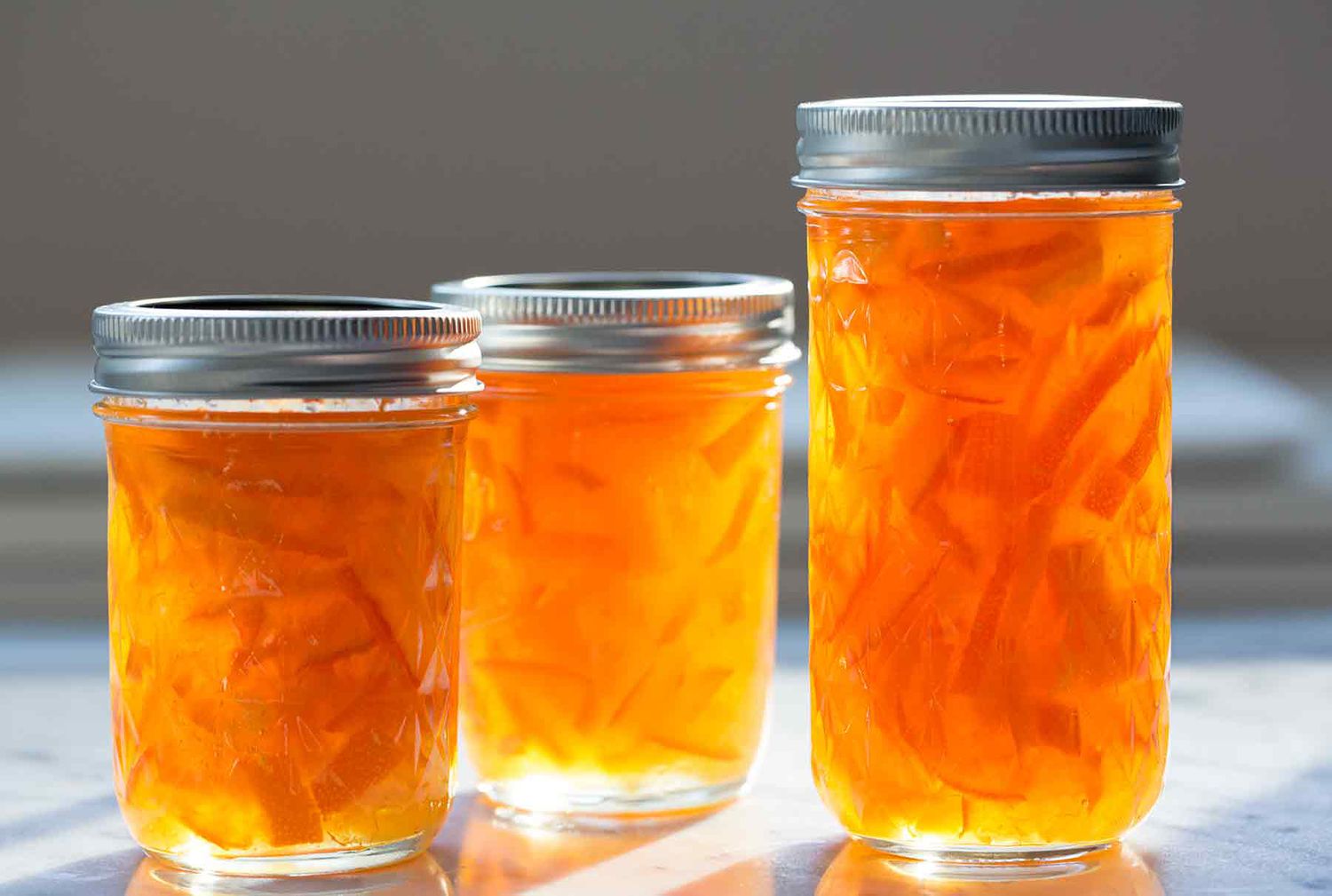
Make old-school orange peel marmalade at home with accessible ingredients, clear steps, and a bold citrus finish. Includes storage and fixes if it will not set.
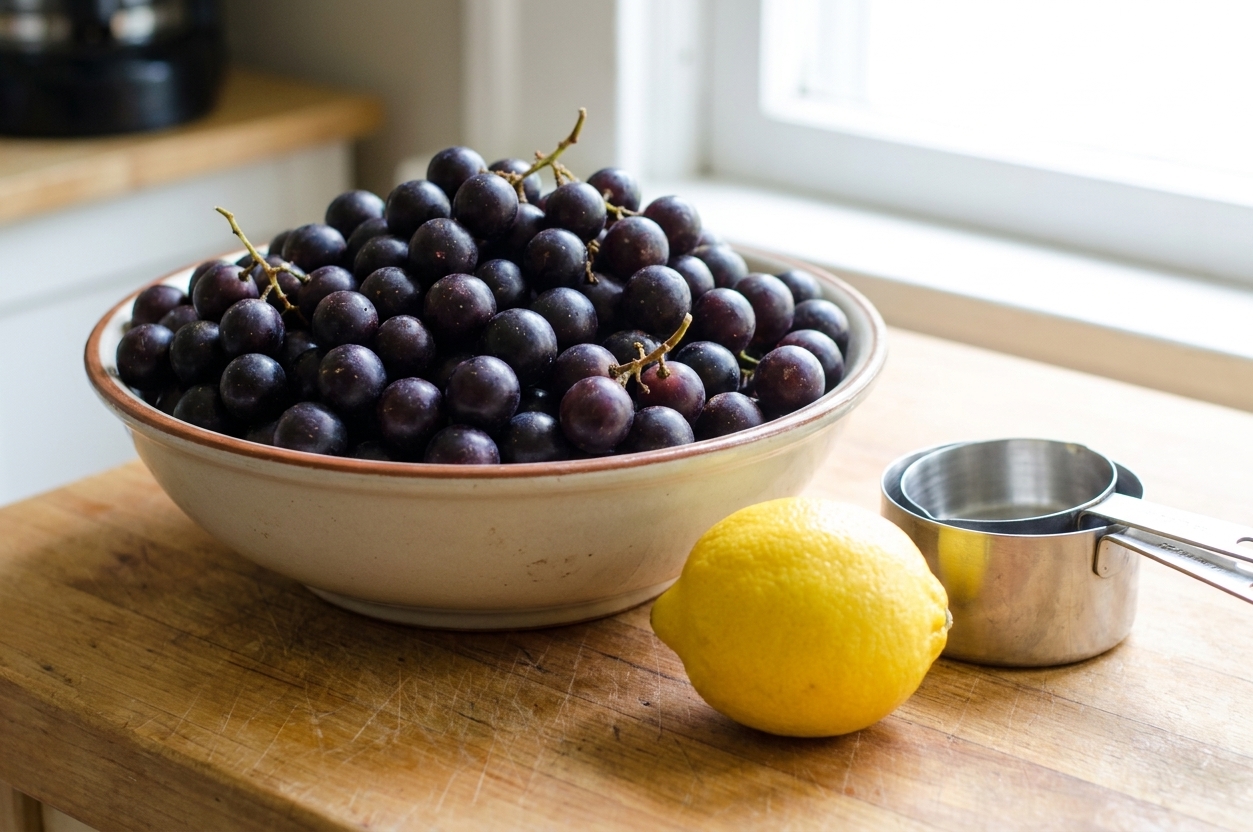
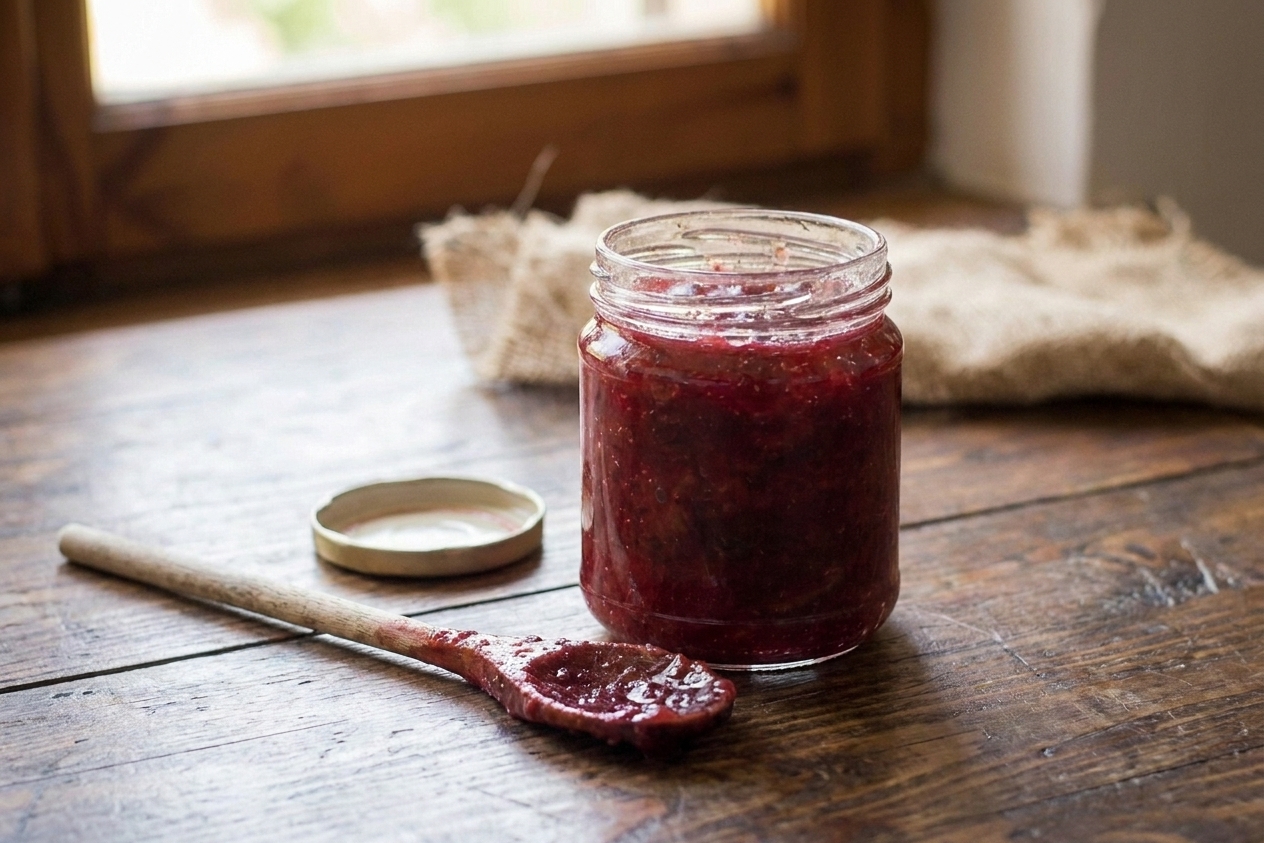
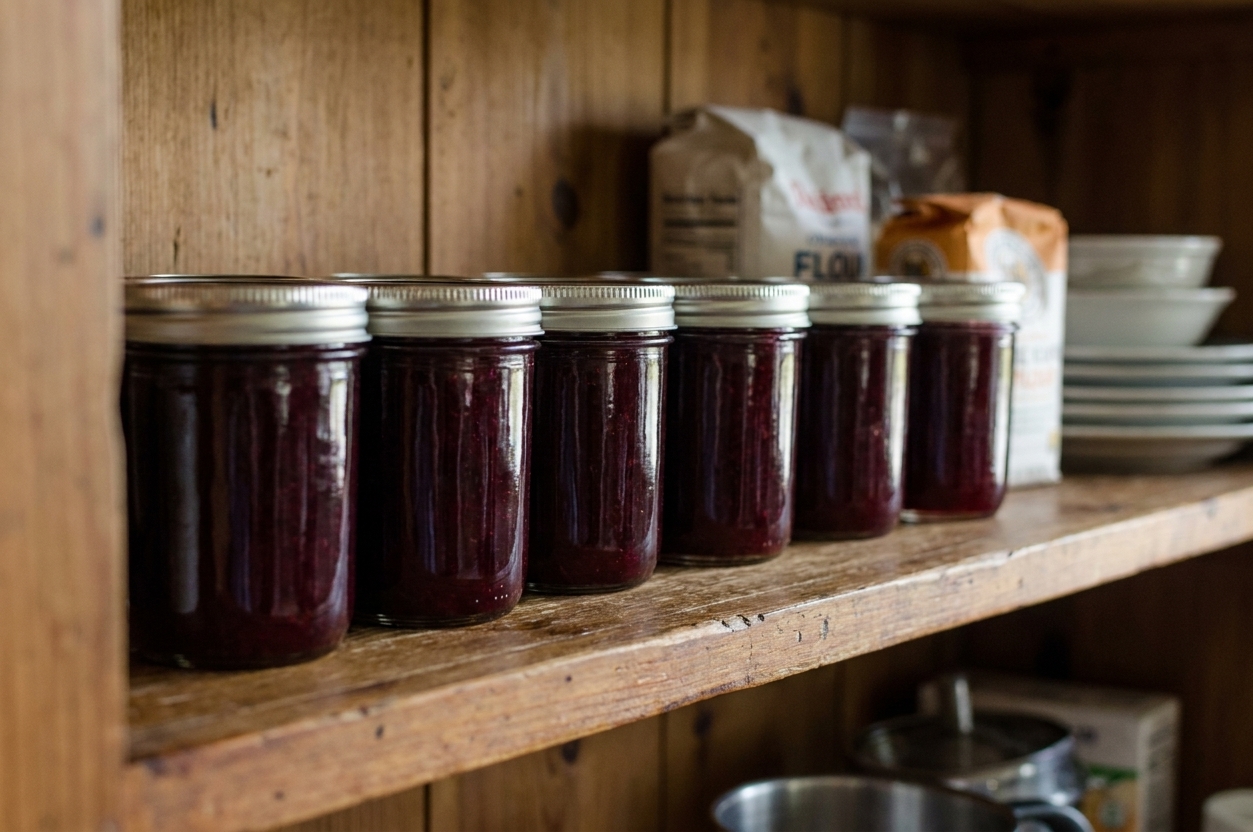
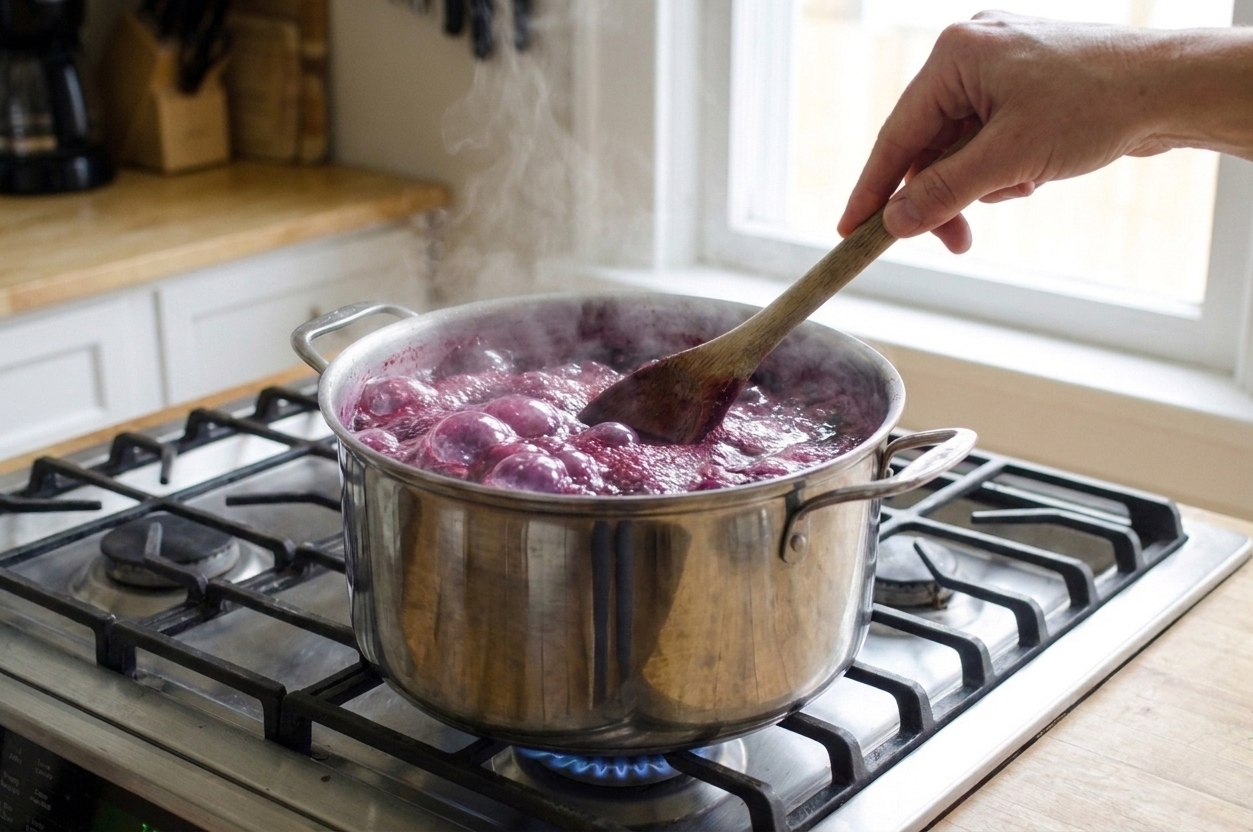
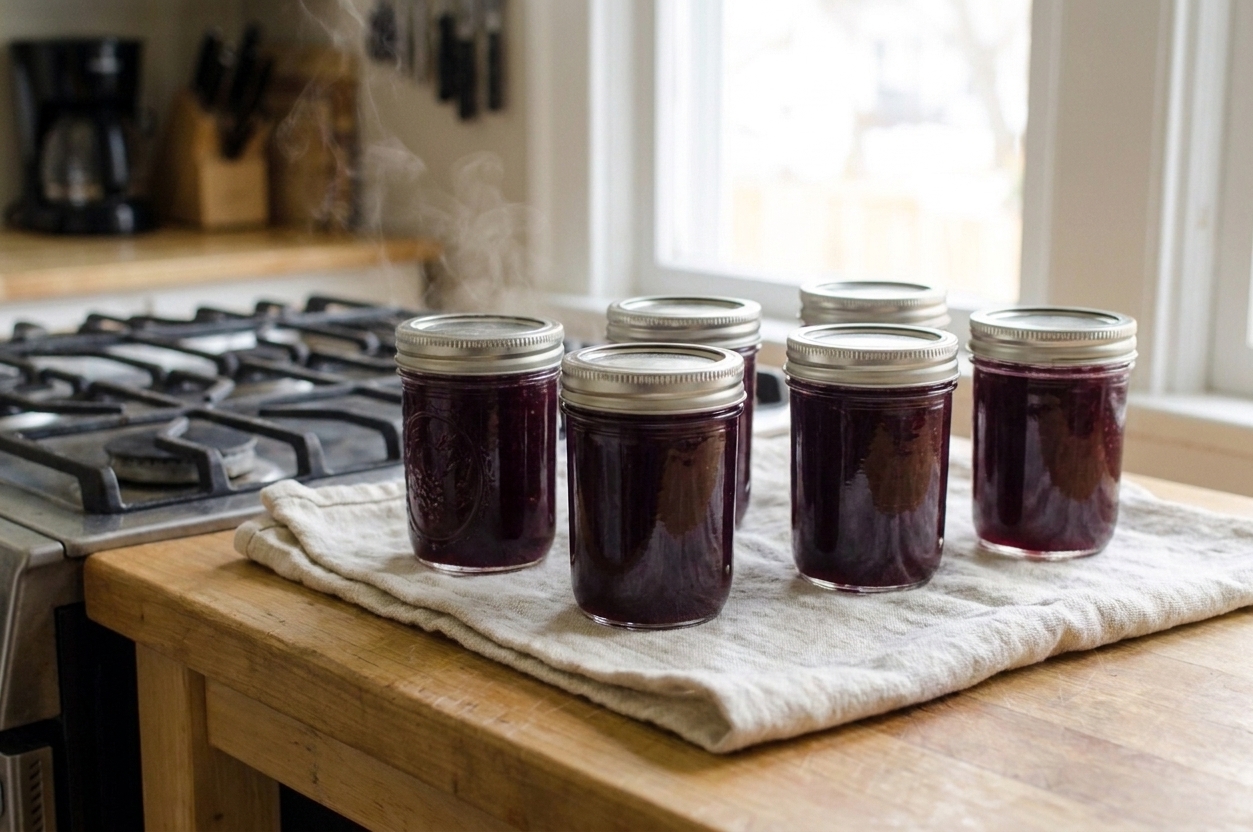
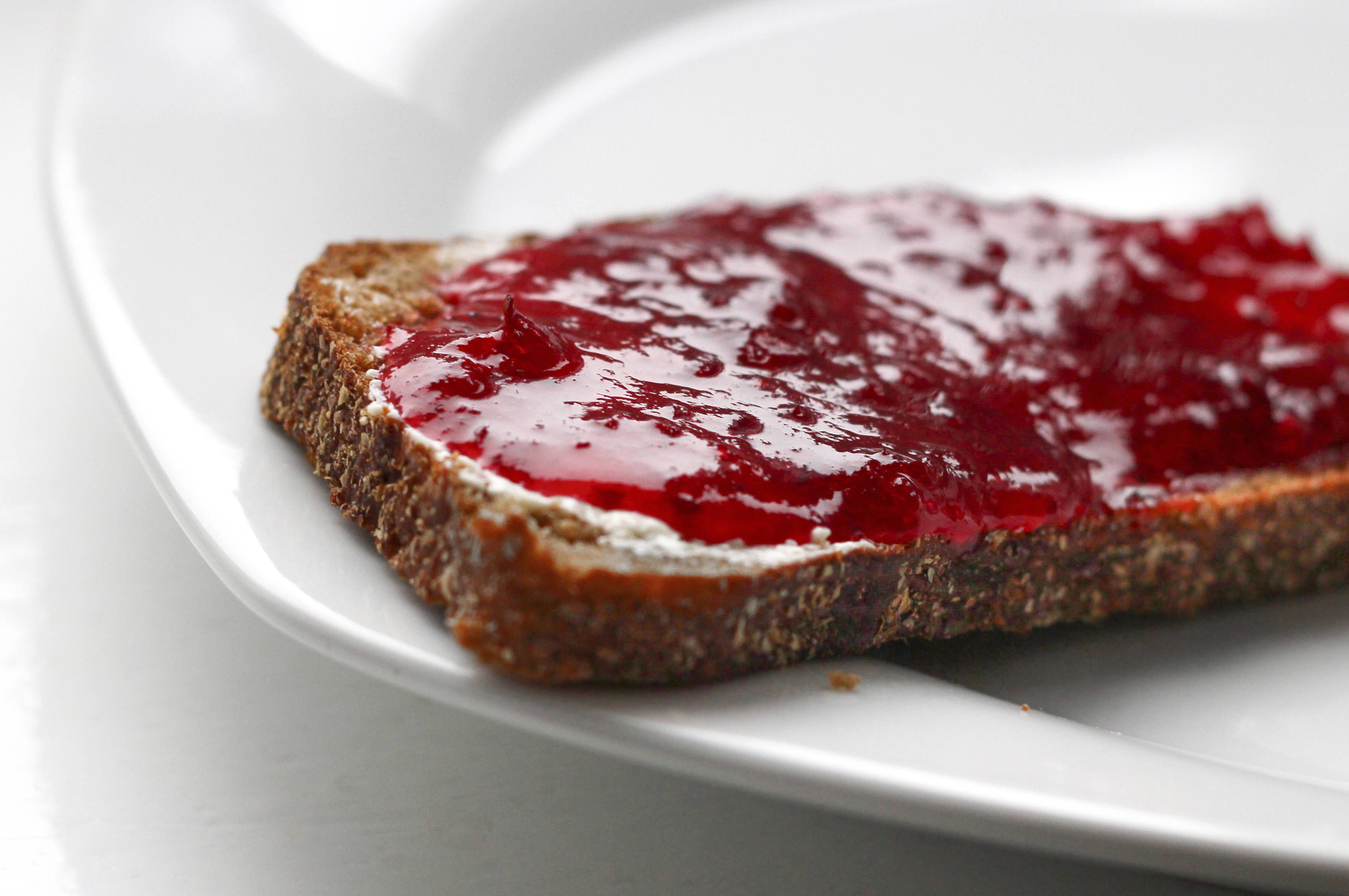
Muscadine jelly is one of those pantry flexes that feels old-fashioned in the best way. It is glossy, deep purple, and somehow tastes like sunshine and porch swings even if you are making it in a regular Tuesday kitchen. The flavor is bolder than store-bought grape jelly, with a little tang that keeps it from going flat-sweet.
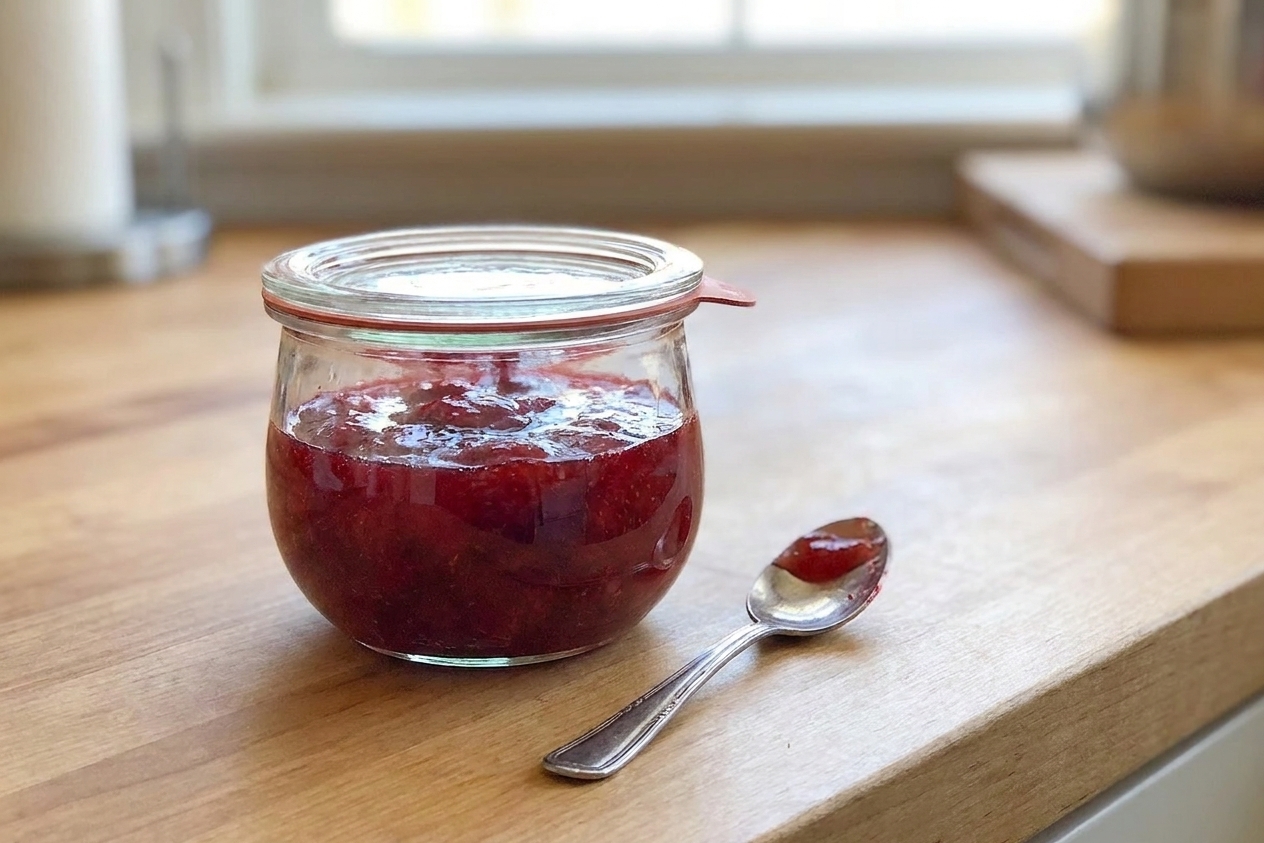
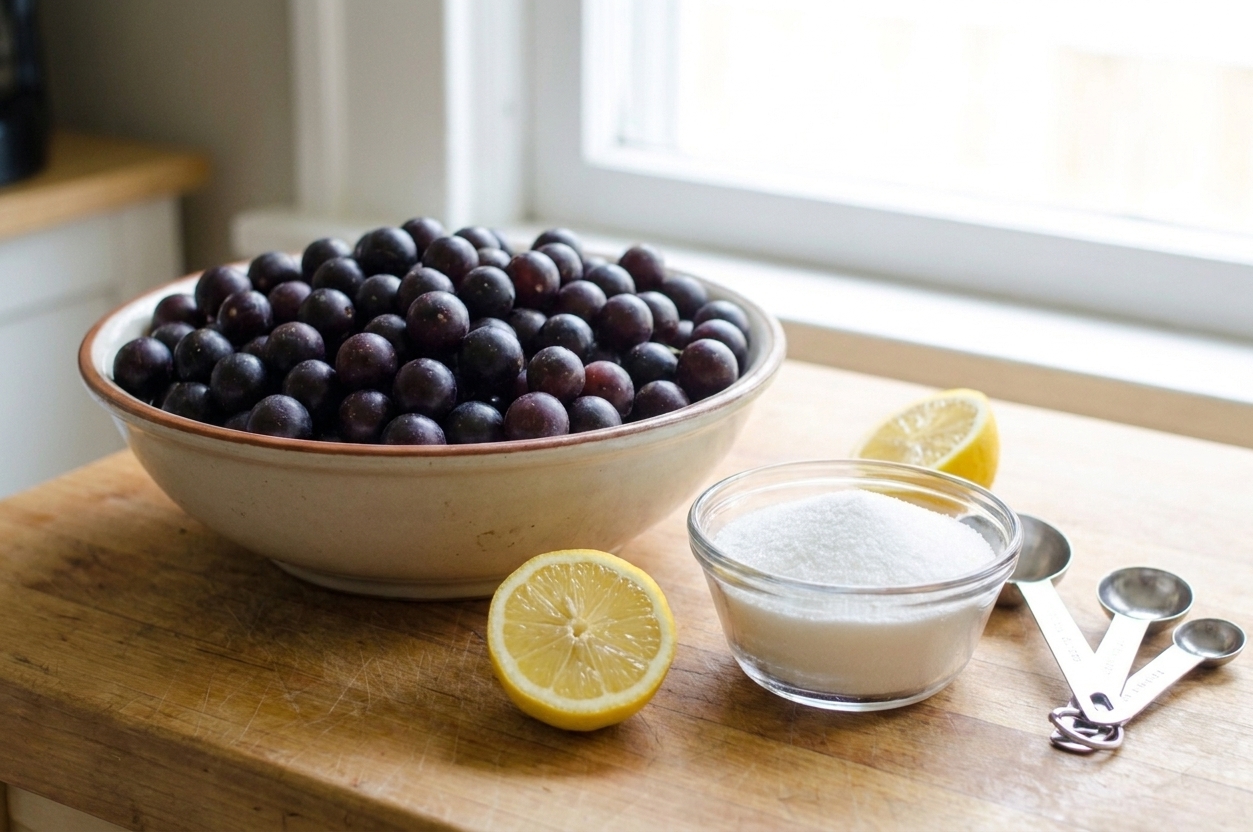
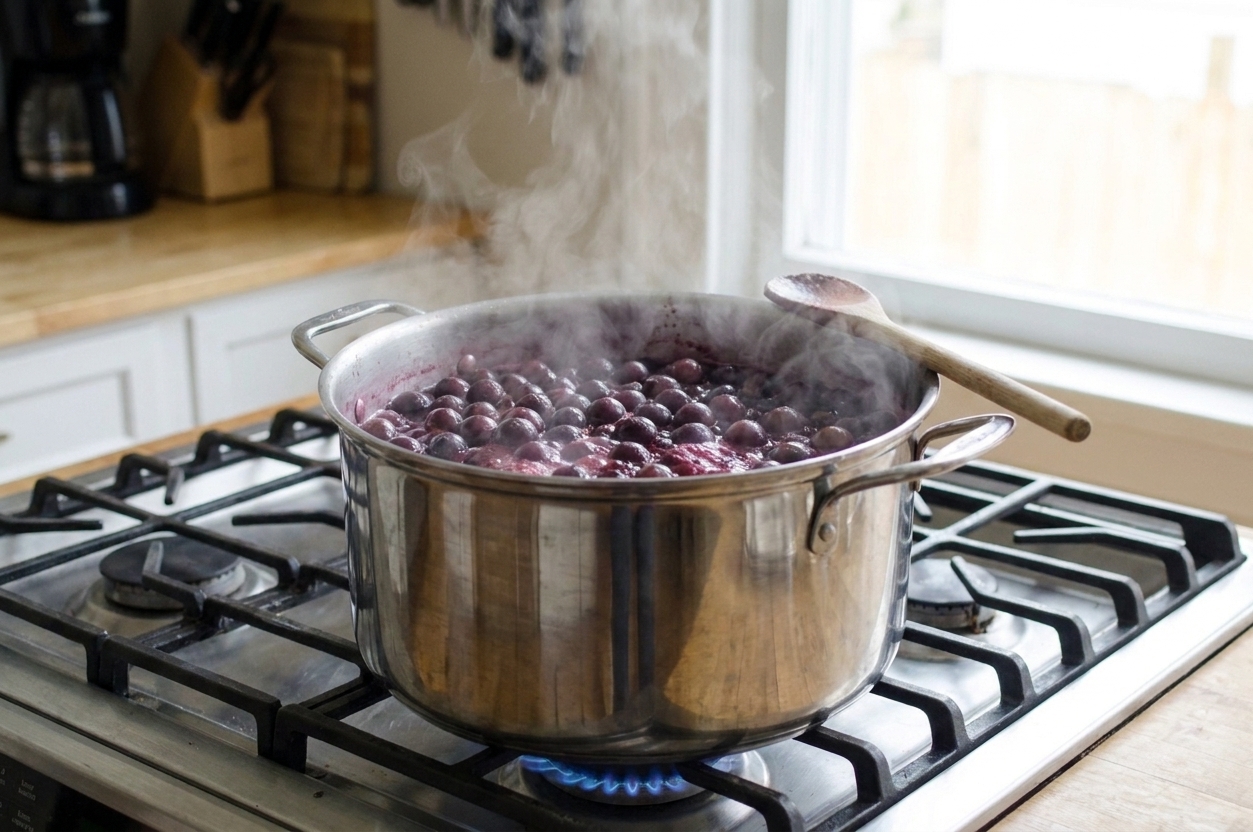
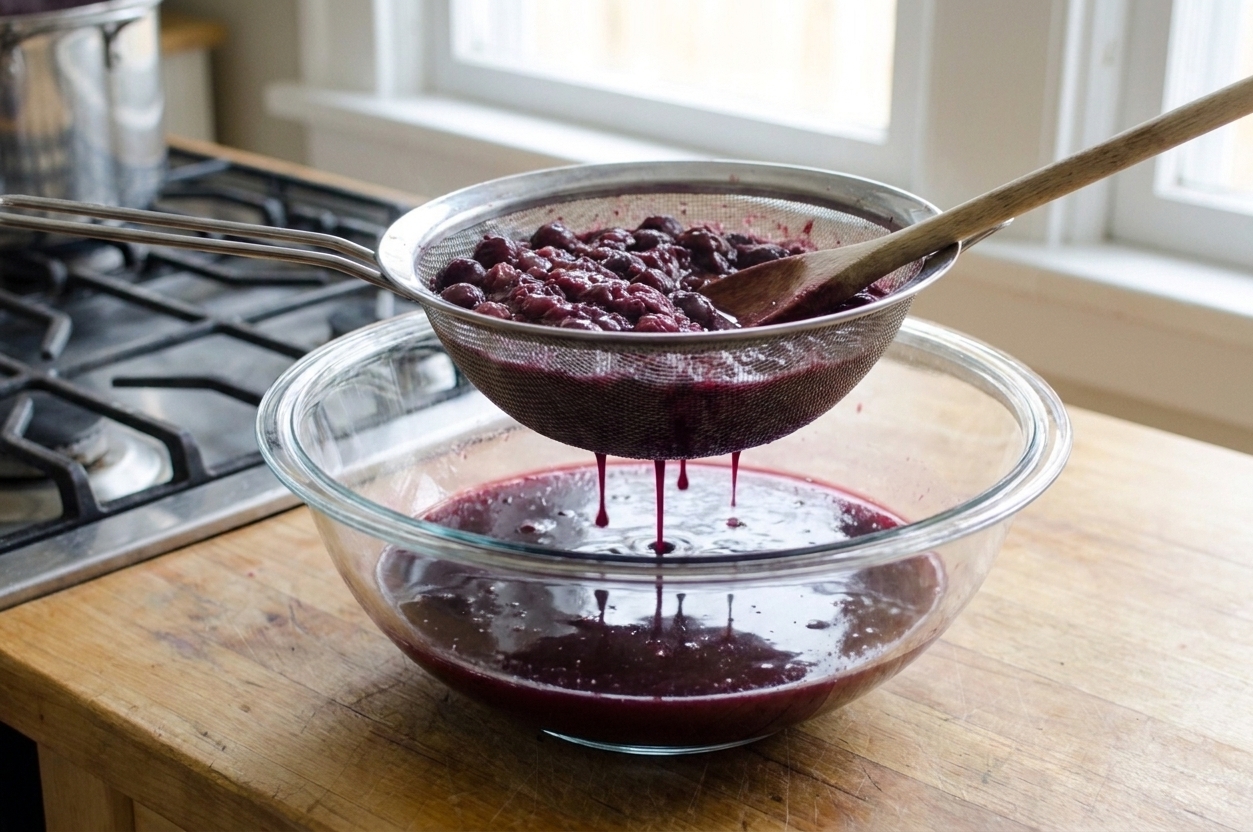
This recipe is built for real life: accessible ingredients, clear steps, and a couple of paths depending on how you like to cook. Want the classic no-pectin version that relies on reduction? I have you. Want a faster, more predictable set with boxed pectin? Also yes. Either way, you end up with a jelly that disappears fast.