Mom's Best Recipes
Recipe

Easy Korean BBQ Beef Bowls

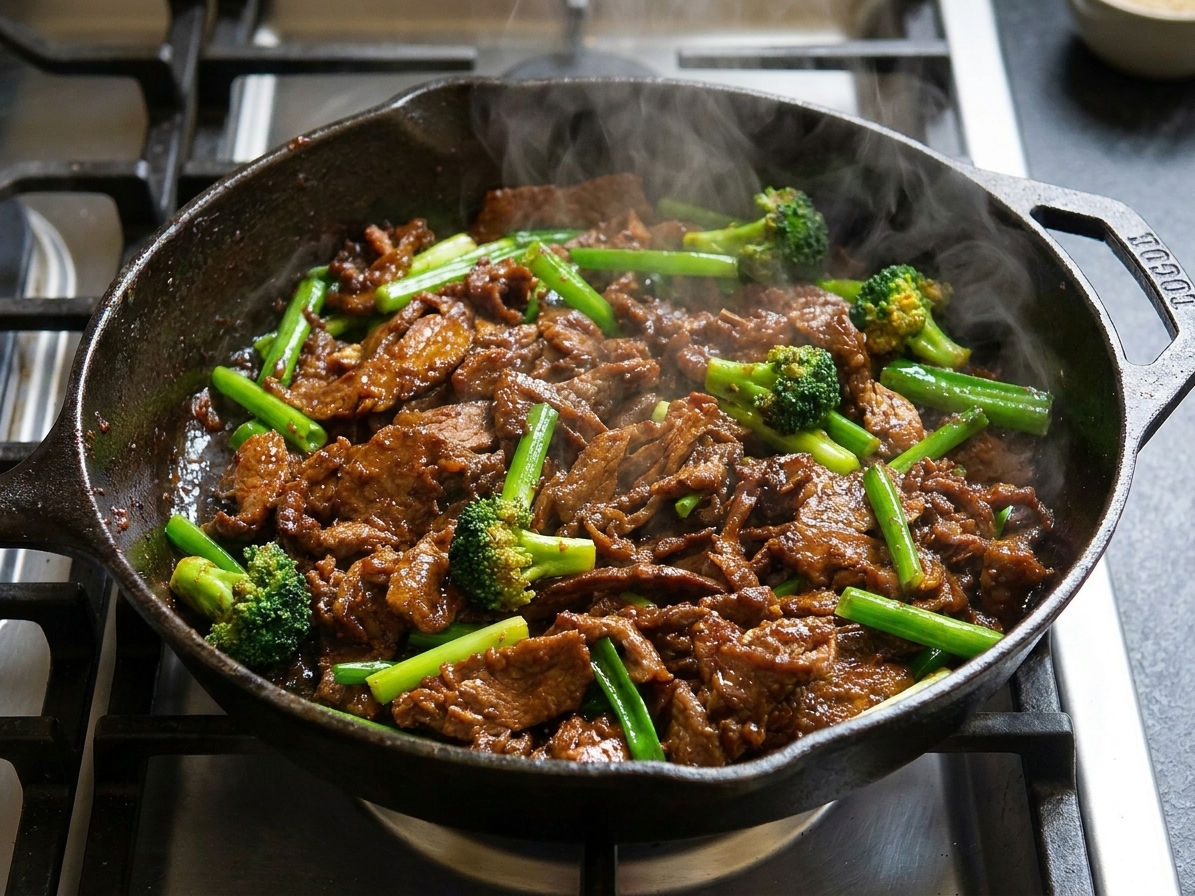
Bulgogi-style Korean BBQ beef with glossy sauce, crisp edges, and a quick cucumber salad over rice. Fast, family-friendly, and wildly satisfying.

Author By Matt Campbell
4.8
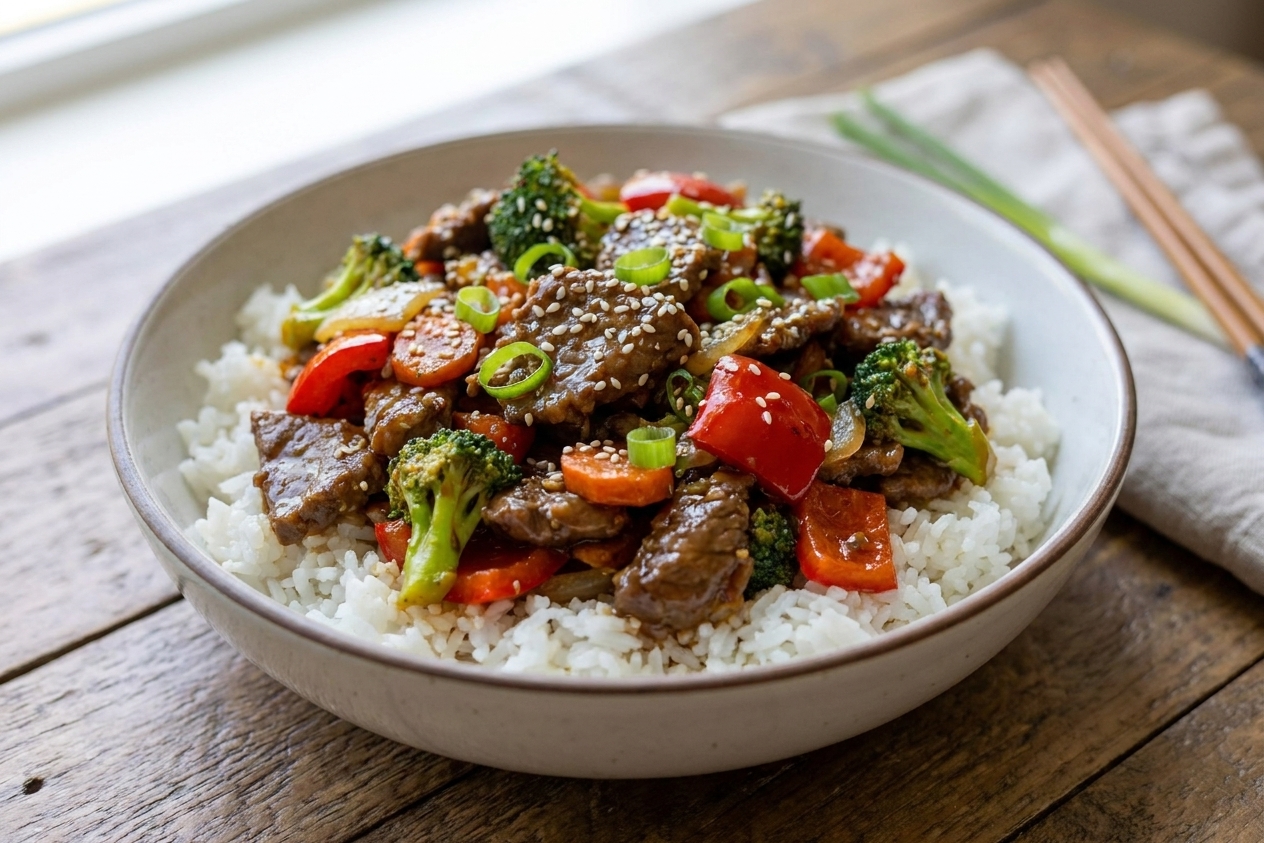
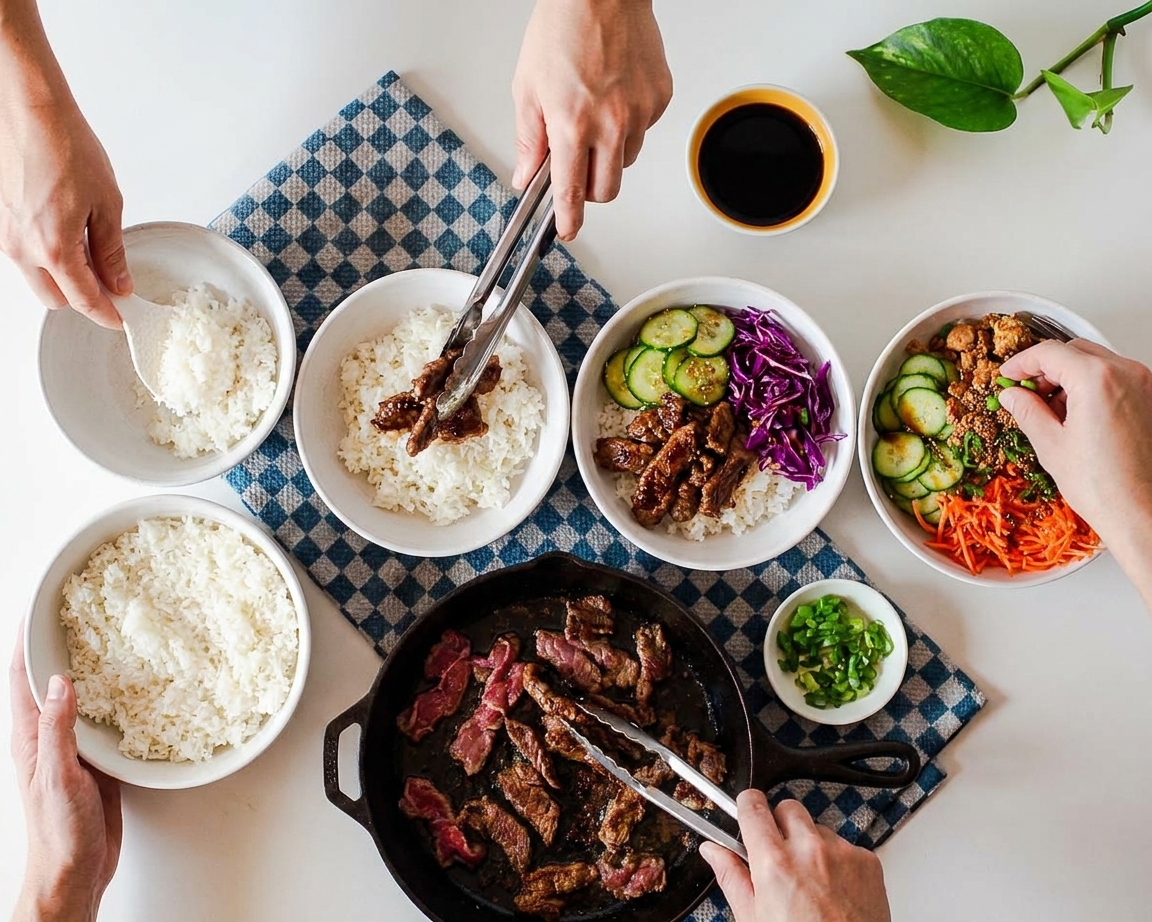
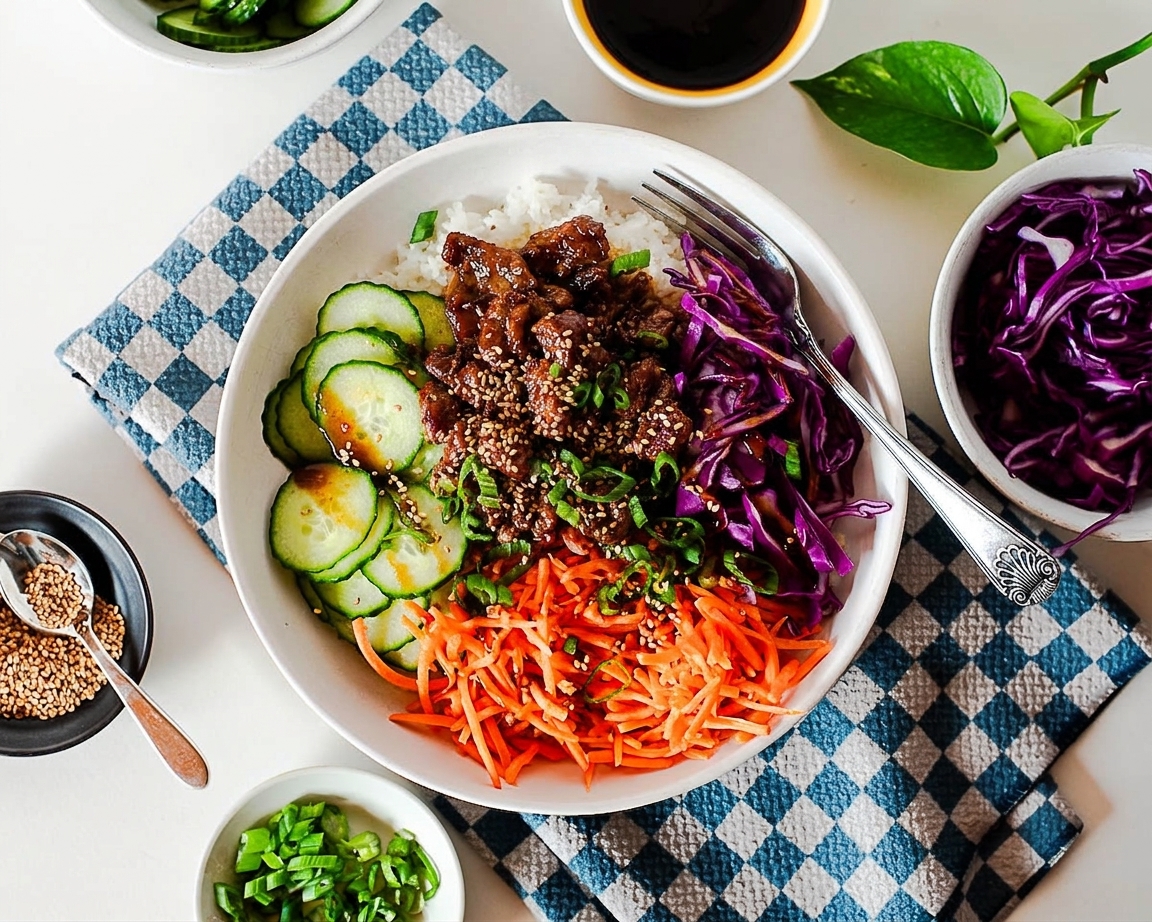
A plated Korean BBQ beef bowl with glossy caramelized beef, white rice, quick cucumber salad, sesame seeds, and sliced scallions on a bright kitchen table

Korean BBQ at home does not need a tabletop grill, a cloud of smoke, or a full-on grocery scavenger hunt. This is my weeknight version: thin beef, a bulgogi-style sauce that hits sweet, salty, and garlicky, and a hot pan that gives you those crispy edges that make everyone hover near the stove.

You end up with a bowl that feels like a treat: cozy rice, glossy beef, a quick cucumber crunch to keep things bright, and just enough sesame and scallion to make it smell like you really had a plan. Spoiler: you did.

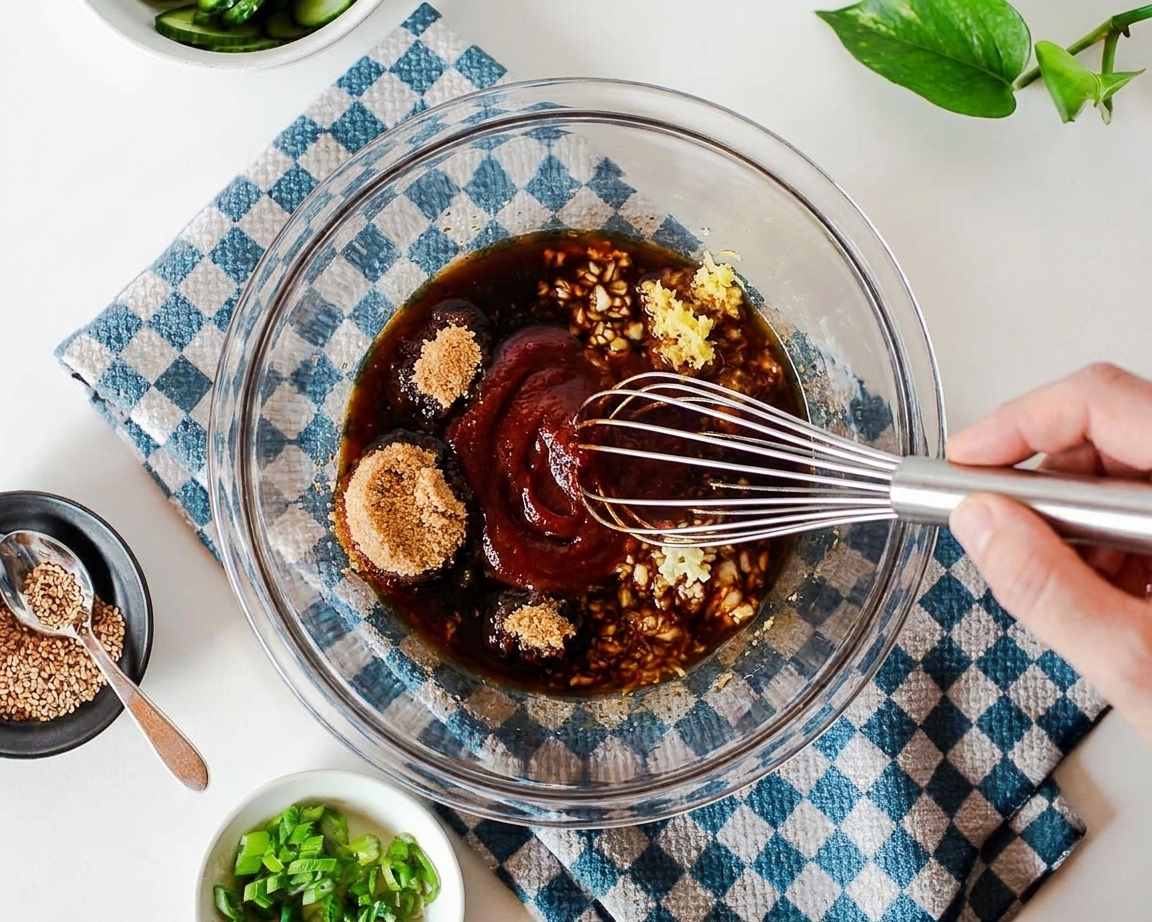
Soy sauce, brown sugar, gochujang, sesame oil, garlic, ginger, sliced beef, scallions, and cucumbers arranged on a tidy kitchen counter

Why It Works

  • Big Korean BBQ flavor with accessible ingredients: the sauce leans on soy sauce, brown sugar, garlic, ginger, and gochujang for that sweet heat.
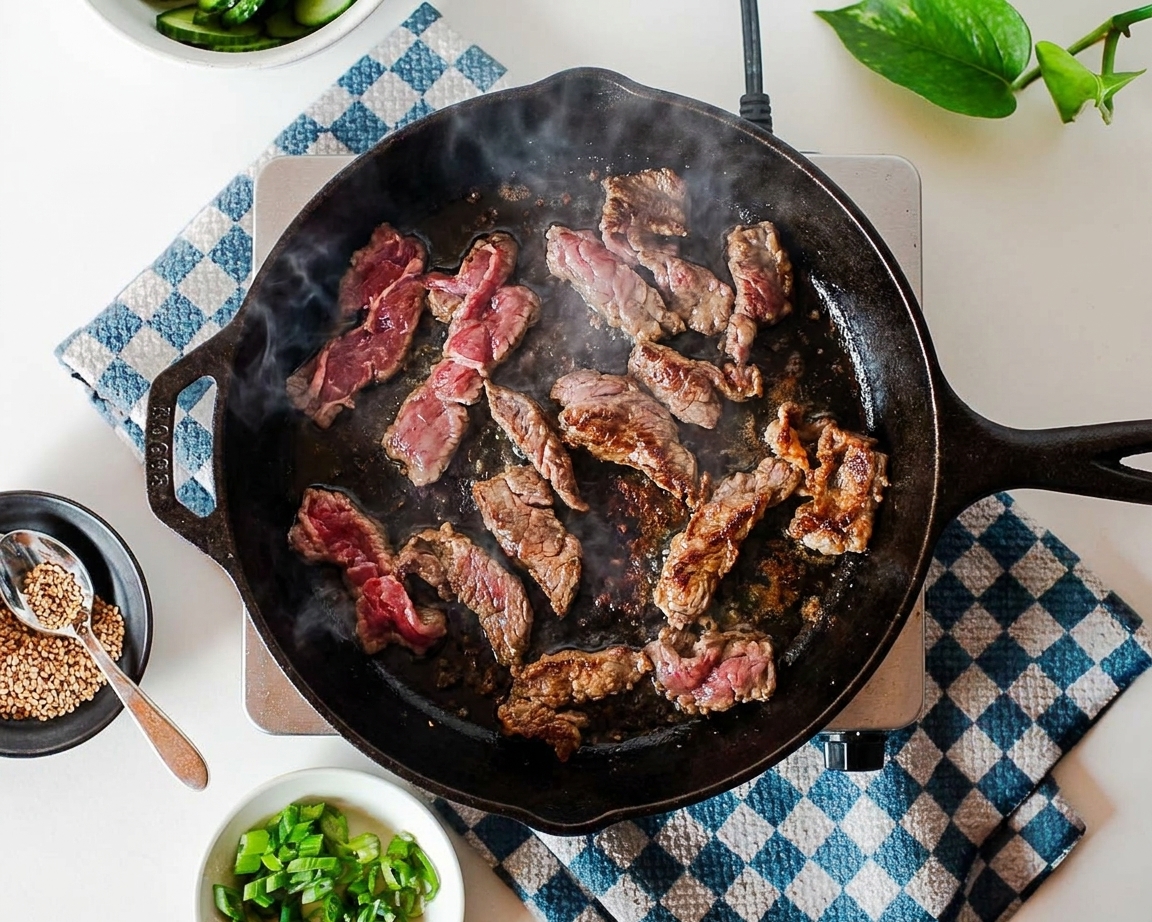
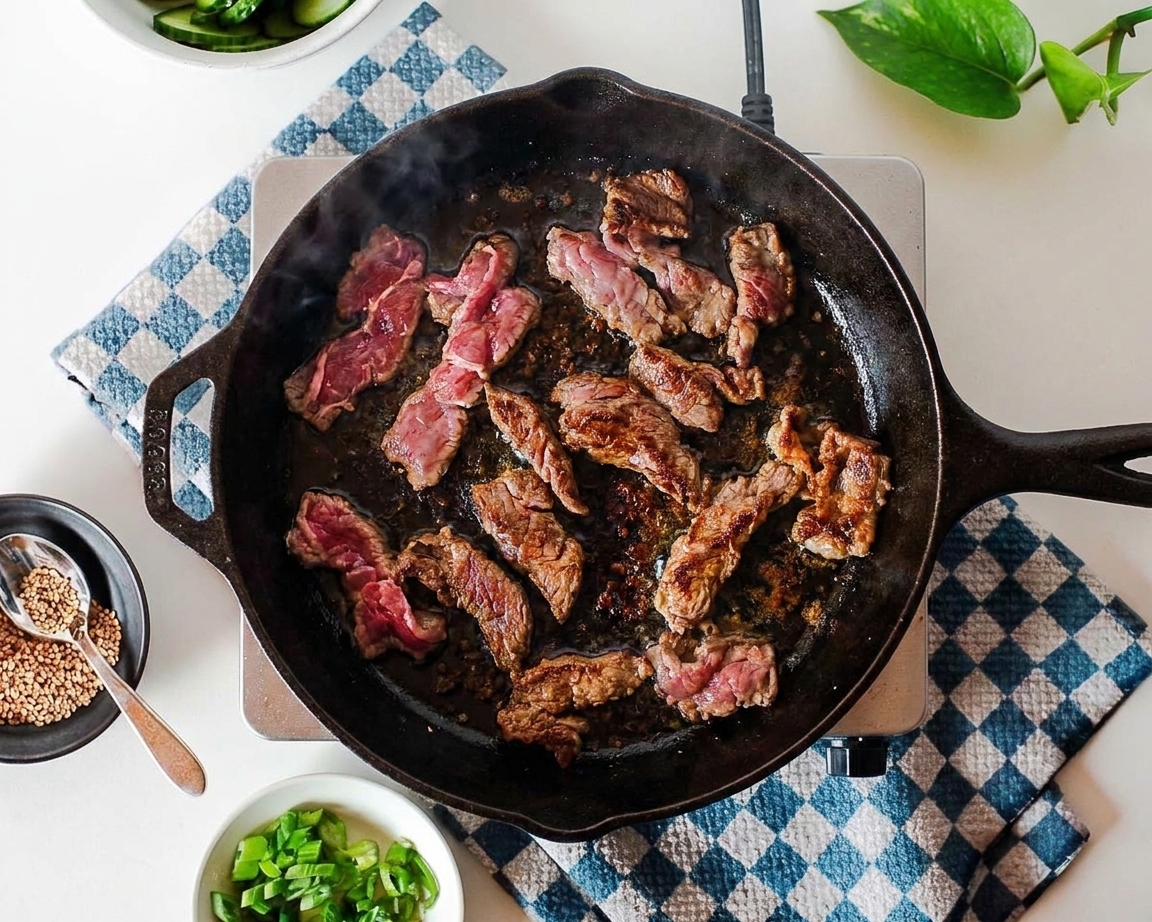
  • Crisp edges, not steamed beef: we cook in batches so the beef sears and caramelizes instead of turning gray.
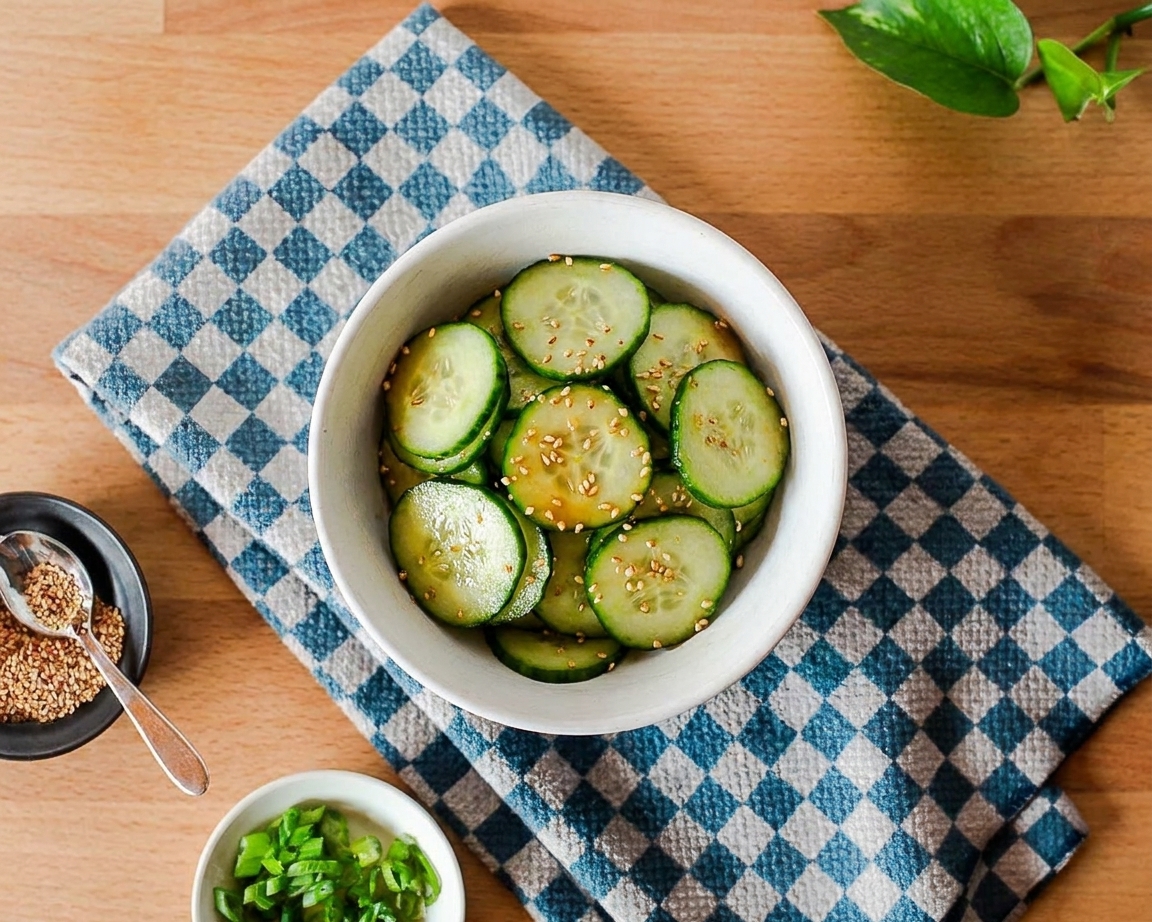
  • A well-balanced bowl: rich beef plus a fast cucumber salad keeps every bite from feeling heavy.
  • Flexible: works with ground beef, chicken, tofu, or whatever is in your fridge.

Pairs Well With

Storage Tips

Store: Cool leftovers quickly, then keep the Korean BBQ beef in an airtight container in the fridge for about 3 to 4 days. Store rice and cucumber salad separately if you can, because the cucumbers will keep releasing water.

Reheat: Best move is a hot skillet for 2 to 4 minutes to bring back the edges. Microwave works too, but use short bursts and stir so the sauce does not scorch. Reheat until steaming hot.

Freeze: The cooked beef freezes well for up to 2 to 3 months for best quality. Thaw overnight in the fridge, then reheat in a skillet with a splash of water to loosen the sauce.

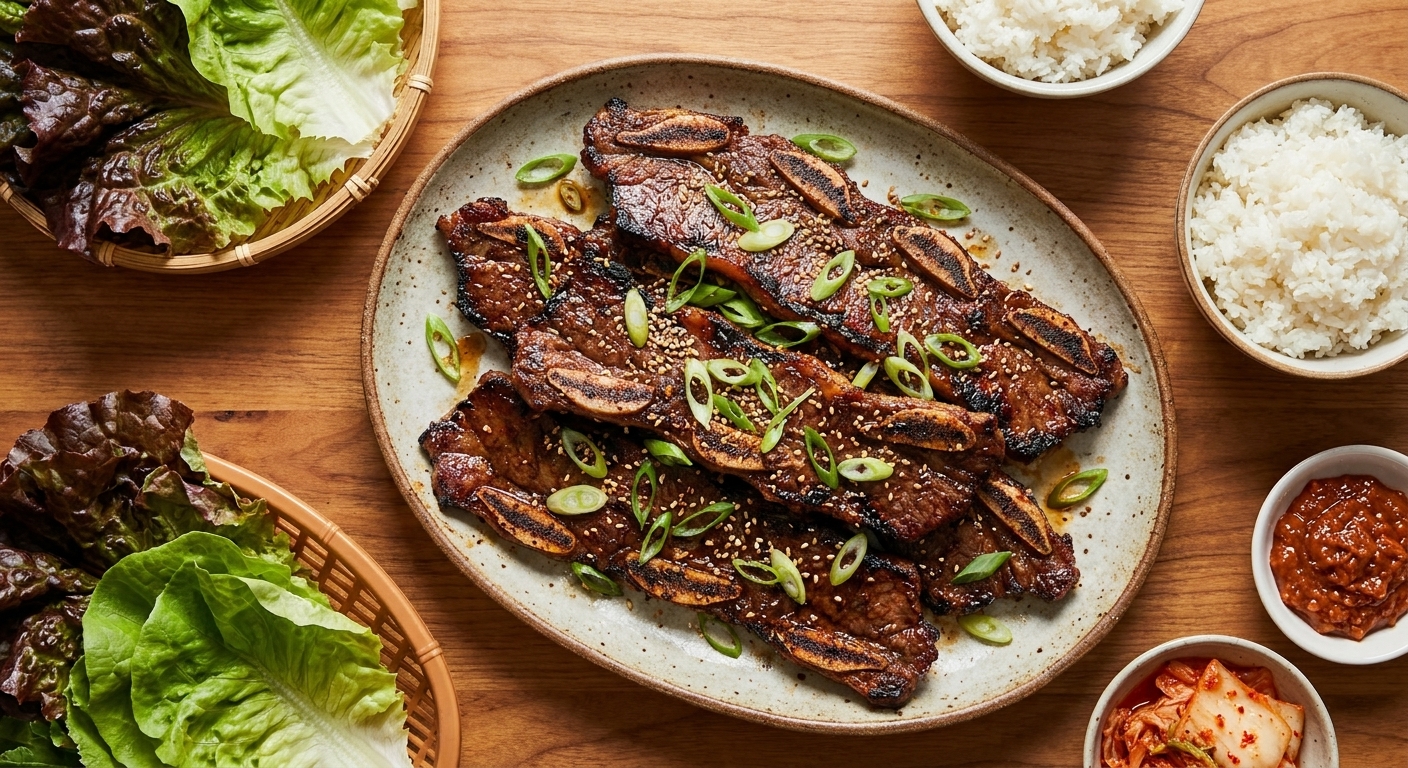
Leftover idea: Turn it into lettuce wraps with extra cucumber, shredded carrots, and a little mayo mixed with gochujang.

Common Questions

Is this “real” Korean BBQ?

Traditional Korean BBQ is a whole experience with grilled meats and banchan. This recipe is a home-friendly, bulgogi-inspired bowl that borrows the classic sweet-savory profile and that sesame-garlic aroma.

What cut of beef should I buy?

Thin-sliced ribeye is the dream, but sirloin, top round, or flank steak sliced very thin works great. Aim for about 1/8-inch slices. If you are using flank, slice against the grain and consider a 10 minute freezer chill first so it cuts cleaner.

Do I have to use gochujang?

It gives the sauce depth and gentle heat. If you skip it, add a pinch of red pepper flakes and a little extra brown sugar. It will still be good, just less like classic Korean BBQ flavor.

How do I keep the beef from getting watery?

Two rules: do not overcrowd the pan, and make sure it is hot before the beef hits it. Cook in batches and let each batch sit undisturbed for a minute before stirring. If your beef looks wet, pat it dry with paper towels before it goes in the pan.

Can I make it kid-friendly?

Yes. Use 1 tablespoon gochujang for mild, or serve it on the side so everyone can choose their own heat level. If you want a sweeter, mild sauce option, you can swap the gochujang for a small spoonful of ketchup plus a tiny pinch of chili flakes for the adults (it will not have gochujang’s fermented depth, but it is tasty).

I love the whole Korean BBQ table situation, but I also love not doing dishes for three days. This bowl is what I make when I want that same sweet-salty, garlicky hit and the little dopamine rush of caramelized edges, without turning my kitchen into a smoke machine. It is the kind of dinner that makes you taste as you go, “just to check,” and suddenly half the beef is gone. Completely normal. Highly encouraged.