Mom's Best Recipes
Recipe

Easy Marshmallow Fondant

A soft, smooth marshmallow fondant that is easy to roll, easy to tint, and actually tastes good.

Author By Matt Campbell
4.7
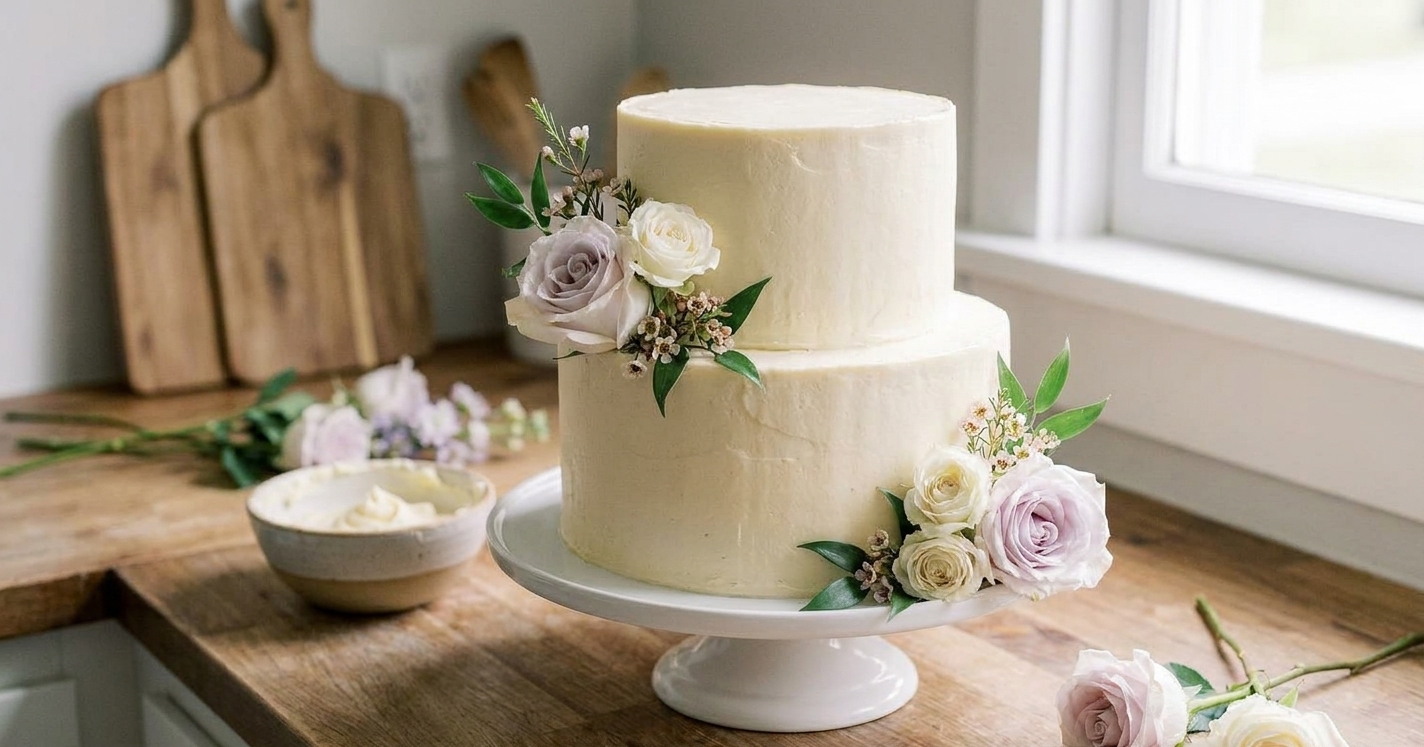
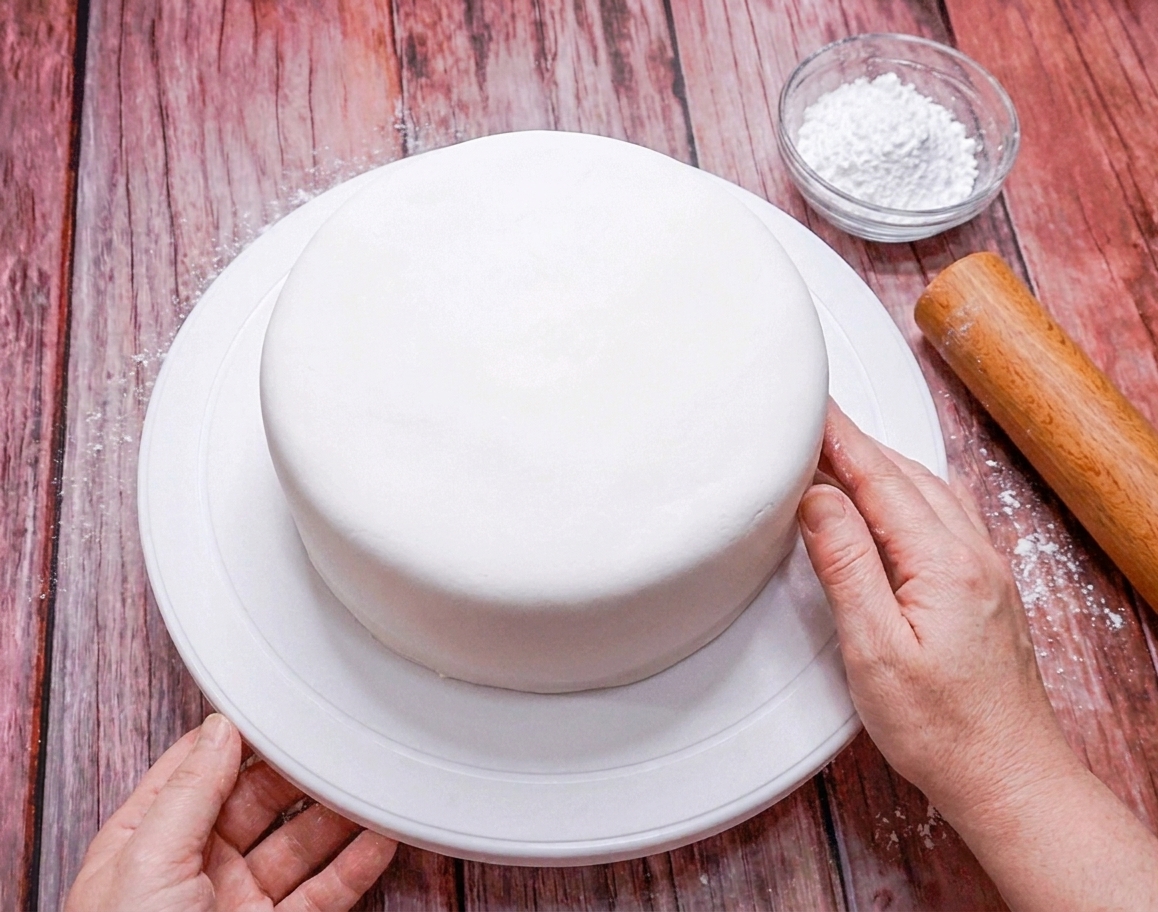
A white fondant-covered round cake on a turntable with a small bowl of powdered sugar and a rolling pin on a bright kitchen counter

Fondant has a reputation. Sometimes it is too sweet, too stiff, and frankly too “why is this happening to me” when you are just trying to cover a birthday cake on a Tuesday.

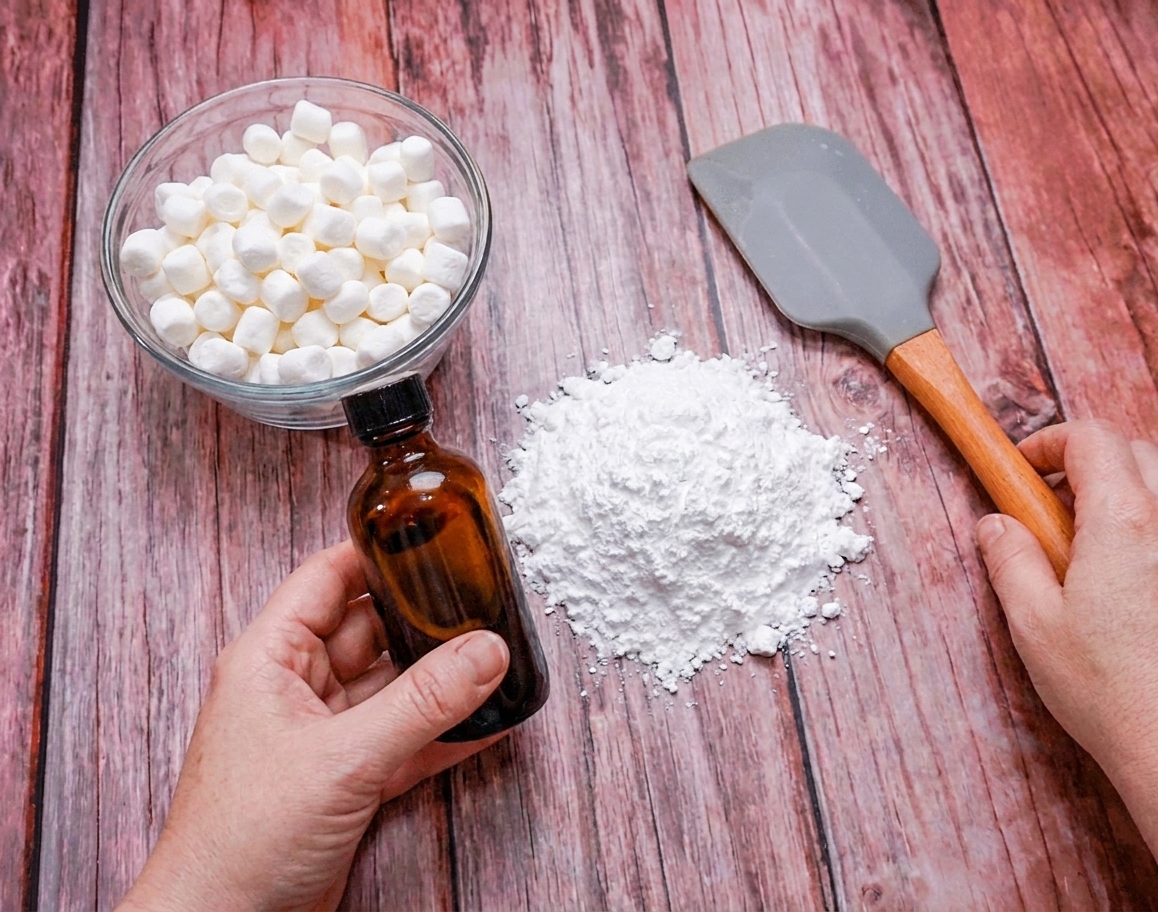
This is the version I keep coming back to: marshmallow fondant. It is soft, forgiving, and way more pleasant to eat than the store-bought stuff. It also uses ingredients you can grab at a normal grocery store, which is my love language.

We are going to make a smooth, pliable fondant you can roll out, cut into shapes, or drape over a cake without tearing. I will also walk you through the tiny save-your-sanity tricks like how to fix sticky dough, how to avoid cracking edges, and how to color it without turning your hands into a tie-dye situation.
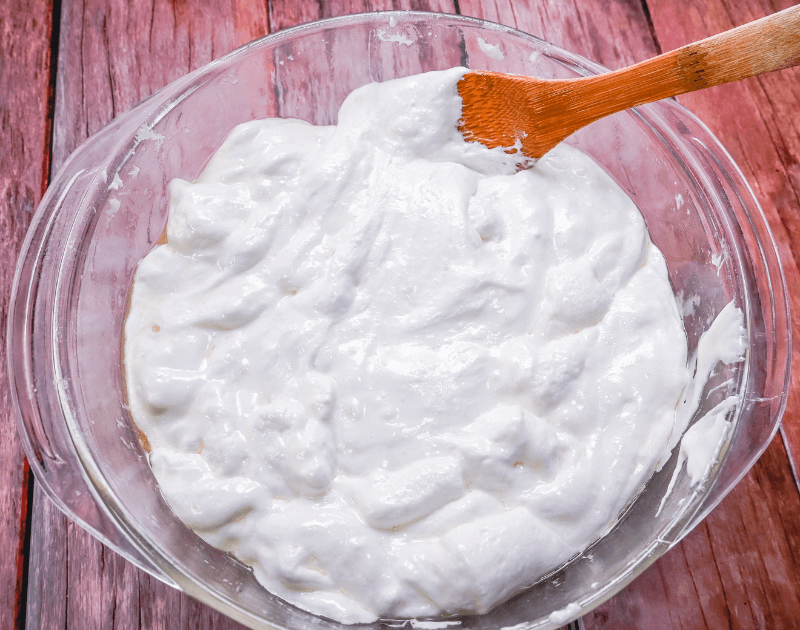
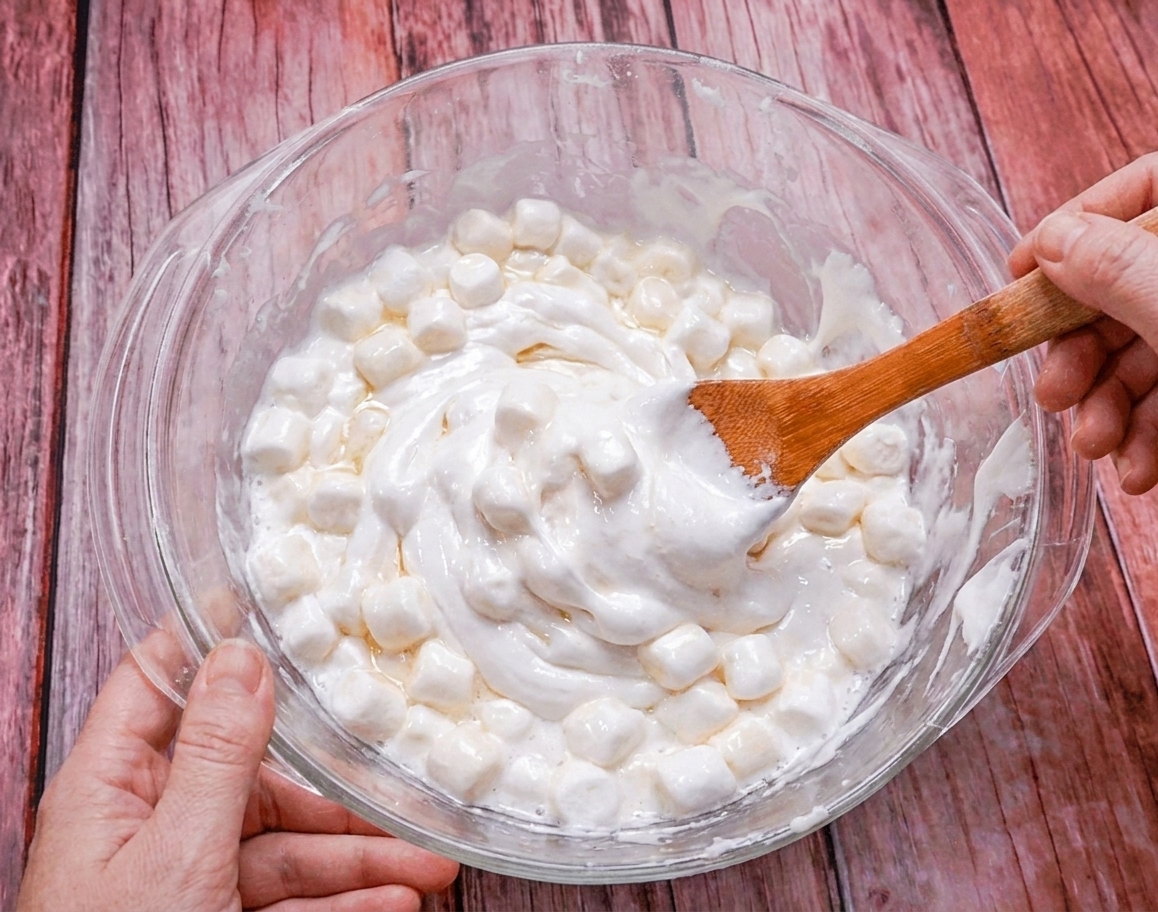
A microwave-safe bowl of melted marshmallows being stirred with a silicone spatula on a kitchen counter

Why It Works

  • Soft and workable texture: Marshmallows plus a little fat make a fondant that stays pliable instead of turning into a dry brick.
  • Accessible ingredients: No specialty glucose syrup required. Powdered sugar does the heavy lifting.
  • Better flavor: Vanilla and a pinch of salt keep it from tasting like pure sugar shock.
  • Built-in troubleshooting: If it feels wrong at any point, you can usually fix it with either a little powdered sugar or a tiny bit of shortening.

Pairs Well With

Storage Tips

Fondant dries out fast, so storage is basically the whole game.

  • Short term (about 1 to 2 weeks): Coat the outside lightly with vegetable shortening, wrap tightly in plastic wrap, then place in a zip-top bag with as much air pressed out as possible. Store at cool room temperature. The tighter the wrap, the longer it stays nice.
  • Longer term (up to 1 to 2 months): Same wrap method, then store in an airtight container. Let it sit at room temperature for 1 to 2 hours before using so it becomes pliable again. Humidity, marshmallow brands, and your sugar ratio can all affect how long it stays perfectly workable.
  • Avoid refrigerating if possible: The fridge can cause condensation that makes fondant sweaty and sticky. If you need to refrigerate a cake, it can still work. Just keep it boxed, then let it come back toward room temperature gradually before unboxing, so condensation forms on the box, not your fondant.
  • If it firms up: Microwave a small piece for 5 seconds at a time, then knead it back into the batch. Repeat only as needed. Overheating turns it gummy fast.

Common Questions

Is marshmallow fondant the same as “real” fondant?

Not exactly. Traditional rolled fondant often uses gelatin and glucose or glycerin for elasticity. Marshmallow fondant uses melted marshmallows as the base. The end result is still a rolled fondant you can drape and smooth, just simpler and usually tastier.

Why is my fondant sticky?

Two common causes: it is still warm from mixing, or you need a little more powdered sugar. Let it rest 10 minutes first, then knead in powdered sugar 1 to 2 tablespoons at a time. Also, grease your hands and counter lightly with shortening instead of dumping more sugar too fast.

Why is my fondant cracking or tearing when I roll it?

It is probably too dry. Knead in a pea-sized amount of shortening until it feels stretchy again. Also make sure you are not rolling it paper-thin. For cake covering, about 1/8 inch thick is the sweet spot.

How do I color fondant without making it a mess?

Use gel food coloring. Put on gloves if you value your nails. Make a small dent in the fondant, add a little color, fold, then knead. If it gets sticky, rub a tiny bit of shortening on your hands.

Can I flavor it?

Yes. Start with 1/2 teaspoon extracts like almond, lemon, or butter vanilla. Avoid watery flavorings because they can make the dough sticky.

How much fondant do I need to cover a cake?

As a rough guide, this batch (about 2 pounds) covers one 8-inch or 9-inch round cake that is about 4 inches tall when rolled to about 1/8 inch thick. If your cake is taller (or you want a thicker drape or extra for decorations), plan on 1.5 batches.

The first time I tried fondant, I treated it like pie dough. I floured the counter, rolled aggressively, and then wondered why it cracked like desert clay. Marshmallow fondant was the turning point because it is forgiving and it actually tastes like something you would choose to eat. Now when I am making a kid birthday cake or some low-stakes cookies, I keep it relaxed: grease the counter, knead like you mean it, and remember you can fix almost anything with either powdered sugar or a little shortening.