Mom's Best Recipes
Recipe

Wilton Buttercream Icing

A classic, sweet American buttercream that pipes clean swirls, borders, and roses without slumping.

Author By Matt Campbell
4.8
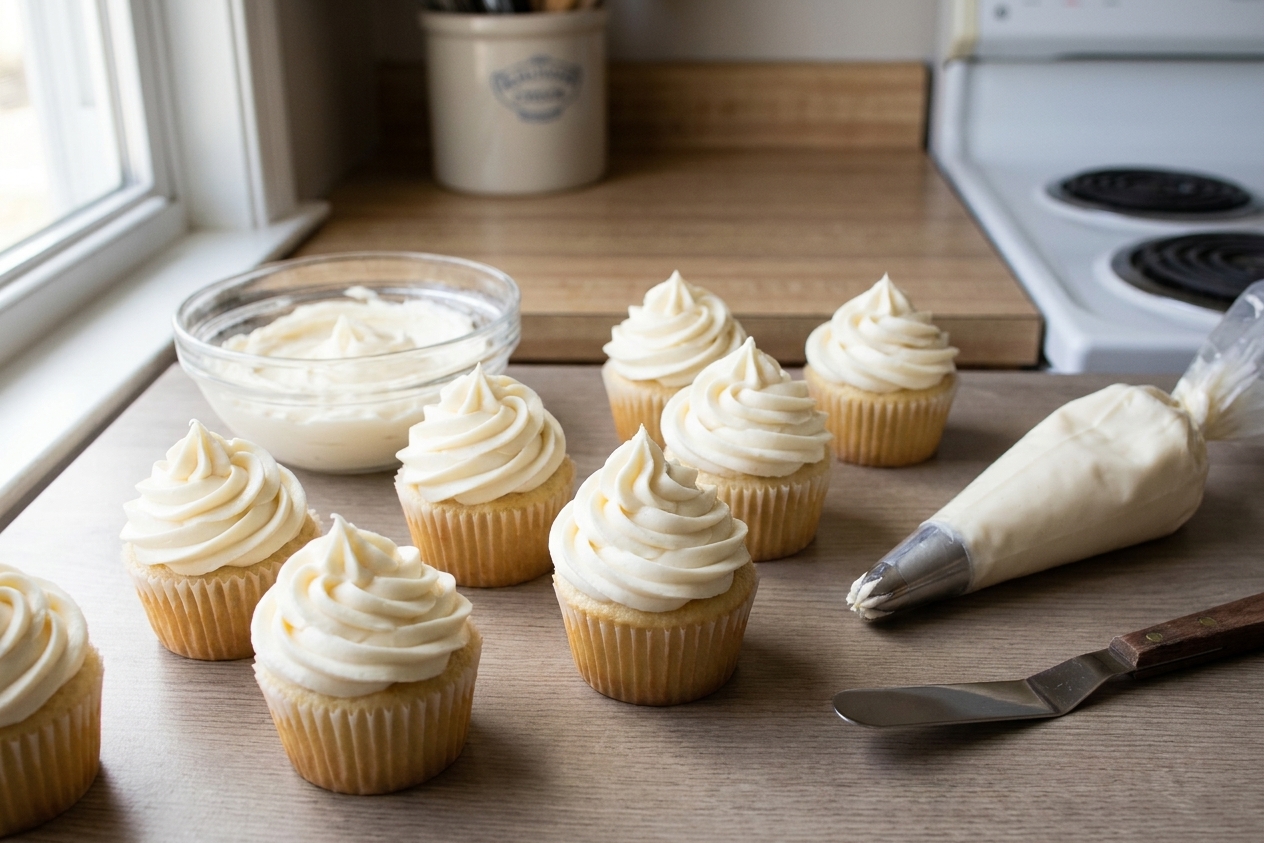
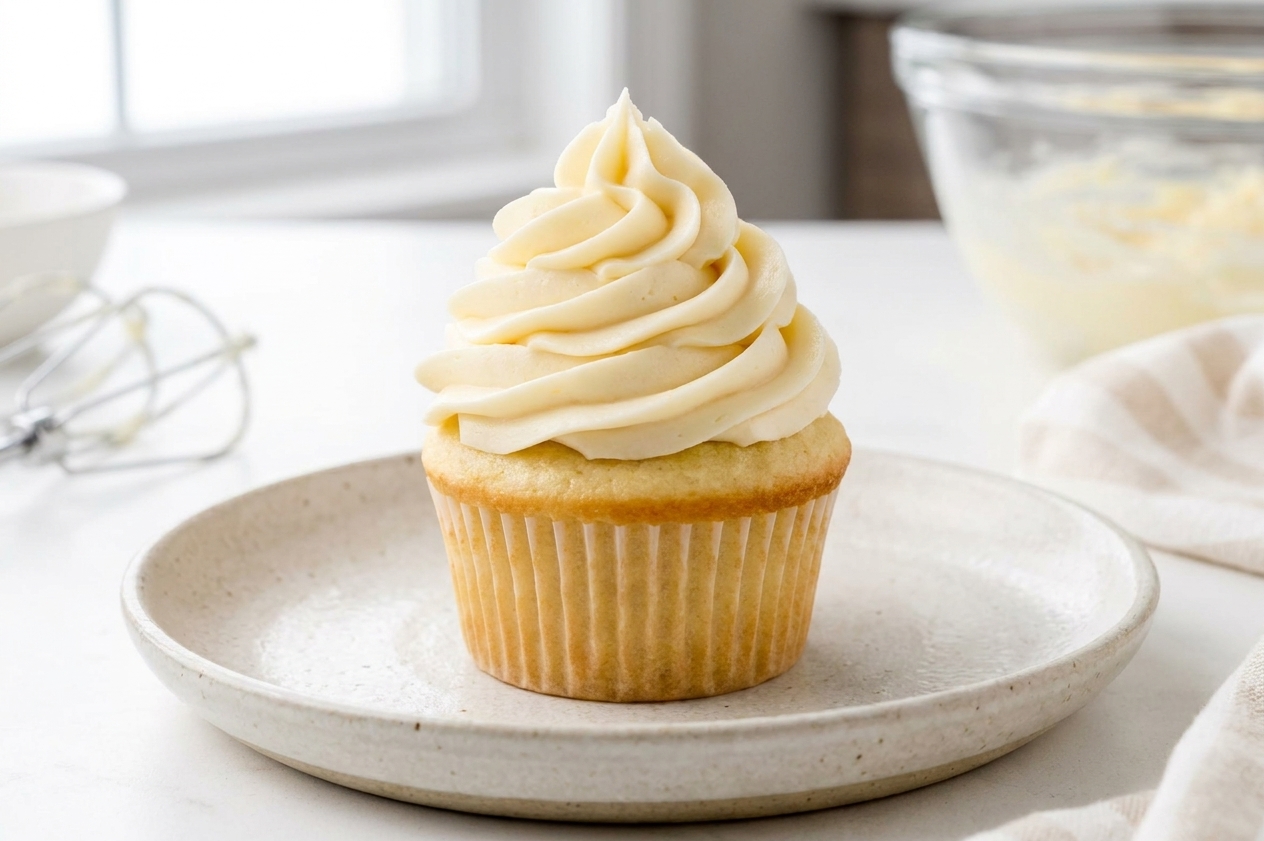
Smooth white Wilton-style buttercream icing piped into tall swirls on cupcakes on a neutral kitchen counter with soft natural light

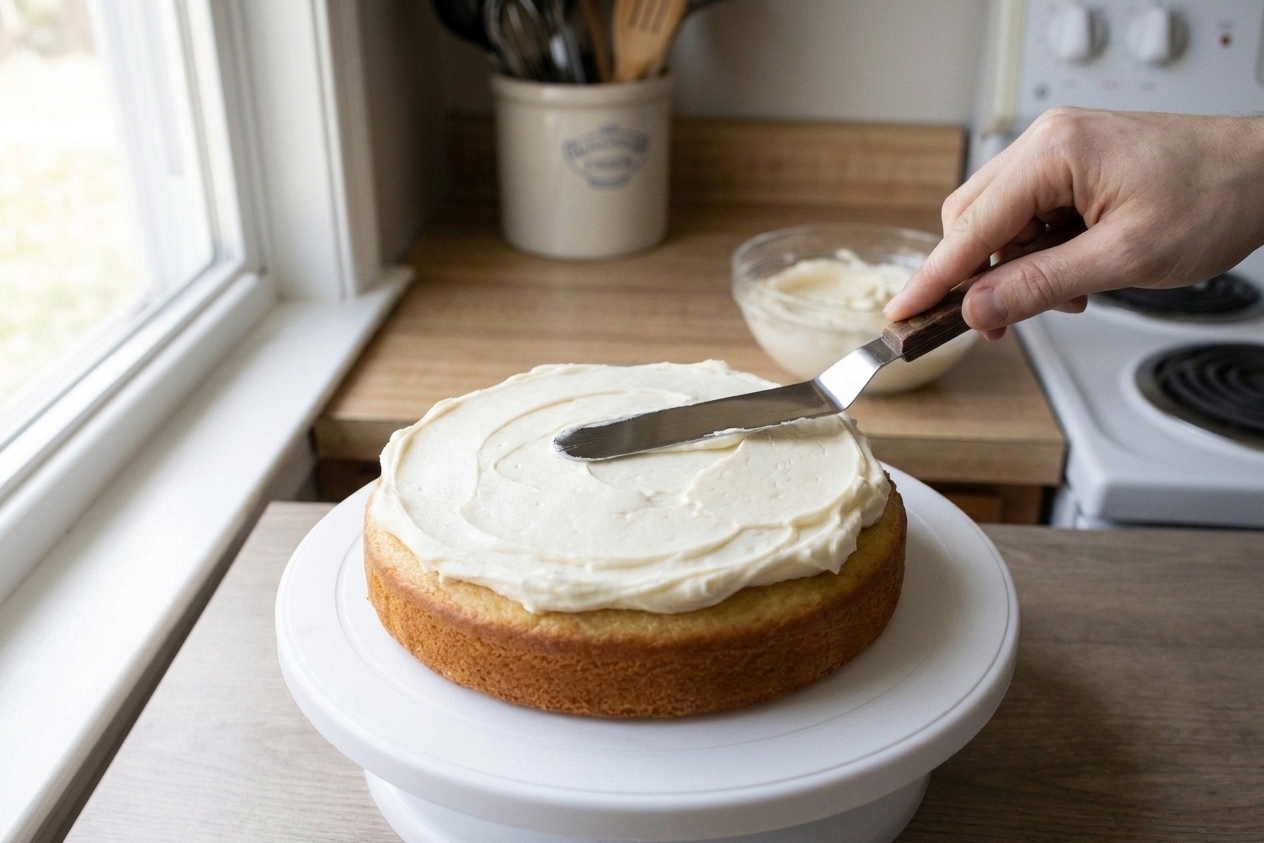
Wilton buttercream is the frosting I reach for when I want maximum confidence with minimum drama. It is sweet, fluffy, and sturdy enough to hold those crisp ridges from a star tip without melting into a sad puddle the moment you blink.

This is the classic Wilton-style American buttercream formula: shortening plus butter for stability and flavor, powdered sugar for structure, and a splash of milk plus vanilla to pull it all together. The vibe is birthday cake, bake sale cupcakes, and “I brought dessert” energy.

Below, I will show you how to nail the texture, how to tweak it for piping or icing a cake, and how to fix the common problems like grainy frosting or buttercream that is too soft.

Why It Works

  • Sturdy, pipeable structure: Holds peaks and ruffles well thanks to the shortening and the right sugar ratio.
  • Easy to adjust: A few teaspoons of liquid loosens it, a bit more powdered sugar firms it up, and you are back in business.
  • Great for decorating: Smooth enough for a clean finish, but strong enough for borders, rosettes, shells, and simple flowers.
  • Kid-friendly flavor: Classic vanilla sweetness that plays well with chocolate cake, funfetti, or a boxed mix on a Wednesday.
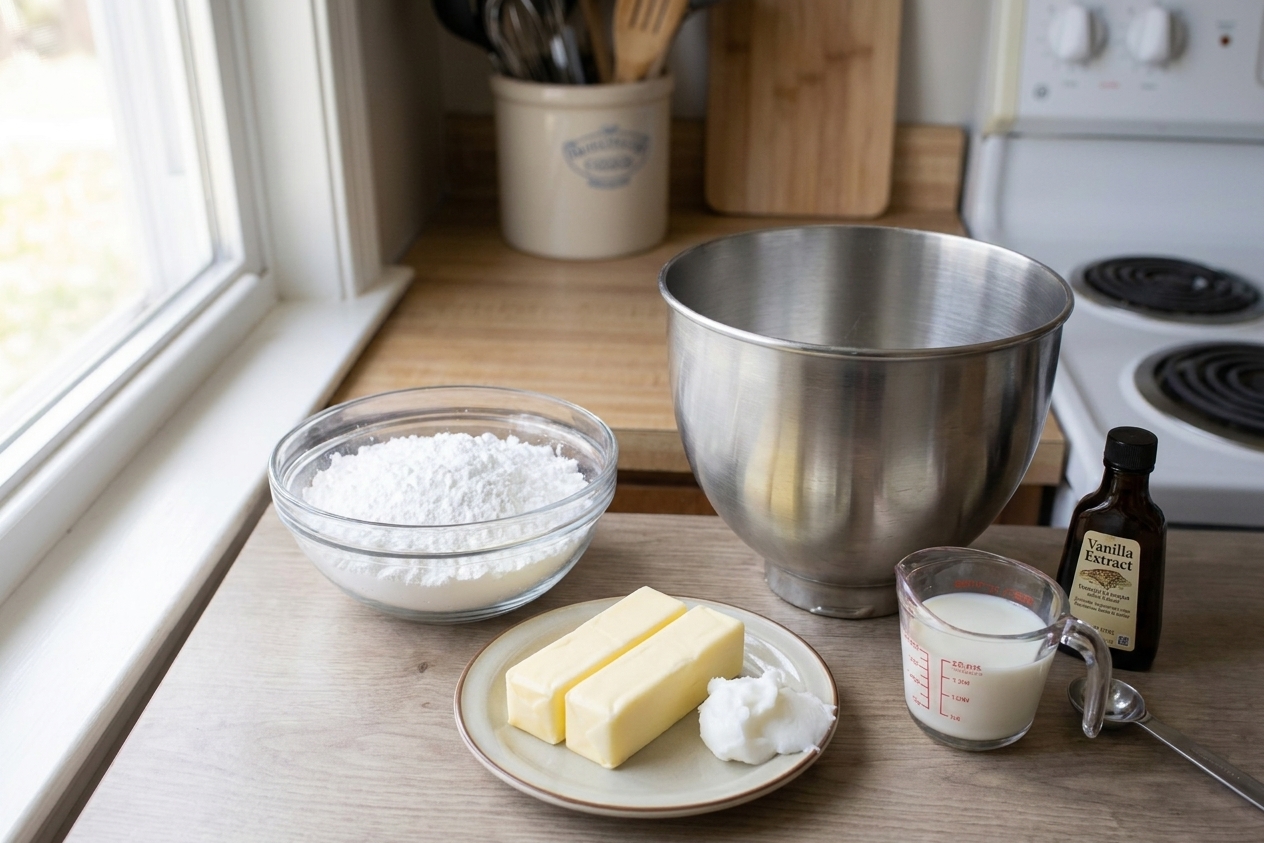
Powdered sugar, softened butter, vegetable shortening, vanilla, and milk measured out on a light kitchen counter next to a large mixing bowl

Pairs Well With

Storage Tips

How to Store Wilton Buttercream

  • Room temperature: In a cool kitchen, keep buttercream in an airtight container for up to 1 to 2 days. If your kitchen runs warm, or if your dessert has perishable fillings, refrigerate.
  • Refrigerator: Store airtight for up to 1 week for best texture. Let it sit at room temp until soft, then re-whip briefly to restore fluff.
  • Freezer: Freeze in a freezer bag or airtight container for up to 3 months. Thaw overnight in the fridge, then bring to room temp and re-whip.
  • Already frosted cake: Because this frosting contains butter, I refrigerate frosted cakes for longer storage. Let slices sit 20 to 30 minutes before serving for the best texture.

Pro tip: Buttercream picks up fridge smells like it is its hobby. Double-seal it if your refrigerator is heavy on onions, garlic, or leftover pizza.

Common Questions

Common Questions

Why does Wilton buttercream use shortening?

Shortening makes the frosting more heat-stable and helps it hold crisp piping detail. Butter brings flavor. Using a mix gives you the best of both: structure plus that buttery finish.

Can I make it with all butter?

Yes. Swap the shortening for an equal amount of butter. The frosting will taste richer but will be softer and less heat-tolerant. If you are piping in a warm kitchen, you may need extra powdered sugar or a quick chill.

My buttercream is grainy. How do I fix it?

Most of the time it is powdered sugar that did not fully hydrate, or it was extra lumpy to begin with. Mix 2 to 3 minutes longer, scraping the bowl well. If it still feels rough, add 1 teaspoon milk at a time until it smooths out. Also check these usual suspects: cold butter (let the frosting sit 10 minutes, then re-whip), very lumpy powdered sugar (sift it), or coarse organic powdered sugar (it can stay a bit gritty).

My buttercream is too runny. What now?

First, chill the bowl for 10 minutes if it feels warm. Then add powdered sugar 2 to 4 tablespoons at a time until it holds soft peaks. If you added too much milk, powdered sugar is the fastest fix.

My buttercream is too stiff to pipe. How do I loosen it?

Add milk or cream 1 teaspoon at a time. You can also warm it slightly by letting it sit for 10 minutes, then re-whip.

Does Wilton buttercream crust?

Yes, it can. That means the surface dries a little as it sits, forming a thin “skin.” It is great for smoothing with a paper towel, adding sprinkles without them sinking, and some simple buttercream painting techniques. If you want to avoid crusting, keep it covered airtight and press plastic wrap directly on the surface.

How do I make bright white Wilton buttercream?

Use clear vanilla extract and keep the butter portion modest, since butter adds a yellow tint. You can also whip a little longer to lighten it, or use a tiny dot of violet food coloring to neutralize yellow.

What colors work best?

Gel food coloring gives the strongest color without thinning the frosting. Add a little, mix, then let it sit 10 minutes. Colors deepen as they rest.

Any tips for heat and humidity?

If it is hot or sticky, keep the bowl and piping bag cool and out of direct sun. For outdoor parties, consider using a little more shortening (and a little less butter) for extra stability. If the frosting starts acting like a sad puddle, a short chill and a re-whip usually fixes it.

Can I double this recipe?

Yes. It doubles cleanly. Just make sure your mixer bowl is large enough, and scrape the bottom and sides more often than you think you need to.
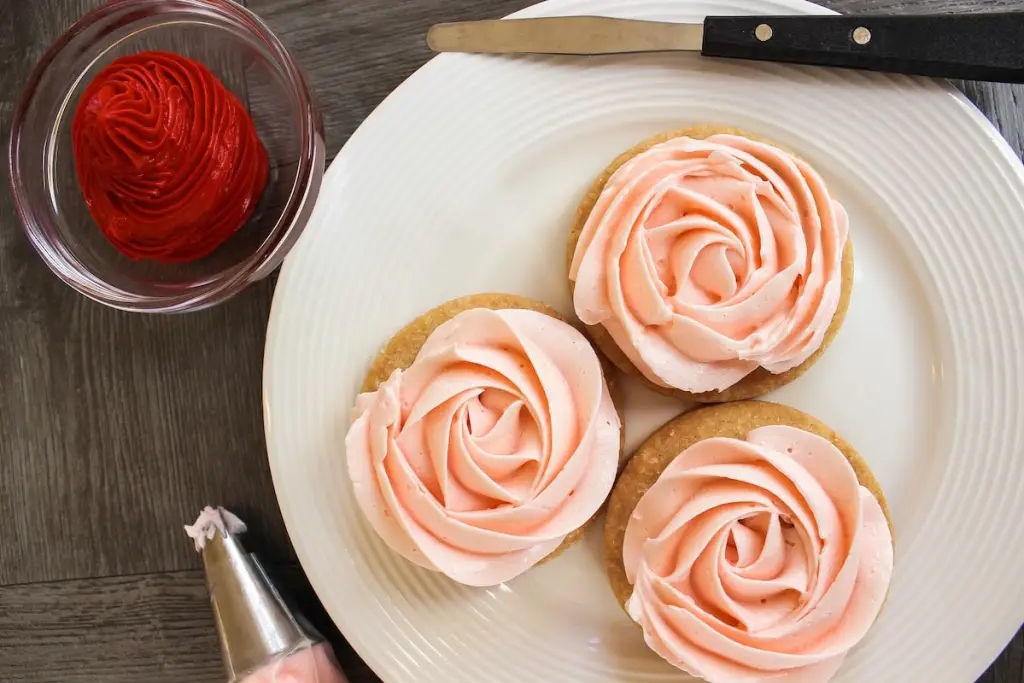

Buttercream rosettes piped in neat spirals on a lined baking sheet on a bright kitchen counter

The first time I tried to decorate a cake like I knew what I was doing, I learned a very important lesson: frosting has moods. Too warm and it slumps. Too stiff and it fights you like drywall compound. Wilton-style buttercream was the first frosting that made me feel like decorating could actually be fun, not a personal grudge match with a piping bag. It is the one I keep in my back pocket for birthdays, cupcakes for friends, and any moment that calls for swirls with a little confidence.