Mom's Best Recipes
Recipe

Easy South Indian Sambar

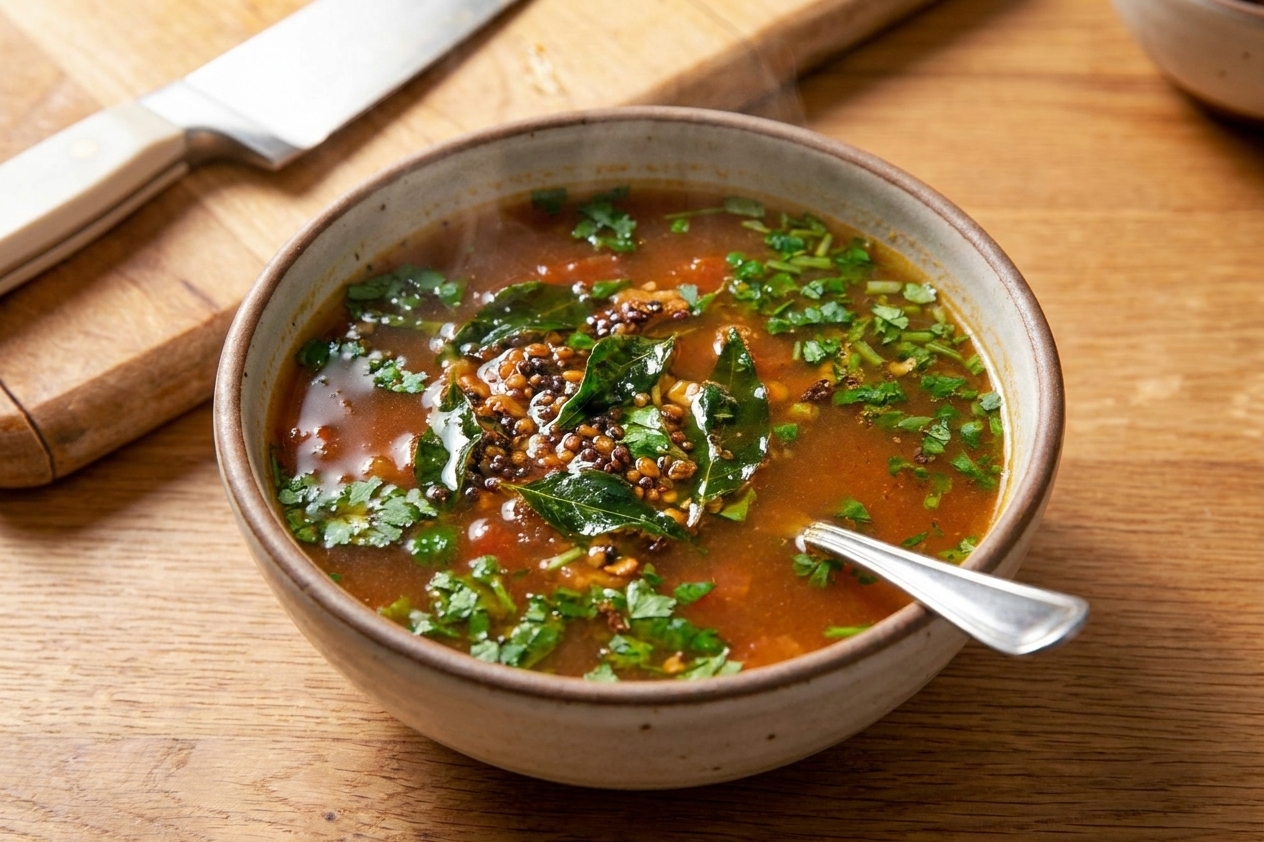
Tangy tamarind, tender lentils, plenty of veg, and a sizzling tempering that makes the whole pot smell like dinner is handled.

Author By Matt Campbell
4.8
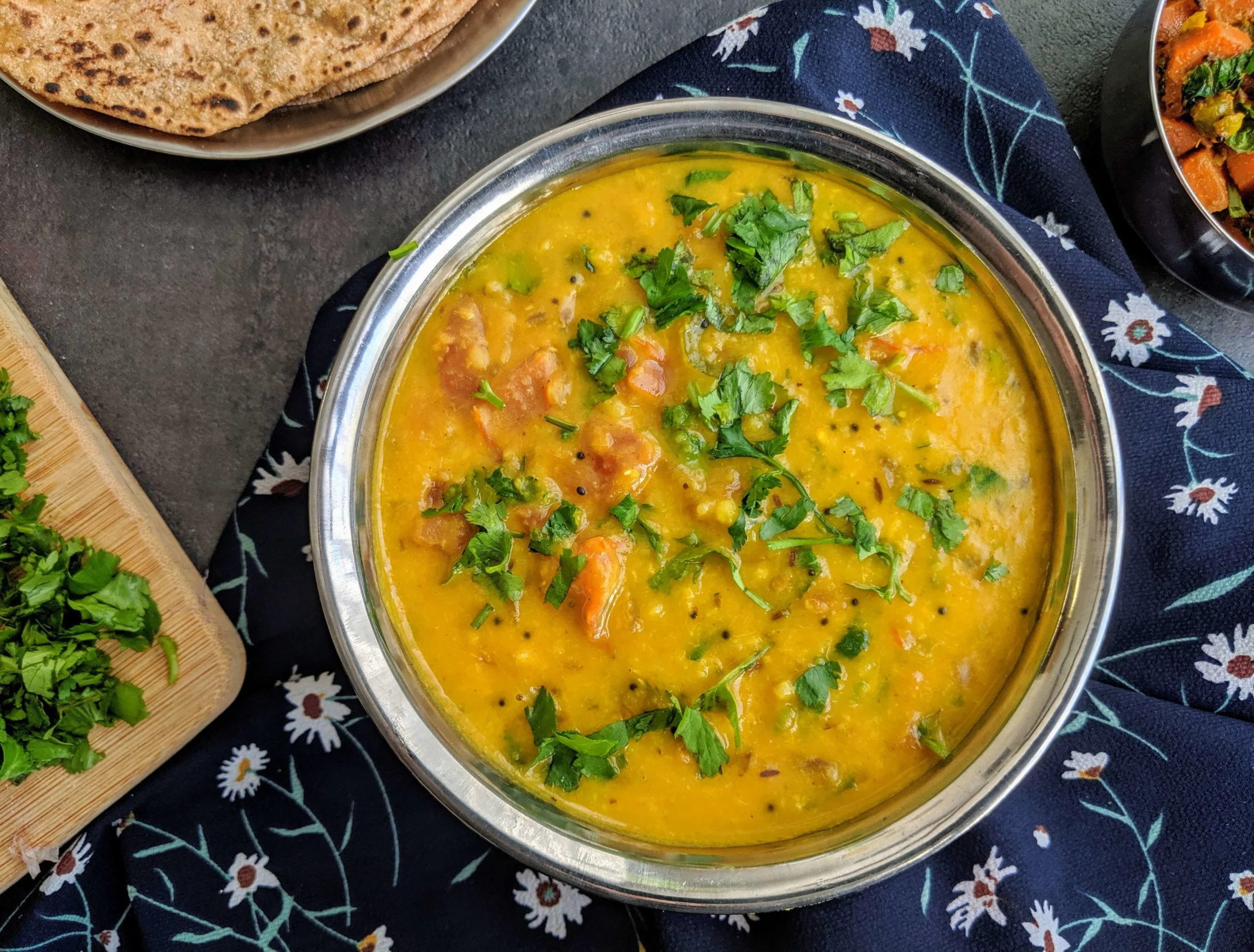
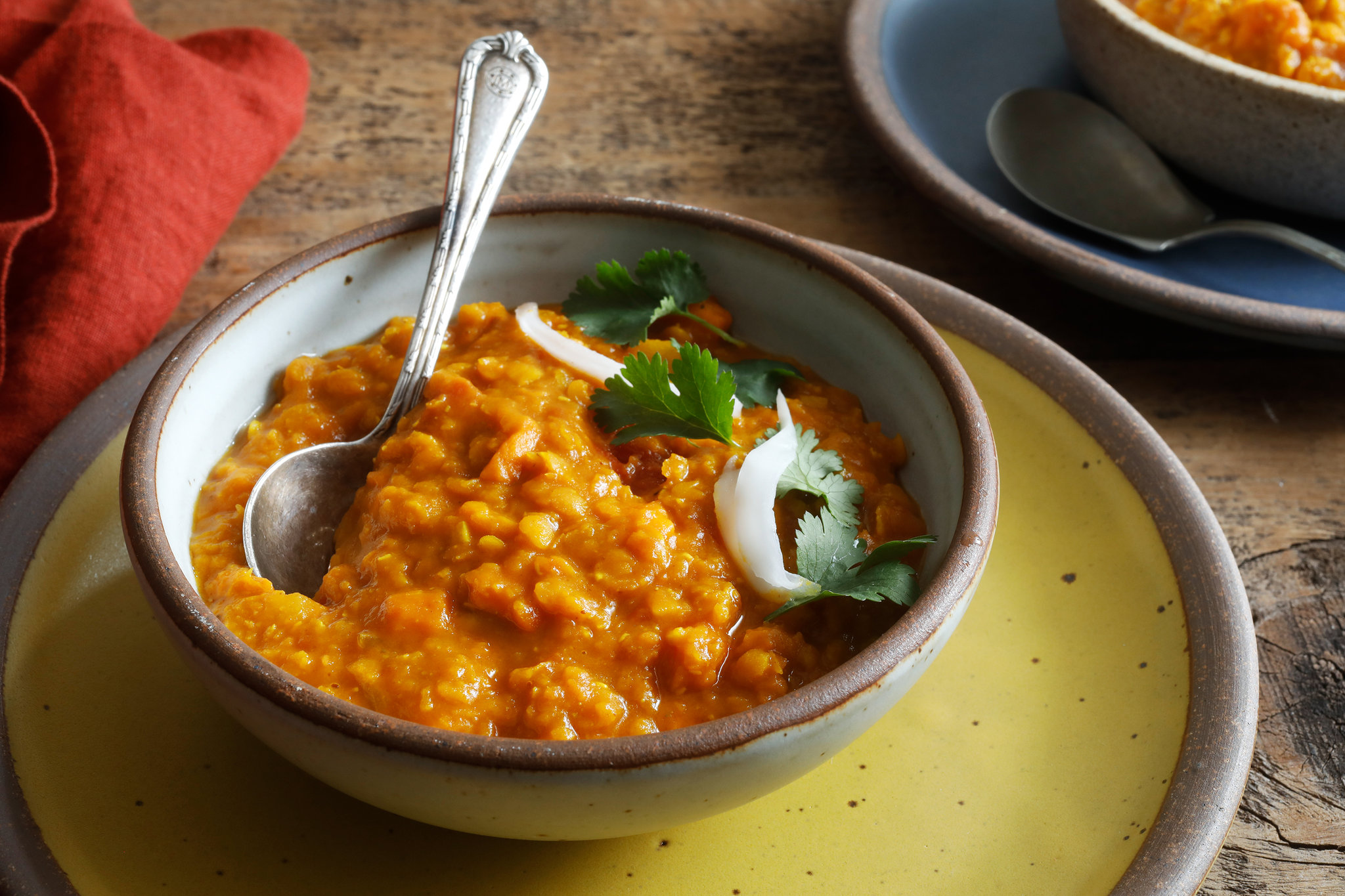
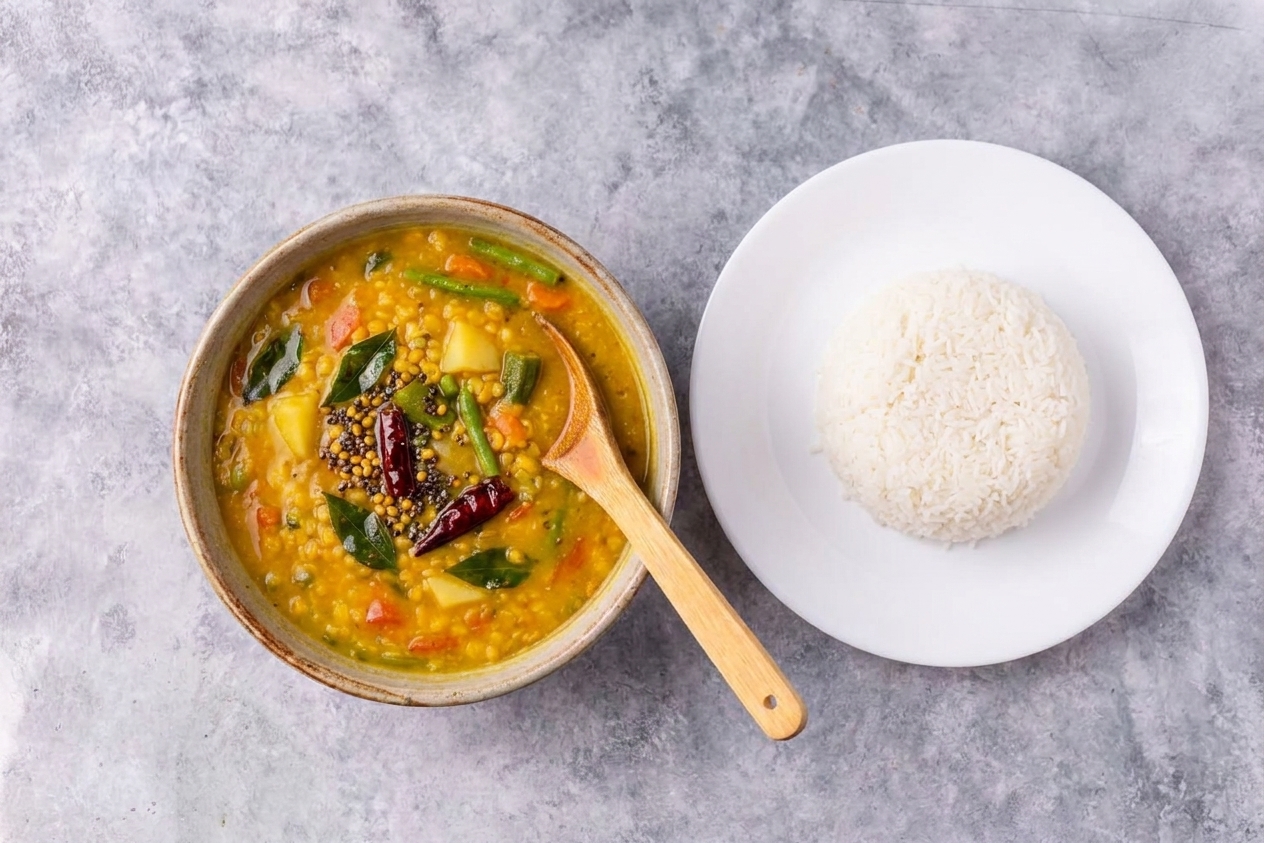
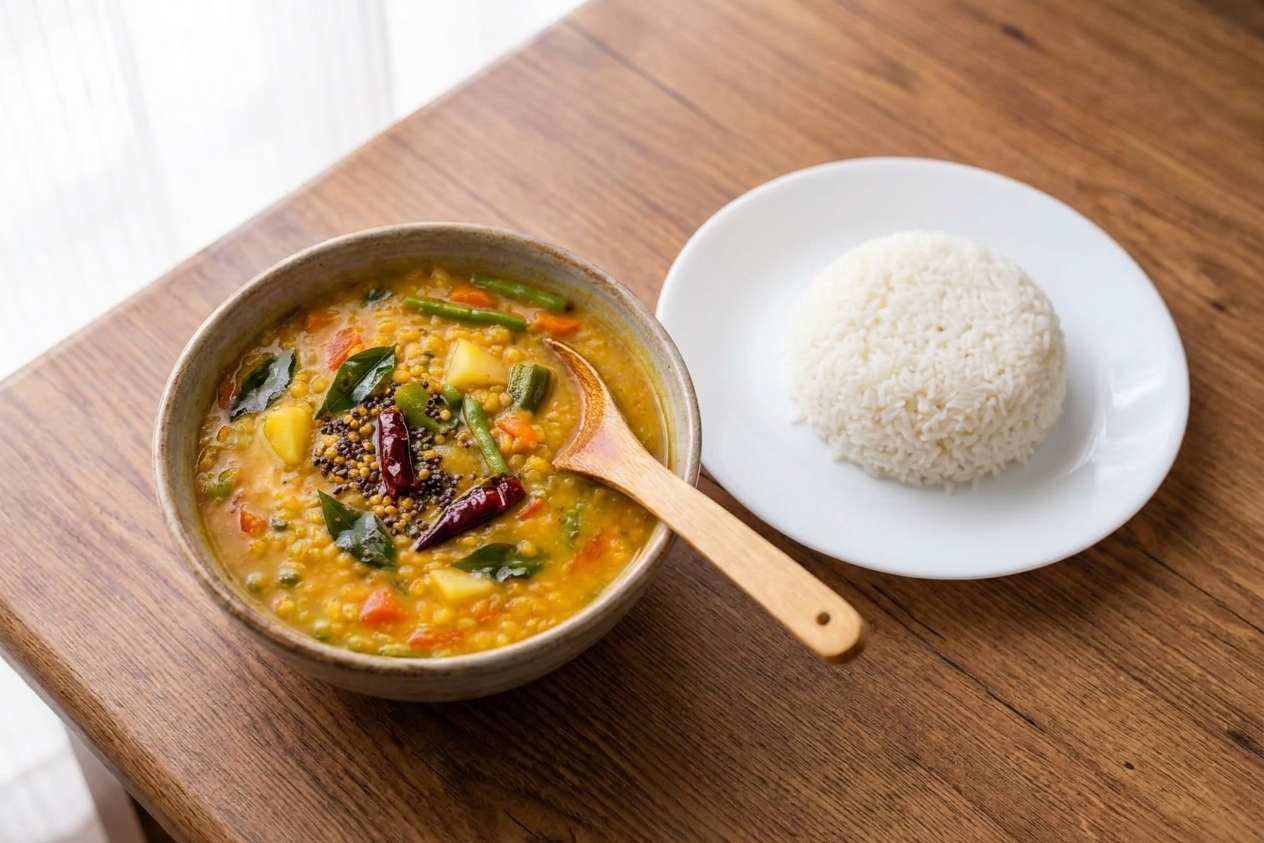
A bowl of South Indian sambar with visible vegetables and curry leaves, served with steamed rice on a warm wooden table with soft natural light

Sambar is the kind of soup-stew-curry hybrid that makes you feel like you have your life together, even if the kitchen is currently a disaster zone of chopped veggies and one suspiciously sticky measuring spoon. It is tangy, savory, gently spicy, and loaded with vegetables, all tied together by creamy toor dal.

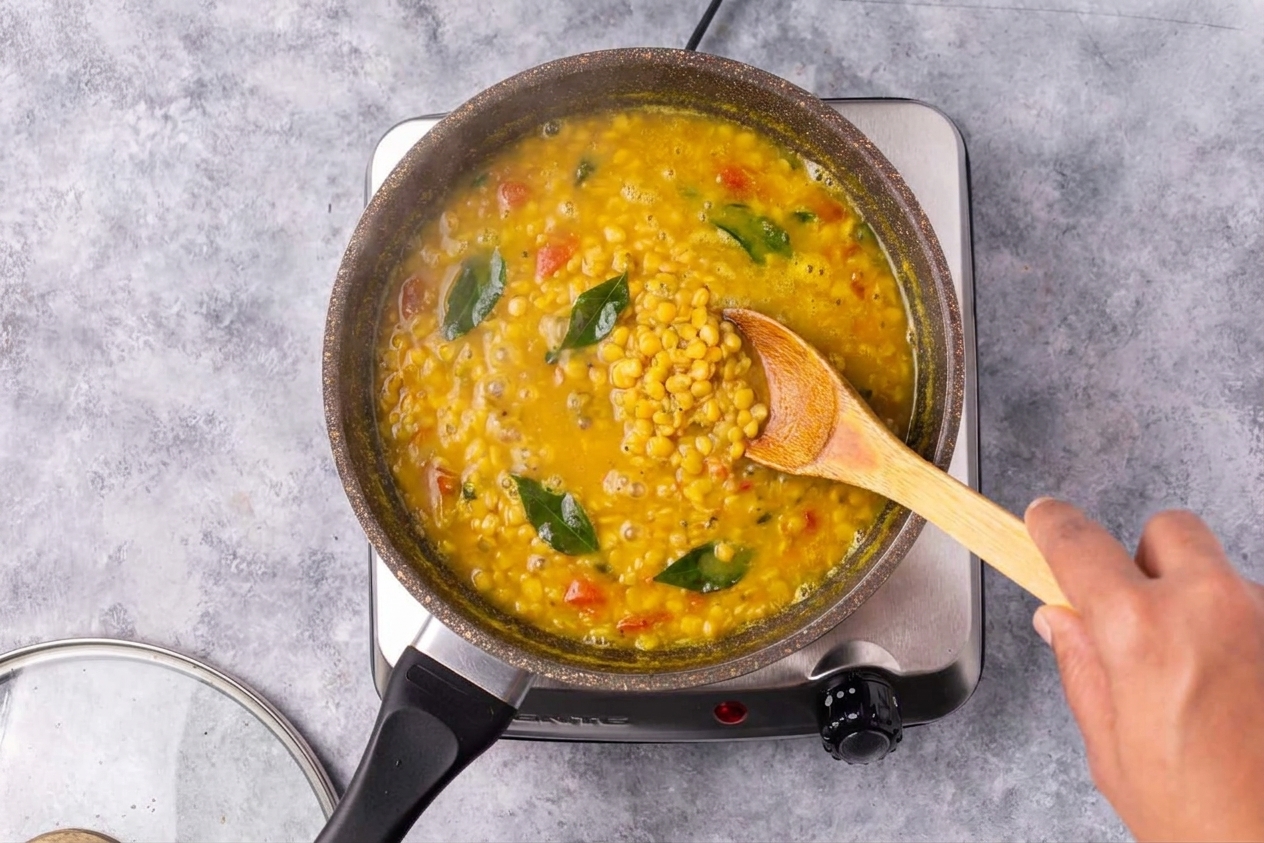
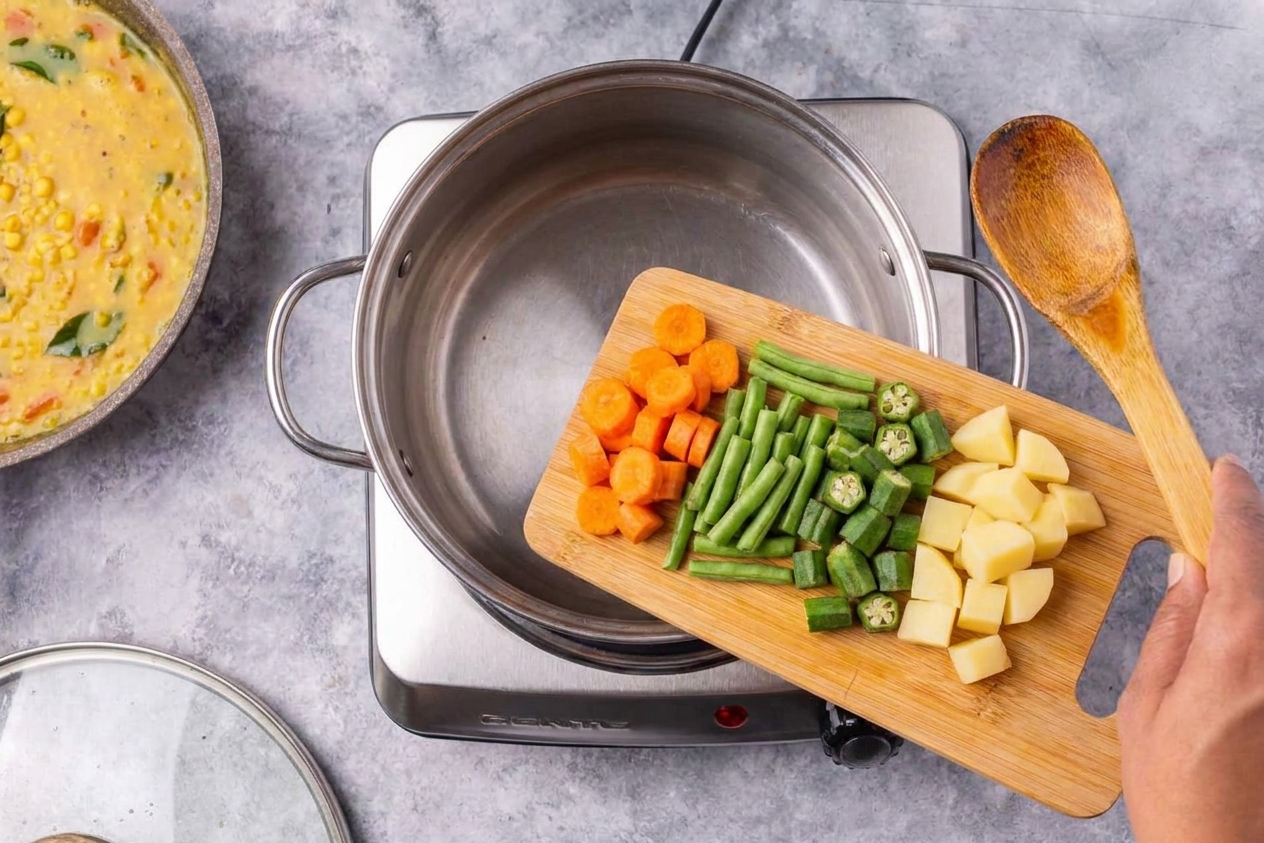
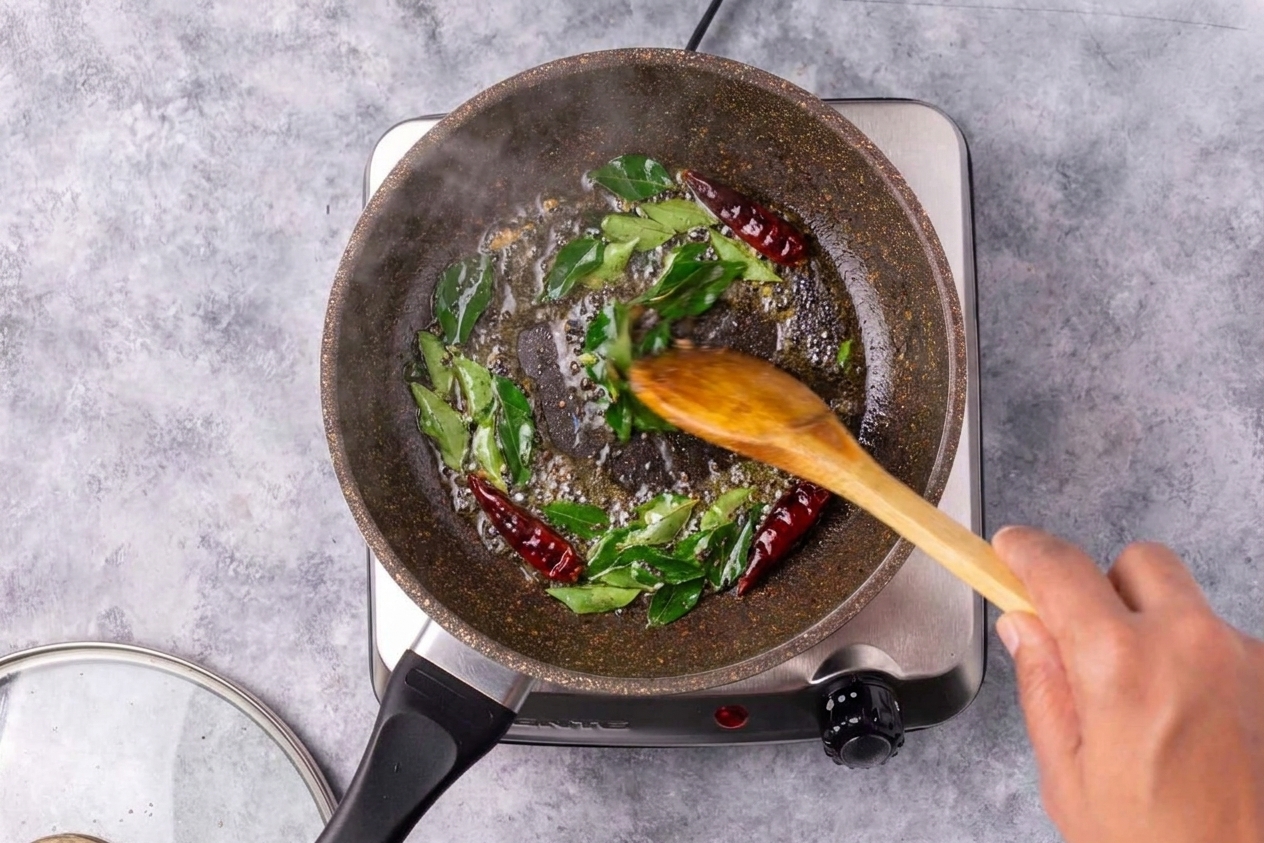
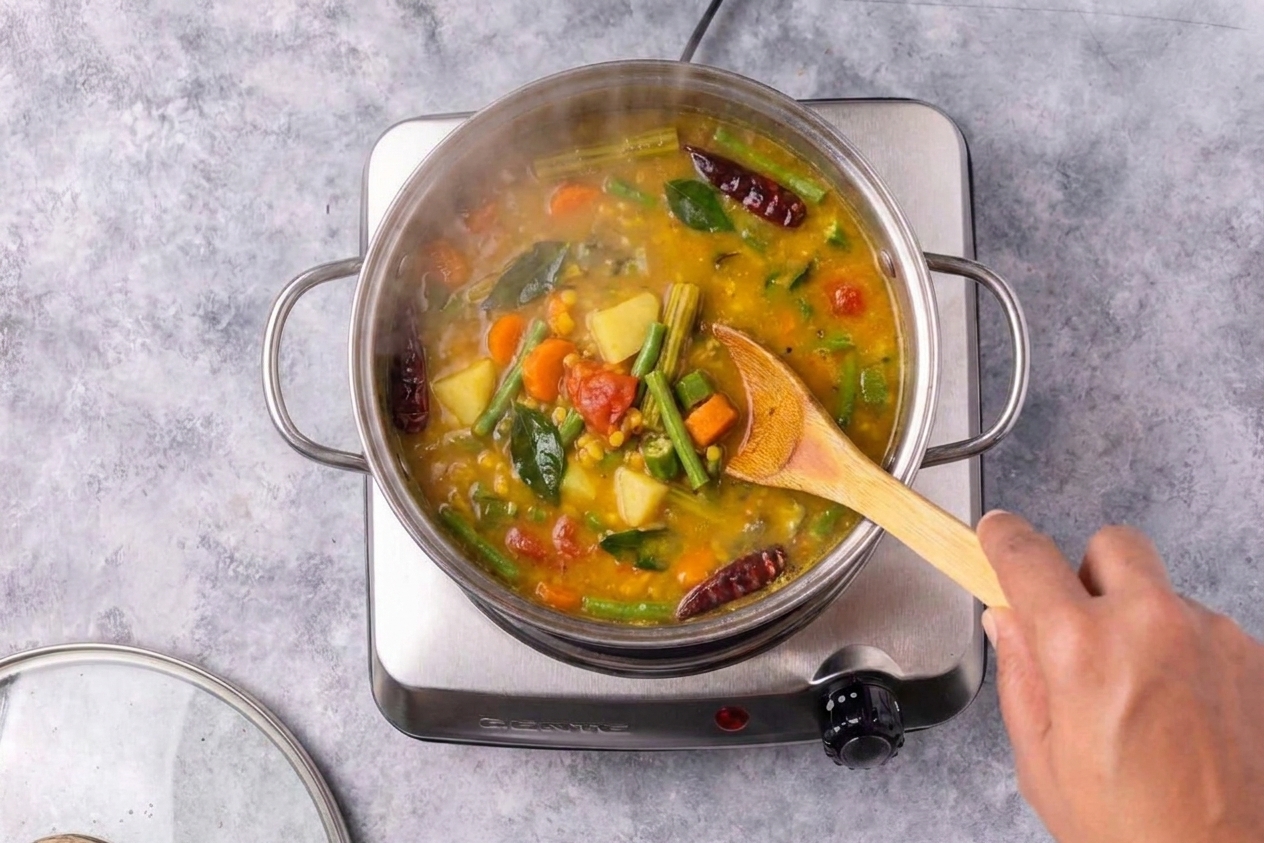
This version is built for real home cooking: accessible ingredients, clear steps, and flavor that shows up. The biggest trick is timing. Cook the dal until it is actually soft, then add veggies in a way that makes sense, then bring in tamarind, then finish with a quick tempering that wakes the whole pot up.
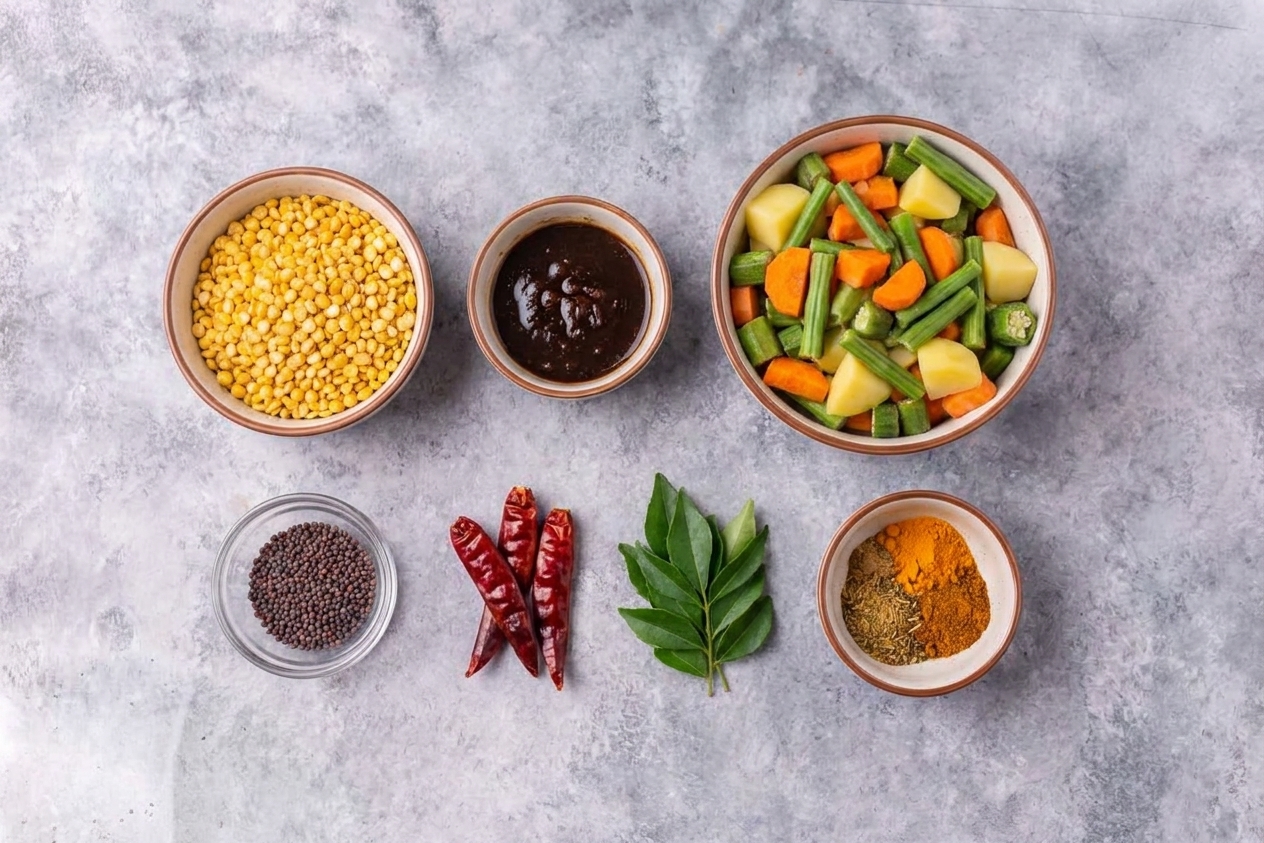
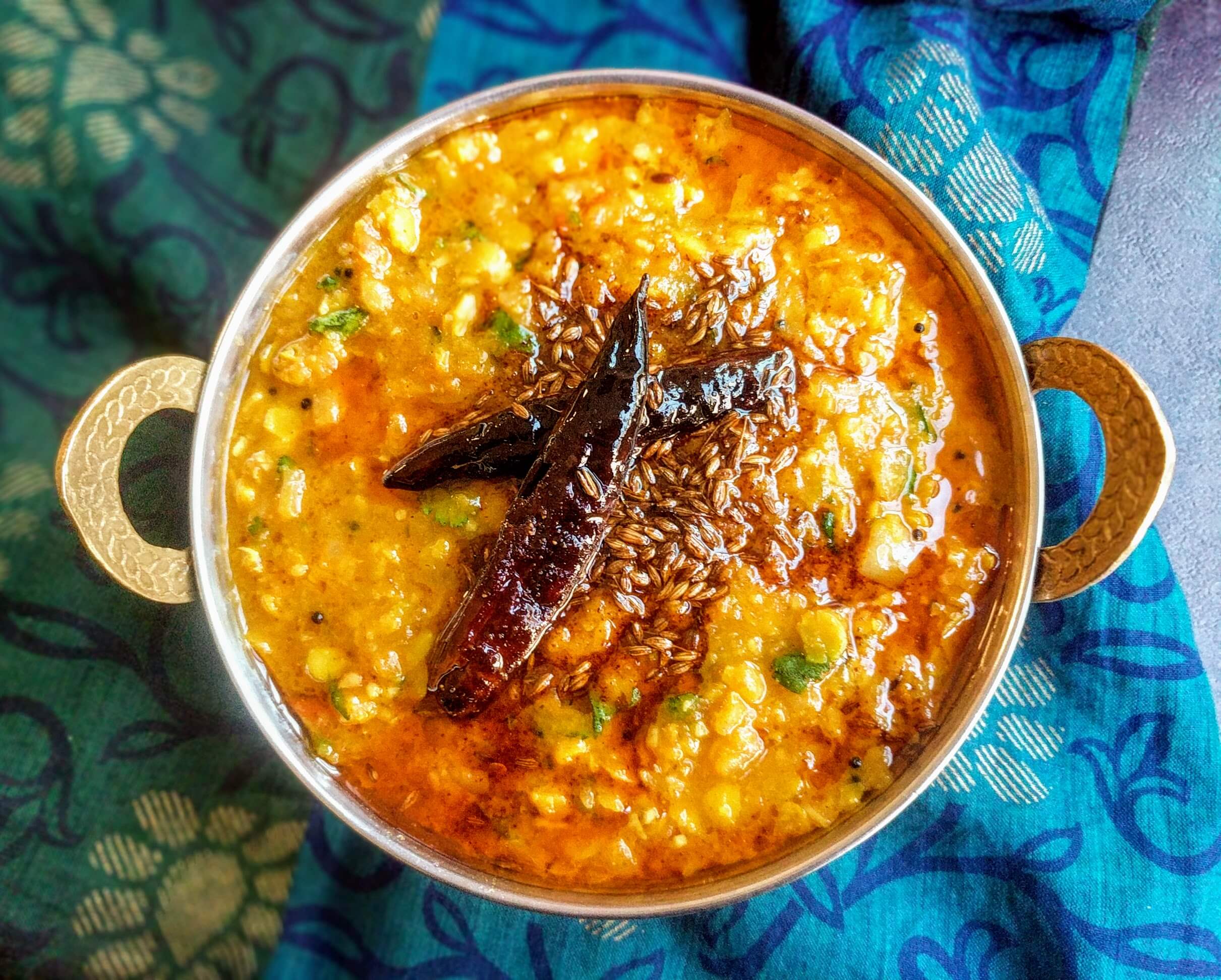
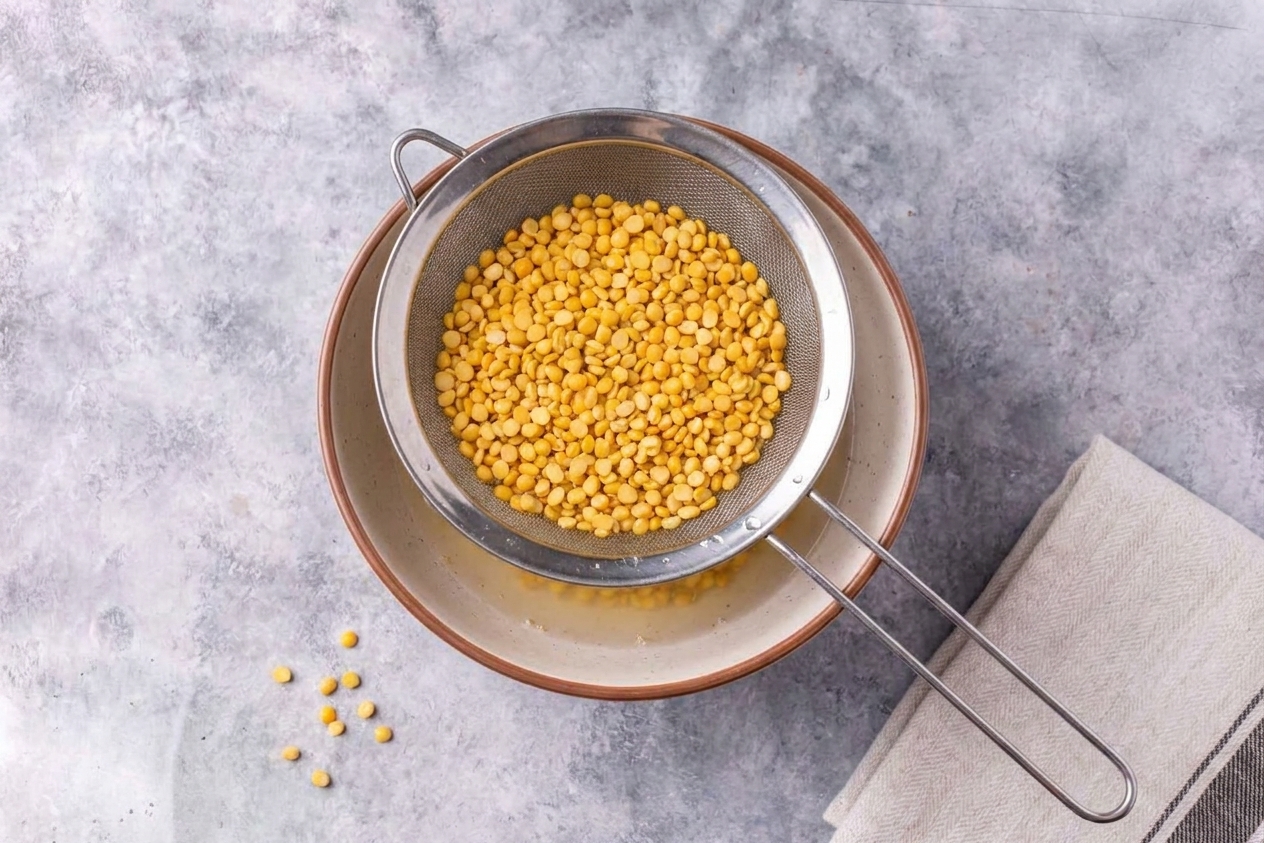
Bowls of toor dal, tamarind paste, chopped mixed vegetables, mustard seeds, dried red chiles, curry leaves, and spices arranged on a bright kitchen counter

Why It Works

  • Comforting texture: properly cooked toor dal gives sambar its signature body without needing any thickeners.
  • Balanced tang: tamarind goes in after the dal is tender so it does not slow down cooking.
  • Big aroma with low effort: a quick mustard seed and curry leaf tempering at the end tastes like you worked harder than you did.
  • Flexible vegetables: use what you have, just cut pieces so they finish at the same time.

Pairs Well With

Storage Tips

How to Store Sambar

Refrigerate: Cool completely, then store in an airtight container for up to 4 days. Sambar thickens as it sits. That is normal and honestly kind of nice.

Reheat: Warm gently on the stove with a splash of water to loosen. Taste and adjust salt and tamarind. The tang can mellow after a day.

Freeze: Freeze up to 2 months. For best texture, freeze without delicate veggies like okra if you can. Thaw overnight in the fridge and reheat slowly.

Common Questions

Common Questions

What is sambar made of?

Classic sambar starts with toor dal (split pigeon peas), tamarind for tang, vegetables, and a sambar spice blend (store-bought or homemade). It is finished with a tempering of mustard seeds, curry leaves, and dried chiles in hot oil or ghee.

Can I make sambar without sambar powder?

Yes. It will not taste identical to a good sambar powder, but you can get close with coriander, cumin, turmeric, black pepper, and a little fenugreek. This recipe includes both options so you can still make dinner even if your pantry is improvising.

Why did my sambar turn bitter?

Usually it is one of these: too much fenugreek, burned spices in the tempering, or overcooked curry leaves and chiles until they scorch. Keep the tempering moving and pour it in as soon as mustard seeds pop.

Why is my dal not getting soft?

Old lentils take longer. Also, acid slows softening, so add tamarind only after the dal is cooked. If needed, keep simmering with more water, or use a pressure cooker/Instant Pot next time.

How do I make sambar thicker or thinner?

Thicker: simmer uncovered a bit longer, or mash more of the dal. Thinner: add hot water in small splashes and re-season with salt and tamarind.

What do I serve with sambar?

Steamed rice is the classic. It is also great with idli, dosa, vada, or even a simple bowl of yogurt on the side if you went a little wild with the spice.

The first time I made sambar on my own, I treated it like a random lentil soup and tossed tamarind in way too early. The dal stayed stubborn, the pot took forever, and I learned a very specific lesson: sambar is forgiving, but it likes order of operations. Now I keep it relaxed. Dal first, veggies when they make sense, tang later, then a quick tempering that smells like you just opened a tiny doorway to a South Indian kitchen. Every time I pour that sizzling oil into the pot, I still pause for a second because, wow, that is the moment it becomes sambar.