Mom's Best Recipes
Recipe

Easy Vegan Vanilla Cake

A soft, fluffy vegan vanilla cake with dairy-free buttercream. Pantry-friendly ingredients, simple method, and a crumb that stays tender for days.

Author By Matt Campbell
4.8
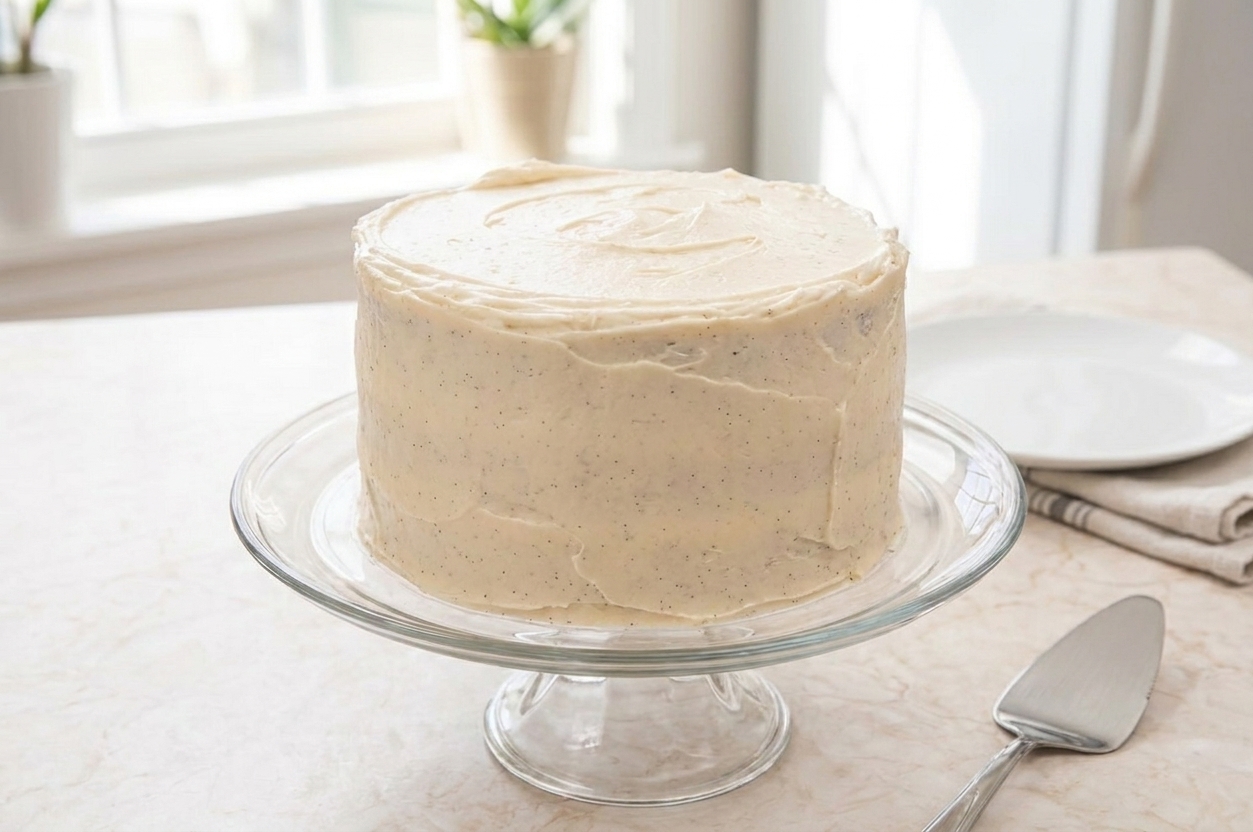
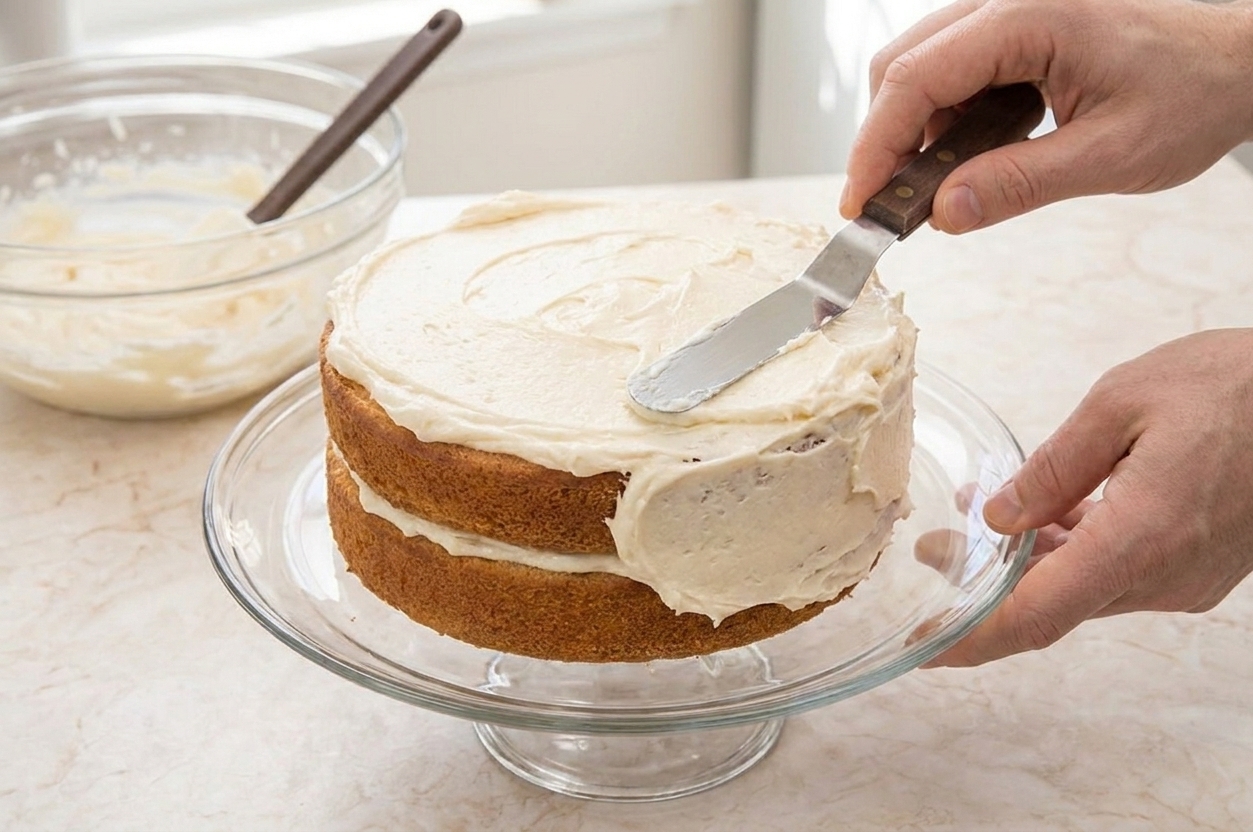
A tall, frosted vegan vanilla layer cake on a cake stand with smooth dairy-free buttercream and a few vanilla bean specks, set on a bright kitchen counter with natural window light

Here is my favorite kind of cake to bake at home: the one that does not require a PhD in pastry, does not demand five specialty vegan products, and still tastes like a real-deal celebration. This vegan vanilla cake is soft, plush, and lightly tangy in the best way, thanks to a quick homemade vegan buttermilk. The crumb is tender, the edges get just a little golden, and the frosting is the classic swoopy situation you want on a birthday cake, even if the birthday is just “Tuesday.”

I am going to be honest. Vegan cake has a reputation. People expect dry, gummy, or weirdly dense. This one is none of those. The method is simple, the ingredients are normal grocery store stuff, and the biggest rule is also the easiest: do not overmix once the flour goes in. Let the oven do the rest.

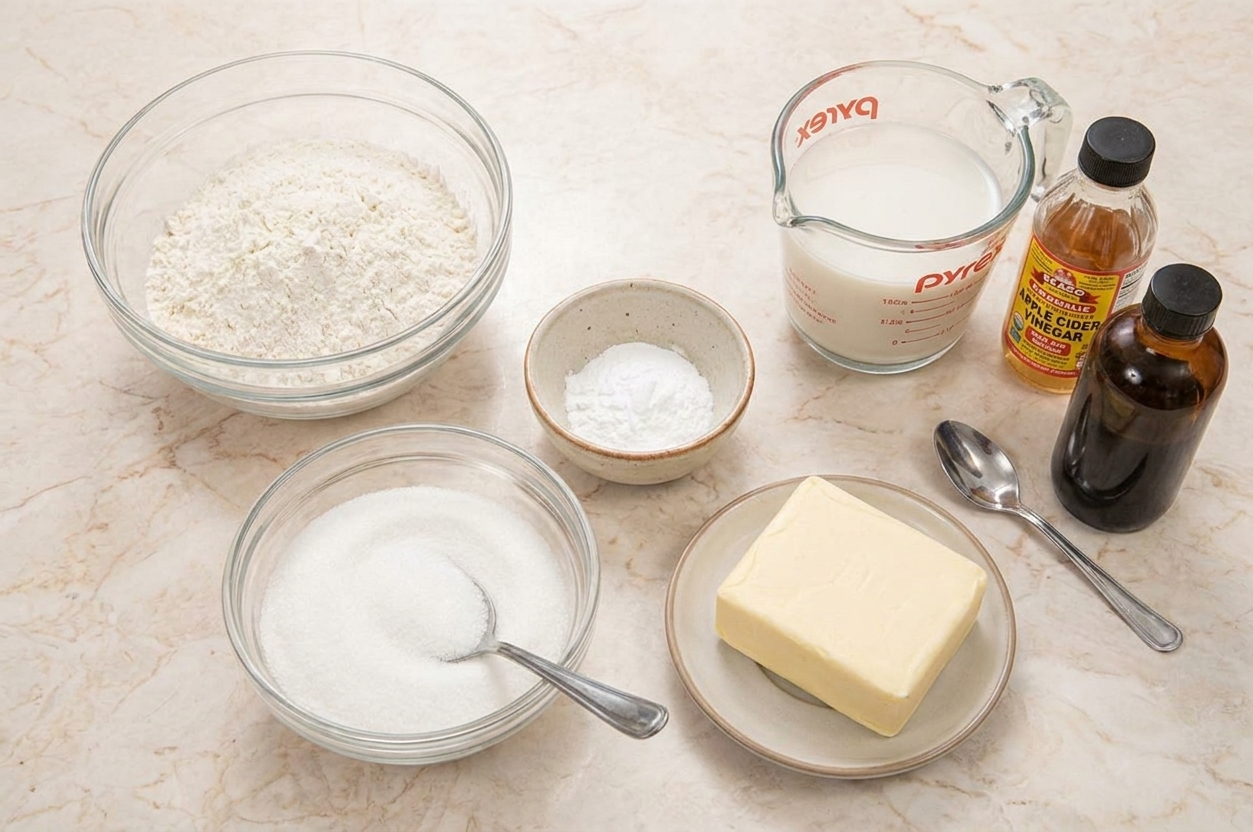
A neat arrangement of vegan cake ingredients like flour, sugar, baking powder, plant milk, apple cider vinegar, vanilla, and dairy-free butter on a light kitchen counter

Why It Works

  • Vegan buttermilk = better crumb: Plant milk plus vinegar adds tenderness and a gentle tang that makes vanilla taste brighter.
  • Oil keeps it moist: Using neutral oil helps the cake stay soft even after chilling.
  • Cake flour effect without cake flour: A touch of cornstarch lightens the flour, giving you a fluffier, more bakery-style bite.
  • Easy mixing strategy: Whisk the dry, mix the buttermilk, combine, then stop. Less mixing means less toughness.
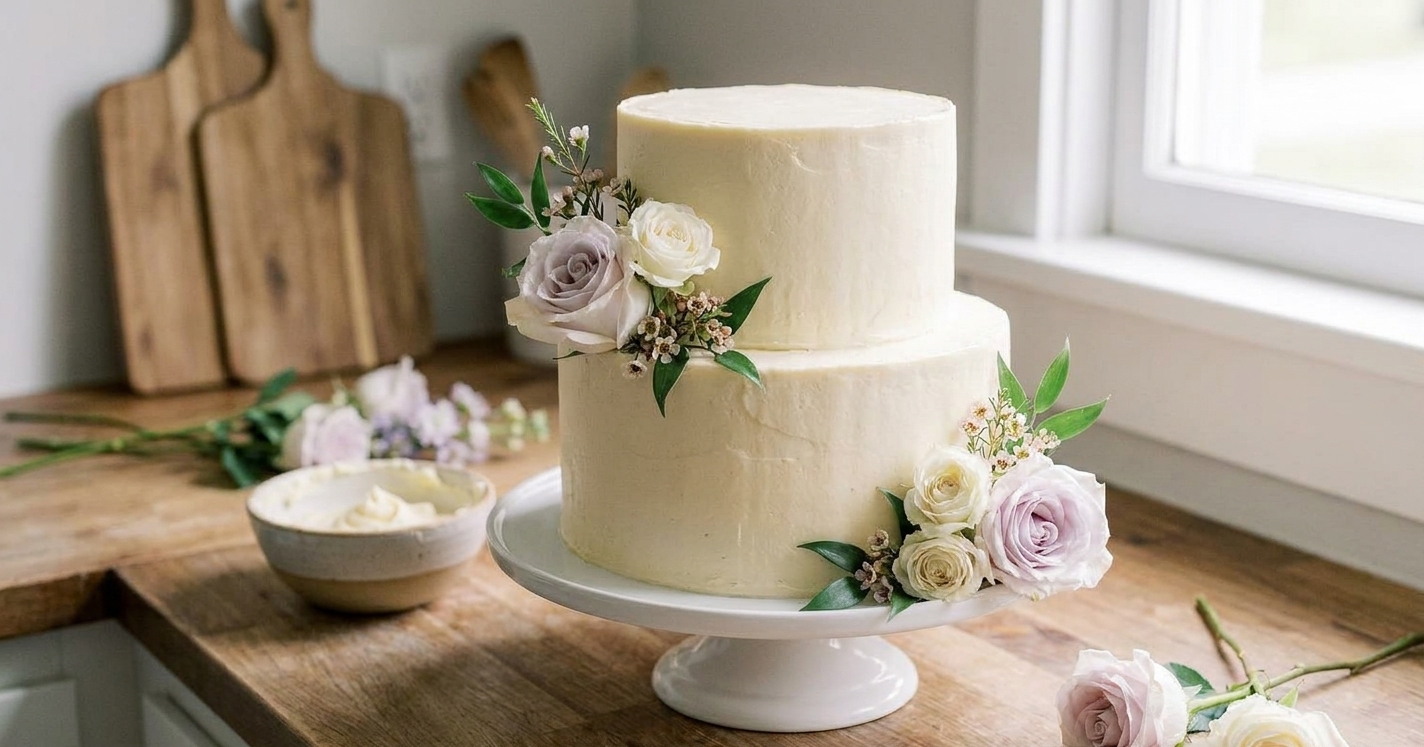
  • Frosting that behaves: Dairy-free butter plus a little plant milk and vanilla makes a spreadable buttercream that pipes and swirls like a champ.

Pairs Well With

Storage Tips

Room temperature (frosted): If your kitchen is cool, you can keep the frosted cake covered for up to 1 day. If it is hot or humid, refrigerate sooner. Food safety can vary by dairy-free butter brand.

Refrigerator: Store the cake in an airtight container (or tightly wrapped) for up to 5 days. Vegan buttercream firms up when cold, so let slices sit at room temp for 20 to 30 minutes before serving for the softest texture.

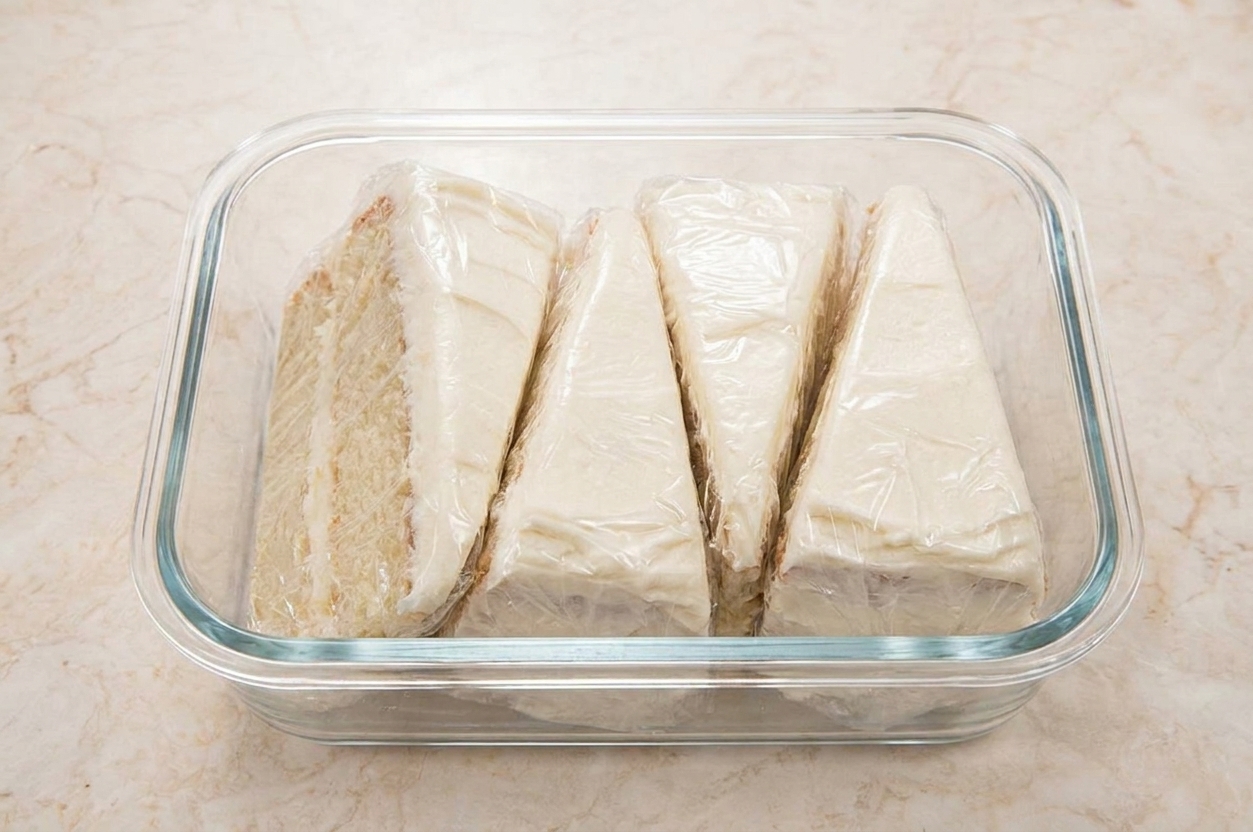
Freezer (best for make-ahead): Freeze unfrosted cake layers tightly wrapped for up to 2 months. Thaw overnight in the fridge, then bring to room temp before frosting. You can also freeze individual frosted slices on a sheet pan until firm, then wrap and store for quick desserts.

Individual slices of frosted vegan vanilla cake wrapped and stored in an airtight container on a kitchen counter

Common Questions

What is the best egg substitute for vegan cake?

In this formula, you usually do not need a separate egg replacer. The vegan buttermilk (plant milk + vinegar), baking powder and baking soda, plus the oil and sugar ratio work together to give lift and a tender crumb. If you want extra insurance for a slightly sturdier slice, you can add 1 tablespoon ground flaxseed mixed with 3 tablespoons water, but it is optional and can slightly deepen the crumb.

Can I make this cake gluten free?

Yes, with a caveat. Swap the all-purpose flour and cornstarch for a 1:1 gluten-free baking blend that includes xanthan gum. Many blends already contain starches, so the cornstarch is not needed here. Results vary by brand, so pick a blend you trust and weigh ingredients when you can. The texture will be a little more delicate, so chill the layers before frosting and use a gentle hand when slicing.

Why did my vegan cake sink in the middle?

The usual culprits are underbaking, opening the oven too early, or overmixing the batter. Make sure a toothpick comes out clean, the center springs back when lightly pressed, and keep the oven door shut for at least the first 25 minutes. If you like certainty, aim for an internal temp around 200 to 205°F in the center.

Can I make it as cupcakes?

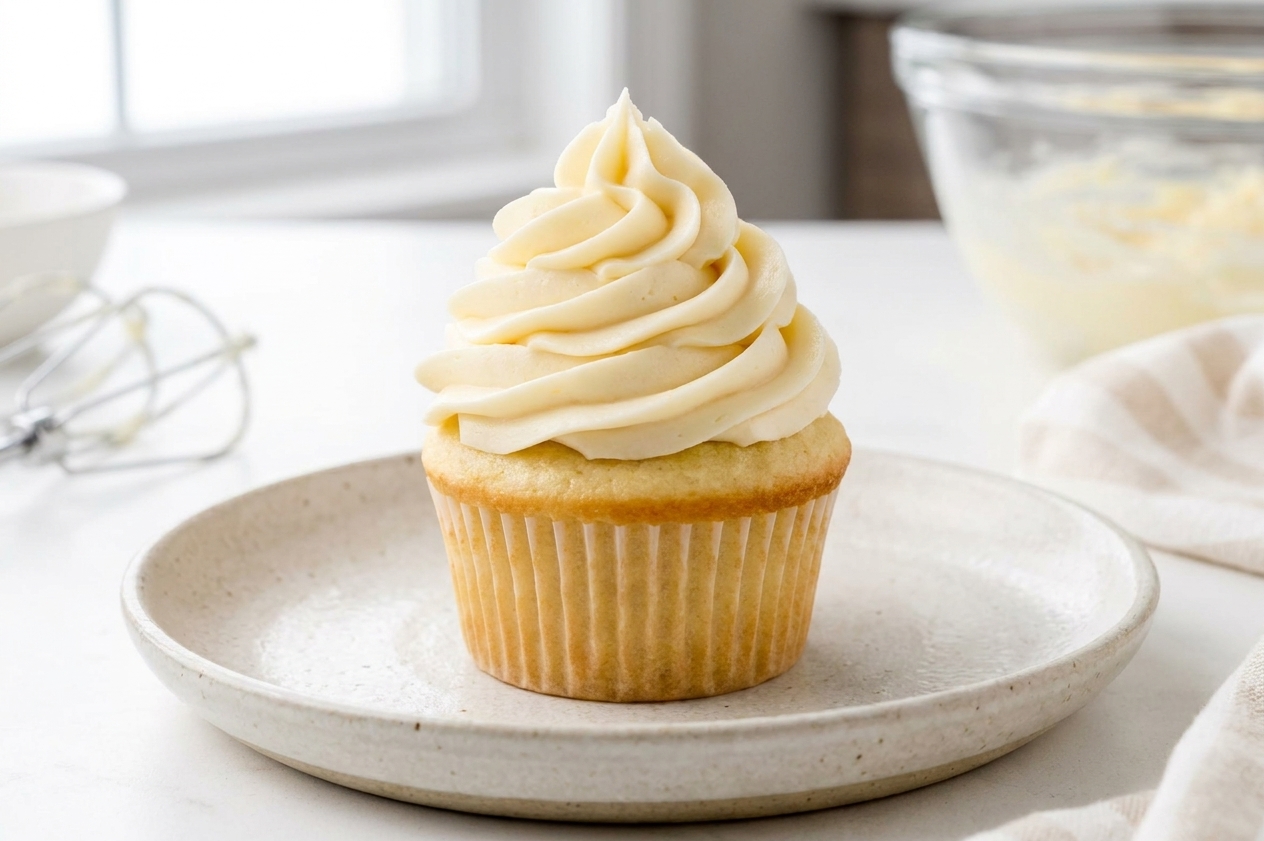
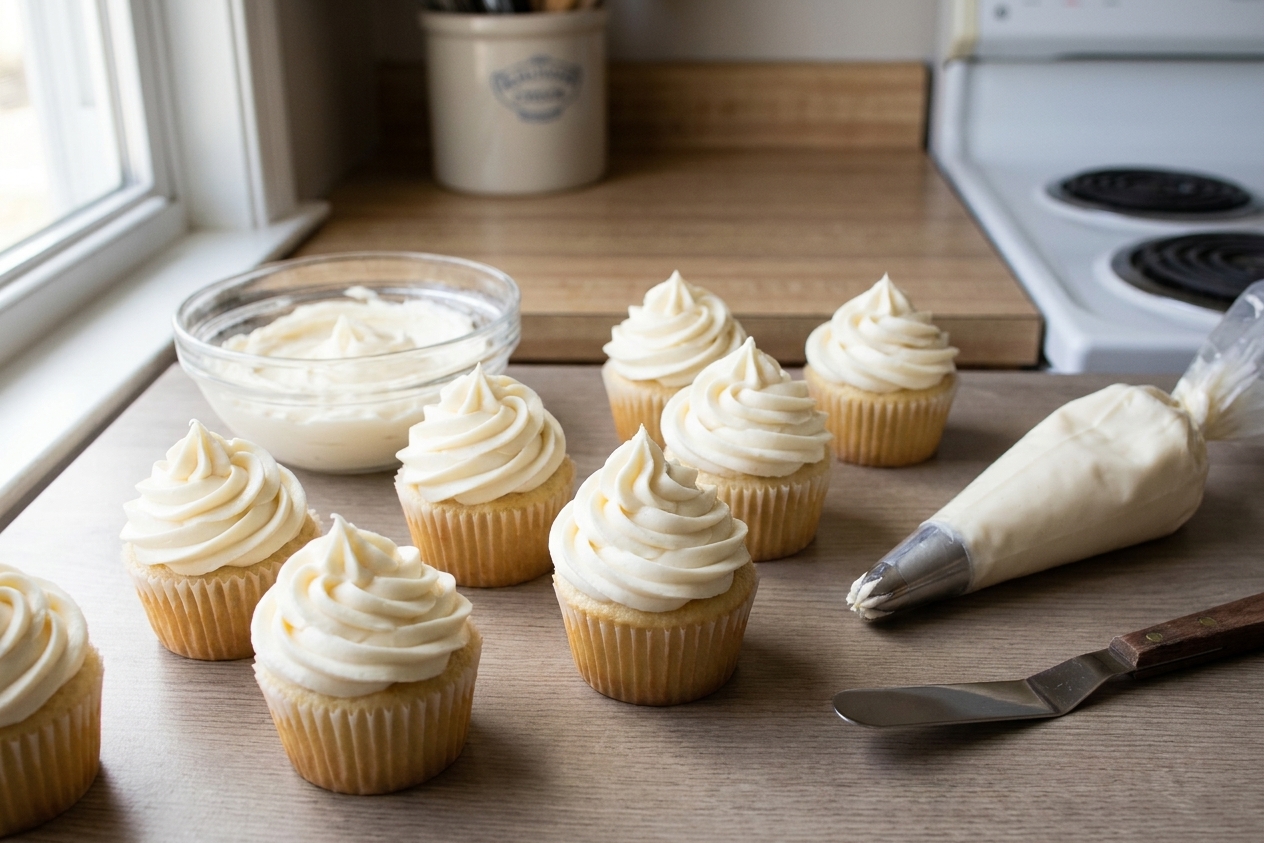
Absolutely. Line a muffin pan and fill each cup about 2/3 full. Bake at 350°F for 18 to 22 minutes, until the tops spring back and a tester comes out clean.

What plant milk works best?

Unsweetened soy or oat milk usually gives the best structure and browning. Almond milk works too, just slightly lighter in body. Avoid strongly flavored milks unless you want that flavor in the cake. For a nut-free cake, use soy or oat milk and skip the almond extract.

Can I use different pans?

Yes. Two 9-inch rounds will bake a little faster, start checking around 24 to 28 minutes. For a 9x13-inch pan, bake about 30 to 38 minutes. For three 6-inch layers, start checking around 22 to 28 minutes. In all cases, use the same doneness cues: springy center, clean toothpick, or about 200 to 205°F in the middle.
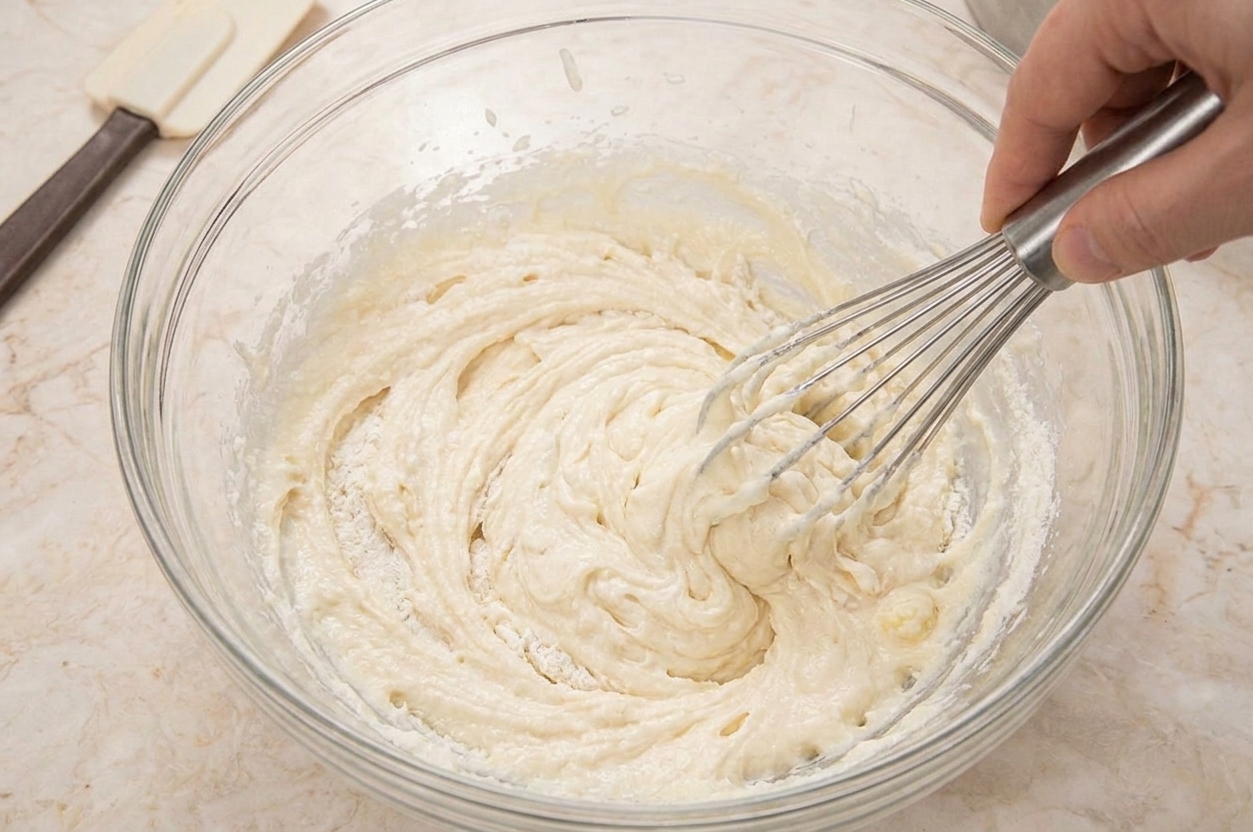

A glass mixing bowl with vegan vanilla cake batter being whisked until just combined on a bright kitchen counter

I started testing vegan cakes for the same reason I test most things in my kitchen: I wanted something that felt inclusive without feeling like a compromise. The first few tries were fine, but “fine” is not what you want when you bring out cake. This version is the one I make when I want people to take a bite, pause, and do that little eyebrow raise like, wait, this is vegan? The secret is not a secret ingredient, it is just a handful of small choices that stack up: a quick vegan buttermilk, oil for moisture, and a strict no-overmix policy. Basically, it is cake with good boundaries.