Mom's Best Recipes
Recipe

Easy Vegetable Stir Fry

Crisp-tender vegetables in a glossy garlic-ginger sauce that tastes like takeout, but faster and way less fussy.

Author By Matt Campbell
4.8
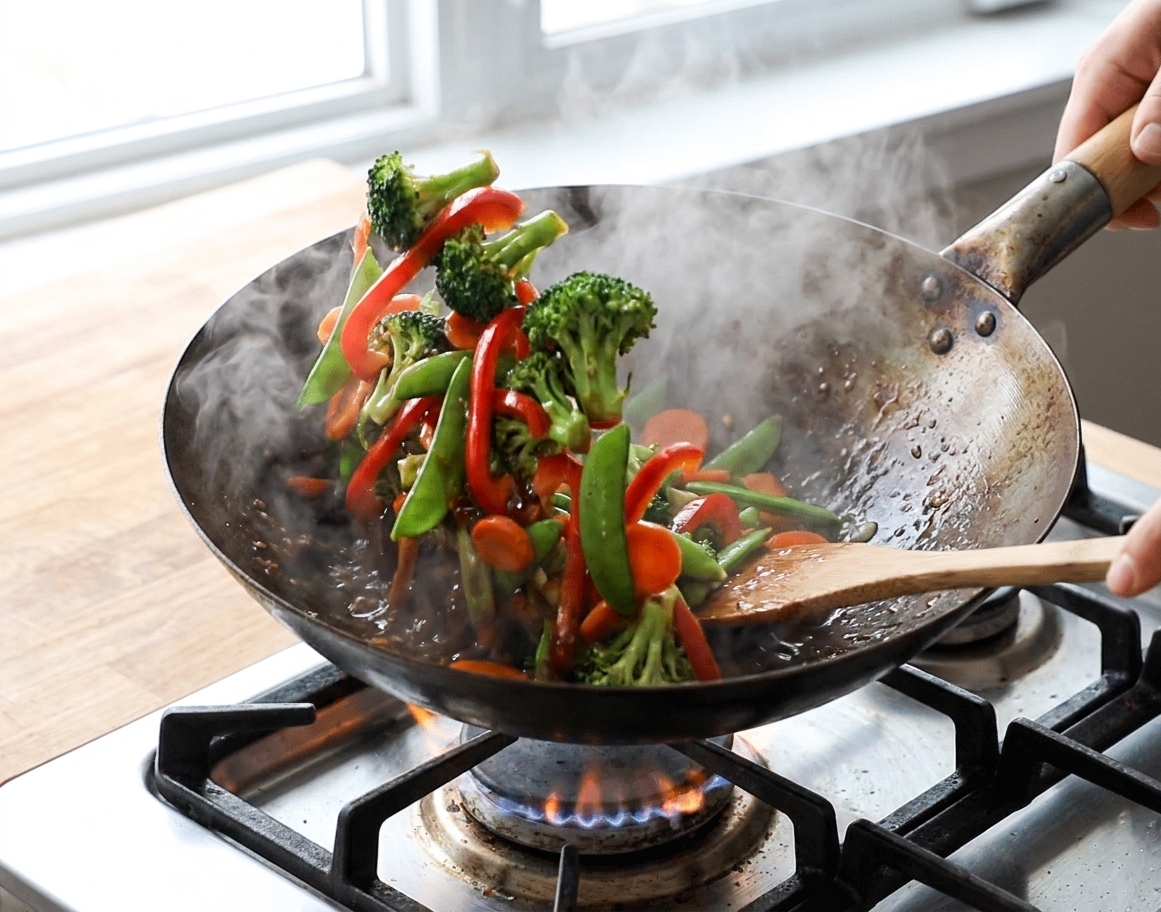
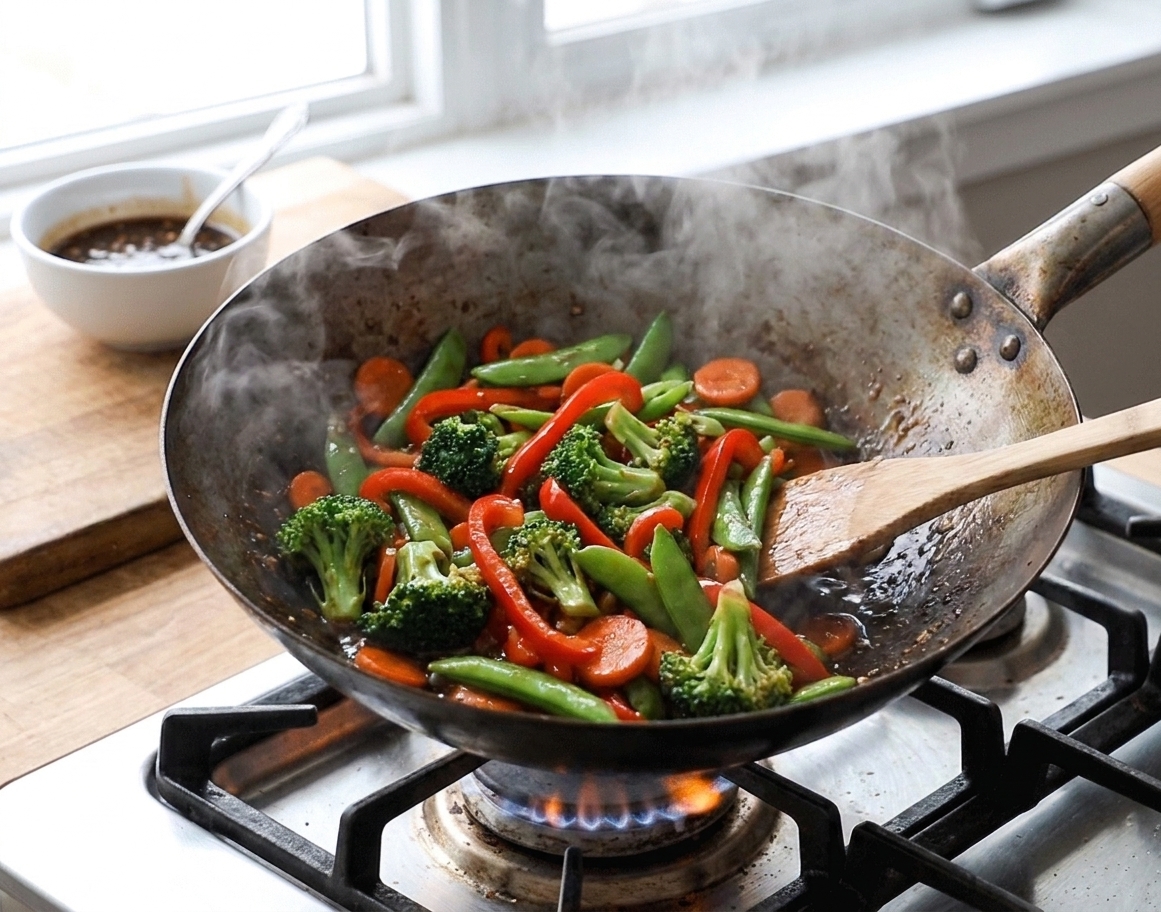
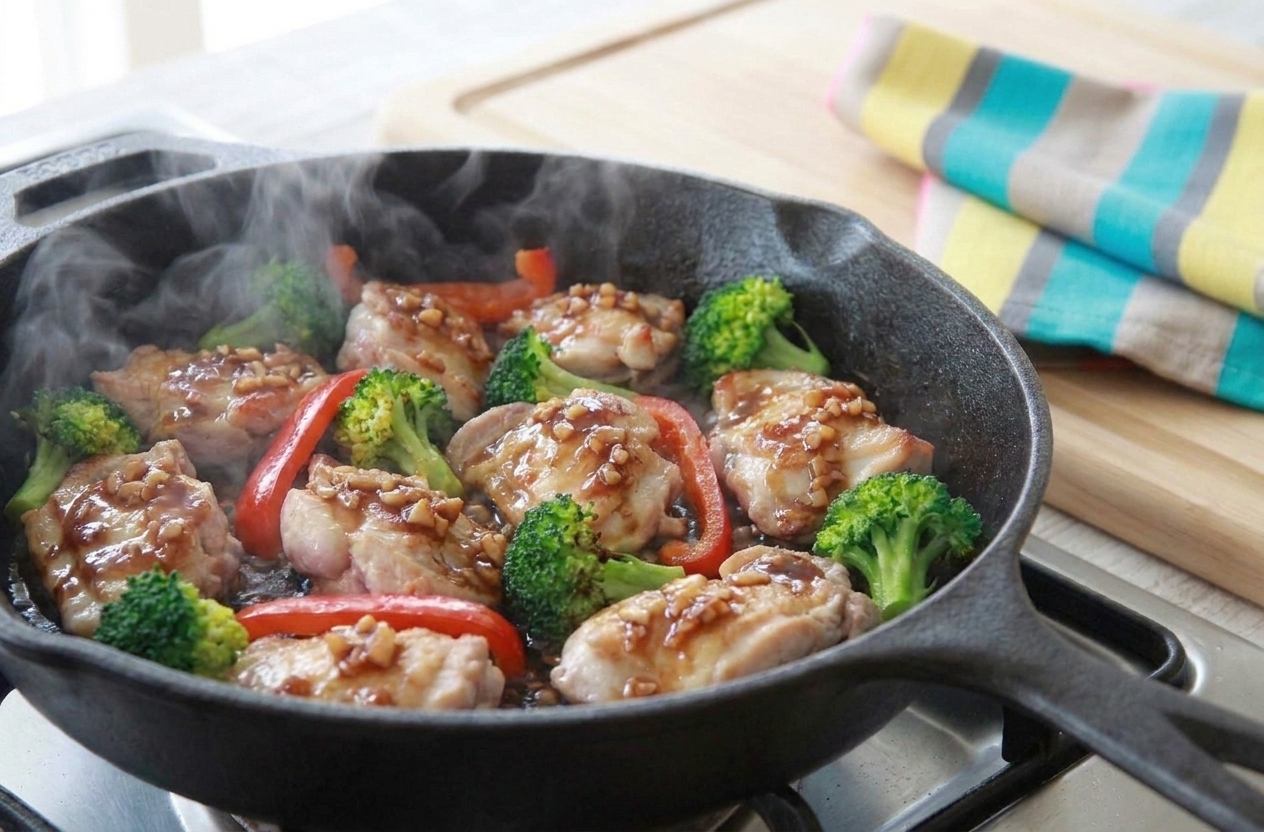
A colorful vegetable stir fry in a large skillet with broccoli, bell peppers, snap peas, carrots, and a glossy sauce, set on a warm kitchen stove under soft natural light

Vegetable stir fry is my favorite kind of weeknight chaos. You chop a few things, crank the heat, and suddenly your kitchen smells like you know exactly what you are doing. The trick is not a secret ingredient. It is timing, a hot pan, and a sauce that hits the three big notes: salty, a little sweet, and just enough tang to make the veggies taste extra alive.

This version is built for real life. Use what is in your fridge. Keep the vegetables crisp-tender. Get those little browned edges. And if you want to toss in tofu, chicken, shrimp, or an egg, you absolutely can. Consider this your reliable base recipe with plenty of room for improvising.
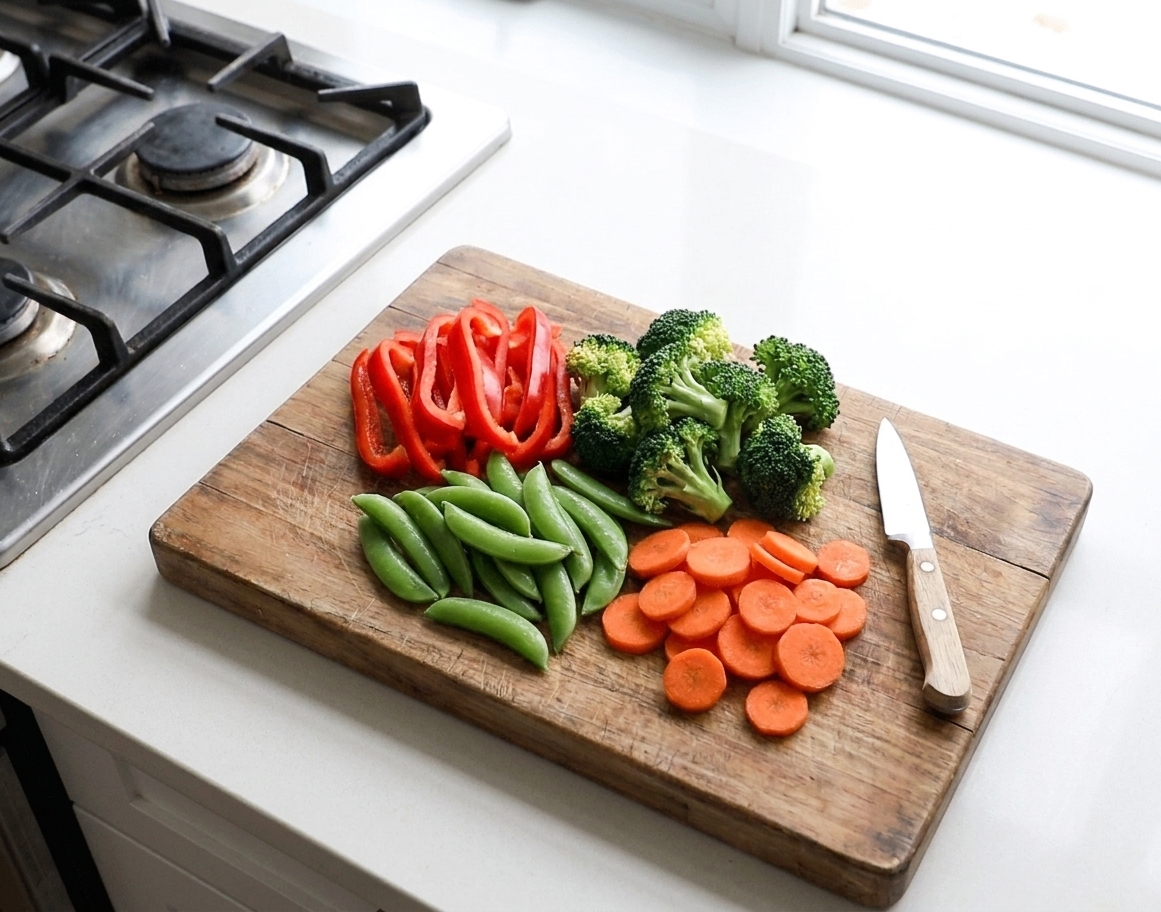
Sliced bell peppers, broccoli florets, snap peas, and carrots arranged on a wooden cutting board on a bright kitchen counter, ready to cook

Why It Works

  • Crisp edges, not soggy vegetables: High heat and giving the pan some breathing room helps everything sear instead of steam.
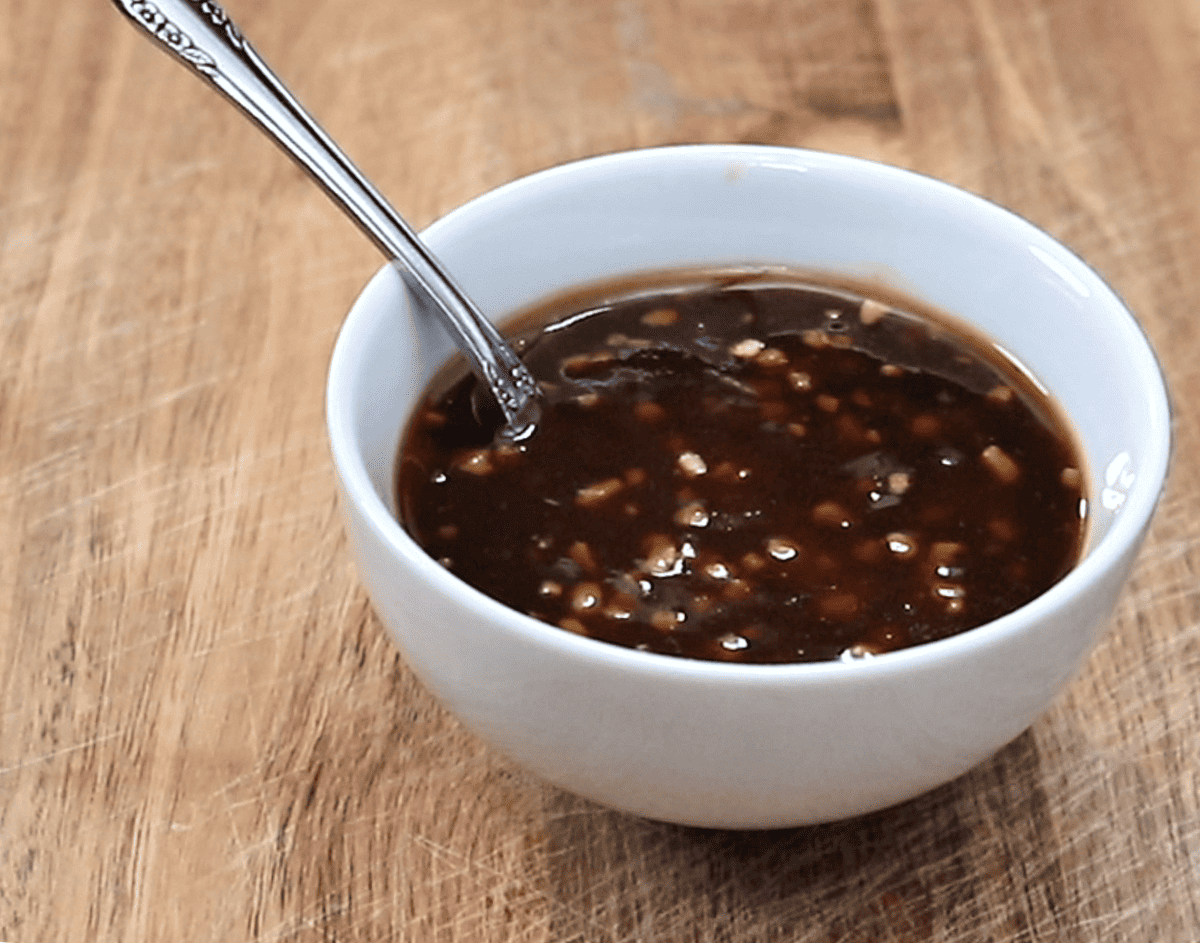
  • A sauce that clings: A quick cornstarch slurry turns the soy-based sauce glossy so it coats every piece instead of pooling at the bottom.
  • Fast flavor build: Garlic, ginger, and toasted sesame oil do the heavy lifting in minutes.
  • Flexible by design: Swap vegetables based on what you have, just keep a mix of sturdy and quick-cooking pieces.

Pairs Well With

Storage Tips

Fridge: Store leftover stir fry in an airtight container for up to 4 days. If you are pairing with rice or noodles, store them separately when you can so they do not soak up all the sauce.

Reheat: Best is a hot skillet over medium-high heat with a tiny splash of water to loosen the sauce, 2 to 4 minutes. Microwave works too, but go in short bursts so the vegetables stay somewhat crisp.

Freezer: You can freeze it, but the texture will soften. If you do freeze, cool completely and freeze up to 2 months. Reheat in a skillet to drive off extra moisture.

Common Questions

What vegetables work best in stir fry?

Think in two groups: sturdy (broccoli, carrots, bell peppers, cauliflower) and quick (snap peas, zucchini, mushrooms, cabbage, baby spinach). Start sturdy vegetables first, then add the quick ones at the end so nothing turns limp.

How do I keep stir fry from getting watery?

Use high heat, do not overcrowd the pan, and avoid adding the sauce too early. If your vegetables are very wet from rinsing, pat them dry. Also, cook mushrooms separately if you are using a lot since they release moisture.

Can I make the sauce ahead?

Yes. Mix everything except the cornstarch and store in the fridge up to 1 week. Whisk the cornstarch with 2 tablespoons cold water right before cooking, then stir that slurry into the sauce so it thickens smoothly when it hits the heat.

How do I add protein?

Tofu: Press, cube, and pan-sear until golden. Remove, then add back at the end. Chicken or shrimp: Sear first with a pinch of salt, remove, then finish in the sauce at the end.

Is this gluten free?

It can be. Use tamari or certified gluten-free soy sauce.

I started making stir fry when I realized I could turn the random produce drawer situation into dinner without a plan or a grocery run. It is the meal that rewards you for paying attention for about eight minutes. High heat, quick tosses, taste as you go, and suddenly those humble vegetables are doing the most. Also, it is the only time I feel emotionally prepared to use every bowl in my kitchen, because the payoff is immediate.