Mom's Best Recipes
Recipe

Easy Veggie Cheddar Frittata

A fluffy, savory egg frittata with sautéed veggies, sharp cheddar, and those golden, crisp edges we all fight over.

Author By Matt Campbell
4.8
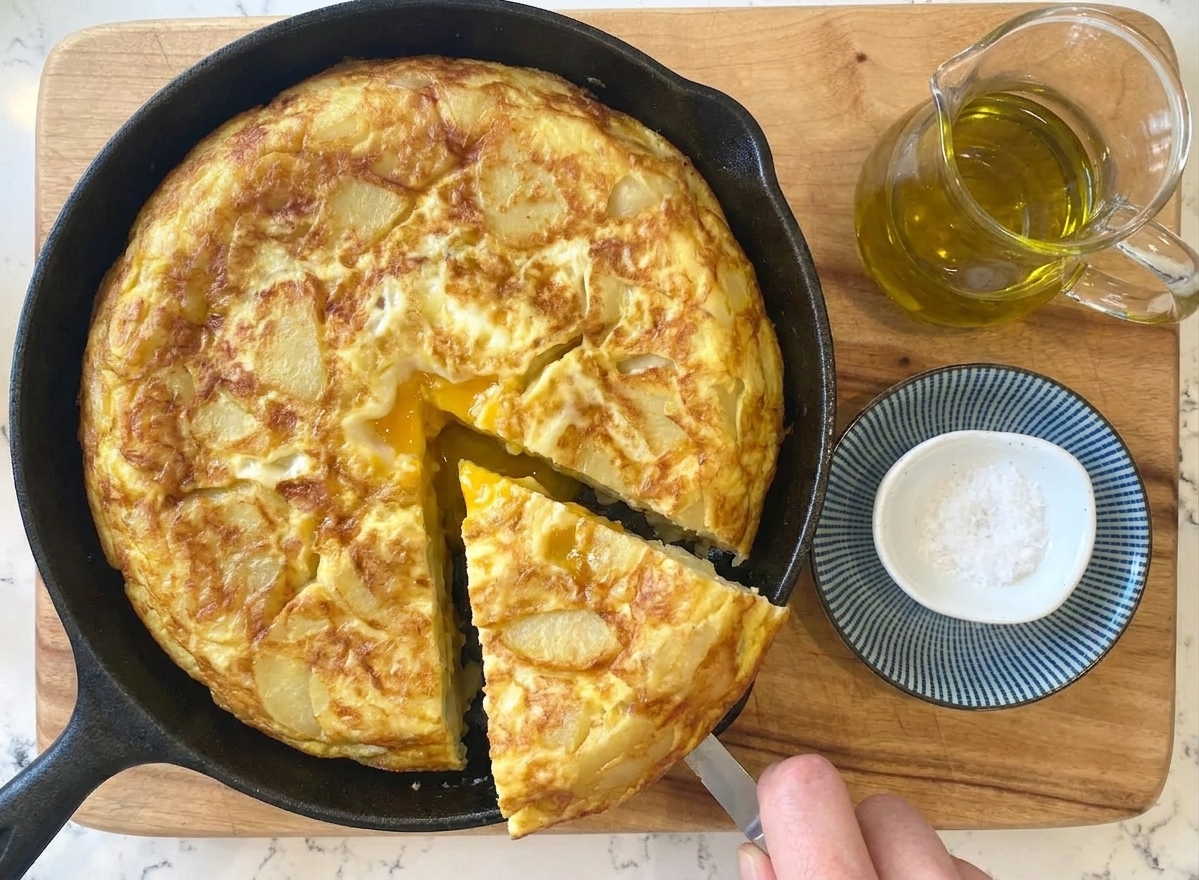
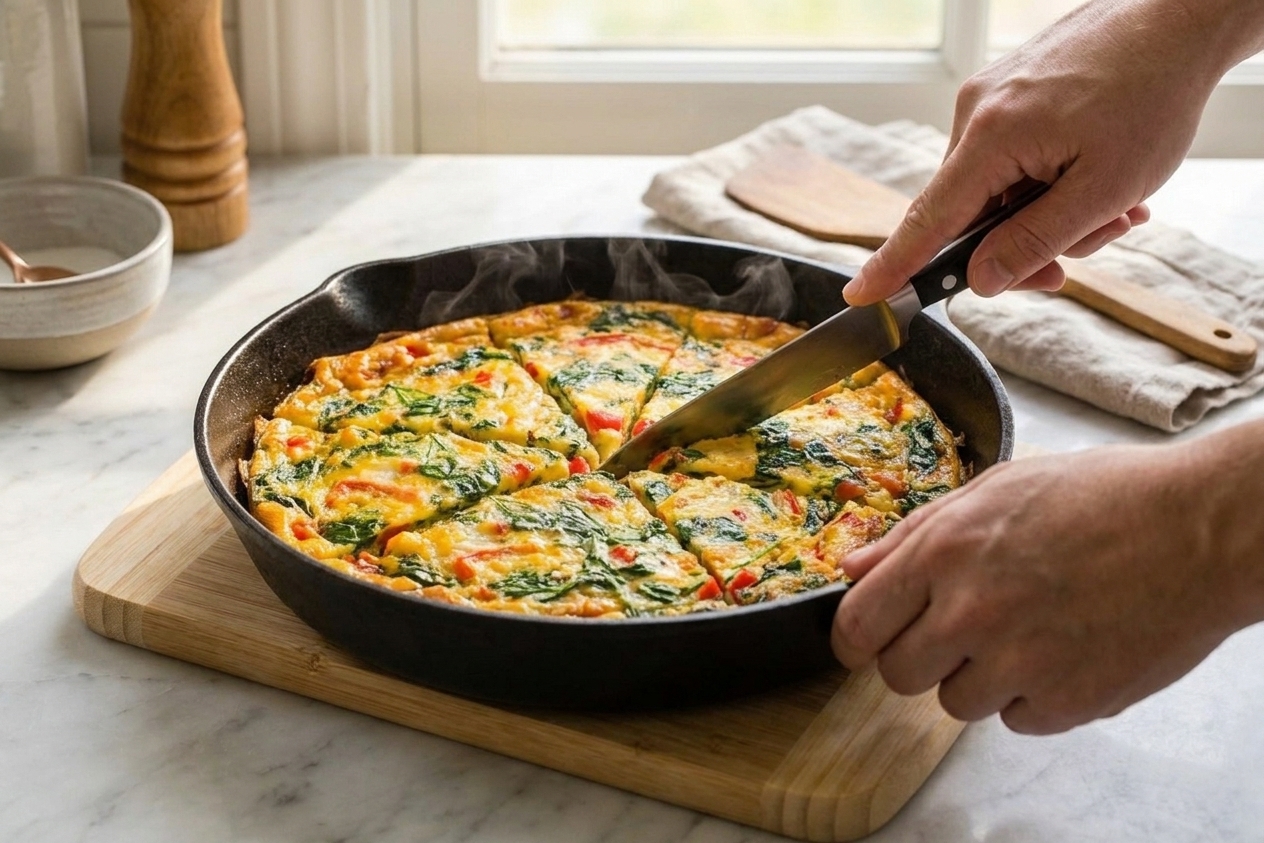
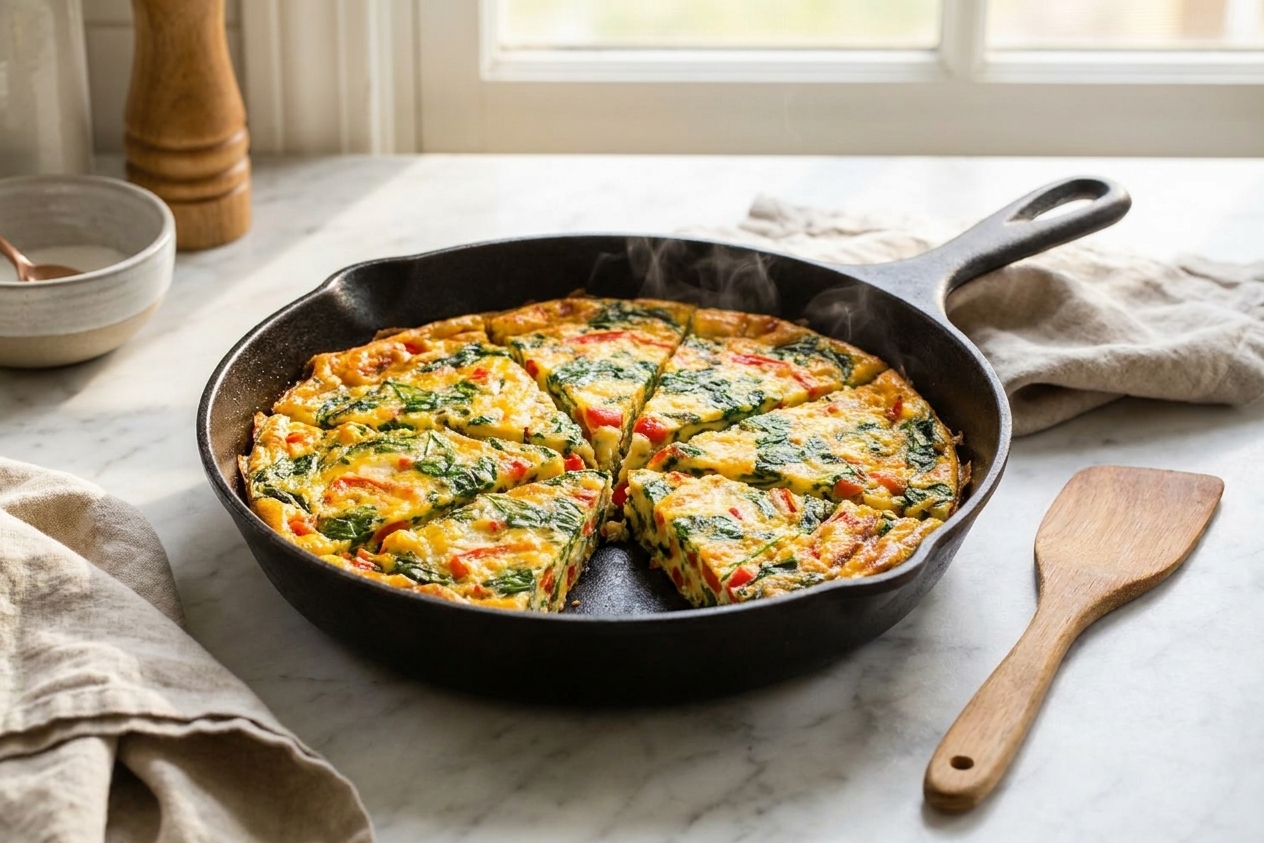
A golden-brown vegetable and cheddar frittata in a cast iron skillet on a kitchen counter, sliced into wedges with steam rising in warm morning light

Frittata is my favorite kind of kitchen magic: it takes a handful of eggs, whatever vegetables are hanging out in your fridge, and turns them into something that feels like you meant to make brunch. It is cozy, flexible, and extremely forgiving, as long as you do one thing: do not blast it with high heat and hope for the best.

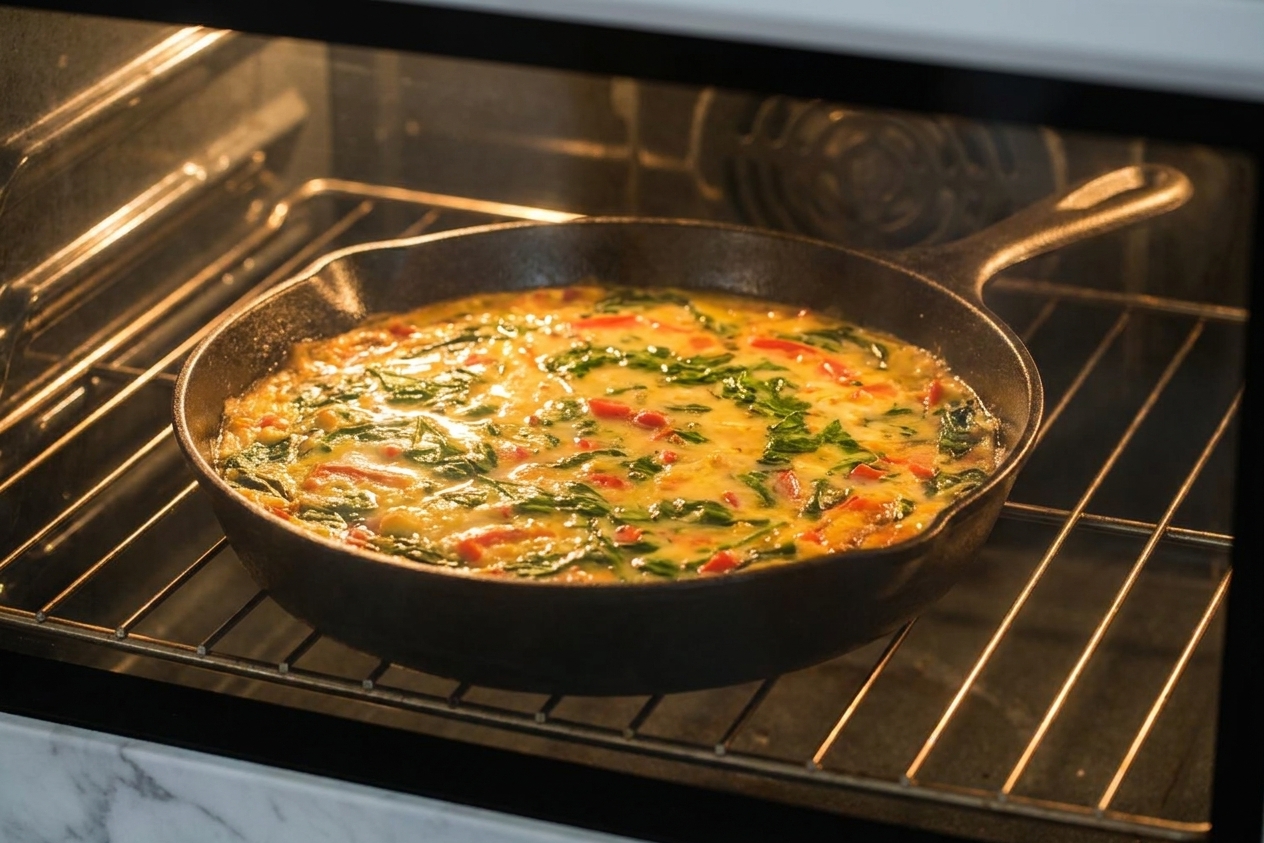
This version leans classic and crowd-friendly. Sautéed onion, bell pepper, and spinach for sweetness and color, a little garlic for the “wait, what is that?” moment, and sharp cheddar because cheddar does not ask questions. We start on the stove for crisp edges, then finish in the oven so the center sets up tender instead of rubbery.
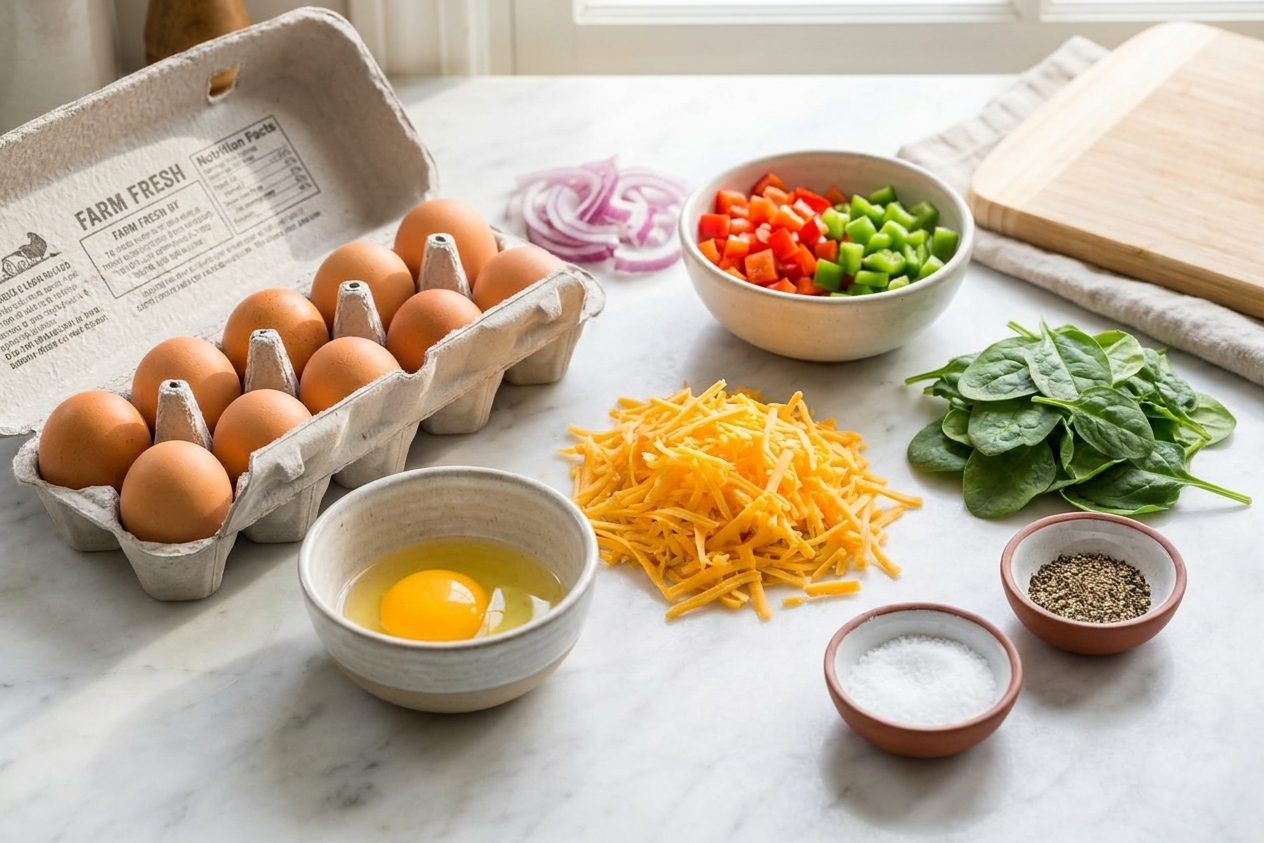
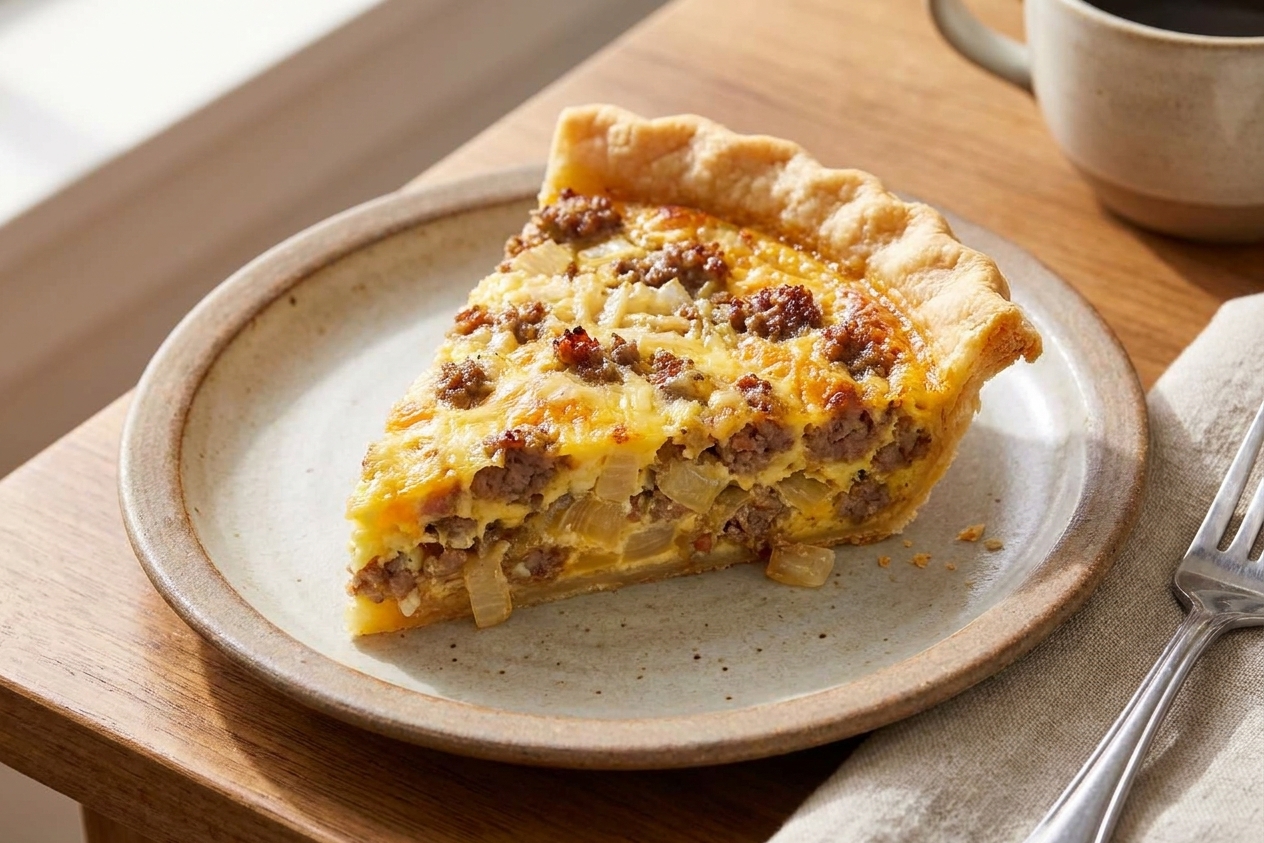
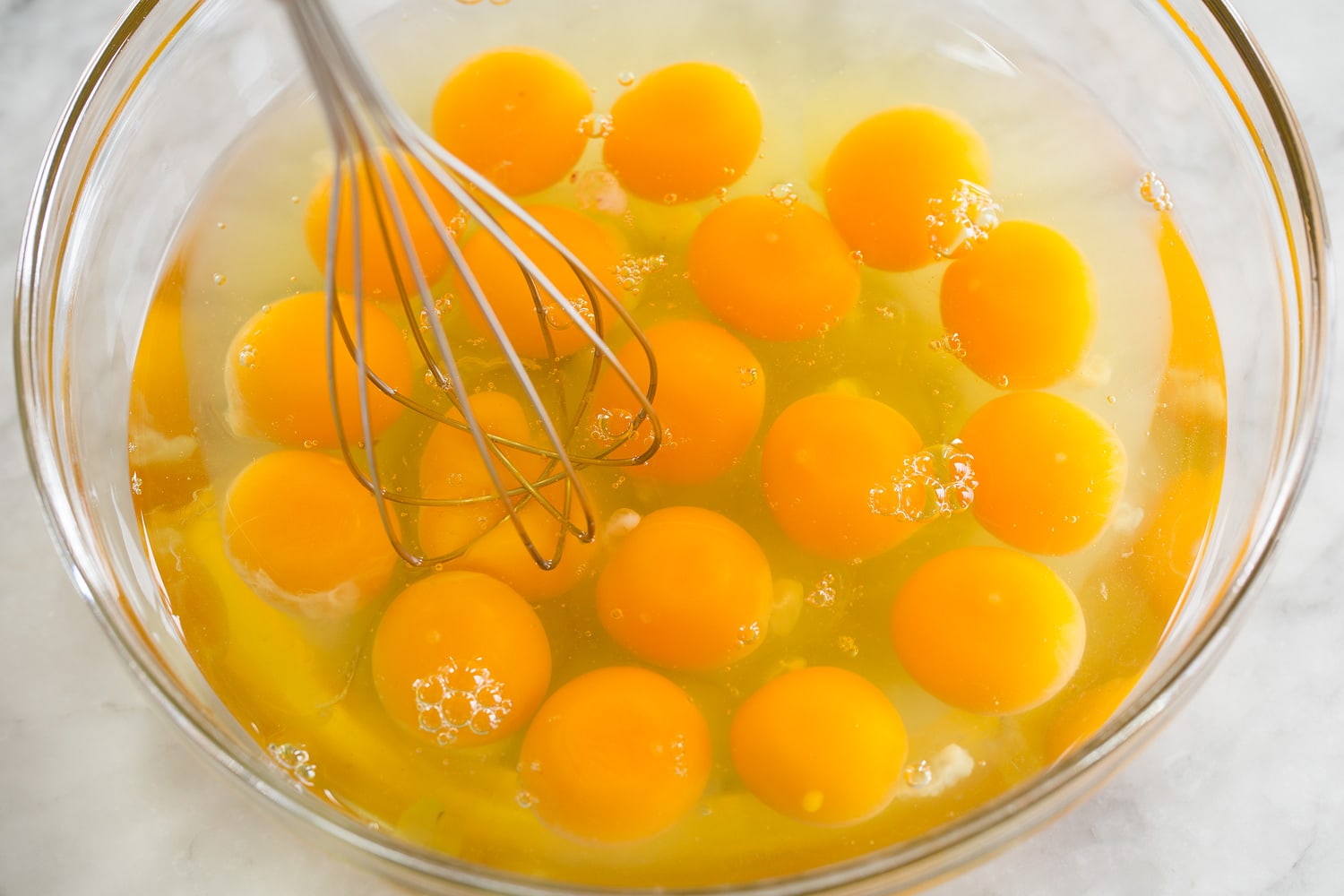
Eggs, shredded cheddar, diced bell pepper, sliced onion, baby spinach, and small bowls of salt and pepper arranged on a bright kitchen counter

Why It Works

  • One skillet, low drama: sauté, pour, bake, eat. The oven does the hard part.
  • Better texture: gentle heat keeps the eggs creamy, and finishing under steady oven heat prevents a dry, bouncy center.
  • Built-in flavor: sautéing the vegetables first drives off moisture and concentrates sweetness so the frittata stays fluffy, not watery.
  • Meal-prep friendly: slices reheat well and also taste great cold, straight from the fridge, over the sink.

Pairs Well With

Storage Tips

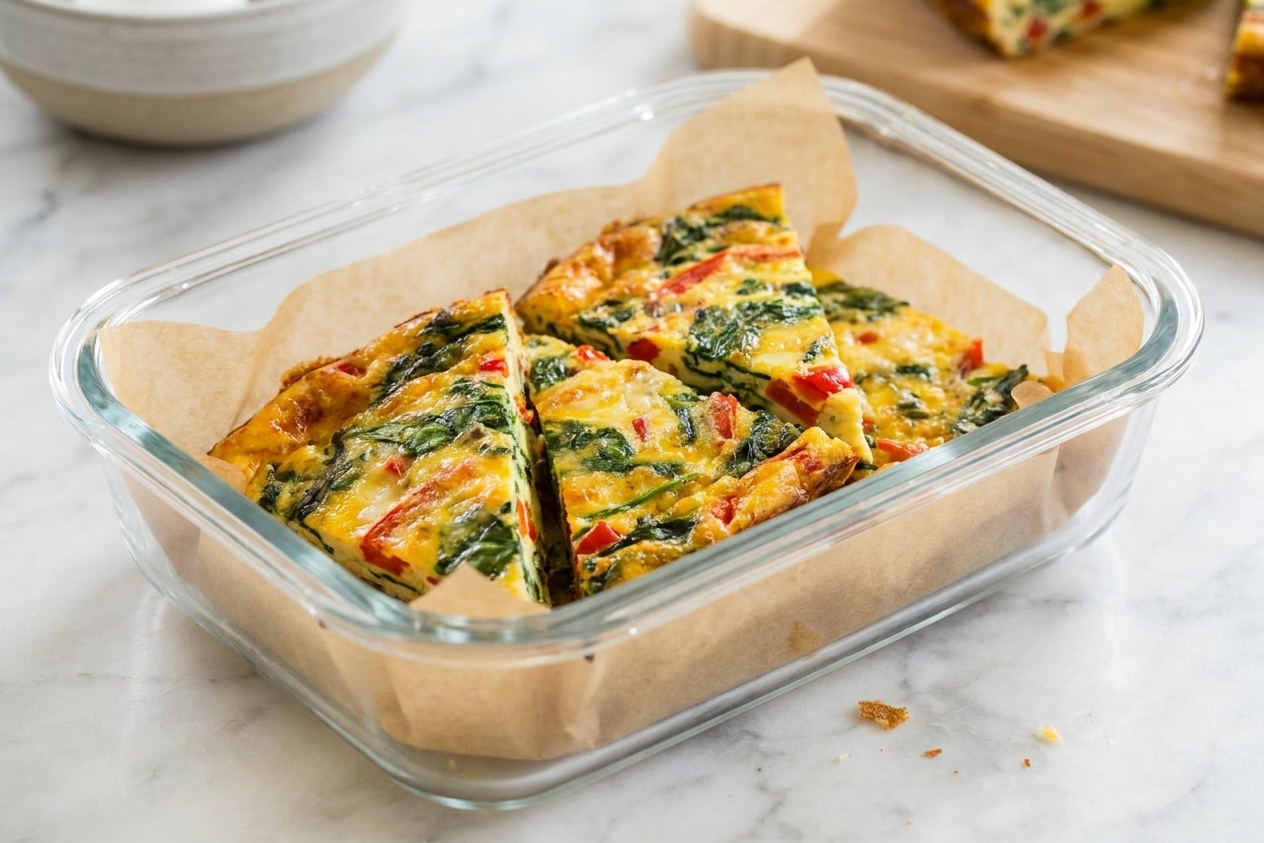
Refrigerator: Cool completely, then refrigerate promptly and store slices in an airtight container for up to 4 days (for best quality). I like placing parchment between slices so they do not stick.

Freezer: Wrap individual slices tightly in plastic wrap, then place in a freezer bag. Freeze up to 2 months (for best quality).

Reheat: For best texture, warm slices in a 325°F oven for 8 to 12 minutes. Microwave works in a pinch. Use 30-second bursts so it heats through without turning spongy.

Individual frittata slices stored in a glass meal prep container lined with parchment on a kitchen counter

Common Questions

What is the difference between a frittata and an omelet?

An omelet is cooked quickly on the stovetop and folded around fillings. A frittata is more like a crustless quiche: fillings get mixed in, and the eggs cook slowly, usually finished in the oven, so it sets like a sliceable round.

Do I need milk or cream in a frittata?

No. Eggs alone work. A small splash of milk can make it feel a bit softer, but too much can water it down. This recipe uses just enough dairy to keep things tender without turning it into an egg puddle.

How do I keep my frittata from sticking?

Use an oven-safe nonstick or well-seasoned cast iron skillet, and do not be shy with the oil or butter. Also, let the frittata rest for 5 to 10 minutes after baking. It releases more easily once it settles.

How do I know when it is done?

The center should be just set and not sloshy when you gently shake the pan, with a slight jiggle that firms up as it rests. If you have an instant-read thermometer, aim for about 160°F in the center (or cook until fully set if you prefer it more done). It will carry over a little as it rests.

Can I use frozen vegetables?

Yes. Thaw and squeeze out excess water first, or sauté longer to cook off moisture. Water is the main enemy of a fluffy frittata.

Frittata is the meal I make when I want to cook, but I also want dinner to be over before my patience runs out. It is the sweet spot between “I tried” and “I did not turn my kitchen into a disaster.” When I was learning by doing instead of sitting in a classroom, this was one of the first dishes that taught me timing and heat control. Sauté first, season the eggs, do not rush the set. You get this golden, sliceable thing that makes the fridge look like you have your life together, even if you absolutely do not.