What is egusi made of?
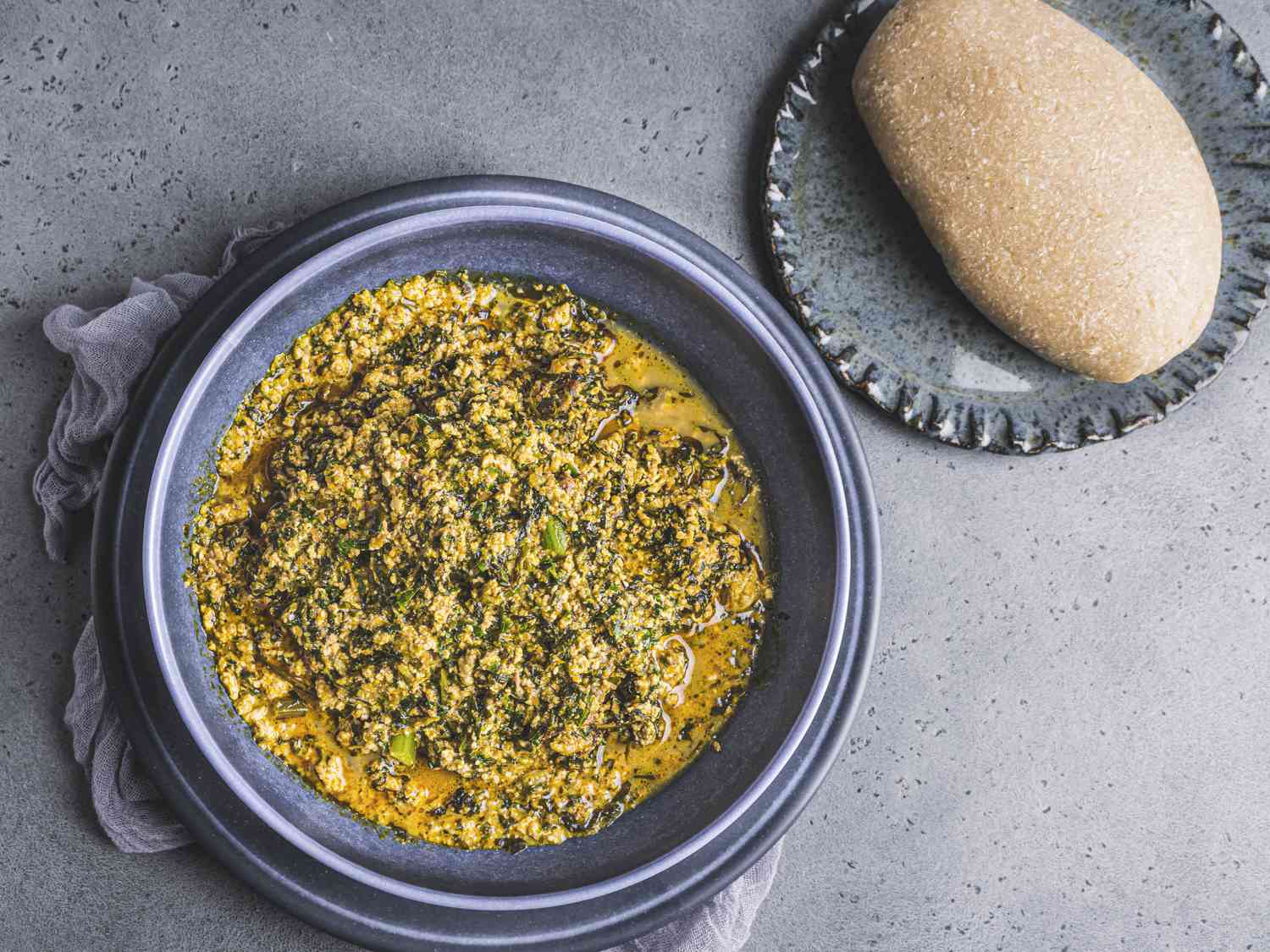
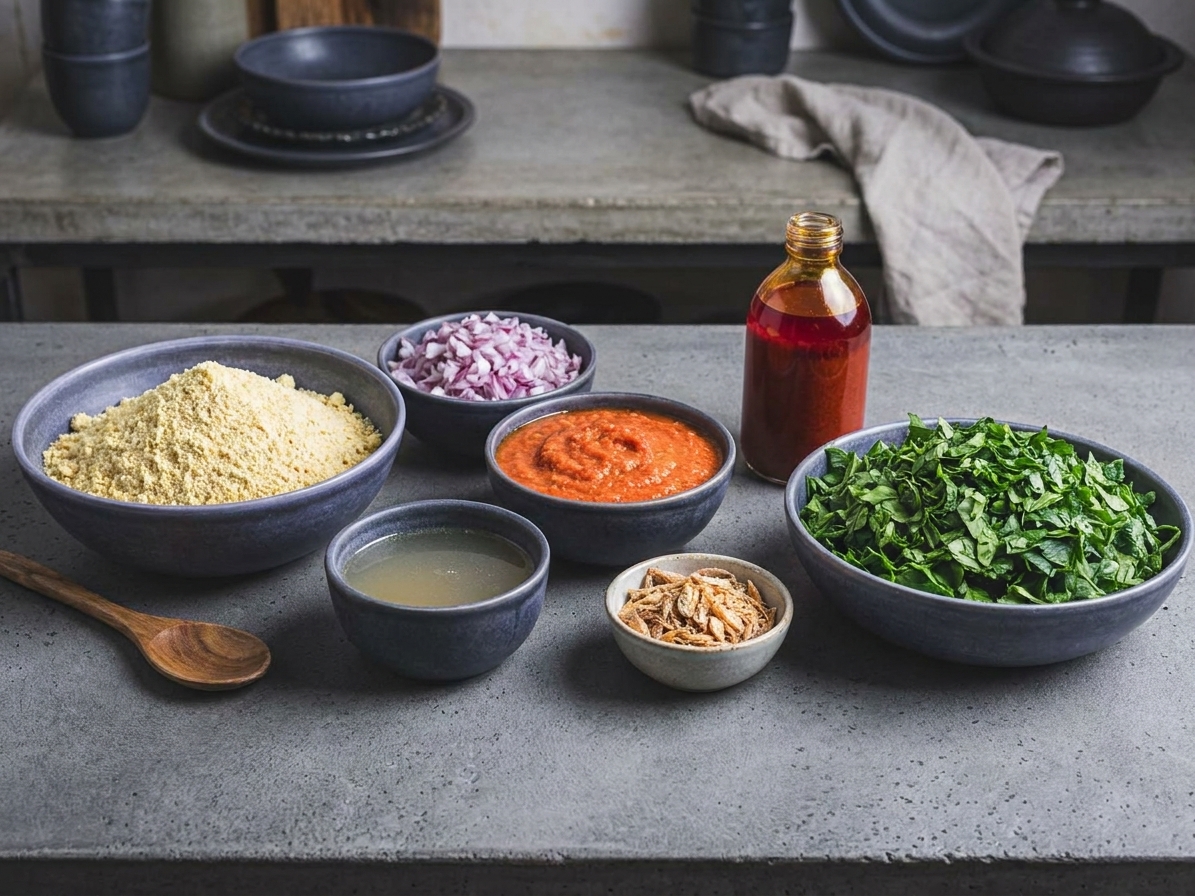
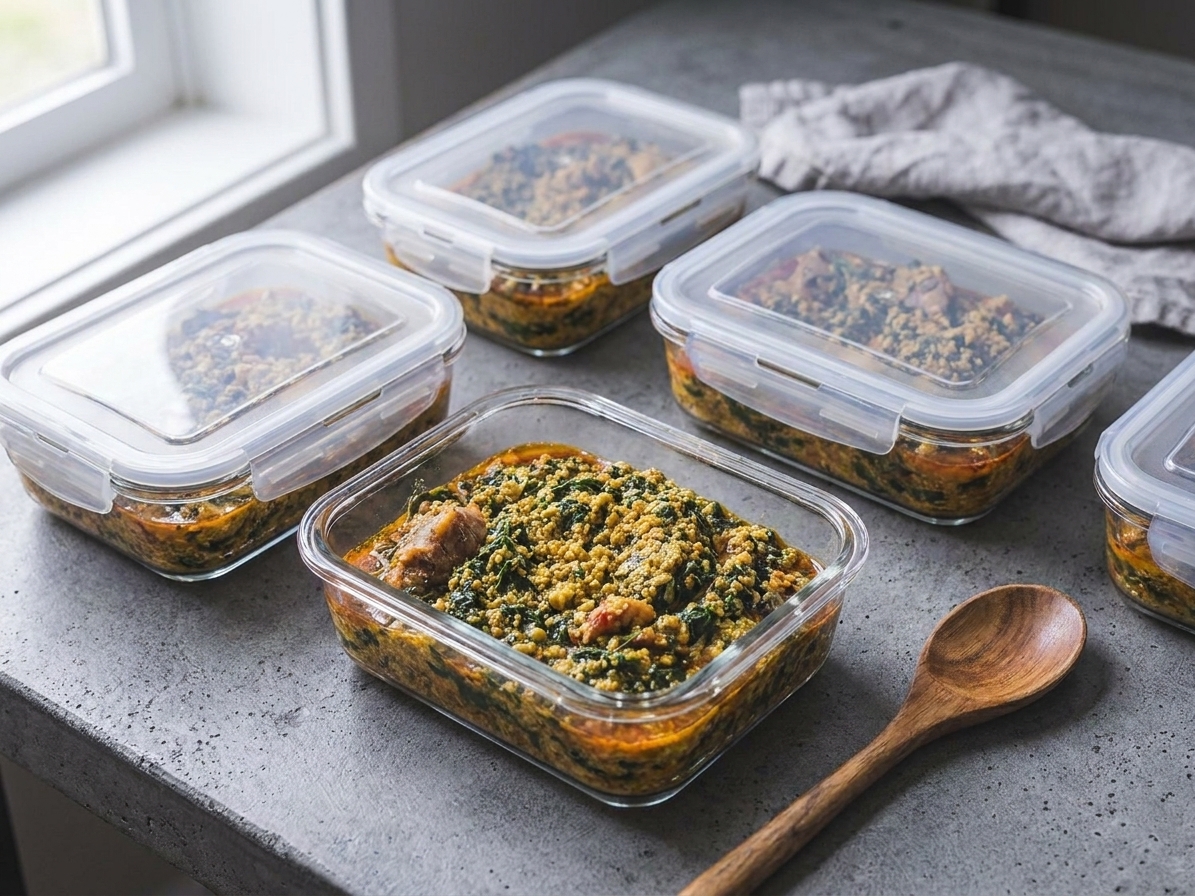
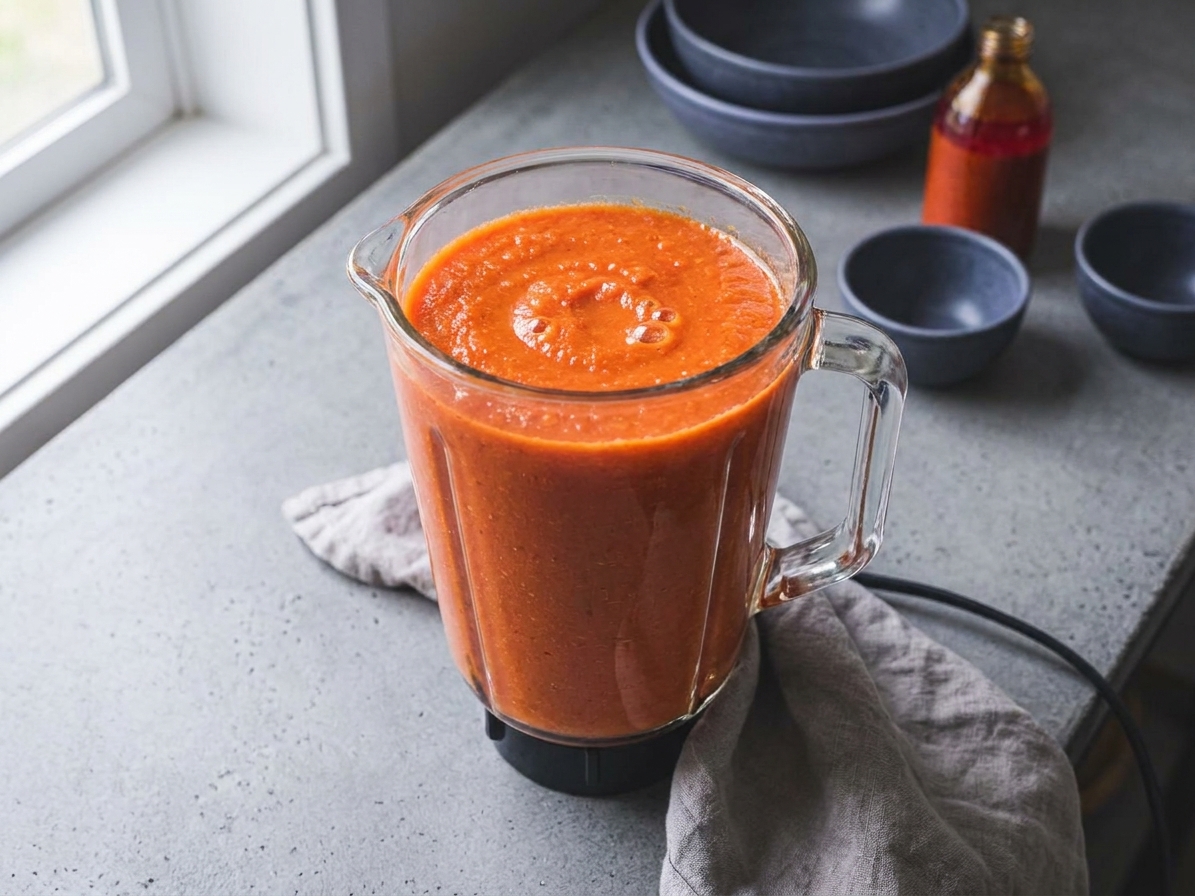
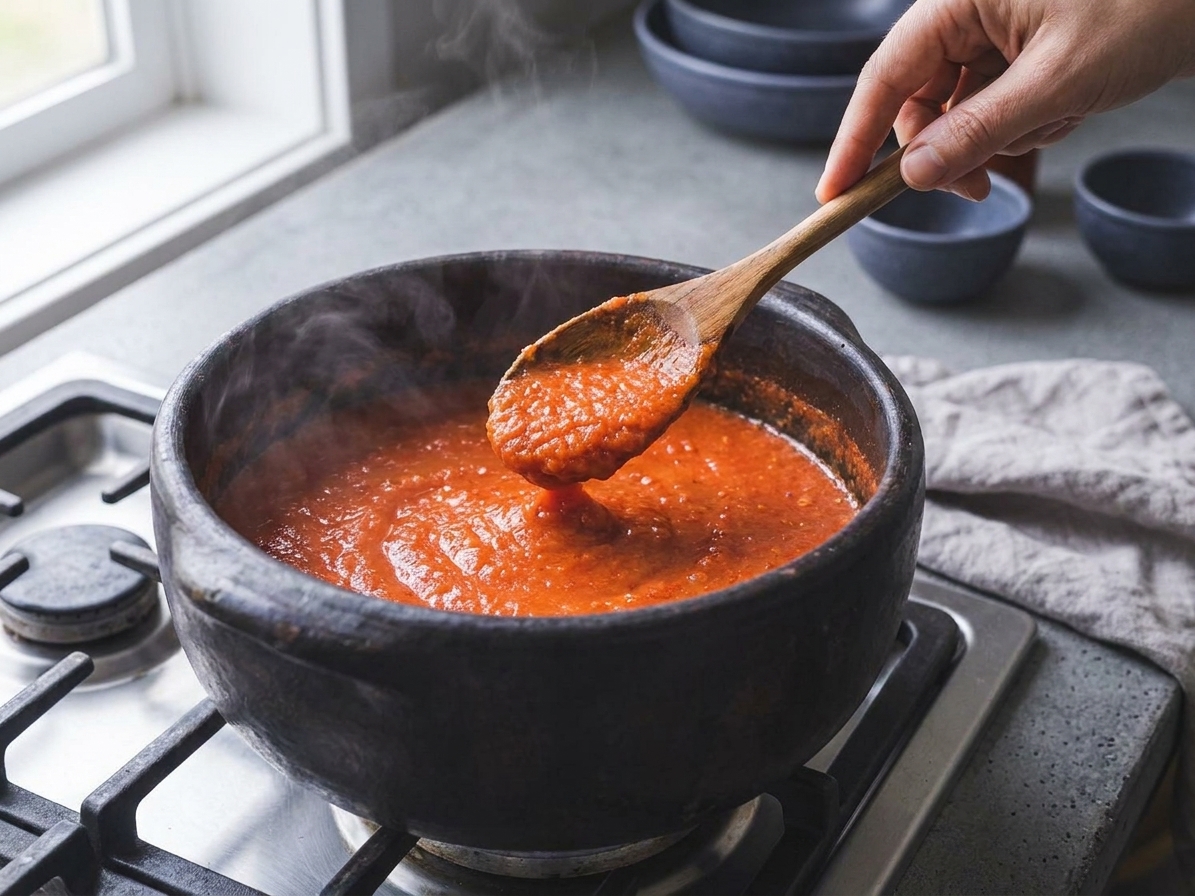
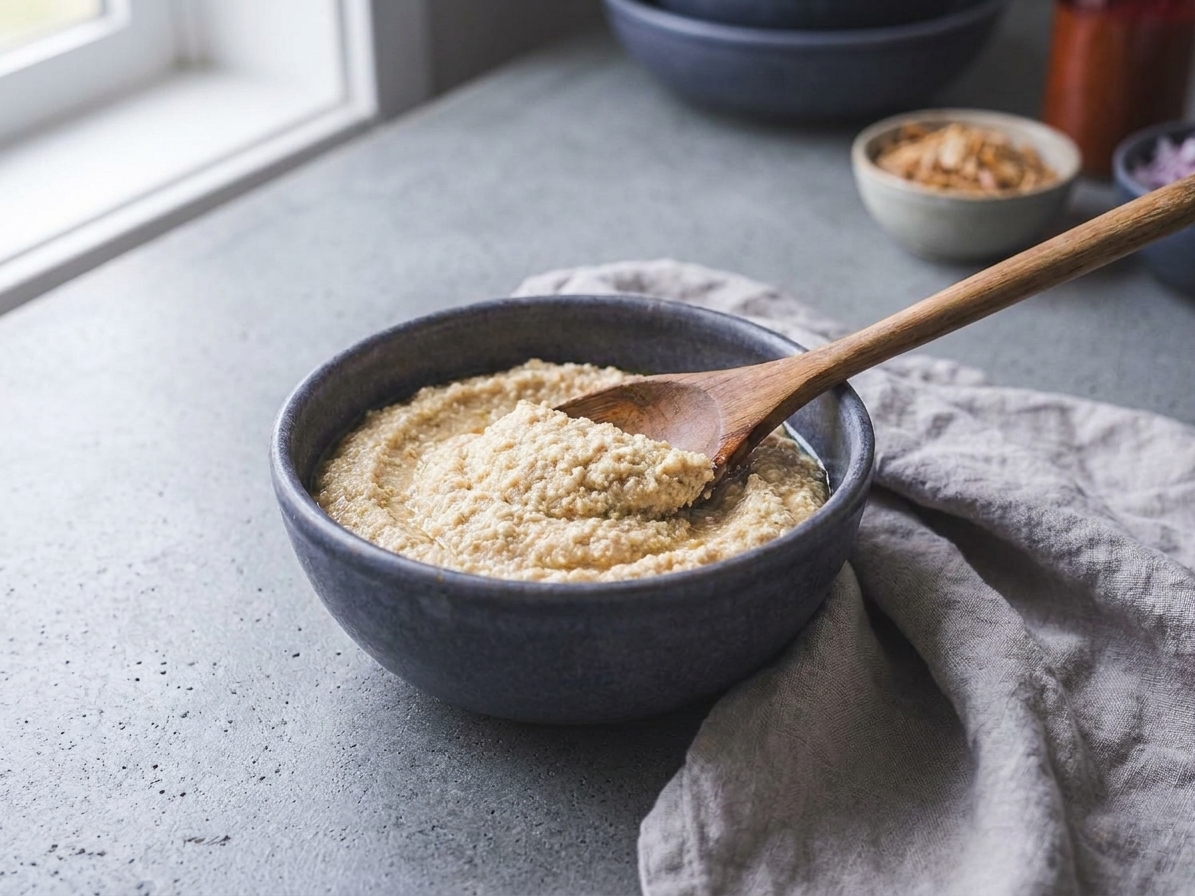
Egusi is the seed of certain melons in the cucurbit family. It is often sold whole or ground, and for egusi soup you use it ground to thicken the broth and add a nutty, rich flavor. The soup is typically built on a pepper base (often bell pepper and hot peppers, sometimes with tomatoes), onions, stock, palm oil, and greens, plus protein like beef, chicken, goat, tripe, or fish.
Can I make egusi soup without palm oil?
Yes. Palm oil adds a distinctive earthy richness and color, but you can substitute with neutral oil (like avocado or canola) and add a little extra umami (crayfish, bouillon, or dried shrimp) to help fill in the flavor gap. The soup will taste different, but still delicious.
Why is my egusi soup bitter?
Bitterness usually comes from burning the pepper base or scorching the egusi (for example, letting it sit in very hot oil or a dry pot). Keep heat at medium, stir frequently, and add stock if the pot looks like it is drying out. Also check your greens, older or very mature bitter greens can contribute too.
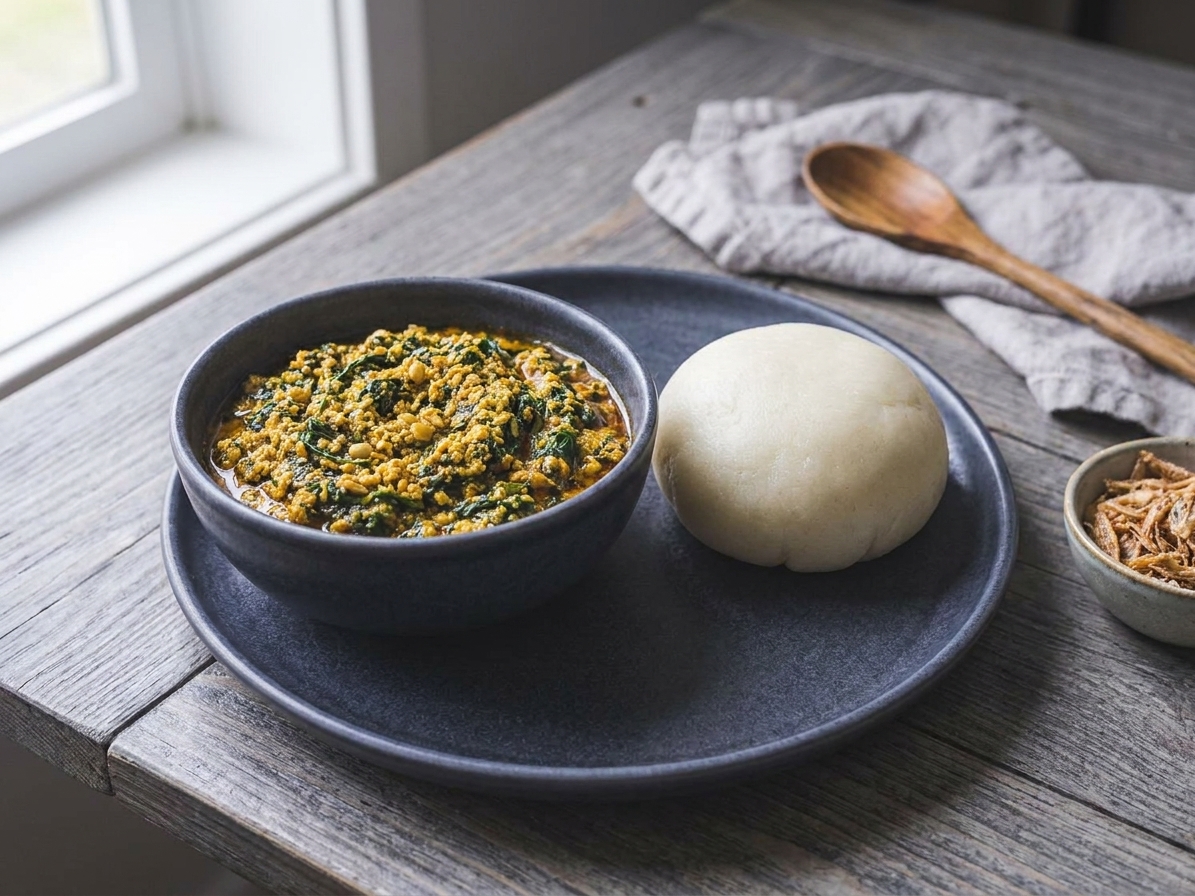
How do I get the classic egusi “lumps”?
Mix egusi with a little water or stock into a thick paste, then drop it in small spoonfuls and let it set for a few minutes before stirring. Minimal stirring early on equals more curds.
My egusi did not thicken. What happened?
Two common culprits are too much liquid and stirring too early. Keep the pot at a gentle simmer, let the spoonfuls of egusi set for a few minutes before stirring, and simmer uncovered to reduce if you accidentally added too much stock.
My egusi tastes raw. How do I fix it?
It usually just needs time. After adding egusi, keep the soup at a steady simmer for 15 to 20 minutes so the egusi cooks through and the flavor turns rich and nutty instead of raw.
What greens work best?
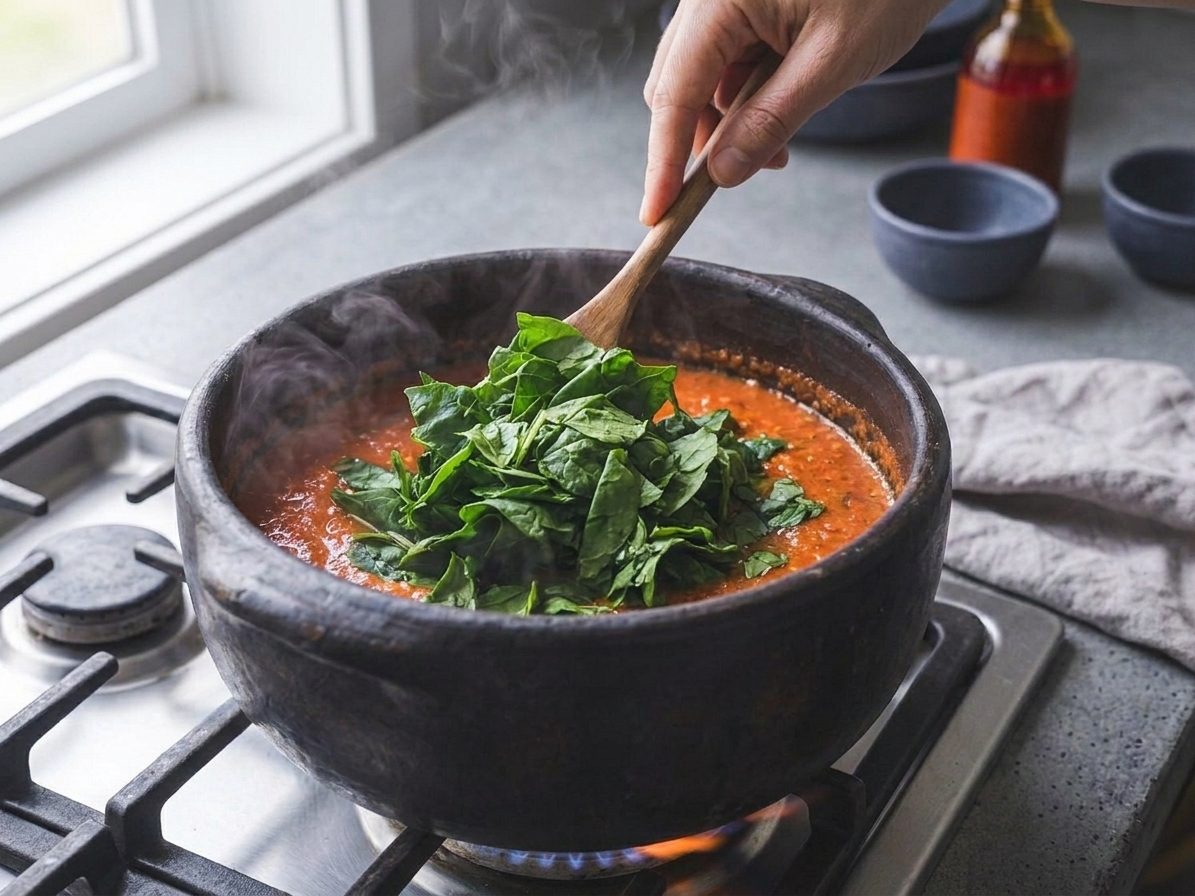
Traditionally you might see ugu (fluted pumpkin leaves), but for an accessible kitchen: baby spinach is easiest, kale is great if you chop it thin and simmer a bit longer, and collards work if you cook them until tender.
Where can I buy egusi and crayfish?
Look for them at African or international grocery stores, some larger supermarkets with an international aisle, or online. Egusi is often labeled “egusi (melon seed)” and crayfish is usually sold dried and can be ground at home if needed.