Mom's Best Recipes
Recipe

Steak Tartare

A classic French bistro tartare with hand-cut beef, briny capers, Dijon, shallot, and a glossy egg yolk. Bright, rich, and surprisingly easy when you know the safety basics.

Author By Matt Campbell
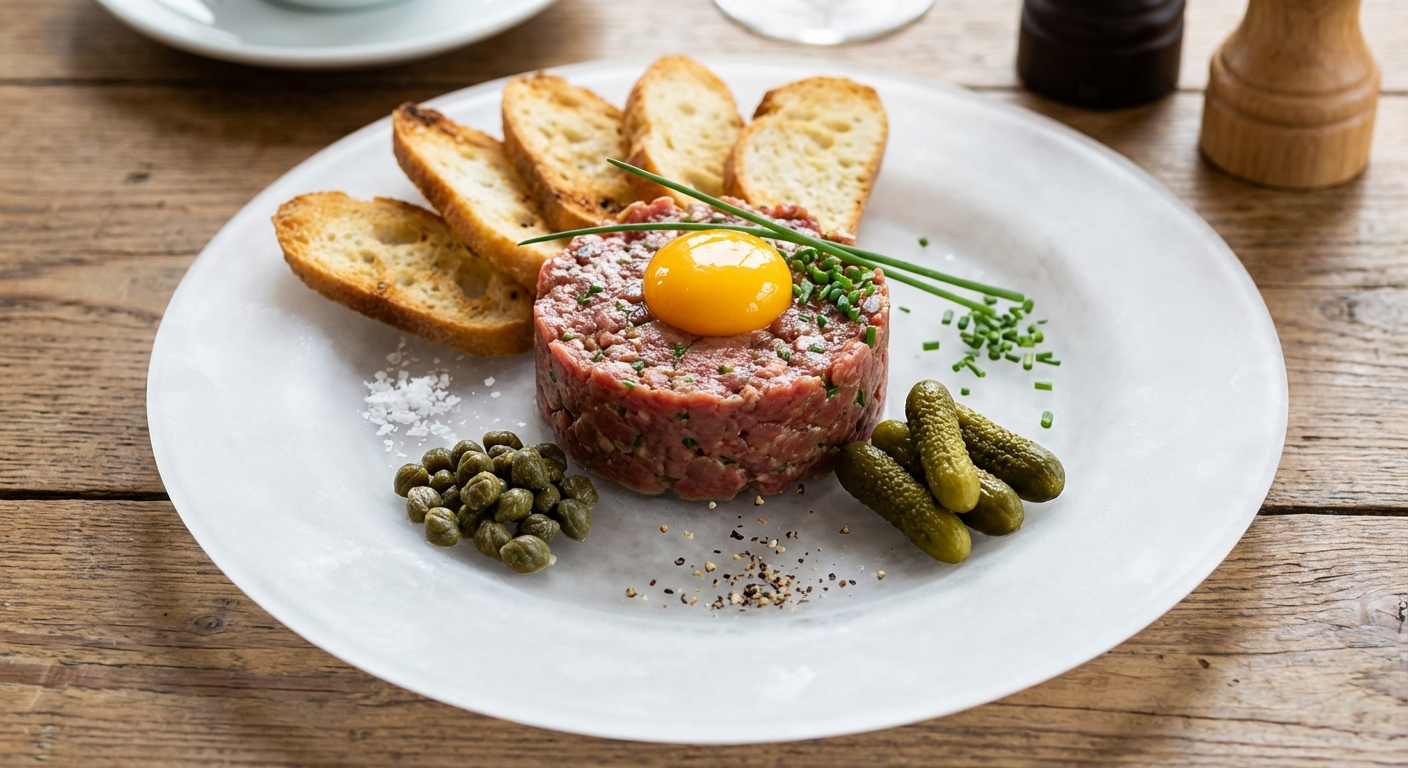
A chilled white plate with a neatly molded round of steak tartare topped with an egg yolk, served with toasted baguette slices and small piles of capers and cornichons

Steak tartare is one of those dishes that looks like it belongs under moody restaurant lighting with a jazz trio nearby. But here is the secret: at home, it is mostly a knife job and a seasoning job. No smoke alarms, no splatter, no timing panic.

This version leans classic French bistro with a few weeknight-friendly guardrails: hand-cut beef for the best texture, a punchy mix of Dijon and Worcestershire, and an optional little dab of mayo for that silky restaurant feel. Serve it cold with toasted bread, chips, or crisp lettuce cups and suddenly your kitchen is wearing a blazer.

Important note: steak tartare is raw beef, and raw beef is never risk-free. “Very fresh” helps, but it does not guarantee safety. Use a whole, intact muscle cut from a source you trust, keep everything cold (at or below 40°F/4°C), use clean tools and hands, and serve immediately. If you are immunocompromised, pregnant, very young, elderly, or have food safety concerns, this is a dish to skip or to make with a cooked alternative.
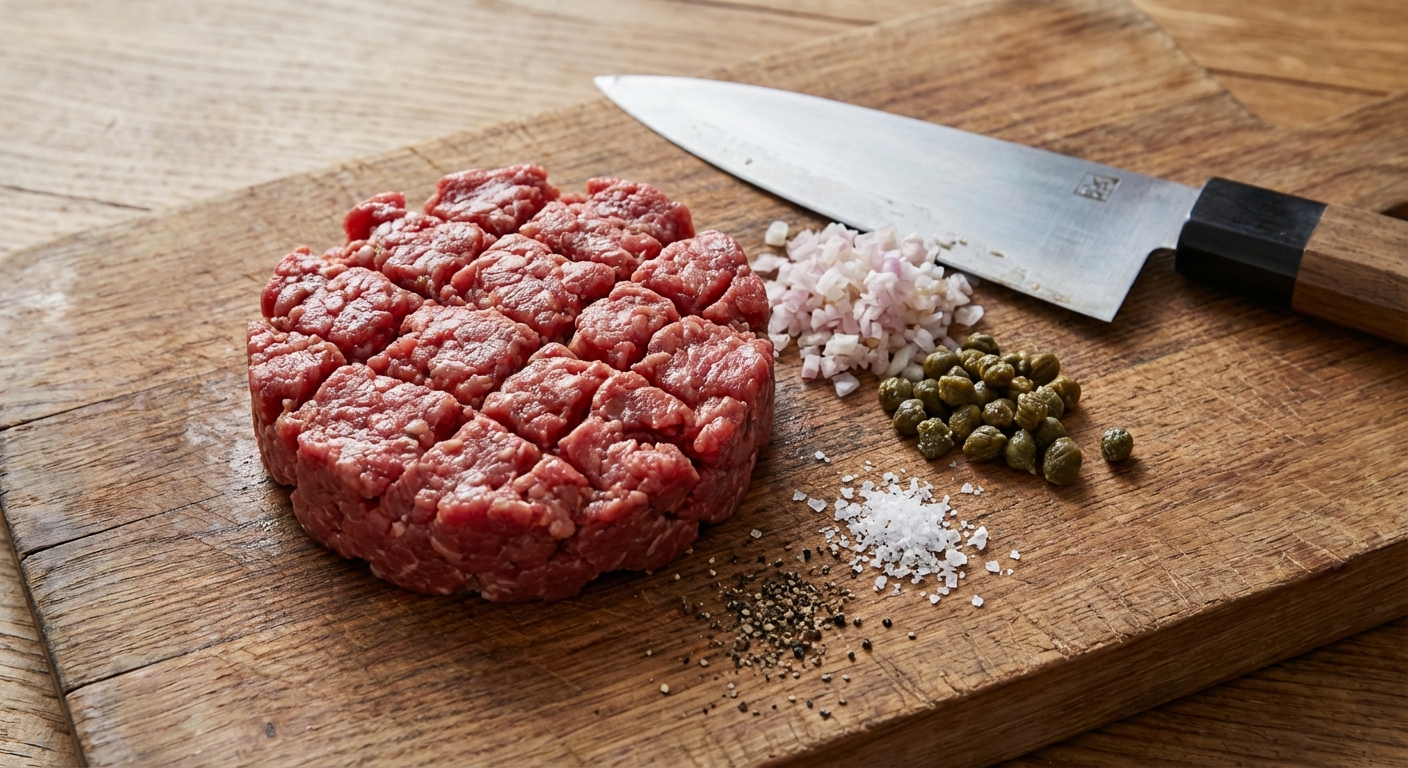
A close-up of hand-cut raw beef on a cutting board with a chef's knife, with chopped shallots and capers nearby

Why It Works

  • Better texture: Hand-chopping keeps the beef tender and plush instead of pasty, which can happen in a food processor or grinder.
  • Big flavor with balance: Capers and cornichons bring brine, Dijon brings bite, Worcestershire brings savor, and lemon wakes everything up.
  • Restaurant-level richness: A chilled bowl and a quick mix help keep the beef cold, while the egg yolk adds that glossy, luxurious finish.
  • Choose your own intensity: You can keep it classic or add heat (hot sauce) and herbs (tarragon or chives) without changing the method.

Storage Tips

Real talk: steak tartare is at its best right after mixing. If you have leftovers, treat them like a very time-sensitive VIP.

  • Best practice: Only mix what you will eat. Keep the beef and the chopped mix-ins separate in the fridge, then combine at the last second.
  • If it is already mixed: Refrigerate immediately in an airtight container and eat the same day. If you stretch it, keep it continuously cold and treat 24 hours as the absolute max, but sooner is safer.
  • Room temperature: The common guideline is 2 hours, but raw meat dishes deserve stricter rules. Discard tartare if it has been out for more than 1 hour (less if your kitchen is warm).
  • Egg yolk: Add yolks per serving. Do not store tartare with yolk mixed in.
  • Safety note: When in doubt, throw it out. This is not the place for bravery.

Common Questions

What cut of beef is best for steak tartare?

Tenderloin (filet mignon) is a common bistro choice because it is tender and mild. Top sirloin can also work if it is very fresh and trimmed well. Ask your butcher for a whole, intact muscle cut suitable for tartare, and have it cut fresh if possible.

Is it safe to eat raw beef at home?

There is always risk with raw meat, and “fresh” does not mean “safe.” Reduce risk by buying a whole-muscle cut from a trusted source, avoiding pre-ground beef, keeping it at or below 40°F/4°C, using clean tools and hands, and serving immediately. If you are immunocompromised, pregnant, very young, elderly, or have food safety concerns, skip raw preparations.

Does freezing make raw beef safe?

No. Freezing can reduce certain parasites in some meats, but it does not reliably kill bacterial pathogens. Treat tartare as a serve-immediately dish and focus on sourcing, cold temperature, and clean handling.

Do I have to use an egg yolk?

No. The yolk adds richness and drama. If you want the silky texture without a raw egg, use a small spoonful of mayo or crème fraîche in the mix and top with herbs instead. If using egg yolk, pasteurized is a smart choice.

Can I use a food processor?

You can, but the texture tends to go soft and smeary fast. Hand-chopping takes a few extra minutes and tastes more luxurious.

What should I serve with steak tartare?

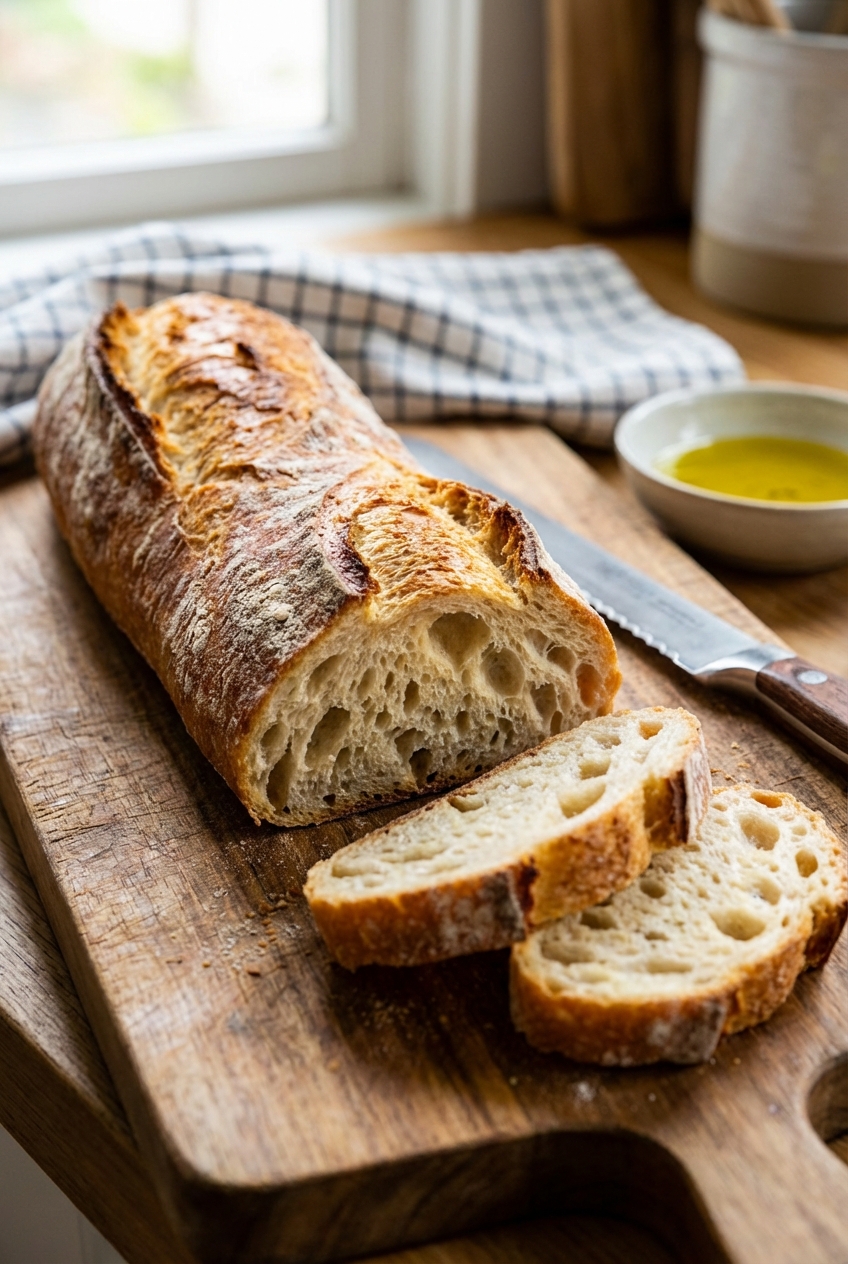
Toasted baguette, kettle chips, endive leaves, or butter lettuce cups. Add cornichons, radishes, and a simple green salad and you have a full bistro moment.

How do I make it less “raw-tasting” for beginners?

Chill everything well, season more confidently, and go heavier on the briny and mustardy elements. Serving it with crisp toast and a little extra lemon helps, too.

The first time I made steak tartare at home, I treated it like a heist. Chilled bowl. Fresh knife. Music that made me feel suspiciously competent. I remember plating it and thinking, this cannot possibly taste as fancy as it looks. Then I took a bite and had to sit down for a second. It was bright, salty, rich, and somehow clean all at once, like a Caesar salad and a steak dinner decided to become best friends.

Now it is my favorite “I want restaurant energy but I do not want restaurant pants” recipe. Also, it is the only dinner that rewards you for owning a good knife and a little audacity.