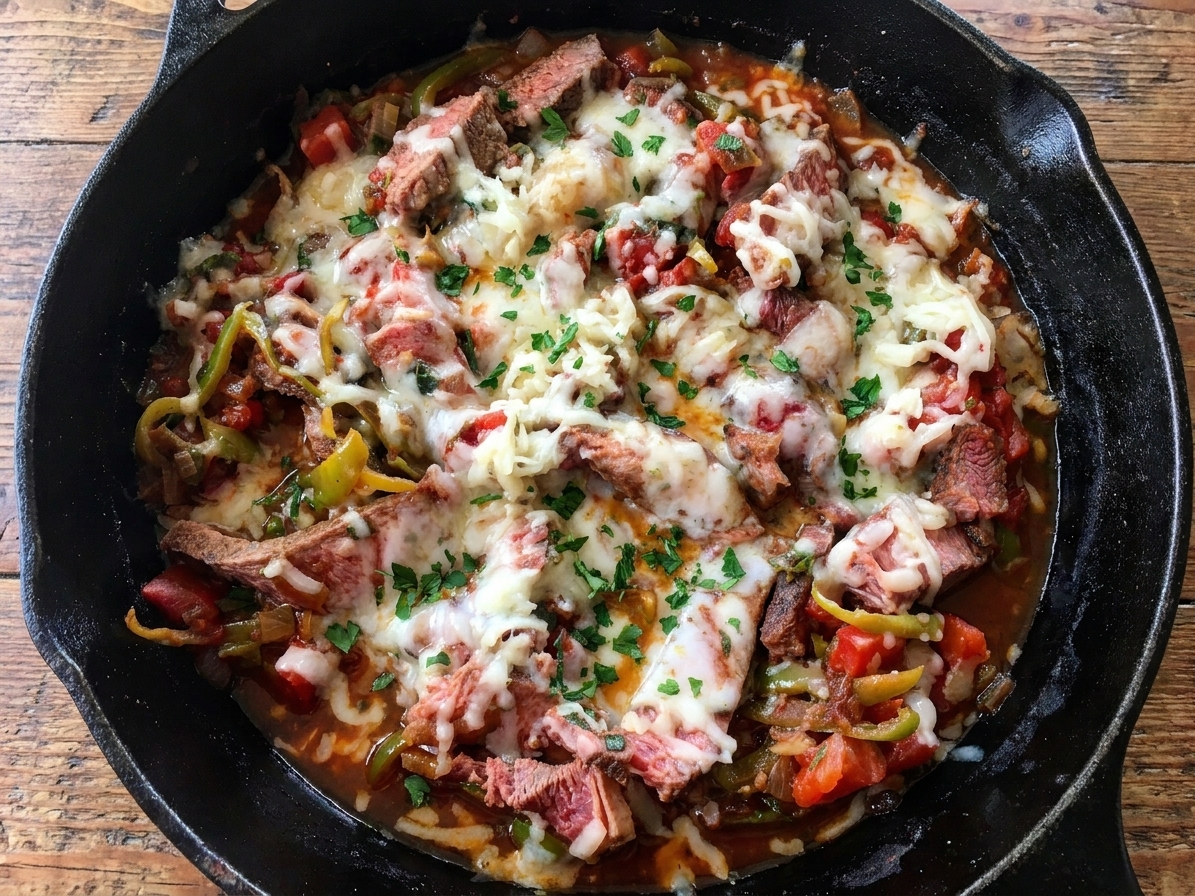
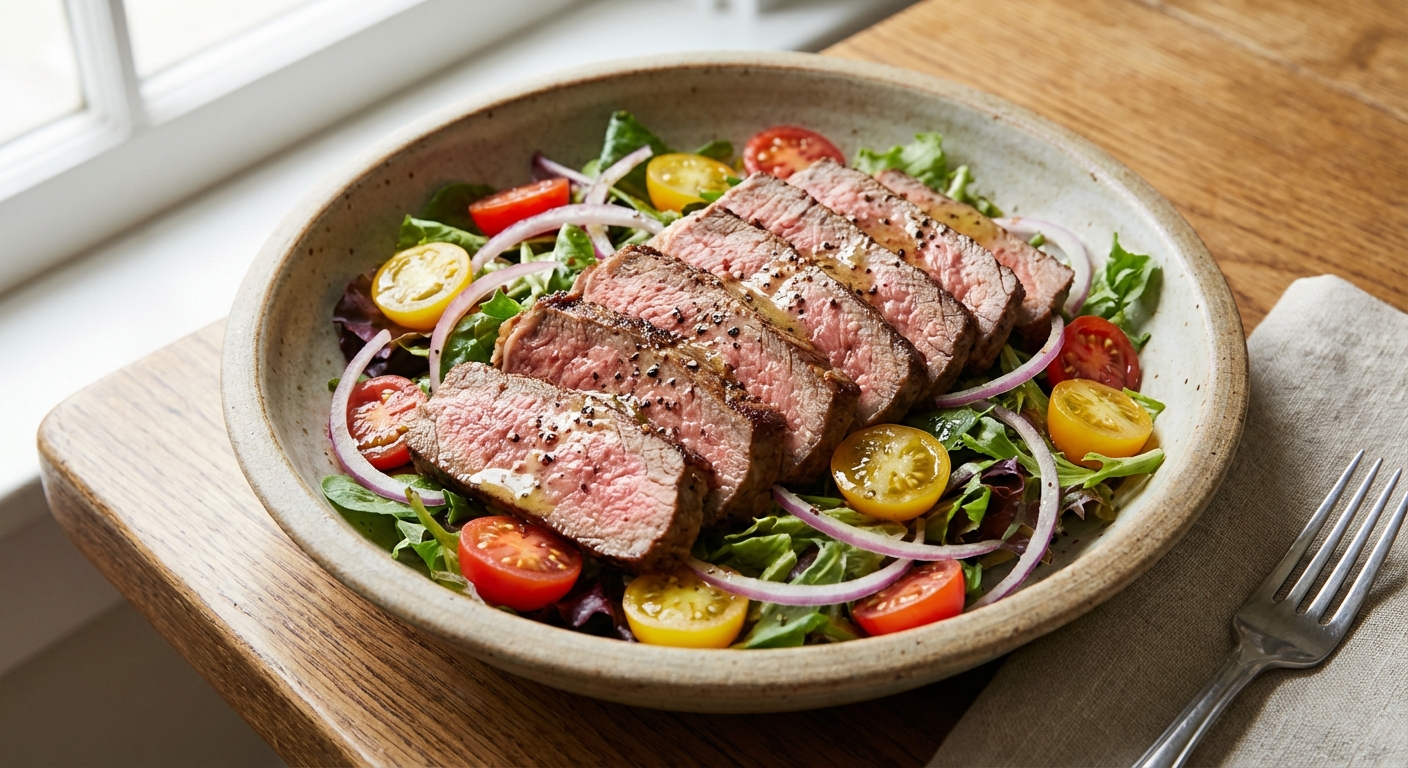
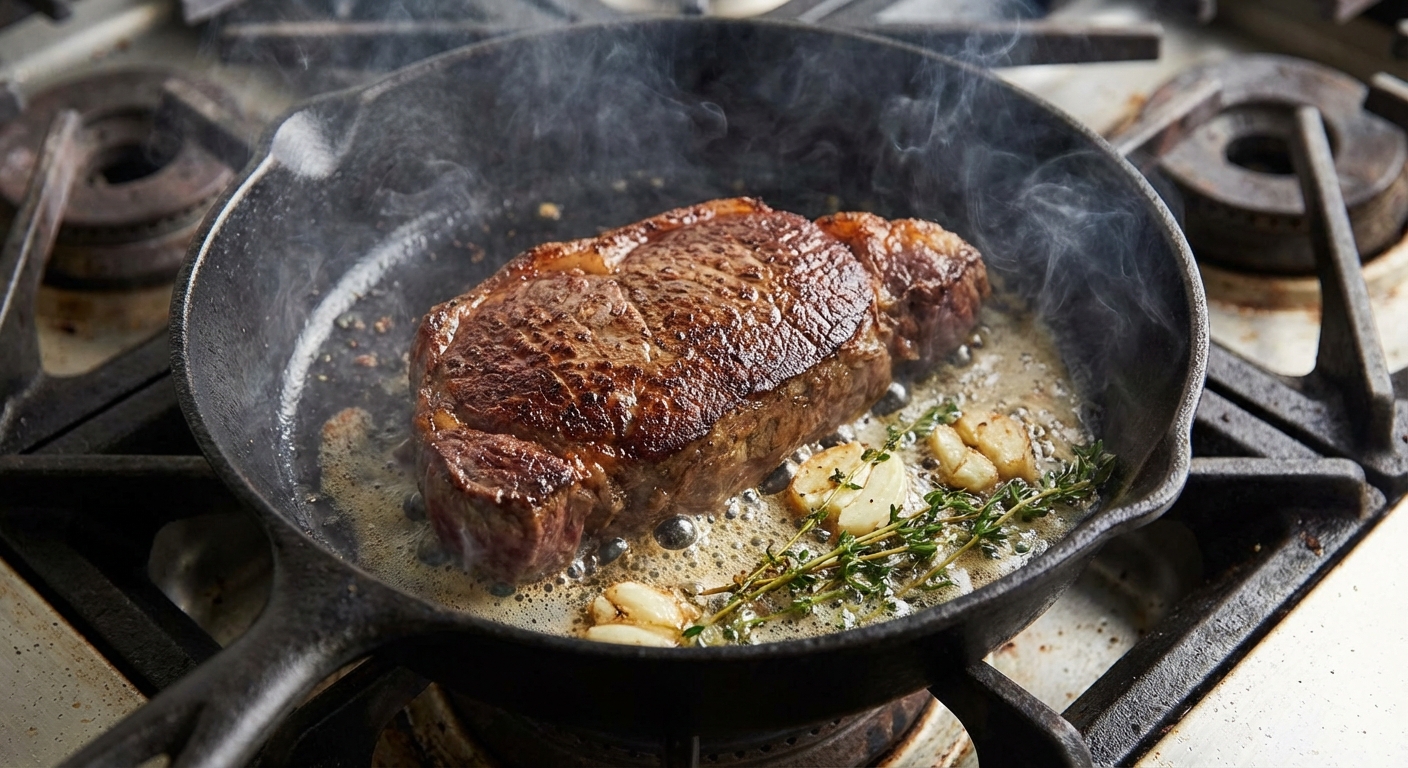
What kind of sirloin should I buy?
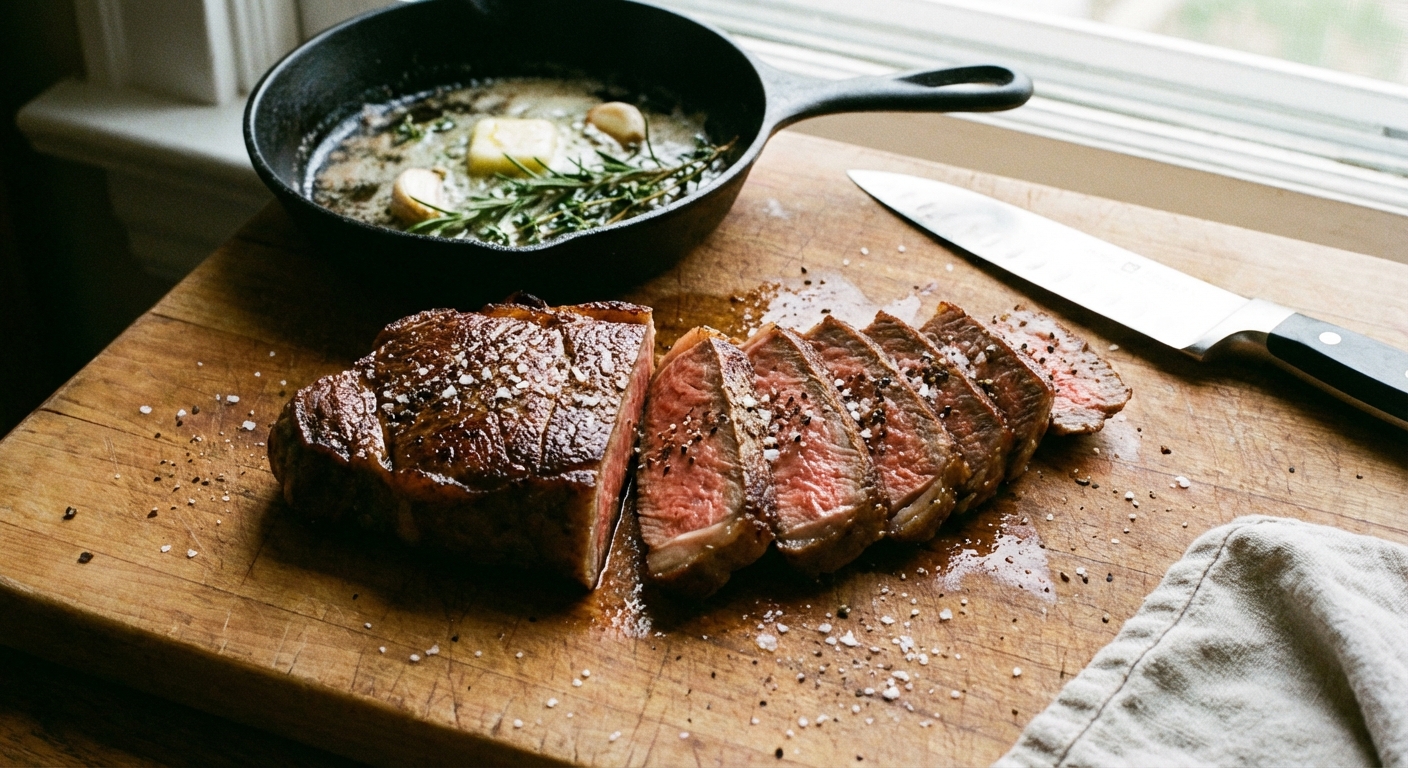
Look for top sirloin steaks that are about 1 to 1 1/4 inches thick with some marbling. Very thin steaks can still work, but the window between “beautifully seared” and “overcooked” is basically one distracted glance away.
Do I need a cast iron skillet?
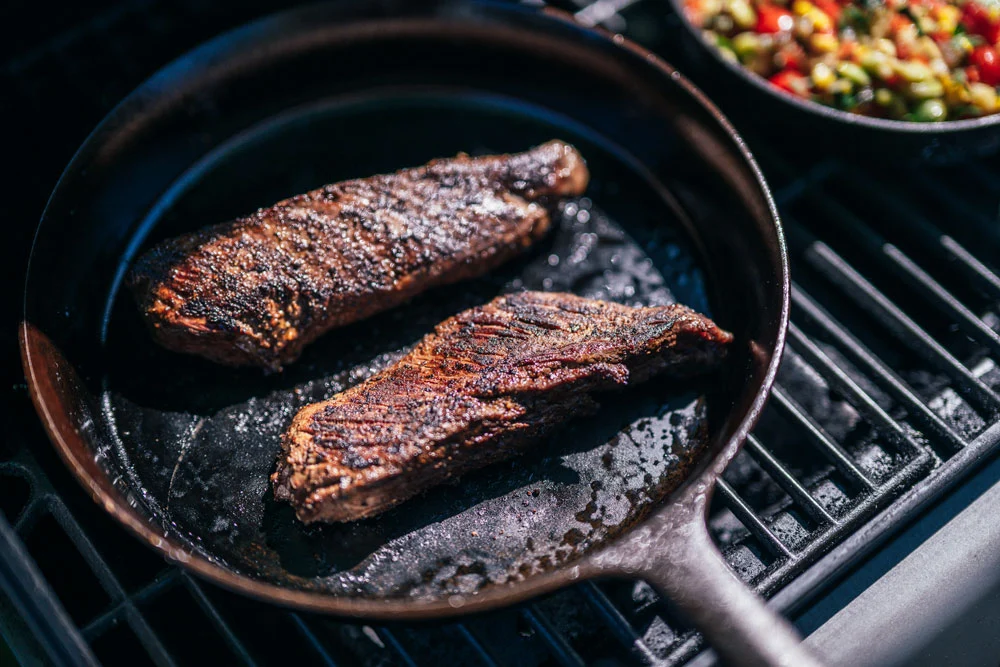
No, but it helps. Any heavy-bottomed skillet that holds heat well works. Avoid nonstick for high-heat searing.
How do I know when the steak is done?
A thermometer is the least dramatic way. Pull the steak when it is 5°F below your target since it keeps cooking as it rests. Carryover depends on thickness and rest time, so for thicker steaks, expect more like 5 to 10°F.
- Rare: pull at 120°F, rest to ~125°F
- Medium-rare: pull at 125°F, rest to ~130°F
- Medium: pull at 135°F, rest to ~140°F
- Medium-well: pull at 145°F, rest to ~150°F
Food safety note: USDA recommends 145°F plus a 3-minute rest for whole cuts of beef. Many people prefer lower temperatures for tenderness, so use your best judgment.
Why is my steak not browning?
Most common culprits: the steak was wet, the pan was not hot enough, or the pan was crowded. Pat dry, preheat properly, and sear one steak at a time if needed.
Can I season with more than salt and pepper?
Absolutely. Just be careful with sugar-heavy rubs at high heat because they burn. Garlic powder, smoked paprika, or steak seasoning are all fair game.
How do I keep smoke under control?
Use a high-smoke-point oil, turn on your vent, and do not overcrowd the pan. A little smoke is normal. A smoke alarm solo is not required for good steak.