Mom's Best Recipes
Recipe

Fajita Marinade

A zesty, smoky marinade that works for chicken, steak, shrimp, and vegetables with a simple timing guide and weeknight-friendly prep.

Author By Matt Campbell
4.8
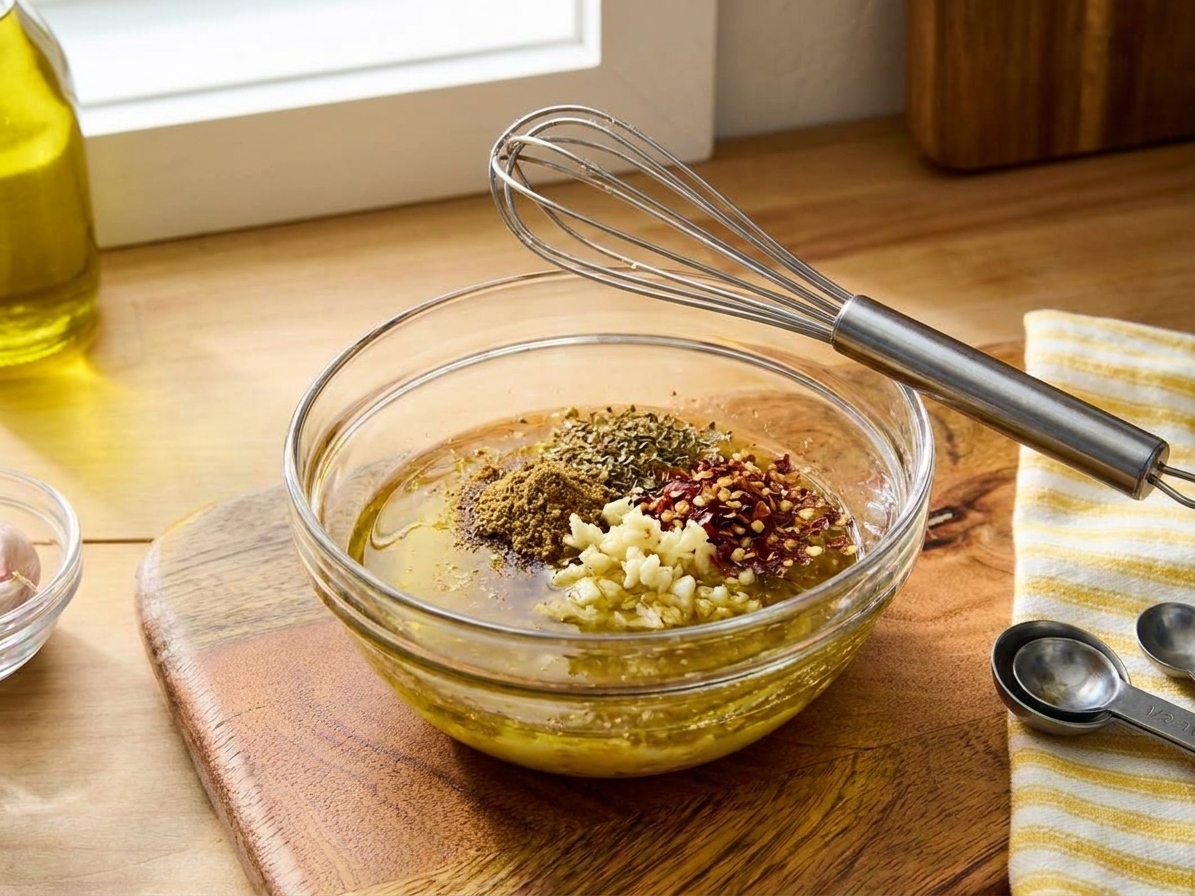
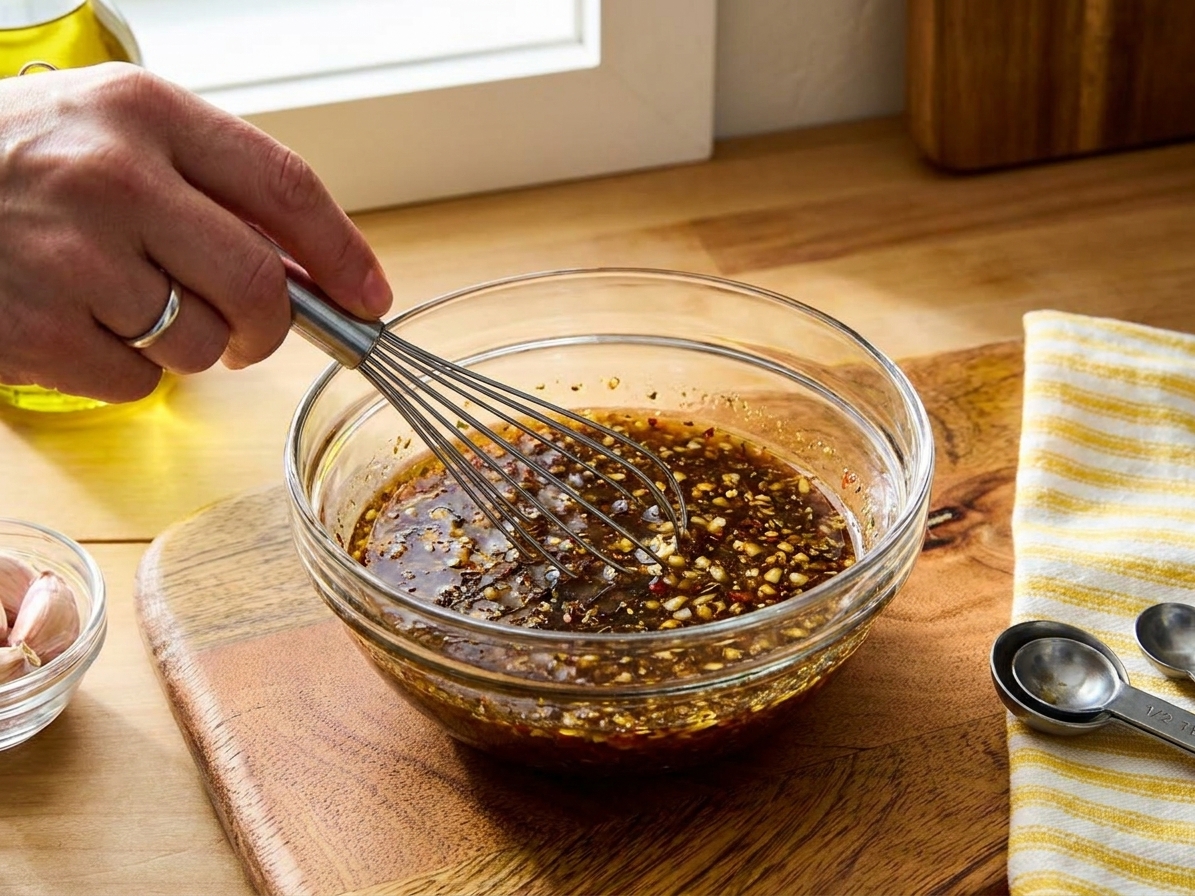
A glass bowl of fajita marinade with visible minced garlic and spices being whisked on a warm-toned kitchen counter

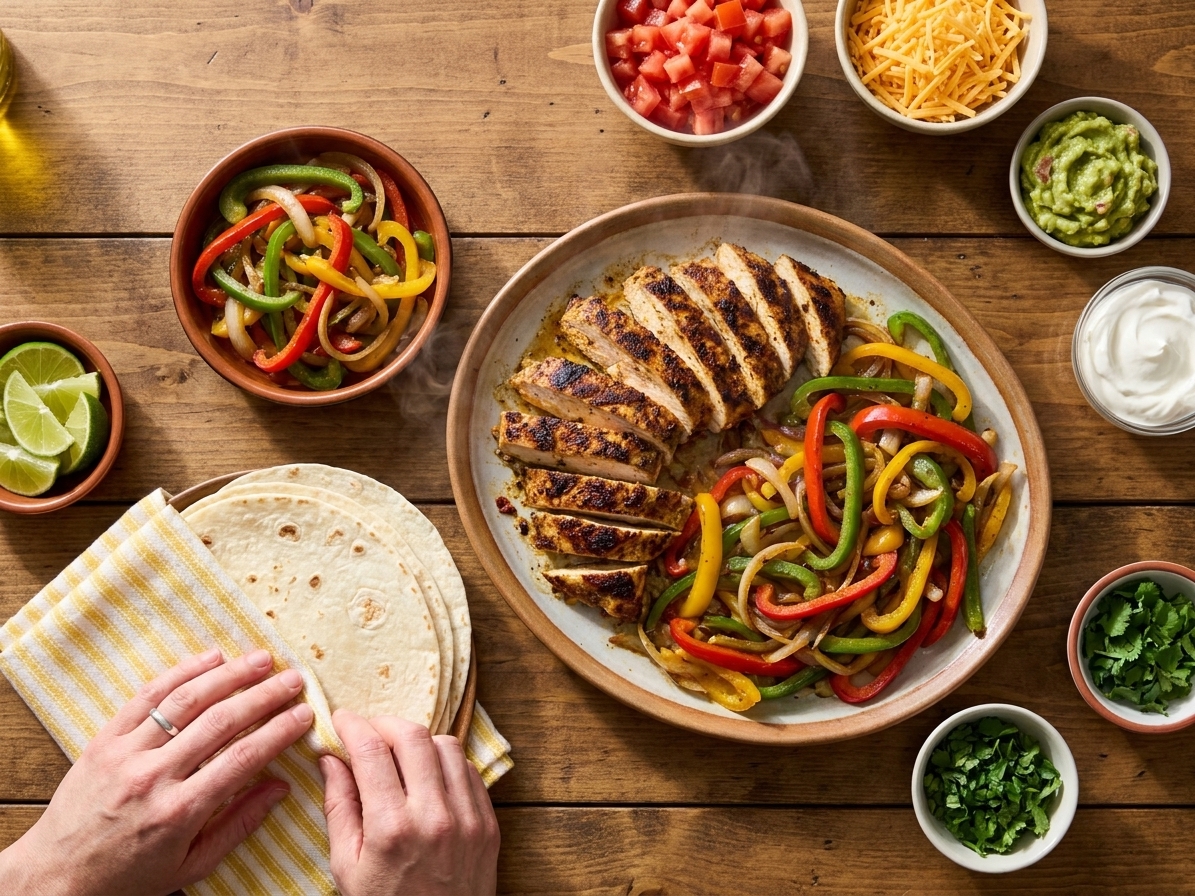
Fajitas are one of those dinners that feel like you did something, even if you mostly just tossed stuff in a hot pan and let it sizzle. The secret isn't the skillet. It's the marinade. This one is bright from lime and orange, savory from garlic, and just smoky enough to make your kitchen smell like a very good decision.

It's built for real life: pantry spices, no mystery ingredients, and a clear timing guide so your chicken stays juicy, your steak stays tender, and your shrimp doesn't turn into rubber. Marinate, cook hot, and don't forget to taste as you go. That's basically my whole personality.
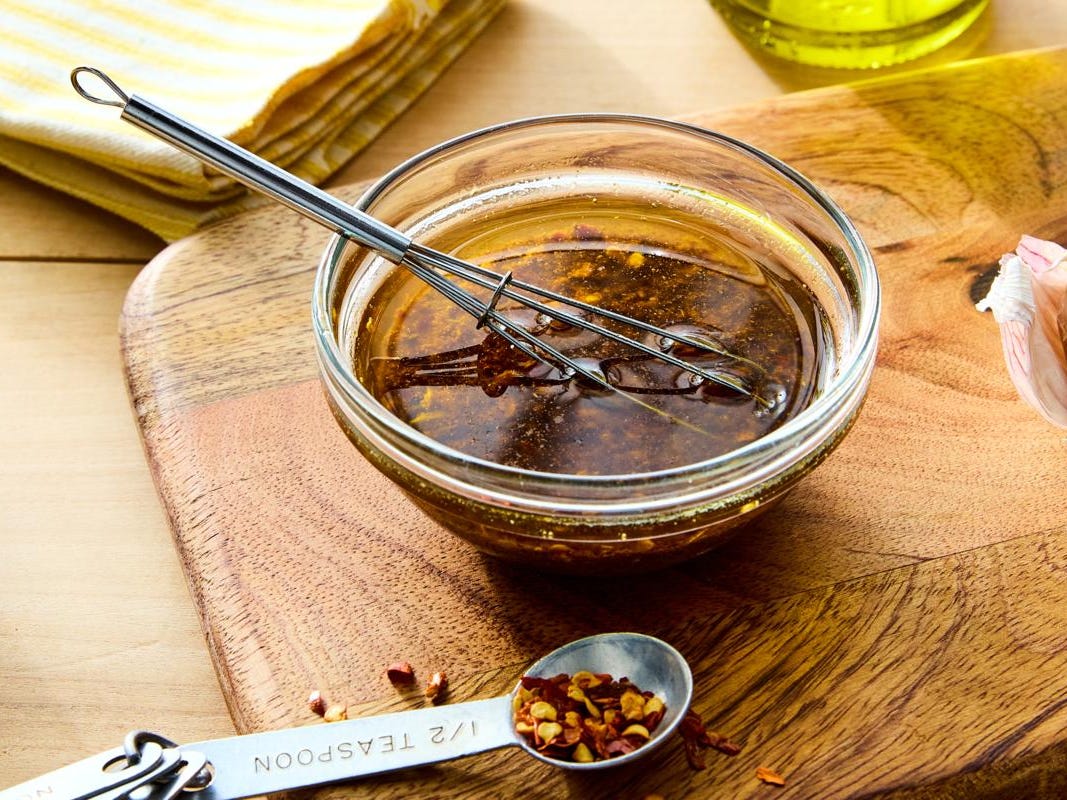
Small bowls of lime juice, orange juice, oil, minced garlic, cumin, chili powder, paprika, oregano, salt, and pepper arranged on a kitchen counter

Why It Works

  • Big flavor fast: Citrus + garlic + warm spices give you that classic fajita punch without a long ingredient list.
  • Works with everything: Use it for chicken, steak, shrimp, portobellos, or a whole sheet pan of peppers and onions.
  • Balanced and flexible: Orange juice rounds out the lime, oil carries the spices, and a touch of soy sauce boosts savoriness without making it taste like soy sauce.
  • Clear timing so you don't overdo it: Different proteins need different marinating windows. I included an easy guide below so you can stop guessing.

Pairs Well With

Storage Tips

Storage Tips

Storing the marinade

  • Refrigerator: Store unused marinade (not in contact with raw meat) in a sealed jar for up to 5 days. It's best within 3 to 5 days.
  • Freezer: Freeze in a zip-top freezer bag or small container for up to 3 months. Thaw overnight in the fridge and shake well before using.

Storing marinated ingredients

  • Chicken or steak: You can prep and marinate up to 24 hours ahead. Keep it in the coldest part of your fridge, and know that texture is best in the first 8 hours.
  • Shrimp: Marinate 15 to 30 minutes only. If you want to prep ahead, mix the marinade and keep it separate until closer to cooking.
  • Vegetables: Marinate 30 minutes to 2 hours. Longer is fine but they can get softer.

Important safety note

If marinade has touched raw meat or seafood, don't reuse it as a sauce unless you bring it to a full rolling boil, then simmer for several minutes. Honestly, I usually just make a quick extra half batch for drizzling at the table, or I reserve a little before adding anything raw.

Common Questions

Common Questions

How long should I marinate for fajitas?

Here is the quick guide:

  • Chicken: 30 minutes to 8 hours (you can push it to 24 hours if you need to, but the citrus can start to mess with the texture)
  • Steak (skirt, flank, sirloin): 30 minutes to 4 hours (avoid overnight if it's very thin)
  • Shrimp: 15 to 30 minutes
  • Vegetables: 30 minutes to 2 hours

Citrus is powerful. It's great for flavor, but if you leave delicate proteins in it too long, texture can get weird.

Can I use bottled lime juice?

Yes. Fresh is brighter, but bottled works in a pinch. If you use bottled, consider adding a little extra lime zest if you have it to wake things up.

Is this fajita marinade spicy?

It's more warm than spicy. If you want heat, add 1 to 2 teaspoons minced chipotle in adobo, a pinch of cayenne, or a sliced jalapeño.

What is the best oil for fajita marinade?

Use a neutral oil (avocado, canola, vegetable) if you want the spices and citrus to lead. Olive oil is fine too, especially for veggies, but choose a mild one.

Can I make it without soy sauce?

Absolutely. Swap in coconut aminos, tamari, or just use an extra 1/2 teaspoon salt. The soy sauce is there for umami, not for making it taste Asian.

How do I keep fajitas from getting watery?

Two moves: (1) Pat the meat dry after marinating so it sears instead of steaming. (2) Cook in a really hot skillet and don't overcrowd. If needed, cook in batches and combine at the end.

I started making fajitas when I wanted restaurant vibes without restaurant effort. The first few times, I went heavy on the lime and wondered why my chicken felt a little… tense. Lesson learned: timing matters, and orange juice is the peacekeeper. Now I mix this marinade in a measuring cup, pour it into a bag, and call it meal prep with personality. It's the kind of low-drama dinner that still makes everyone hover near the stove “just to taste.”