Mom's Best Recipes
Recipe

Filipino Chicken Adobo

A warm, practical take on the classic Filipino favorite: tender chicken simmered in soy sauce, vinegar, garlic, bay, and peppercorns, then browned for crisp edges and a glossy sauce.

Author By Matt Campbell
4.8
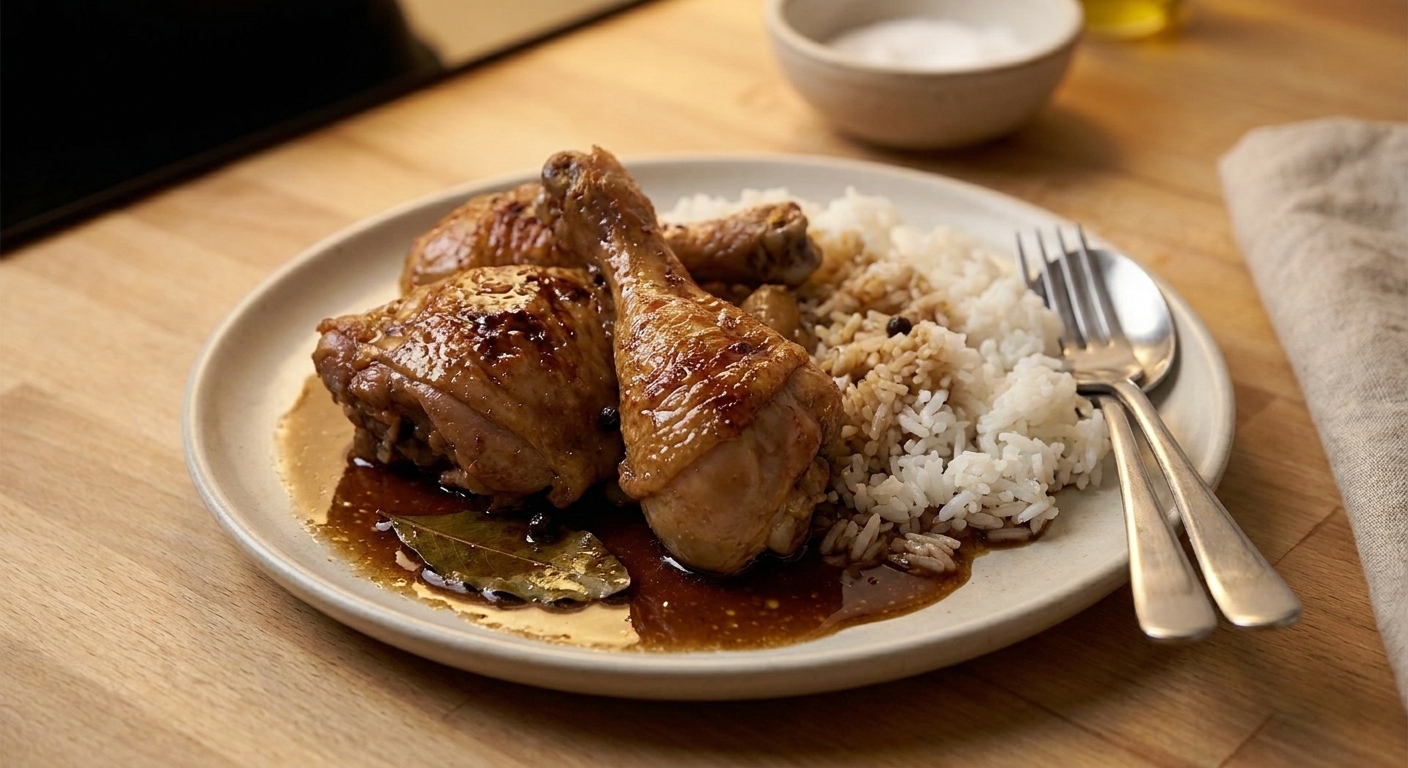
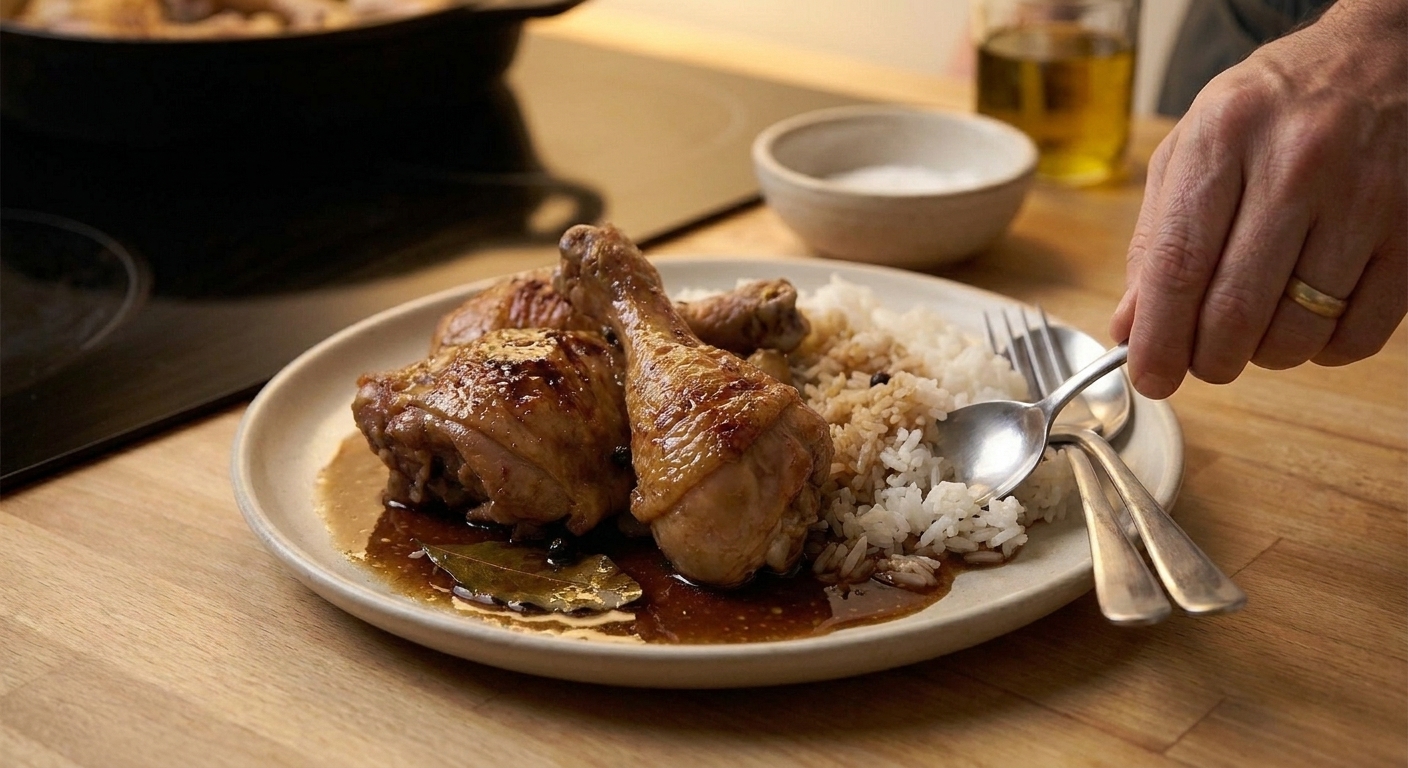
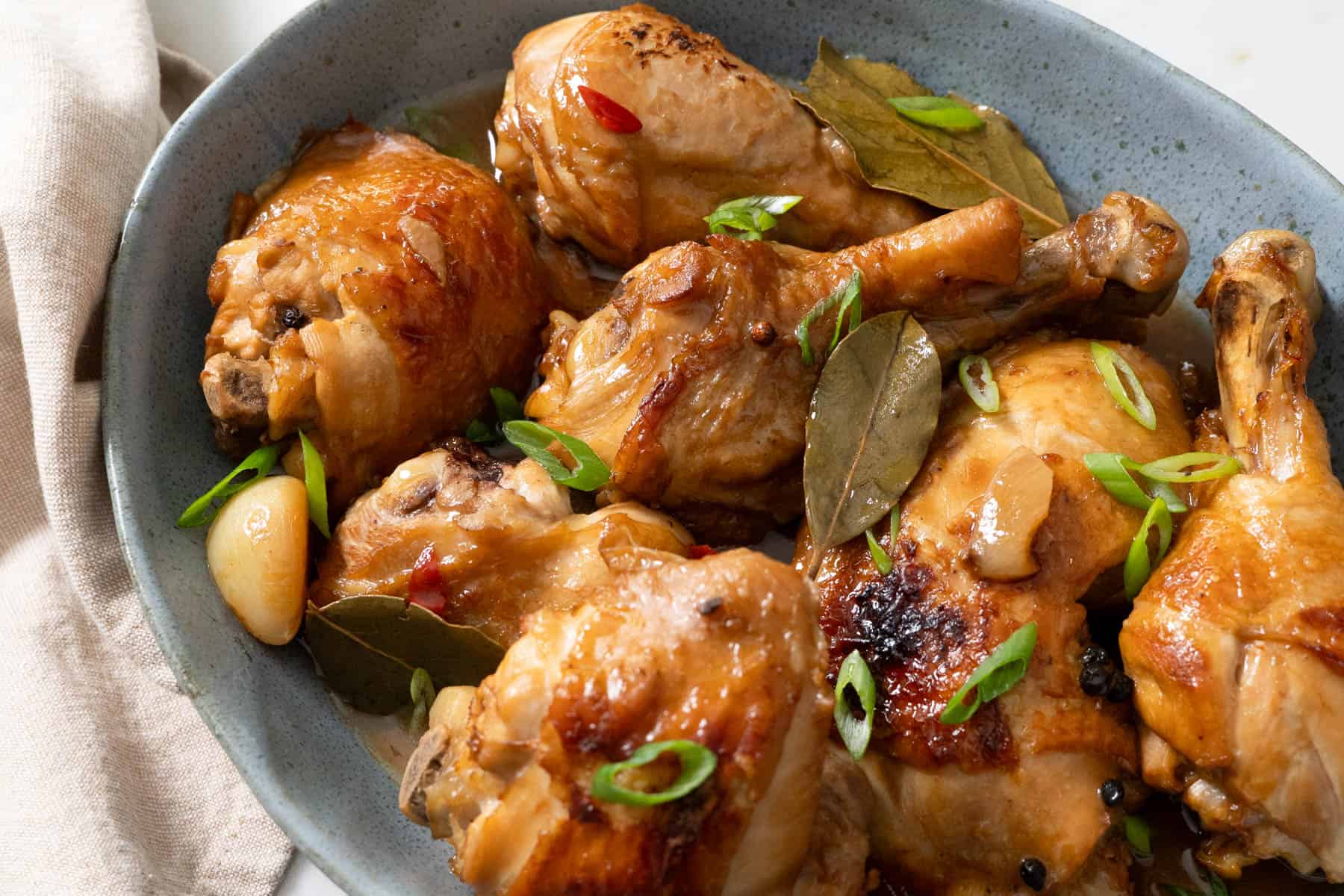
A plated bowl of Filipino chicken adobo with glossy soy-vinegar sauce, bay leaves, and steamed white rice on a warm kitchen table with soft natural light

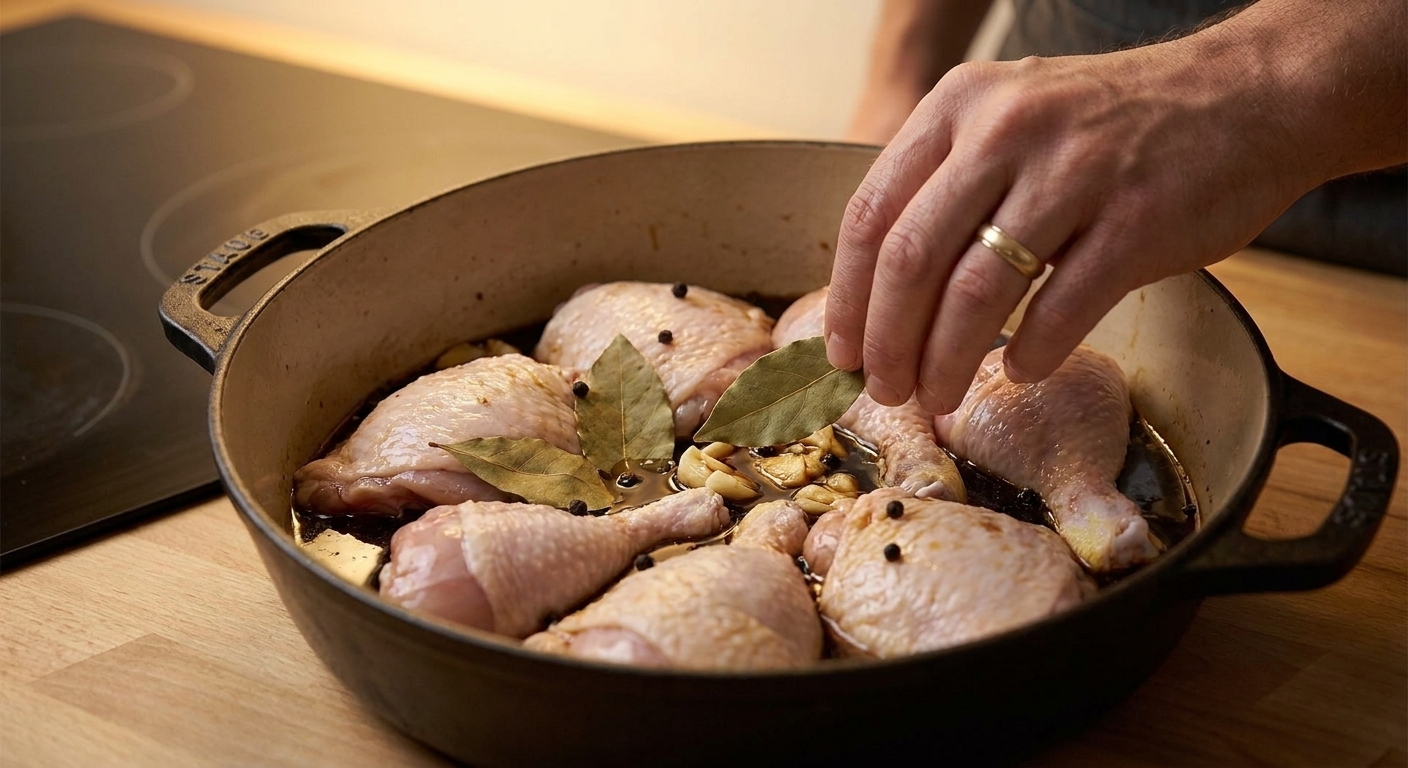
Chicken adobo is one of those dishes that feels like it has your back. It is bold but not fussy, cozy but still bright, and it basically wants to taste good even on a chaotic weeknight. The magic is the balance: salty soy sauce, tangy vinegar, lots of garlic, bay leaves, and peppercorns that perfume the whole pot.

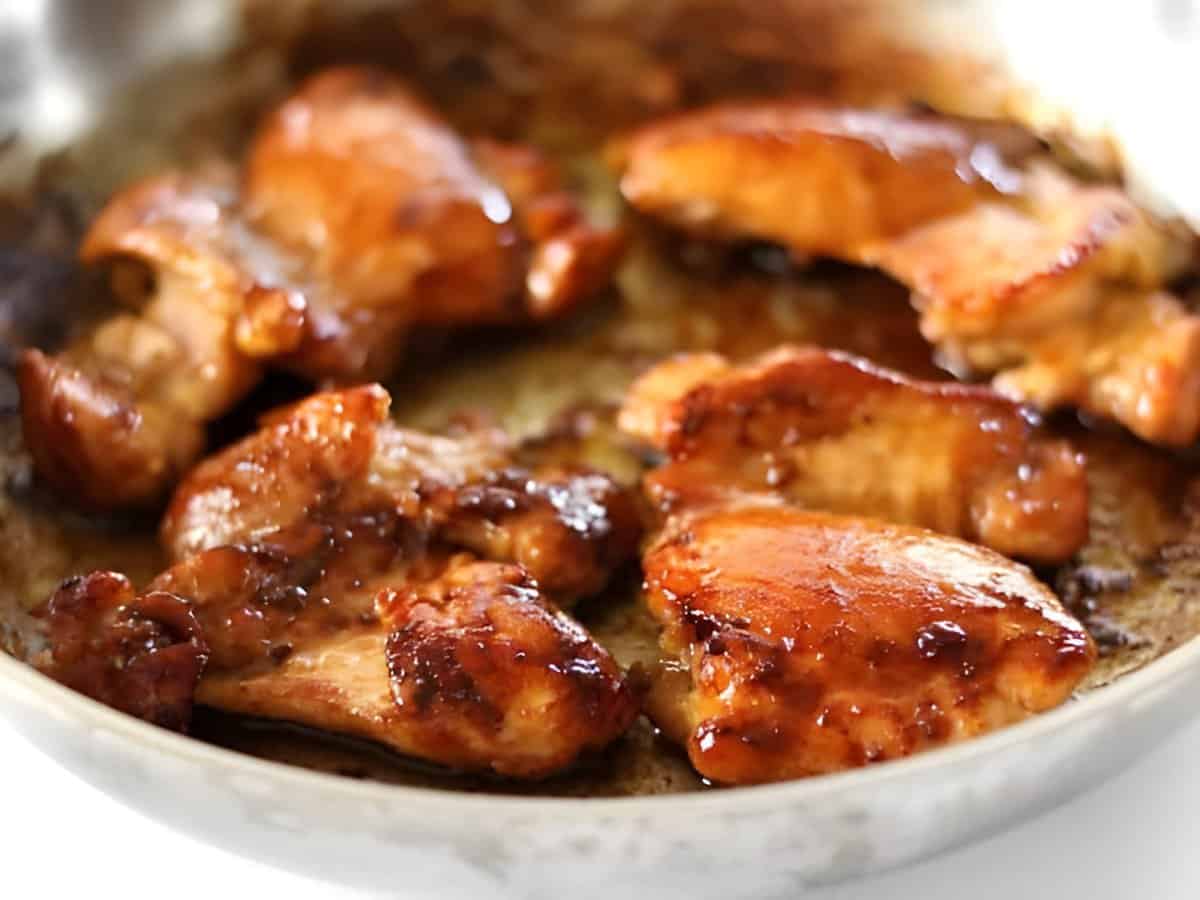
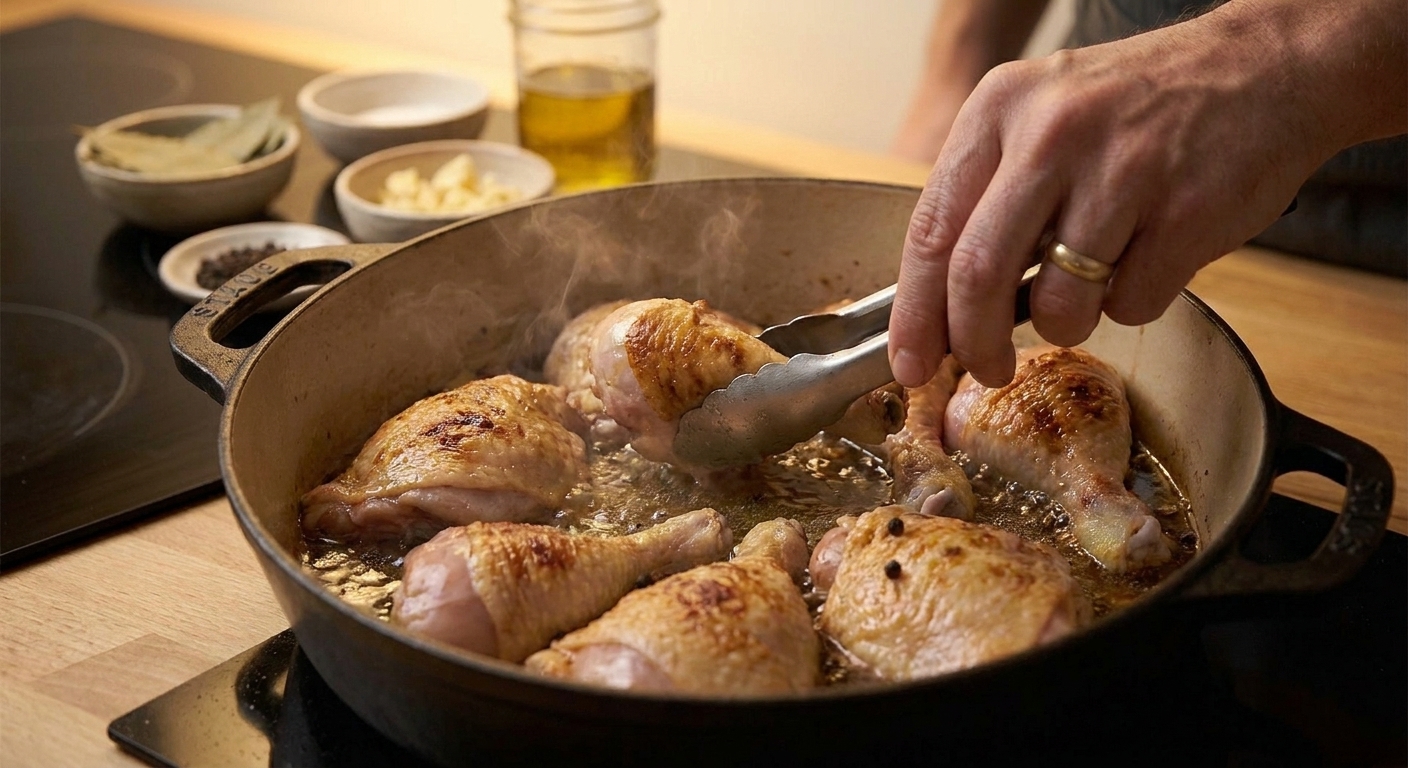
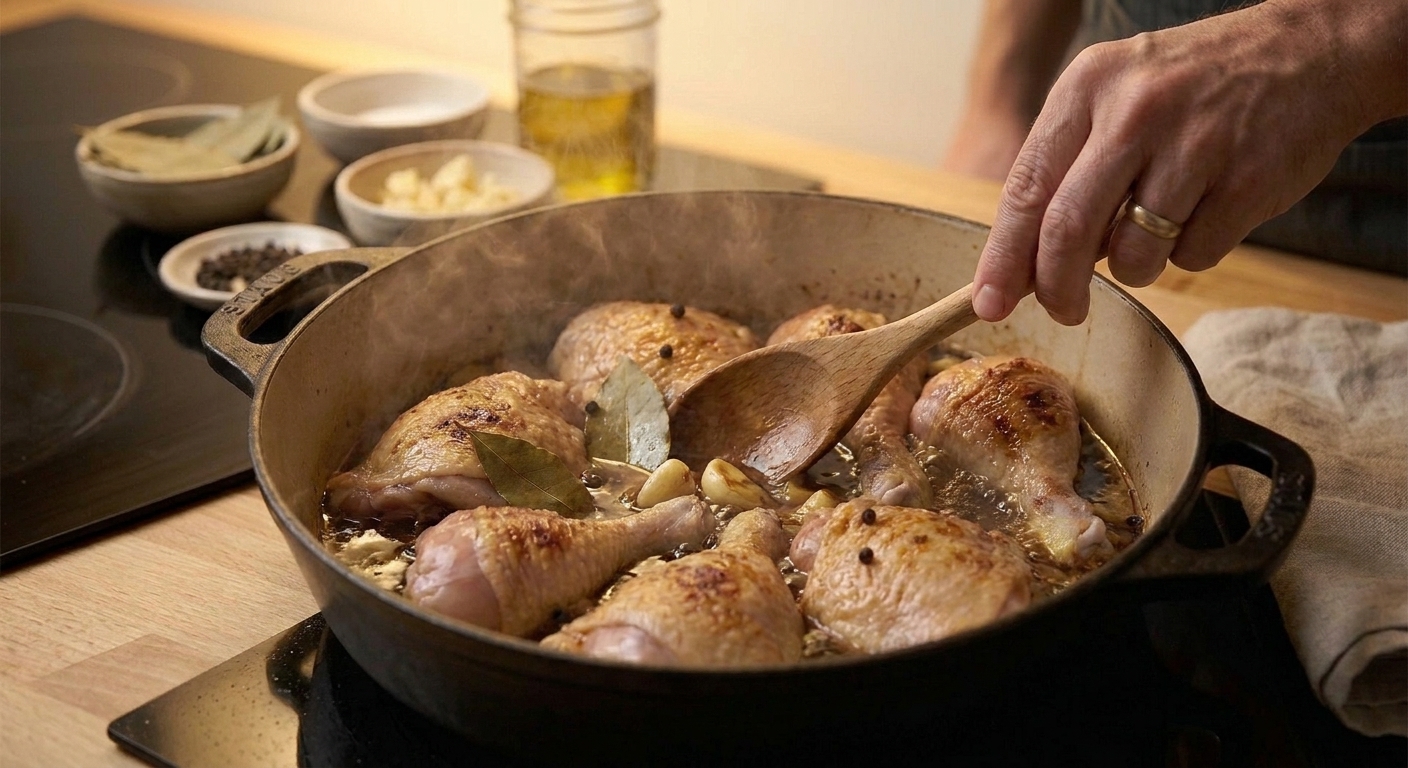
My favorite move is simmer first (so the chicken gets fall-apart tender), then brown the pieces to get those crisp edges. You end up with a sauce that begs for rice and a kitchen that smells like you absolutely knew what you were doing.
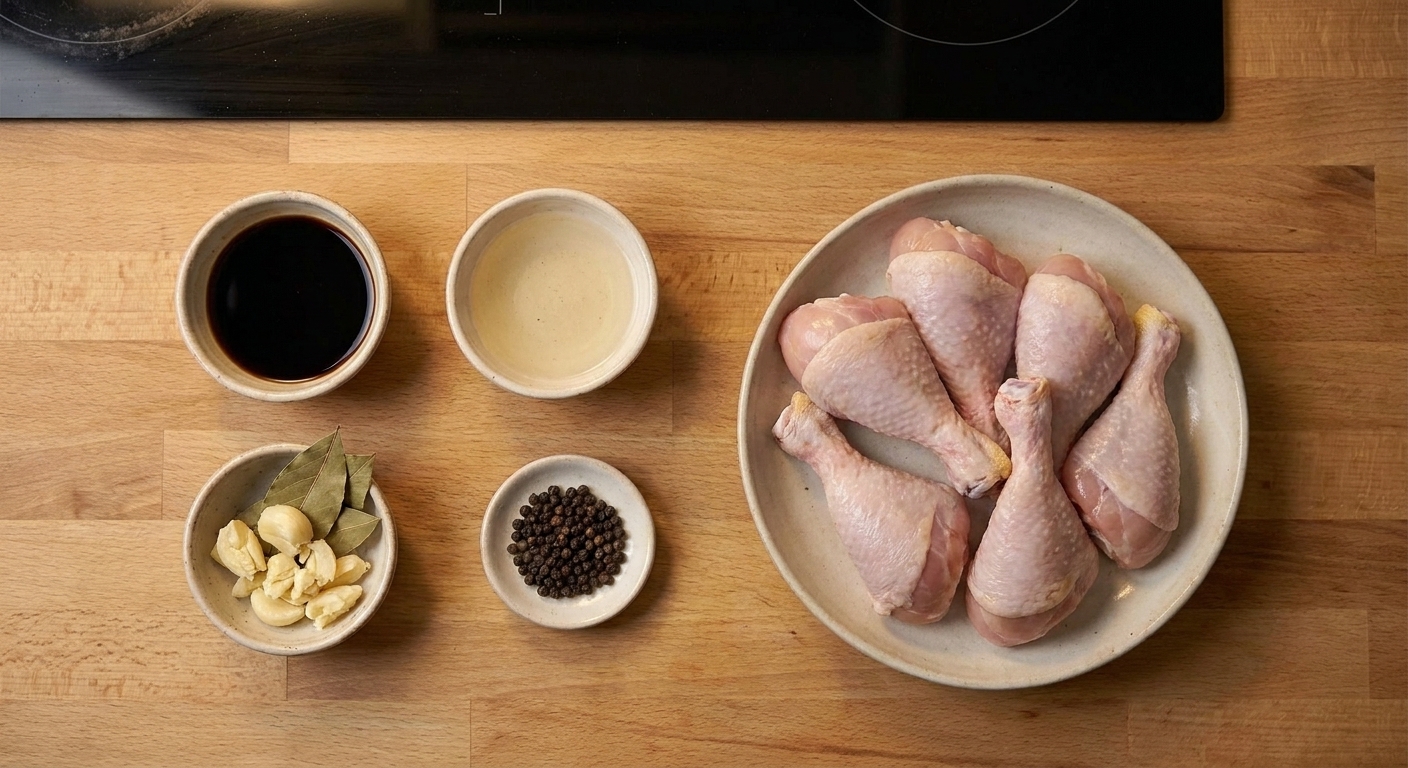
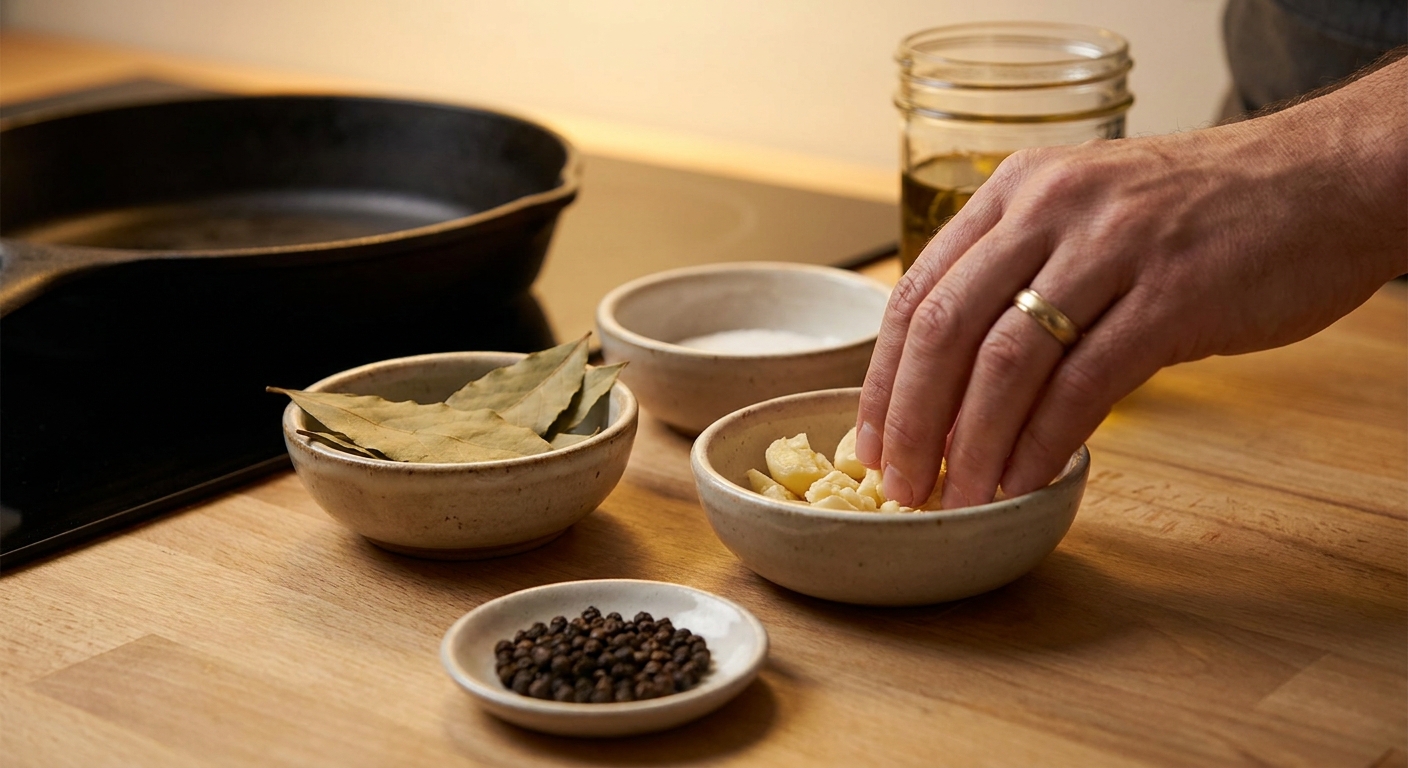
Measured soy sauce, vinegar, garlic cloves, bay leaves, black peppercorns, and chicken pieces arranged on a clean kitchen counter in consistent warm lighting

Why It Works

  • Big flavor from simple staples: Soy sauce, vinegar, garlic, bay, and peppercorns do all the heavy lifting.
  • Two-texture chicken: Simmered until tender, then browned for crisp edges that taste like you tried harder than you did.
  • A sauce made for rice: The braising liquid reduces into a glossy, spoonable finish.
  • Flexible and forgiving: Works with thighs, drumsticks, or a mix, and you can adjust tang and salt to your taste.

Pairs Well With

Storage Tips

Refrigerator: Store cooled adobo (chicken plus sauce) in an airtight container for up to 4 days. The flavor gets even better overnight.

Freezer: Freeze in freezer-safe containers or bags for up to 3 months. Thaw overnight in the fridge.

Reheat: Warm gently on the stove over medium-low with a splash of water if needed. For crispy edges again, sear the chicken pieces in a skillet for 2 to 3 minutes per side, then spoon sauce over top.

Food safety tip: Cool leftovers promptly. If the pot is still hot, portion into shallow containers so it chills faster.

Common Questions

Is chicken adobo supposed to be sour?

It should be pleasantly tangy, not mouth-puckering. Vinegar is the point, but the soy sauce and chicken juices round it out. If it tastes too sharp, simmer a bit longer uncovered to mellow and reduce, or add a tiny pinch of brown sugar.

Can I use boneless chicken?

You can, but bone-in pieces stay juicier and taste richer. If using boneless thighs, start checking for doneness earlier. They usually finish 10 to 15 minutes faster.

Do I have to marinate first?

Nope. This recipe builds flavor in the pot. Marinating is great if you have time, but simmering does the job.

Why are you not stirring after adding vinegar?

Some cooks say not stirring right after adding vinegar helps avoid a harsher, raw-vinegar bite. The bigger practical point is to let the vinegar simmer for a few minutes so it cooks off a bit before you fuss with it. After that, stir if you need to.

What should I serve with adobo?

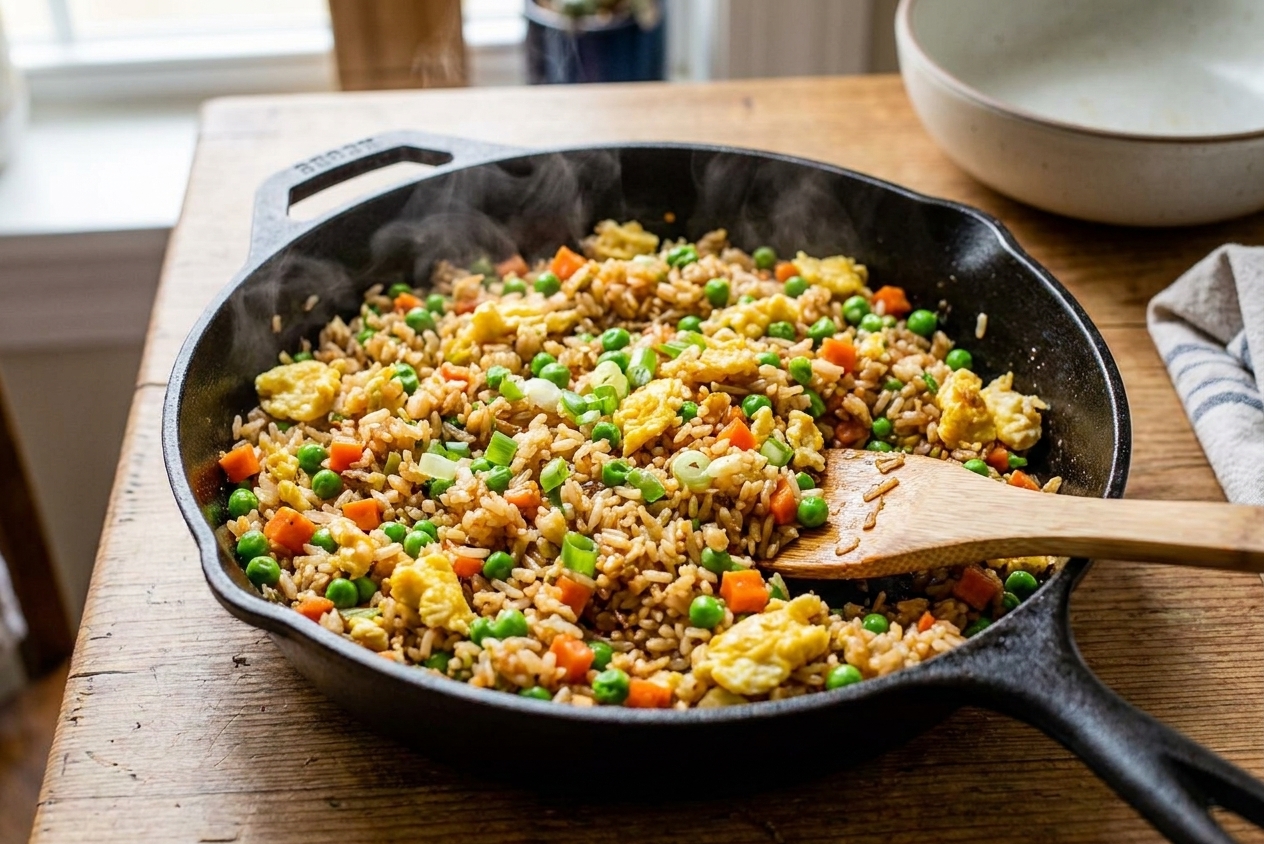
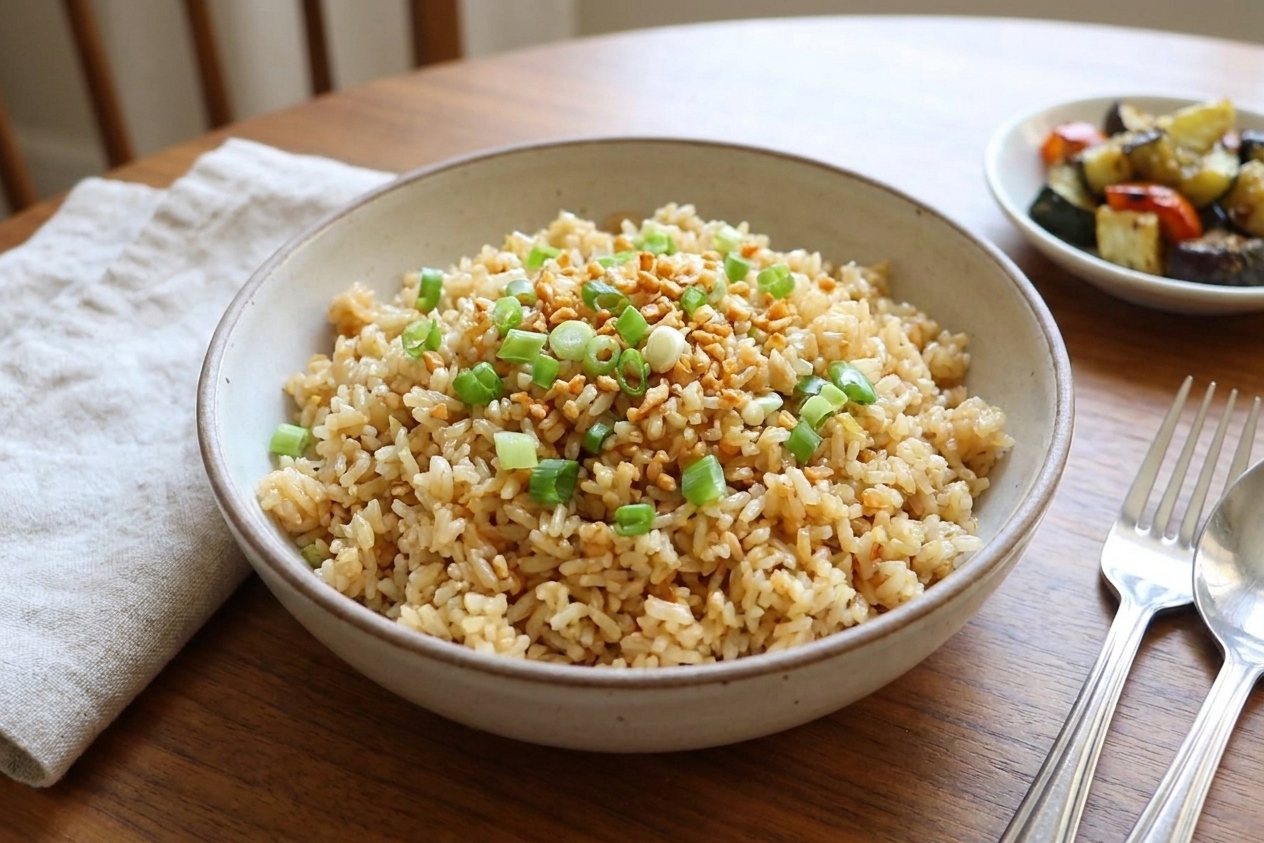
Steamed white rice is classic. Garlic fried rice is even better. A simple cucumber salad or sautéed greens on the side keeps everything feeling bright.

I love recipes like this because they are equal parts comfort food and kitchen confidence. The first time I made adobo, I remember thinking, this cannot possibly be enough ingredients. Then the pot started simmering and the whole house smelled like garlic and bay leaves and something deep and savory I could not stop sniffing. Now it is one of my go-to "feed people well without overthinking" dinners. Also, I fully support tasting the sauce with a spoon and then immediately deciding you need rice right now.