What is asado in the Philippines?
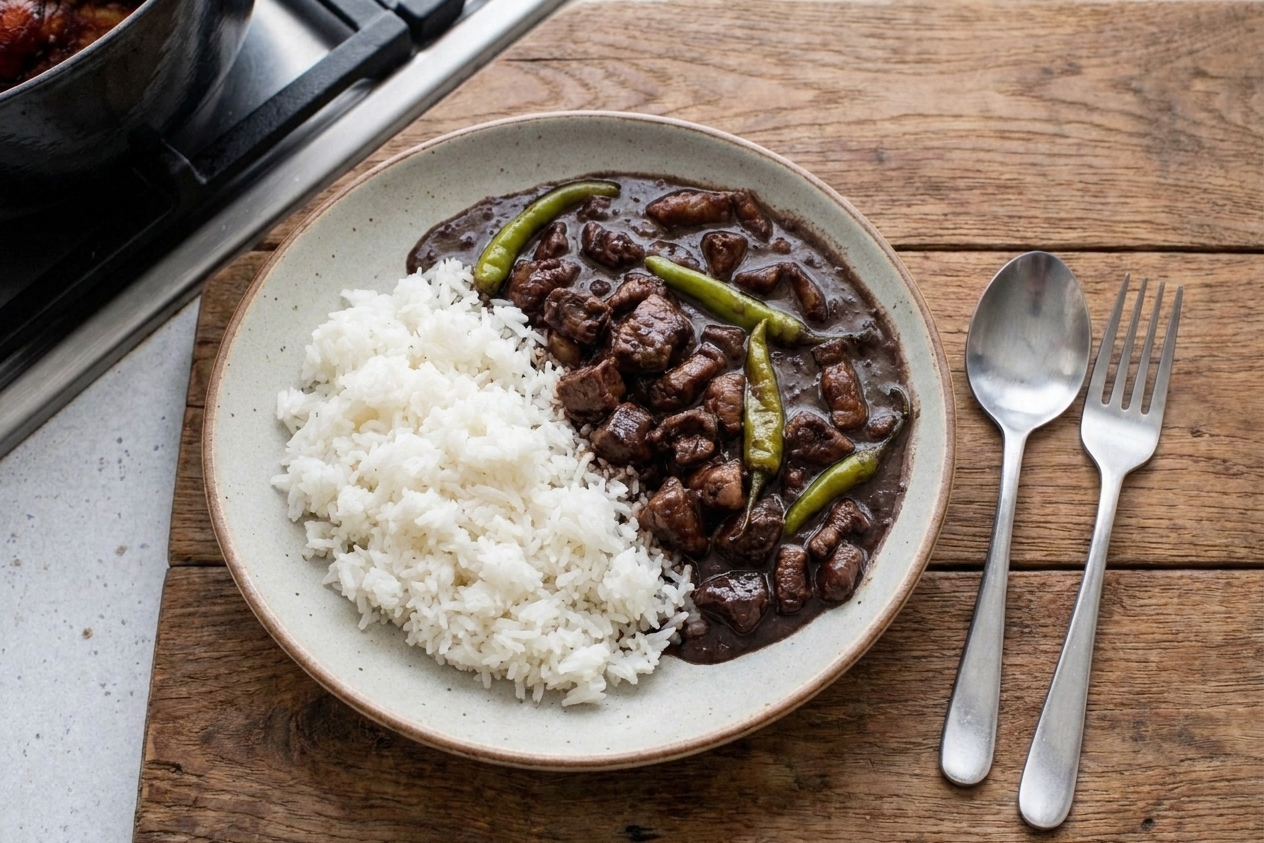
In the Philippines, asado can refer to a few beloved styles, so it helps to add a little context. You will often see (1) pork asado as a sweet-savory filling (popular in siopao and other Chinese-Filipino influenced dishes) and (2) regional braises or roasts where pork or chicken simmers until tender in a sauce that can be soy-sweet, and sometimes tomato or annatto-tinted depending on the household and region. The common thread is that sweet-salty comfort and meat cooked until it gives in.
Is Filipino asado the same as Mexican asado?
Not really. The word overlaps, but Filipino asado is typically a sweet-savory braise or roast (often with soy sauce, sugar, garlic, and aromatics). Mexican “asado” is often grilled or roasted meat preparations with different seasoning traditions.
Can I make this with pork?
Yes. Pork shoulder chunks or pork belly work great. Expect a longer simmer, usually 60 to 90 minutes, until fork-tender. Keep the heat low and add water as needed if the sauce reduces too quickly.
Can I use chicken breast?
You can, but thighs stay juicier. If you use breast, simmer gently and start checking around 12 to 15 minutes once the sauce is at a low simmer so it does not dry out.
How do I thicken the sauce?
Two options: simmer uncovered a little longer to reduce, or stir in a small cornstarch slurry. I include the slurry as optional in the recipe so you can choose your vibe.
What should I serve with chicken asado?
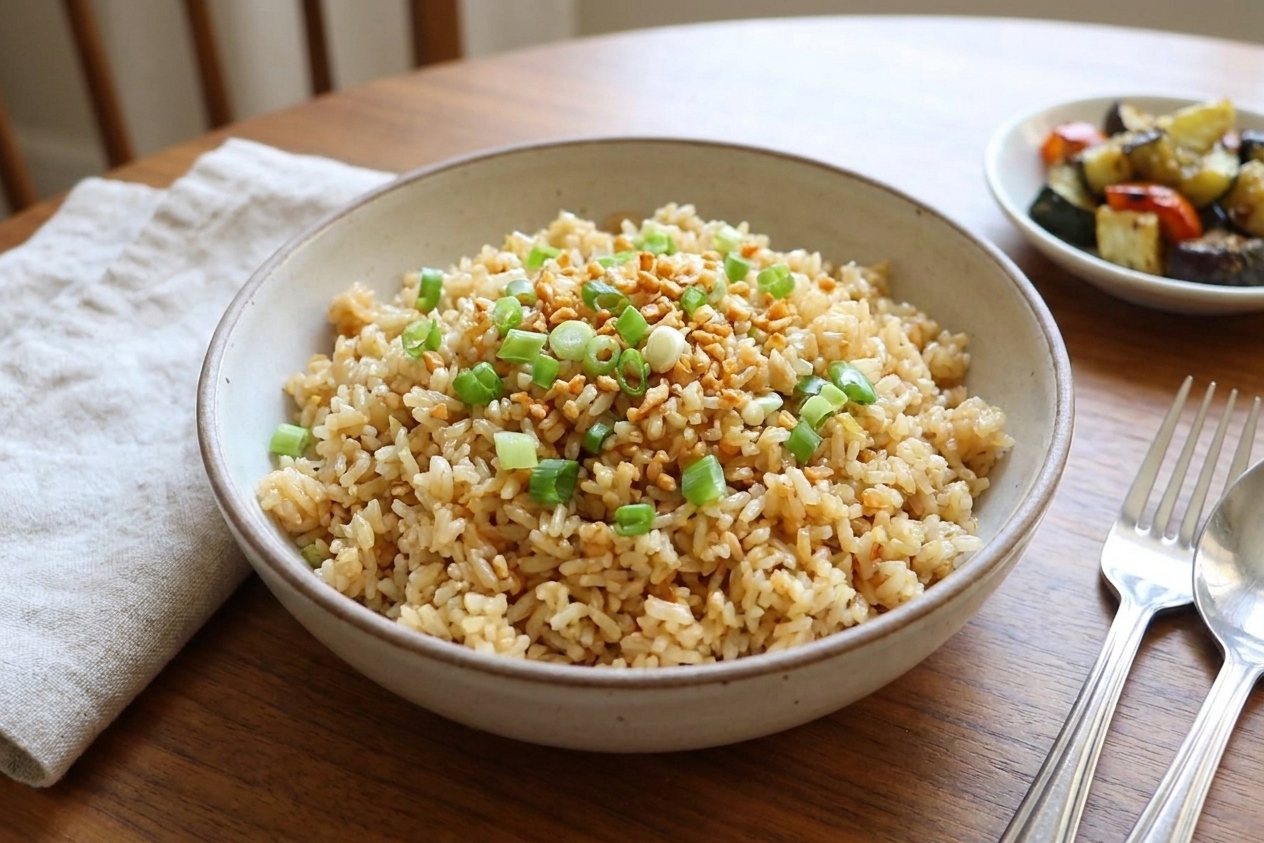
Steamed jasmine rice is the classic. It is also great with garlic rice, sautéed green beans, bok choy, or a simple cucumber salad to cut the richness.