Mom's Best Recipes
Recipe

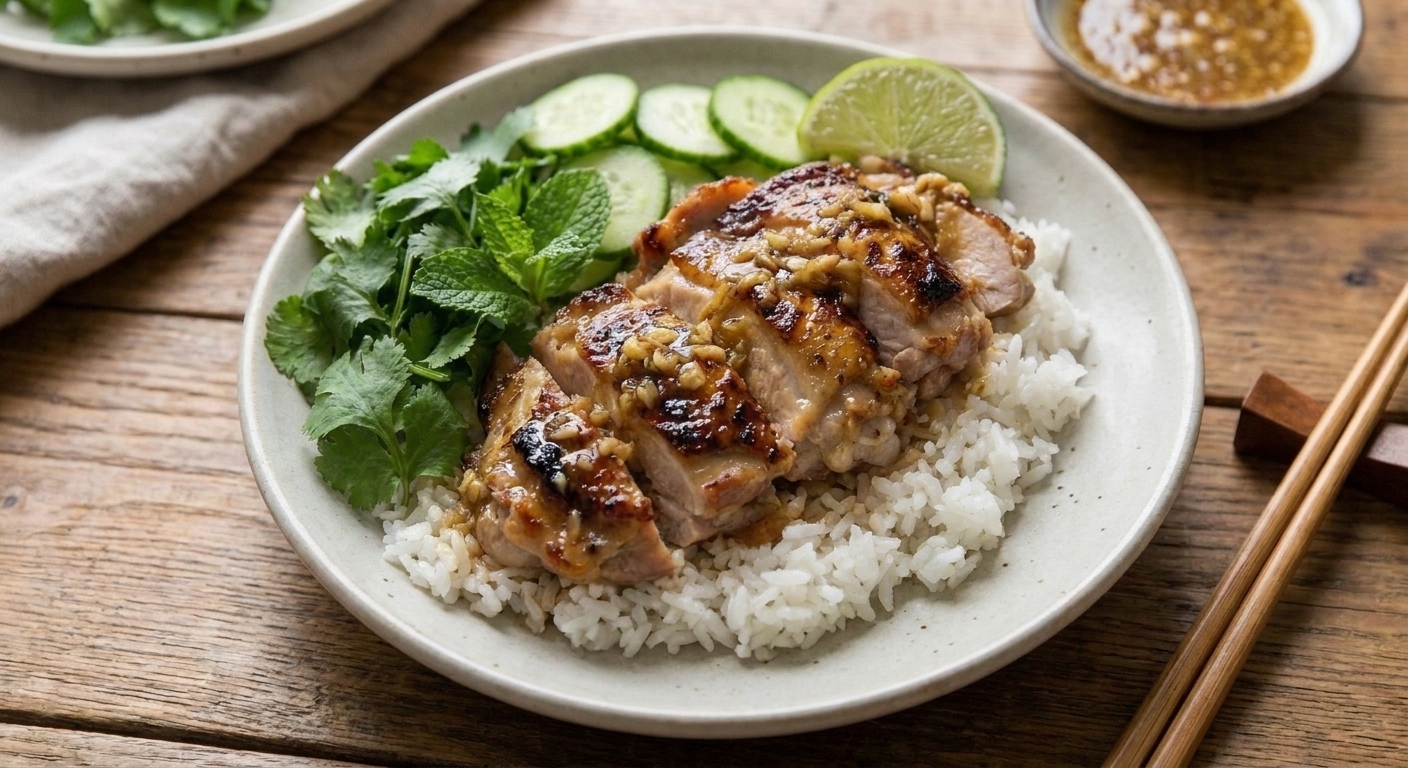
Filipino Lechon Belly

Crispy skin, juicy garlic lemongrass pork, and a tangy-sweet lechon sauce that makes every bite feel like a celebration.

Author By Matt Campbell
4.8
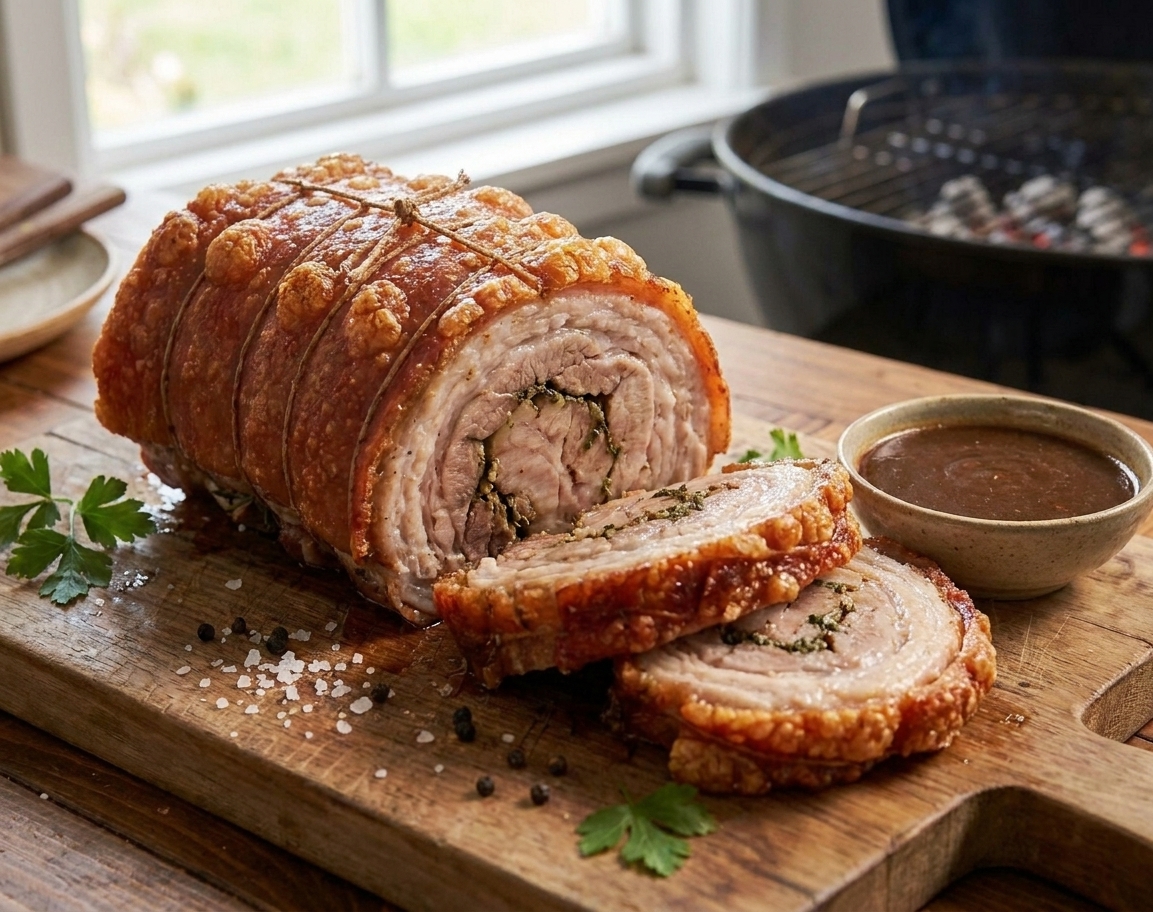
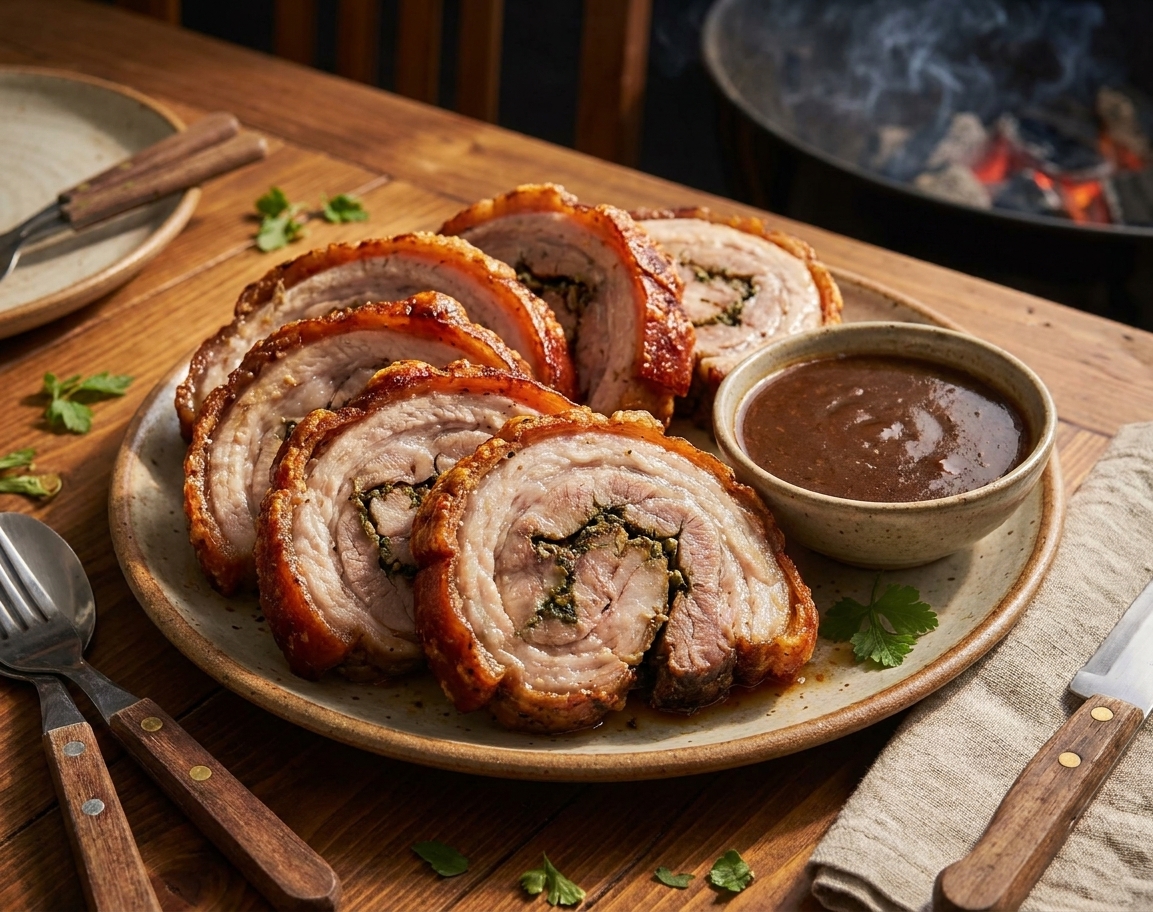
A platter of sliced Filipino lechon belly with deeply blistered crispy skin, juicy pork layers, and a small bowl of lechon sauce on a warmly lit dining table

Lechon is the kind of food that turns a regular day into a small holiday. In the Philippines, the full roasted pig is the big-ticket centerpiece, but at home we can chase that same magic with lechon belly: pork belly rolled tight with aromatics, roasted until the skin goes glassy-crisp, then sliced into those dangerously snackable pieces.

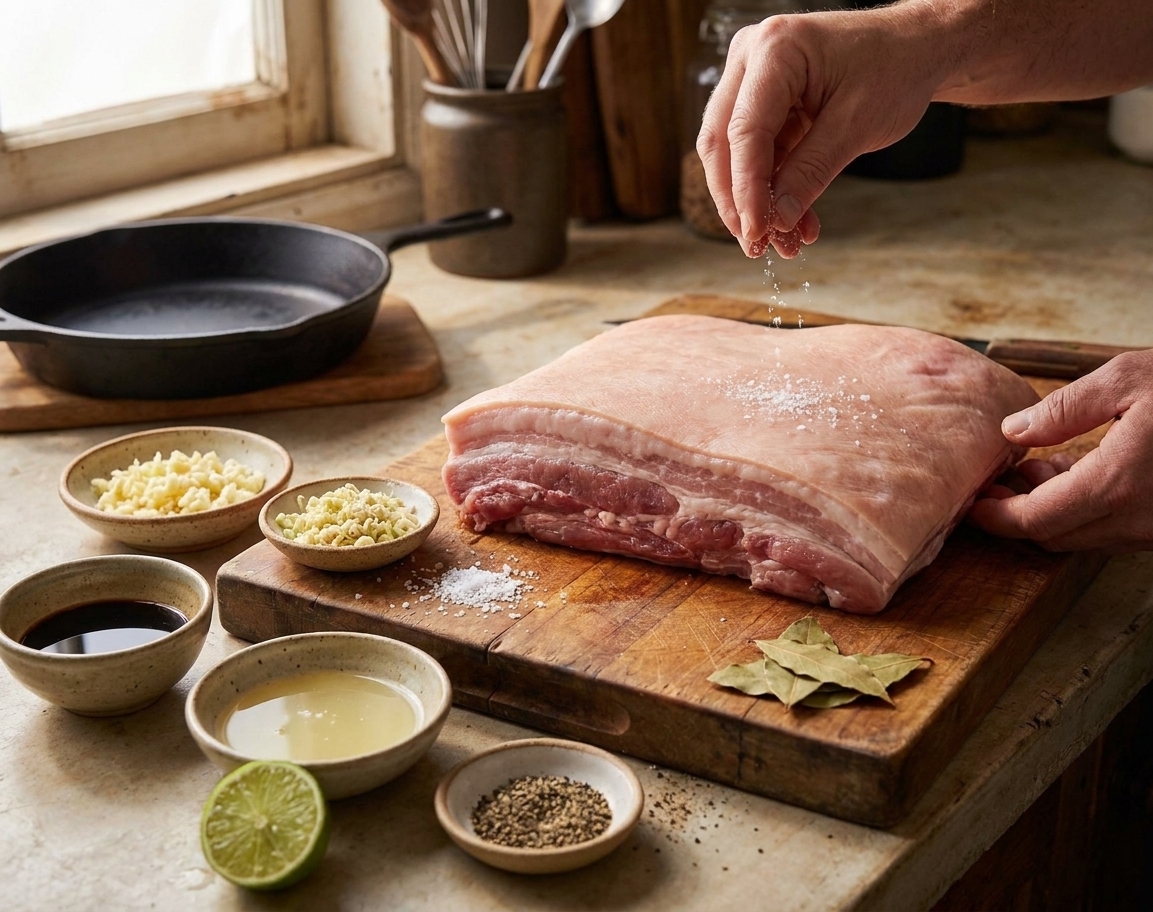
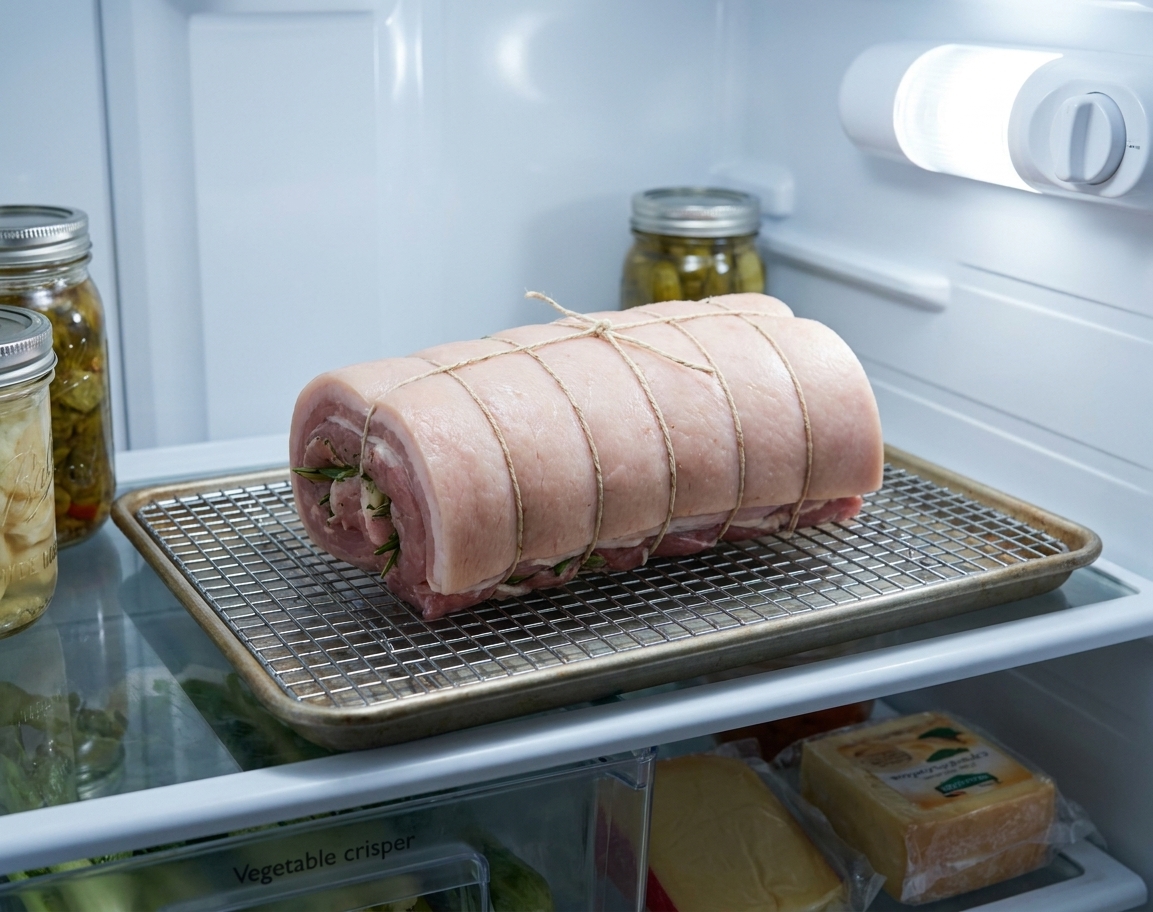
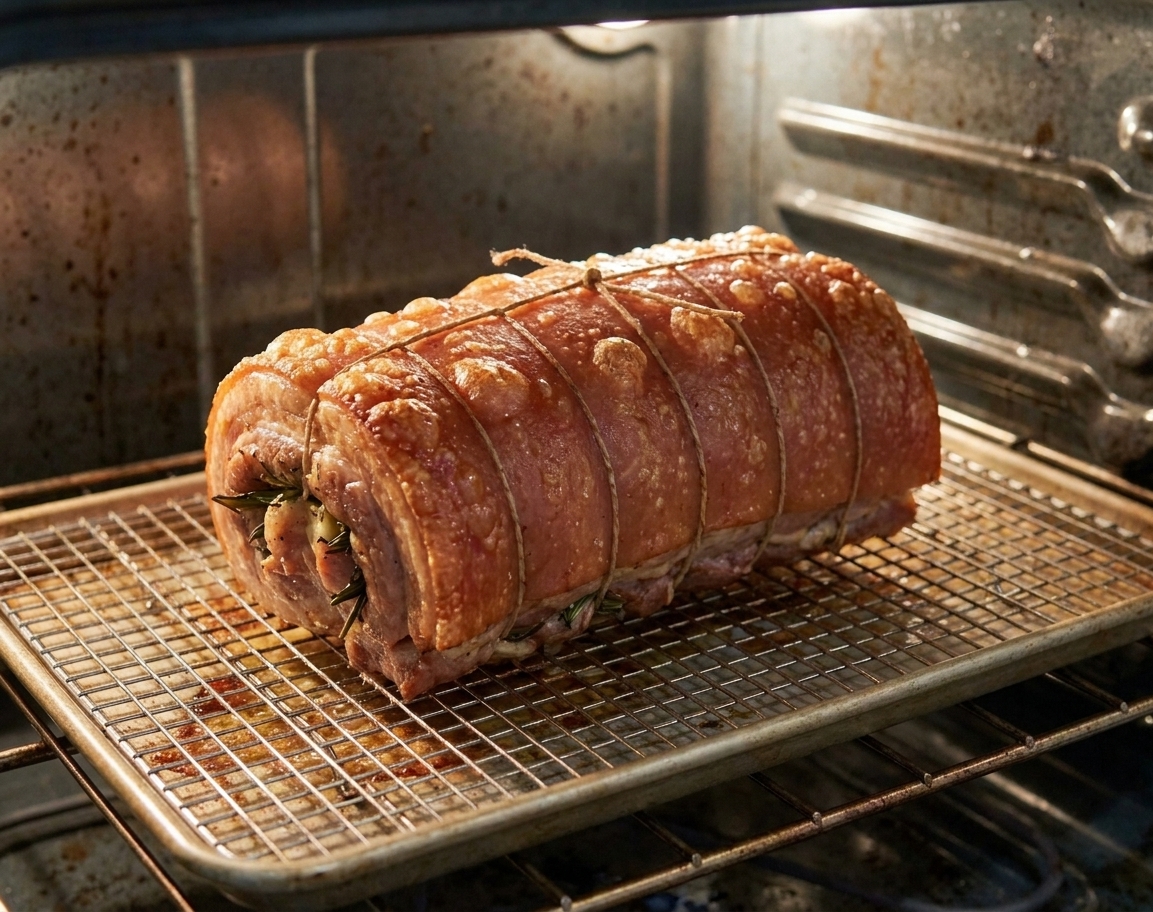
This version keeps the ingredients accessible and the steps clear, with the one non-negotiable truth: dry skin equals crispy skin. We are going to salt it, chill it uncovered, and let the fridge do the heavy lifting. Then we roast low to render, and finish hot to crackle.
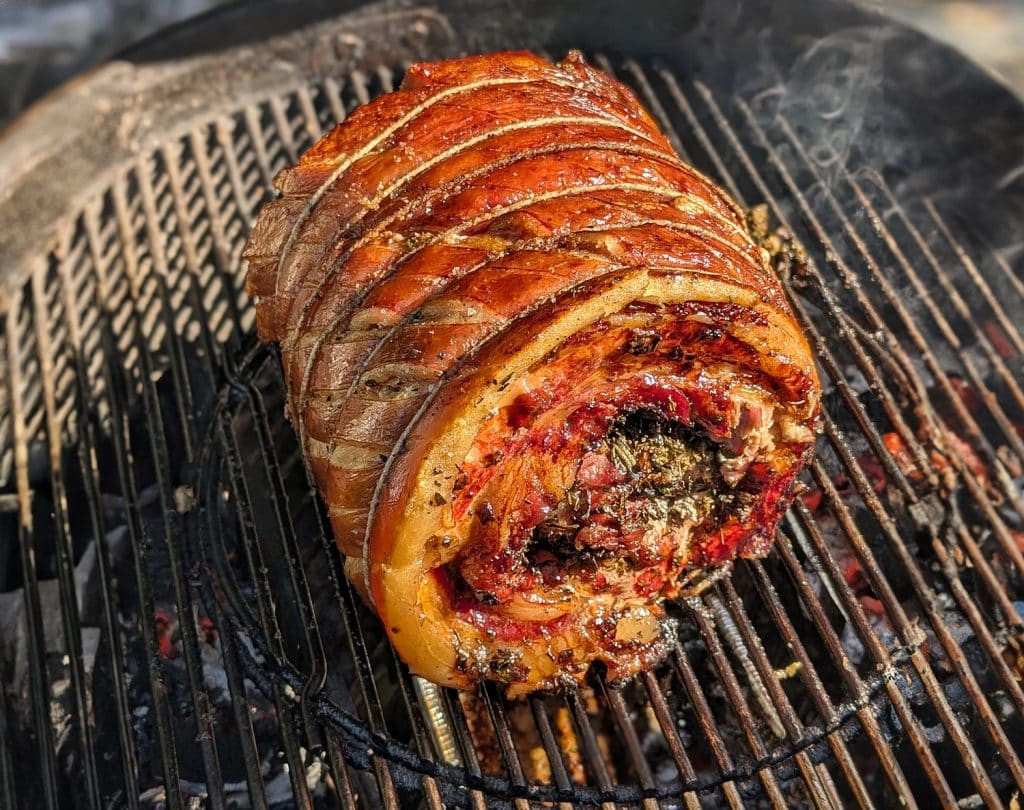
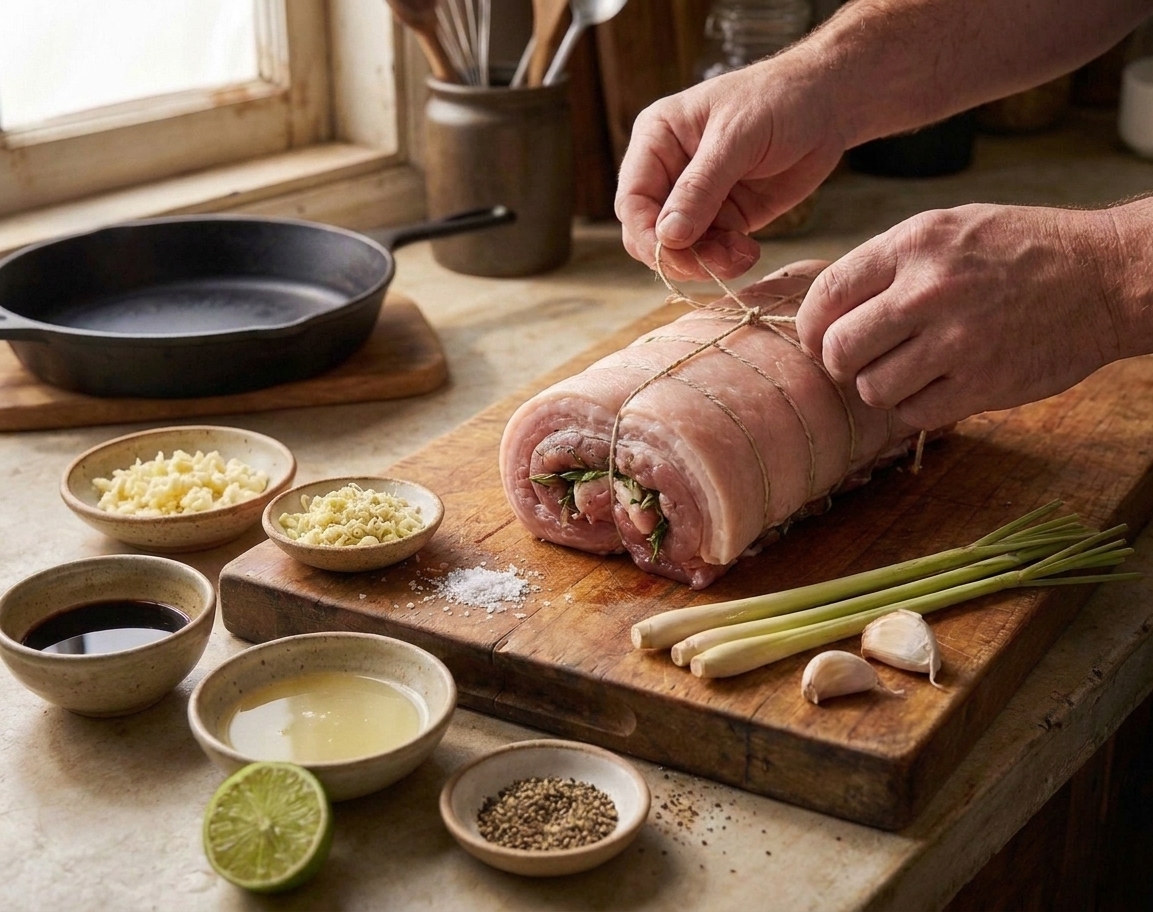
A raw pork belly rolled into a tight log and tied with kitchen twine on a wooden cutting board with garlic, lemongrass, and bay leaves nearby

Why It Works

  • Real crackling at home: Drying the skin overnight and using a two-temperature roast gets you that signature crisp.
  • Juicy, seasoned meat: Garlic, lemongrass, soy, and citrus deeply season the meat, and the flavor blooms as it roasts.
  • Built-in party portions: Rolled belly slices cleanly, serves a crowd, and reheats better than you would think.
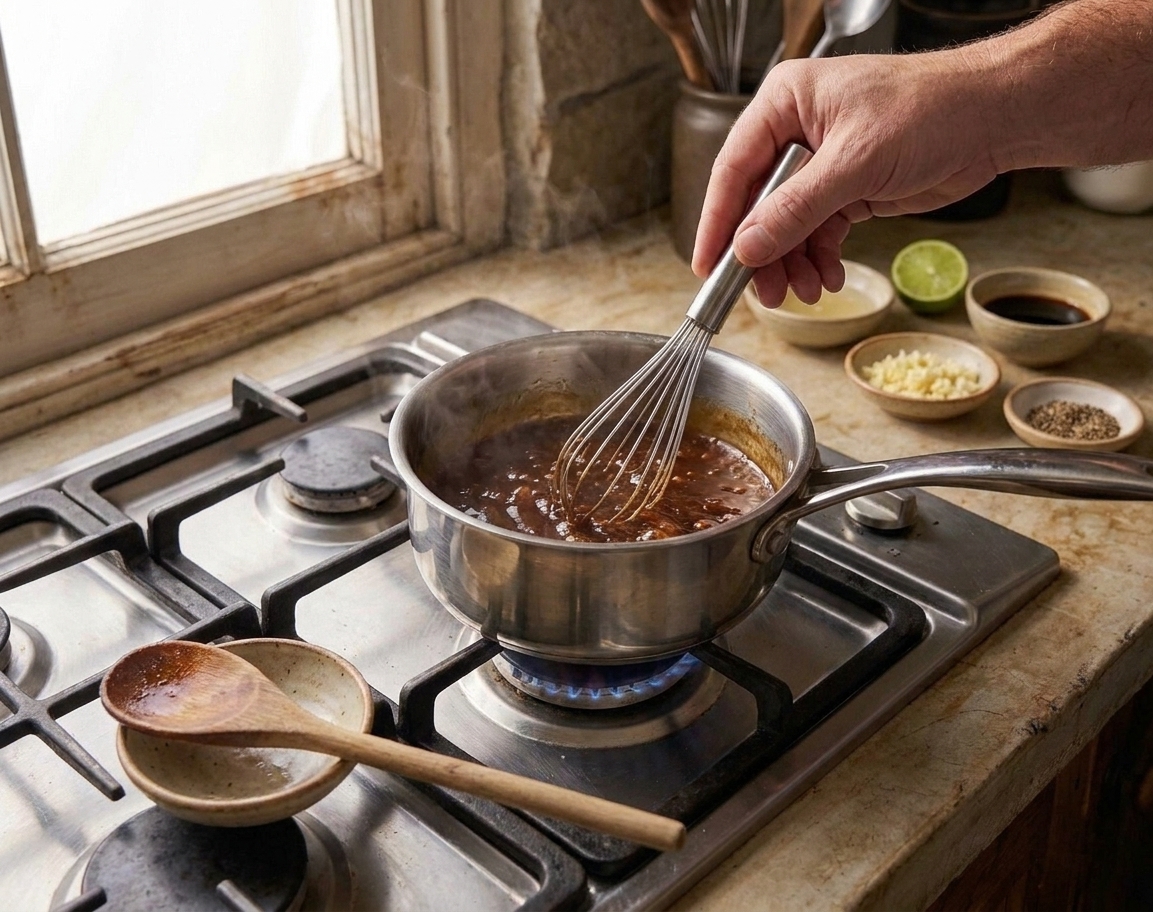
  • Lechon sauce included: A bright, tangy-sweet sauce that pulls everything together even if your skin is not 100 percent perfect.

Pairs Well With

Storage Tips

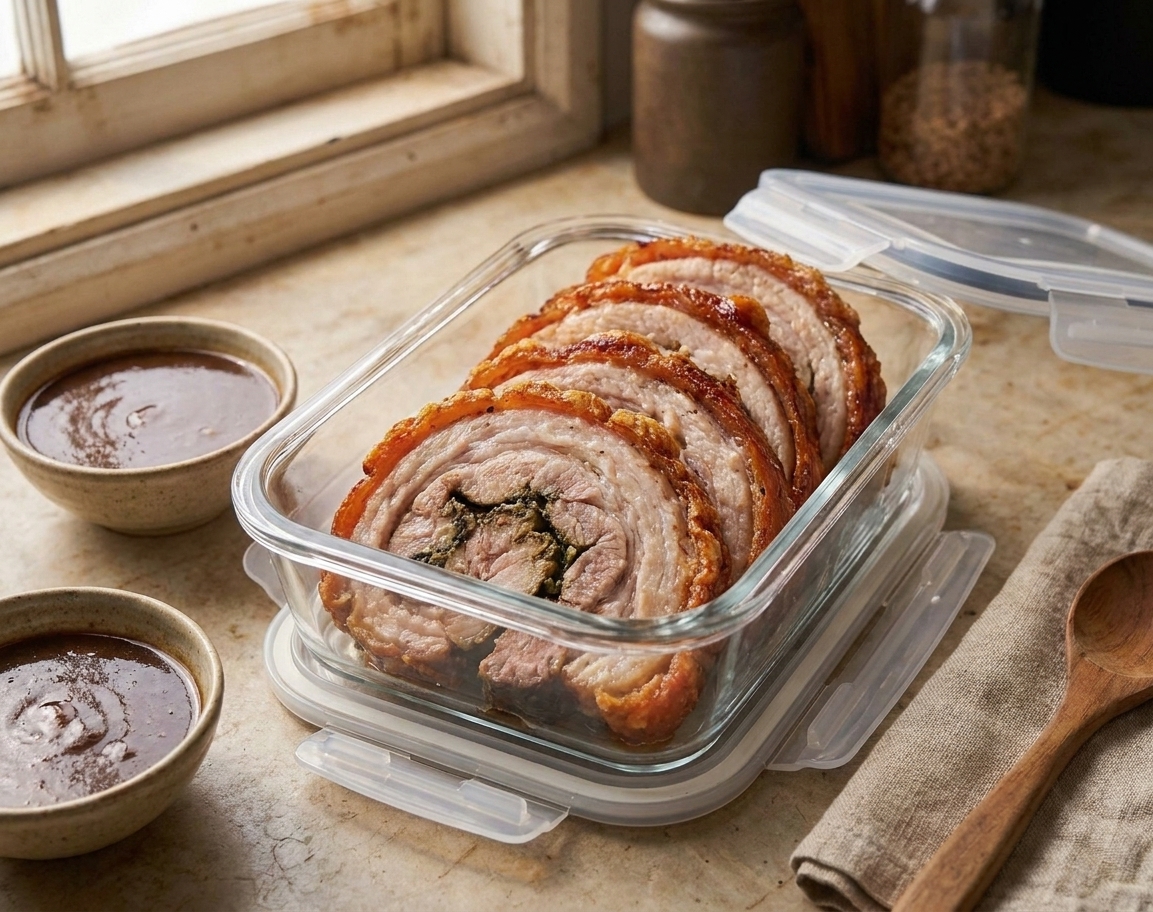
Refrigerate: Cool sliced lechon belly completely, then store in an airtight container for up to 3 to 4 days. Keep sauce separate.

Freeze: Freeze sliced portions (or a whole chunk) tightly wrapped for up to 2 months. Thaw overnight in the fridge.

Reheat for crisp skin: Put slices skin-side up on a rack over a sheet pan. Reheat at 400°F for 8 to 12 minutes until hot and re-crisped. If you have an air fryer, do 375°F for 4 to 7 minutes. Microwave works for the meat, but it will soften the skin.

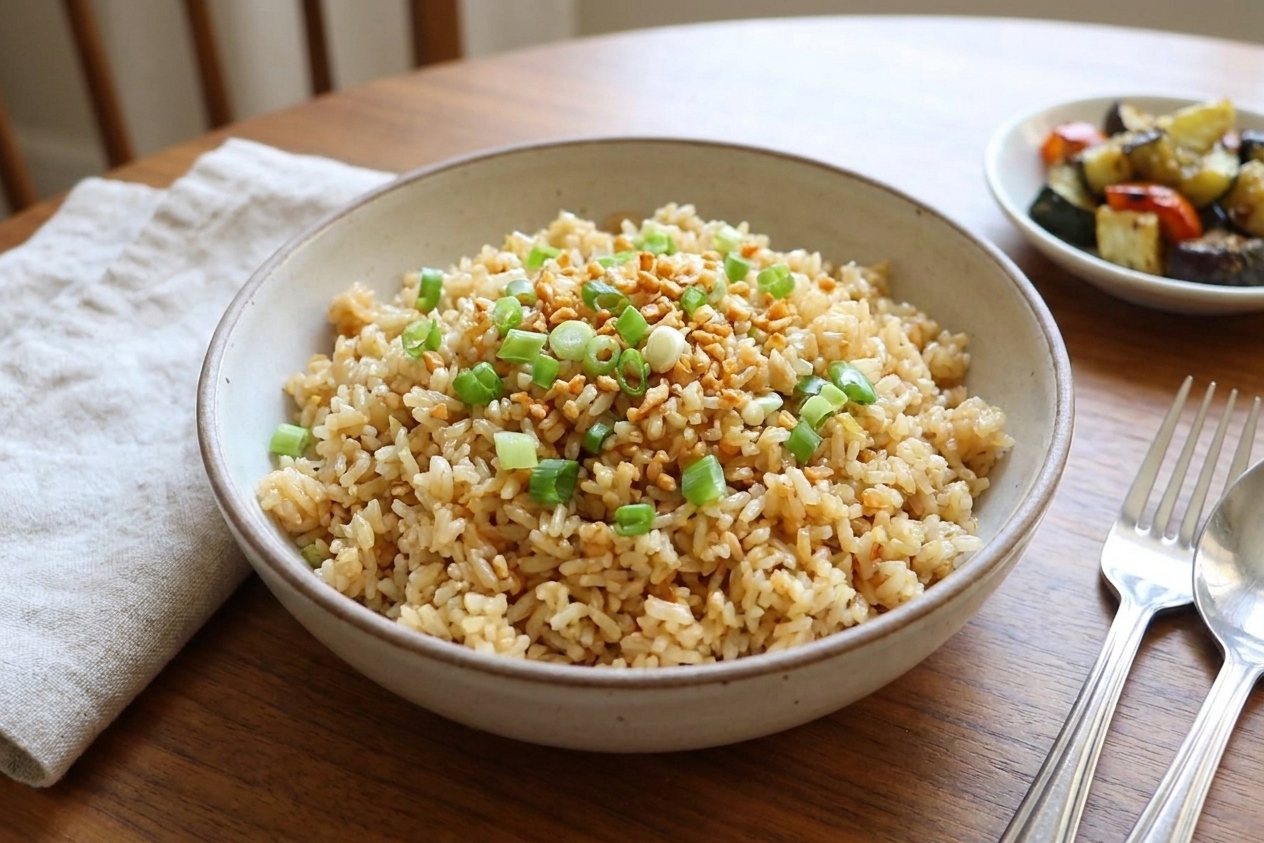
Bonus: Save the rendered fat from the pan. Strain it and stash it in the fridge, then use it for garlic rice. Future-you will be very pleased.

Sliced lechon belly stored in a clear airtight container on a kitchen counter with a separate small container of sauce

Common Questions

What is Filipino lechon?

Lechon is a Filipino-style roast (traditionally a whole pig) known for crisp skin and fragrant, savory meat. Lechon belly is the home-cook friendly version that delivers the same vibe without a spit.

Is lechon belly the same as porchetta?

They are cousins, not twins. Both are rolled pork belly with aromatics, but lechon belly leans Filipino with lemongrass, garlic, bay leaf, soy, and citrus, and it is commonly served with lechon sauce.

How do I get the skin really crispy?

  • Dry it uncovered in the fridge at least 12 hours.
  • Make sure the skin is as dry as possible before it goes in the oven.
  • Keep the skin salted, and avoid getting the skin wet with marinades.
  • Finish at high heat to blister and crackle.

Do I need to poke holes in the skin?

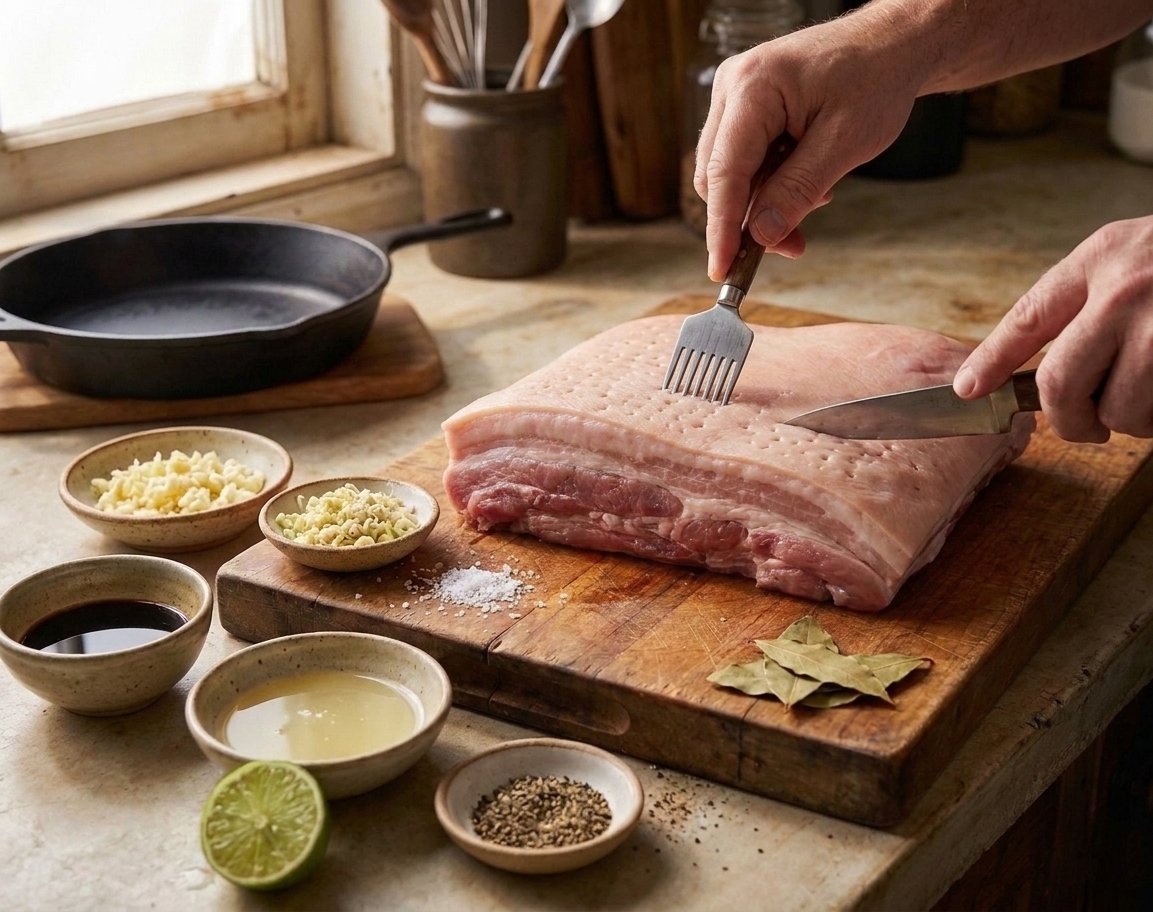
Not required, but it helps. Pricking the skin all over with a skewer encourages bubbling and helps render fat. If you prefer scoring, keep it shallow and cut only the skin, not the meat.

What temperature is lechon belly “done”?

Pork is food-safe at 145°F with a rest, but pork belly is at its best when cooked higher so the fat renders and the meat turns tender. I aim for 180°F to 195°F in the thickest part for that sliceable, juicy tenderness.

What can I serve with lechon?

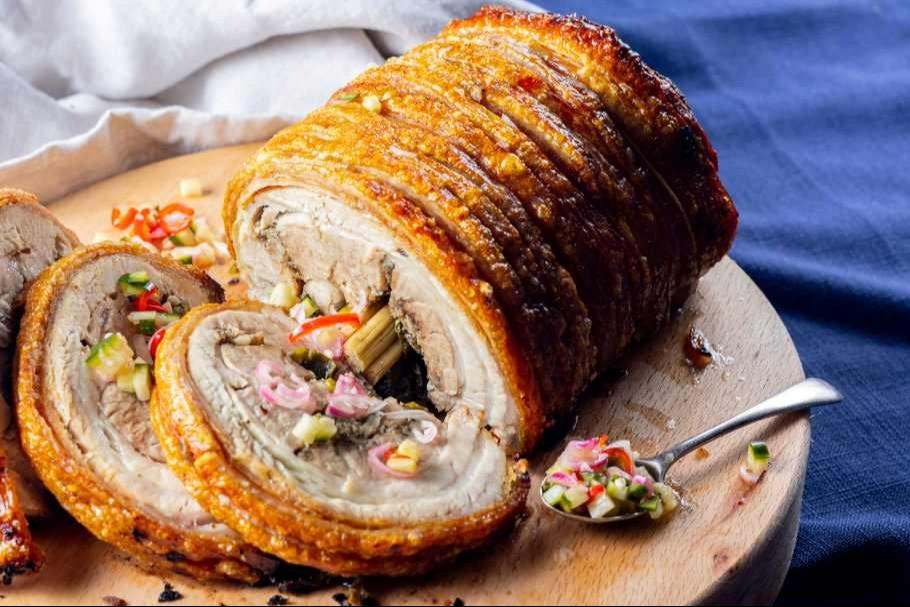
At my house: garlic rice, a quick cucumber salad, and something bright and acidic like pickled onions. Classic Filipino pairings include rice, atsara (pickled papaya), and extra lechon sauce.

The first time I tried to make lechon at home, I did what every overconfident home cook does. I marinated everything together, skin included, then wondered why my “crispy” skin came out looking like a sad raincoat. The fix was simple and kind of annoying: treat the skin like it is on a different team. Dry it, salt it, give it air, then blast it at the end. Now this is my go-to when I want that celebration energy without committing to a whole pig or a backyard setup.