Mom's Best Recipes
Recipe

Lechon Belly (Oven-Roasted)

A home-kitchen lechon that delivers crisp, bubbly skin and juicy pork belly with a garlicky lemongrass rub.

Author By Matt Campbell
4.8
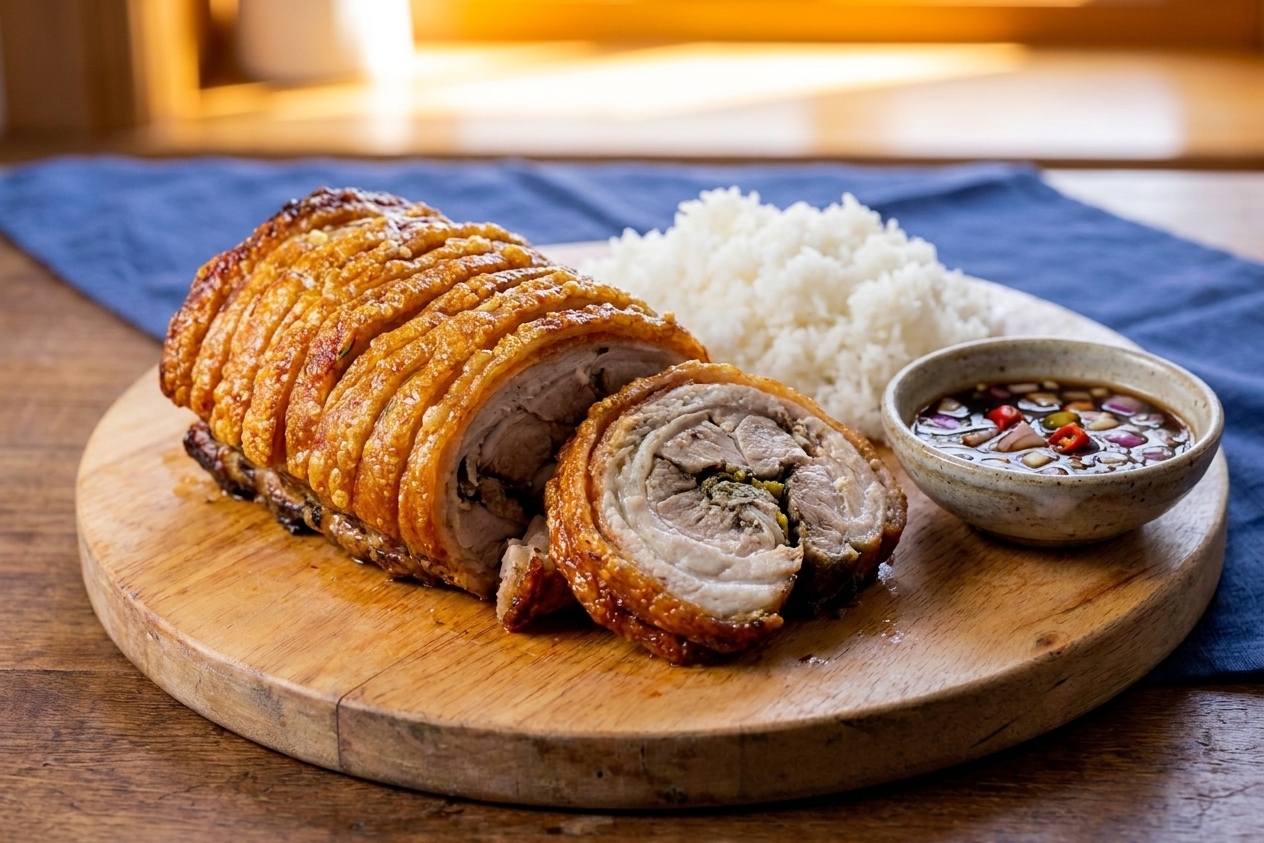
A golden, blistered lechon pork belly roast on a cutting board with a small bowl of liver sauce on the side, warm kitchen lighting

Lechon is one of those dishes that shows up and instantly changes the whole mood of the table. The skin crackles. The meat stays juicy. People suddenly become very serious about “just a small piece” and then somehow return for three more.

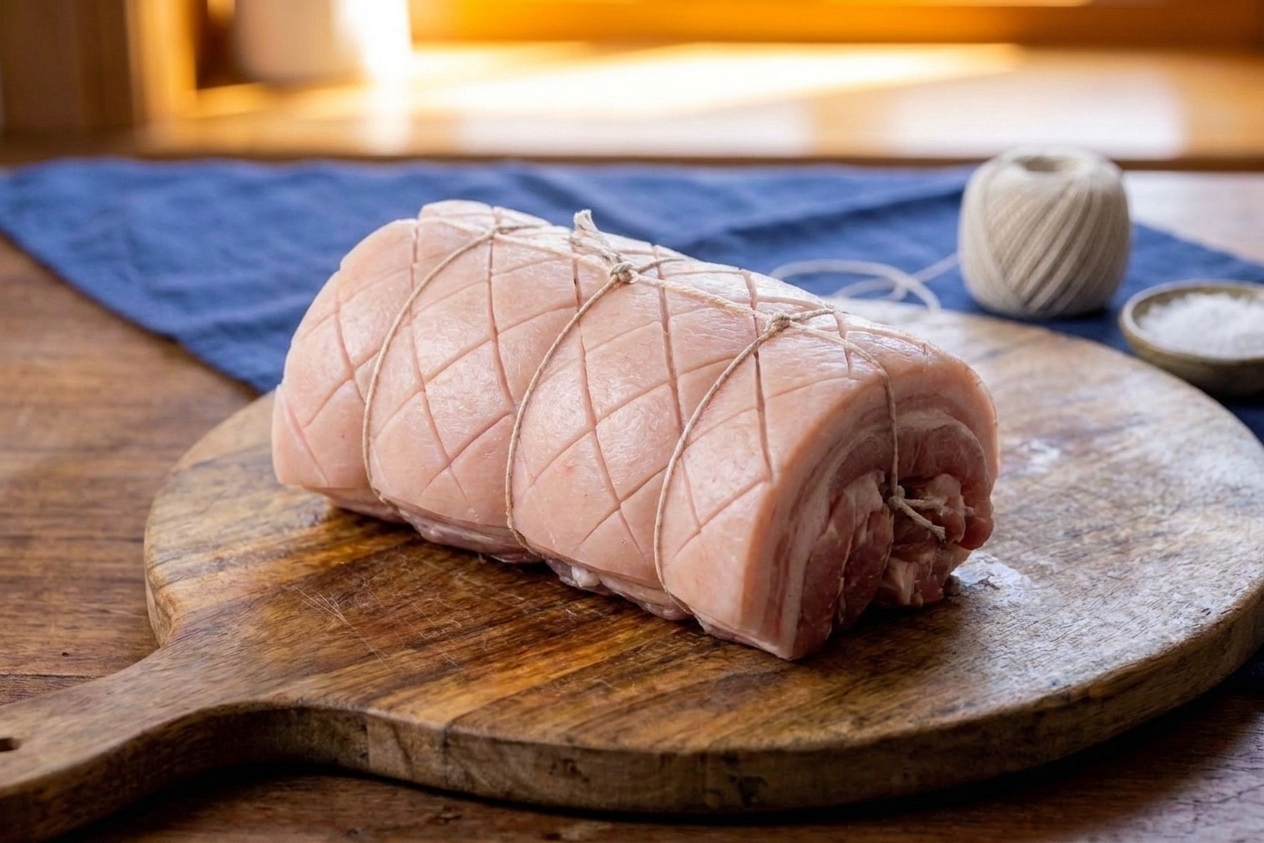
Traditional lechon is whole-roasted and absolutely worth celebrating. But this version is for real life home kitchens. We’re doing lechon belly in the oven, rolled tight, seasoned boldly, and roasted in a way that gets you that crisp, blistered skin without needing a spit, a pit, or a cousin who owns a giant rotisserie.

My biggest promise here is simple: accessible ingredients, clear steps, and a few small tricks that make the difference between “pretty good pork” and “why is this skin making ASMR noises when I cut it.”

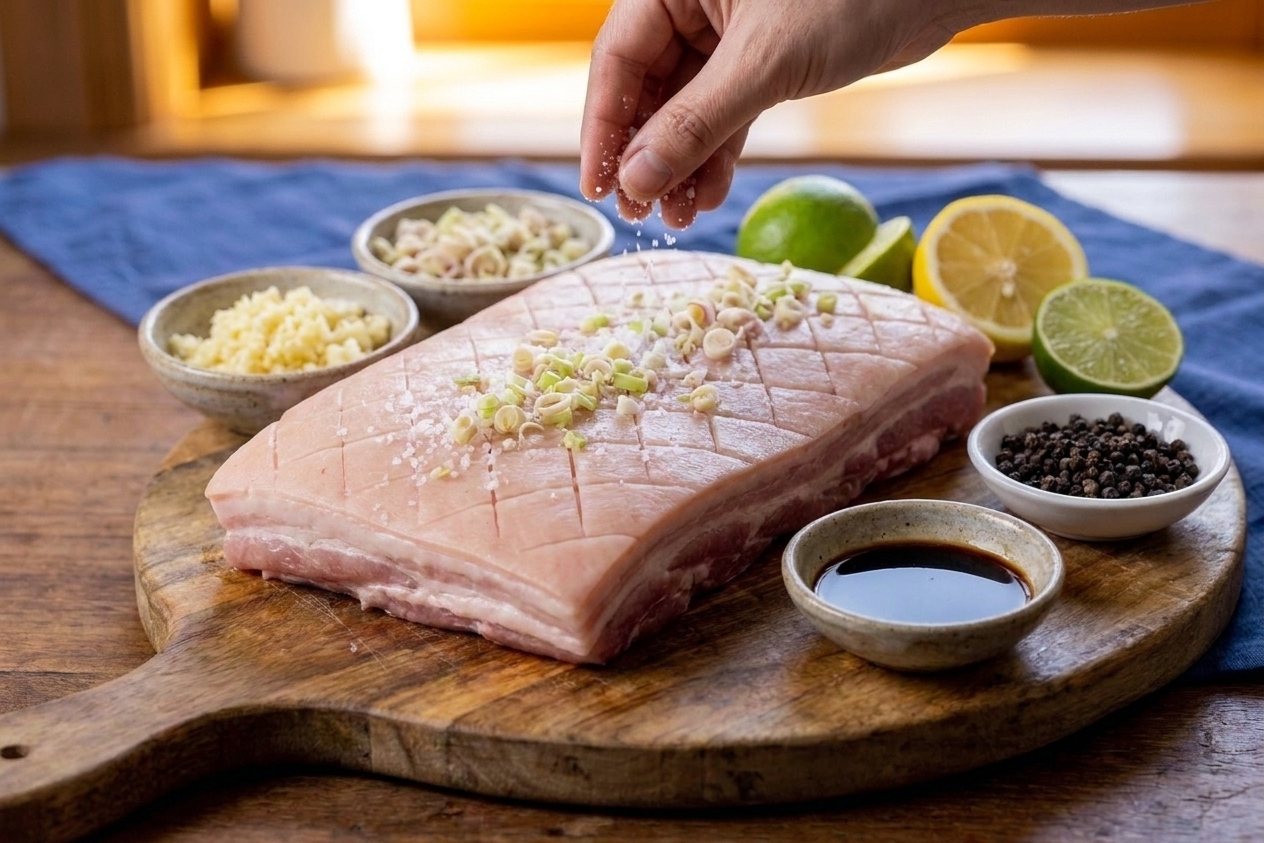
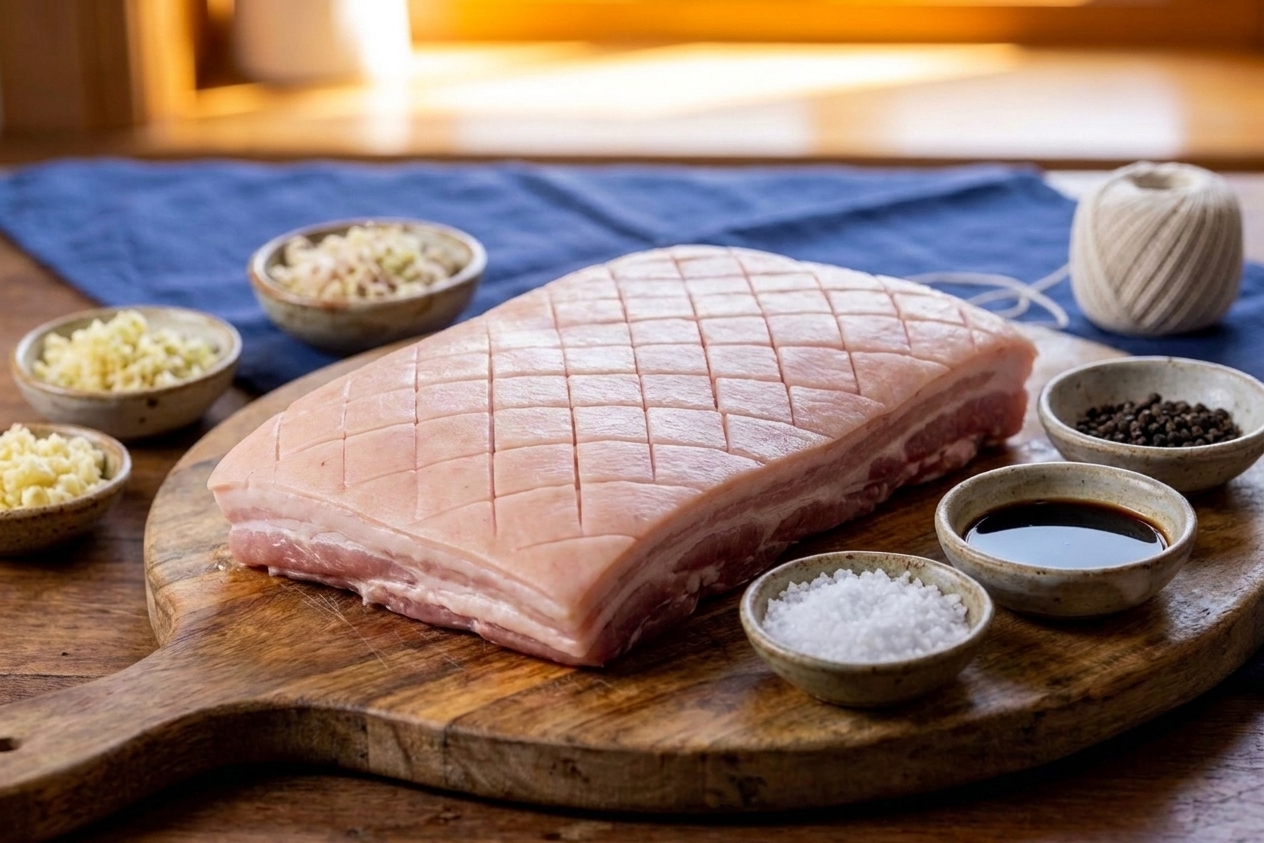
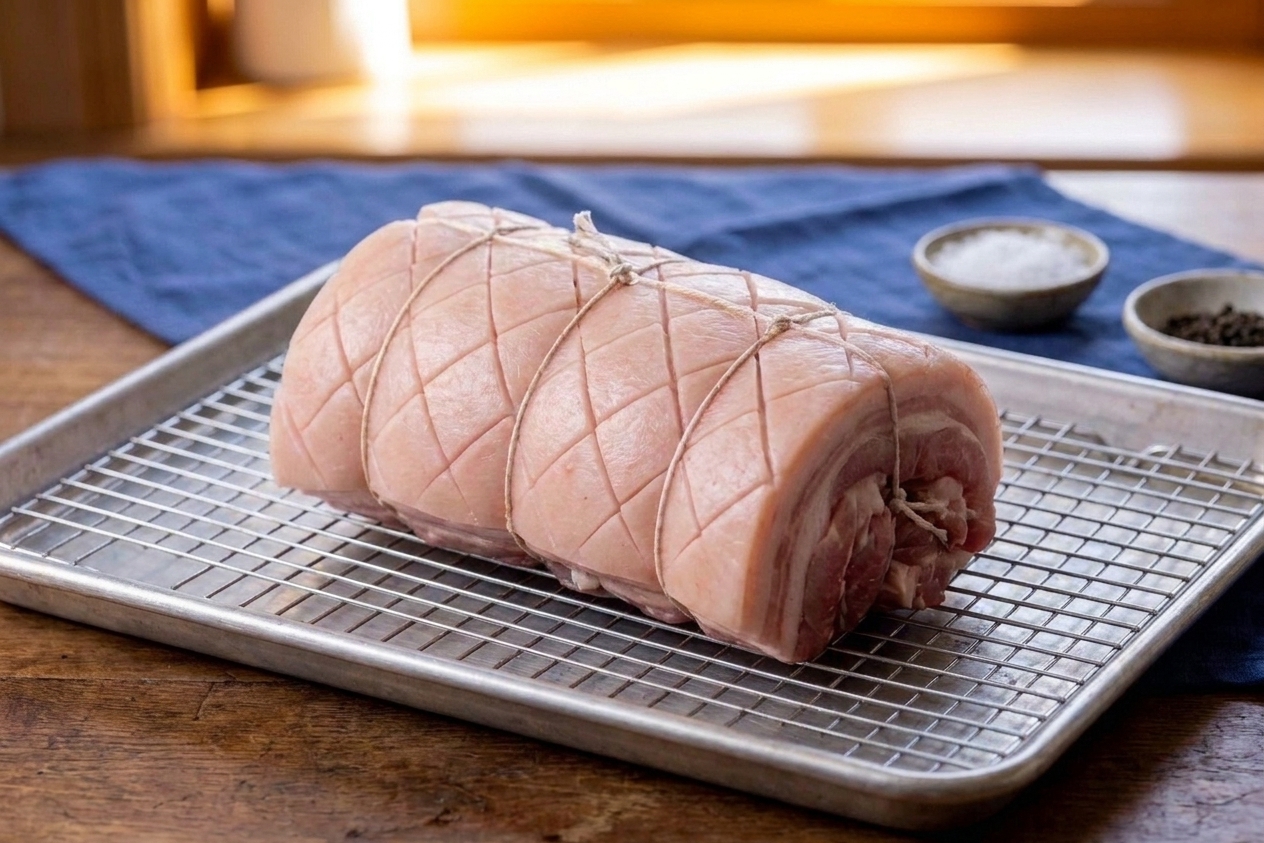
Pork belly slab with garlic, lemongrass, salt, pepper, soy sauce, and citrus laid out for seasoning

Why It Works

  • Crispy skin you can hear: We dry the skin, salt it, and finish hot so it blisters instead of turning chewy.
  • Juicy meat: Rolling the belly keeps the inside tender while the outside gets all the roast action.
  • Big flavor without hard-to-find stuff: Garlic, lemongrass, soy sauce, and citrus build that lechon-style punch with grocery-store friendly ingredients.
  • Low drama timing: A steady roast, then a high-heat finish. No constant basting, no guessing.

Pairs Well With

Storage Tips

Storage Tips for Leftover Lechon

  • Food safety note: Cool leftovers quickly and refrigerate within 2 hours (sooner if your kitchen is warm).
  • Fridge: Wrap tightly or store in an airtight container for up to 4 days. Keep skin-side pieces separate if you can so they stay less soggy.
  • Freezer: Freeze sliced lechon (meat and skin together is fine) for up to 2 months. Thaw overnight in the fridge.
  • Best reheat for crispy skin: Place slices on a wire rack over a sheet pan and reheat at 400°F (about 205°C) for 8 to 12 minutes. If the skin needs help, hit it with 1 to 3 minutes under the broiler, watching closely.
  • Microwave note: Great for warming the meat fast, terrible for crisp skin. If you must, microwave the meat, then crisp the skin in a hot oven or air fryer.

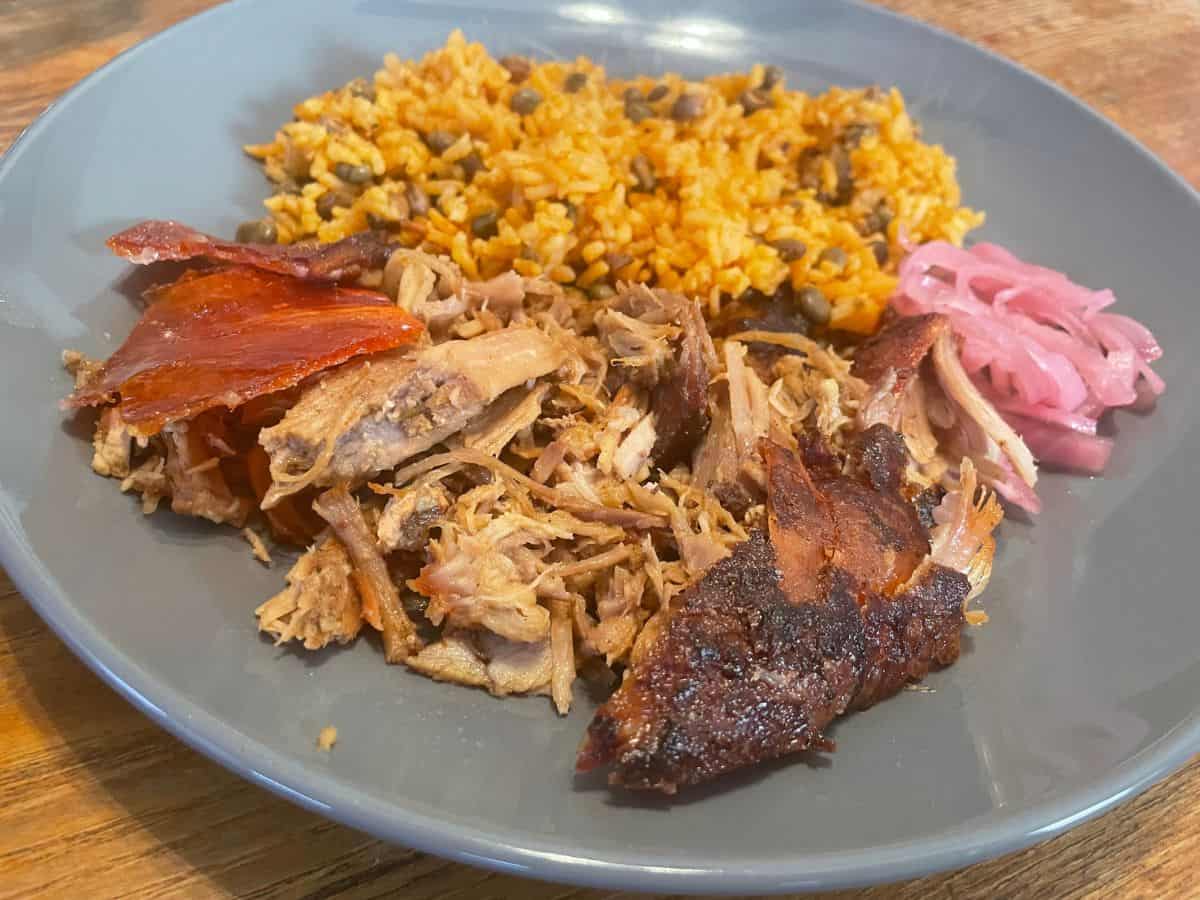
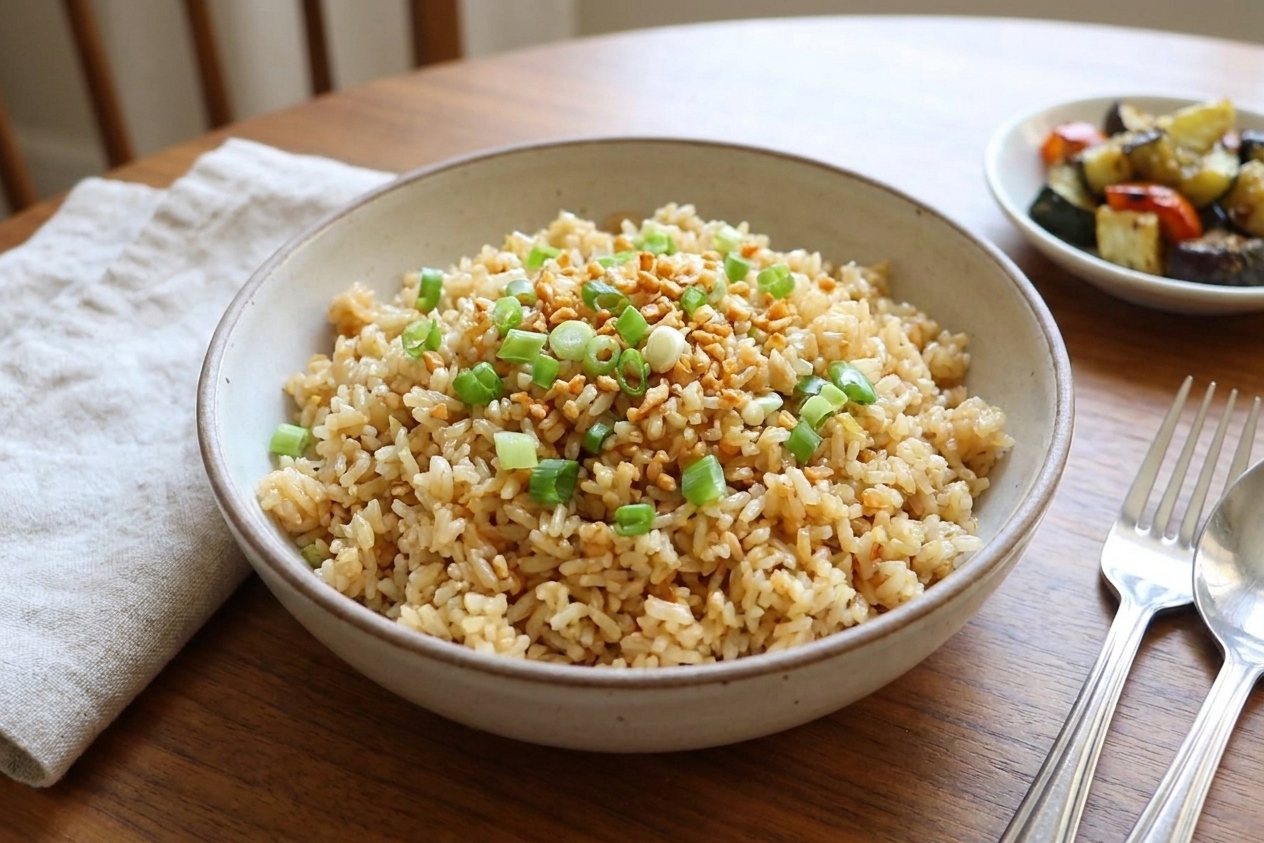
Leftover move: Chop lechon and fry it in a skillet until the edges crisp again. Pile onto rice with a squeeze of calamansi or lime.

Common Questions

Common Questions

What is lechon, exactly?

Lechon is a style of roasted pork (often whole pig) known for ultra-crispy skin and flavorful meat. This recipe focuses on lechon belly, a home-friendly cut that still gives you the best parts: crackly skin and juicy richness.

How do I get the skin really crispy?

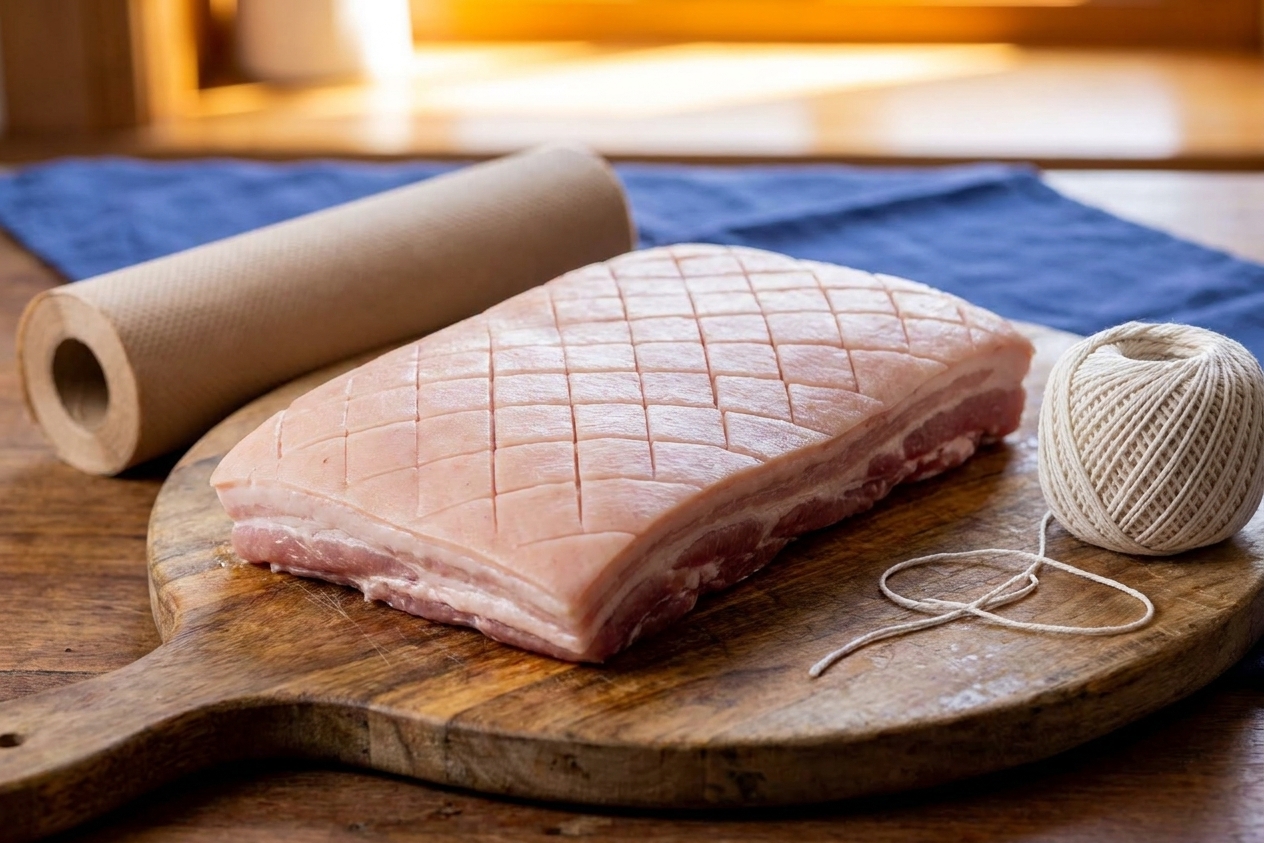
Three things: dry skin, salt, high heat at the end. Pat the skin very dry, salt it, and roast uncovered. If you have time, leave the rolled and tied belly uncovered in the fridge for several hours or overnight. Then finish hot (or broil briefly) to blister.

Do I need to poke holes in the skin?

It helps. Lightly pricking the skin encourages bubbling and renders fat. Use a skewer or metal pick and aim for the skin only. Do not punch down into the meat, or juices can rise up and soften the crackle.

What internal temp should I aim for?

This one is about texture. Pork is considered safe when it reaches 145°F with a rest, but belly has more fat and connective tissue, so many people prefer it taken higher for tenderness. For sliceable but tender belly, aim for about 165°F to 175°F. For the more traditional, very tender bite, go to 180°F to 190°F.

Can I make this ahead for a party?

Yes. Roast it earlier in the day, then re-crisp right before serving: slice, lay on a rack, and reheat at 425°F for 8 to 10 minutes. It is the difference between “tasty” and “people hovering near the cutting board.”

What sauce goes with lechon?

Classic Filipino lechon is often served with lechon sauce (a sweet savory liver-based sauce). If that is not your thing, try spiced vinegar (sukang sawsawan), calamansi and soy, or even a quick mustardy mayo for sandwiches.

Can I use pork shoulder instead of belly?

You can, but it will not have the same skin-to-meat magic. Belly is the easiest path to crisp skin plus juicy layers. If you use shoulder, plan for a longer cook and accept that the “lechon crackle” will be different.

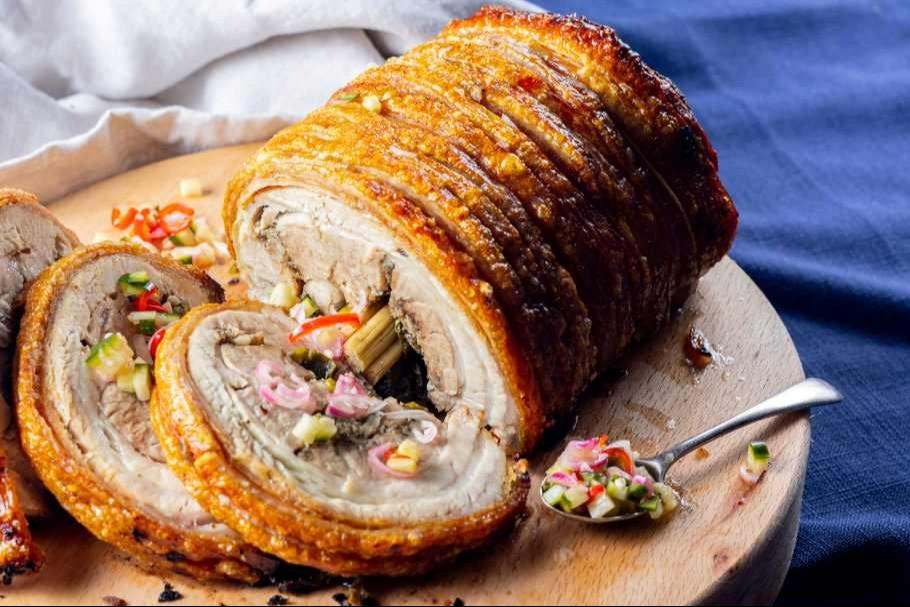
The first time I tried to make lechon at home, I was overly confident and under-prepared. I thought, “How hard can crispy skin be?” Turns out, very hard when you treat it casually. Since then, I’ve leaned into the parts you can control in a normal kitchen: drying the skin like it owes you money, rolling the belly tight so it cooks evenly, and building flavor with aromatics that smell like something worth gathering around.

This is the lechon I make when I want the room to go quiet for a second after the first bite. Not because it is fancy. Because it delivers.