Mom's Best Recipes
Recipe

Filthy Cabbage

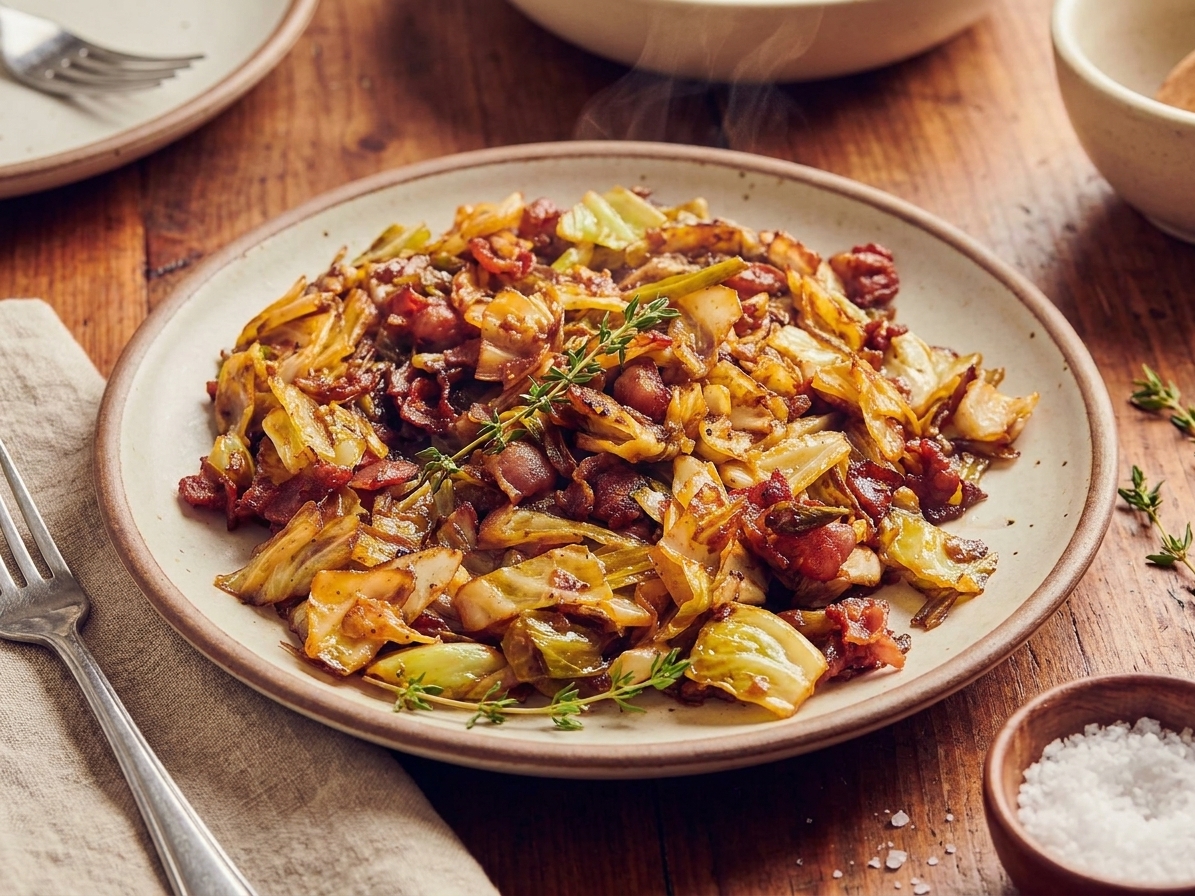
Buttery, garlicky, browned cabbage with crisp edges and a bright vinegar finish.

Author By Matt Campbell
4.8
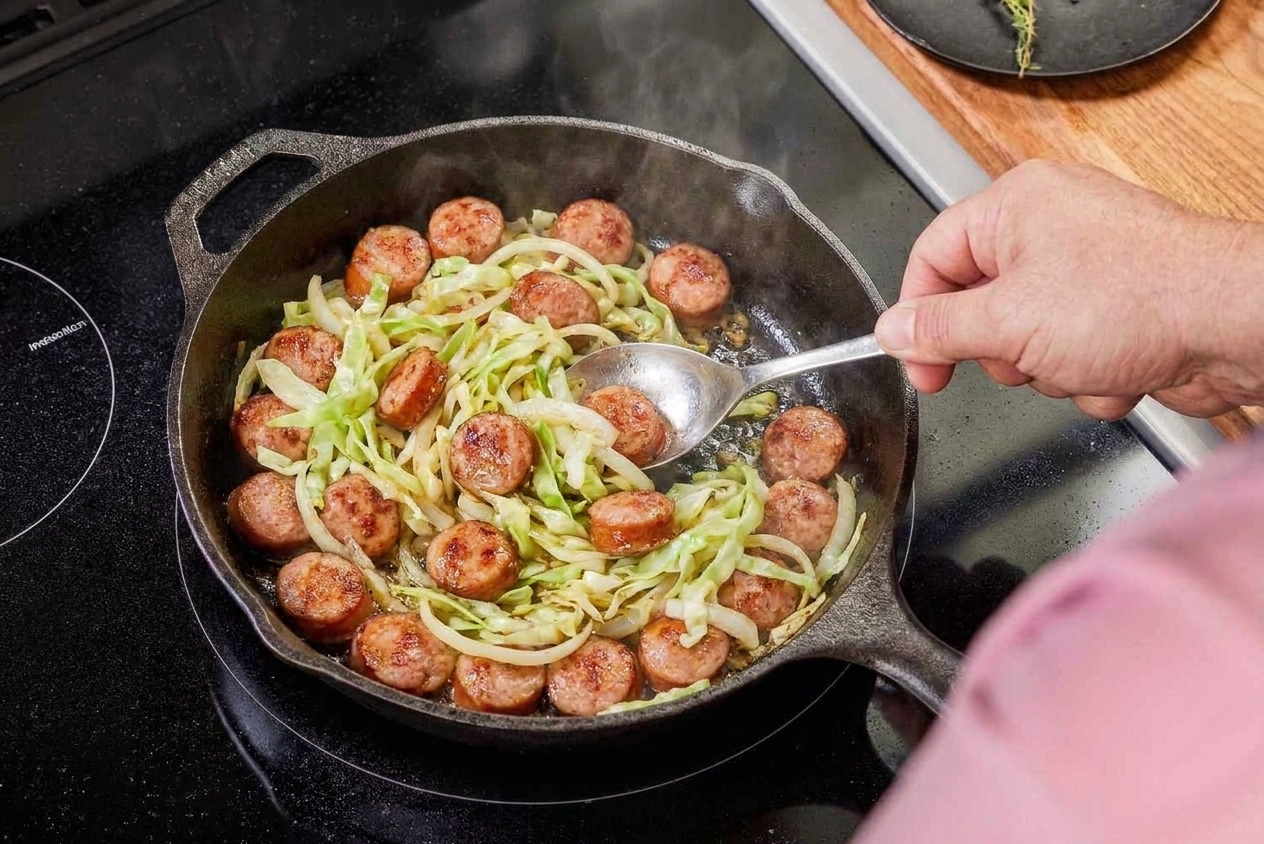
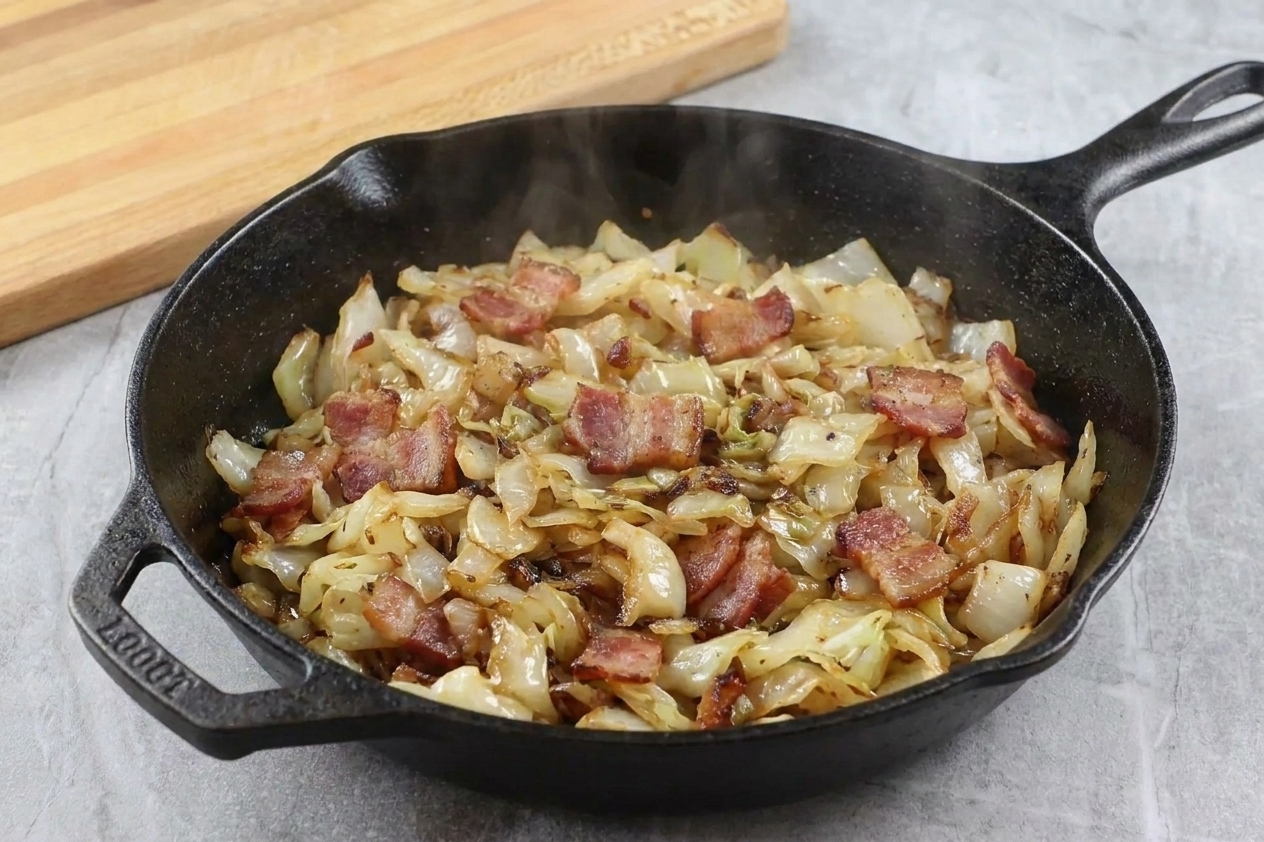
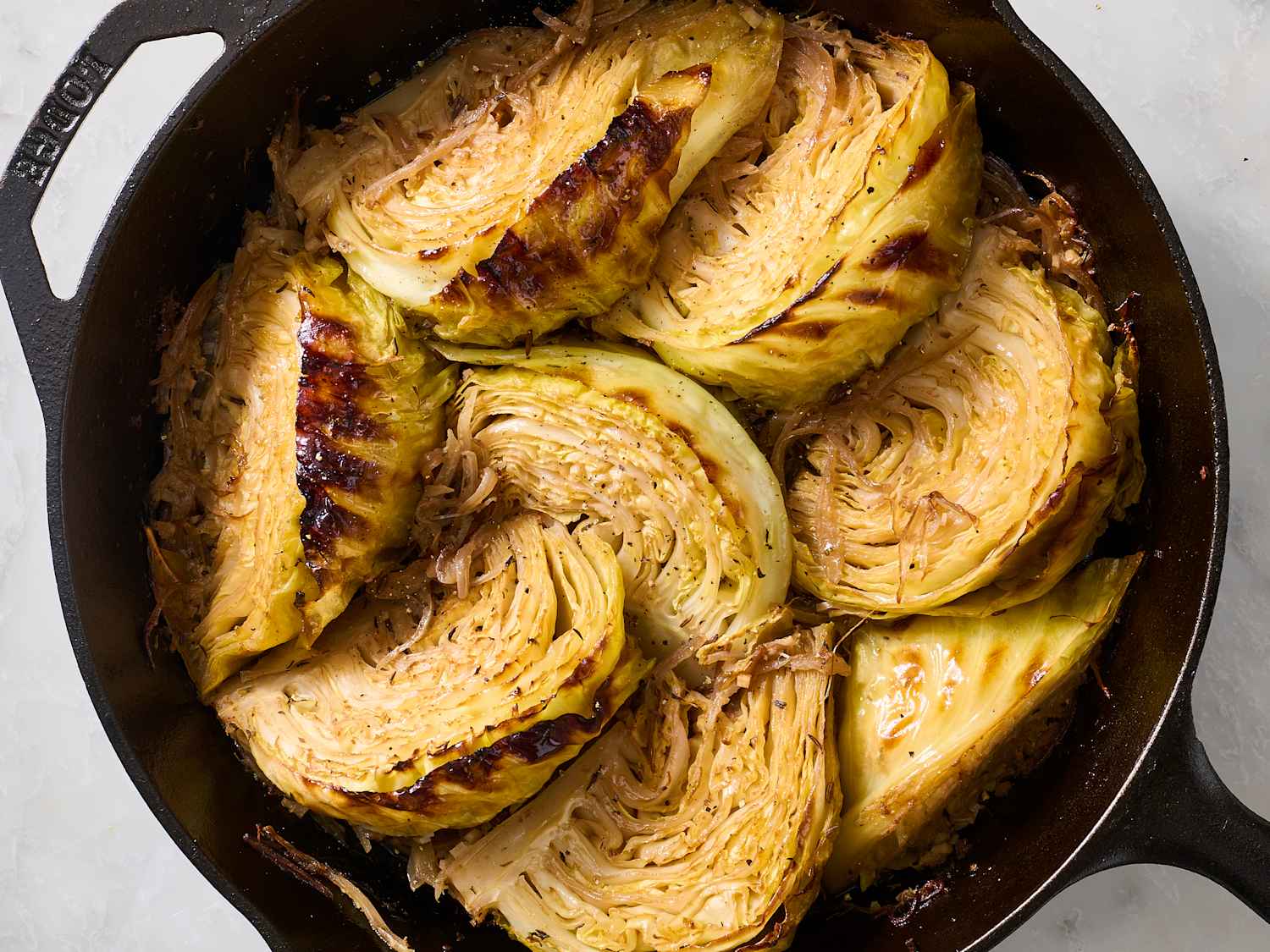
A cast iron skillet filled with caramelized green cabbage and bacon, with crisp browned edges and glossy butter, shot on a warm kitchen counter

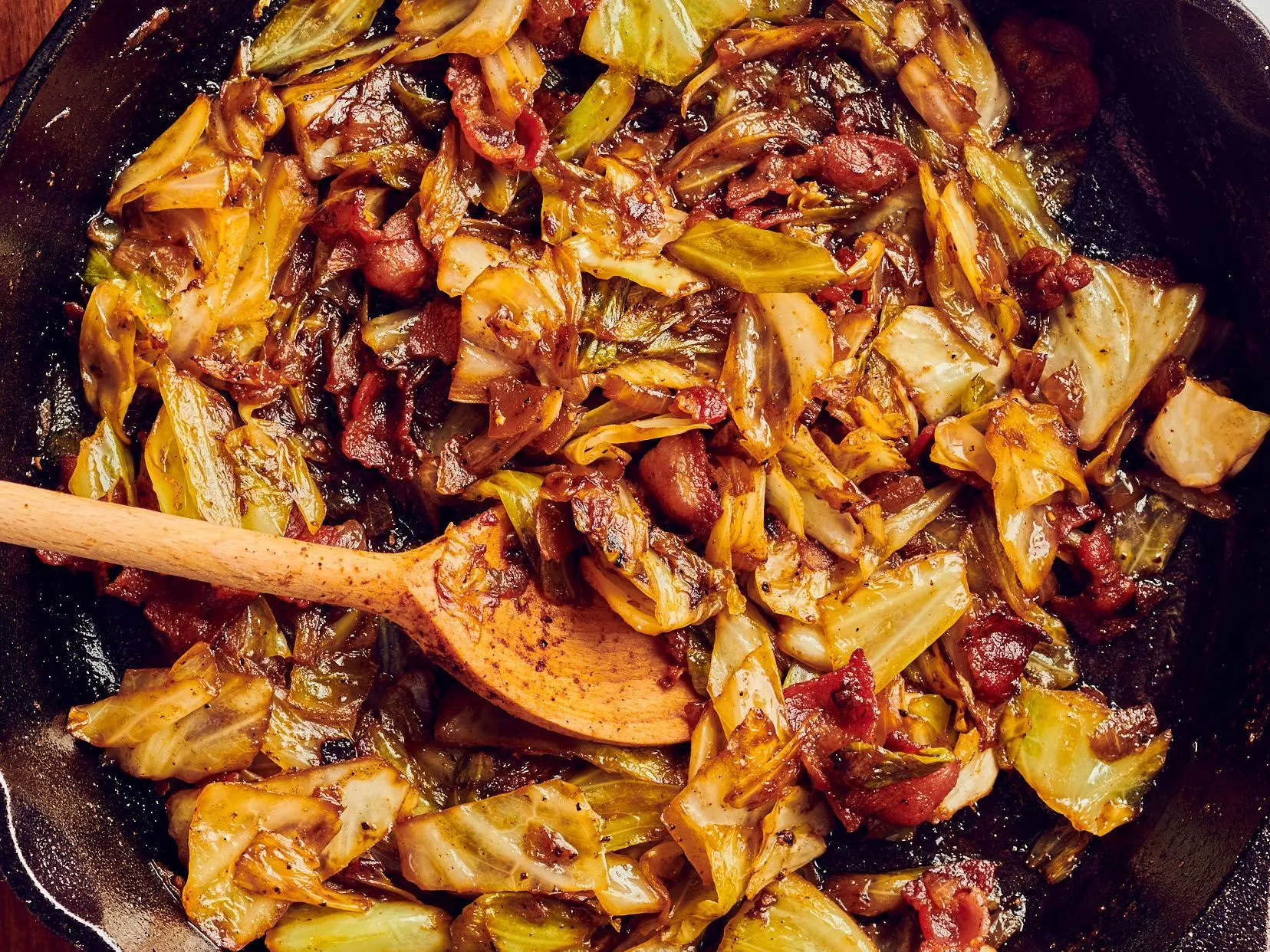
Let’s get one thing straight. Cabbage isn’t supposed to be a punishment food. Cabbage can be filthy, in the best possible way: buttery, a little smoky, heavy on the garlic, kissed with chili, and cooked long enough to get those crisp browned edges that make you hover over the pan with a fork.

This is my go-to when the fridge looks like a random collection of odds and ends and I still want dinner to feel like something. It’s cheap, fast, and shockingly satisfying. You can keep it simple and vegetarian or take it into full “kitchen night out” mode with bacon. Either way, the rules are the same: high heat, don’t baby it, and finish with something bright so it tastes alive.
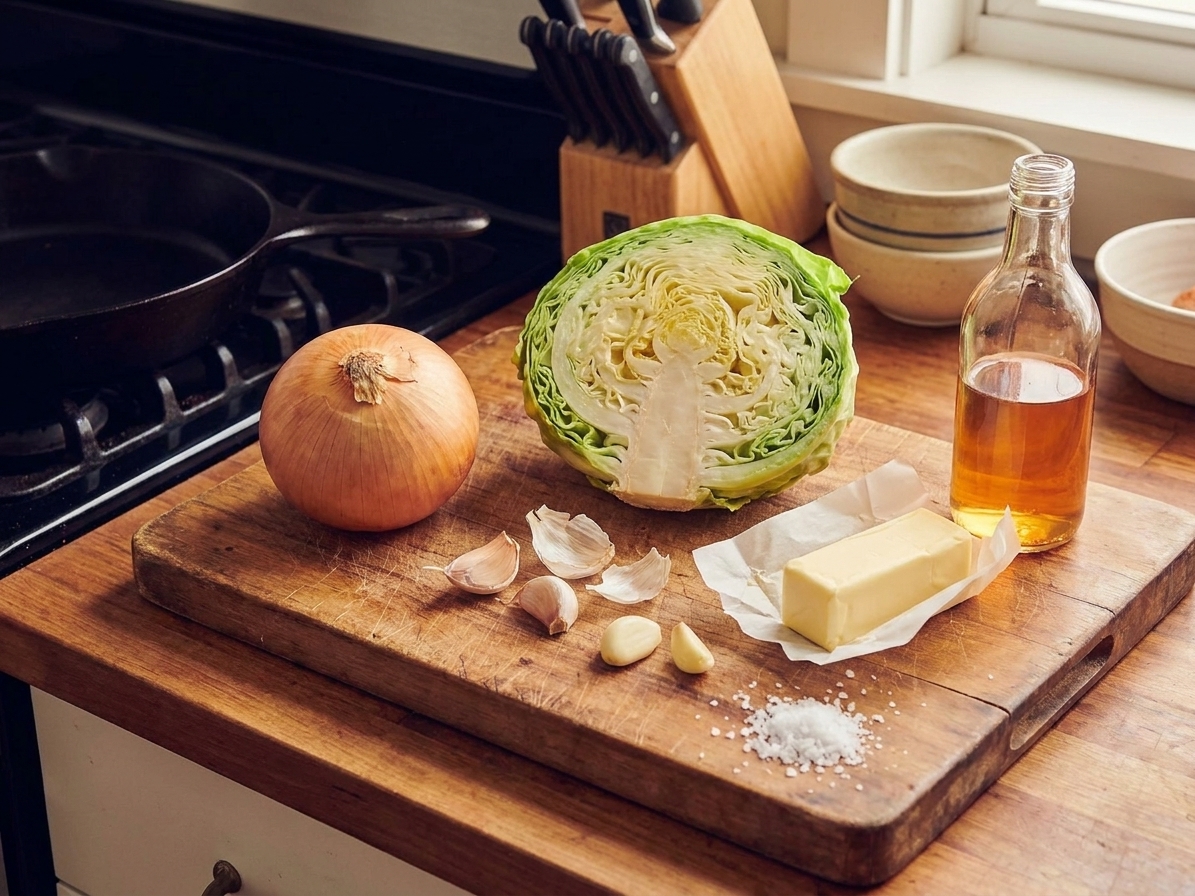
A halved green cabbage, a yellow onion, garlic cloves, butter, salt, and vinegar arranged on a wooden cutting board on a home kitchen counter

Why It Works

  • Crisp edges and tender centers: We let the cabbage sit against the hot pan so it browns instead of steaming.
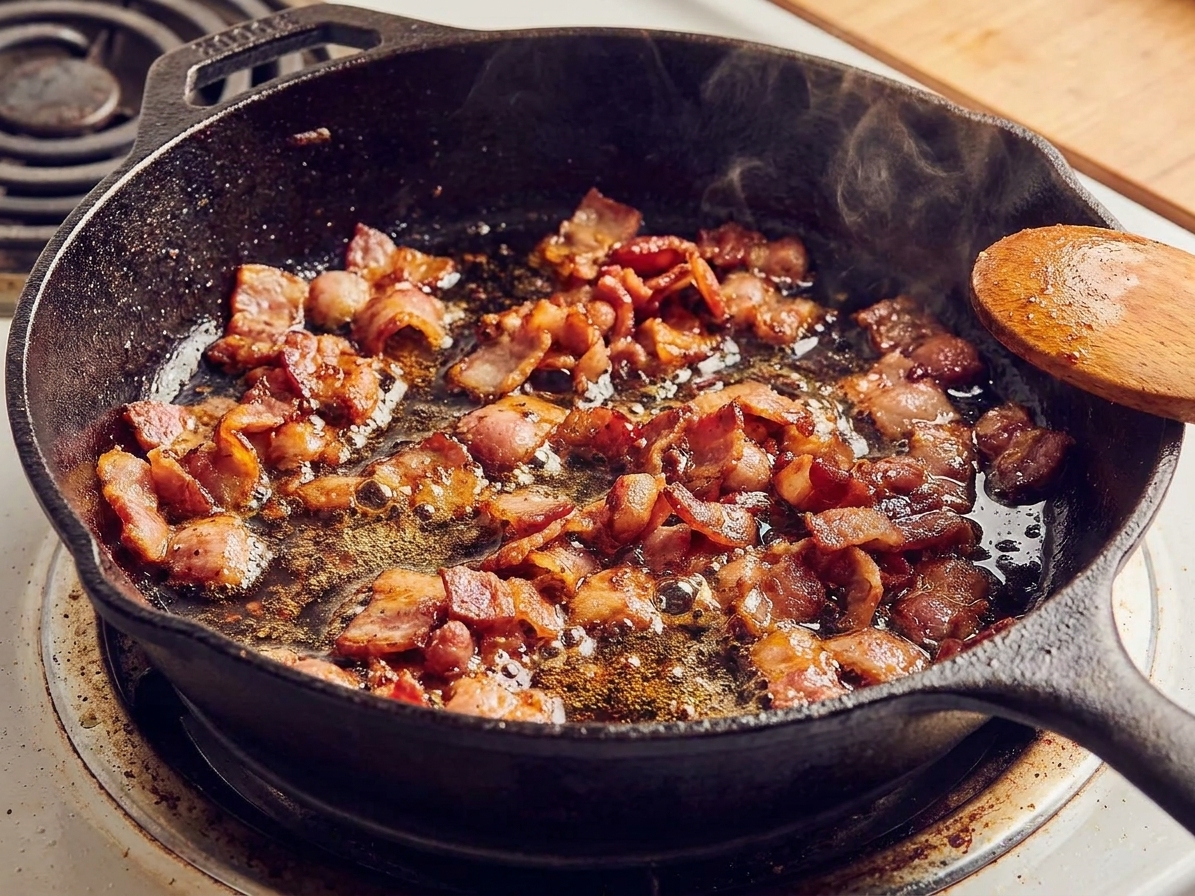
  • Big flavor from basic stuff: Butter, garlic, and a little smoky bacon (optional) do the heavy lifting.
  • A bright finish: Vinegar at the end cuts through the richness and makes the whole skillet taste like you meant to do it.
  • Flexible: Works as a side, a base for fried eggs, a filling for tacos, or a quick meal over rice or noodles.

Pairs Well With

Storage Tips

Cool first: Let leftovers cool to room temp, then refrigerate or freeze.

Refrigerate: Store in an airtight container for up to 4 days.

Reheat: Best in a skillet over medium-high heat with a small splash of water or broth, then let it cook until the moisture evaporates and the edges re-crisp. Microwave works, but you lose some of the magic.

Freeze: You can freeze it for up to 2 months, but the texture gets softer. If you freeze it, plan to reheat in a hot skillet and use it in bowls, soups, or stir-fries where soft is fine.

Common Questions

What is filthy cabbage?

It’s a punchy, pan-fried cabbage dish that leans into rich, savory flavors like butter, garlic, and often bacon, then finishes with vinegar or something acidic. Think of it as cabbage that decided to dress up and cause problems.

Why is my cabbage soggy instead of browned?

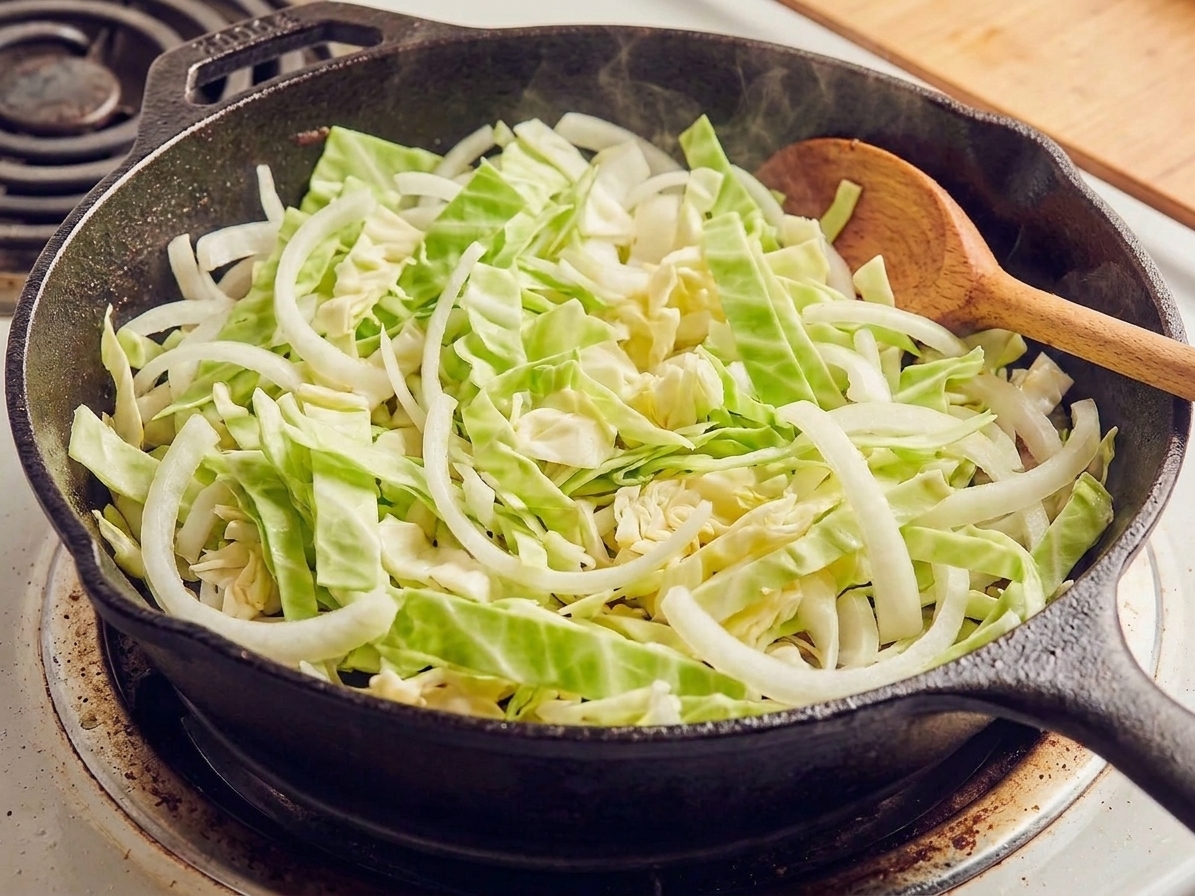
Two main culprits: overcrowding and stirring too often. Use a wide skillet, crank the heat to medium-high, and let the cabbage sit so it can brown. If your pan is small, cook in two batches.

Do I have to use bacon?

Nope. It’s still fantastic vegetarian. Use butter or olive oil, and consider adding smoked paprika or a splash of soy sauce for that extra savory depth.

What kind of cabbage works best?

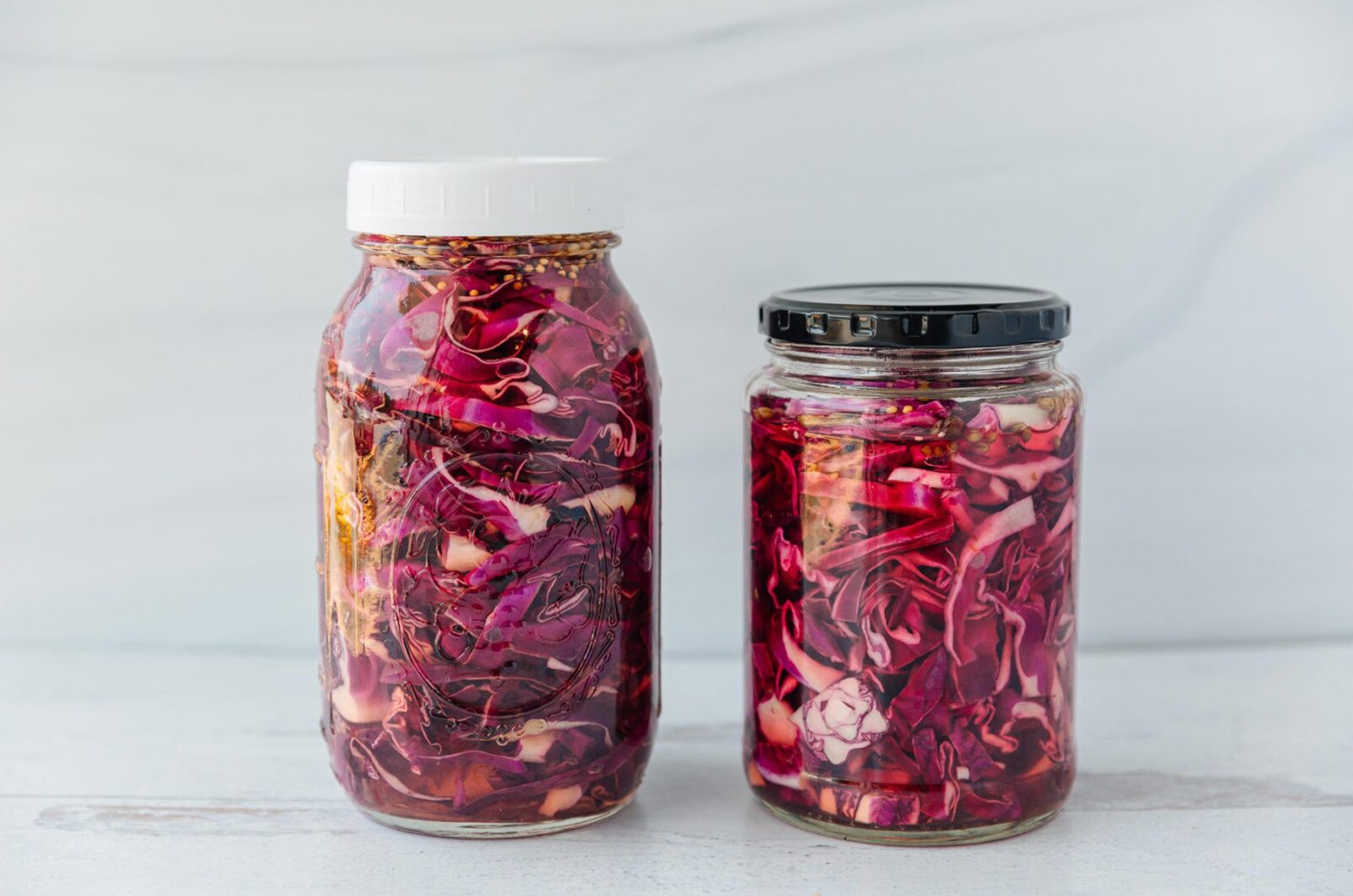
Green cabbage is the classic here because it browns beautifully and holds texture. Savoy works too, just a little more delicate. Red cabbage is fine but it’ll turn the whole skillet purple and tastes slightly sweeter.

How do I make it spicy?

Add more red pepper flakes, a chopped fresh chili, or finish with hot sauce. My favorite move: vinegar plus hot sauce at the end, like a quick and dirty spicy-sour glaze.

How can I make it vegan?

Skip the bacon and butter and use olive oil. Use brown sugar instead of honey, and add smoked paprika or soy sauce for that smoky, savory vibe.

I started cooking cabbage like this when I was in my “I have twenty bucks and a dream” era of feeding myself. Cabbage was always there, just waiting in the produce aisle like the most unglamorous teammate on the roster. Then one night I cooked it hard in a hot pan with too much butter, too much garlic, and a splash of vinegar at the end. It smelled like something you’d pay for. Now it’s one of my favorite kitchen reminders that simple ingredients can still bring serious restaurant energy, as long as you let them get a little messy.