What can replace eggs in pancakes?
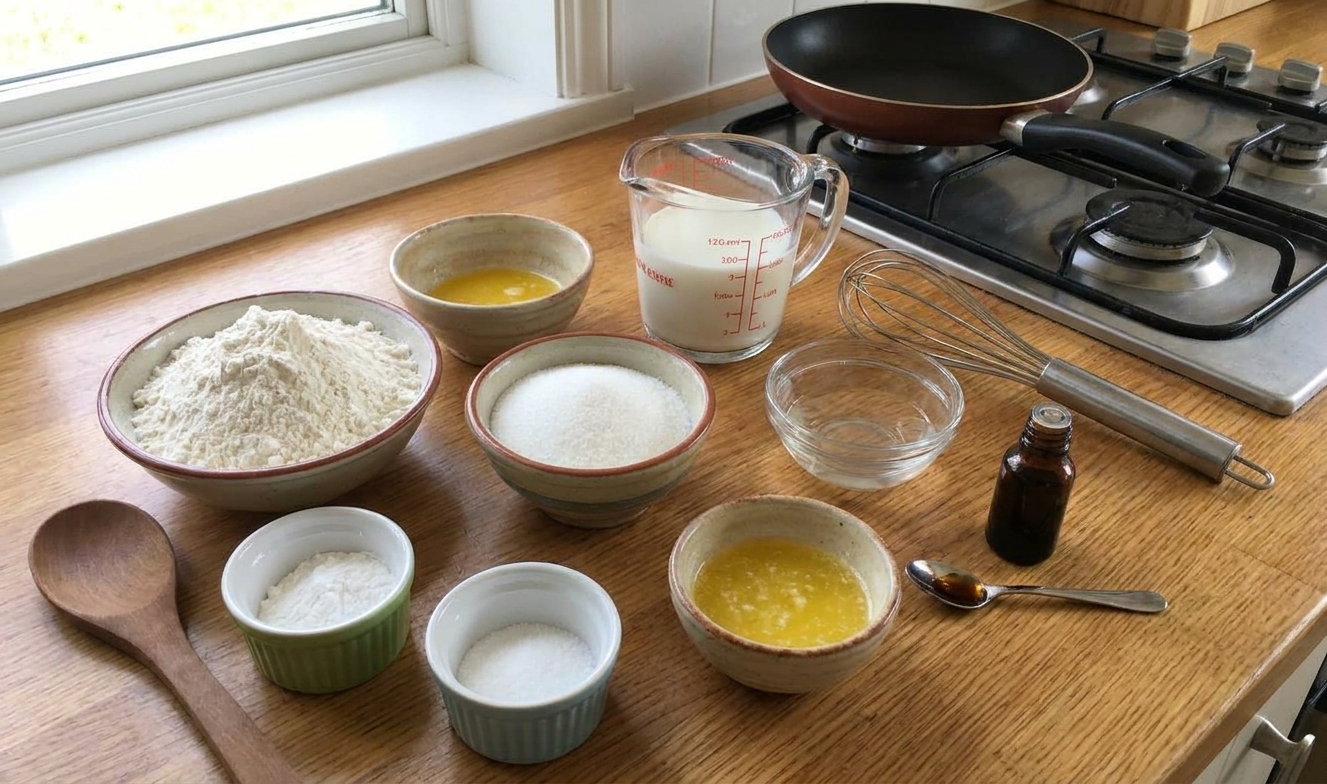
In pancakes, eggs add protein structure and a little richness. In this recipe, the structure comes from flour (gluten and starch) plus a gentle mix (so you do not toughen the batter), while baking powder provides lift and butter or oil keeps everything tender. The milk-and-vinegar mix is mainly here for a subtle tang and a softer crumb.
Why do my eggless pancakes turn out dense?
The usual culprits are overmixing (gluten makes them chewy), batter that is too thick, or a pan that is not hot enough. Mix just until no dry flour pockets remain, then let the batter rest for 5 minutes so it hydrates and relaxes.
Can I make these pancakes vegan?
Yes. Use unsweetened soy milk or oat milk, and swap melted butter for neutral oil or melted coconut oil. Use plant-based butter for the pan if you like. The method stays the same.
Can I use water instead of milk?
You can, but they will taste flatter and feel less tender. Milk adds flavor, sugars for browning, and a softer crumb. If water is all you have, add an extra tablespoon of oil and consider a splash of vanilla.
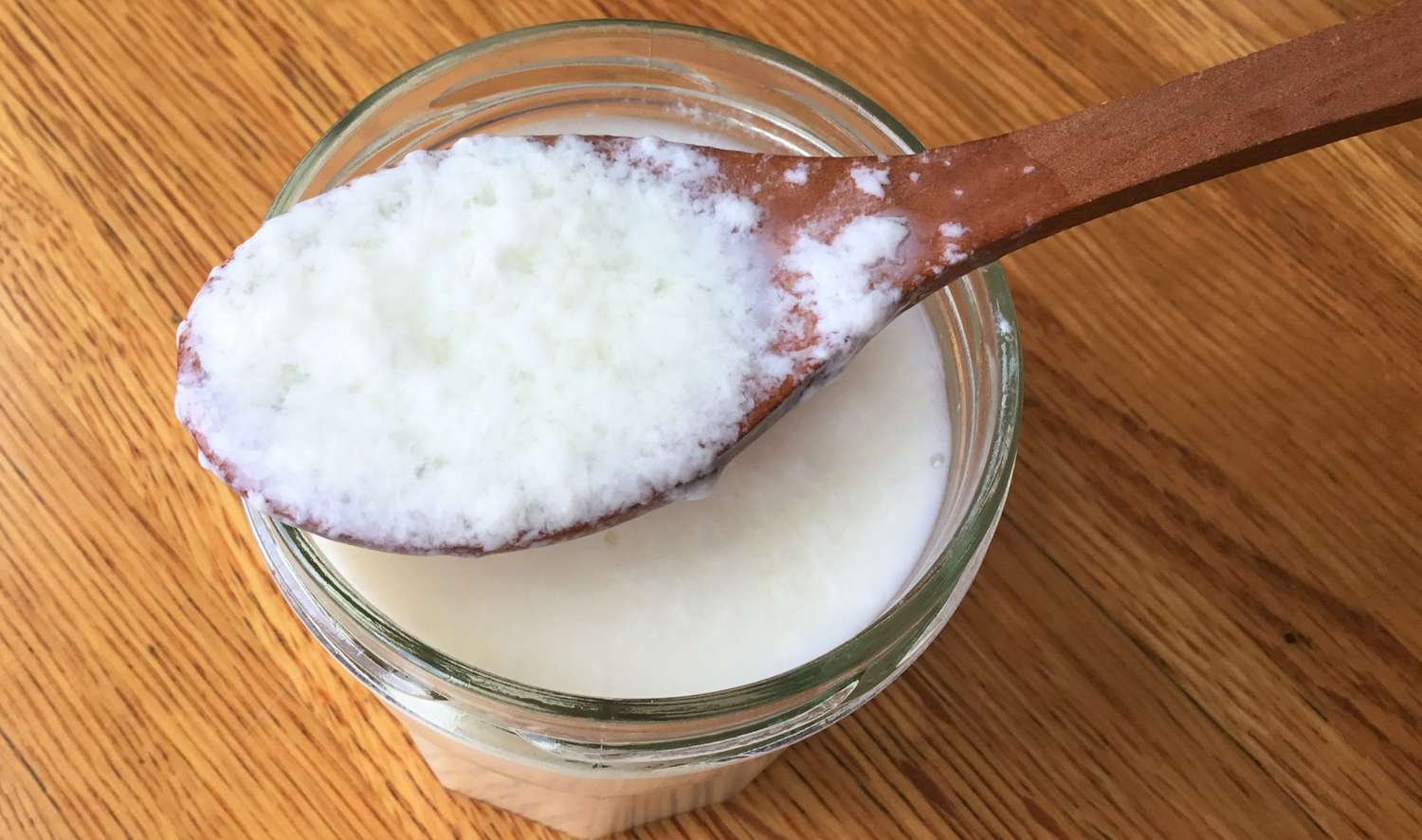
Why add vinegar to milk?
It creates a quick “buttermilk” effect, adding a gentle tang and helping the pancakes stay tender. With baking powder already doing the lifting, the vinegar is more about flavor and texture than dramatic rise.
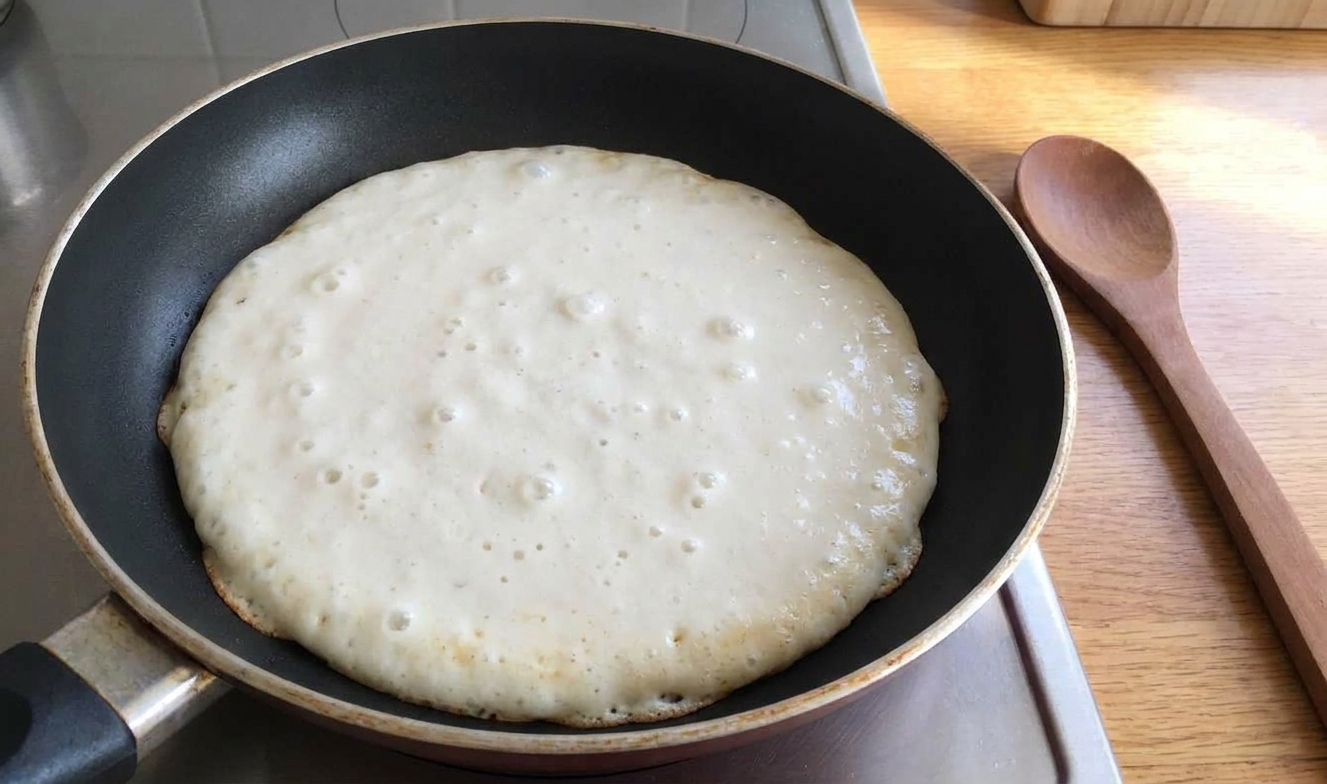
How do I know when to flip pancakes?
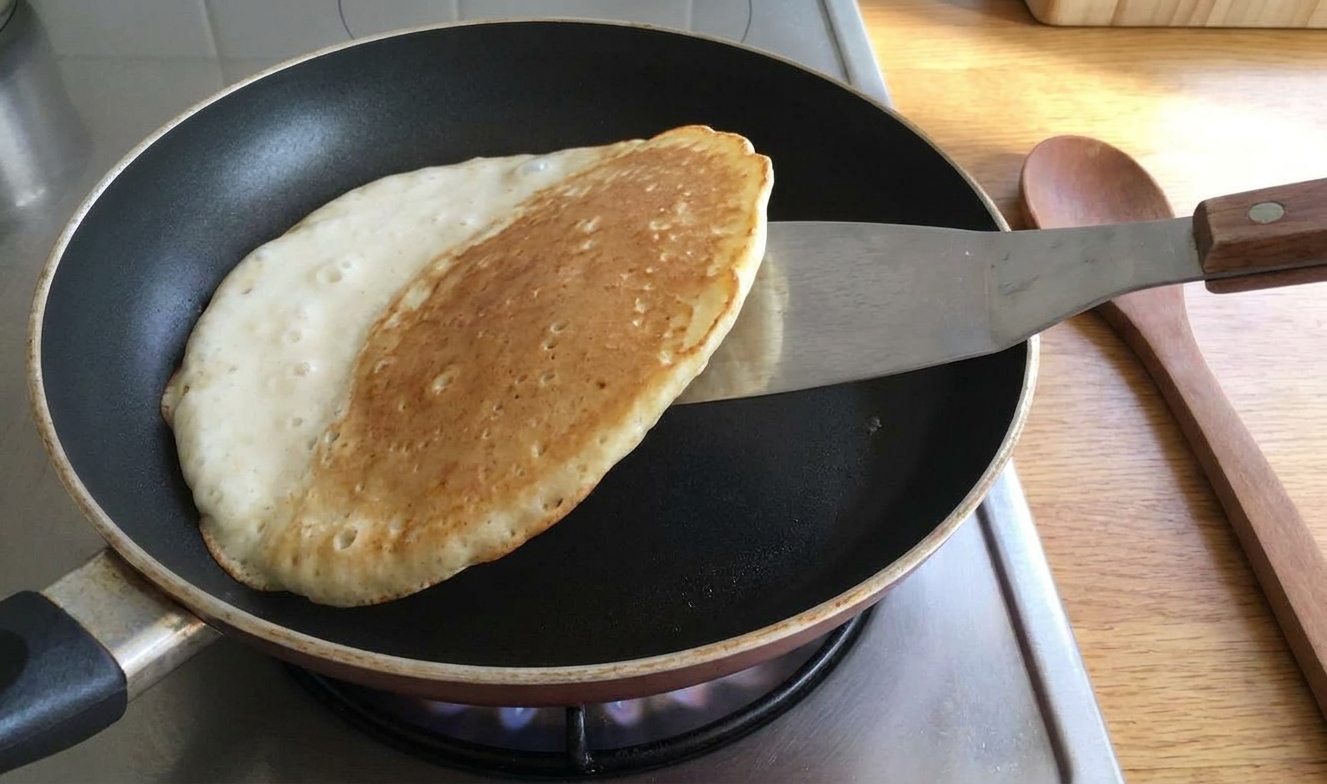
Look for bubbles that pop and leave little holes, and edges that look set and matte rather than shiny. If the pancake slides easily and the underside is golden, flip once and let the second side cook a bit faster.