Mom's Best Recipes
Recipe

Fresh Celery Juice

Crisp, refreshing celery juice with optional lemon and ginger, plus simple tips for smooth texture and better flavor.

Author By Matt Campbell
4.7
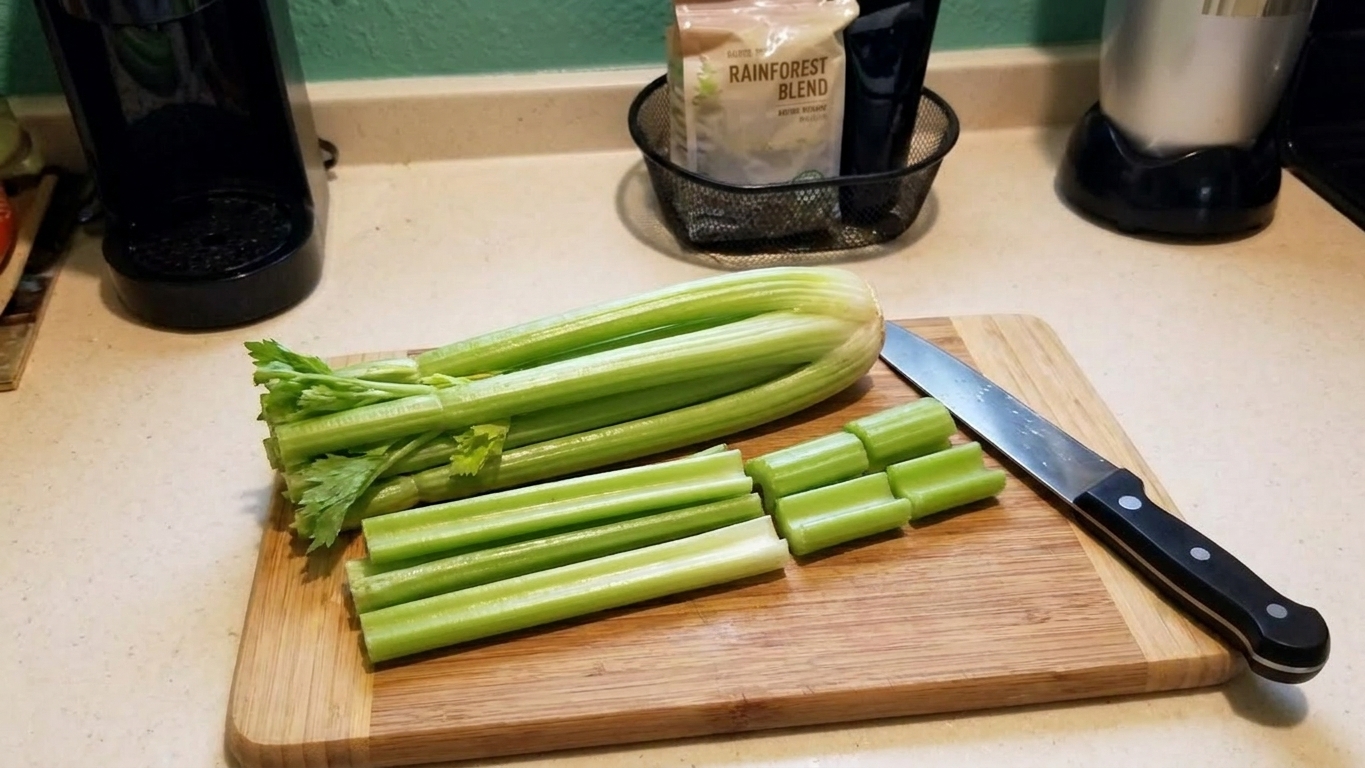
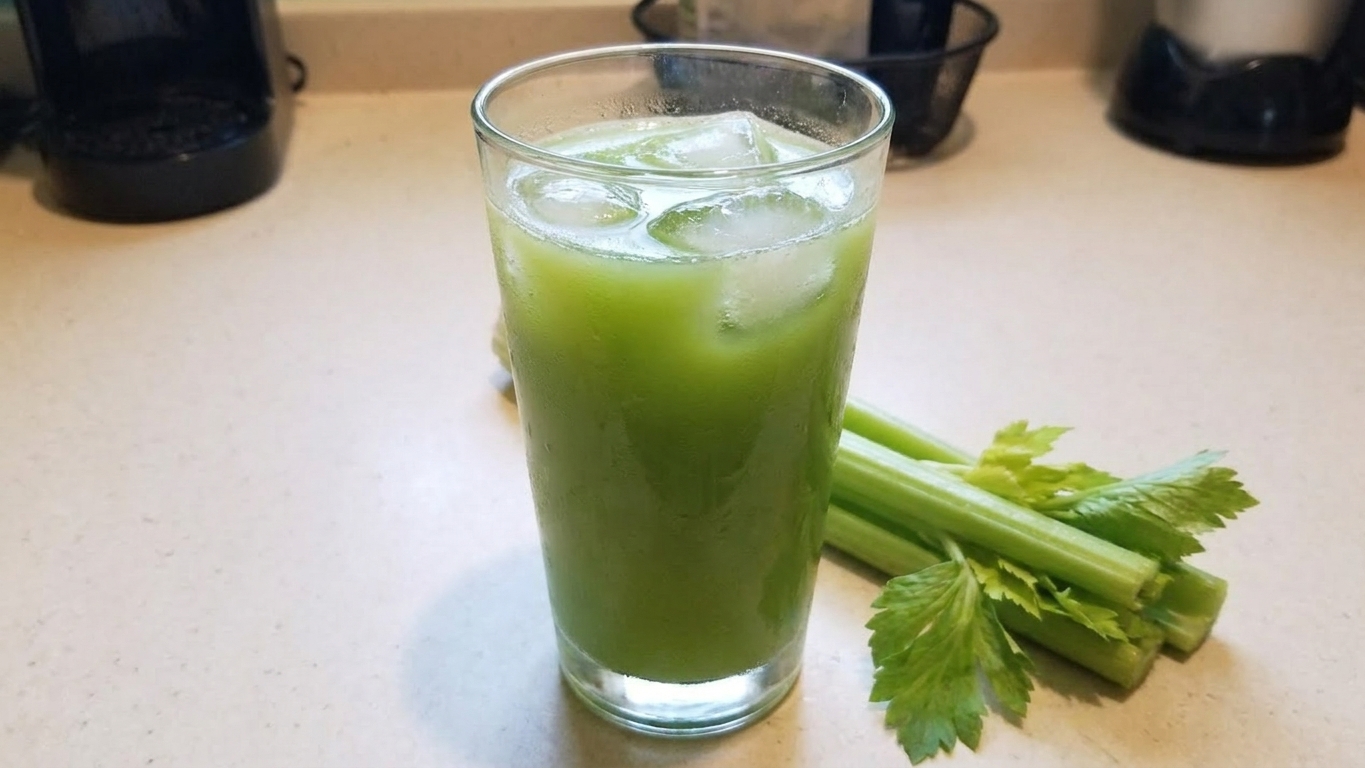
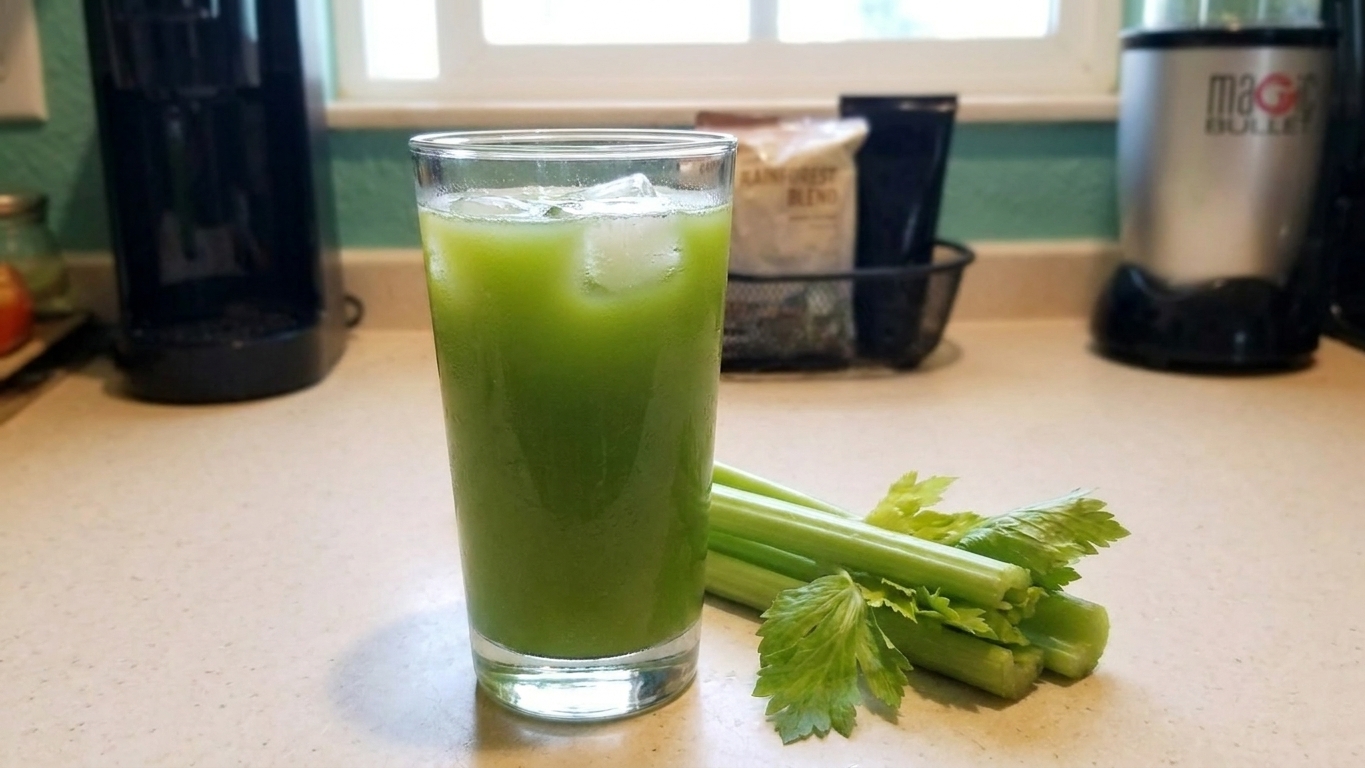
A tall glass of fresh celery juice on a bright kitchen counter with a small pile of celery stalks nearby, natural morning light

Celery juice is one of those things that sounds like it should taste like lawn clippings, then you make it right and it is weirdly satisfying. Think: super crisp, lightly salty, and clean in a way that makes you want to immediately eat something crunchy afterward. The key is keeping it cold, using fresh celery, and deciding up front if you want it straight, or with a little help from lemon and ginger.

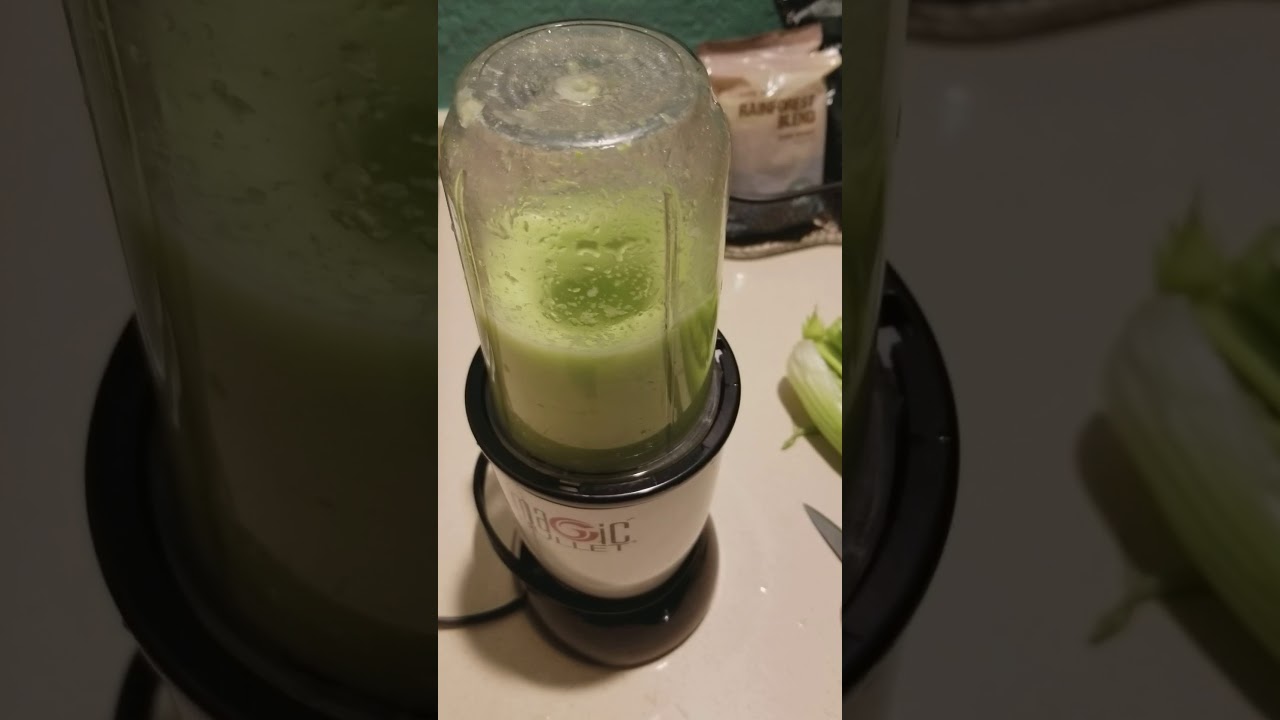
This version is built for real kitchens. No specialty powders, no mystery steps, no pretending it is a milkshake. Just a straightforward method for juicer or blender, plus the little fixes that keep it from turning bitter, foamy, or sad in the fridge.
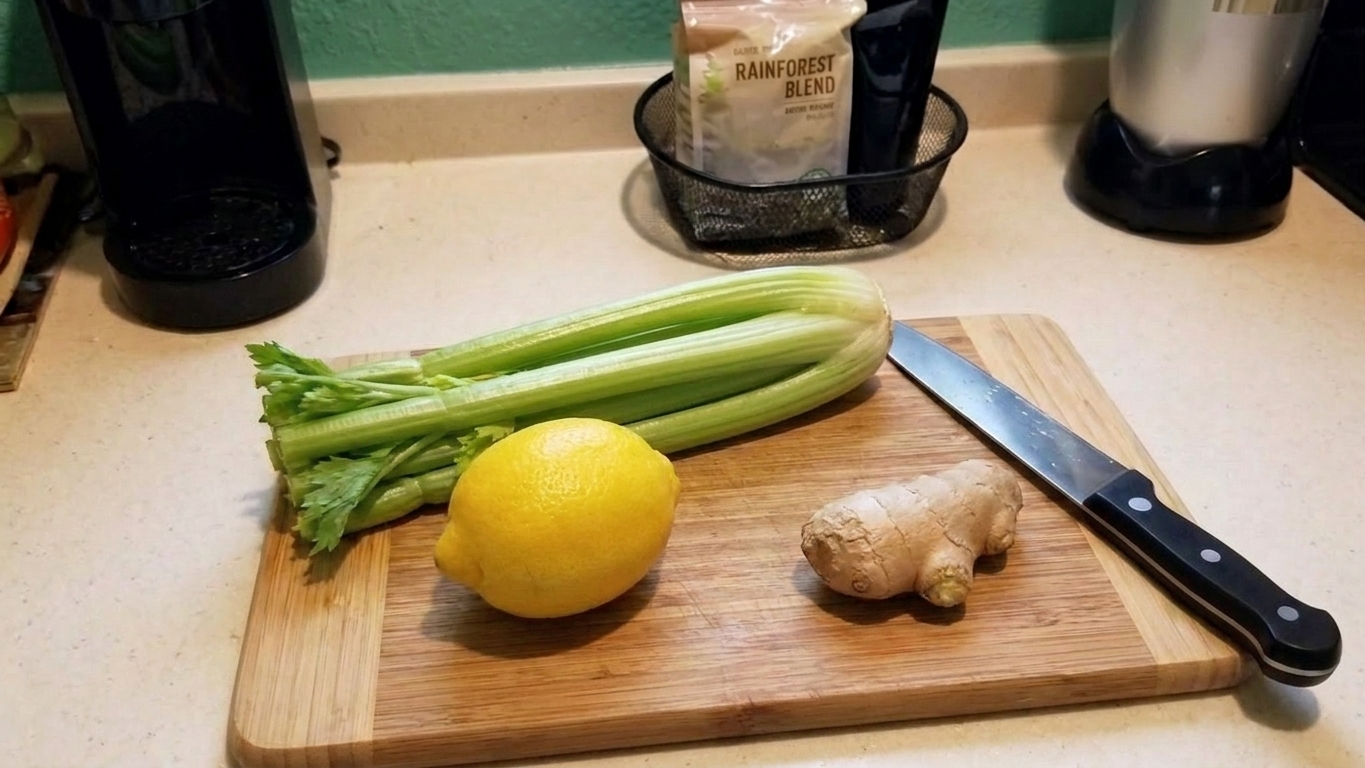
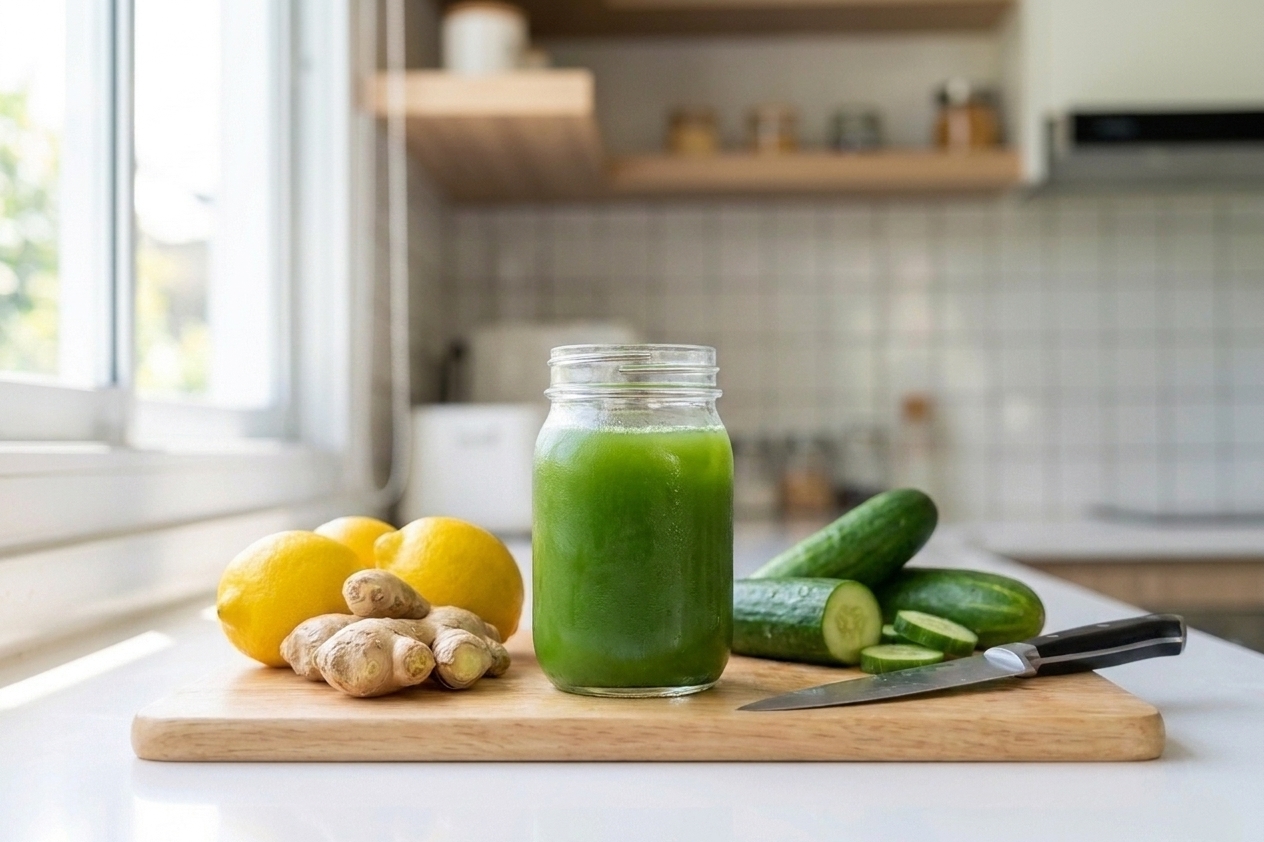
Celery stalks, a lemon, and a knob of fresh ginger arranged on a wooden cutting board on a home kitchen counter

Why It Works

  • Bright, clean flavor: Celery has a natural savory salinity. A squeeze of lemon makes it taste fresher, not “healthier.”
  • Smooth texture if you want it: You choose strained (silky) or unstrained (more fiber, more body).
  • Flexible method: Works with a juicer for maximum yield or a blender when that is what you have.
  • Less waste: Pulp tips included so you are not tossing half the bunch without a plan.

Pairs Well With

Storage Tips

Best case: Drink it right away. Celery juice tastes brightest within an hour.

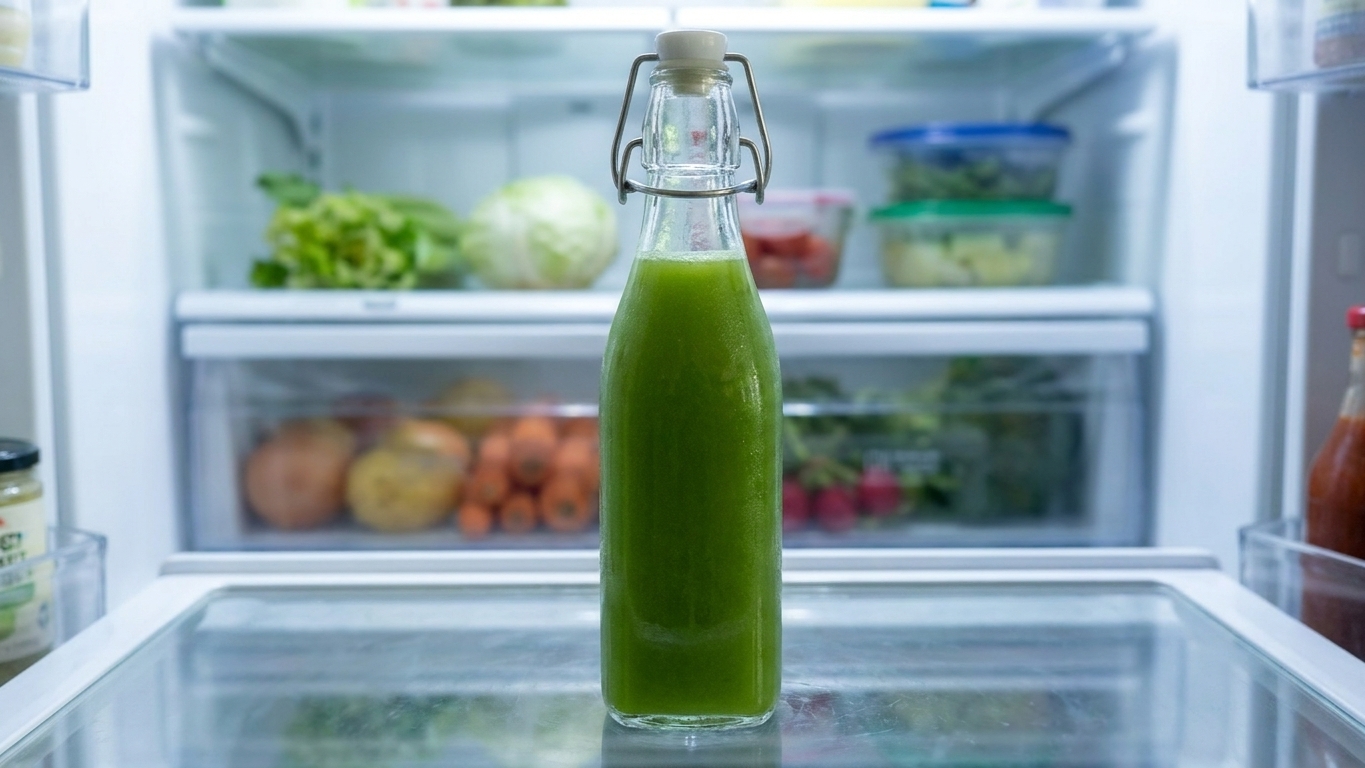
Refrigerate: Pour into a clean glass jar or bottle with a tight lid. Fill it as close to the top as you can to limit air exposure. Refrigerate (at or below 40°F/4°C) and use within 24 hours for best flavor and freshness. If you keep it longer, use your senses and discard if it smells off, starts fizzing, or tastes odd.

Separation is normal: Give it a shake or stir before drinking.

Freezing: If you must, freeze in ice cube trays, then store cubes in a freezer bag for up to 2 months. Thaw in the fridge. Expect a softer flavor and a little more separation.

A sealed glass bottle of green celery juice sitting on a refrigerator shelf, softly lit

Common Questions

Do I need to strain celery juice?

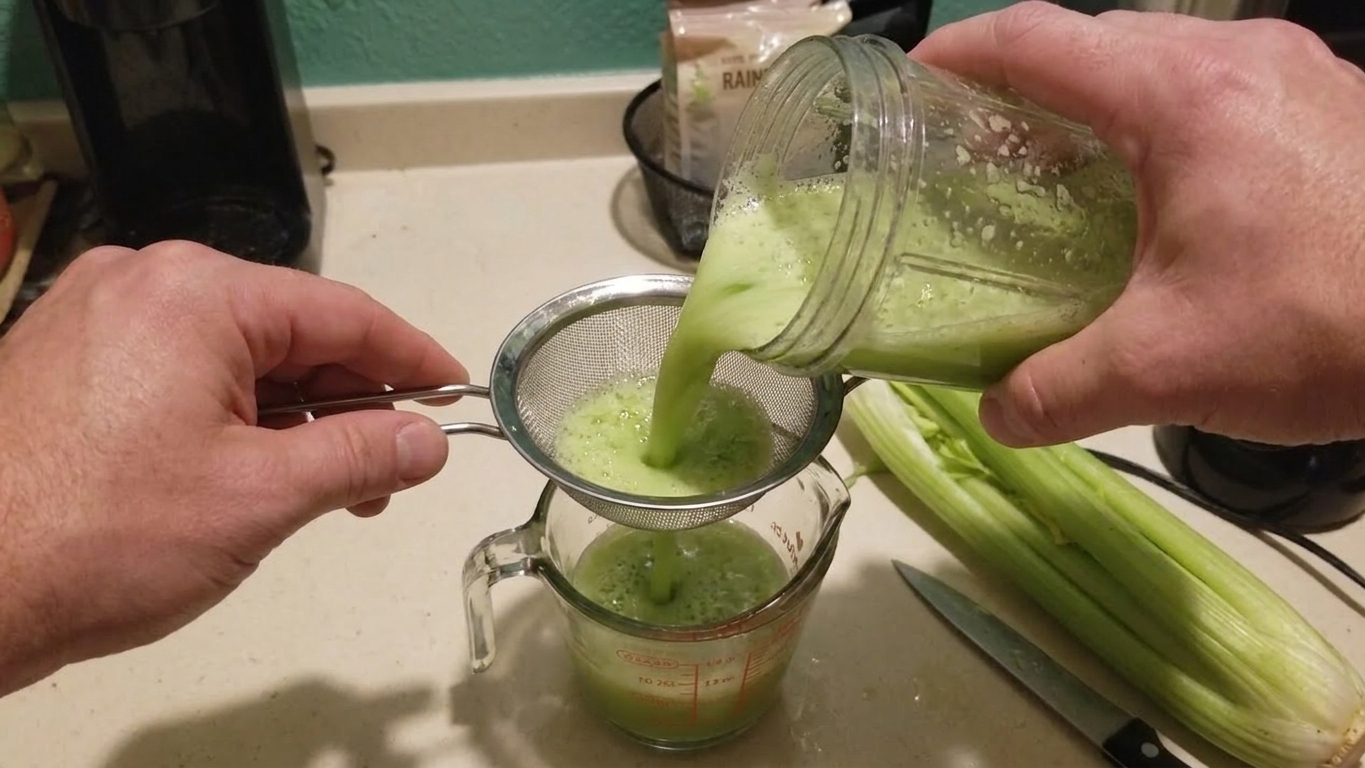
No. Straining is purely a texture choice. If you are using a blender, straining makes it smoother and more “juice-like.” If you are using a juicer, it is often smooth enough already, but you can still strain if you want less foam and pulp.

Why does my celery juice taste bitter?

Common culprits: older celery (especially limp or strongly scented), too much leafy top, and letting the juice sit too long. Try using colder, fresher stalks, trimming most of the leaves, and adding lemon to lift the flavor.

Can I add fruit?

Absolutely. If you want it more beginner-friendly, add green apple or pineapple. It will be sweeter and more smoothie-adjacent, especially if blended.

Is it okay to drink celery juice every day?

For most people, a small glass is fine, but everyone’s digestion is different. Celery is naturally higher in sodium and potassium, which is part of why kidney concerns and medication interactions matter. If you are on a sodium-restricted diet, have kidney issues, take medications affected by diet, or are pregnant or breastfeeding, check with a healthcare professional for personalized guidance.

What can I do with the leftover pulp?

Stir it into soups, add it to smoothies, fold into tuna or chicken salad for crunch, or mix into meatballs or veggie burgers where you would use minced celery.

I used to side-eye celery juice hard. Celery, to me, was for chicken salad and being the vegetable that shows up uninvited on a wing platter. Then I started making it at home and realized the appeal is not magic, it is temperature and balance. When it is ice-cold with a squeeze of lemon, it tastes like the savory version of a crisp glass of lemonade. And on mornings when I want something fresh but cannot commit to cooking, it is the kind of small kitchen project that feels like I did something.