Mom's Best Recipes
Recipe

Fried Plantains (Maduros or Tostones)

One simple method, two iconic results: caramelized sweet plantains or crispy, salty smashed rounds.

Author By Matt Campbell
4.9
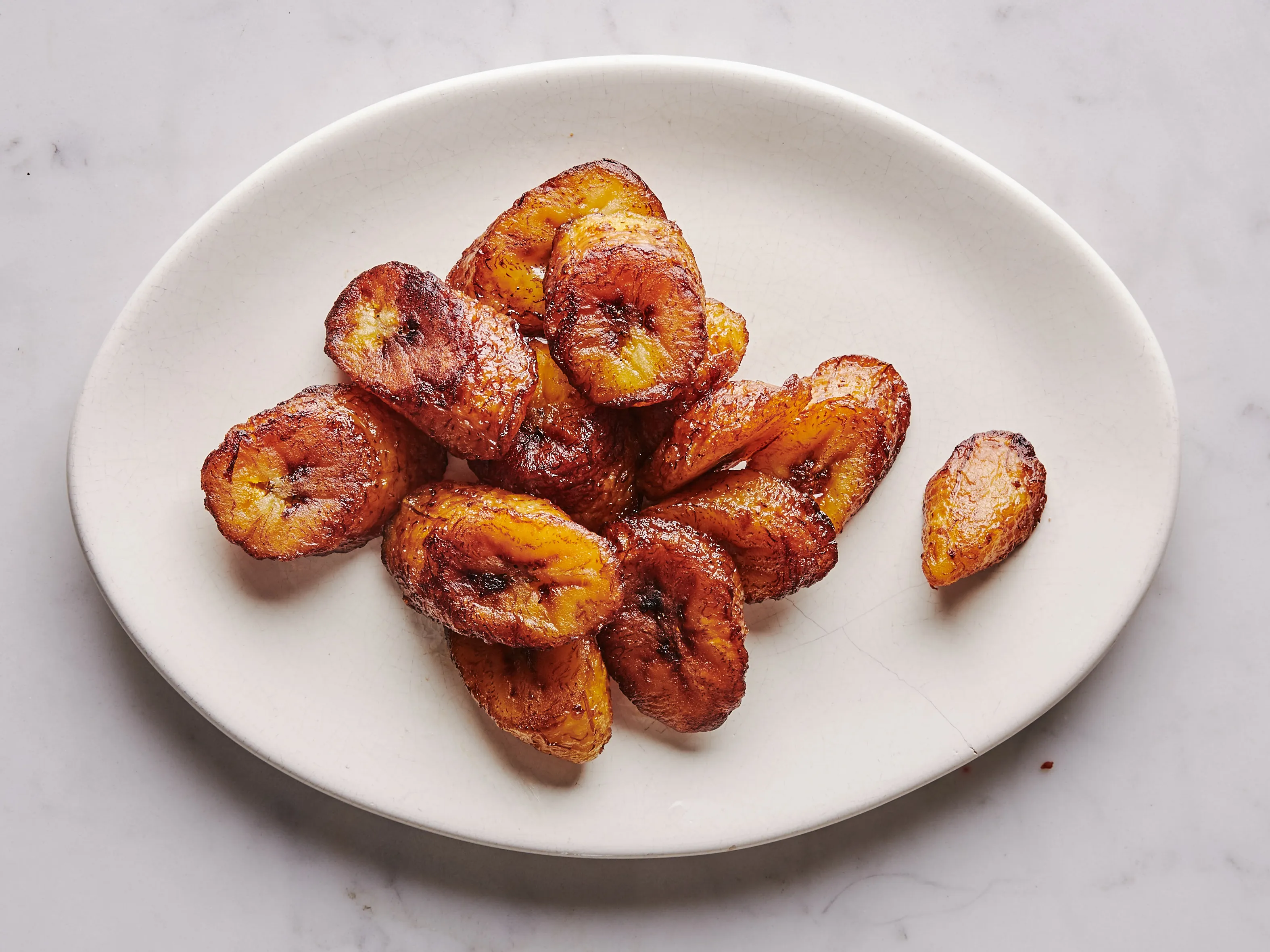
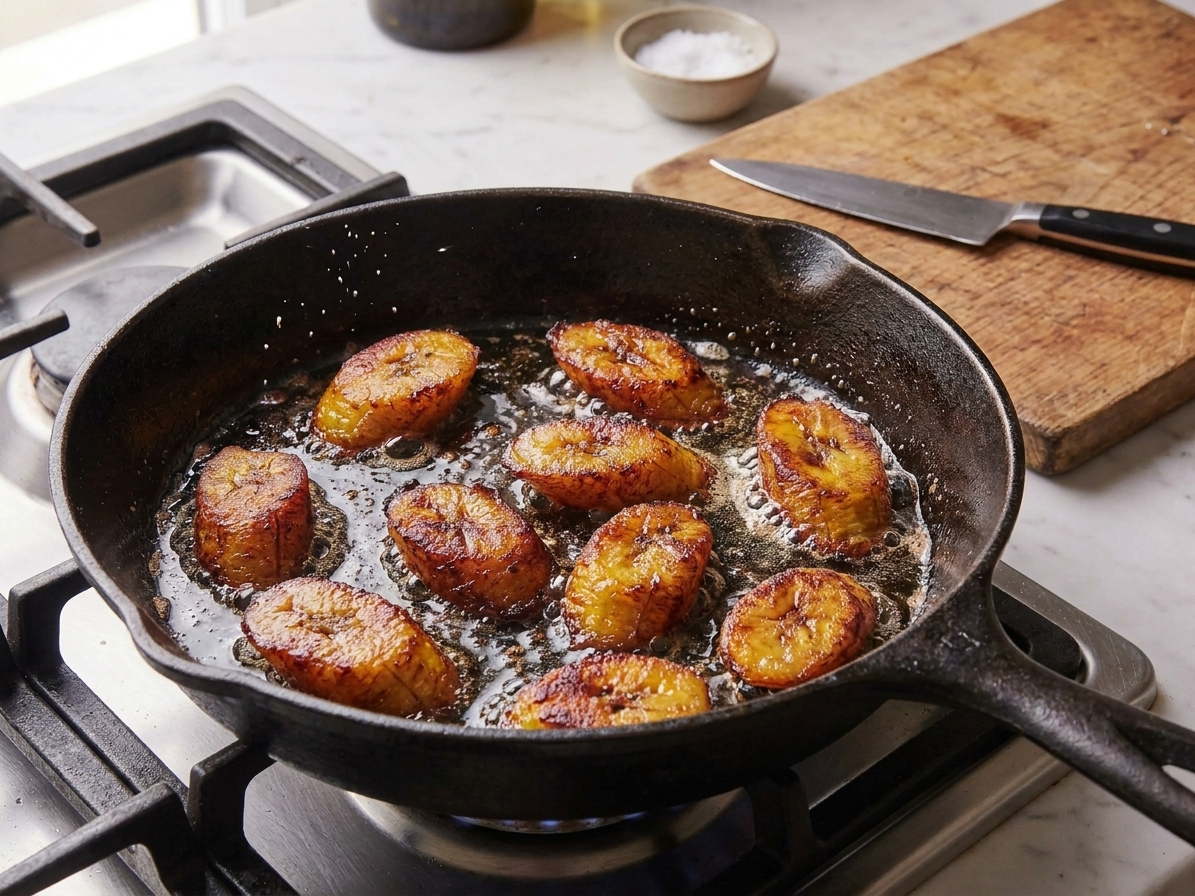
A white plate of golden fried sweet plantains (maduros) with caramelized edges on a wooden table setting, warm natural kitchen light

Fried plantains are one of those magic tricks that feel like cheating. You take a fruit that looks like a banana that had a rough week, add hot oil, and suddenly you have crispy edges, a tender center, and either a sweet, caramel vibe or a salty, snackable crunch.

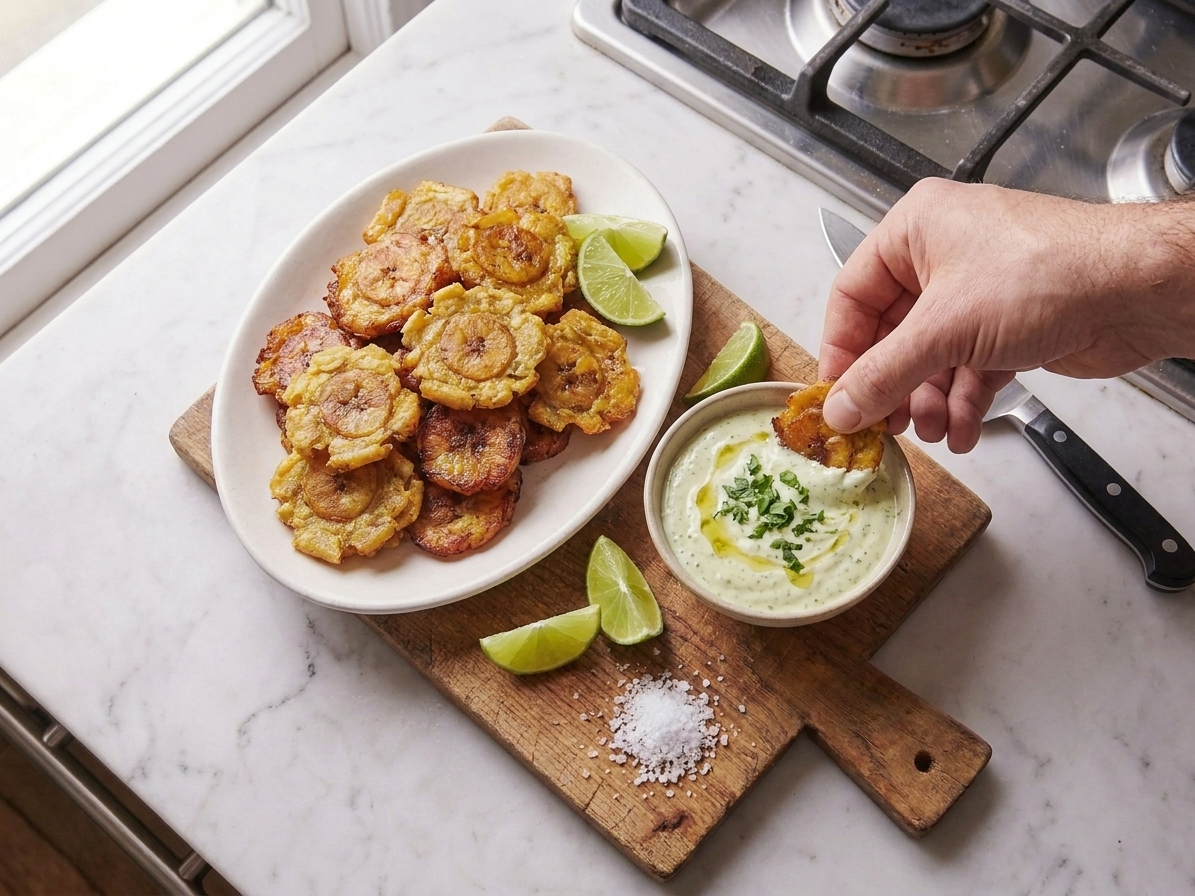
This recipe gives you both lanes: maduros (sweet and jammy) and tostones (savory and smashed). Same basic setup, different ripeness, different slice, different mood. Pick one, or do what I do and make both so everyone at the table stays quiet for a minute.

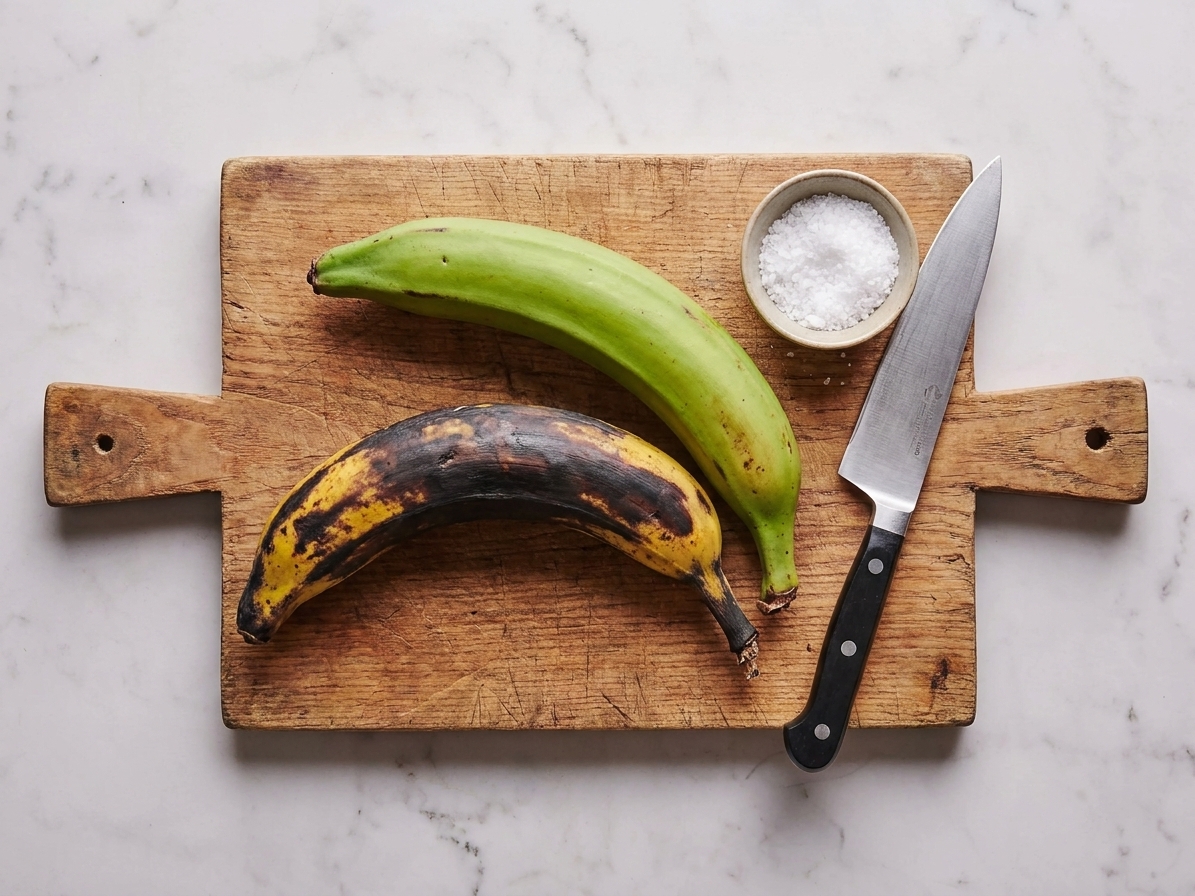
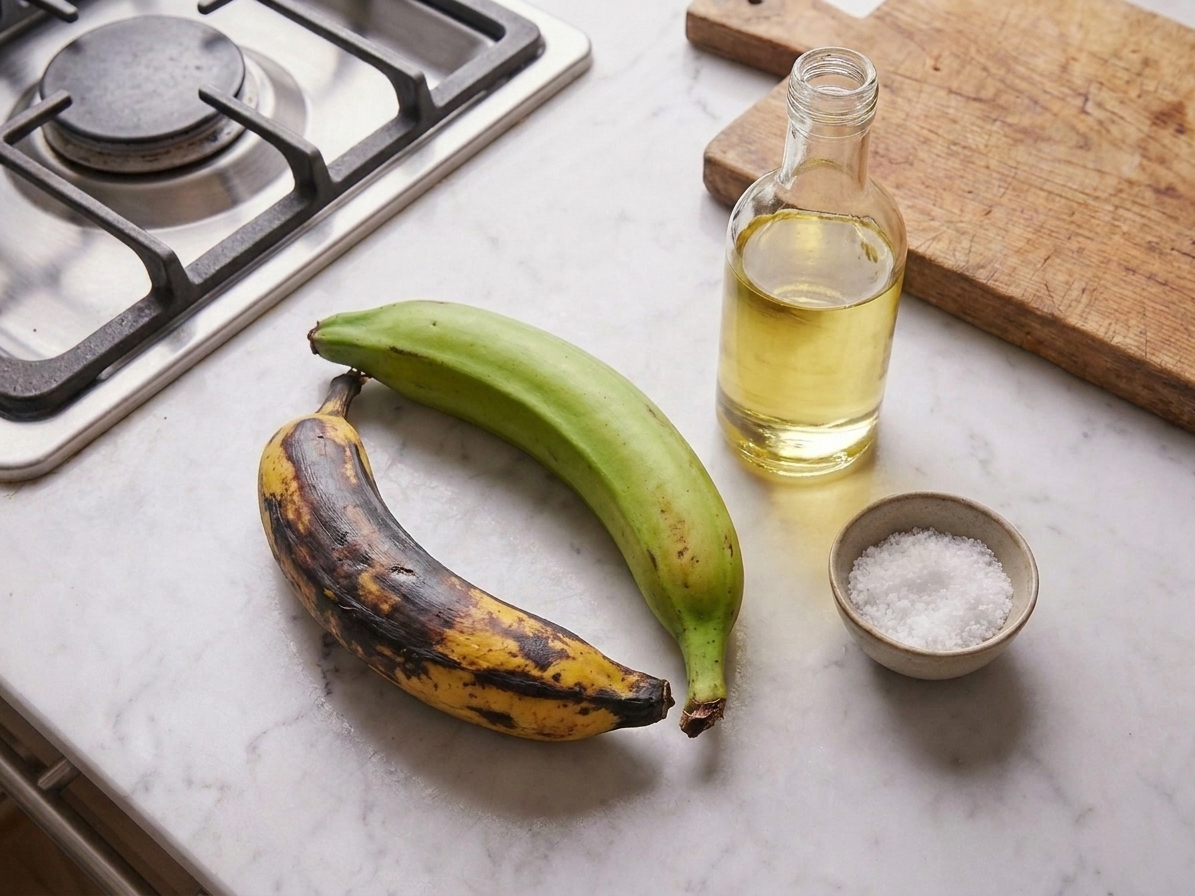
Two whole plantains, one green and one very ripe with blackened peel, resting on a wooden cutting board on a kitchen counter

Why It Works

  • Clear choose-your-own-adventure: ripe plantains for sweet maduros, green plantains for crispy tostones.
  • Restaurant-style texture: hot oil for crisp edges, controlled thickness for tender centers.
  • No fussy ingredients: you mainly need plantains, oil, and salt, plus optional garlic-lime dipping sauce.
  • Repeatable results: I give you visual cues so you can cook by what you see, not just the clock.

Pairs Well With

Storage Tips

Fried plantains are best right out of the pan, but leftovers can still be good if you reheat them the right way.

Refrigerate

  • Cool completely, then store in an airtight container for up to 3 days.

Reheat (best methods)

  • Air fryer: 350°F for 4 to 7 minutes, shaking once, until crisped and hot.
  • Oven: 400°F on a sheet pan for 8 to 12 minutes, flipping halfway.
  • Skillet: medium heat with a tiny splash of oil, 2 to 3 minutes per side.

Avoid

  • Microwave-only reheating if you care about crisp edges. It works, but it turns them soft.

Freezing: You can freeze cooked tostones or maduros (single layer first, then bag) up to 2 months. Reheat from frozen in the oven or air fryer until sizzling hot. Note: this works best for tostones. Maduros can soften and get a little weepy after freezing, but they will still taste great.

Common Questions

What is the difference between maduros and tostones?

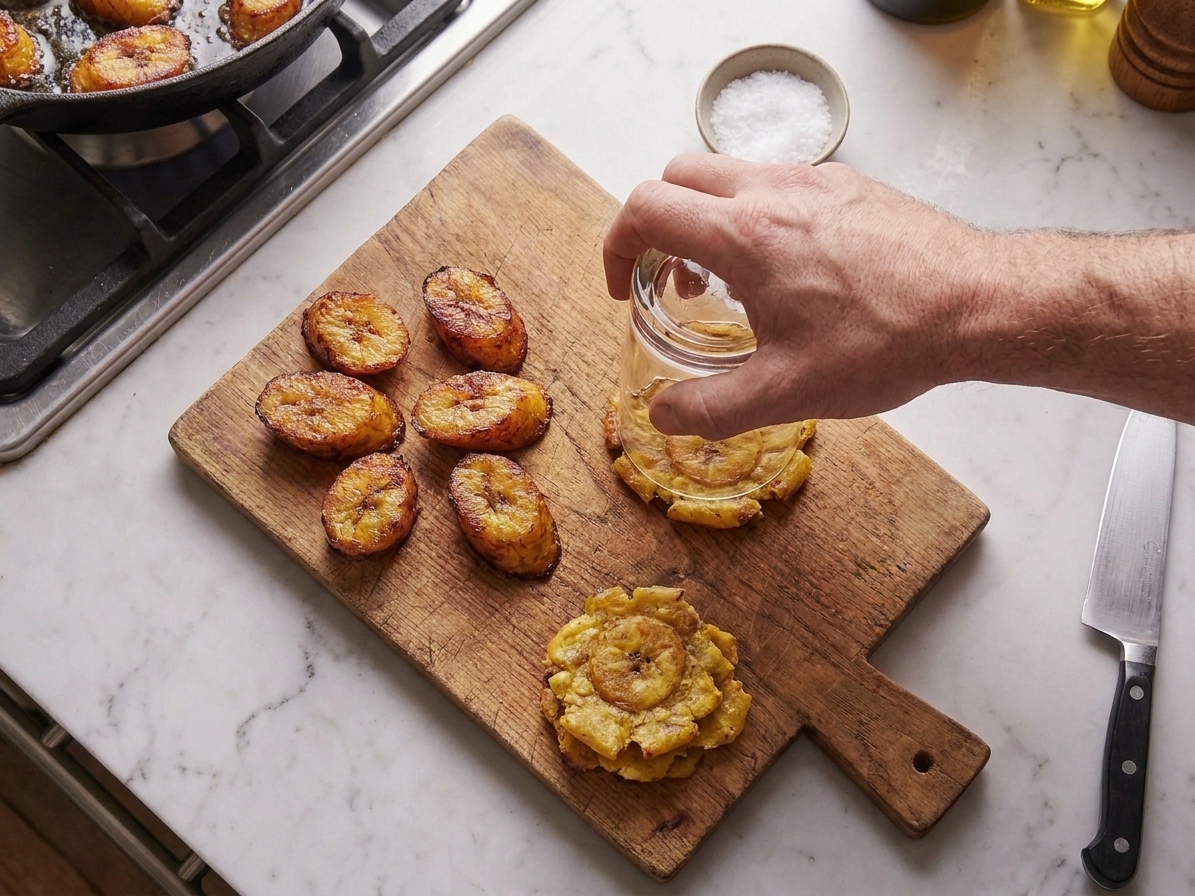
Maduros are made from very ripe plantains. They fry up sweet, soft, and caramelized. Tostones are made from green plantains. You fry once, smash, then fry again so they get crisp and savory.

How ripe should plantains be for sweet fried plantains?

Go for plantains that are yellow with lots of black spots, or even mostly black. They should feel slightly soft when you press the peel. If they are fully green, they will not turn sweet, they will taste more starchy and potato-like.

How do I choose plantains at the store?

Green plantains should be firm and heavy for their size (best for tostones). Ripe plantains should be yellow with black spots and give slightly when squeezed (best for maduros). If you only see green ones, grab them and let them ripen on the counter until spotted.

Do I have to double-fry tostones?

Yes if you want the classic texture. The first fry softens the plantain so it can be smashed. The second fry is what makes the edges crisp and snack-worthy.

What oil is best for frying plantains?

Use a neutral oil with a higher smoke point like canola, vegetable, avocado, or peanut oil. Extra-virgin olive oil can smoke at frying temps and add a stronger flavor. If you want olive oil, refined (sometimes labeled “light”) olive oil is the better pick.

Why are my plantains burning before they cook through?

Your oil is likely too hot or your slices are too thin. Aim for about 325°F to 350°F, and use your eyes as the final judge. Sweet maduros brown faster because of their natural sugars, so keep the heat closer to about 325°F and pull them when they are deep golden with caramelized edges, not dark brown.

How do I peel plantains without struggling?

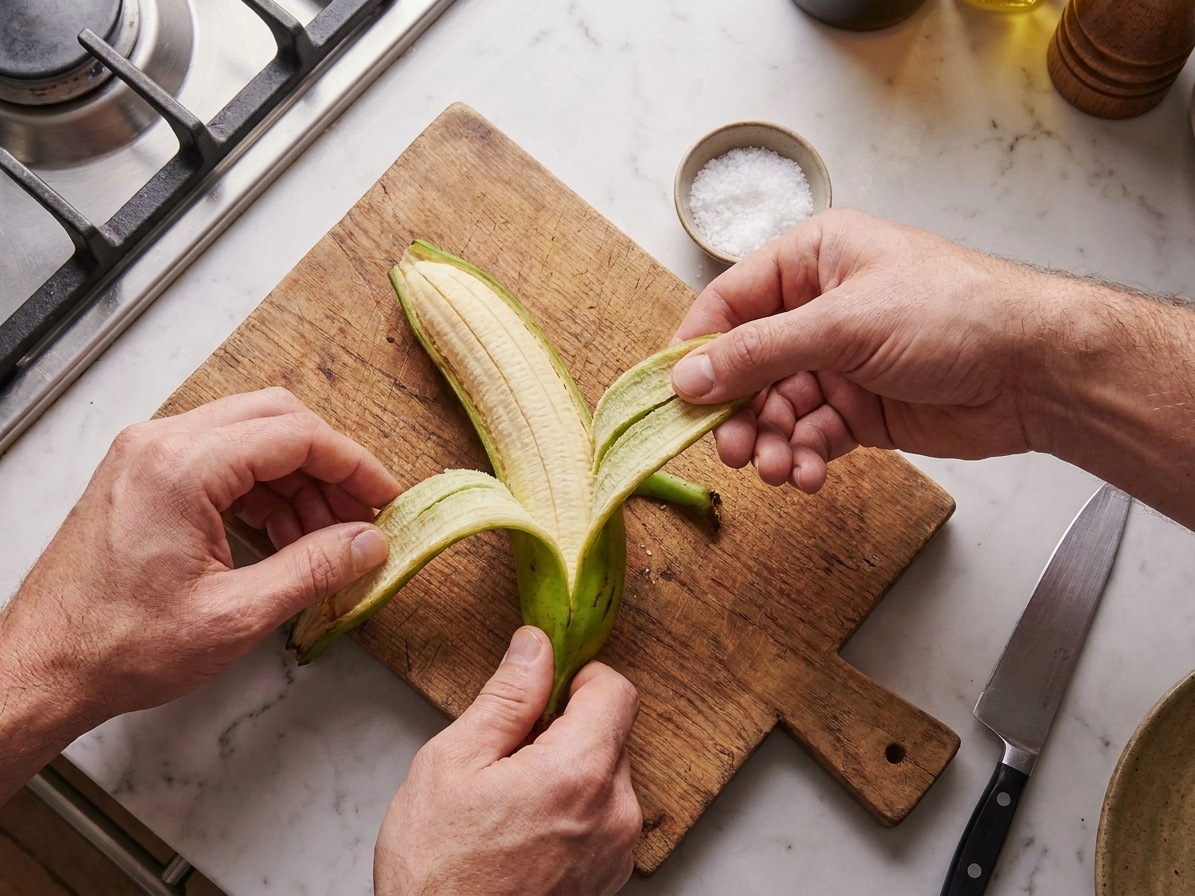
Cut off both ends, then score the peel lengthwise with the tip of a knife, just deep enough to cut the peel. Use your thumbs to lift and peel it away in sections. For very green plantains, a spoon helps separate peel from flesh.

What do I do with leftover frying oil?

Let the oil cool completely, then strain it (optional) and store it in a jar if it is still clean and neutral-smelling. Otherwise, pour it into a sealed container and throw it away. Do not pour oil down the sink.
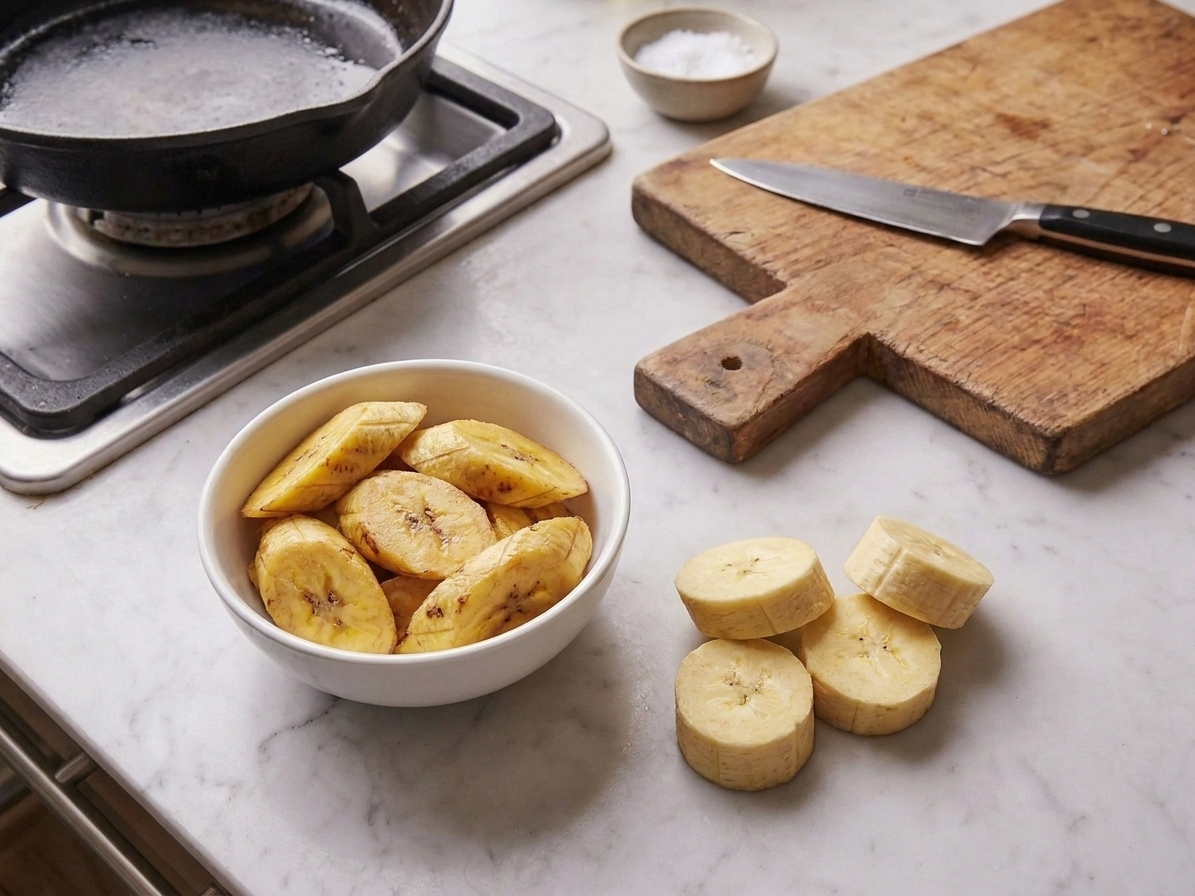

Diagonal slices of ripe plantain in a small bowl next to thick coins of green plantain on a kitchen counter, ready for frying

The first time I made fried plantains at home, I treated them like bananas and immediately got humbled. Green ones fought me like they had gym memberships. Ripe ones went from pale to deeply golden in what felt like a blink. But once I figured out the ripeness thing, it became one of my favorite side dishes because it is pure payoff: sizzle, crisp edges, a little salt, and suddenly dinner feels like it has a soundtrack.

Now I keep plantains around the way some people keep tortilla chips around. If I want cozy and sweet, I grab the spotted ones for maduros. If I want salty crunch with a bright dip, I go green and smash tostones like I mean it.