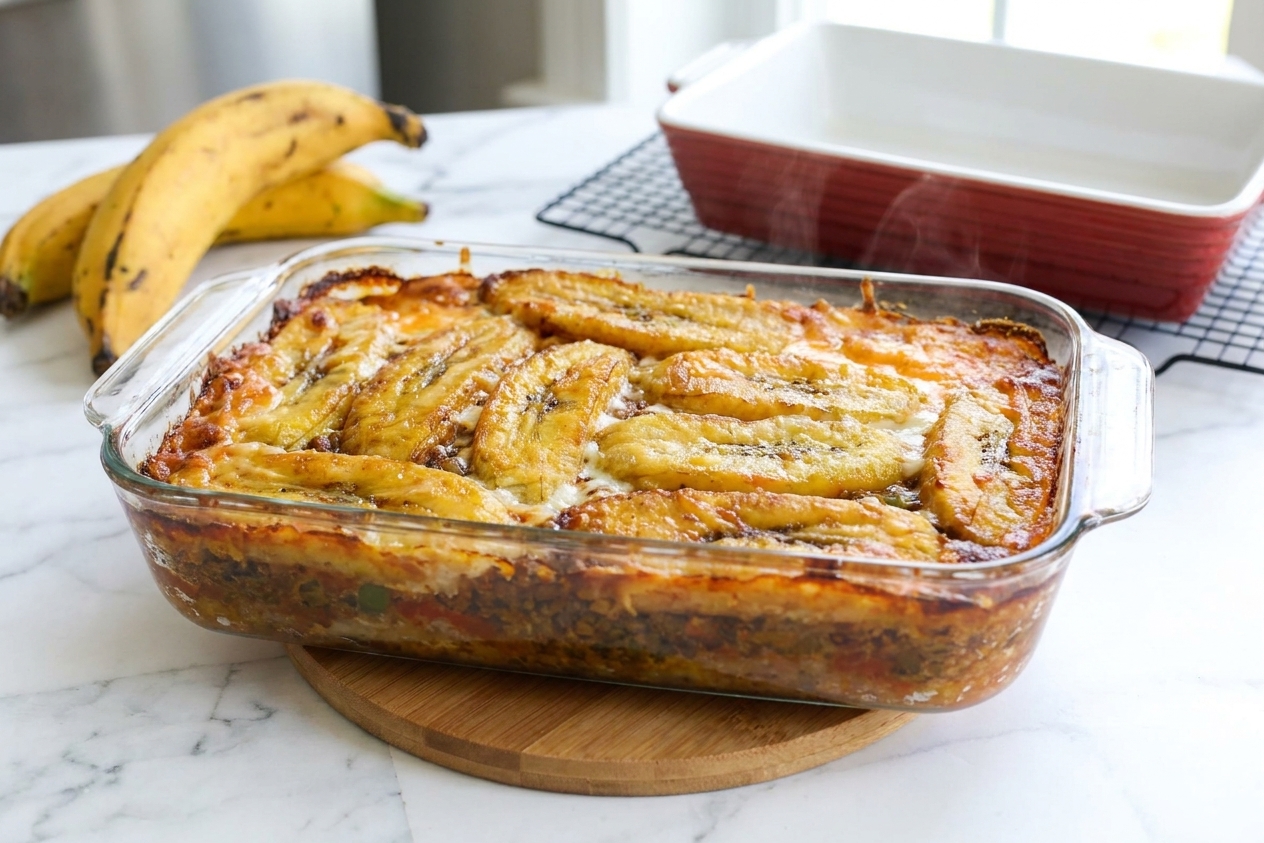
What is pastelón?
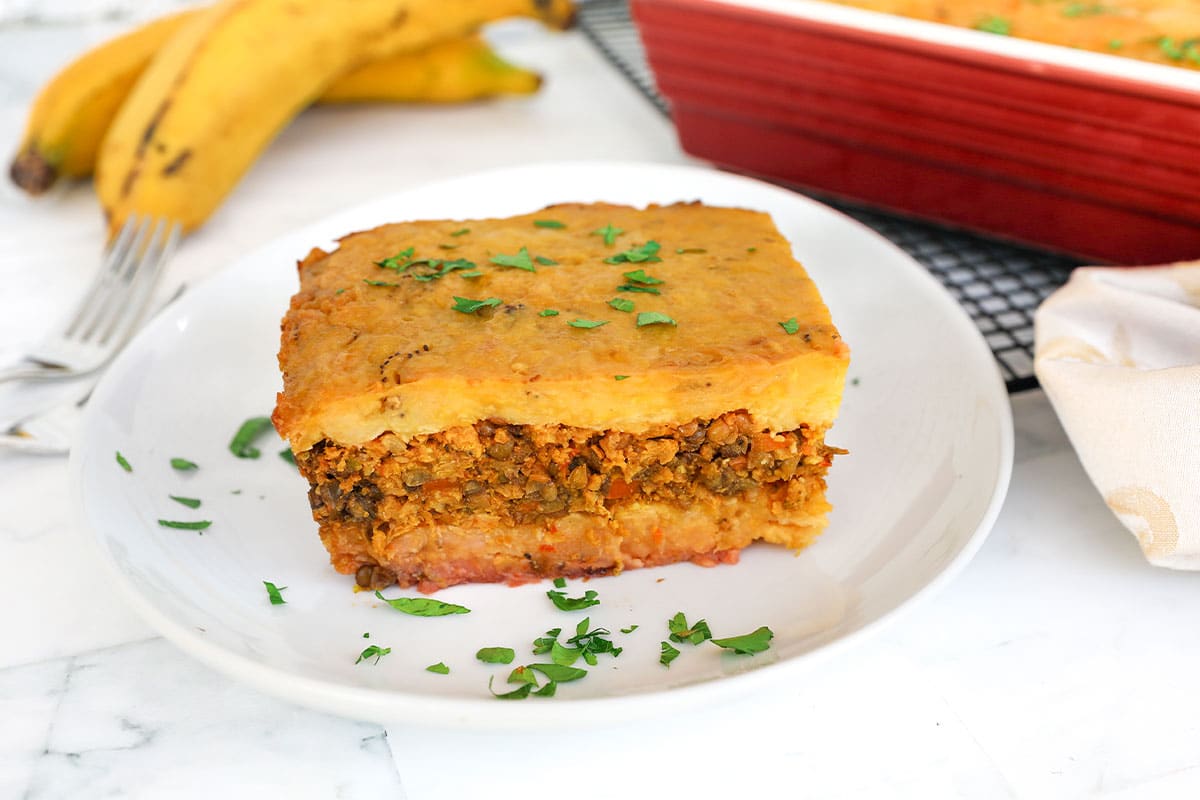
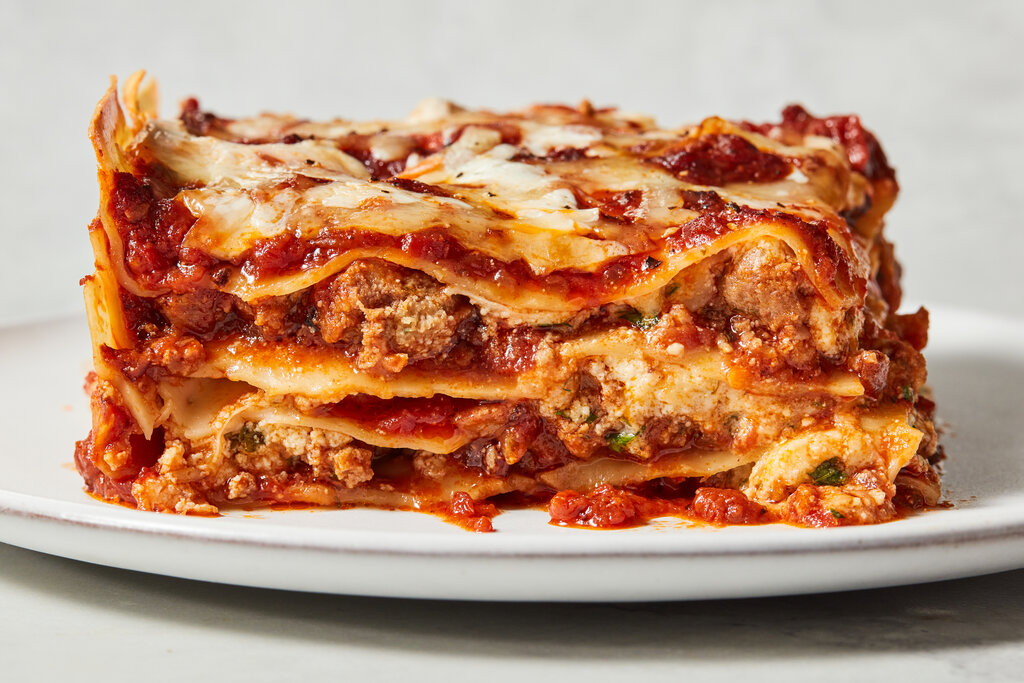
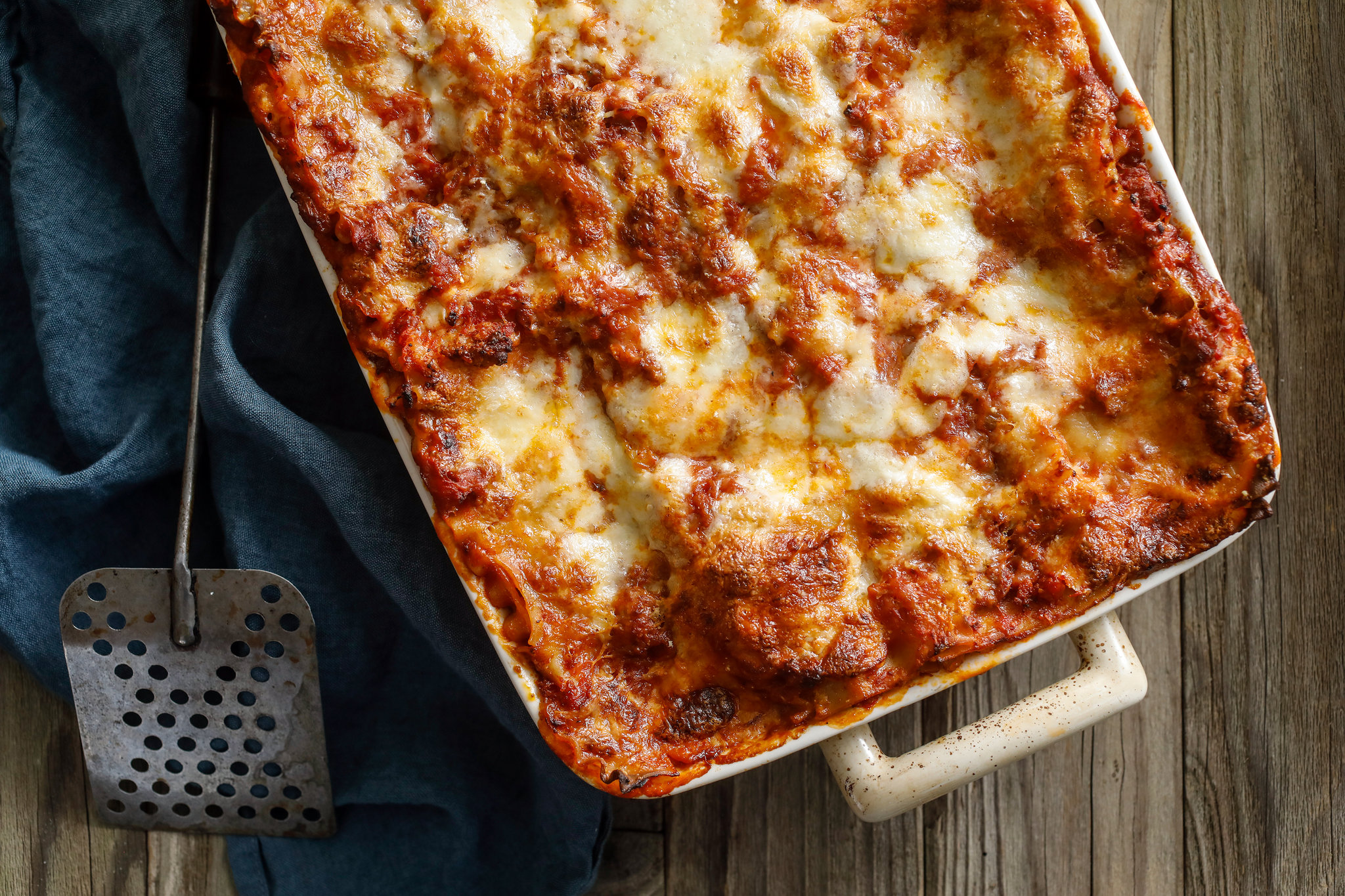
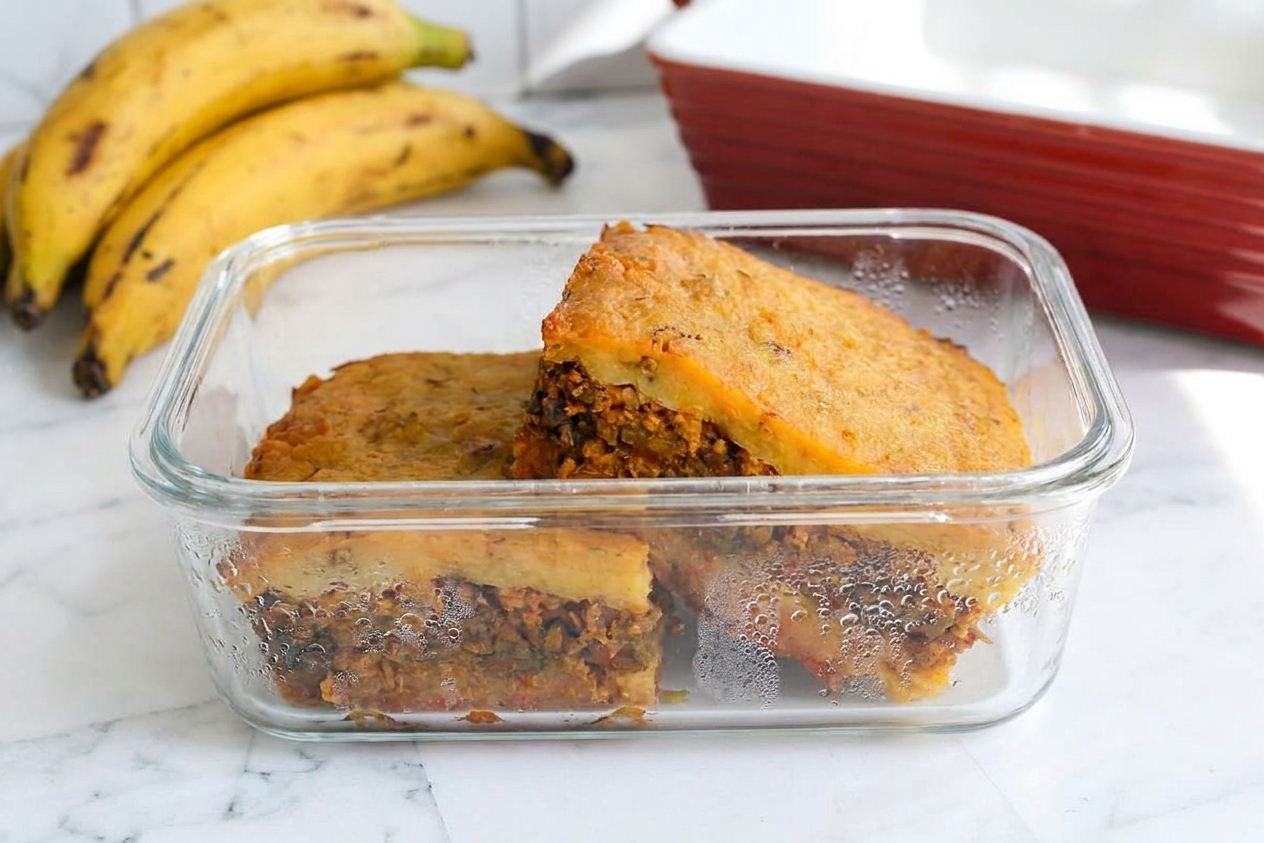
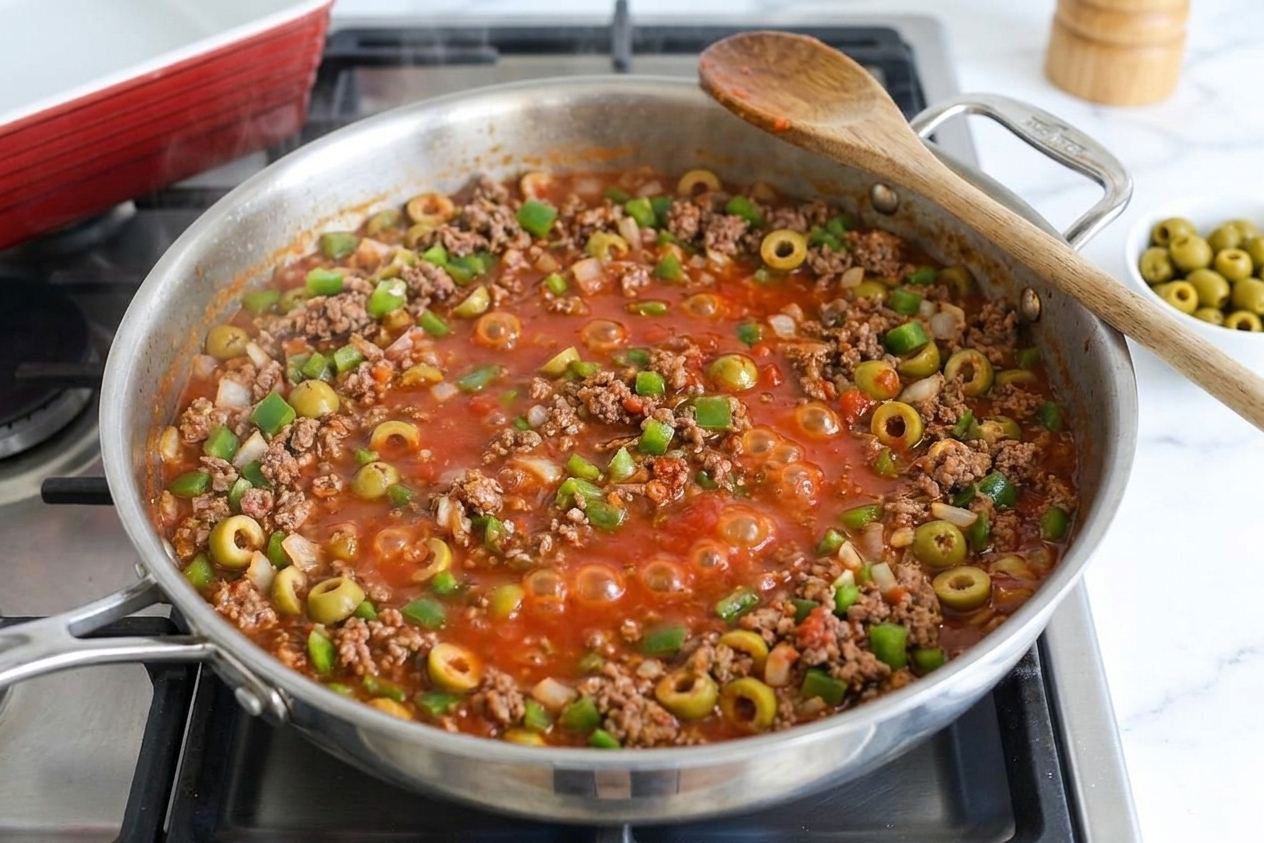
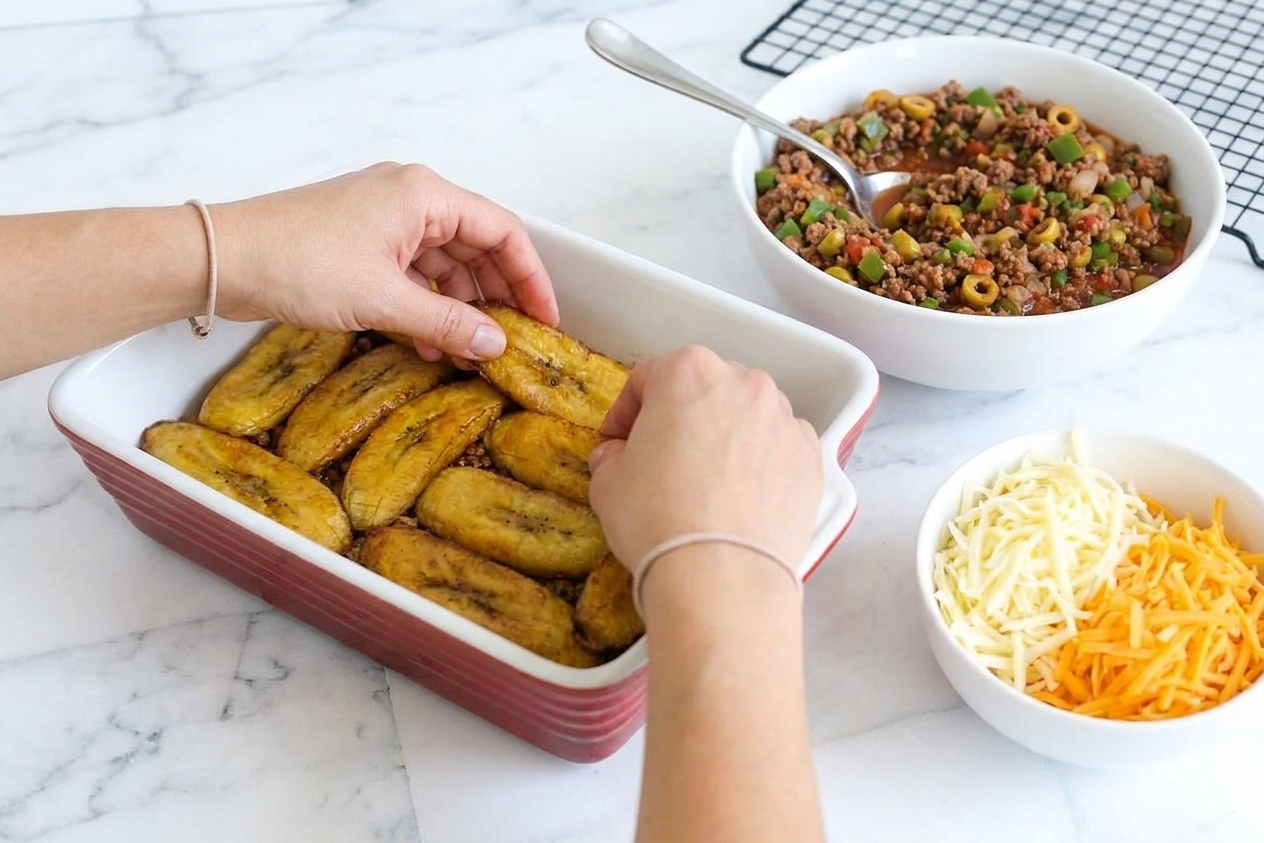
Pastelón is a Puerto Rican casserole made with layers of sweet plantains and savory meat filling, usually picadillo, plus cheese. It is often nicknamed “plantain lasagna,” but it has its own vibe: sweeter, tangier, and a little briny from olives.
Do plantains need to be very ripe?
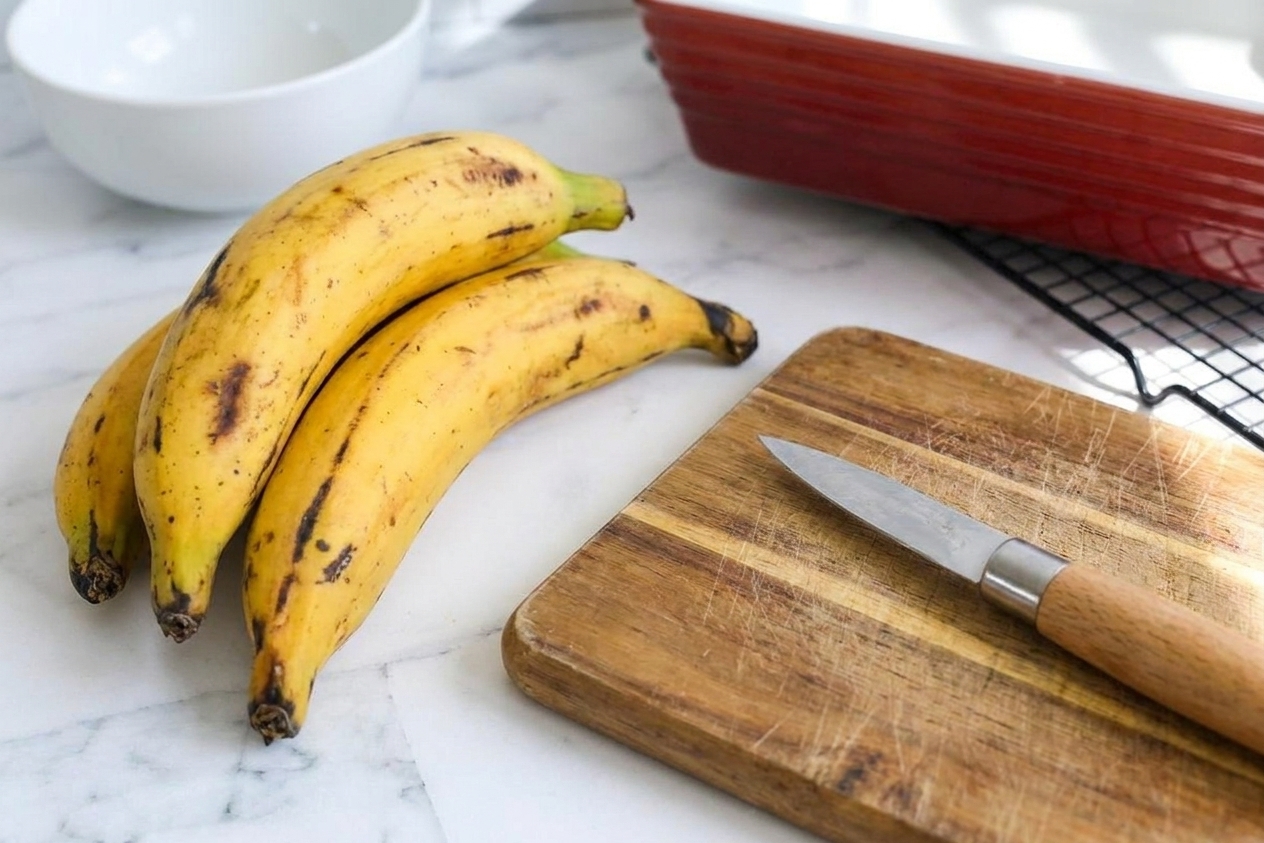
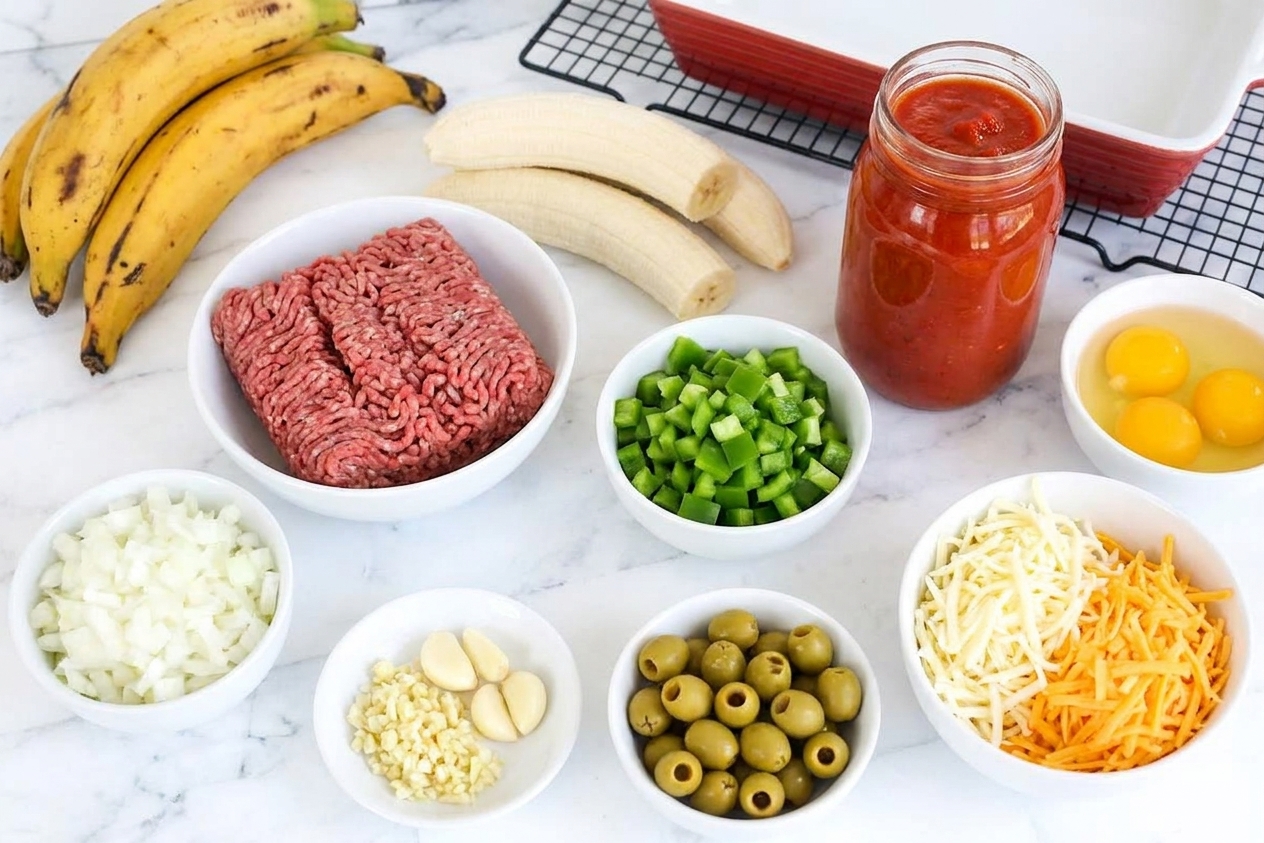
Yes. For classic pastelón, you want plantains that are yellow with lots of black spots or mostly black. If they are green or barely yellow, they will be starchy and not sweet enough.
How do I peel very ripe plantains without losing my mind?
Score the peel lengthwise (just through the skin), then use your thumbs or a spoon to lift the peel away. If it is extra sticky, a little oil on your hands helps.
Can I bake the plantains instead of frying?
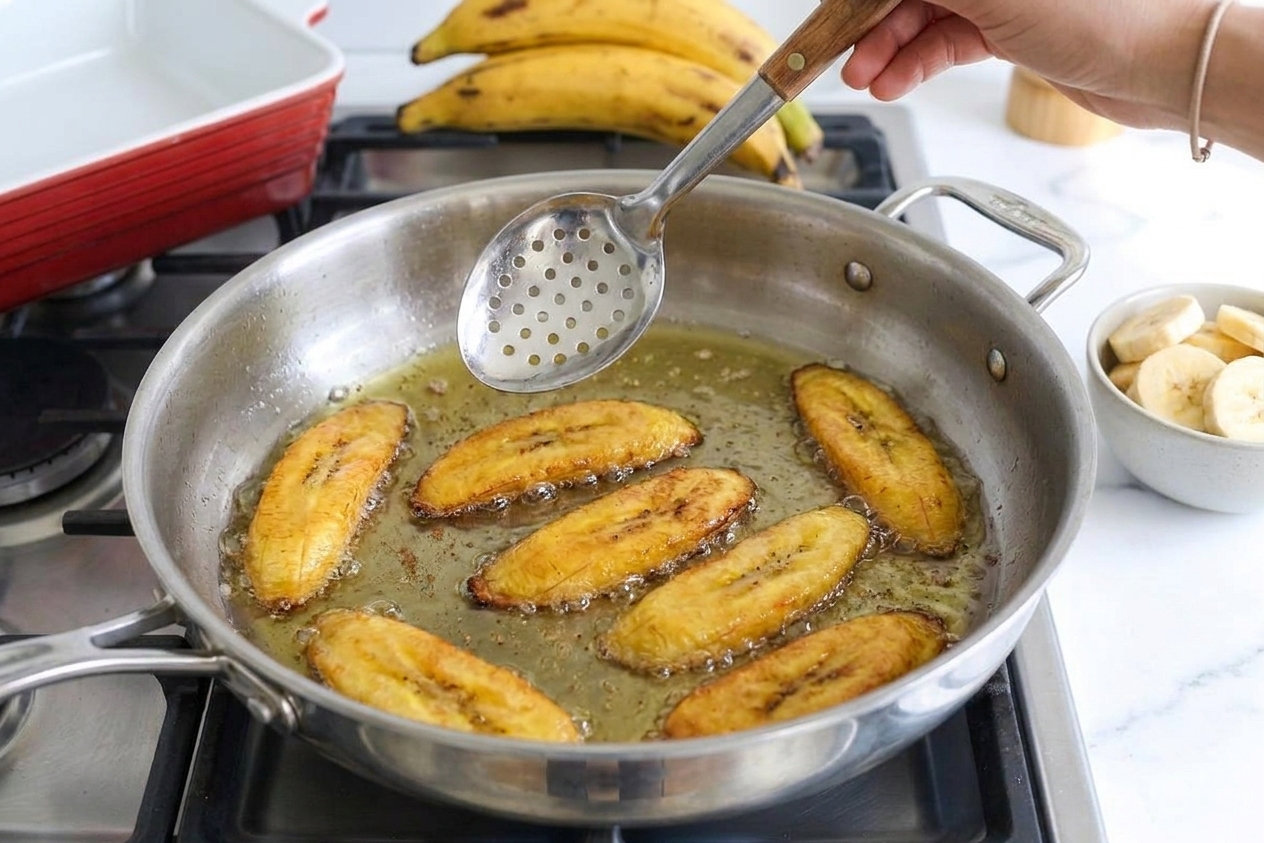
You can, but the texture changes. Frying gives you caramelized edges and sturdier slices. If you want to bake, brush slices with oil and roast at 425°F until browned, flipping once. Expect a softer layer.
What cheese works best?
Mozzarella melts great, but I love a mix of mozzarella and cheddar for a little extra punch. Monterey Jack is also excellent. If you have queso blanco or another mild Puerto Rican style melting cheese, use it.
Is pastelón supposed to be sweet?
It is sweet-savory on purpose. If you want less sweetness, use plantains that are ripe but not fully black, and keep the meat filling a little salt-forward with olives and seasoning.
Is this recipe “authentic” if I am not using sofrito or sazón?
Traditional pastelón often leans on sofrito and sazón for that signature Puerto Rican flavor base. Here, the onion, bell pepper, garlic, oregano, and cumin are a practical stand-in that gets you very close with grocery-store staples. If you have sofrito, stir in 2 to 3 tablespoons with the onions and peppers. If you use sazón, add 1 packet when you season the beef.