Mom's Best Recipes
Recipe

Garlic Butter Baked Tilapia

Tender, flaky tilapia baked in a bright garlic butter lemon sauce with lightly crisp edges. Weeknight-easy and ready in about 20 minutes.

Author By Matt Campbell
4.8
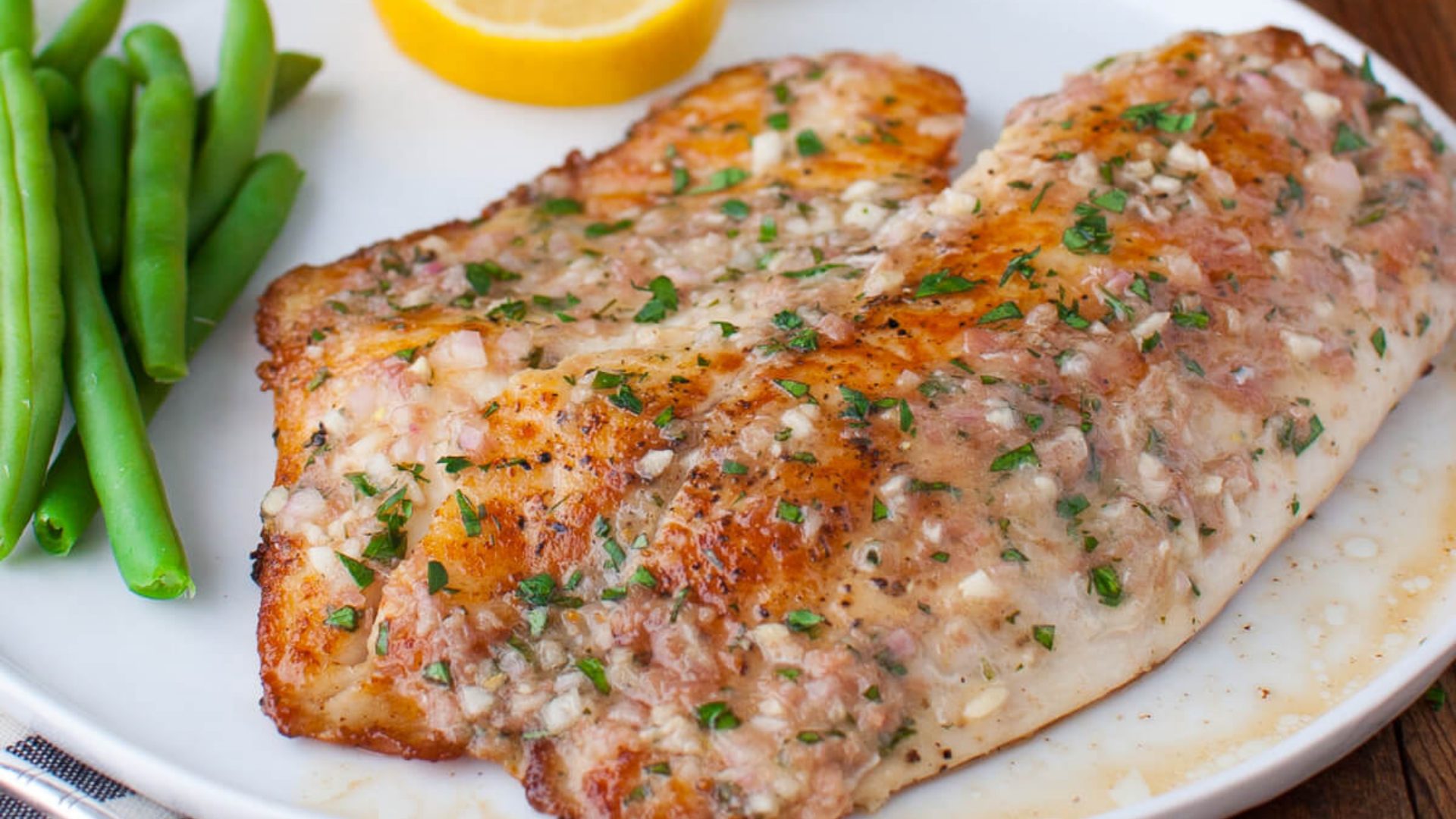
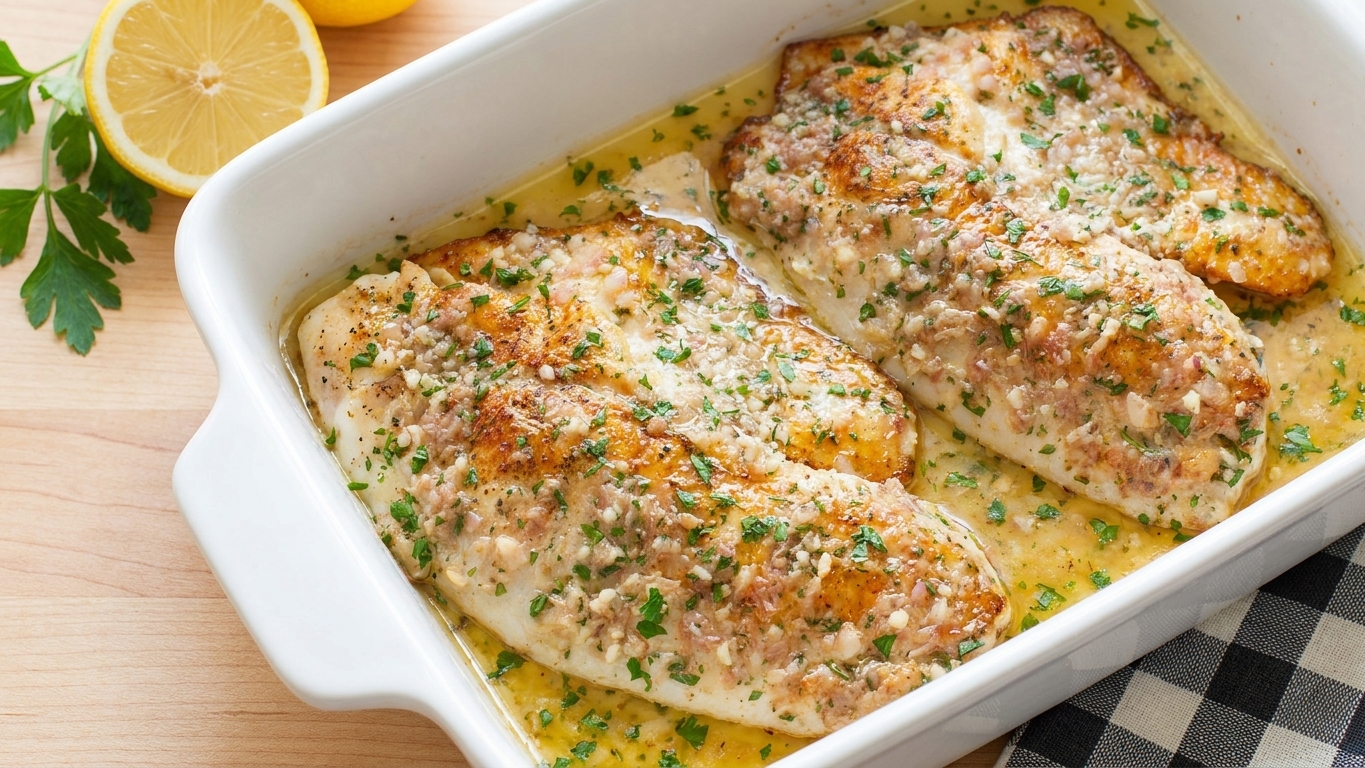
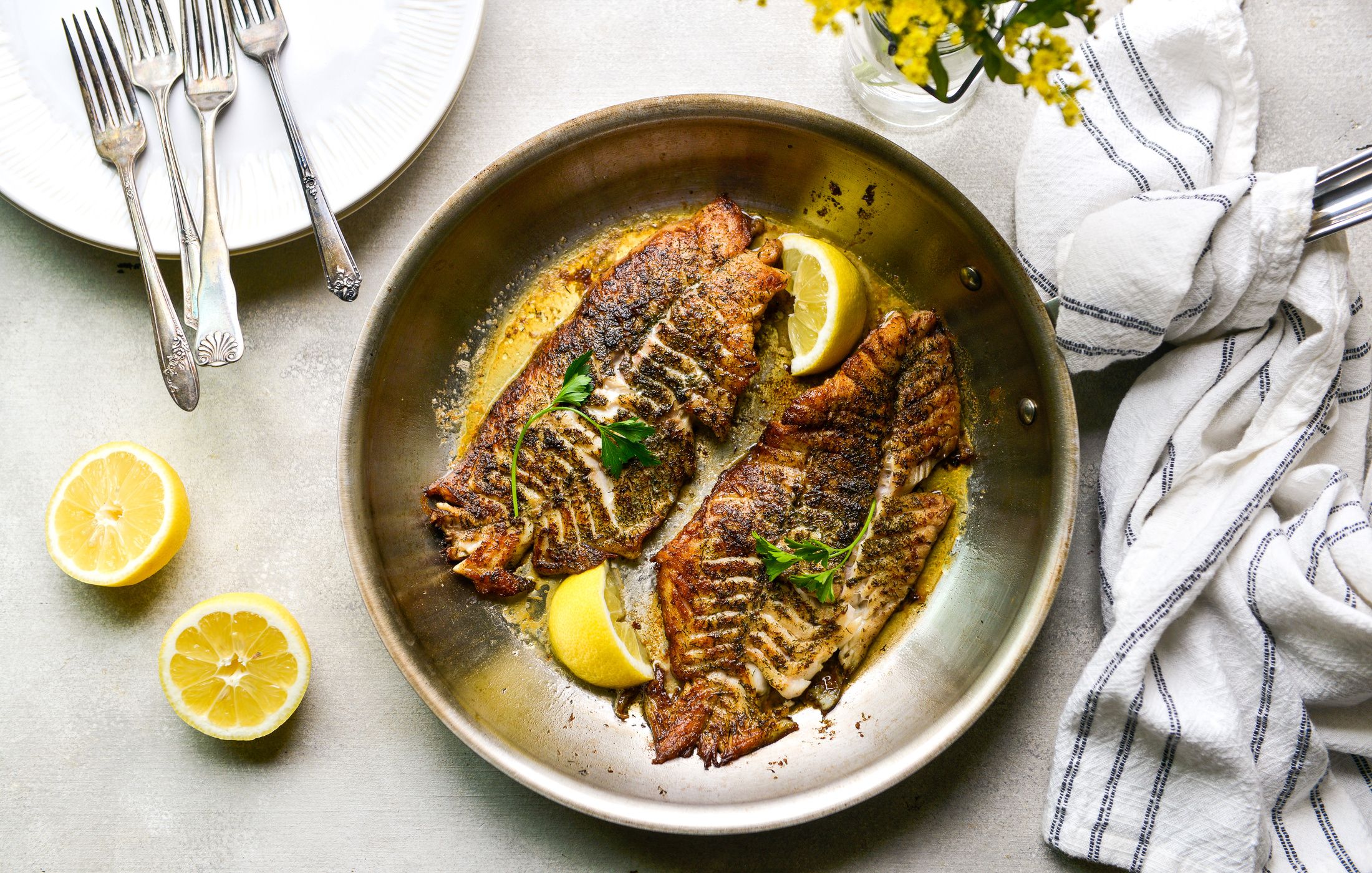
A white ceramic baking dish filled with baked tilapia fillets in a glossy garlic butter lemon sauce, topped with chopped parsley, on a light kitchen counter with a lemon half nearby

If you have ever stood in front of the fridge holding a pack of tilapia like it is a homework assignment, this is your exit ramp. Garlic butter baked tilapia is the kind of dinner that feels fancy enough to serve to company, but it behaves like a weeknight staple. You melt butter, wake it up with garlic and lemon, pour it over the fish, and the oven does the rest.

The best part is the sauce. It is bright, salty, and spoonable, which means you can drag it over rice, mashed potatoes, pasta, or whatever carb is currently keeping your household running.
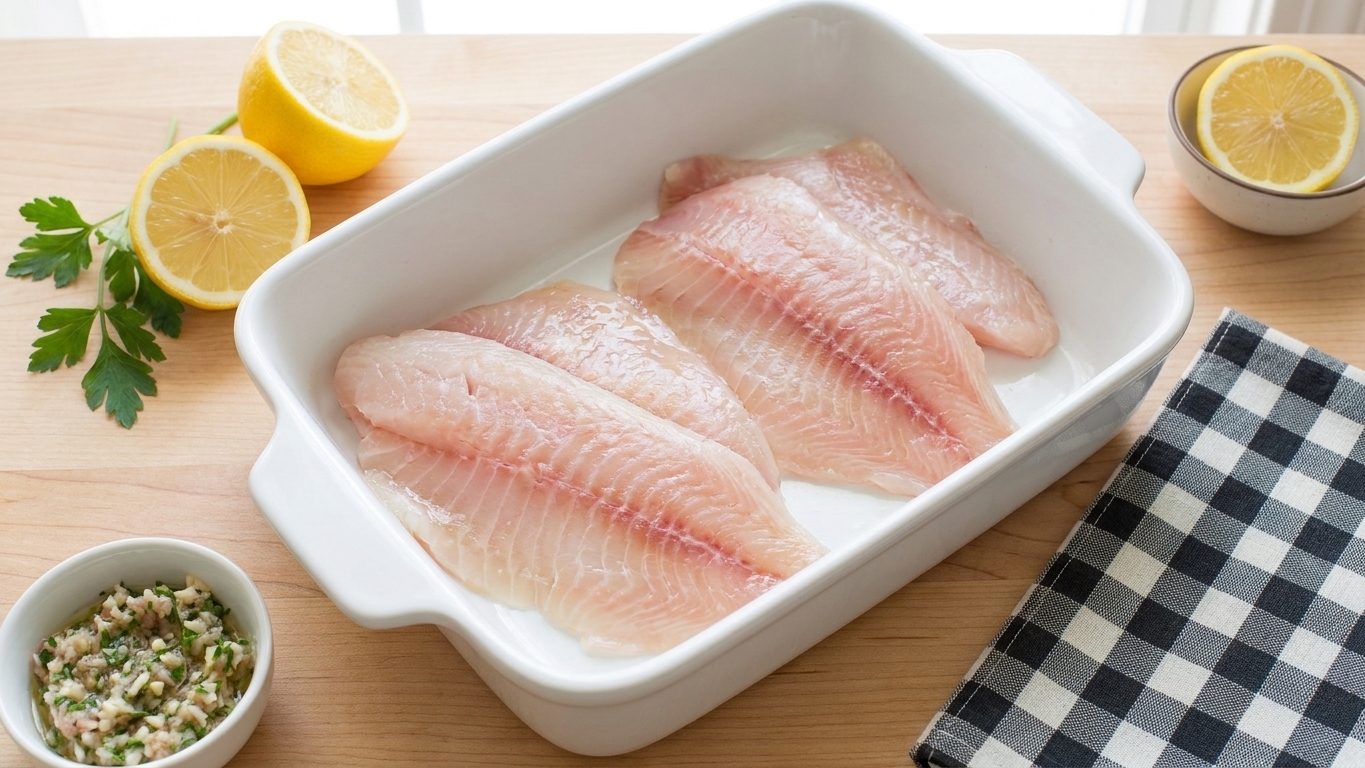
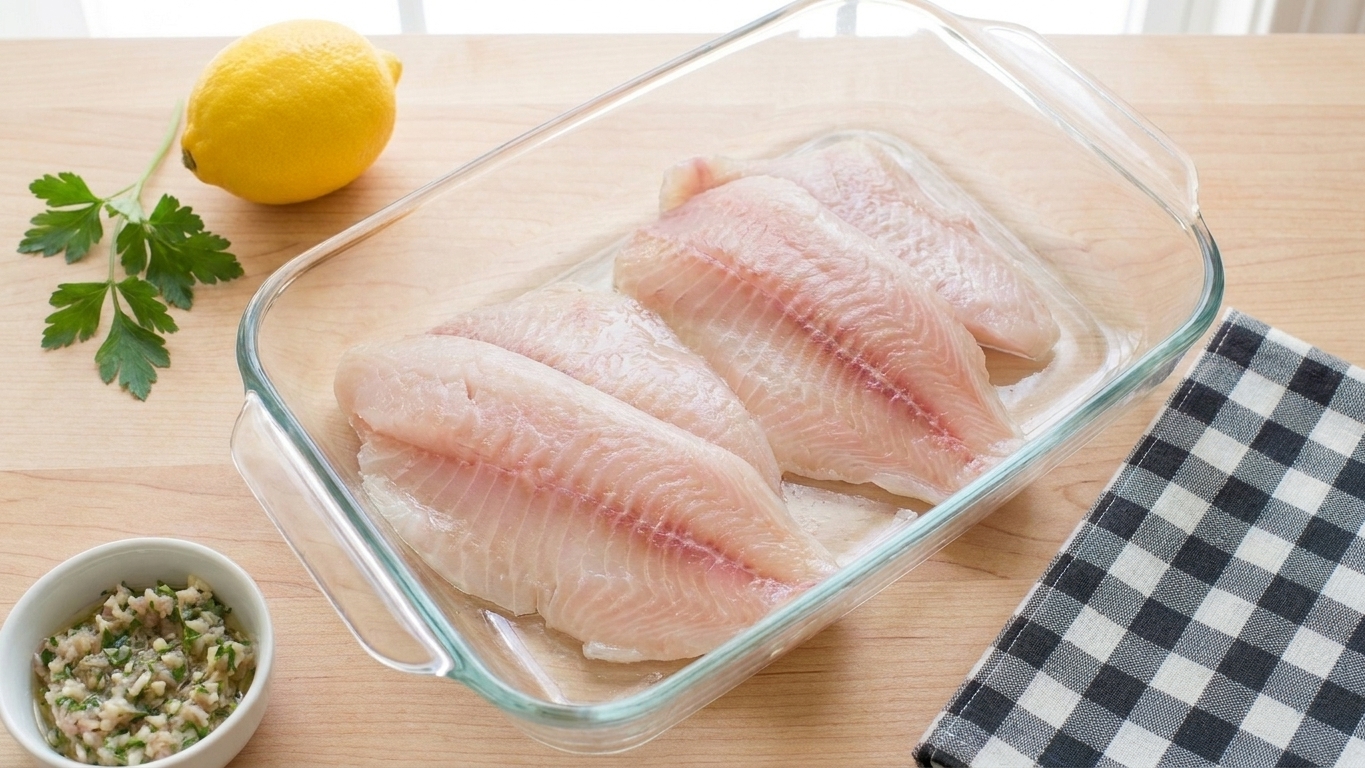
Raw tilapia fillets arranged neatly in a baking dish on a light kitchen counter before baking

Why It Works

  • Fast and forgiving: Tilapia is thin, so it bakes quickly. The butter keeps it moist even if you go a minute or two long.
  • Big flavor from small effort: Garlic blooms in melted butter, lemon cuts through richness, and paprika adds color and a gentle warmth.
  • Built-in sauce: The pan juices become your finishing move. Spoon it over the fish, then over your sides, then maybe over a piece of bread because you are human.
  • Family friendly: No heavy heat, no complicated steps, and the flavors are familiar.

Pairs Well With

Storage Tips

How to Store and Reheat

Refrigerate: Cool leftovers, then store tilapia with some of the sauce in an airtight container for up to 2 days for best quality (it is often still okay up to 3, but fish is happiest sooner).

Reheat gently: Fish dries out fast, so go low and slow.

  • Microwave: 50 to 60% power in 30-second bursts, with a spoonful of sauce on top.
  • Oven: Cover with foil and warm at 300°F for about 8 to 12 minutes.

Freezing: You can freeze it, but tilapia is delicate and the texture can turn a little watery. If you do freeze, wrap well and use within 1 month, then thaw overnight in the fridge and reheat gently.

Common Questions

Common Questions

How do I know when tilapia is done?

It should flake easily with a fork and look opaque all the way through. If you use an instant-read thermometer, aim for 145°F at the thickest part.

Can I use frozen tilapia?

Yes, but thaw it first for the best texture and to avoid a watery pan. Thaw overnight in the fridge, then pat dry really well before seasoning.

Should I rinse tilapia first?

Nope. Rinsing can splash bacteria around your sink and counters. Just pat the fillets dry with paper towels so they roast instead of steam.

Why did my tilapia turn out watery?

Usually it is excess moisture. Pat the fillets dry, and do not overcrowd the pan. If your fish released a lot of liquid, spoon off a bit, then finish with a quick broil for 1 to 2 minutes to concentrate flavor and add color.

Can I make this dairy free?

Swap the butter for olive oil, or use a plant-based butter. You will still get a great lemon-garlic pan sauce, just a little less rich.

Is this spicy?

Not as written. If you want heat, add a pinch of red pepper flakes to the butter or finish with a drizzle of hot sauce.

This is the recipe I make when I want dinner to feel like I tried, but I also want to sit down before my brain powers off. Tilapia is one of those quiet MVP proteins: mild, quick, and happy to take on bold flavors. The first time I poured garlicky butter and lemon over it, I realized the sauce was doing the heavy lifting, and I was simply supervising. That is my favorite kind of cooking: a little chaotic, mostly delicious, and absolutely worth the extra squeeze of lemon at the end.