Mom's Best Recipes
Recipe

Garlic Ginger Chinese Broccoli

Crisp-tender gai lan with a glossy garlic-ginger soy sauce and just enough heat to keep things interesting.

Author By Matt Campbell
4.8
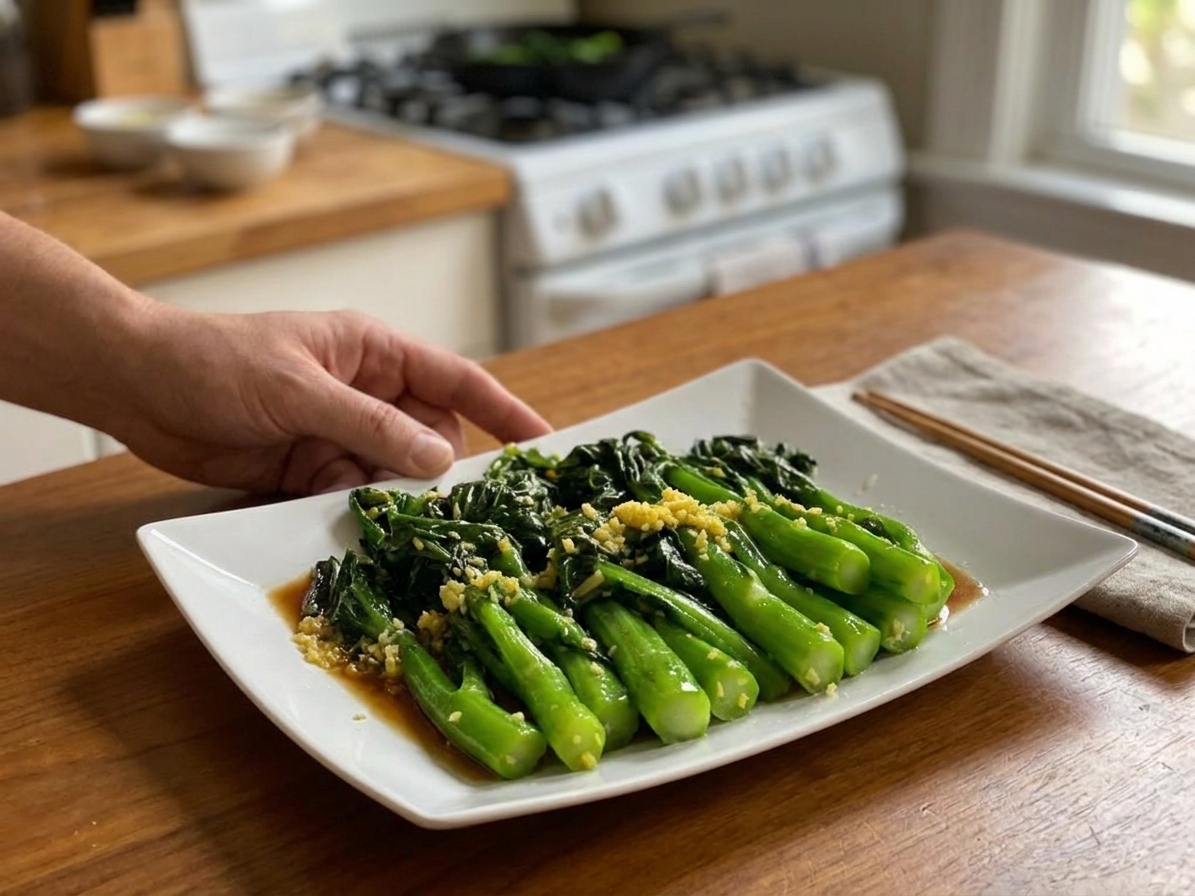
A platter of glossy garlic-ginger Chinese broccoli (gai lan) with bright green leaves and crisp stems, sprinkled with toasted sesame seeds on a simple dinner table

Chinese broccoli, also called gai lan, is one of those vegetables that tastes like it already knows what it’s doing. It’s got a broccoli-like bite, leafy greens energy, and these thick stems that stay snappy even after a quick cook. Translation: it’s basically built for weeknight dinners.

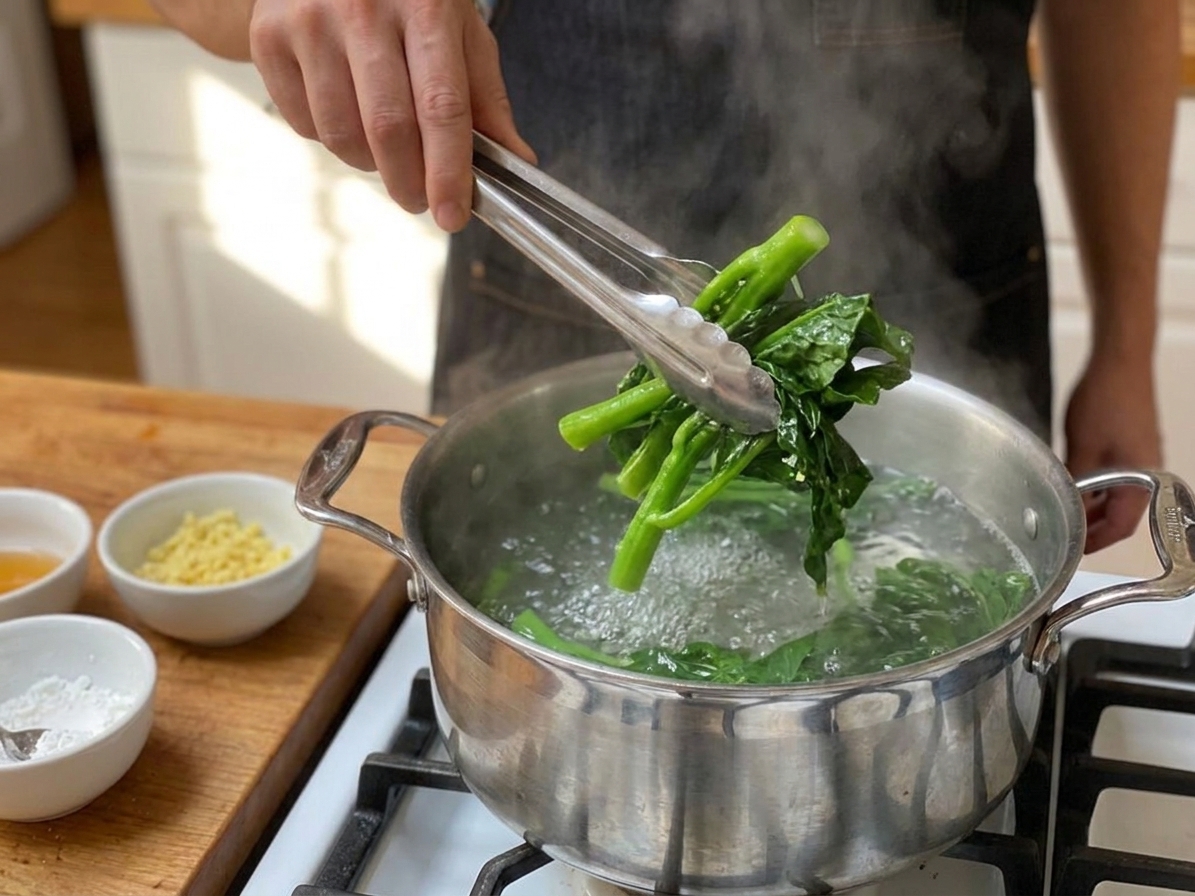
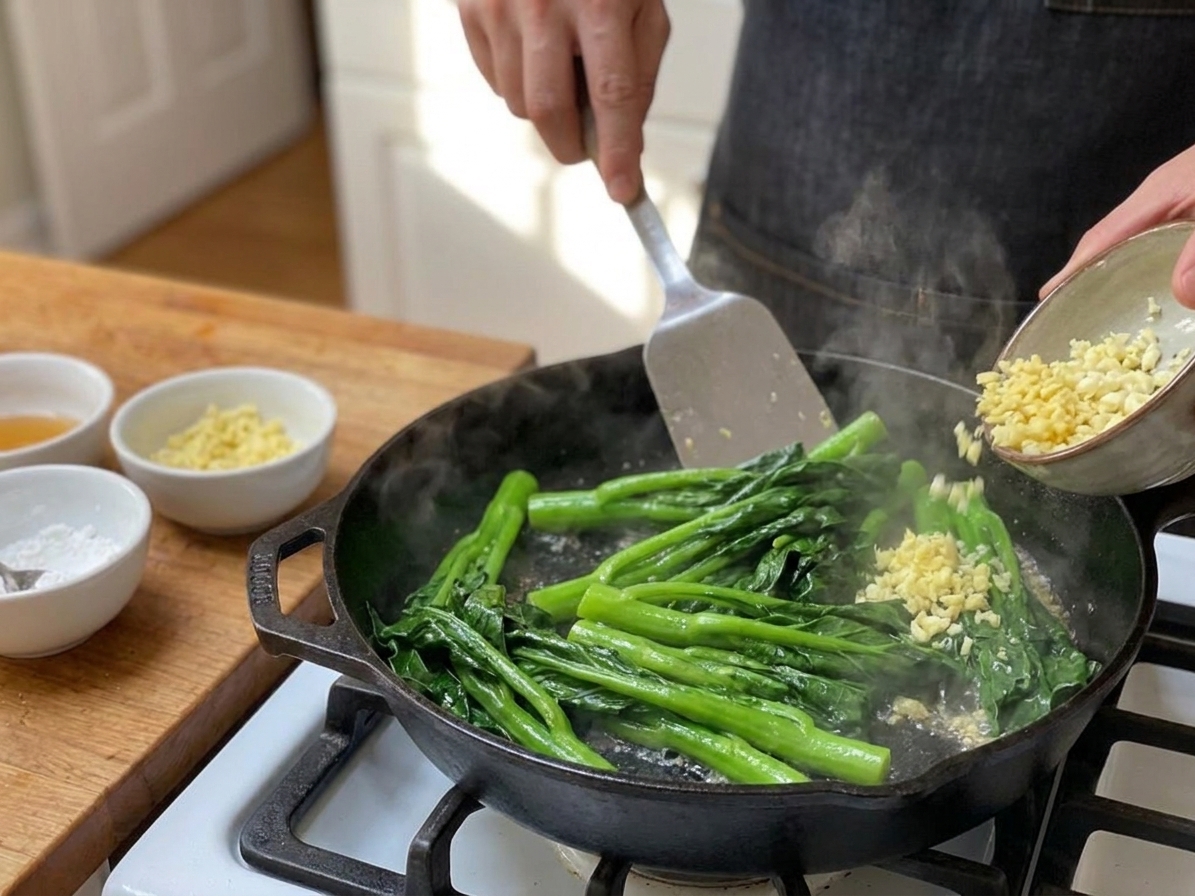
This is my favorite way to make it at home because it hits all the good notes with minimal drama. We do a quick blanch (helps it stay bright green and tender), then a fast sear (hello crisp edges), then we gloss it with a simple garlic-ginger sauce that tastes like way more effort than it is.

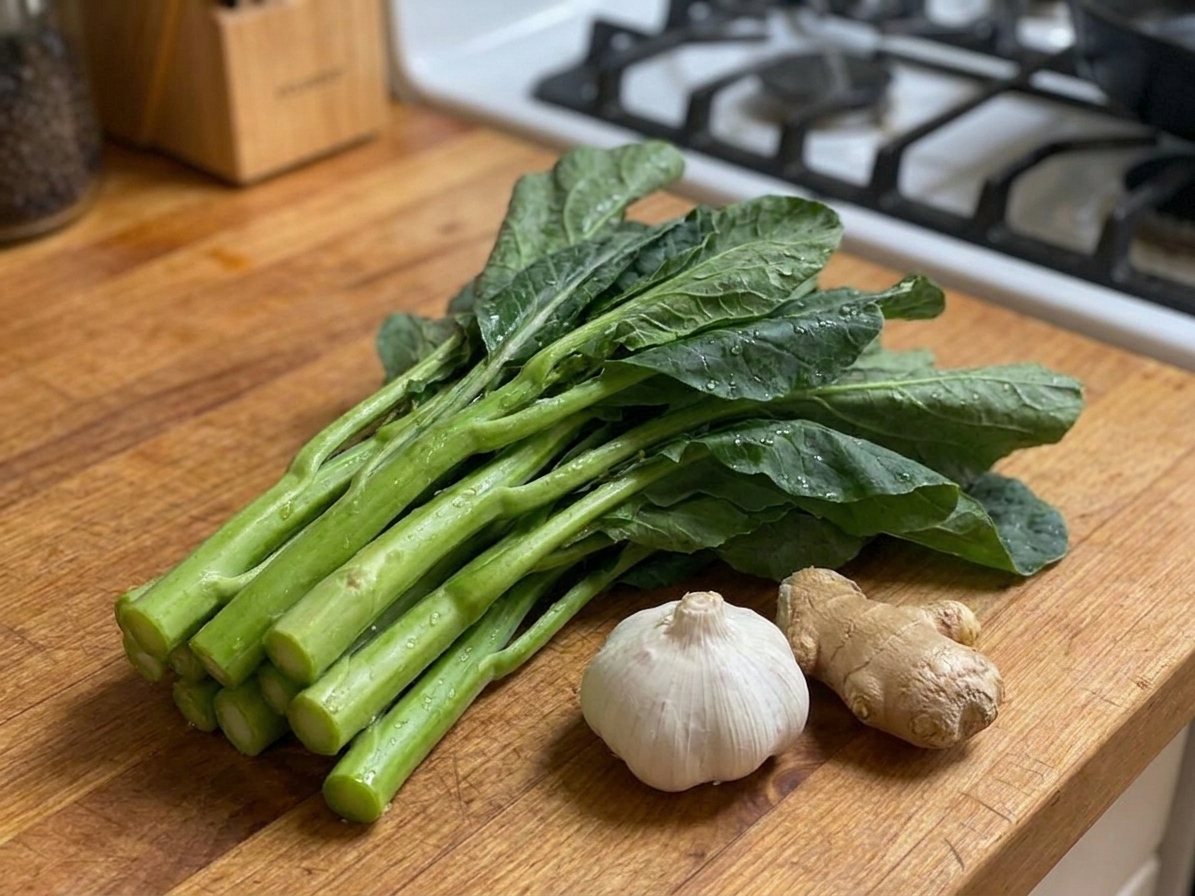
A fresh bunch of Chinese broccoli (gai lan) with thick stems and dark green leaves on a wooden cutting board beside garlic and ginger

Why It Works

  • Crisp stems, tender leaves: Blanching softens the stems just enough, then a quick sear adds flavor without turning the greens mushy.
  • A sauce that clings: A tiny bit of cornstarch gives you that glossy, restaurant-style coating without needing a lot of oil.
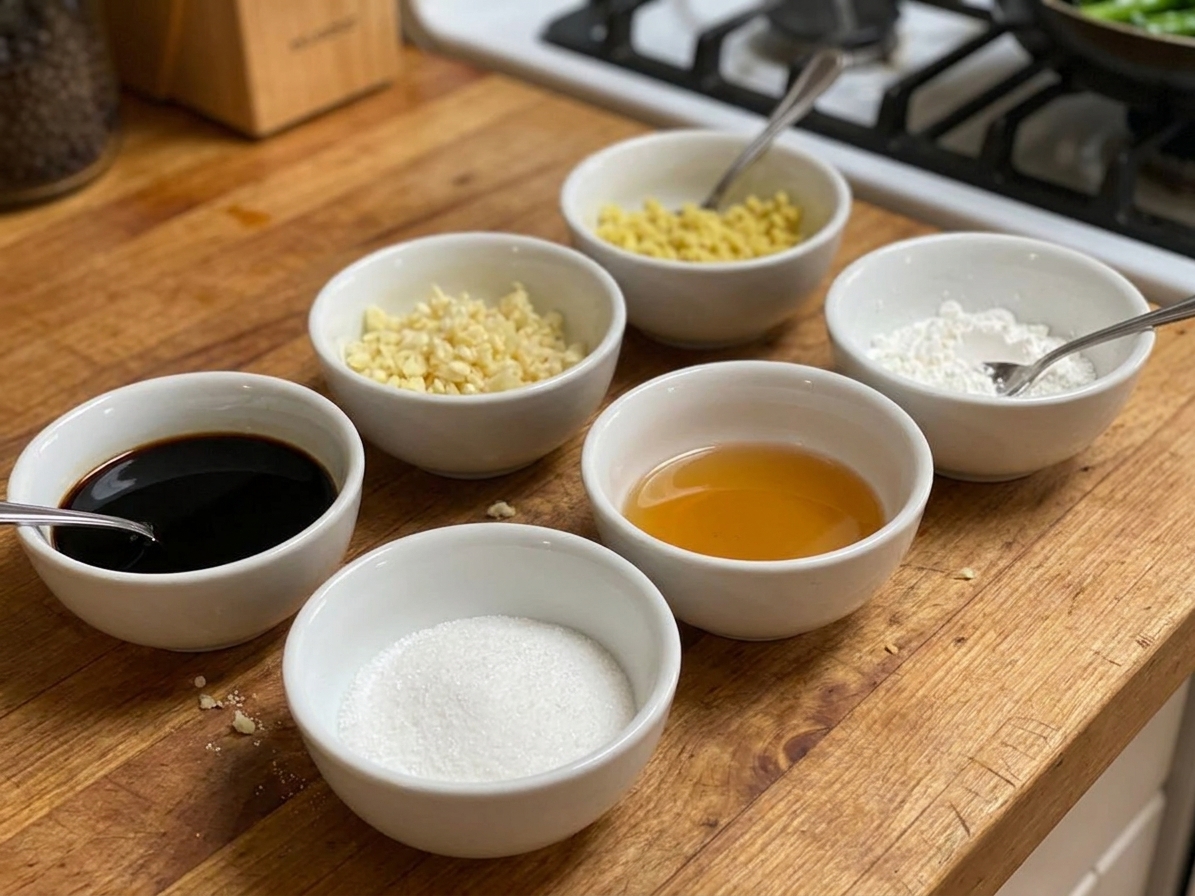
  • Big flavor, accessible pantry: Soy sauce, garlic, ginger, and sesame oil do the heavy lifting.
  • Flexible: Make it mild, make it spicy, add oyster sauce, or keep it vegan. The method stays solid.

Pairs Well With

Storage Tips

Fridge: Store cooled leftovers in an airtight container for up to 3 days.

Reheat: Best in a skillet over medium heat with a small splash of water. Cover for 30 to 60 seconds to steam, then uncover and toss until hot. Microwave works too, but the stems will soften a bit.

Meal prep tip: You can wash and trim the gai lan up to 2 days ahead. Keep it wrapped in a paper towel inside a bag or container to absorb moisture.

Freezing: Not my favorite here. The leaves get soft and watery. If you must, blanch first, shock in ice water, dry well, then freeze. Reheat by stir-frying straight from frozen.

Common Questions

What is Chinese broccoli (gai lan) and how is it different from regular broccoli?

Gai lan is a leafy brassica with thick, crunchy stems and tender dark leaves. It’s often a little more bitter and earthy than standard broccoli florets, and it cooks beautifully with quick blanching and stir-frying.

Do I need to blanch it first?

You do not have to, but blanching helps the stems turn tender without overcooking the leaves. If you skip blanching, add a splash of water to the pan and cover for 1 to 2 minutes to steam the stems before saucing.

How do I cut gai lan for even cooking?

Trim the bottom 1/2 inch if it looks dry. If the stems are very thick, slice the lower stems lengthwise in half. Keeping the leaves attached makes everything easier to toss.

Should I blanch the stems and leaves at different times?

If your gai lan has very thick stems, yes. Drop the stems in first for 30 to 45 seconds, then add the leafy tops and blanch everything together for another 45 to 60 seconds, just until bright green and crisp-tender.

Can I make this without oyster sauce?

Yes. This recipe is oyster sauce-free as written. If you want that classic savory sweetness, add 1 tablespoon oyster sauce (or vegetarian oyster sauce) and reduce the soy sauce slightly to taste.

Why did my gai lan turn dull or army green?

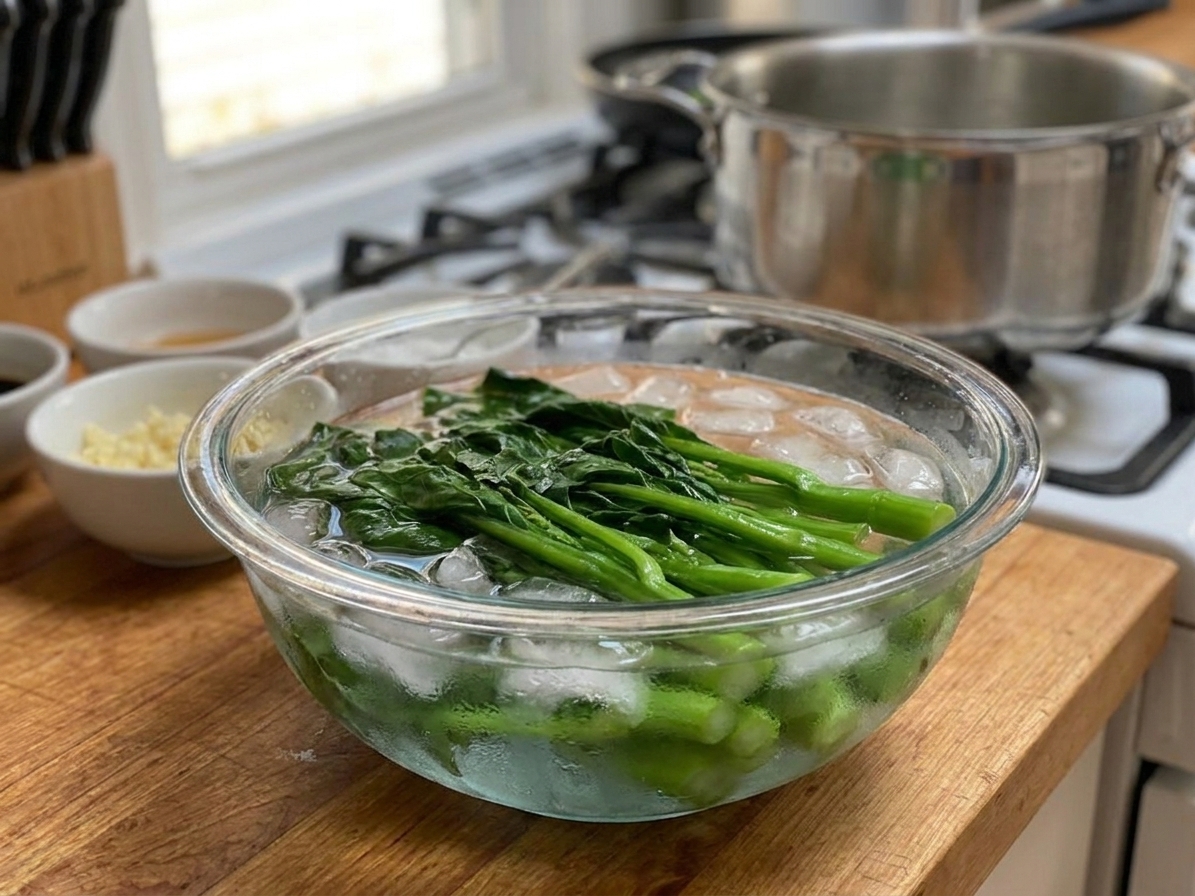
Usually it’s overcooking. A quick blanch and a fast stir-fry help, and an ice bath can help lock in a brighter green if you want it. If you’re skipping the ice bath, just keep the blanch very short and get it into the hot pan quickly.

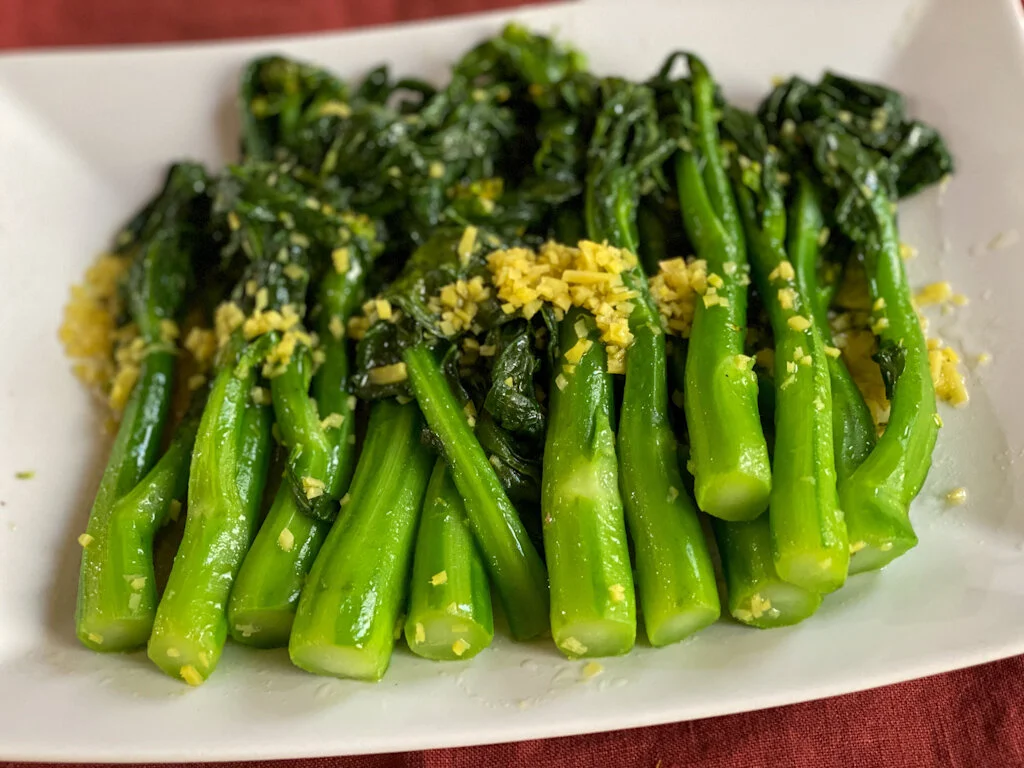
I used to walk past gai lan at the store like it was for someone else, someone with a real wok and a mysterious sauce stash. Then I started actually cooking it and realized it’s the exact kind of vegetable I love: forgiving, fast, and way better than it has any right to be with just garlic, ginger, and a hot pan. Now it’s my go-to when dinner needs a green side that feels like it belongs next to noodles , rice, or anything crispy and fried. It tastes like you tried, even if you were kind of winging it.