Mom's Best Recipes
Recipe

Garlic Sesame Napa Cabbage Stir-Fry

Crisp-tender Chinese cabbage in a glossy garlic-sesame sauce, ready fast and flexible enough for rice bowls, noodles, or a simple weeknight side.

Author By Matt Campbell
4.8
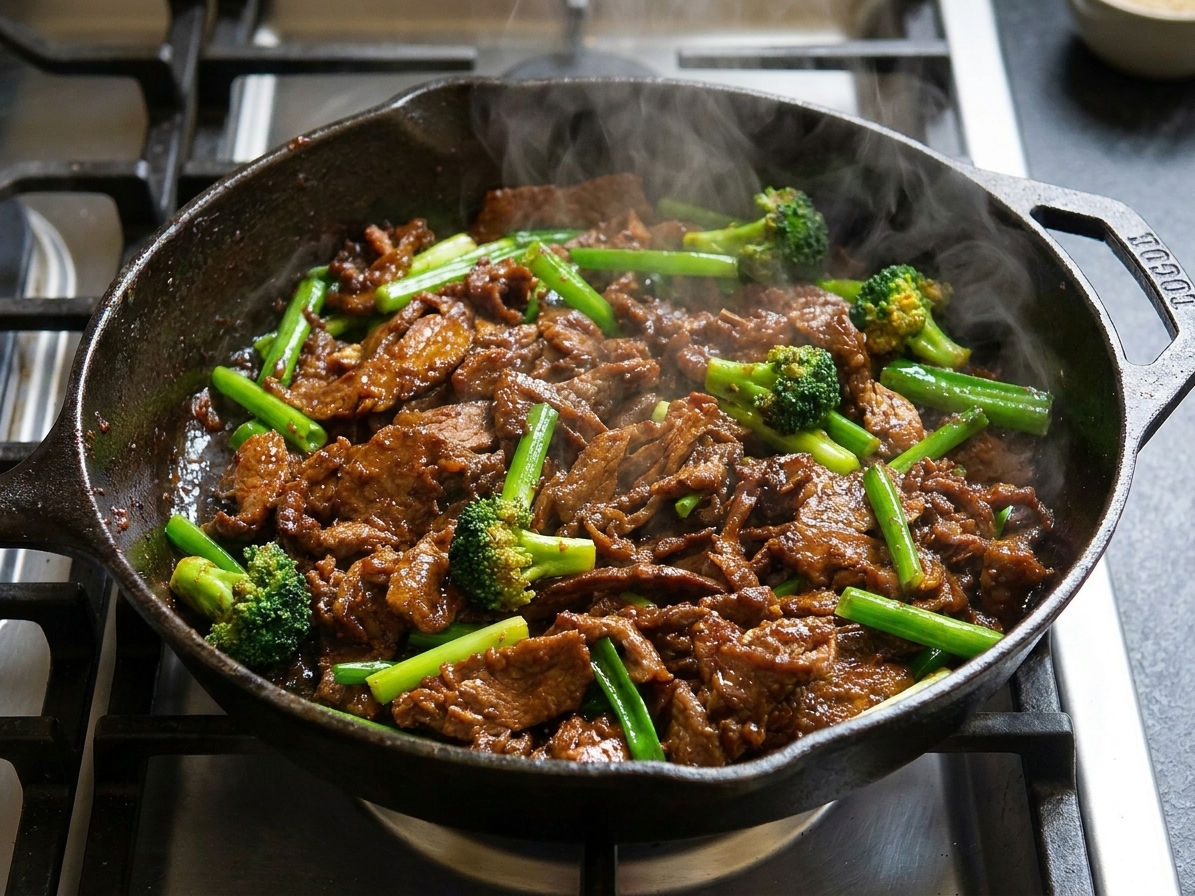
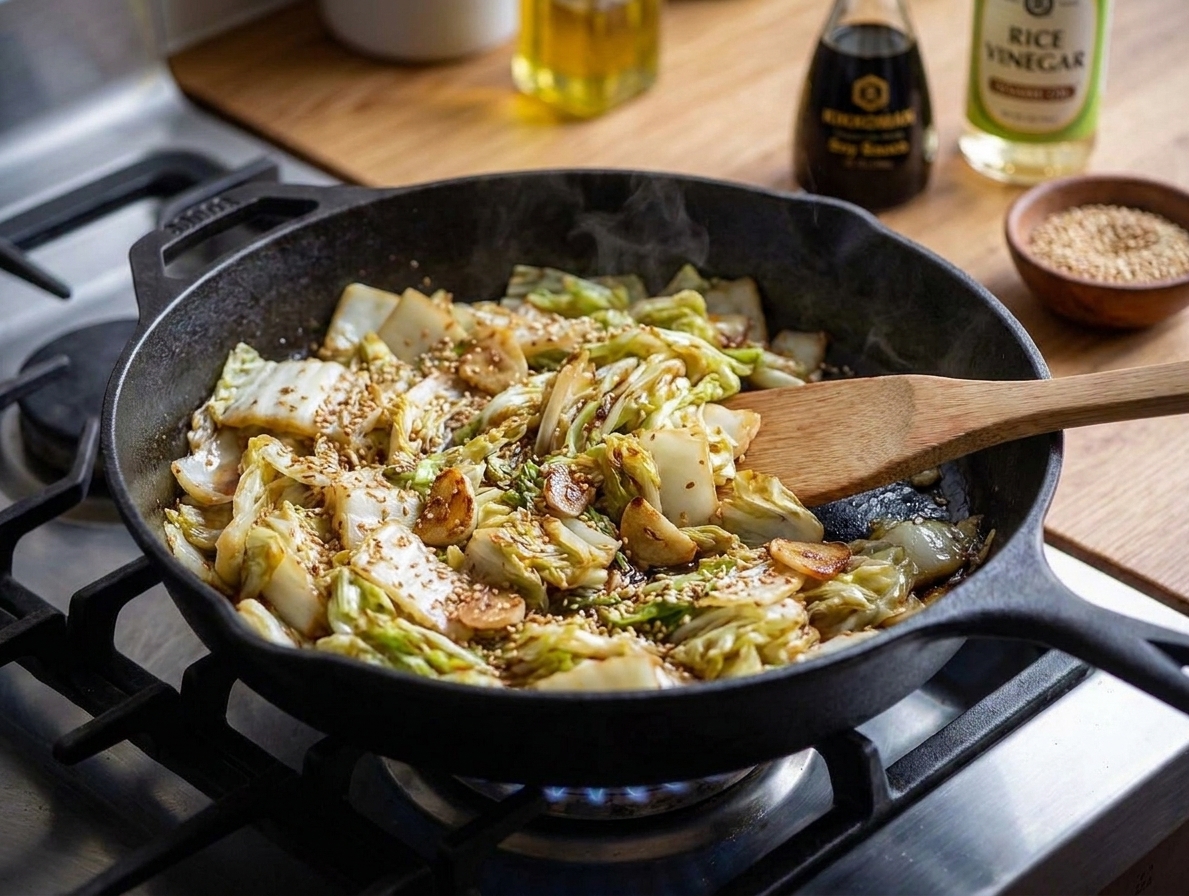
A skillet of glossy garlic sesame Napa cabbage stir-fry with browned edges and scattered toasted sesame seeds, on a stovetop under warm kitchen lighting

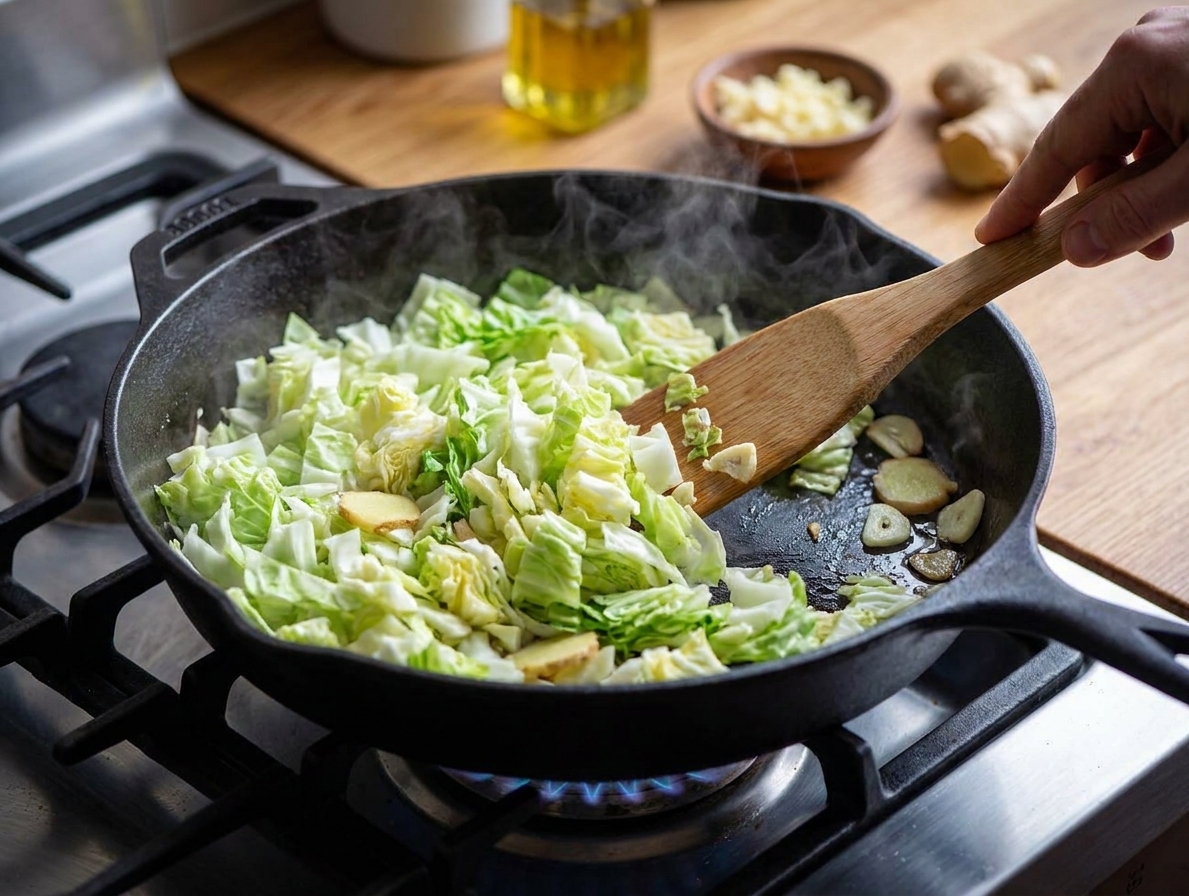
Chinese cabbage, especially Napa cabbage, is one of those vegetables that looks innocent and then absolutely shows off in a hot pan. The leafy tops go silky, the pale ribs stay snappy, and the whole thing drinks up sauce like it was born for it.

This is my weeknight version: a fast stir-fry with garlic, ginger, soy, a little sweetness, and toasted sesame. It hits that sweet spot between bright and cozy, and it is forgiving if your knife cuts are a little chaotic. (Mine often are.)
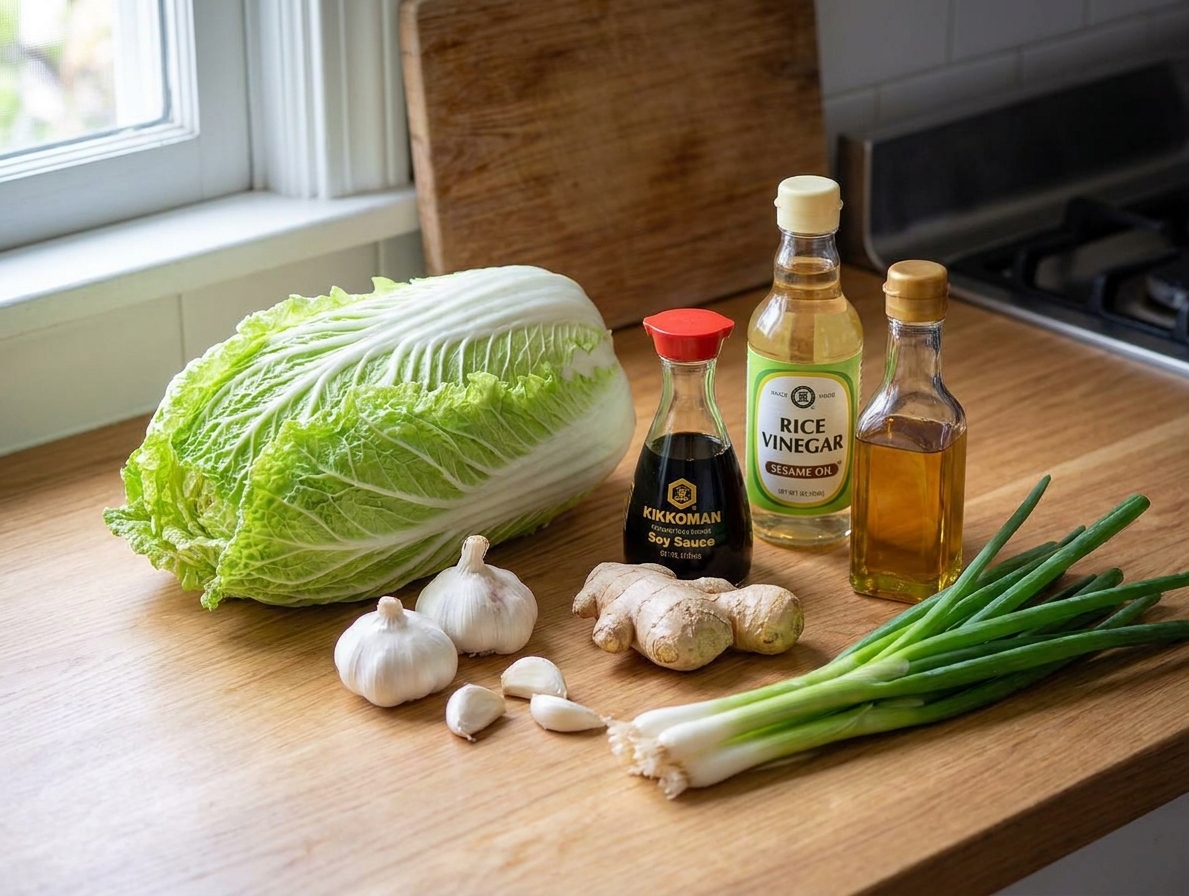
Napa cabbage, garlic cloves, fresh ginger, soy sauce, rice vinegar, sesame oil, and green onions arranged on a light kitchen counter

Why It Works

  • Crisp-tender texture on purpose: We cook the ribs and leaves in stages so the cabbage stays lively, not limp.
  • Fast flavor build: Garlic, ginger, and a quick soy-vinegar sauce give you that takeout-style punch without a long ingredient list.
  • Glossy sauce that clings: A small cornstarch slurry turns the pan juices into a silky coating instead of a puddle.
  • Flexible dinner energy: Serve as a side, pile onto rice, toss with noodles, or add tofu, chicken, or shrimp.

Pairs Well With

Storage Tips

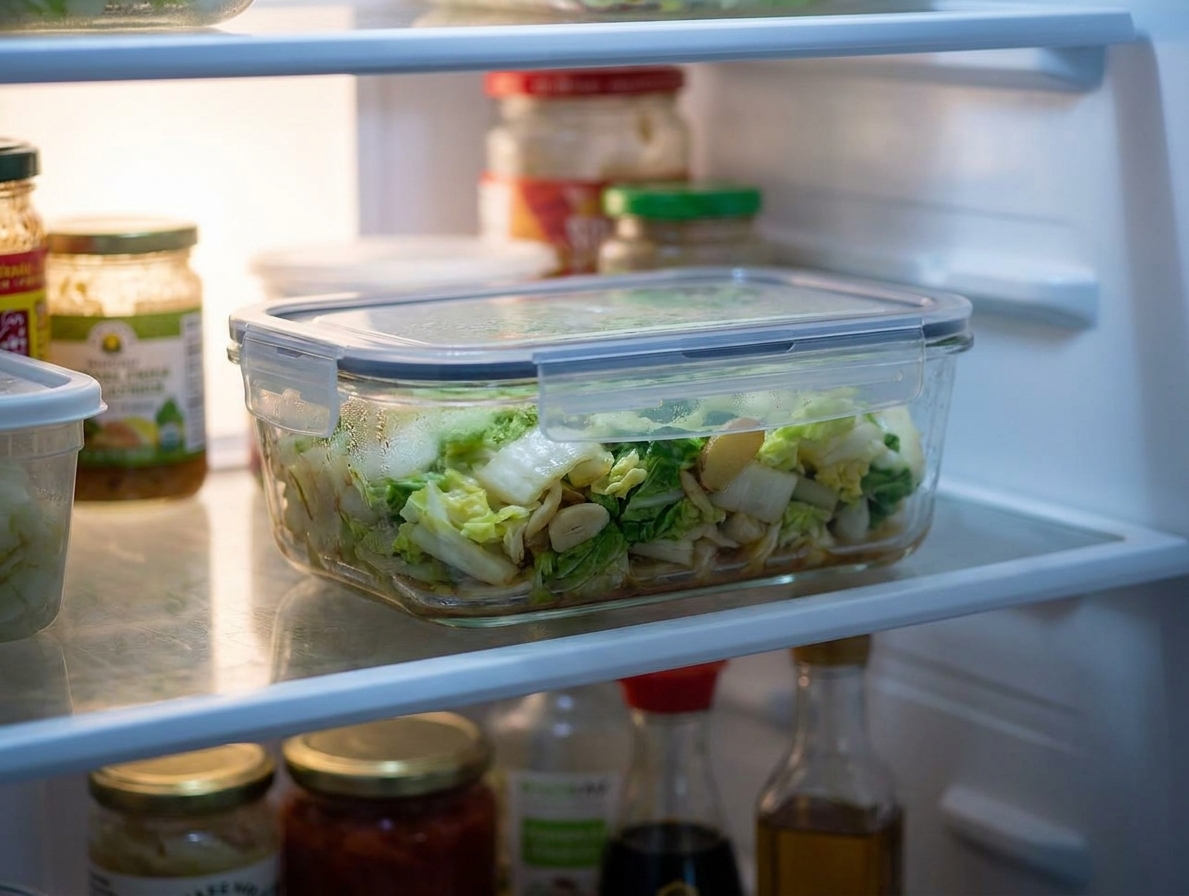
Refrigerate: Store leftovers in an airtight container for up to 3 days.

Reheat: Best in a skillet over medium heat with a small splash of water to loosen the sauce, 2 to 4 minutes. Microwave works too, but keep it short so it does not go overly soft.

Freeze: Not my favorite. Napa cabbage has a high water content, so it turns soft after thawing. If you do freeze it, plan to use it later in soup, fried rice, or dumpling filling where texture is less of a big deal.

A glass meal prep container filled with leftover Napa cabbage stir-fry on a refrigerator shelf, lit by soft fridge light

Common Questions

Is Chinese cabbage the same as Napa cabbage?

Often, yes. In many U.S. grocery stores, “Chinese cabbage” refers to Napa cabbage, the oblong, pale-green head with crisp white ribs. But “Chinese cabbage” can also be used for other greens (including bok choy), so if you want this exact texture, grab Napa.

How do I keep Napa cabbage from getting watery?

Use high heat, do not overcrowd the pan, and add the leaves toward the end. Napa releases water as it cooks, but a hot pan plus a quick cornstarch slurry keeps the final result glossy instead of soupy.

Can I make this spicy?

Absolutely. Add 1 to 2 teaspoons chili crisp, sambal oelek, or a pinch of red pepper flakes with the garlic and ginger. Or finish with a drizzle of chili oil.

What protein goes well with this?

Thinly sliced chicken thighs, shrimp, or crumbled ground pork are all great. For a vegetarian option, cube firm tofu and sear it first, then stir it back in at the end.

Can I use green cabbage instead?

You can, but it needs a little longer to soften and it will be less silky. Slice it thin, cook it a few minutes more, and expect a heartier crunch.

The first time I really fell for Napa cabbage was during a stretch of cooking where I wanted big flavor but had exactly zero patience for a sink full of dishes. Napa was the answer. It is cheap, it is fast, and it goes from “pile of leaves” to “why is this so good?” in one hot pan. Now it is my go-to when I need a side that can also accidentally become dinner if I toss it with noodles and call it a plan.