Mom's Best Recipes
Recipe

Garlic Sesame Snow Peas

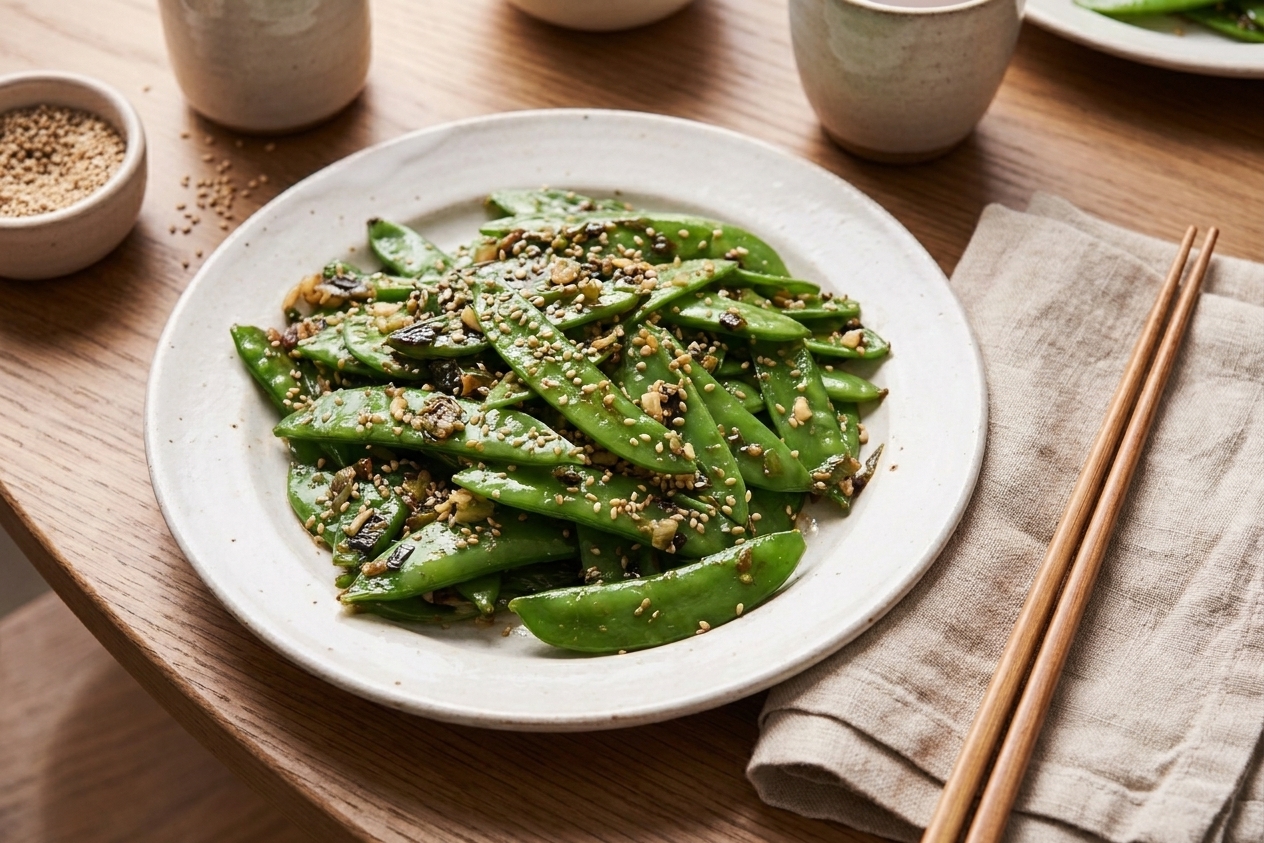
Crisp-tender snow peas quickly blistered, then glazed with garlic, soy, sesame, and a squeeze of lemon.

Author By Matt Campbell
4.8
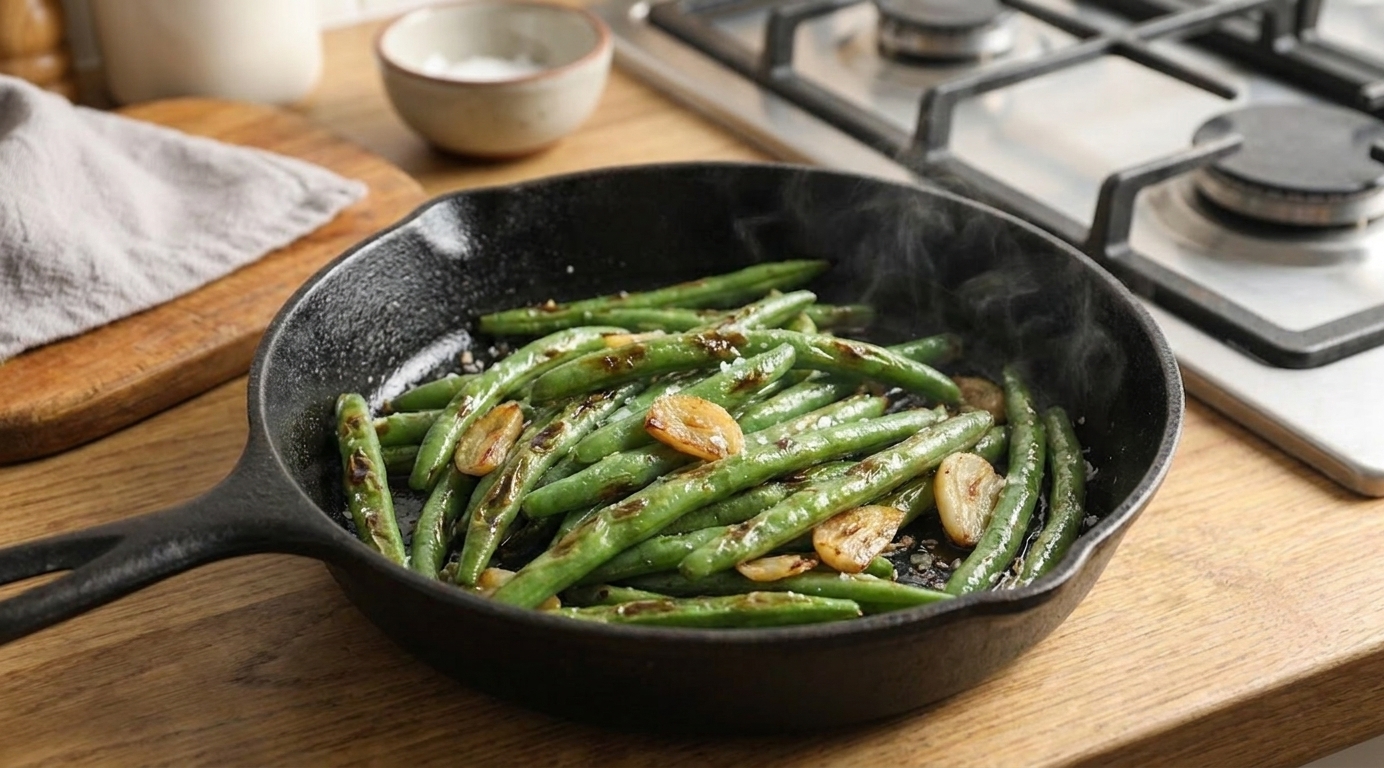
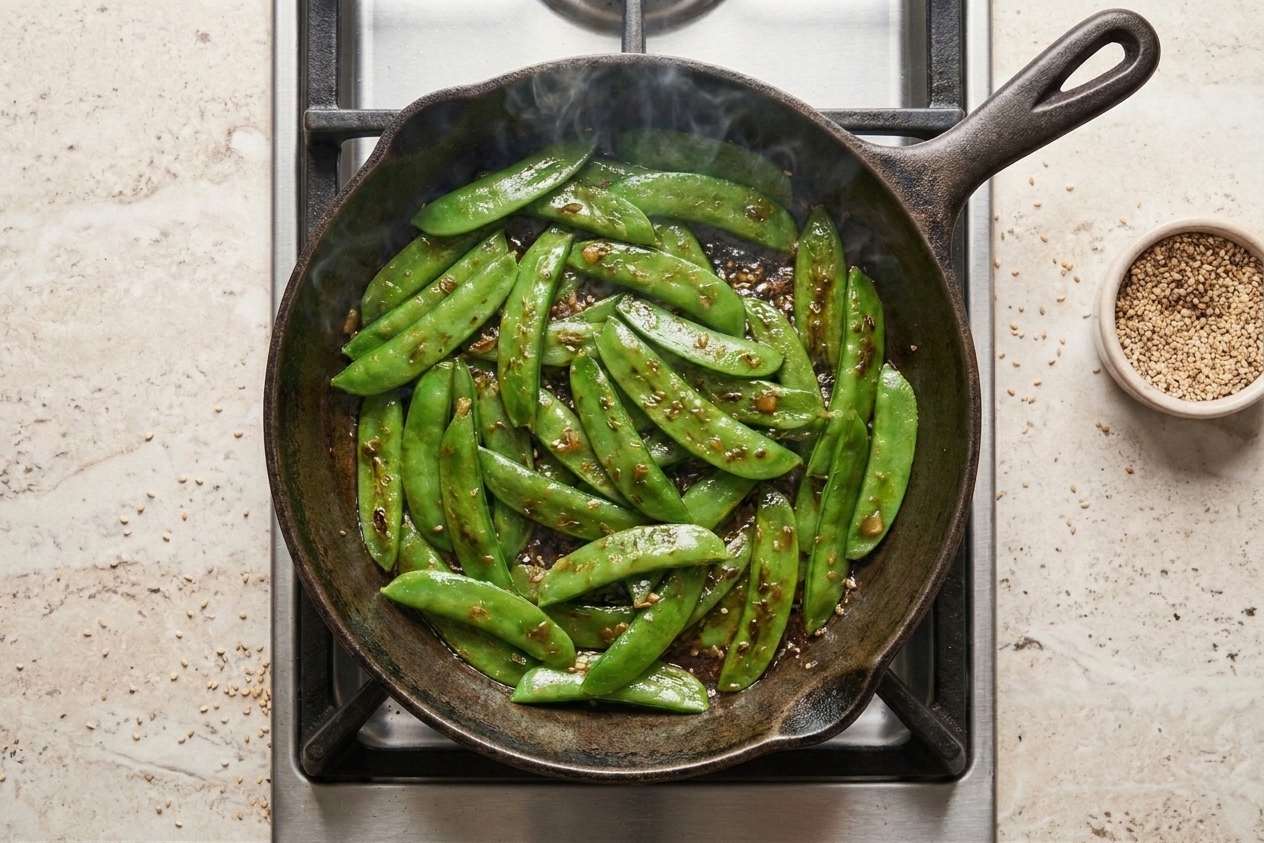
A skillet of crisp-tender snow peas coated in a glossy garlic-sesame sauce, with toasted sesame seeds and lemon wedges on a warm kitchen counter

Snow peas are the kind of vegetable that makes you feel like you have your life together, even if dinner is "rice plus whatever is in the fridge." They cook in minutes, stay bright and crunchy, and they are built for fast sauces that taste way fancier than the effort level.

This is my go-to move: a quick hot pan blister for crisp edges, then a glossy garlic-sesame glaze that clings to every pod. It is salty, a little sweet, a little tangy, and just spicy enough to keep you taking “one more bite” straight from the pan. Serve it as a side, pile it on noodles, or put a fried egg on top and call it a meal.

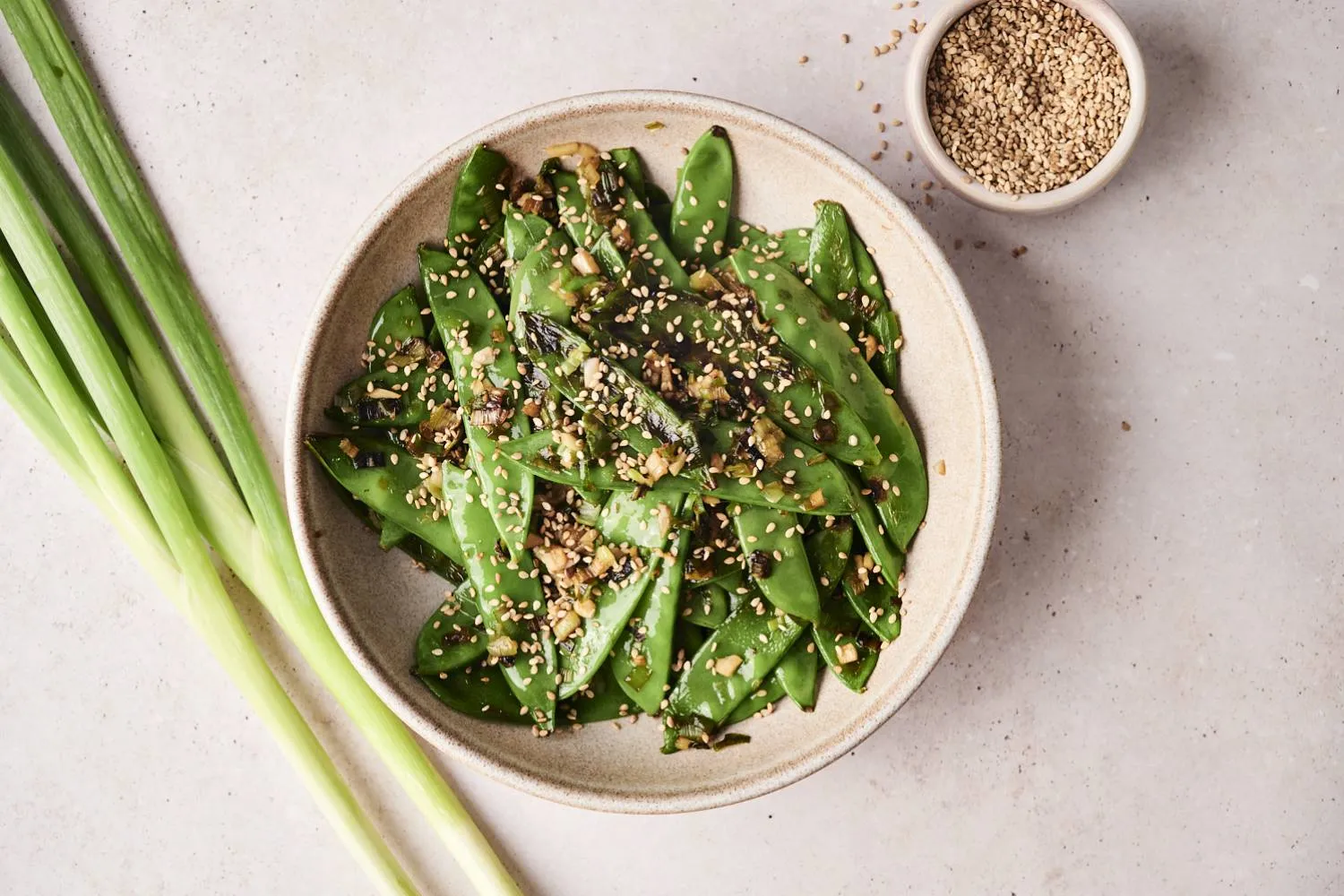
Fresh snow peas, garlic cloves, a small bowl of soy sauce, sesame oil, lemon, and cornstarch arranged on a clean kitchen counter in warm natural light

Why It Works

  • Crisp-tender texture, not limp. High heat and a short cook time keep snow peas snappy and bright.
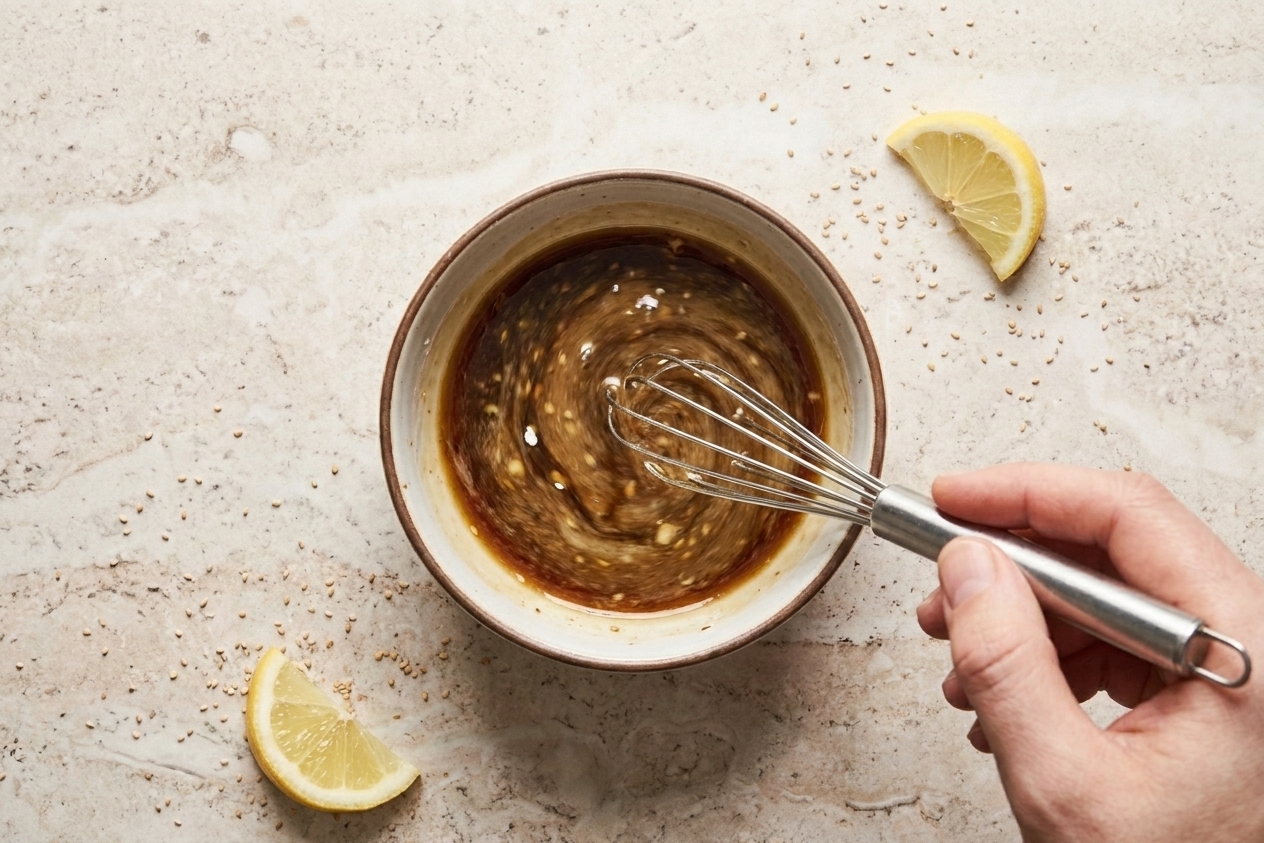
  • A sauce that actually sticks. A tiny cornstarch slurry turns soy and lemon into a quick glaze instead of a watery drizzle.
  • Big flavor from pantry basics. Garlic, sesame oil, and soy sauce do the heavy lifting without a special trip to the store.
  • Weeknight flexible. Add ginger, chili crisp, or whatever protein you have and it still works.

Pairs Well With

Storage Tips

Best day-of: Snow peas are peak-crisp right after cooking.

Refrigerate: Store leftovers in an airtight container for up to 2 to 3 days. Just know they soften a lot after day 1.

Reheat: For the least soggy results, reheat in a hot skillet for 1 to 2 minutes, just until warmed through. Microwave works in a pinch, but they soften fast.

Freezing: I do not recommend freezing this. Snow peas lose that signature snap.

Common Questions

Do I need to remove the strings on snow peas?

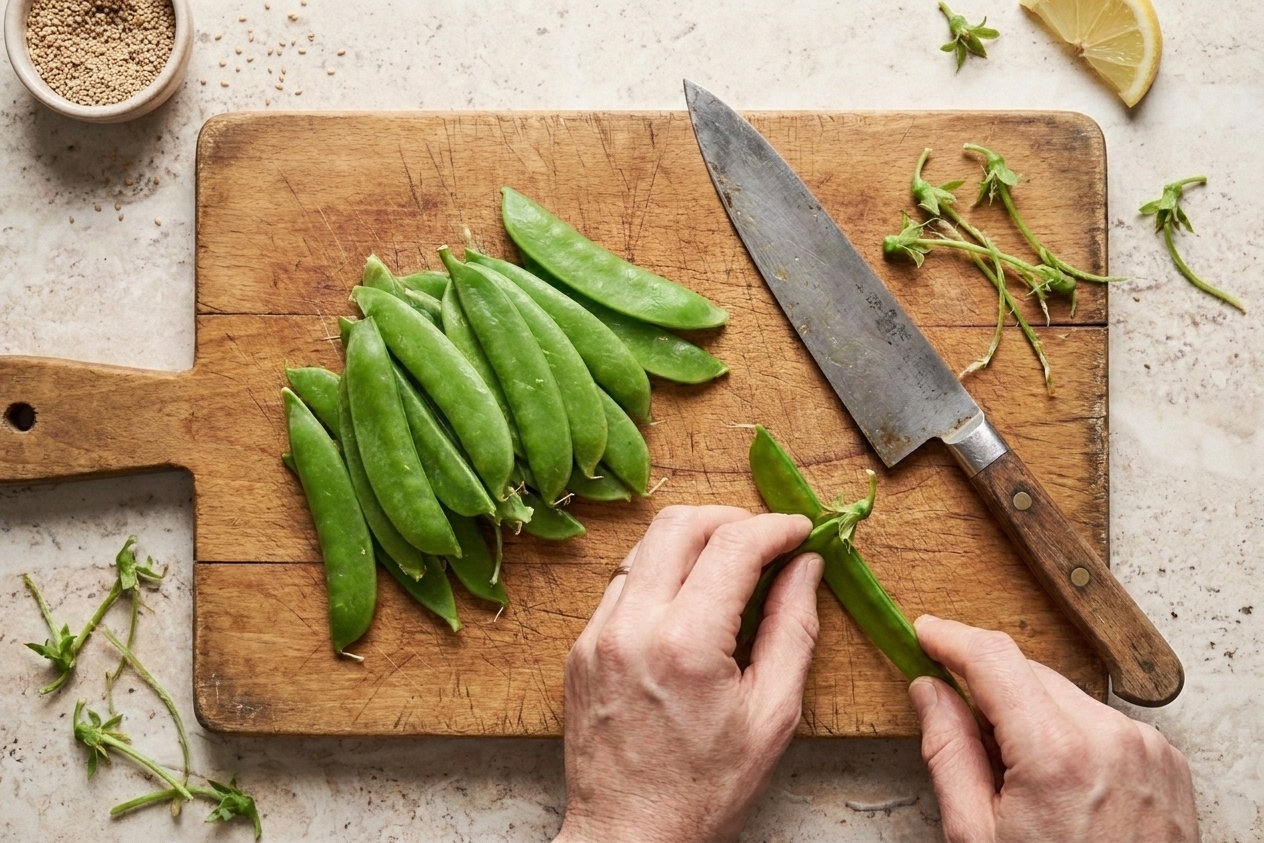
Sometimes. Many store-bought snow peas are already pretty tender, but if you see a tough seam, grab it at the stem end and pull down the side to remove the string. If you are cooking for kids or you got a slightly older batch, it is worth the extra minute.

How do I keep snow peas bright green?

Two things: high heat and short time. Do not crowd the pan, and pull them as soon as they turn vibrant and glossy. Overcooking is the enemy. If you want extra insurance, rinse them under cold water after cooking, but you will lose some of the sauce cling. I prefer just cooking them correctly.

Can I use sugar snap peas instead?

Yes. Sugar snaps are thicker and a little sweeter, so give them an extra 1 to 2 minutes in the pan. You can slice them on a bias if you want more sauce coverage.

Is blanching better than stir-frying?

Blanching is great when you want pure crunch with minimal browning. Stir-frying gives you those slightly blistered edges and deeper flavor. For this garlicky glaze, I want the pan contact.

How do I make it gluten-free?

Swap soy sauce for tamari or a certified gluten-free soy sauce. Everything else is generally gluten-free, but check labels if you are cooking strictly gluten-free, especially chili crisp (it can contain soy sauce or wheat) and any add-ins that may have cross-contact.

My sauce clumped. What happened?

Cornstarch settles fast. Give the sauce a quick re-whisk right before pouring. If it thickens too quickly or looks a little lumpy, keep tossing and add a splash of water, 1 teaspoon at a time, until it turns smooth and glossy again.

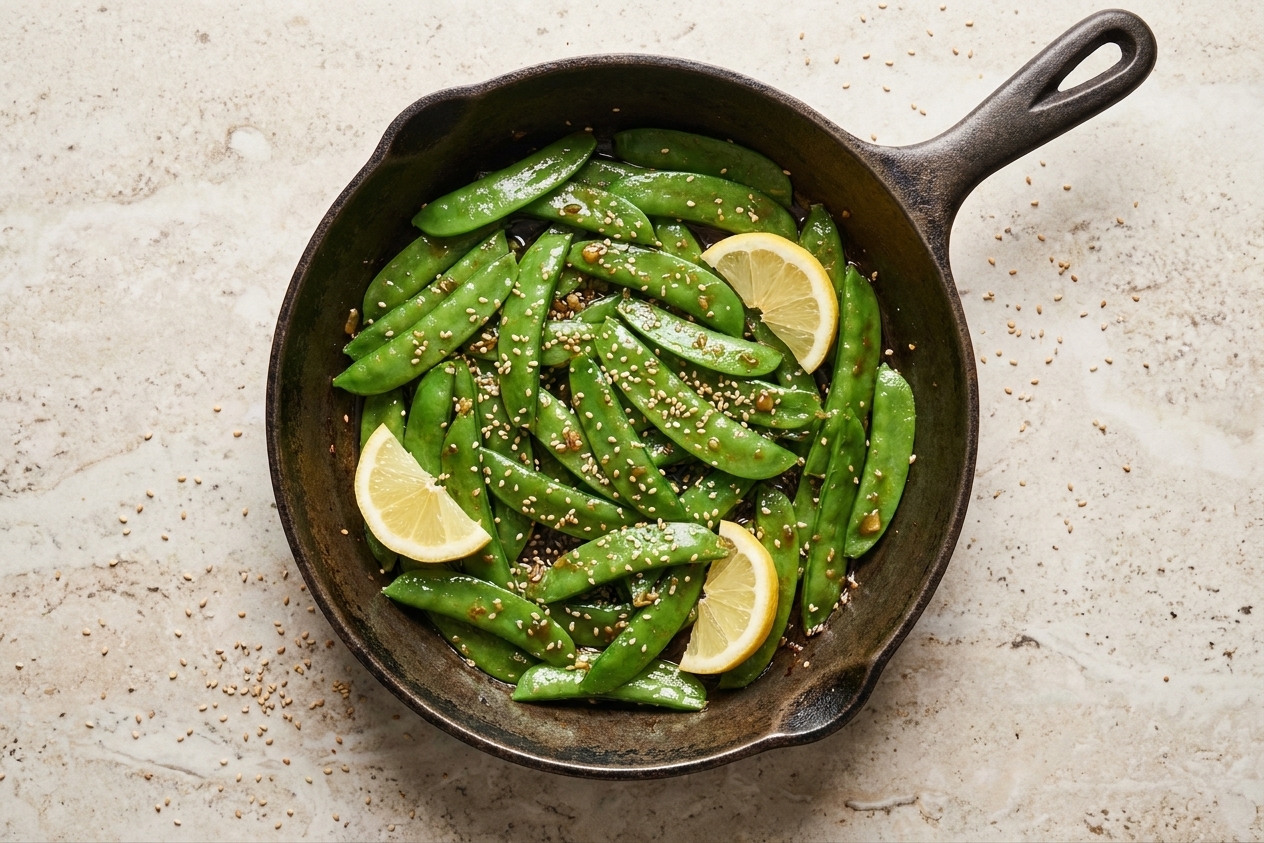
I used to treat snow peas like a salad bar garnish. Then I cooked them in a screaming hot pan one night when I had exactly zero patience left for dinner. They came out glossy, bright, and snappy like they had somewhere important to be. Now they are my favorite “save the meal” vegetable. When the main is a little plain, these snow peas show up loud, crunchy, and confident, like a friend who brings hot sauce and good stories.