Mom's Best Recipes
Recipe

Garlicky Mangold and White Beans

A one-pan mangold (Swiss chard) dinner with lemony garlic, creamy white beans, and Parmesan for a cozy, bright bowl that tastes like you tried harder than you did.

Author By Matt Campbell
4.8
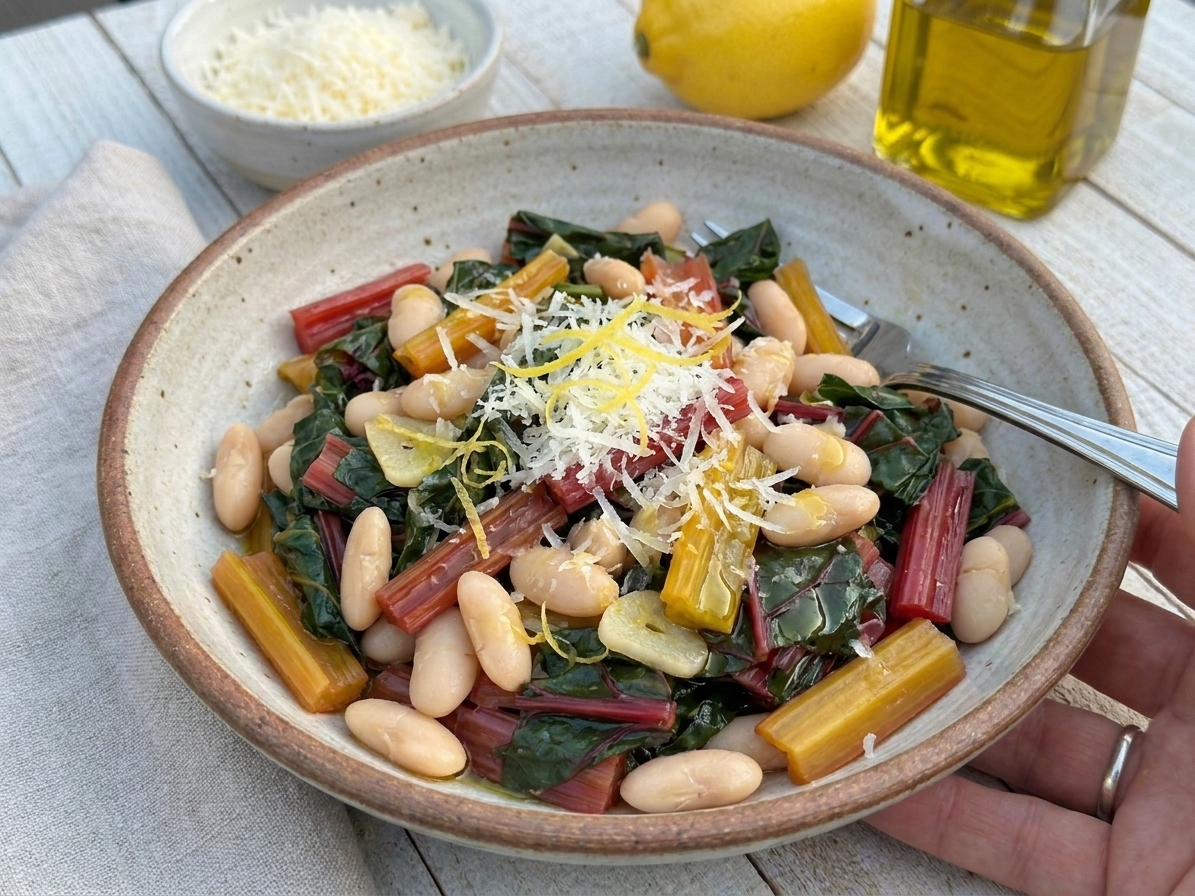
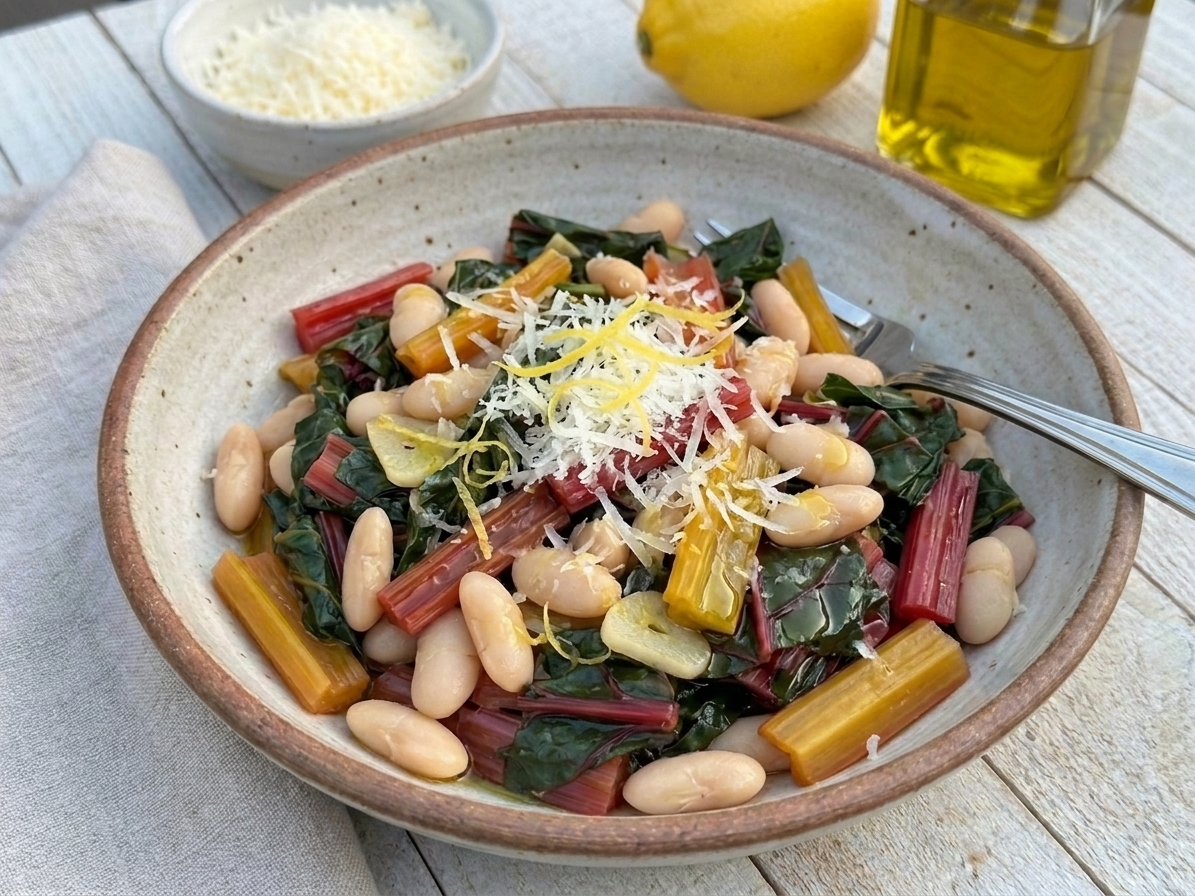
A shallow bowl of garlicky sautéed Swiss chard and creamy white beans finished with lemon zest, Parmesan, and a drizzle of olive oil on a rustic wooden table

Mangold is one of those greens that looks a little dramatic in the produce aisle. Big glossy leaves, bright stems, and a vibe that says, “I’m here to be cooked.” It’s also one of the most forgiving weeknight ingredients you can bring home. Sauté it fast, give it garlic and something creamy to cling to, and it turns into the kind of bowl you keep “taste testing” until half of it is gone.

This recipe is my go-to: mangold (aka Swiss chard) + white beans for body, lemon for lift, Parmesan for salty depth, and a pinch of red pepper flakes because, well, we’re alive and we deserve flavor. It’s great on toast, tossed with pasta, or eaten straight from the pan while pretending you’re just cleaning up.
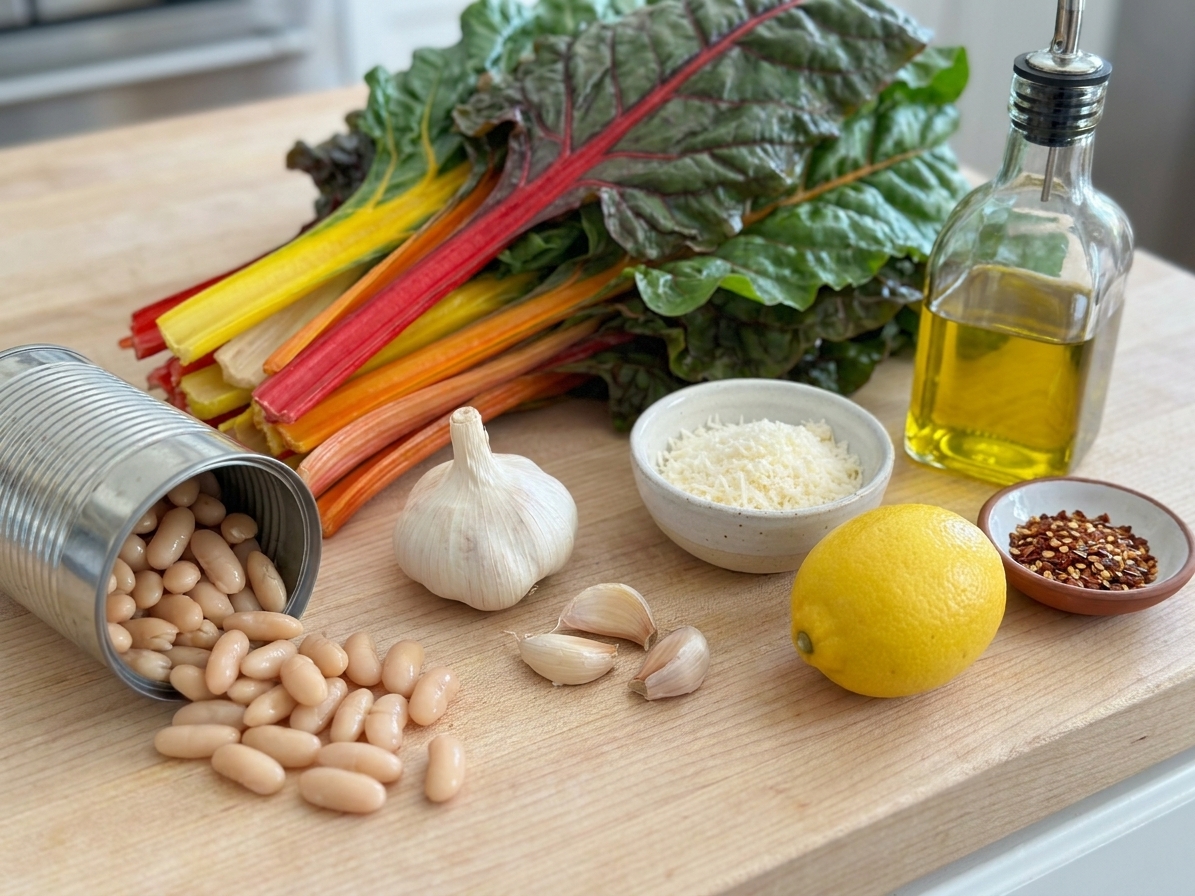
Swiss chard leaves and stems, canned white beans, lemon, garlic, Parmesan, olive oil, and red pepper flakes arranged on a light kitchen counter

Why It Works

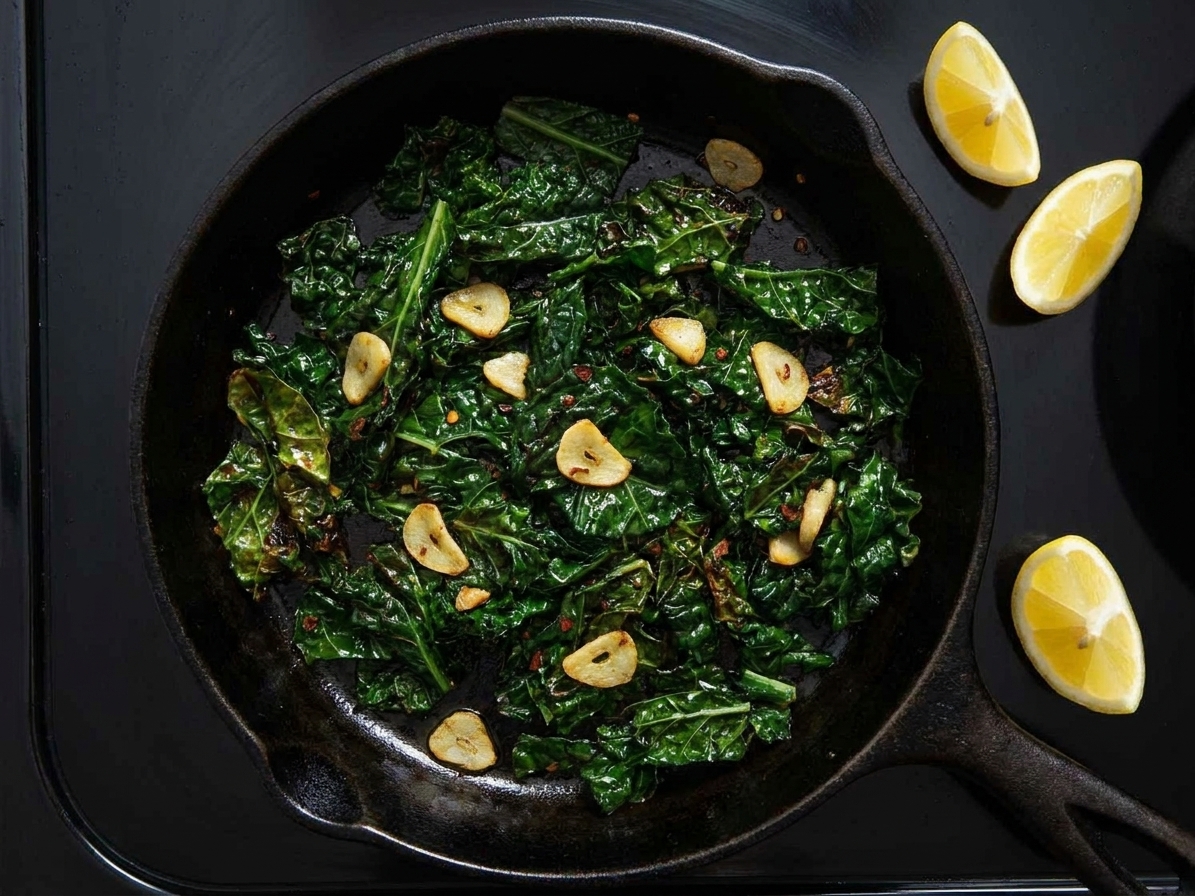
  • Big flavor, minimal drama: Garlic and red pepper flakes bloom in olive oil, then lemon wakes everything up at the end.
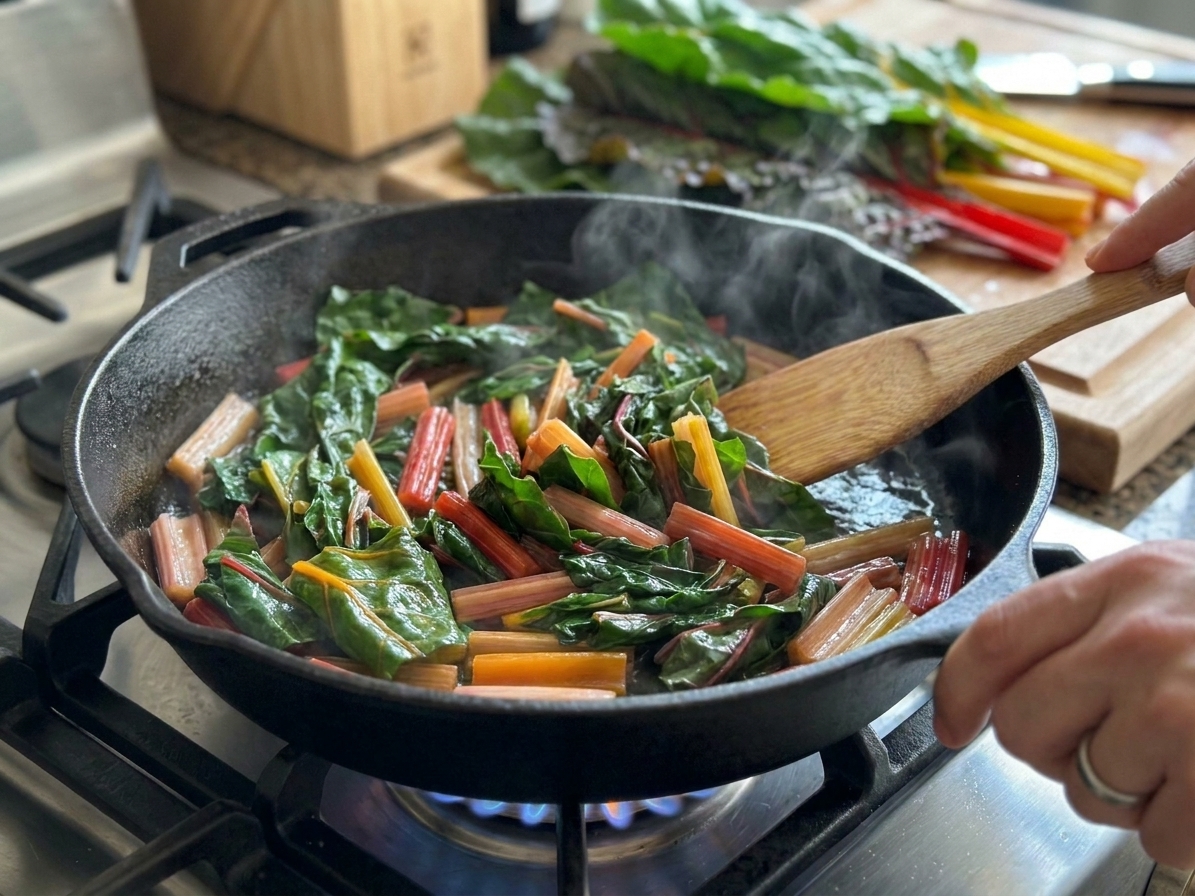
  • Two textures, one pan: Chard stems sauté until sweet-tender while the leaves turn silky. Beans make it hearty.
  • Saucy without cream: A splash of broth plus a quick bean mash makes a glossy, clingy sauce.
  • Flexible finish: Parmesan adds depth, but you can keep it dairy-free and still get a killer bowl.

Pairs Well With

Storage Tips

Refrigerate: Store leftovers in an airtight container for up to 3 to 4 days. (Best practice: cool promptly, then refrigerate.)

Reheat: Warm gently in a skillet over medium-low with a splash of water or broth to loosen the sauce. The microwave works too, but the stovetop keeps the greens from going sad.

Freeze: You can freeze it for up to 2 months. The chard will soften more after thawing, so frozen leftovers are best stirred into soup, pasta sauce, or a rice bowl.

Leftover glow-up ideas:

  • Spoon onto toasted bread and top with a fried egg.
  • Toss with hot pasta and extra olive oil.
  • Stir into tomato soup or chicken broth with small pasta.

Common Questions

What is mangold?

Mangold is a common name for Swiss chard (also called leaf beet). You will see “Mangold” most often in German-speaking countries and some European markets. In many U.S. stores it is usually labeled “Swiss chard” or just “chard.” Same idea: leafy greens with sturdy stems that love a quick sauté.

Do I eat the stems?

Yes, and you should. The stems are the secret bonus vegetable. Just slice them and cook them a few minutes before the leaves so they turn tender and sweet.

Can I use kale or spinach instead?

Totally. Use kale if you want more chew, but give it a few extra minutes and a little more broth. Use spinach if you want it extra fast, but add it at the very end since it wilts instantly.

How do I keep mangold from tasting bitter?

Four things help: choose smaller, fresher leaves, salt early, cook it until it is fully wilted, and finish with acid (lemon). If your bunch is especially bold, a tiny pinch of sugar or a drizzle of honey can smooth it out.

Is this recipe vegan?

It is vegan if you skip Parmesan. Add extra lemon zest, a little miso, or nutritional yeast to bring back that savory depth.

I started cooking greens like mangold when I realized something: I love ambitious cooking, but I also love eating dinner before I become a different person. Mangold is my compromise. It looks impressive, cooks fast, and it forgives you if you get distracted by a podcast and leave the garlic in the pan a few seconds too long. Pair it with beans and lemon and suddenly you’ve got a meal that feels restaurant-y, even if you’re wearing sweatpants and calling it “rustic.”