
Mom's Best Recipes
Recipe

Gingerbread Cookies

Warmly spiced, molasses-kissed cookies with crisp edges, soft centers, and shapes that actually hold in the oven.

Author By Matt Campbell
4.8
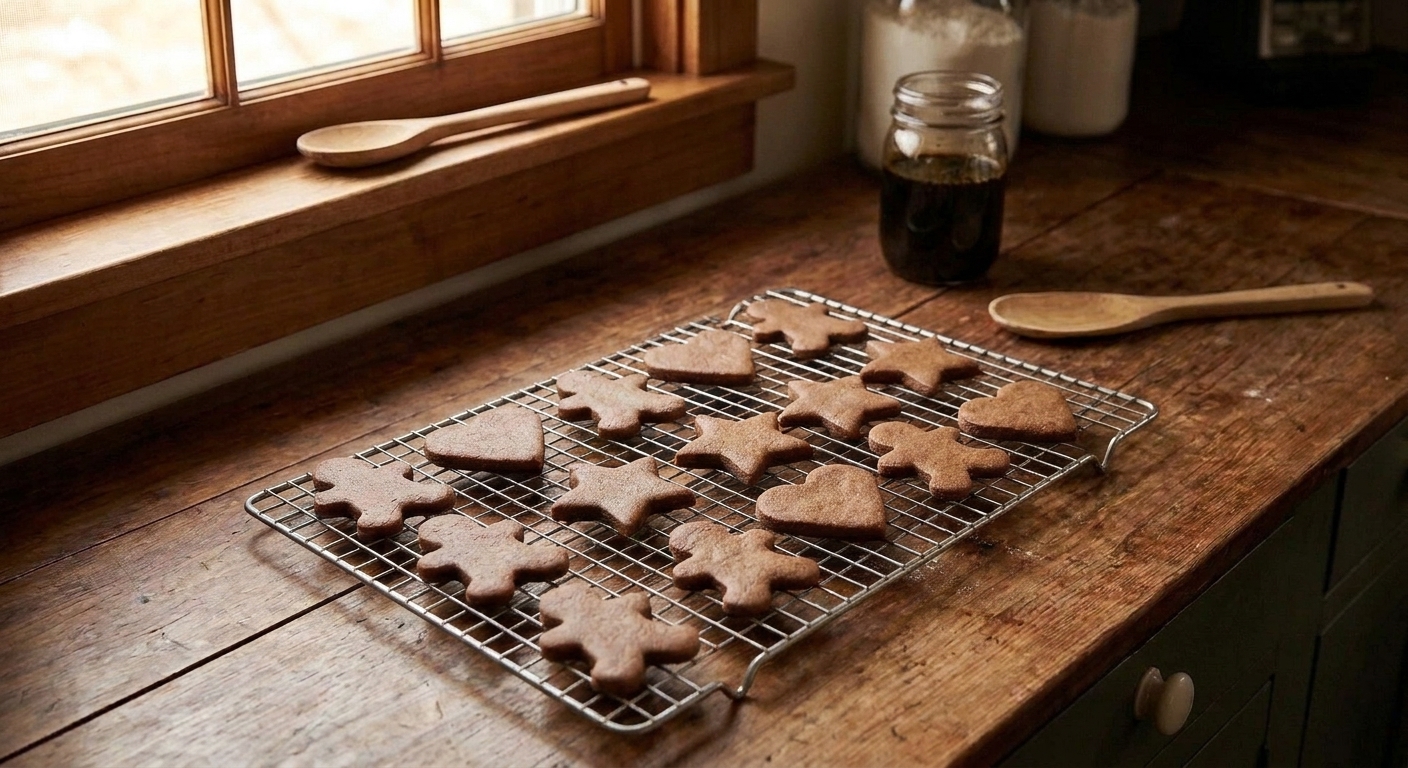
Freshly baked gingerbread cookies in classic shapes cooling on a wire rack on a warmly lit kitchen counter, with a few cookies showing crisp edges and slightly darker bottoms

Gingerbread cookies are the official permission slip to make your kitchen smell like you have your life together. Even if you are rolling dough with one hand and Googling where you put the cookie cutters with the other. This is my go-to batch when I want bold spice, clean-cut shapes, and that perfect texture sweet spot: crisp edges, softer middle.

We are keeping ingredients easy to find, instructions low-drama, and results high-reward. I will also show you how to prevent spreading, how to get sharp corners, and a couple icing options depending on whether you are decorating with kids or aiming for the “wow, you made these?” look.

Why It Works

  • Holds its shape: Chilling the dough and using the right flour ratio gives you sharp edges and recognizable cookie cutter shapes.
  • Big gingerbread flavor: Molasses plus ginger, cinnamon, and cloves deliver that classic bakery aroma and a deep, cozy bite.
  • Texture you can choose: Bake a minute less for softer centers, a minute more for snappier edges. Same dough, different vibe.
  • Make-ahead friendly: Dough can be chilled overnight, or you can freeze cut shapes so you can bake on your schedule.

Pairs Well With

Storage Tips

How to Store Gingerbread Cookies

  • Room temperature: Store fully cooled cookies in an airtight container for up to 5 to 7 days. Humidity and bake time matter here: softer cookies won’t stay crisp as long. Add a slice of bread to the container if you want to keep them softer (swap the bread every couple days).
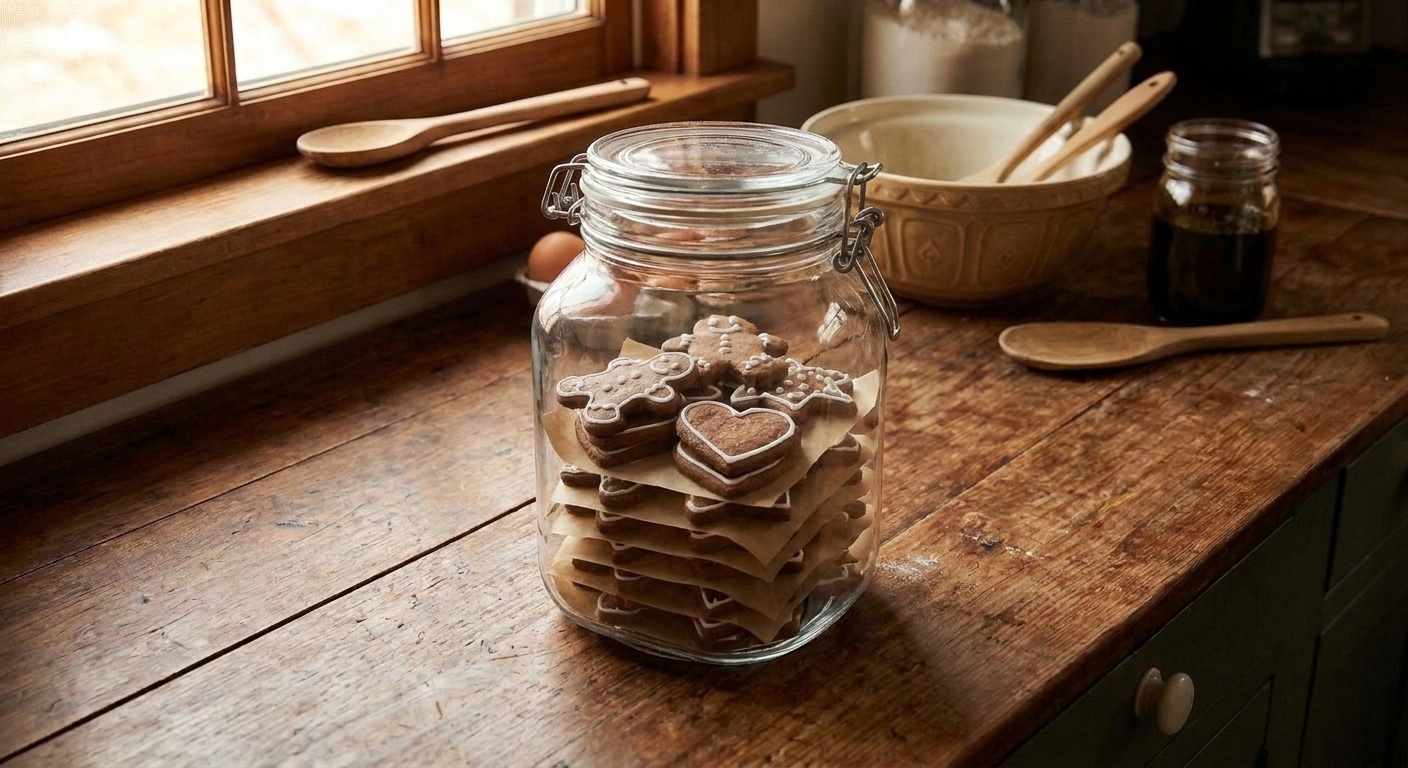
  • To freeze baked cookies: Freeze in a single layer until firm, then transfer to a freezer bag with parchment between layers. Best within 2 to 3 months. For the best texture (and to avoid condensation), thaw cookies in a container at room temperature.
  • To freeze dough: Wrap the dough tightly and freeze up to 3 months. Thaw overnight in the fridge before rolling. You can also freeze cut shapes on a sheet pan, then bag them once solid.
  • Iced cookies: Let icing set completely before stacking. Once the icing is fully dry, you can store cookies airtight. If stacking, place parchment between layers.
Stacked gingerbread cookies separated by parchment paper inside a clear airtight container on a kitchen counter

Common Questions

Common Questions

Why did my gingerbread cookies spread?

The usual culprits are warm dough, too-soft butter, or too little flour (often from scooping the measuring cup straight into the bag). Chill the dough until firm, and measure flour by spooning into the cup and leveling off. If your kitchen runs warm, chill the cut cookies on the tray for 10 minutes before baking.

How do I get sharp edges on my cut-out cookies?

Roll between two sheets of parchment so you are not adding extra flour, and chill the dough before and after cutting. Also, use thicker dough (about 1/4 inch) for cleaner edges.

Can I make these without molasses?

Molasses is the signature gingerbread flavor, but in a pinch you can substitute dark corn syrup or maple syrup. The cookies will taste milder and less “gingerbread,” and results can vary since those swaps can change spread and texture. If you use a substitute, lean on the chill time and do the 10-minute tray chill before baking.

Soft or crisp gingerbread cookies, which are these?

Both, depending on bake time. Pull them at 8 minutes for softer centers. Bake 9 to 10 minutes for crisper edges and a sturdier cookie that is great for decorating.

What icing works best for decorating?

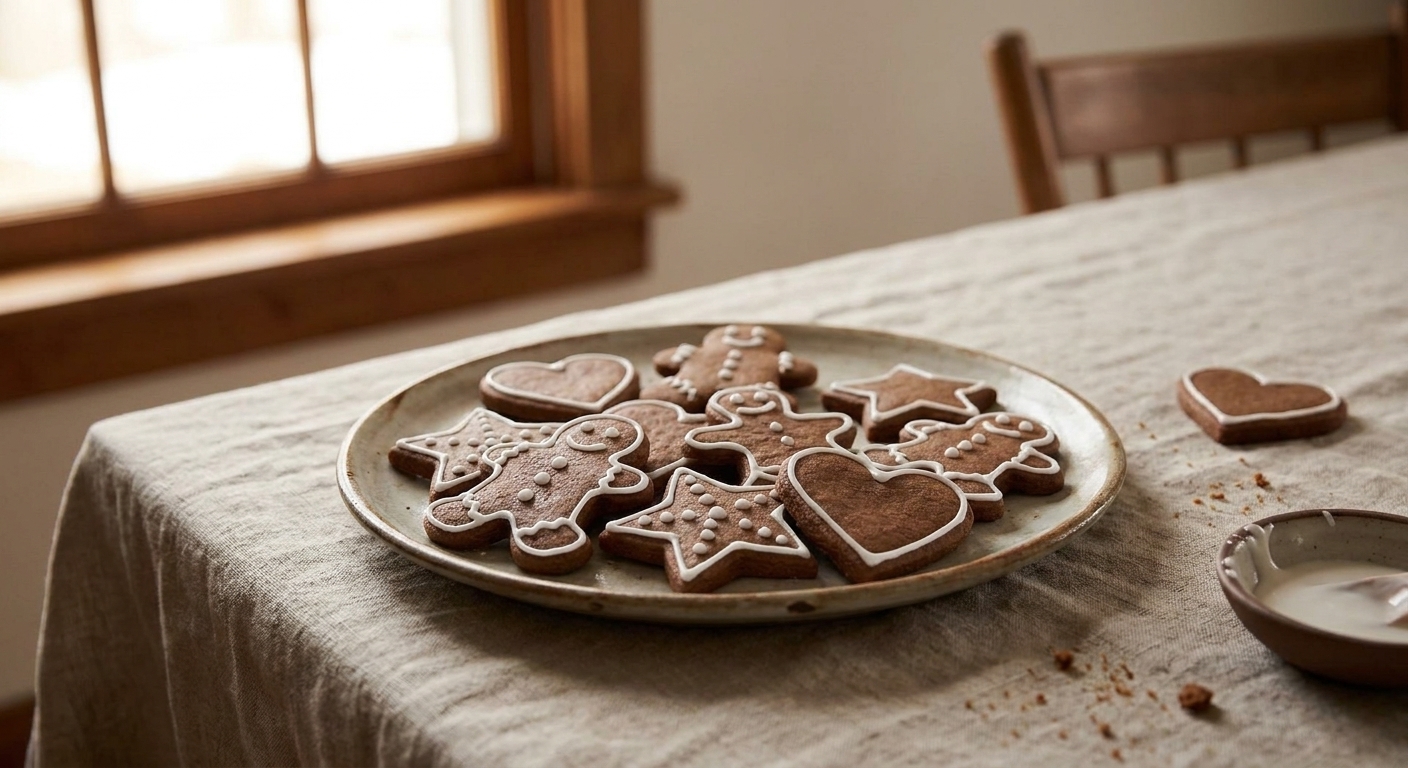
For clean lines and details, use royal icing (any standard royal icing recipe works). For quick, kid-friendly decorating, a simple powdered sugar glaze works great and tastes like frosting without the fuss.

I skipped the culinary degree route, but I did not skip the part where you learn through repetition, small failures, and a lot of flour on your sleeves. Gingerbread cookies were one of my early “team kitchen” lessons: someone is always on dough duty, someone is on tray duty, and someone is definitely sneaking a cookie before it cools. I love this recipe because it is reliable but still lets you play. Add more ginger if you want a louder bite, bake them a touch longer for that crisp snap, or go full chaos with sprinkles and icing. The goal is not perfection. The goal is a cookie you actually want to eat.