What are the main kinds of icing?
The big ones you will see most often are buttercream (American, Swiss meringue, Italian meringue, French), cream cheese frosting, royal icing, glaze (powdered sugar icing), ganache, whipped cream frosting, boiled frosting (like seven-minute frosting), and fondant.

Which icing is best for decorating cookies?
Royal icing is the classic for crisp, clean cookie designs because it sets firm. For a softer bite and simpler decorating, you can also use a thicker glaze, but it will not dry as hard.
What royal icing consistency do I need (outline vs flood)?
Think of it like this: outline icing should hold a line without spreading (thicker), and flood icing should settle into a smooth layer after a few seconds (thinner). Add water a few drops at a time until you get the behavior you want. Small changes make a big difference, so go slow.
Which icing is best for cupcakes?
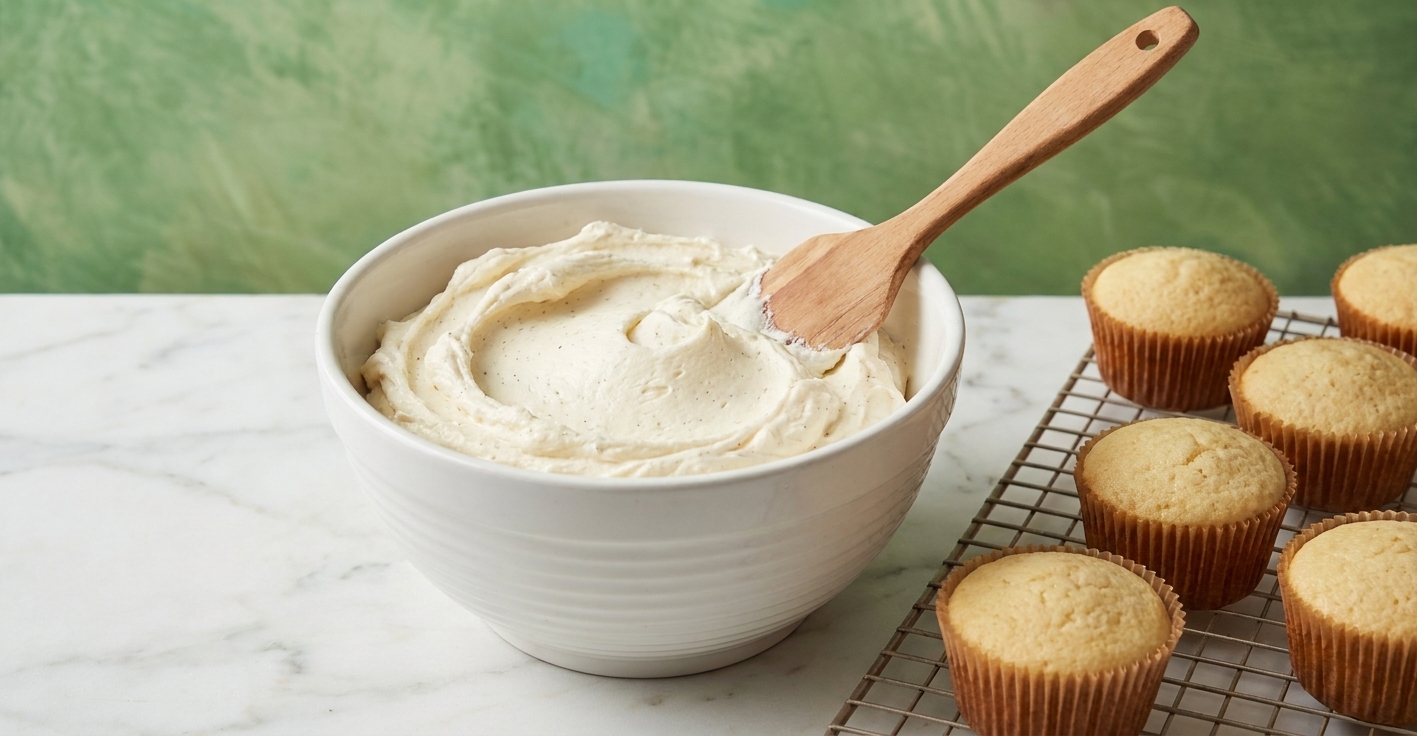
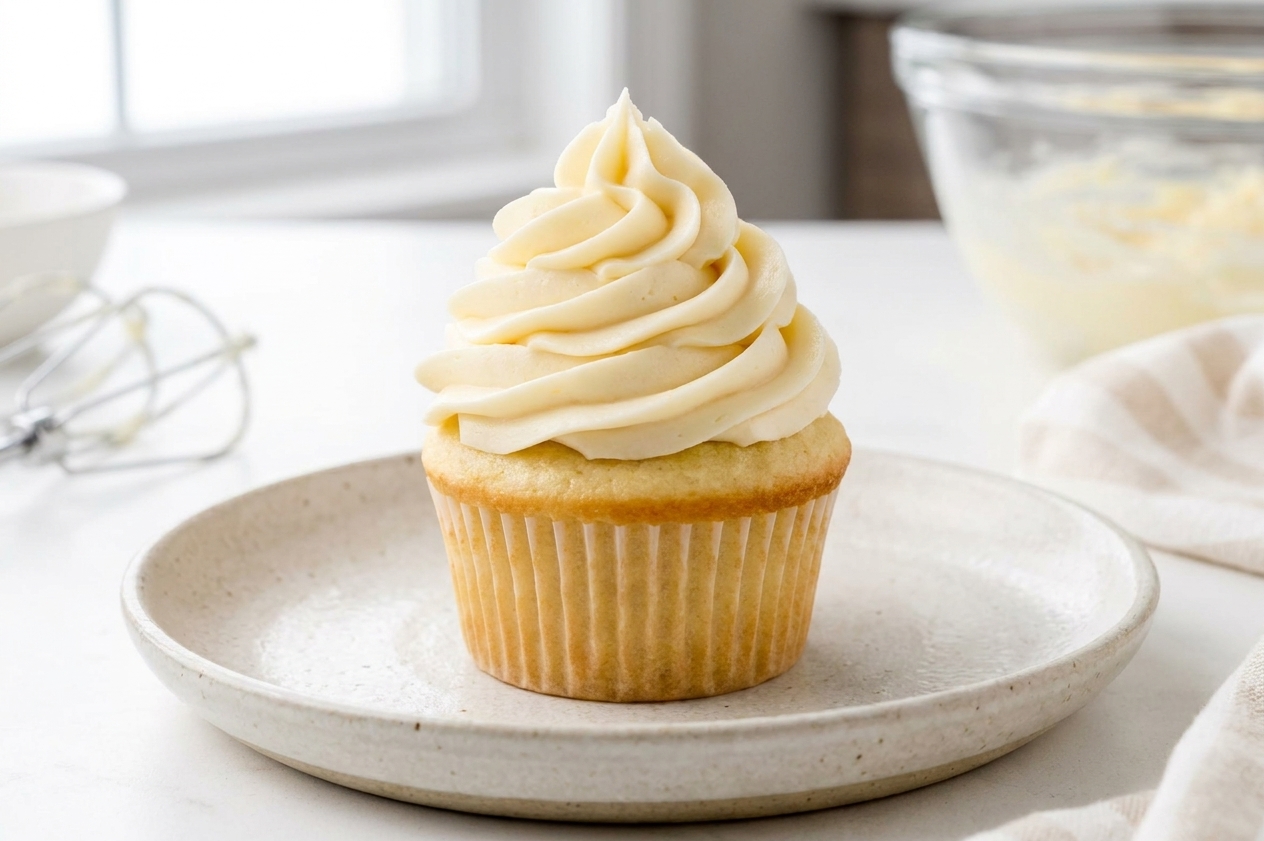
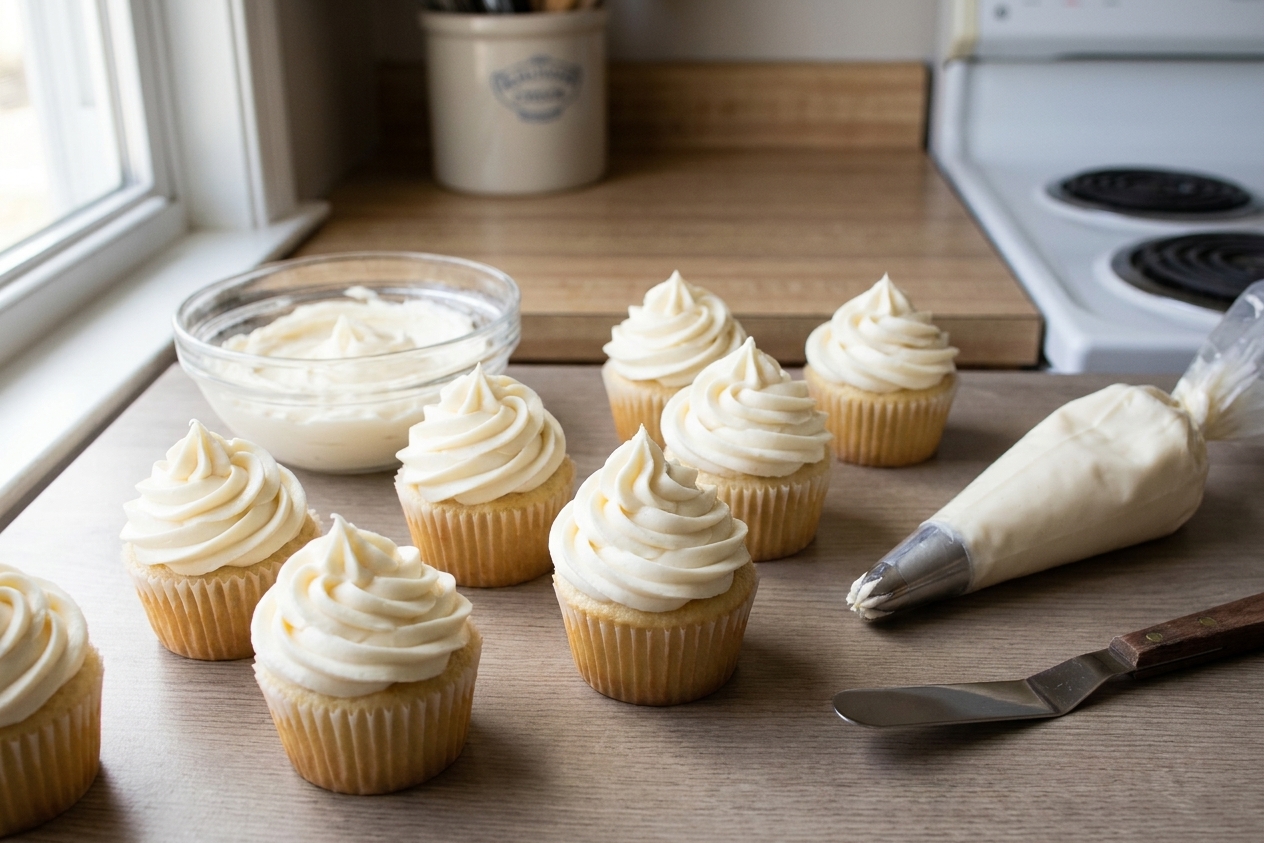
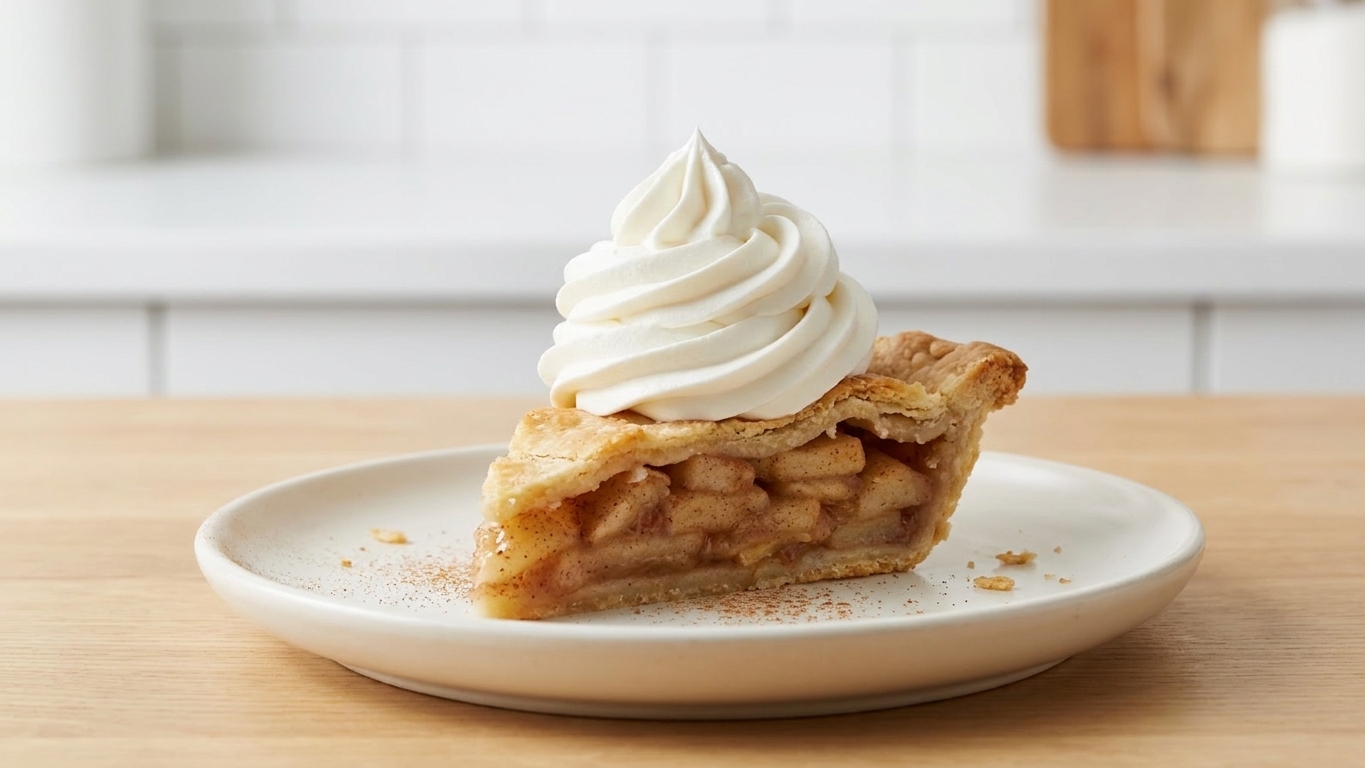
For tall swirls and easy piping, go with American buttercream. If you want something lighter and less sweet, try Swiss meringue buttercream or stabilized whipped cream.
Why is my buttercream grainy?
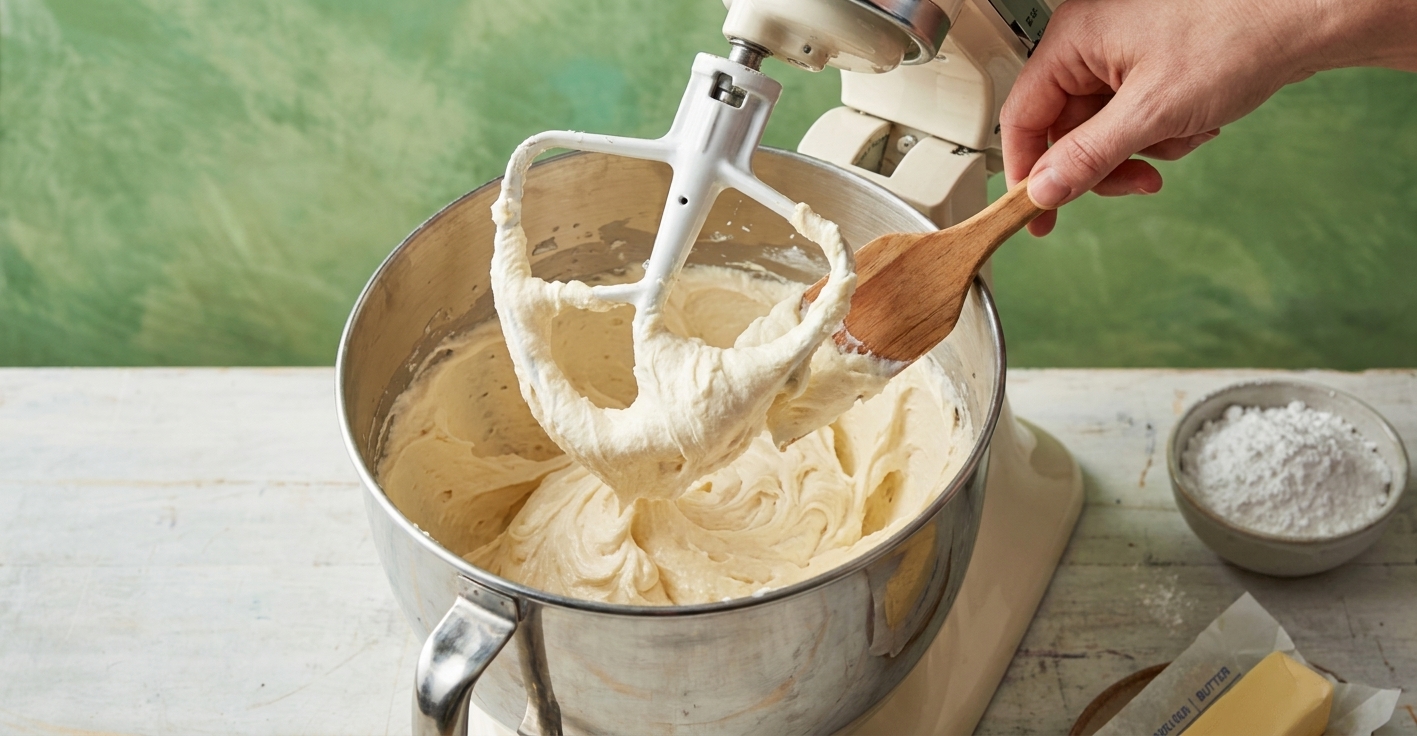
Most of the time it is powdered sugar clumps or butter that was too cold. Sift the powdered sugar next time, and whip longer. If it still feels grainy, let the frosting rest 10 minutes, then whip again so the sugar can fully hydrate.
How do I get rid of buttercream air bubbles?
If your buttercream looks pocked or bubbly, beat it on low for 1 to 2 minutes to push out big air pockets (high speed adds air). You can also press and stir it against the side of the bowl with a spatula to knock bubbles out before piping.
How do I thicken icing that is too runny?
Add more powdered sugar a little at a time, or chill the bowl for 10 to 15 minutes and re-whip. For glazes, just whisk in more powdered sugar. For cream cheese frosting, chilling helps more than adding a ton of sugar.
How do I fix broken ganache?
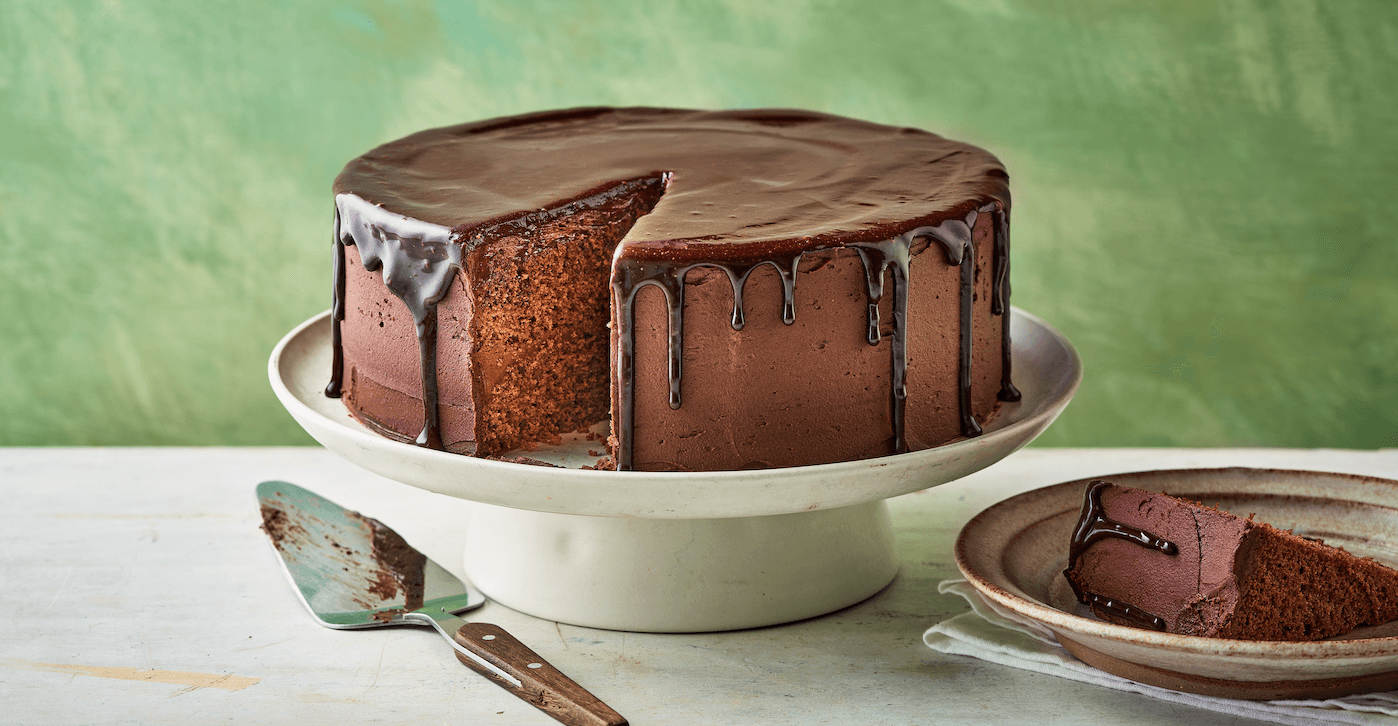
If ganache looks oily or separated, warm it gently until it is fluid, then whisk or blend (immersion blender works great). Add warm cream or milk starting with 1 teaspoon at a time until it comes back together, scaling up as needed for a larger batch. If you keep fighting separation, a small spoonful of corn syrup or glucose can help it re-emulsify and stay glossy.
What is the difference between frosting and icing?
In everyday baking language, frosting is usually thicker and spreadable (like buttercream), while icing often means a thinner mixture that can be poured or drizzled and may set (like a powdered sugar glaze). People use the words interchangeably, so do not stress it.
Which icings need refrigeration?
Cream cheese frosting and most whipped cream frostings should be refrigerated. Buttercream is usually fine at cool room temp for a day or two, but in hot kitchens it is safer chilled. When in doubt, refrigerate and let the dessert sit 20 to 30 minutes before serving for best texture.
Are icings with eggs safe?
For icings that use egg whites (like royal icing and some buttercreams), the simplest safety move is to use meringue powder or pasteurized egg whites. Swiss and Italian meringue buttercreams involve heating (Swiss) or hot sugar syrup (Italian), which helps, but if you are serving kids, pregnant guests, or anyone immunocompromised, pasteurized egg products are still the easiest peace-of-mind option.