Mom's Best Recipes
Recipe

Hardtack

A three-ingredient, ultra-dry cracker built for long storage, plus the best ways to soften it and make it genuinely enjoyable.

Author By Matt Campbell
4.6
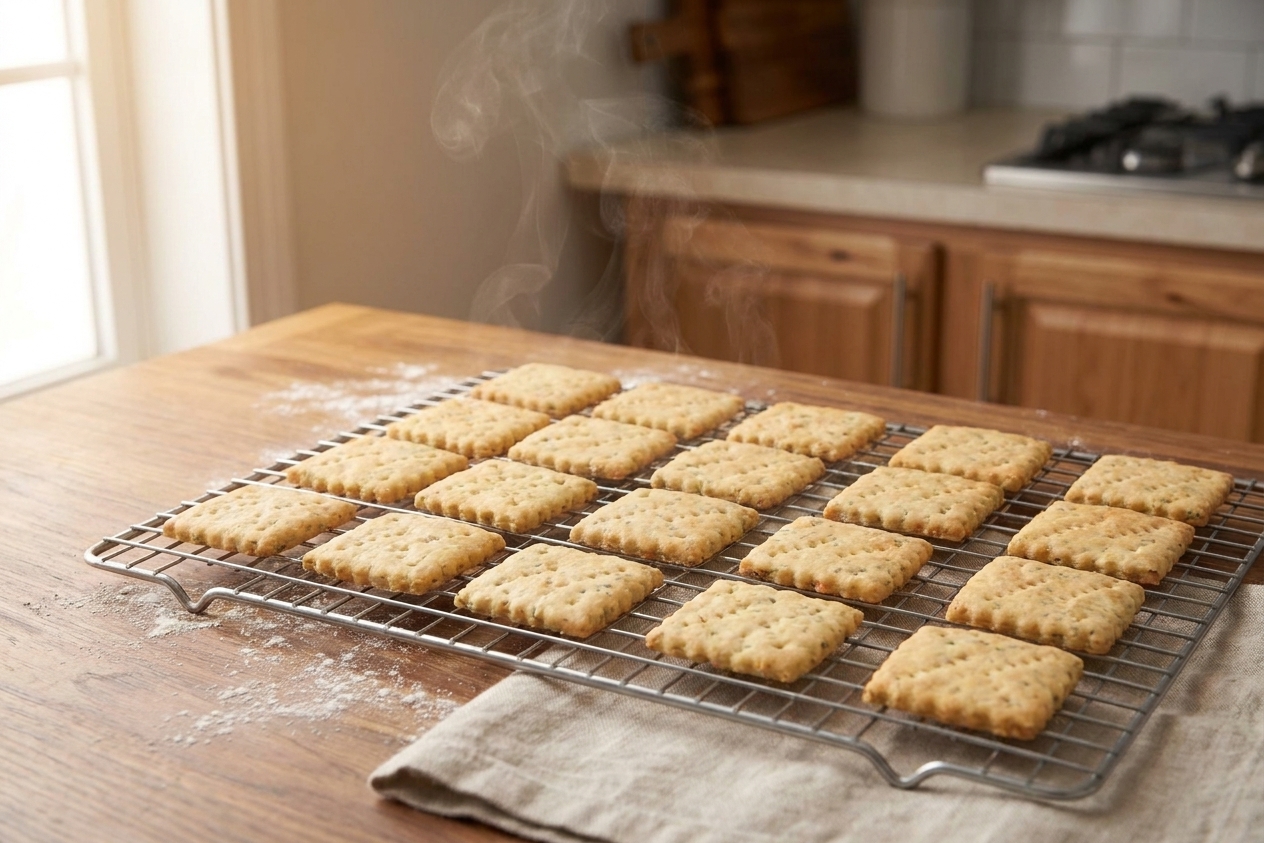
A stack of square hardtack crackers with docked holes on a wooden cutting board on a bright kitchen counter

Hardtack is the original pantry insurance policy. It is flour, water, and salt turned into a cracker so dry and sturdy it was designed to survive ship voyages, long marches, and basically any situation where “fresh bread” was a fantasy. It has a reputation, and honestly, it earned it.

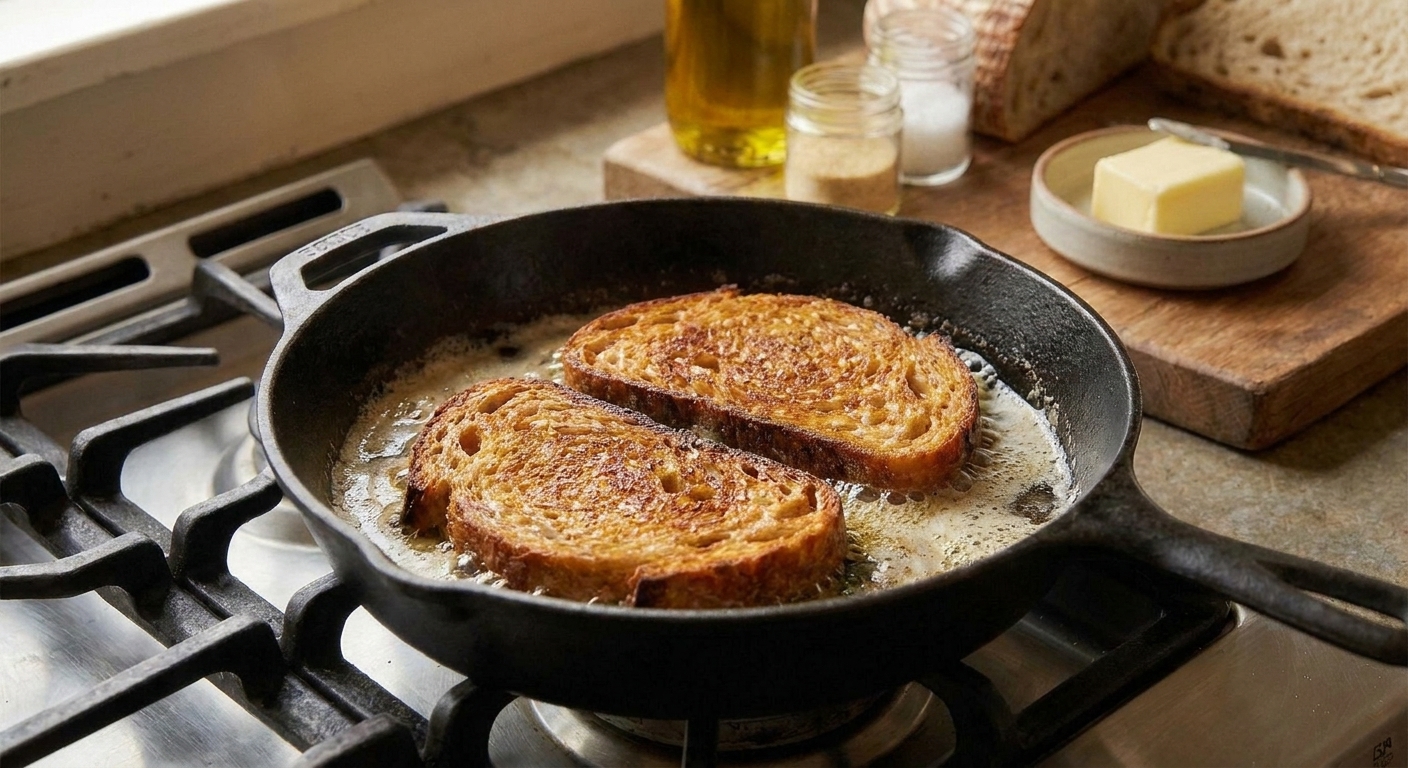
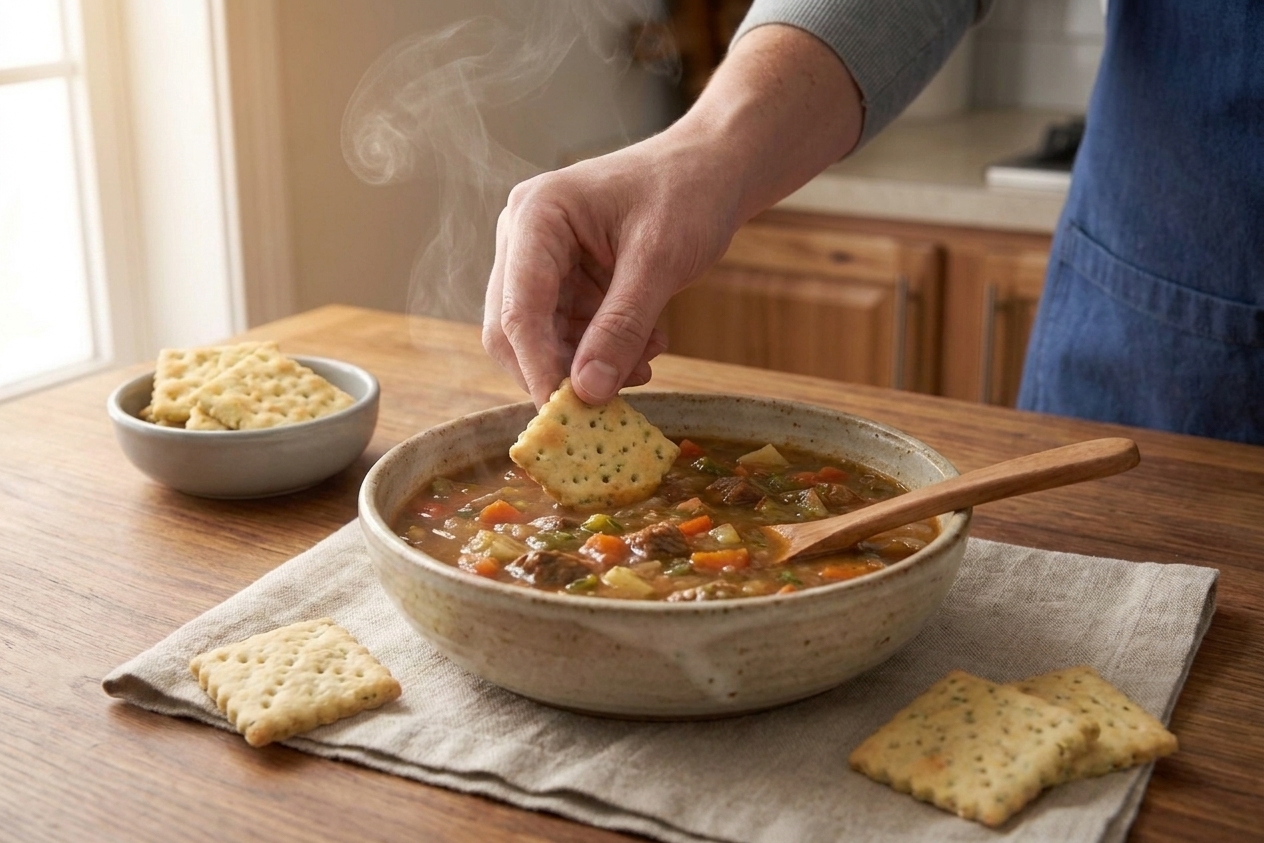
But here’s the thing. When you bake it right and then eat it smart, hardtack becomes a legit tool in your kitchen. Think of it like a blank, crunchy canvas. You can soften it into soup, turn it into a quick skillet hash situation, or just treat it like a super-basic cracker with butter and something punchy on top.

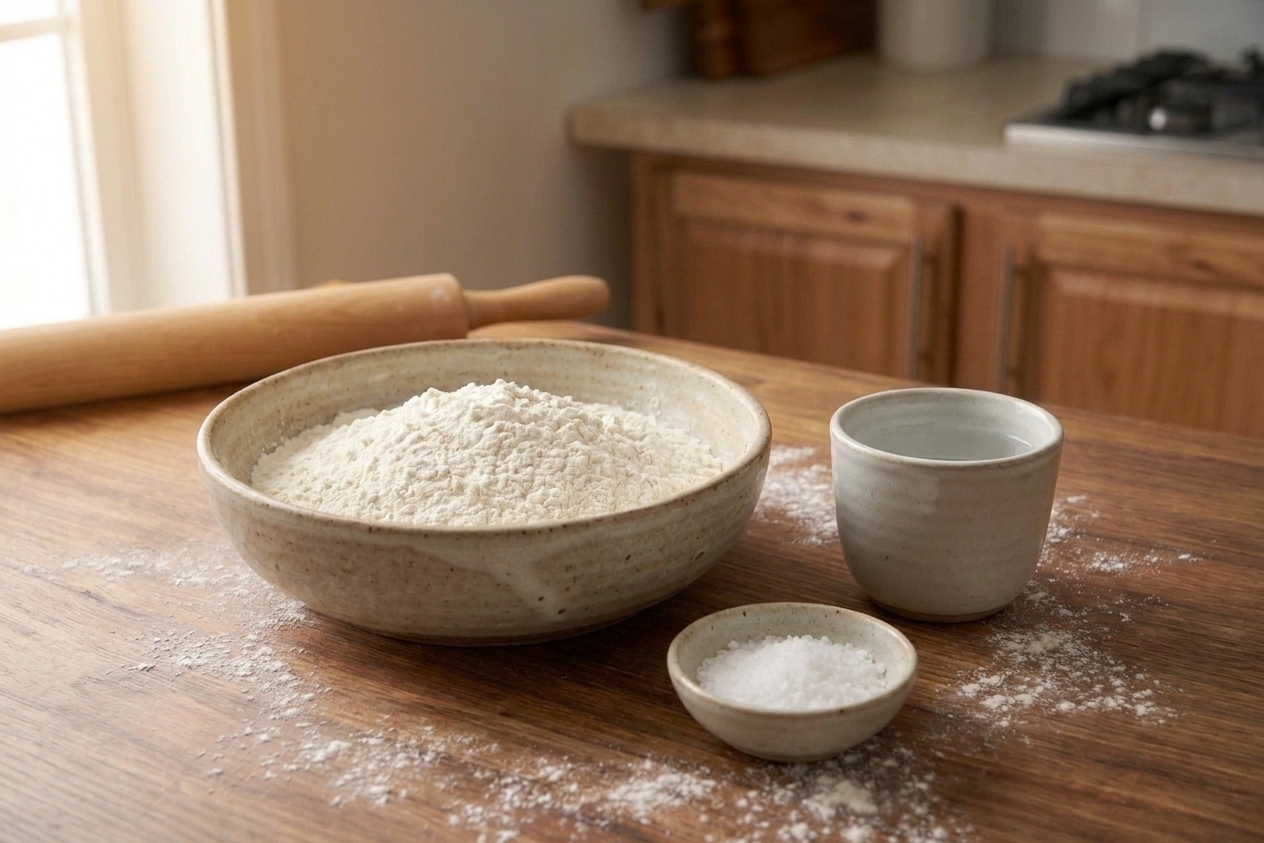
Measured flour in a bowl with a small dish of salt and a cup of water on a clean kitchen counter, ready for baking

Why It Works

  • Simple ingredients, predictable results: flour, water, salt, and a method that is hard to mess up.
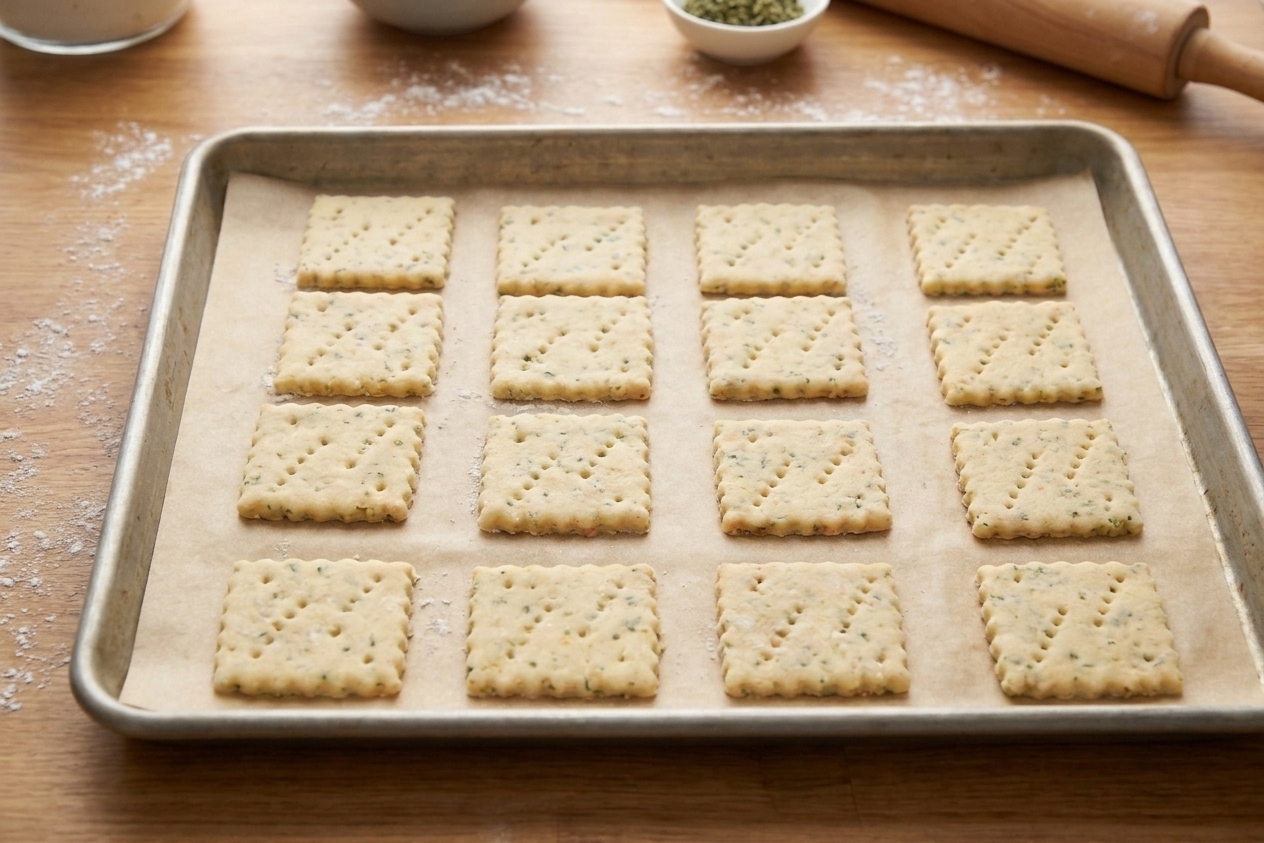
  • Docks and dries correctly: those holes are not decoration. They help moisture escape so the crackers dry evenly.
  • Two-stage drying option: you can bake, then low-dry to get that classic long-keeping snap.
  • Flexible to eat: keep it traditional and dunk it, or go modern with broths, spreads, and crunchy toppings.

Pairs Well With

Storage Tips

Hardtack stores best when it stays bone-dry. Let it cool completely, then store it airtight with as little humidity as possible.

  • Room temperature: Store in an airtight container for 2 to 4 weeks in a normal, dry kitchen. In humid climates, expect less time unless you use extra protection.
  • Longer storage: If the crackers are fully dried (they snap, not bend) and you keep them sealed from humidity, they can last several months. Vacuum sealing helps a lot, especially with a food-safe desiccant packet. If you are aiming for very long storage, label and date them and inspect periodically for any moisture, off smells, or pests.
  • If it softens: Re-crisp on a sheet pan at 250°F for 20 to 40 minutes (sometimes longer), then cool fully before re-sealing.
  • Inspect like you mean it: If it has a musty smell, visible spots, bends instead of snaps after cooling, or shows any signs of insects or infestation, toss it.

One more practical rule: never seal hardtack warm. Trapped steam turns into condensation, and condensation is how “dry storage” quietly turns into “mystery science.”

Common Questions

What does hardtack taste like?

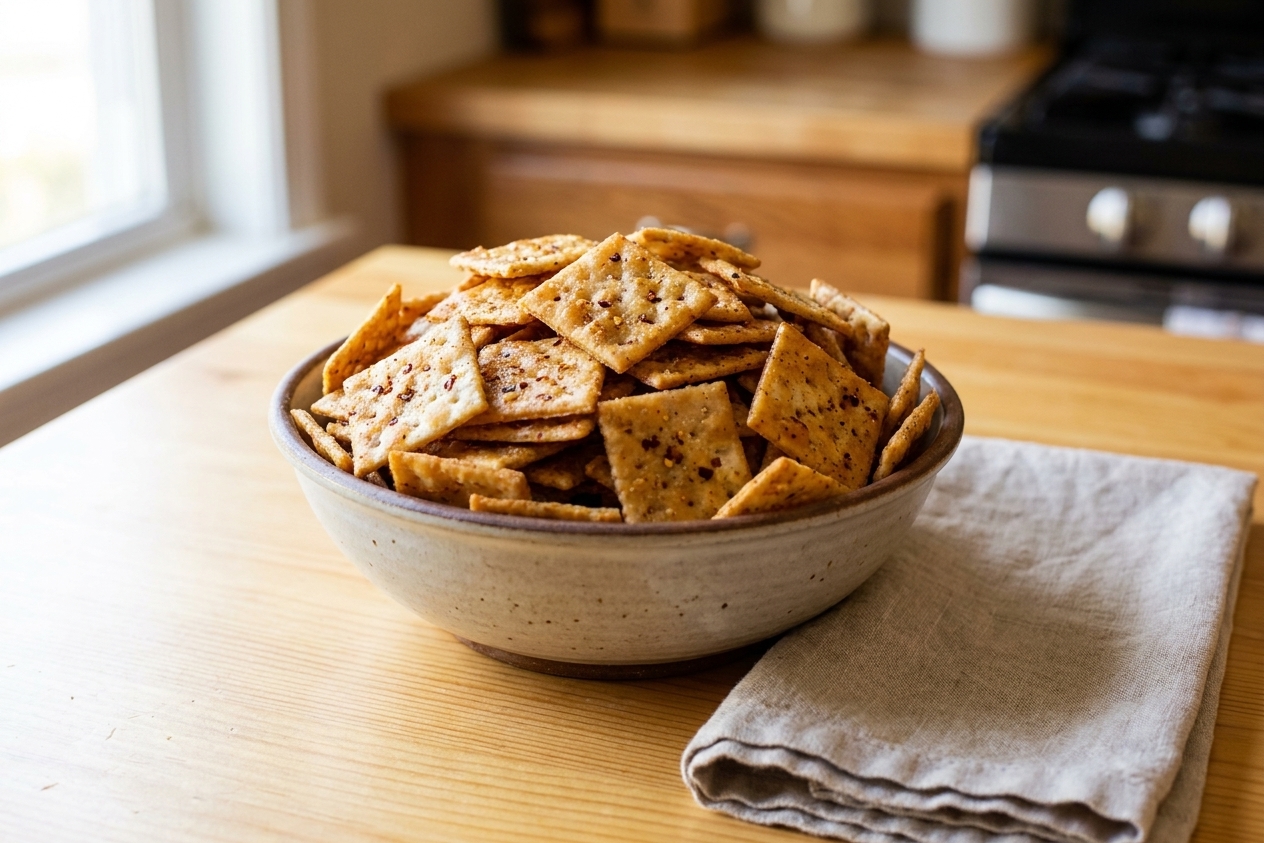
On its own, it is very plain. Think “a saltine’s tougher, plainer cousin.” The point is durability, not buttery bliss. The good news is it takes on flavor really well once you dunk or top it.

Why do you poke holes in hardtack?

Docking (poking holes) helps steam escape so the crackers dry evenly and do not puff like biscuits. It also helps prevent trapped moisture, which is the enemy of long storage.

Is hardtack the same as crackers?

Kind of, but hardtack is intentionally extra dry and low-fat. Most crackers include some fat (oil, butter) for flavor and tenderness. Hardtack skips that so it lasts longer.

How do you eat hardtack without breaking a tooth?

Soften it. Dunk in coffee or tea, simmer it in soup, or briefly soak in broth. If you want crunch, break it into smaller pieces and eat it like croutons, not like a giant brick.

Can I add butter or oil to make it tastier?

You can, but it will shorten the shelf life because fats can go rancid. If you want a more snackable version for normal life, add 1 to 2 tablespoons oil to the dough and store it like regular crackers.

Do I have to add salt?

Nope. Some historical versions are unsalted. Salt can help a little when moisture is present, but it does not meaningfully extend shelf life if the crackers are truly bone-dry. Include it for flavor or skip it for strict minimalism.

Why is my hardtack not crisp?

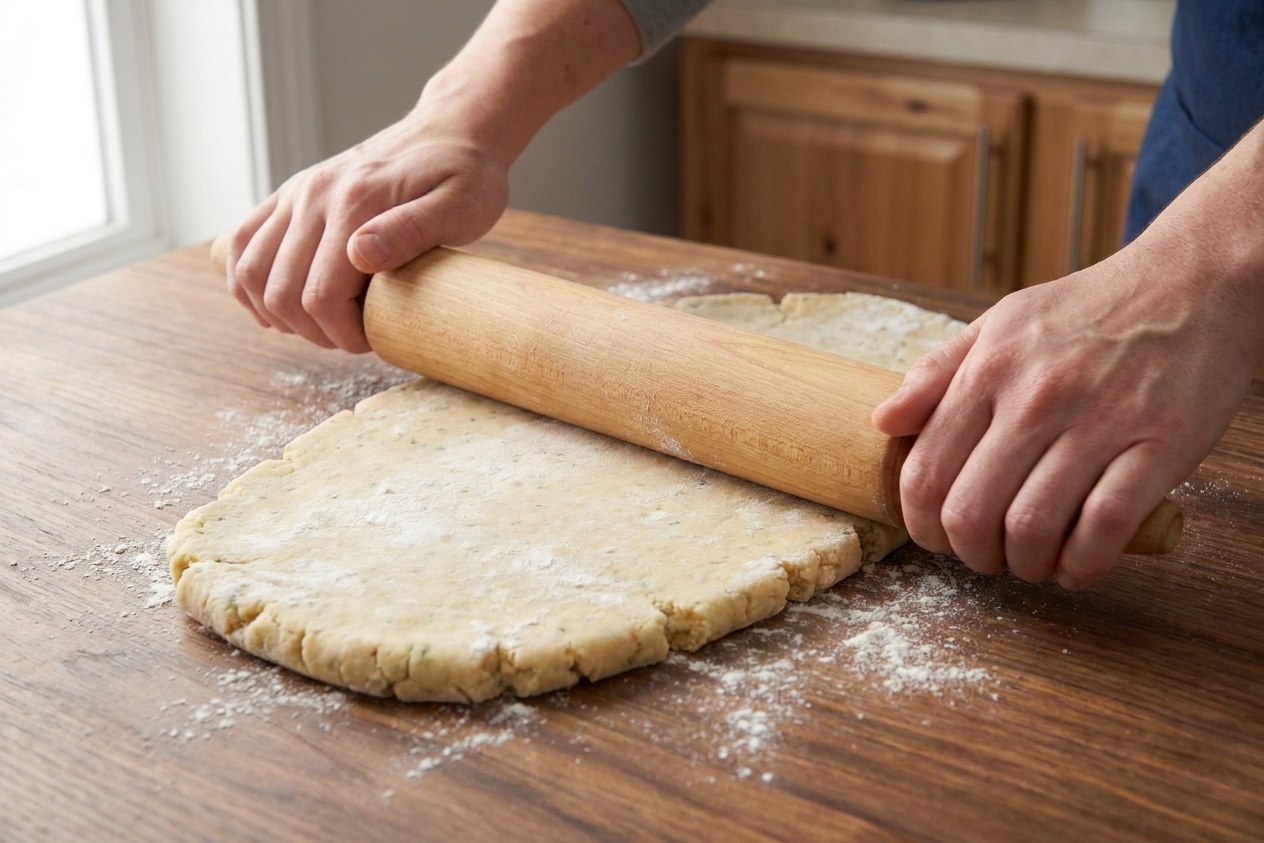
Usually one of four things: it was rolled too thick, it did not bake long enough, it was sealed before fully cooled, or your kitchen is humid. Use the low-oven drying step for a classic, extra-dry finish. The goal is dryness, not color.

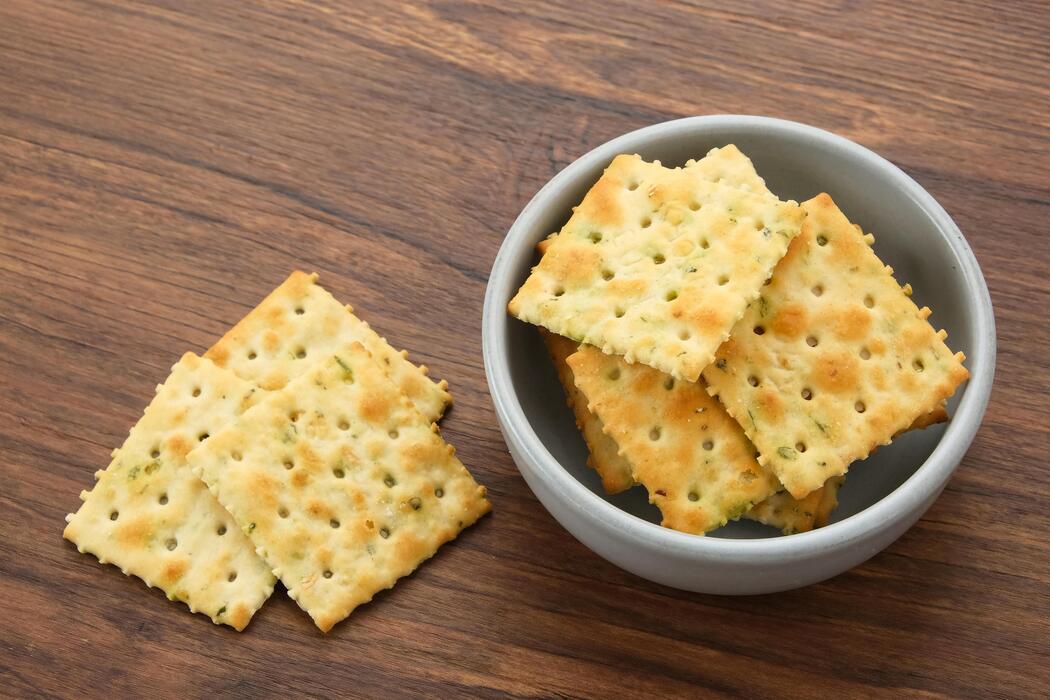
I first made hardtack out of pure curiosity. It felt like the culinary version of touching a hot pan just to confirm it is, in fact, hot. The first batch was historically accurate and emotionally challenging to chew. The second batch, though, was the win: thinner roll, better docking, and a little extra drying time. Then I started treating it like a tool. Drop it into soup. Smear with peanut butter and a pinch of flaky salt. Crunch it into a skillet with eggs. Suddenly hardtack stopped being a weird history project and became something I actually wanted around.