Mom's Best Recipes
Recipe

High-Protein Cottage Cheese Pasta

A creamy pasta sauce made from whipped cottage cheese, garlic, and Parmesan for a fast, high-protein dinner with a one-skillet finish.

Author By Matt Campbell
4.8
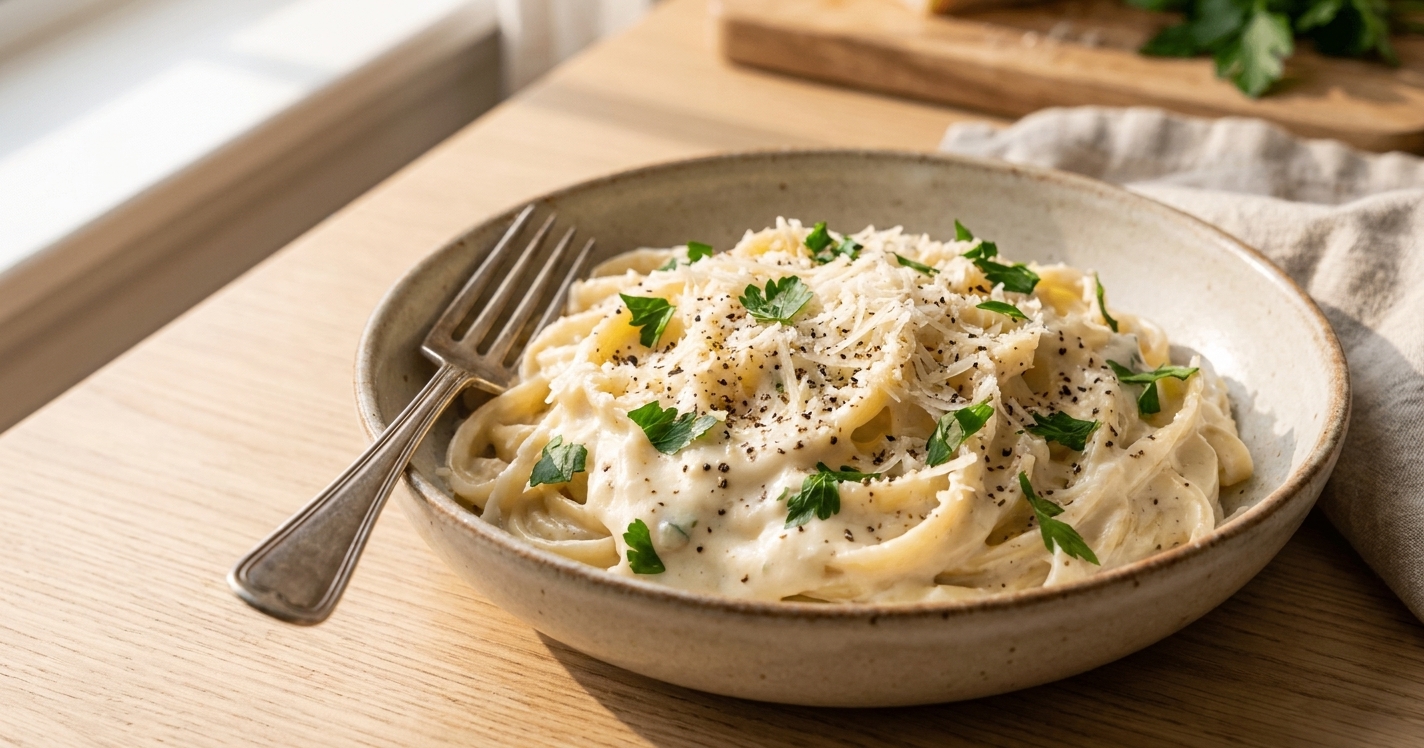
A close-up, real photo of creamy cottage cheese pasta in a skillet with grated Parmesan, cracked black pepper, and a handful of spinach wilting into the sauce

If your weeknight brain wants creamy pasta but your body wants protein, this is the sweet spot. We are making an easy weeknight pasta with a one-skillet finish that gets its silky sauce from whipped cottage cheese plus a little Parmesan, garlic, and starchy pasta water. It tastes cozy and rich, but it is secretly doing something responsible.

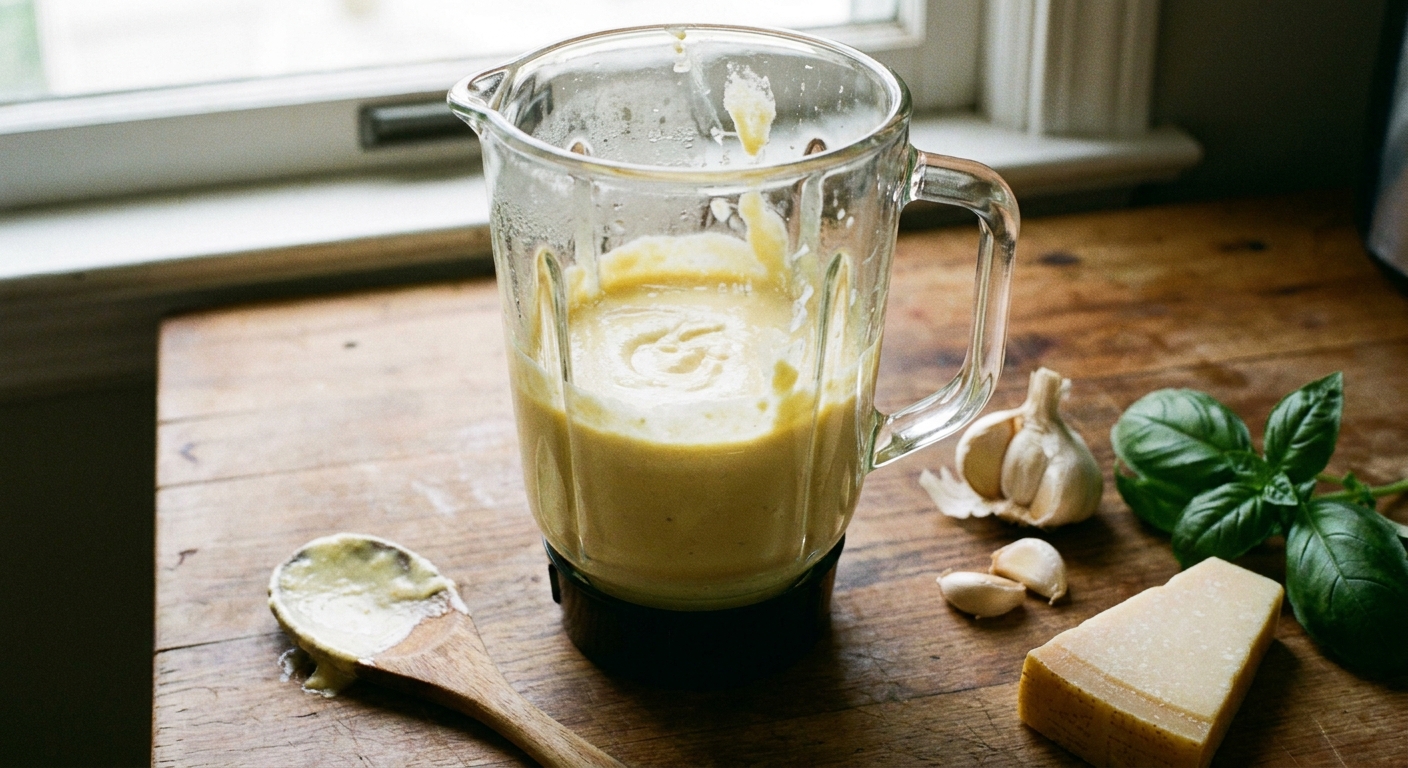
And yes, we are blending. Not in a fussy way. In a “push button, become a sauce wizard” way. You can use a blender or a food processor, and I will walk you through both so you end up with a smooth, creamy sauce that actually clings to the noodles.

A real photo of a countertop blender jar filled with whipped cottage cheese pasta sauce, blended smooth with Parmesan and garlic

Why It Works

  • High-protein, real creamy texture: Blending cottage cheese makes it silky, not lumpy, and it turns into a legit sauce with pasta water.
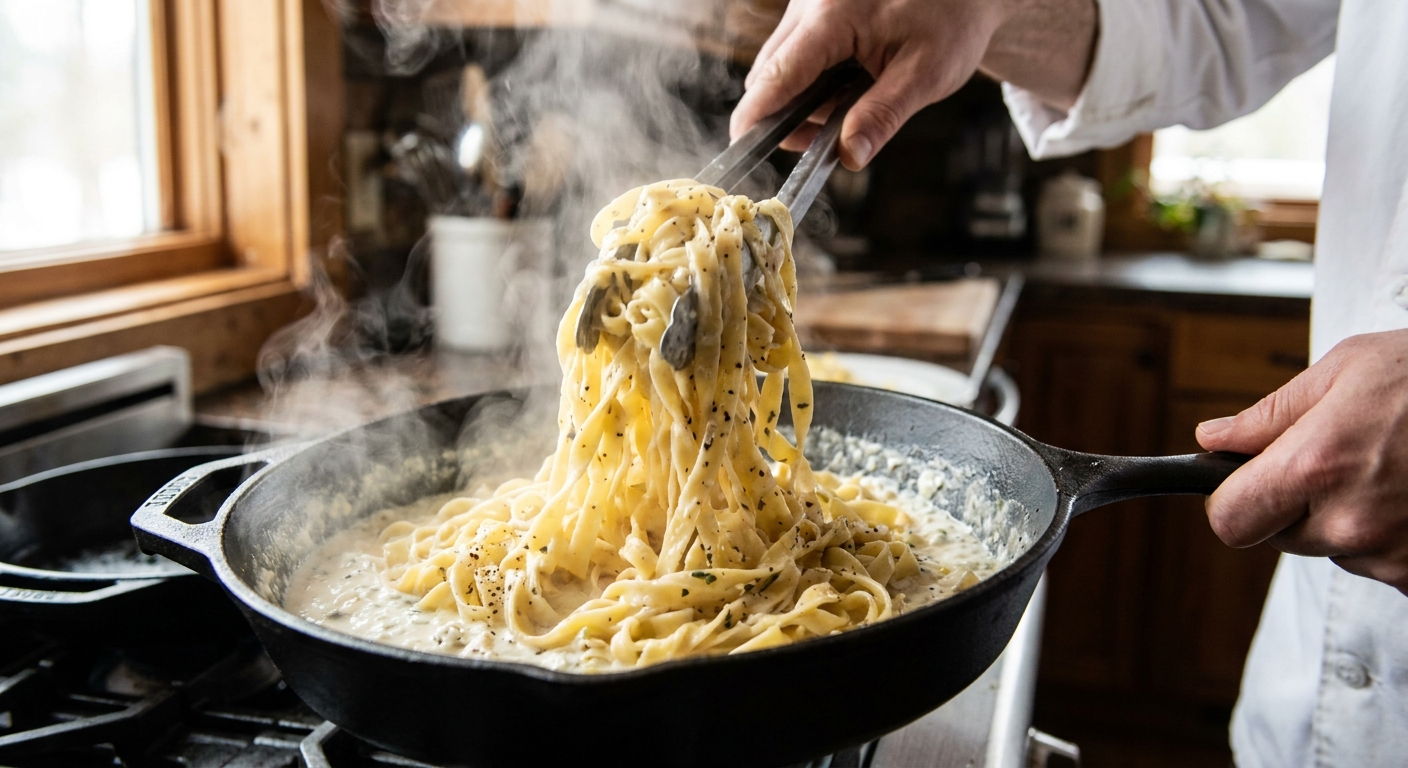
  • One-skillet finish: Cook pasta, reserve water, then toss everything together in the same skillet for maximum flavor and minimum dishes.
  • Fast flavor building: Garlic (and optional red pepper flakes) bloom in olive oil first, so the sauce tastes like you tried harder than you did.
  • Flexible add-ins: Spinach wilts in seconds, sun-dried tomatoes add punch, and grilled chicken turns it into a meal-prep hero.

Pairs Well With

Storage Tips

This sauce reheats well, but it needs a little kindness.

Refrigerate

  • Store in an airtight container for up to 3 to 4 days.
  • The pasta will thicken as it sits. That is normal.

Reheat

  • Warm in a skillet over medium-low with a splash of water, milk, or broth to loosen the sauce.
  • Stir often. Once it looks creamy again, you are back in business.

Freeze?

  • I do not love freezing this as a finished pasta because dairy-based sauces can get grainy after thawing.
  • If you want to prep ahead, freeze cooked chicken or other add-ins, then make the sauce fresh. It takes minutes.

Common Questions

Will cottage cheese taste like cottage cheese?

Not in a “I am eating cottage cheese with a spoon” way. Once it is blended with Parmesan, garlic, and pasta water, it reads like a tangy, creamy cheese sauce. Use small-curd cottage cheese for the easiest-to-smooth blend.

Blender vs. food processor: which is better?

Blender: Smoothest, fastest, best for a really silky sauce. Add a splash of pasta water to help it move.

Food processor: Works great, but the sauce can be slightly more textured. Scrape down the sides once or twice and give it an extra minute.

Is it safe to blend pasta water in a blender?

Yes, as long as you do it safely. Hot liquid can create steam pressure in a sealed blender. Let the pasta water cool for a minute, fill the blender only partway, and blend with the lid vented (or remove the center cap and cover with a towel). Start on low and increase slowly. If you would rather skip this entirely, blend the cottage cheese and Parmesan with a splash of cool water, then loosen the sauce in the skillet with hot pasta water.

What pasta shapes hold this sauce best?

Go for shapes with ridges or curves: rigatoni, penne, fusilli, cavatappi, or shells. They grab the creamy sauce and keep every bite interesting.

Can I make it gluten-free?

Yes. Use your favorite gluten-free pasta and keep an extra cup of pasta water handy, since gluten-free pasta can absorb sauce differently as it sits.

How can I add even more protein?

Stir in grilled chicken, turkey sausage, or white beans. You can also use a protein pasta like chickpea or lentil pasta if you like the texture.

My sauce looks thin. Did I mess up?

Probably not. Let it simmer for 30 to 60 seconds in the skillet, tossing constantly. Starchy pasta water plus gentle heat helps it tighten up. If it is still thin, add a little more Parmesan.

My sauce looks thick or clumpy. Help.

Add pasta water a tablespoon at a time and toss. Heat should be medium-low. Too much high heat can make dairy sauces seize.

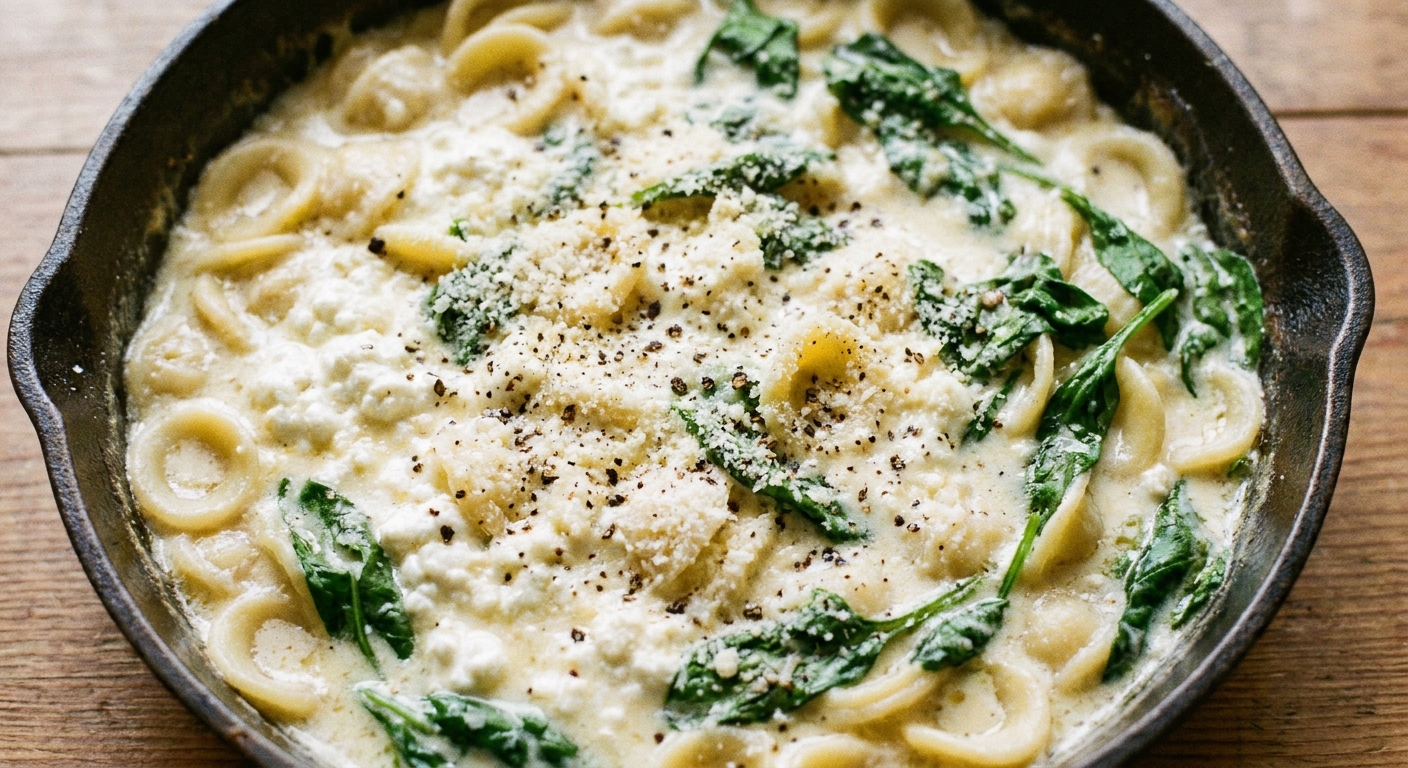
I started making this pasta on nights when I wanted comfort food but did not want to commit to a full cream sauce situation. Cottage cheese was already in my fridge for breakfasts, and one night I thought, “What if I just… blended it?” That experiment turned into a regular dinner because it hits all my favorite notes: garlicky, cheesy, glossy, and fast. It is also the kind of recipe that forgives you for being a little chaotic in the kitchen, as long as you keep tasting and you save that pasta water like it is gold.