Mom's Best Recipes
Recipe

Hoagie Rolls

Soft, chewy sandwich rolls that hold up to stacked deli meat, saucy meatballs, and melty cheesesteaks without falling apart.

Author By Matt Campbell
4.8
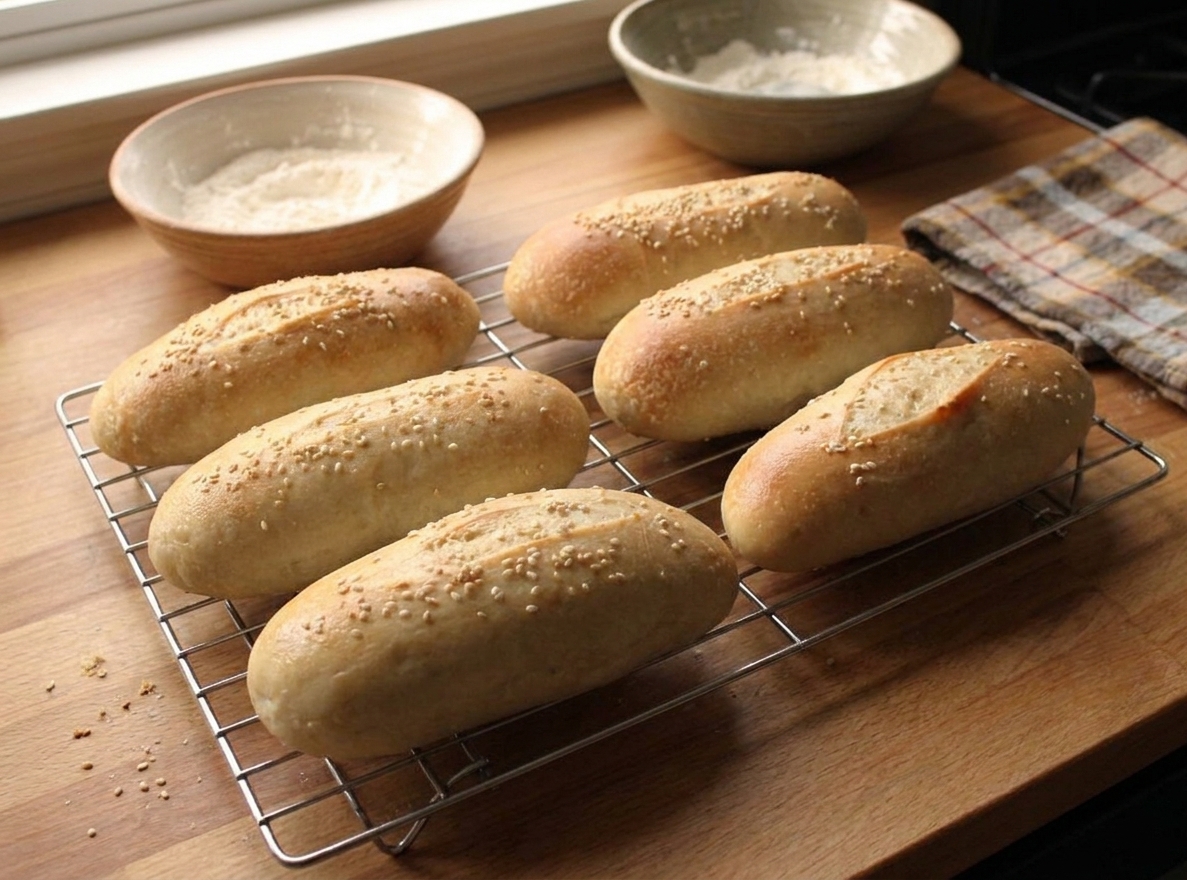
A tray of golden brown homemade hoagie rolls cooling on a wire rack on a warm kitchen counter, with a lightly floured surface and a simple towel nearby

If you have ever built a hoagie that looked incredible, then immediately watched the roll collapse into a sad, soggy situation, you are not alone. A good hoagie sandwich roll has one job: hold everything together while staying tender enough to bite through without wrestling your lunch.

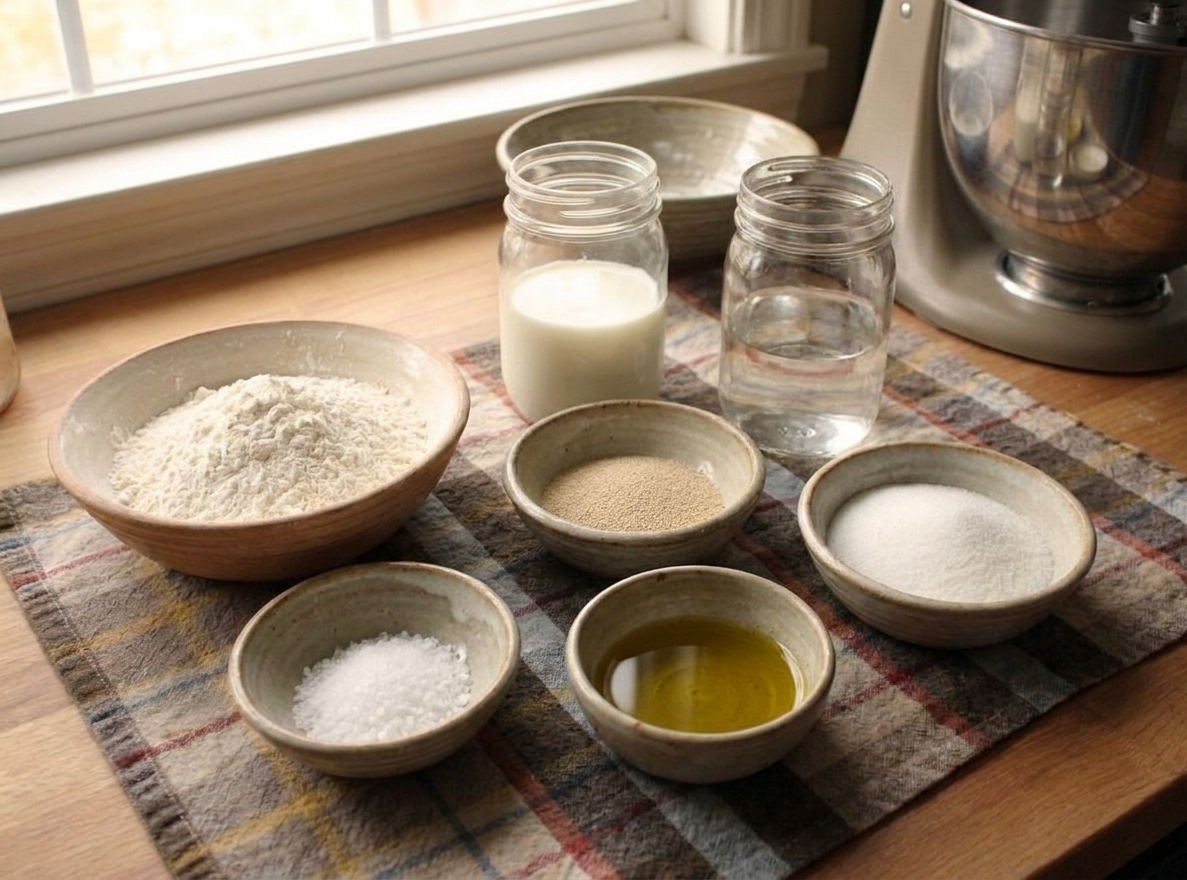
These homemade hoagie rolls hit that sweet spot. They are soft and fluffy inside, with a lightly chewy crust that can take on oil and vinegar, marinara, or a pile of hot steak and onions. Bonus: the ingredients are basic pantry stuff, and the method is very doable even if you are not a “bakes bread every weekend” person.

Make a batch, stash a few in the freezer, and future-you will be dangerously powerful at sandwich time.

Why It Works

  • Built for real sandwiches: This dough bakes up sturdy enough for juicy fillings, but still soft and tender in the middle.
  • Easy shaping: No fancy braids or complicated scoring. Just roll, tuck, and seal.
  • Classic hoagie texture: A quick steam pan in the oven helps you get that bakery-style chew without turning the crust into armor.
  • Make-ahead friendly: These keep well for a few days, and they freeze like champs.
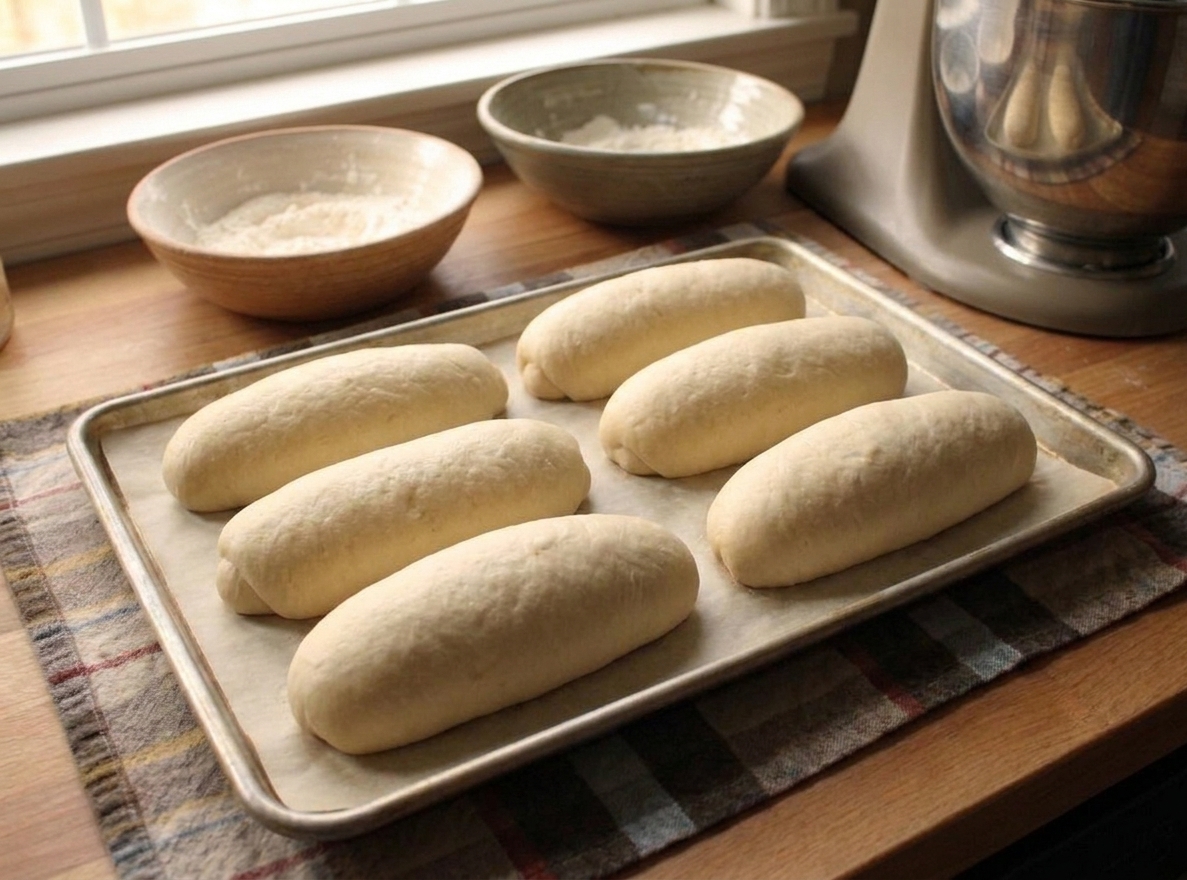
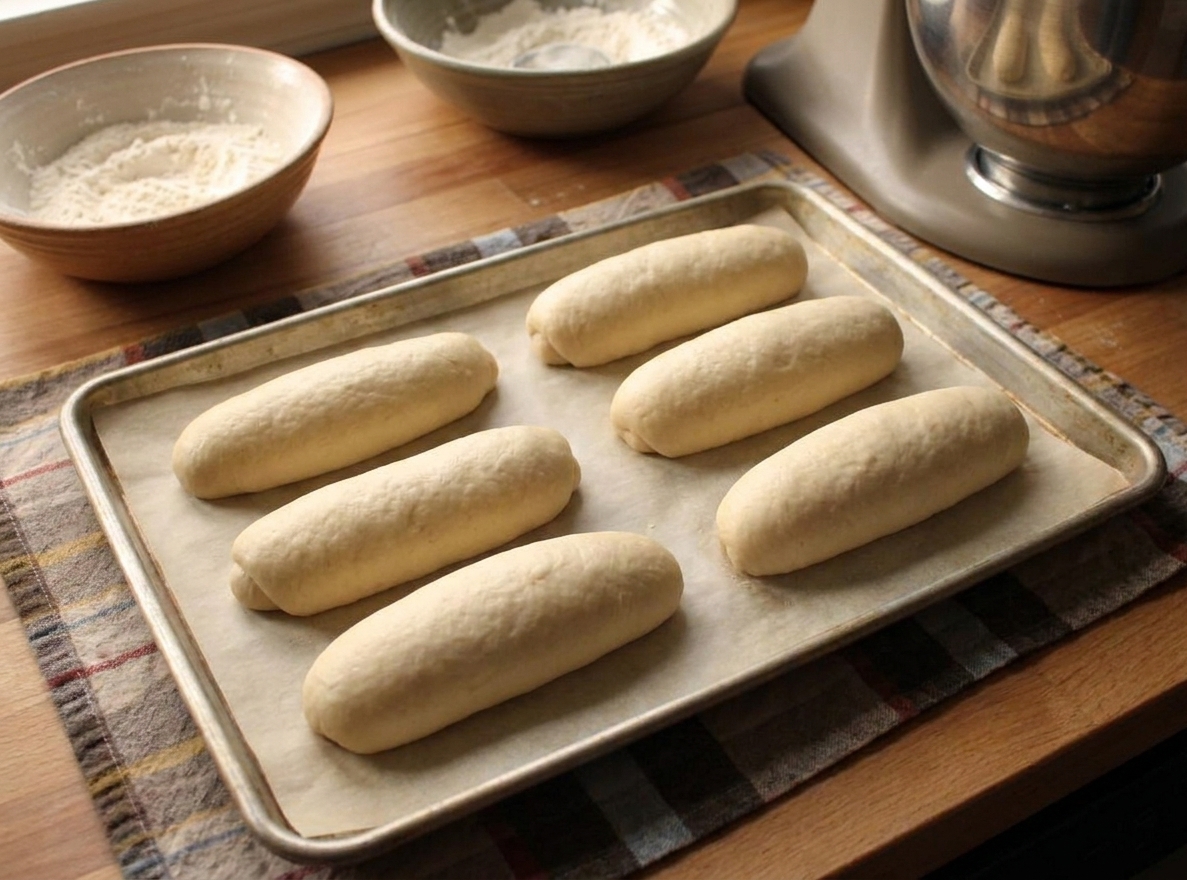
Raw hoagie roll dough logs evenly spaced on a parchment lined baking sheet on a kitchen counter, ready for the final rise

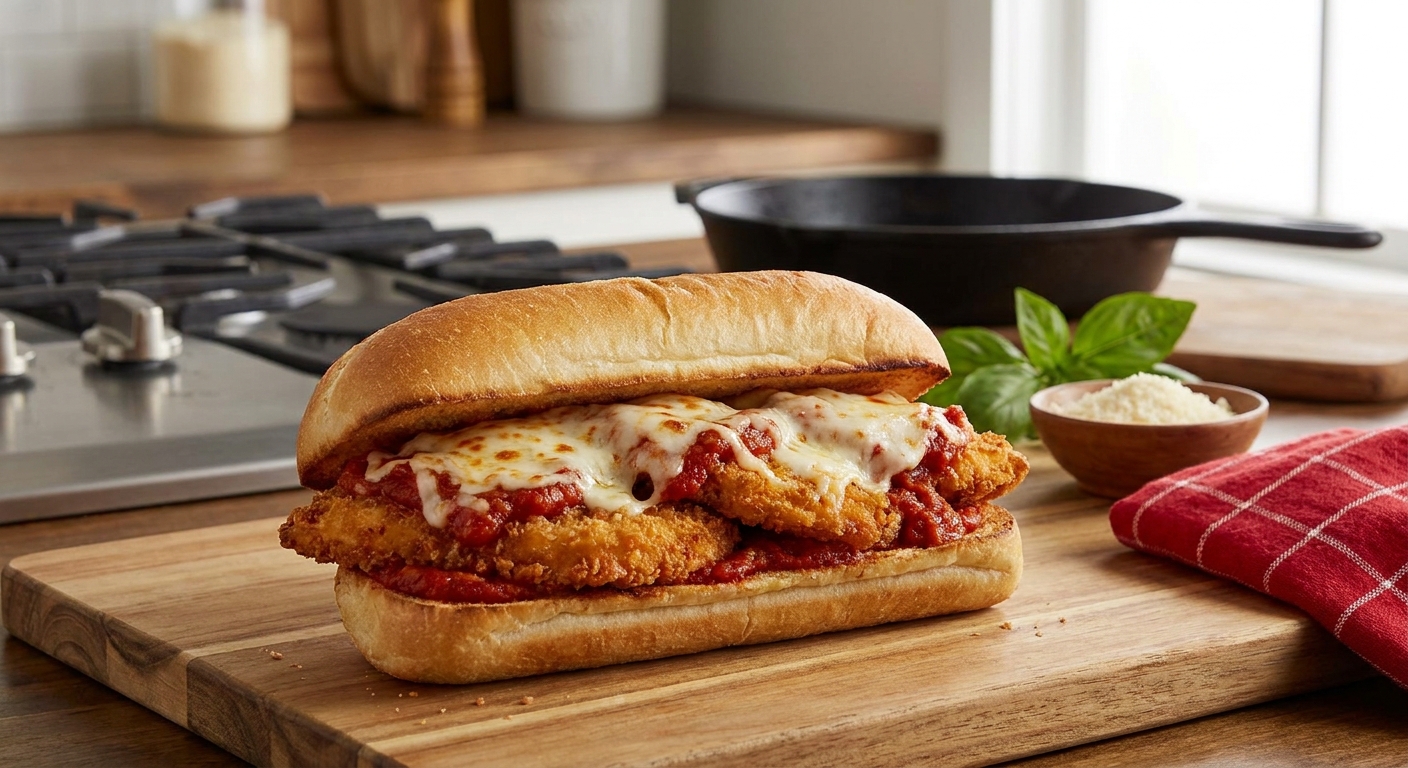
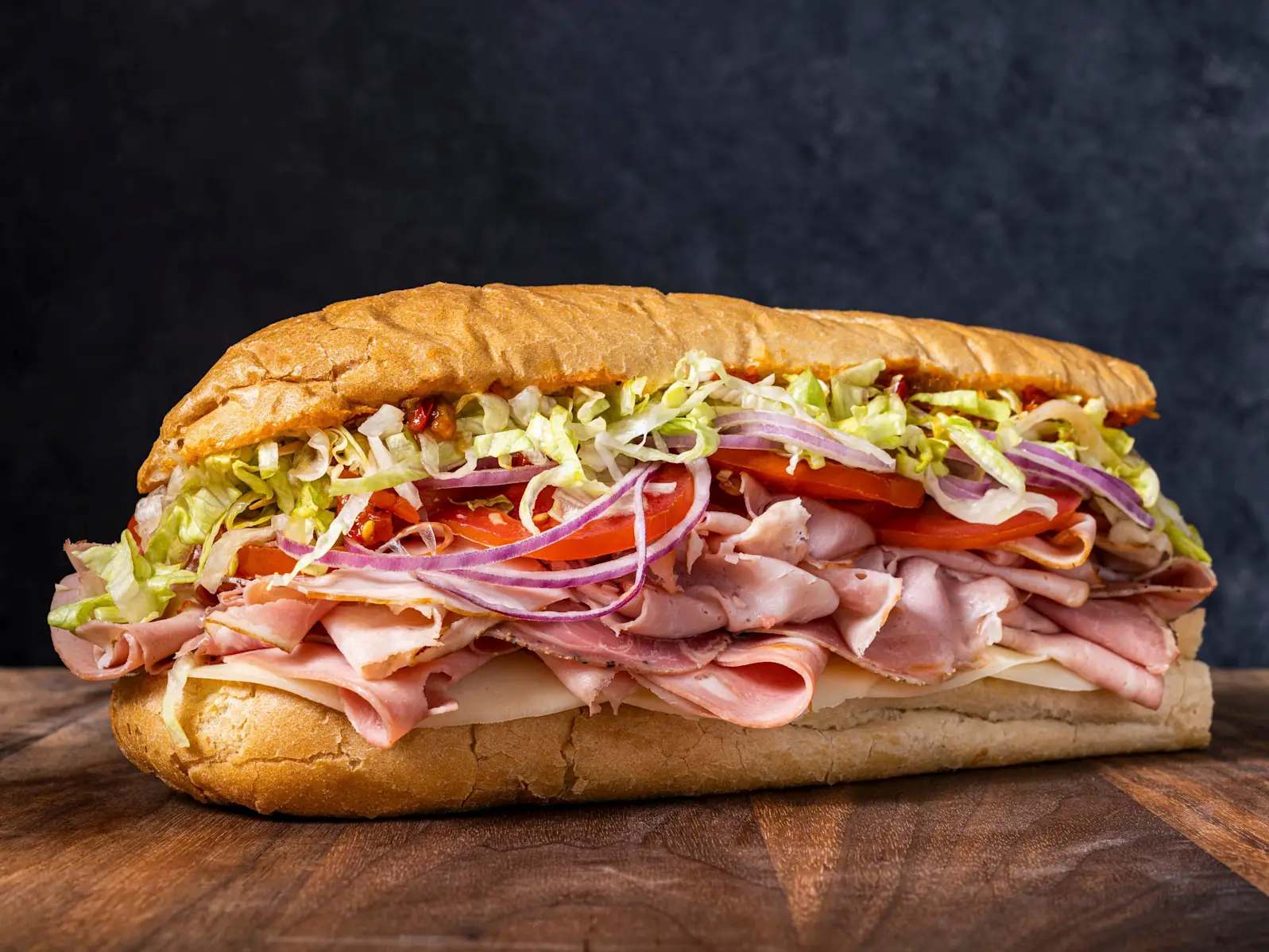
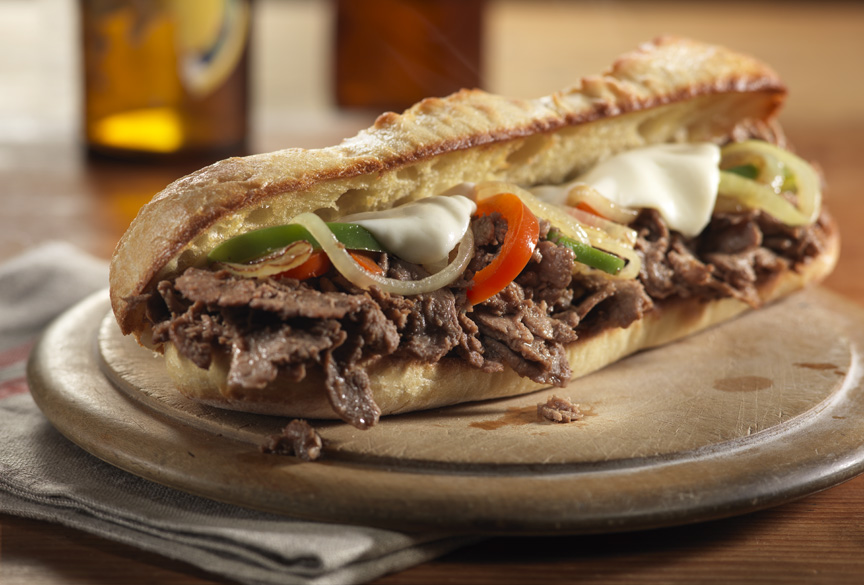
Pairs Well With

Storage Tips

Room temperature: Let rolls cool completely, then store in a zip-top bag or airtight container for up to 2 days. If your kitchen runs dry, add a small piece of paper towel in the bag to help prevent the crust from getting too hard.

Refrigerator: I do not recommend it unless your kitchen is very warm. The fridge stales bread faster. If you must, wrap tightly and rewarm before serving.

Freezer: Slice (optional but convenient), wrap each roll in plastic wrap, then place in a freezer bag. Freeze up to 2 months.

To reheat: Thaw at room temp. Warm in a 350°F oven for 6 to 10 minutes. For extra crisp edges, spritz the crust lightly with water first. If already sliced, toast the cut sides in a skillet with a little butter or olive oil.

Common Questions

What is the difference between a hoagie roll and a sub roll?

In most home kitchens, they are basically the same idea: an oblong sandwich roll meant to hold fillings. Some regions use different names, and some bakeries make subtle texture differences. What matters is structure. A good hoagie roll is sturdy, not crumbly, and has a slightly chewy crust.

How do I keep hoagie rolls from getting soggy?

Two easy moves: toast the inside (even a quick skillet toast helps), and add a fat barrier like mayo, butter, or oil before wet ingredients. Also, keep juicy stuff like tomatoes and pickles away from the bread by tucking them between meat and cheese.

Can I make these rolls without a stand mixer?

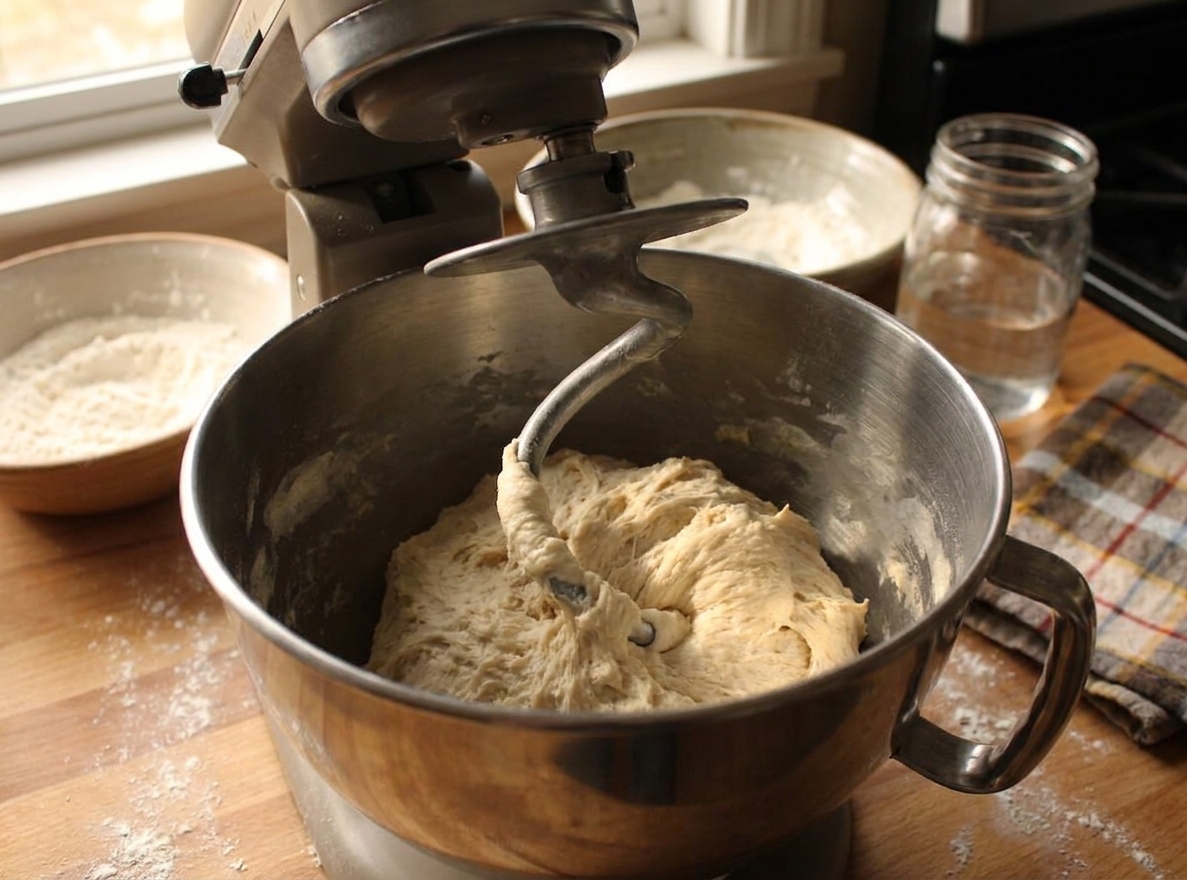
Yes. Stir with a wooden spoon until shaggy, then knead by hand for about 10 minutes. The dough should become smooth and elastic and only slightly tacky.

Can I make them smaller for sliders or larger for big subs?

Absolutely. Divide into 10 to 12 pieces for smaller rolls, or 6 pieces for larger deli-style subs. Baking time will change slightly, so bake until deeply golden and the internal temp is around 190°F to 195°F.

Can I use whole wheat flour?

You can swap in up to 25% whole wheat flour without making the rolls dense. Whole wheat absorbs more water, so you may need an extra tablespoon or two of liquid.

Why add steam to the oven?

Steam helps the rolls expand in the first few minutes of baking and keeps the crust from setting too fast. You get better oven spring and a nicer chew.

Can I make the dough ahead of time?

Yes. After the first rise, cover the dough and refrigerate overnight (up to 12 to 18 hours). The next day, let it sit at room temp for 30 to 45 minutes, then shape, proof, and bake as written. Cold dough may need a slightly longer second rise.

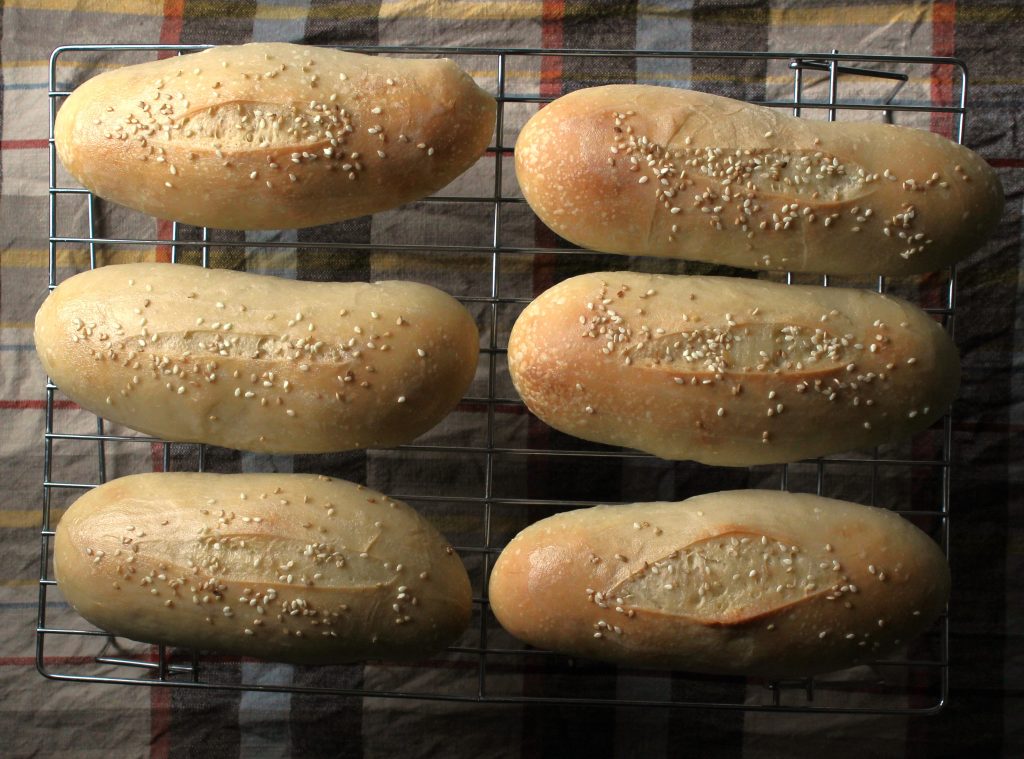
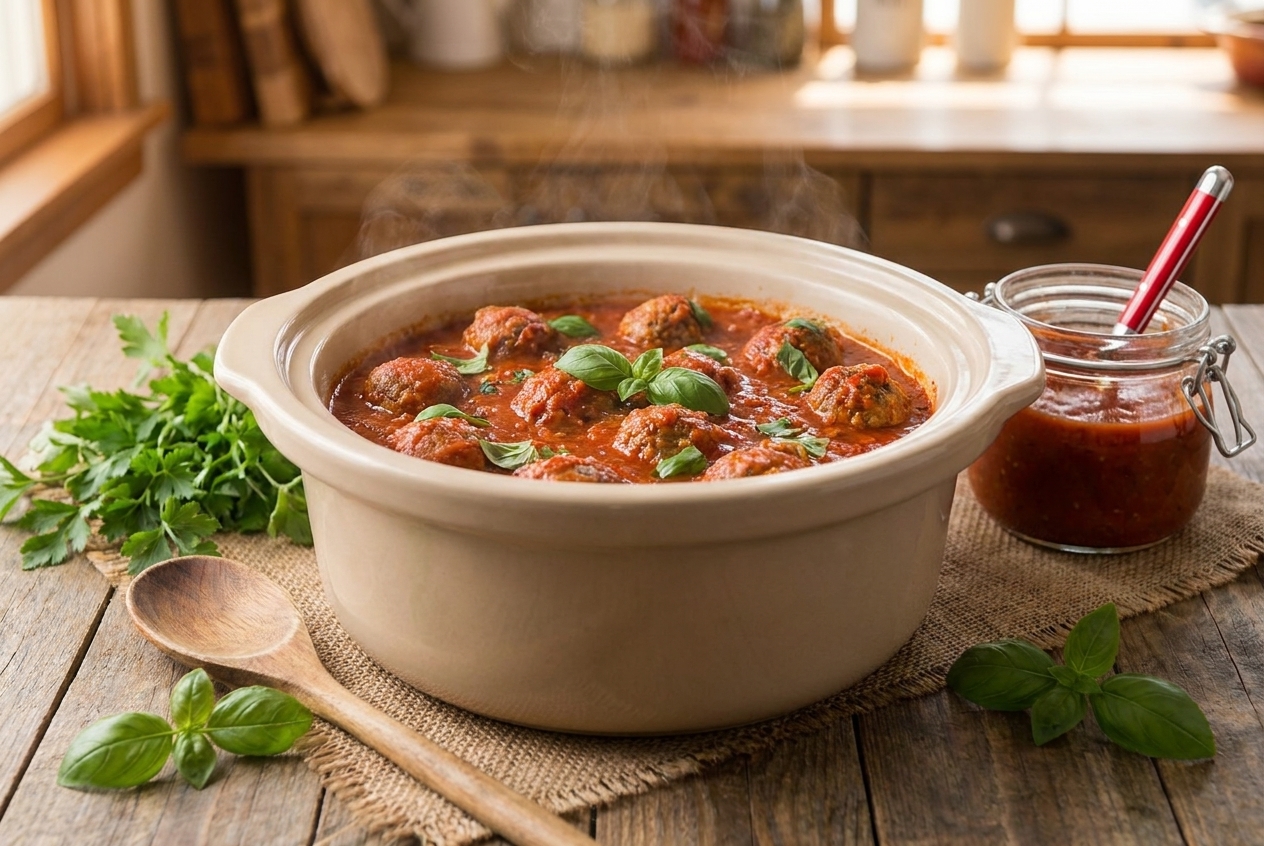
I started making hoagie rolls for a very practical reason: I was tired of buying “sub rolls” that turned into crumbs the second I introduced them to a decent amount of dressing. The first time I nailed a batch, I built an Italian hoagie so stacked it should have required a permit. The roll held. No blowout. No soggy seam. Just crisp edges, a soft center, and that quiet moment where you realize the bread is doing half the heavy lifting.

Now, whenever I am planning meatballs, cheesesteaks, or a lazy fridge cleanout sandwich, I try to keep a few of these in the freezer. It is like meal prep, but with better vibes.