Mom's Best Recipes
Recipe

Homemade Almond Butter

Creamy, deeply toasty almond butter made from just almonds and salt, plus optional add-ins if you want it sweet, spicy, or extra cozy.

Author By Matt Campbell
4.8
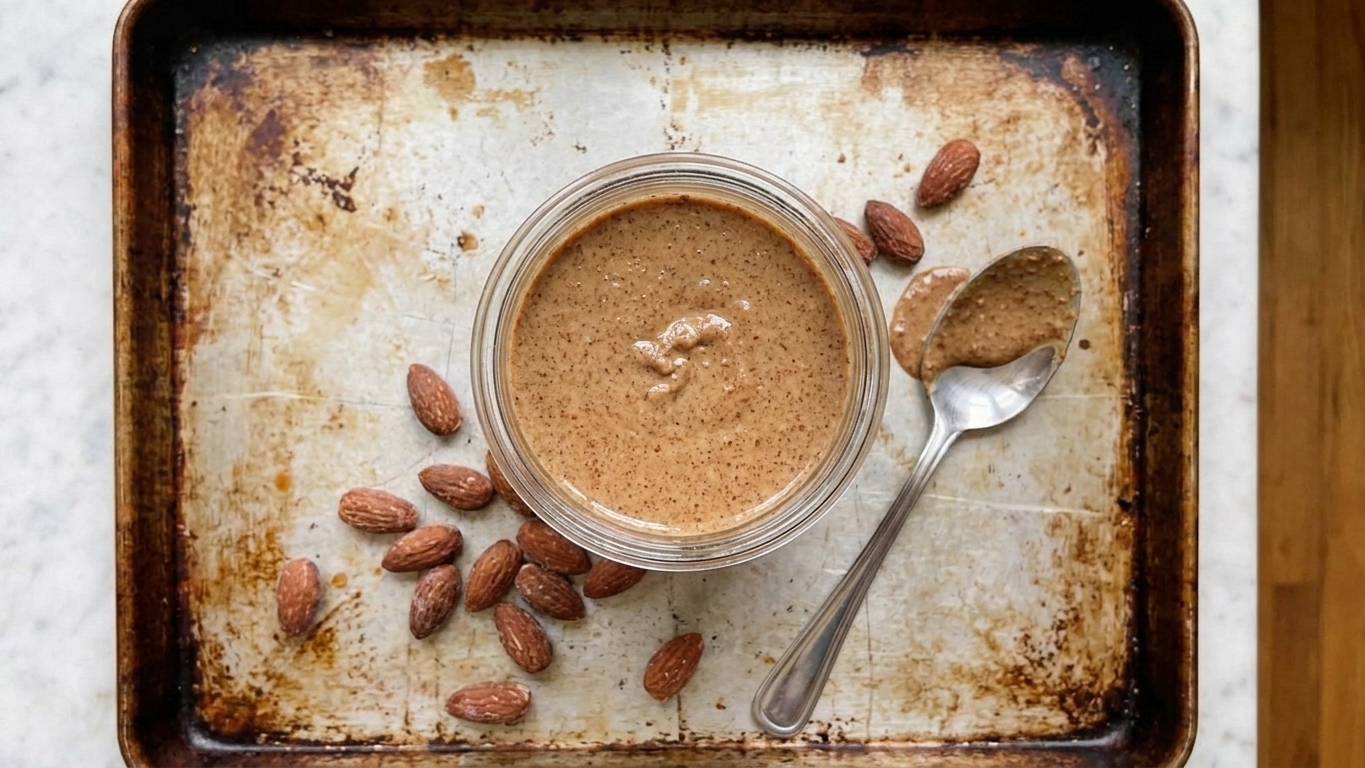
A jar of creamy homemade almond butter on a kitchen counter with a spoon resting beside it and toasted almonds nearby

Almond butter is one of those pantry power moves that makes you feel like you have your life together, even if dinner is cereal. It is rich, nutty, and somehow both snacky and respectable. And making it at home is way less fussy than it sounds.

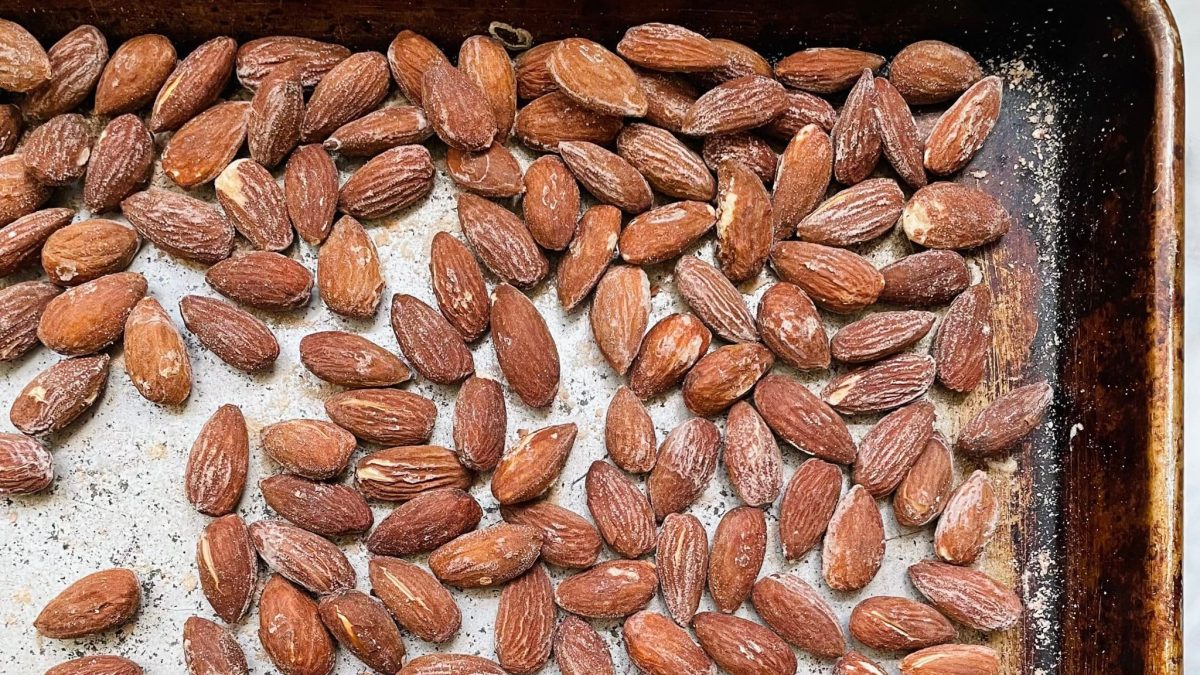
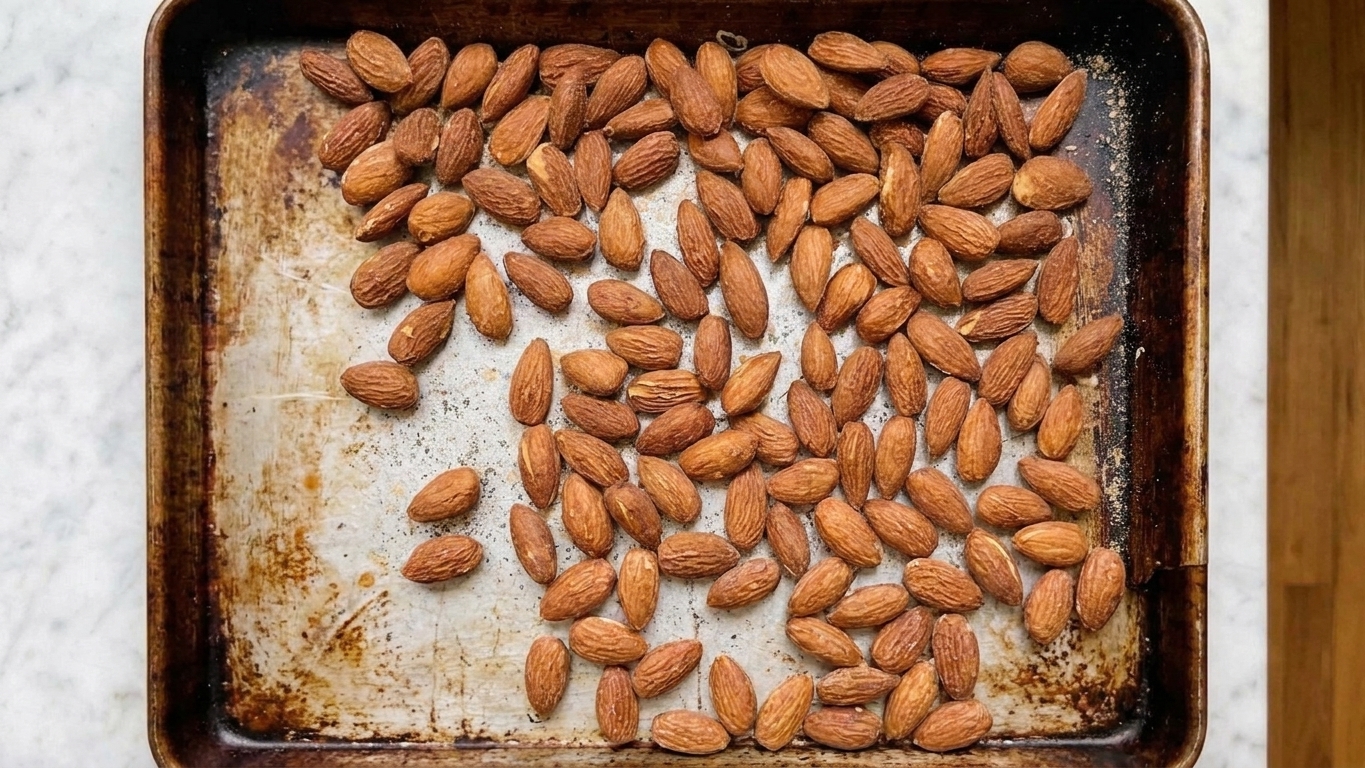
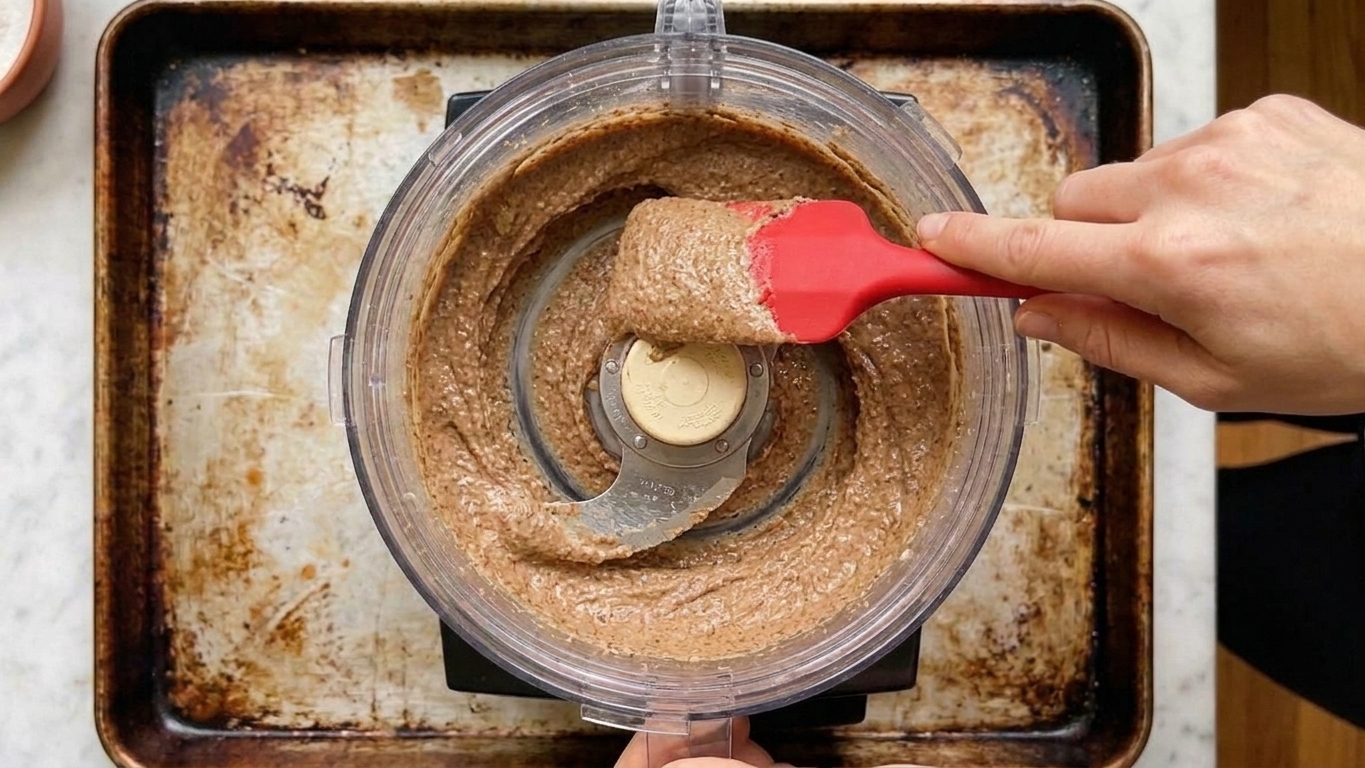
This recipe is basically: roast almonds (optional but highly recommended), blitz them until they go from sand to clumpy paste to shiny, drizzly magic, then season. That is it. No mystery oils required. Just a food processor, a little patience, and permission to scrape down the bowl like you mean it.

Below you will find my go-to method, plus a few “save it” tricks for when it looks like it is not working. Spoiler: it is working. It just needs time.

Raw almonds in a small bowl next to a pinch bowl of kosher salt on a kitchen counter

Why It Works

  • Better flavor: Roasting wakes up the almonds and gives you that warm, toasty depth that store-bought sometimes misses.
  • Control the texture: Stop at chunky, go fully smooth, or make it extra drizzly with a small splash of neutral oil if you like.
  • Simple ingredients: Almonds and salt do the heavy lifting, with optional add-ins that actually make sense.
  • Flexible: Use it for toast, oatmeal, smoothies, sauces, or a straight-from-the-spoon moment.

Pairs Well With

Storage Tips

Room temperature: If your kitchen is cool and you used a very clean jar and clean spoon every time, it can sit tightly covered for up to 1 week. If you add sweetener (maple syrup or honey), it is best to refrigerate.

Refrigerator: For best freshness, store in a clean jar in the fridge for 3 to 4 weeks. It will thicken when chilled. Let it sit at room temp for 10 minutes, then stir to bring back the creamy vibe.

Freezer: Freeze in a freezer-safe container for up to 3 months. Thaw overnight in the fridge and stir well.

Pro tip: Always use a clean spoon. Nut butter is forgiving, but crumbs and double-dipping shorten its life.

Common Questions

Do I have to roast the almonds first?

No, but I strongly recommend it. Roasting (and blending while the nuts are warm) helps the almonds release their oils faster and makes the flavor taste more like “almond cookie” and less like “health food aisle.” If you skip roasting, expect a longer blending time and a lighter flavor.

Why is my almond butter not getting smooth?

Usually it just needs more time. The stages look like: chopped nuts, gritty meal, clumps, thick paste, then glossy butter. Keep processing and scrape down the bowl. If after 10 to 12 minutes it is still stubbornly dry, add 1 to 2 teaspoons neutral oil and keep going.

My almond butter turned into a stiff ball. Did I ruin it?

Nope. That “ball” stage is normal on the way to smooth. Keep processing. If it stays seized, your almonds may be very dry or your processor is struggling. Add a teaspoon of oil and continue.

Can I make it sweetened?

Yes. Add maple syrup or honey at the end, but go slow. Start with 1 teaspoon, blend, taste, then add more. Too much liquid can make it seize, so keep it minimal. Also, sweeteners add moisture, so plan to refrigerate and use it sooner.

Is almond butter healthier than peanut butter?

They are both great. Almond butter tends to be a bit higher in vitamin E and often tastes slightly sweeter and milder. Peanut butter usually wins on price and nostalgia. I keep both around and let the snack decide.

Can I make this in a blender?

Yes, but it is fussier than a food processor. Use a high-powered blender, work in bursts, and stop often to scrape and stir. Use the tamper if you have one. If the blender is overheating or the nuts keep riding up the sides, add 1 teaspoon neutral oil to help it move.

Allergy note?

This is a tree nut recipe. If you are cooking for others, check for almond allergies and be mindful of cross-contamination on boards, utensils, and shared jars.
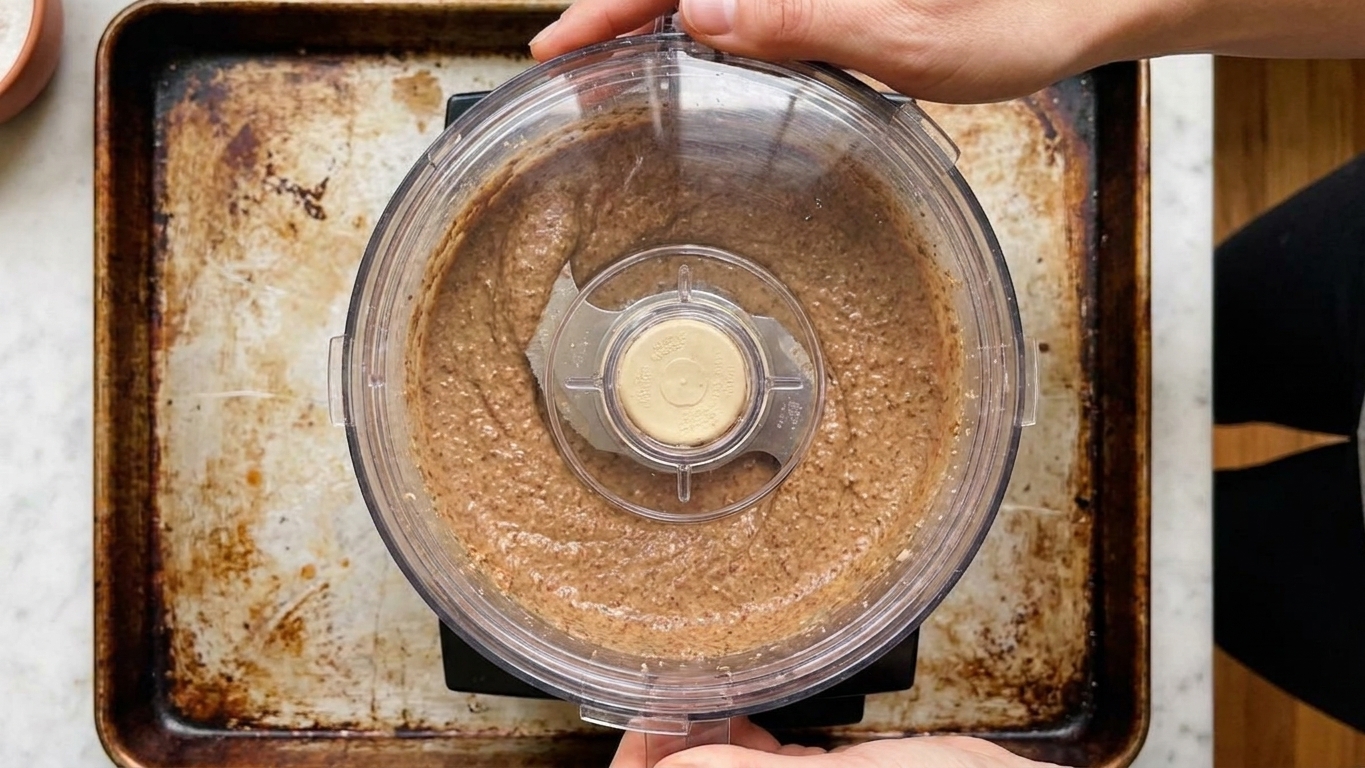

Almond butter blending in a food processor with the lid on, viewed from above on a kitchen counter

I started making almond butter when I realized I was buying it like it was a subscription service. One day I looked at the tiny jar, did the math, and thought, “Okay Matt, you can roast chicken, you can definitely handle blended nuts.” The first batch taught me patience because it looks hopeless right before it turns perfect. Now it is one of my favorite quiet kitchen routines: warm toasted almonds, a loud food processor, and that moment when it suddenly goes glossy and you know you are about to have a very good week of breakfasts.