Mom's Best Recipes
Recipe

Homemade Crème Fraîche

A two-ingredient, no-stress cultured cream that turns sauces silky and desserts extra cozy.

Author By Matt Campbell
4.8
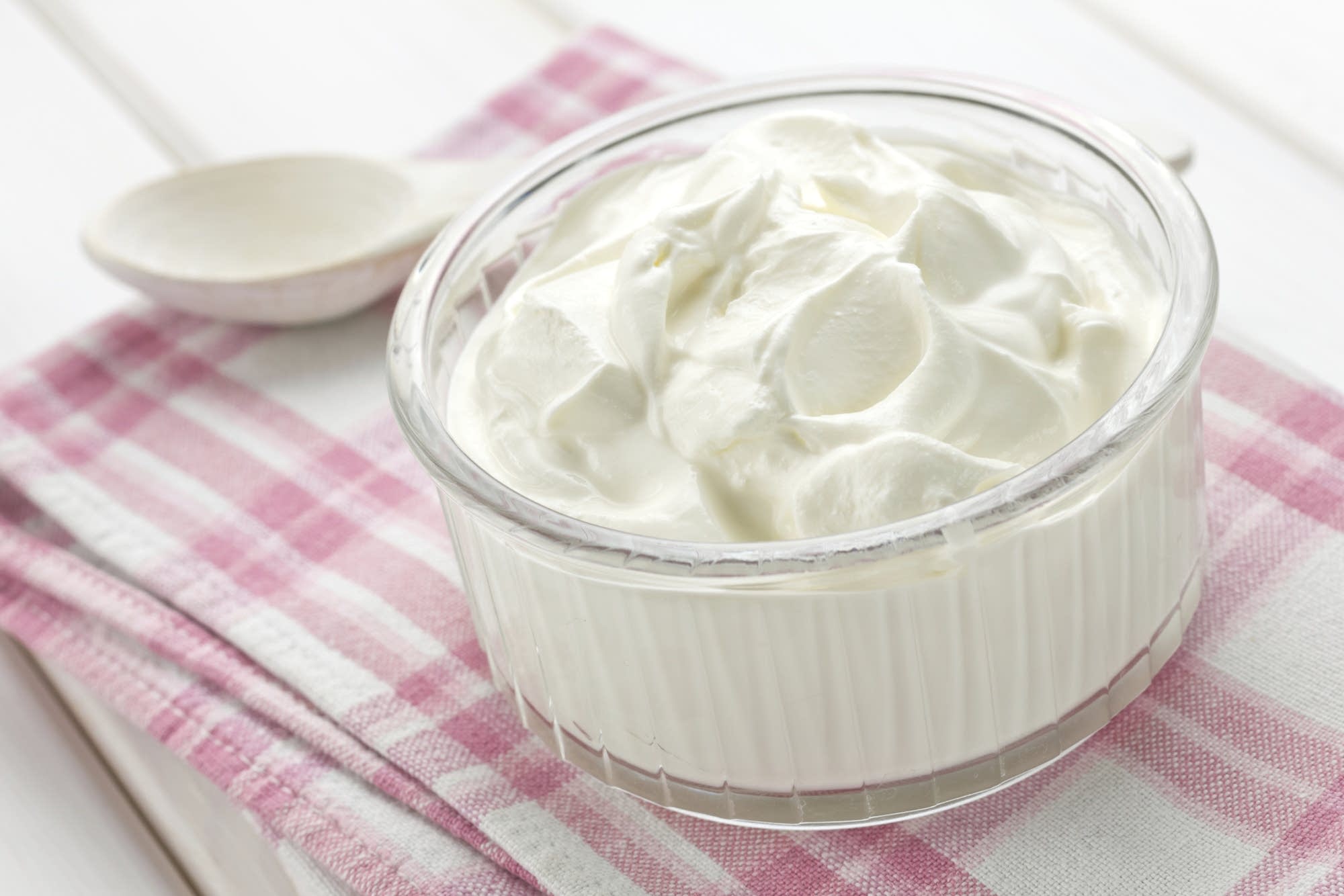
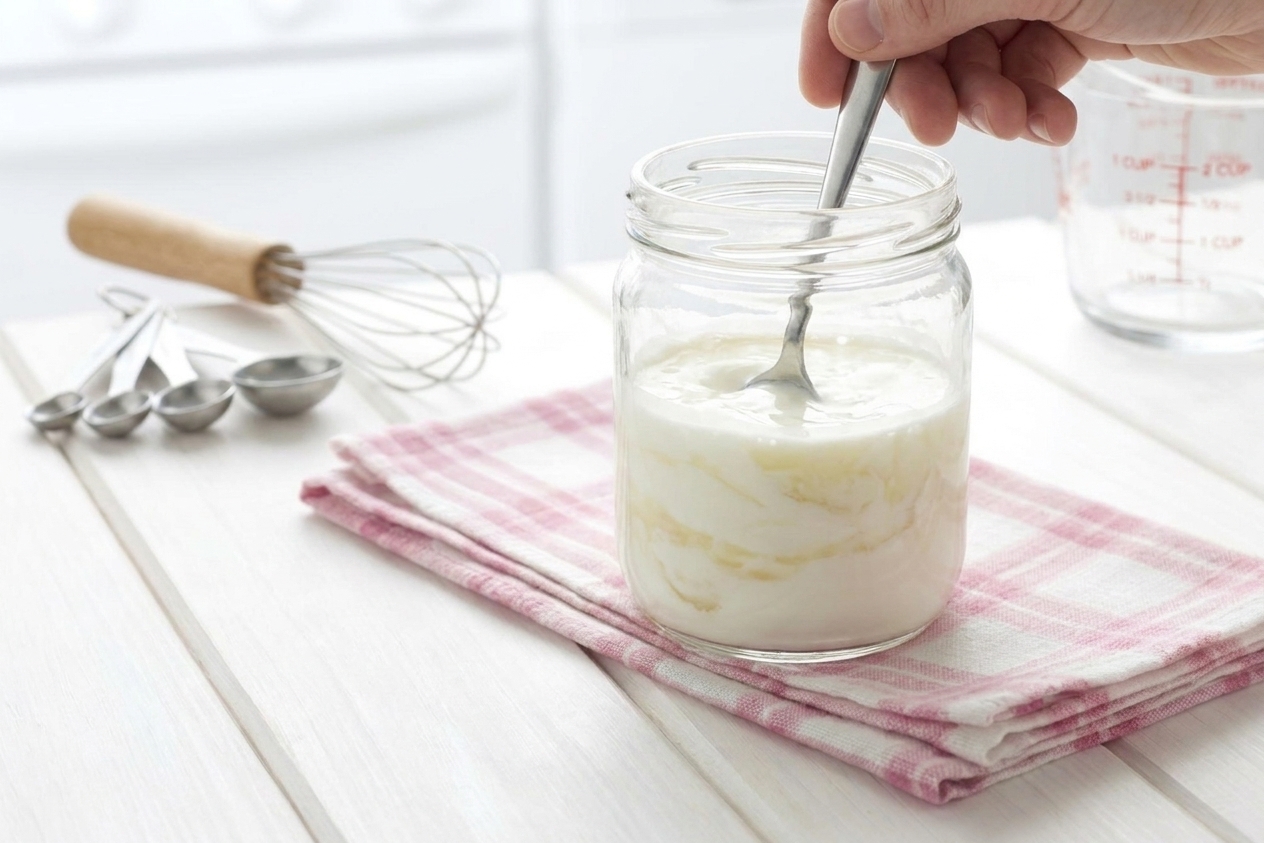
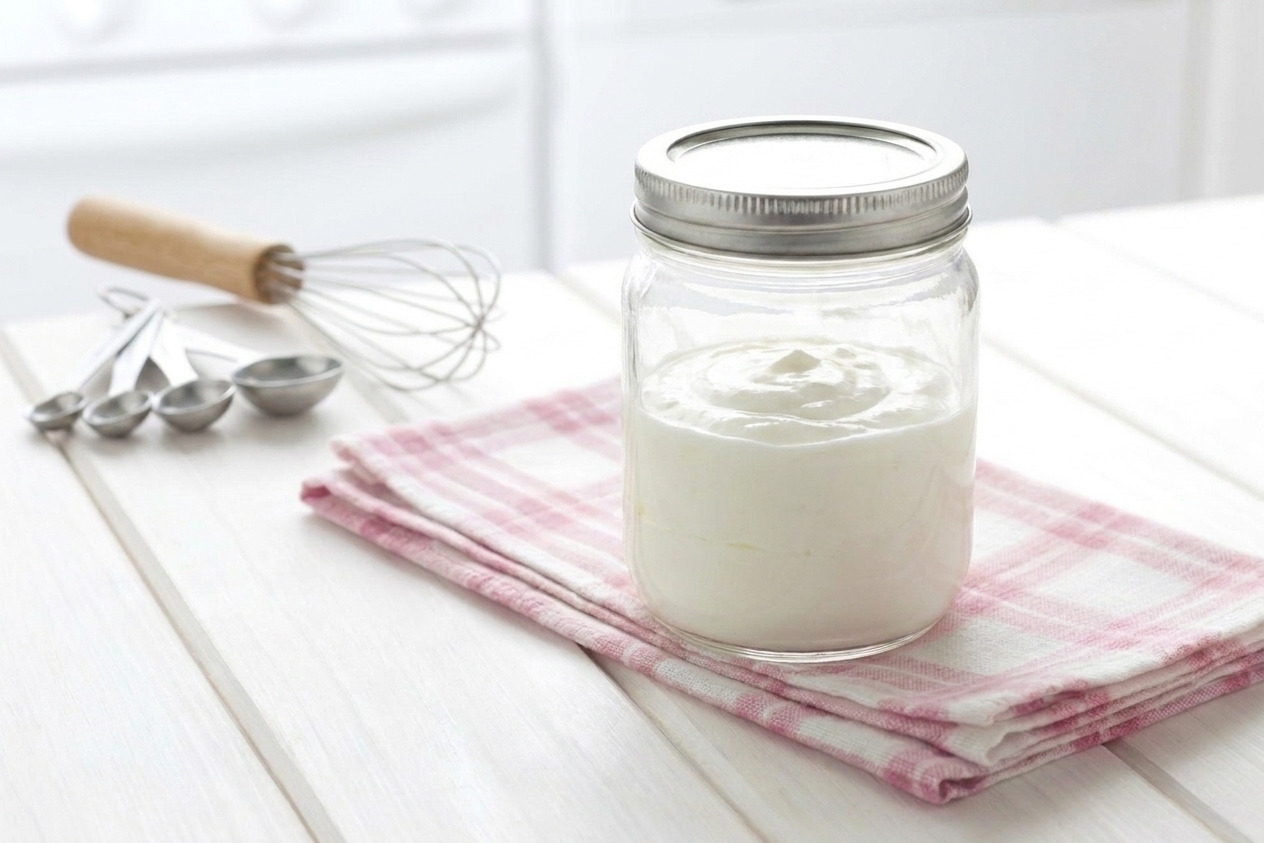
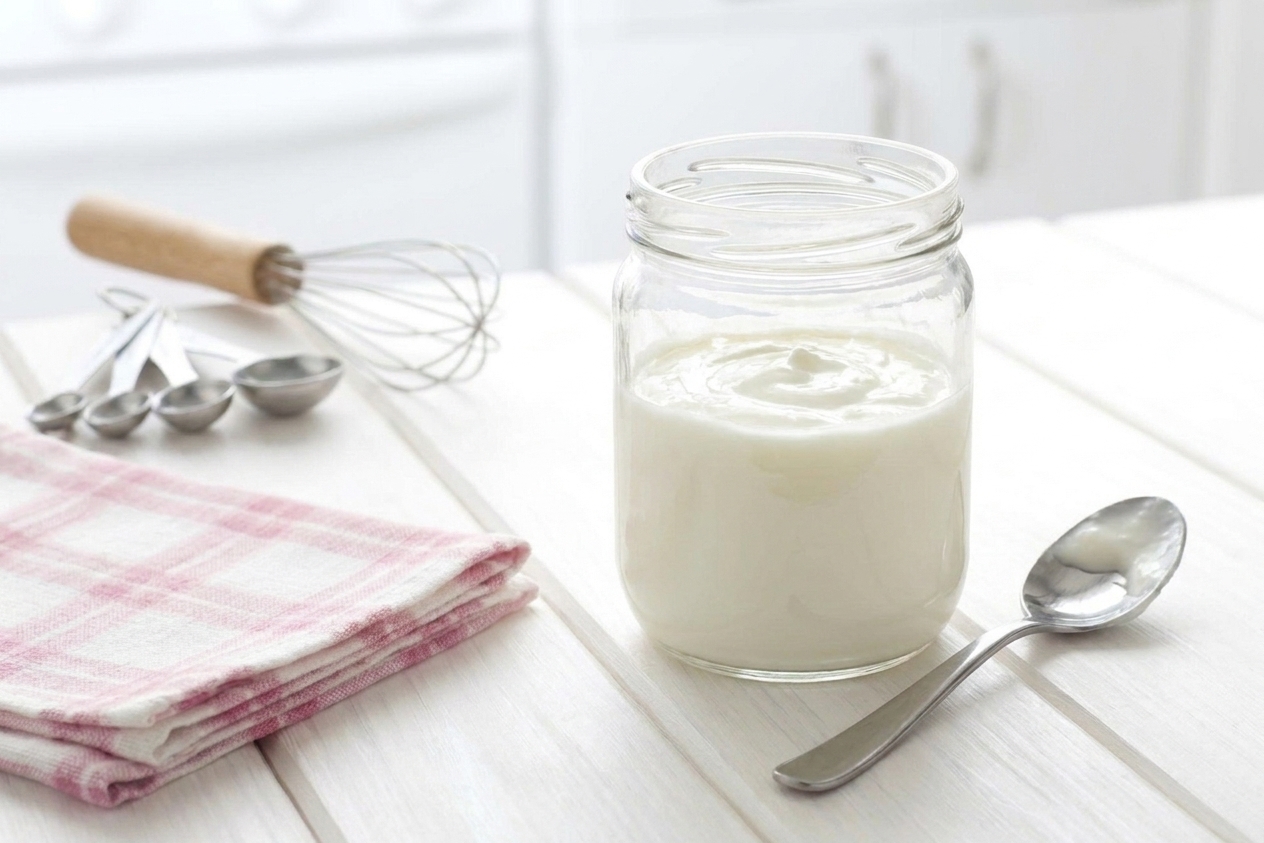
A small glass jar of thick homemade crème fraîche on a light kitchen counter with a spoon beside it and soft window light

Crème fraîche is one of those ingredients that makes home cooking feel like you have a tiny French secret tucked in the fridge. It is thick like sour cream, a little tangy, and much more relaxed around heat. You can whisk it into a pan sauce with less fear of it breaking, dollop it on chili, or stir it into whipped-cream territory for a not-too-sweet dessert situation.

And yes, you can buy it. But making it at home is almost aggressively easy. Two ingredients, one jar, and some patience while it does its thing on the counter. The result is a spoonable, glossy, lightly tangy cream that tastes fresher than most store-bought tubs.

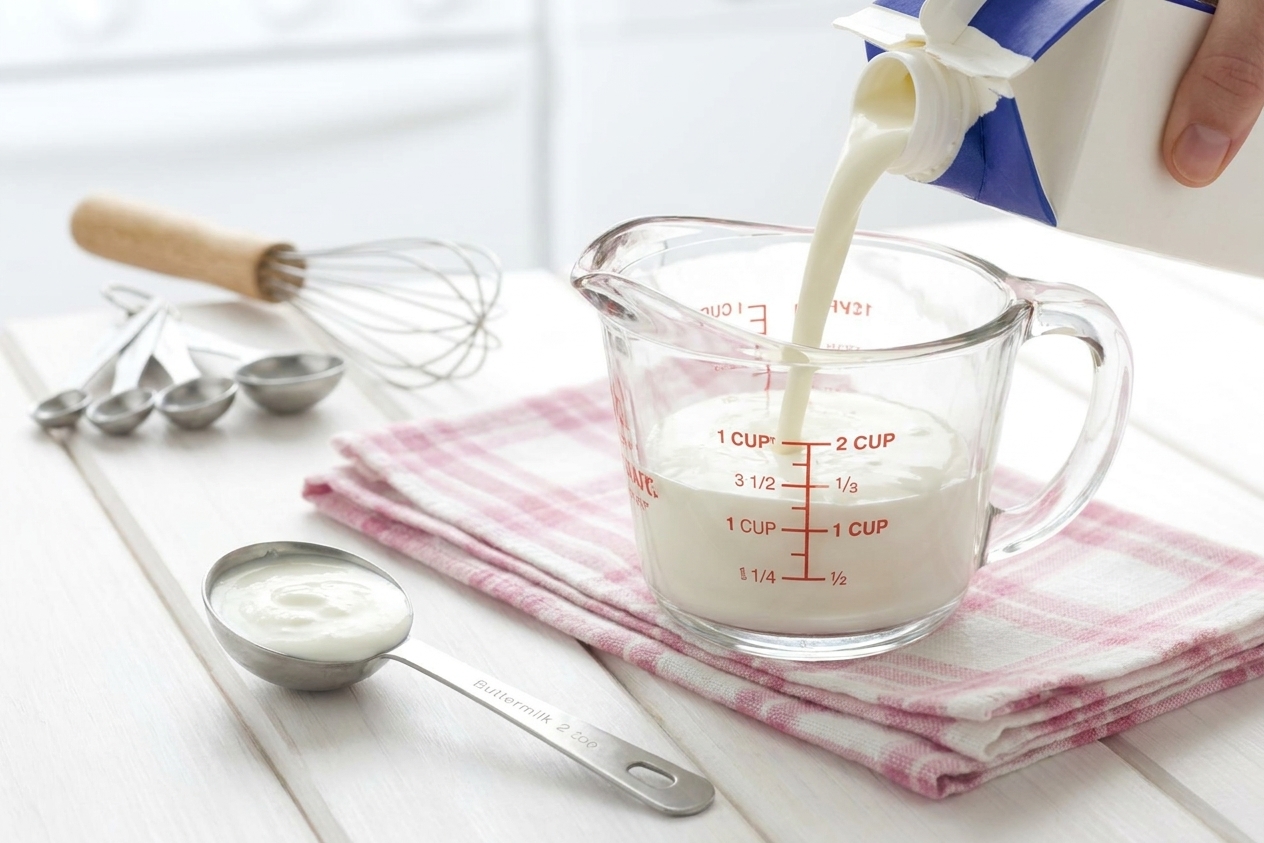
A carton of heavy cream and a small bowl of buttermilk measured out on a clean kitchen counter, ready to mix

Why It Works

  • More heat-stable than sour cream. The higher fat content helps crème fraîche stay smooth in warm sauces and soups, especially when you keep the heat gentle.
  • Two ingredients, real results. Buttermilk brings the live cultures that thicken and tang the cream.
  • Customizable tang. Let it culture a little longer for more zing, or chill earlier for a milder flavor.
  • Better texture than most shortcuts. Thick, smooth, and spoonable, not watery or grainy.

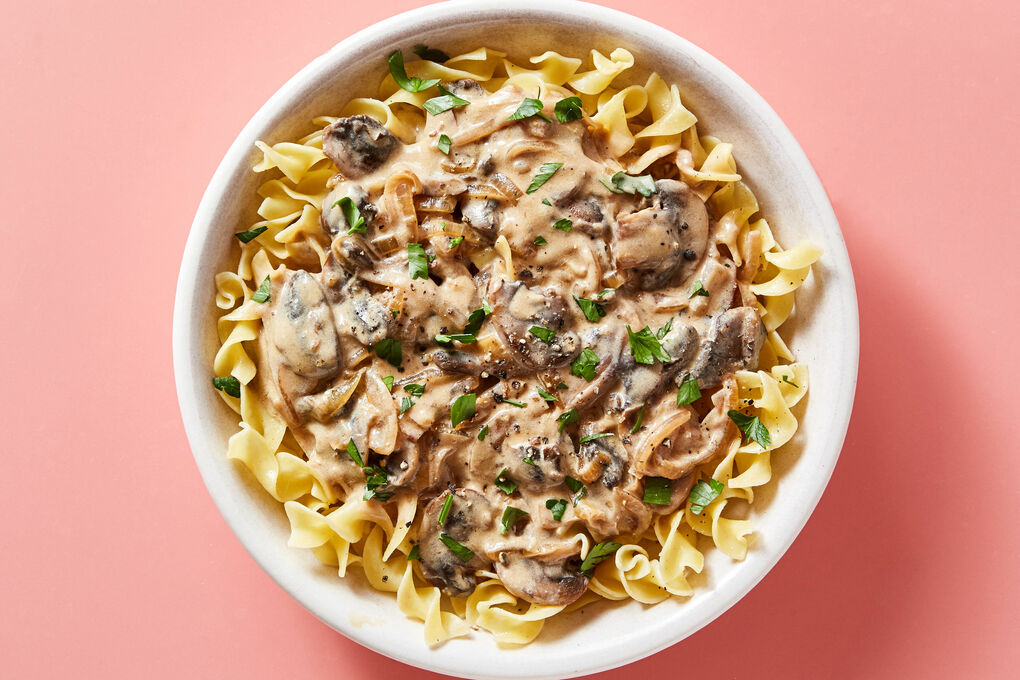
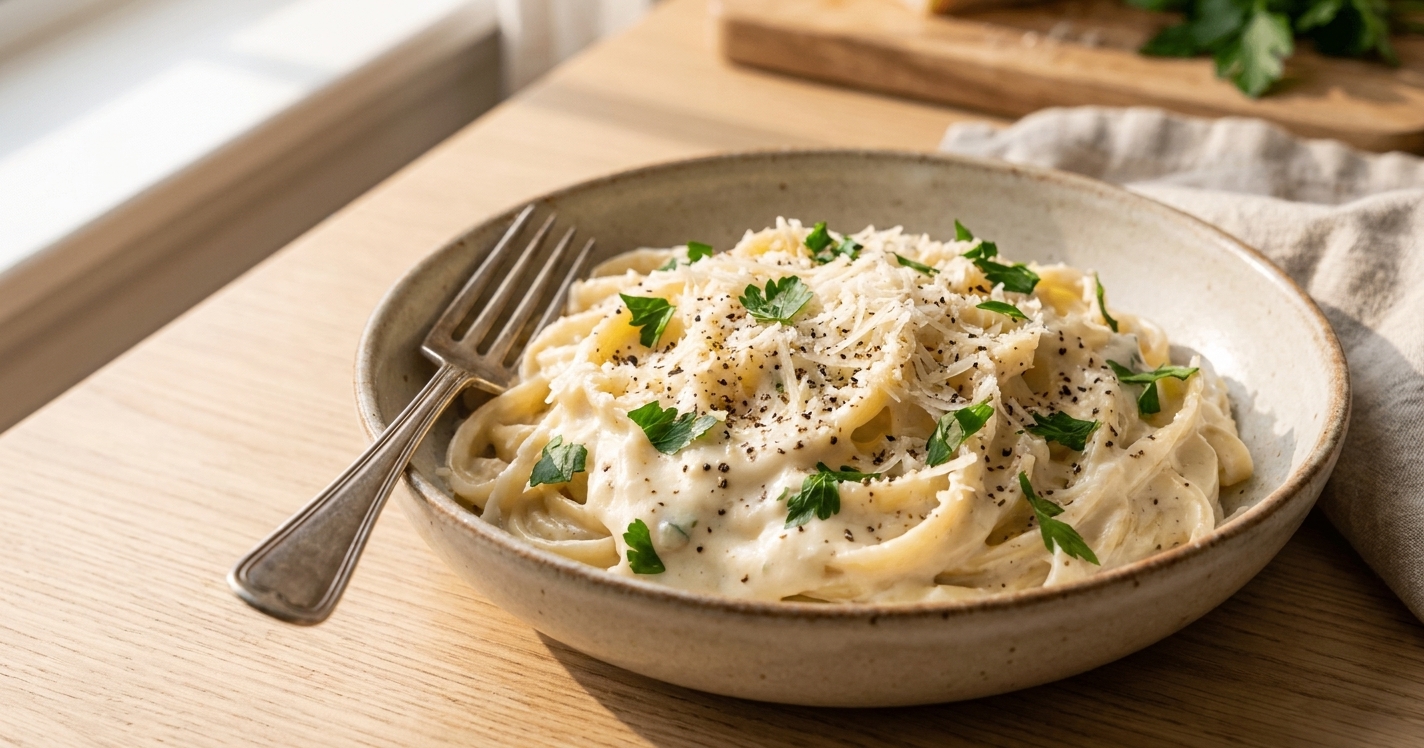
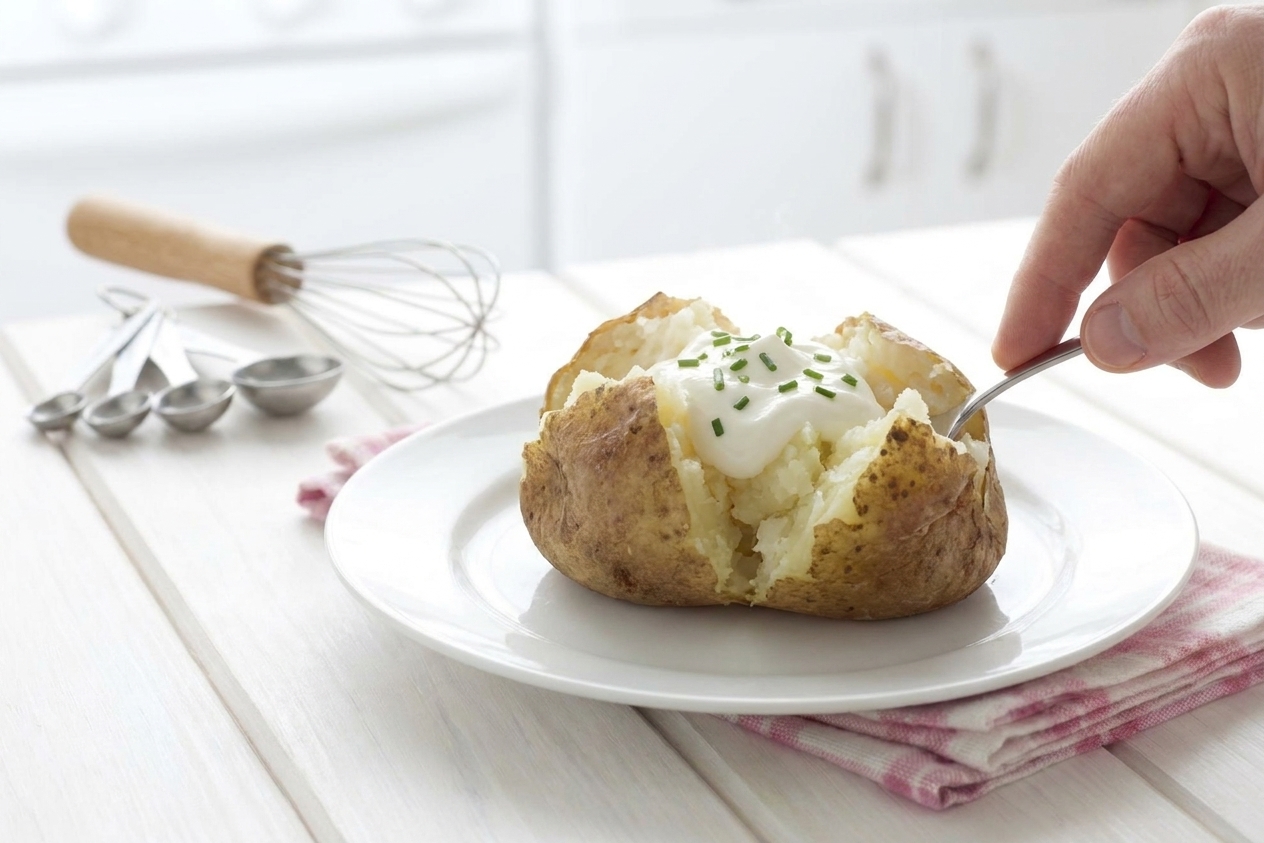
Use it anywhere you want richness with a little lift: pan sauces, roasted veggies, tacos, baked potatoes, berry desserts, and creamy dressings.

Pairs Well With

Storage Tips

Refrigerate: Transfer to a clean jar with a tight lid and refrigerate for up to 2 weeks. For best quality, aim for 1 to 2 weeks and use your senses. If it smells off, shows mold, or tastes unpleasantly funky, discard it.

Keep it clean: Use a clean spoon every time. Cultured dairy is friendly, but it is not invincible.

If it separates: A little whey on top is normal. Stir it back in for a looser texture, or pour off a spoonful of whey if you want it thicker.

Freezing: I do not recommend freezing. The texture can turn grainy when thawed. If you must, use thawed crème fraîche in cooked dishes, not as a dollop.

Common Questions

What is the difference between crème fraîche and sour cream?

Crème fraîche is typically higher-fat and a little less sharply tangy than sour cream. The big win is that crème fraîche is more resistant to curdling when warmed, so it is a safer bet for sauces and soups. (Still, avoid boiling it hard or adding a ton of acid while it is on high heat.)

Why did mine not thicken?

Usually one of three things: your kitchen is too cool, your buttermilk did not have active cultures, or your cream is being a little fussy. Ultra-pasteurized cream can still work, but it may take longer or thicken less reliably. Fix it by moving the jar to a warmer spot (around 72 to 78°F), giving it more time, and making sure you are using cultured buttermilk (not just "buttermilk" flavoring). If it still will not budge after 24 hours, start over with fresh buttermilk.

Can I use milk instead of cream?

You can, but you will not get the classic thick texture. Crème fraîche depends on fat for that spoonable body. If you want a lighter cultured dairy, look into kefir-style methods instead.

Does it need to be covered while it sits out?

Yes. Loosely cover the jar (do not seal it airtight) with a lid set on top, or use a clean cloth secured with a rubber band. You want protection from dust and kitchen funk, while still letting the cultures do their thing.

Can I make it without buttermilk?

Buttermilk is the easiest reliable starter. Some people use plain yogurt or a spoonful of existing crème fraîche, but results vary. For first-timers, buttermilk is the no-drama choice.

How do I know it is done?

It should look thickened like loose yogurt, coat a spoon, and mound just a little when you dollop it. It will thicken more after chilling, and a tiny bit of separation is not unusual. If it smells pleasantly tangy and fresh, you are good. If it smells off or you see mold, toss it.

Is it safe to leave it out for 12 to 24 hours?

This is a standard method when you start with fresh dairy, active cultures, and a very clean jar. Keep it out of direct sun, aim for a normal room-temperature range (about 72 to 78°F), and always discard it if it smells off or shows any mold.

The first time I made crème fraîche, I felt like I was getting away with something. I mixed cream and buttermilk, put it on the counter, and went about my life. The next day it had transformed into this thick, tangy, glossy spoonful of magic. Now it is my favorite refrigerator flex, because it makes weeknight sauces feel restaurant-y without asking me to buy a specialty tub every time.