Mom's Best Recipes
Recipe

Homemade Curry Powder

A warm, fragrant DIY spice blend with brighter flavor than store-bought and an easy-to-adjust heat level.

Author By Matt Campbell
4.8
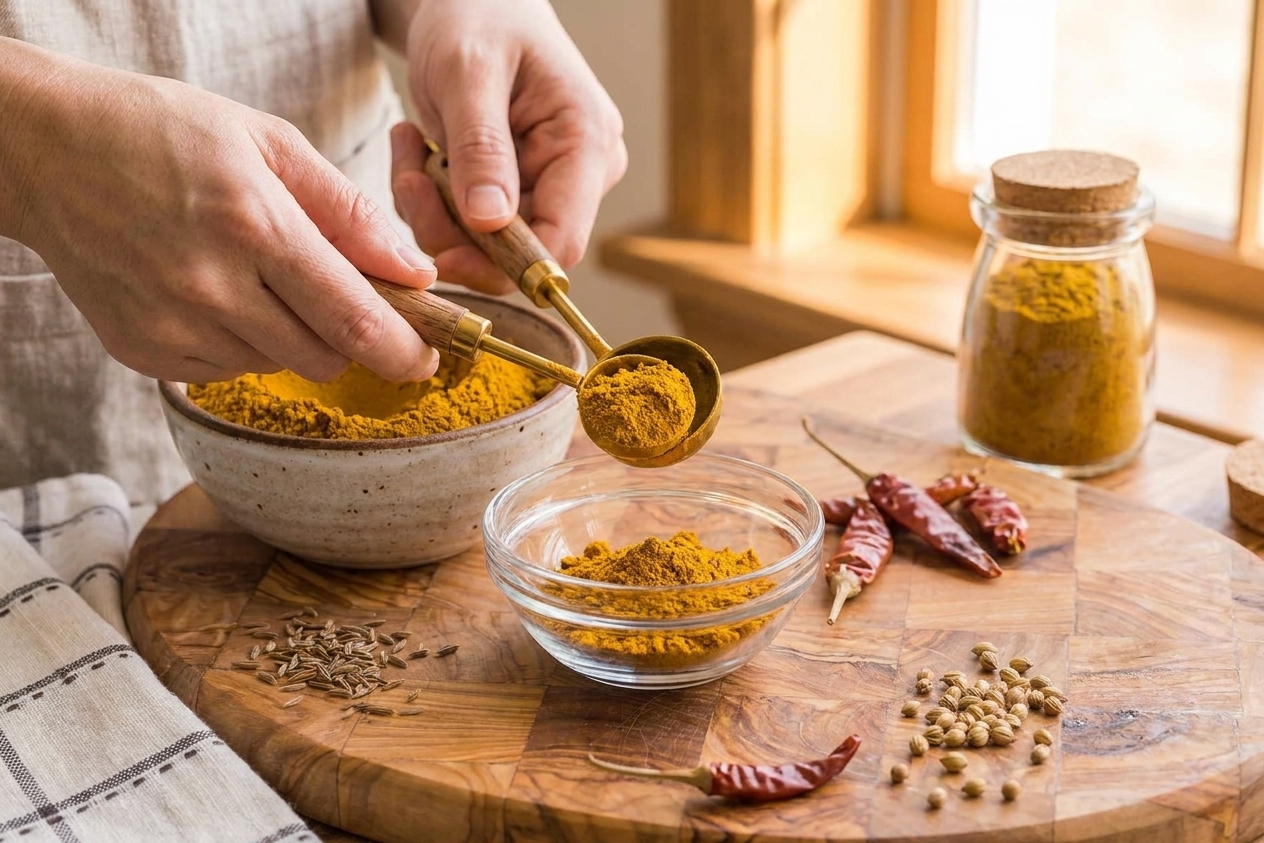
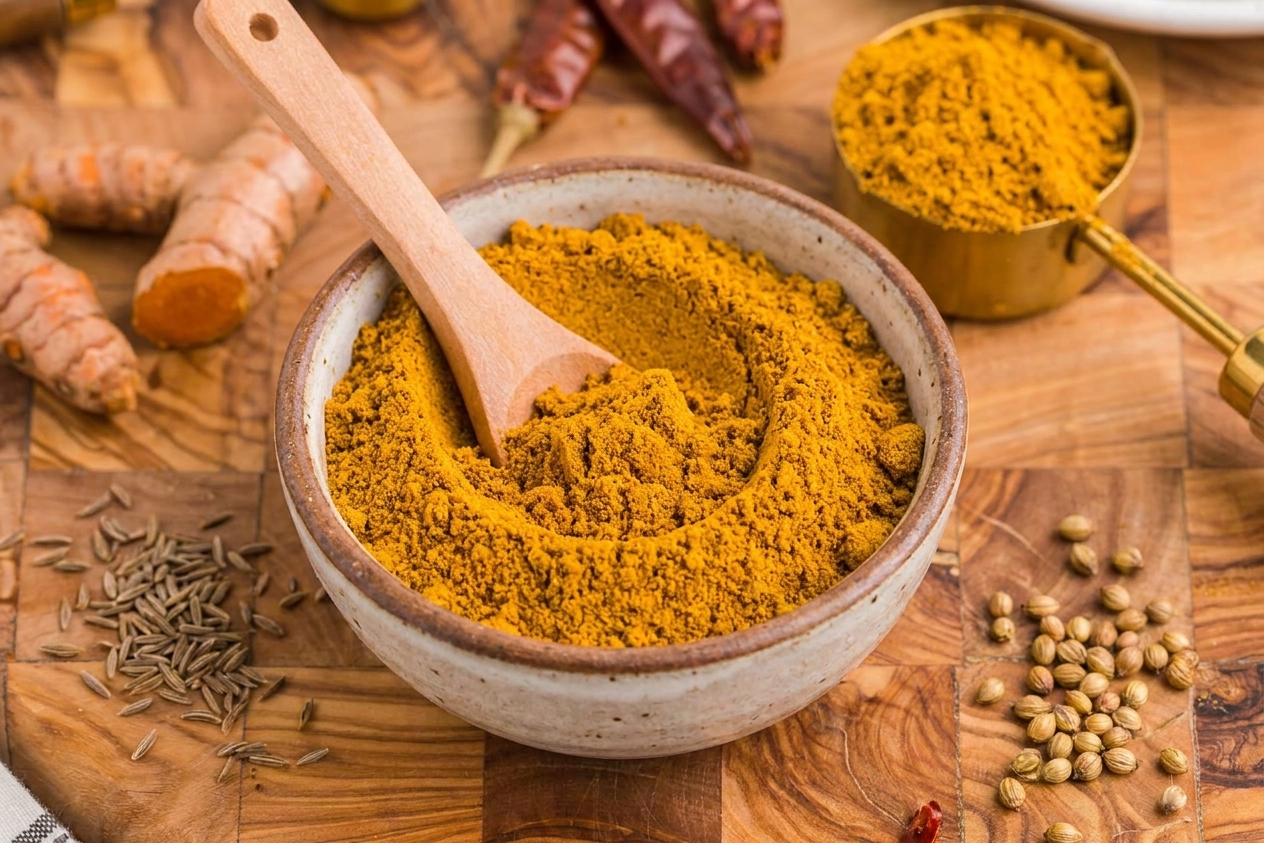
A small ceramic bowl filled with golden homemade curry powder on a warm-toned kitchen counter, with measuring spoons and whole spices nearby

Curry powder is one of those pantry staples that can make dinner feel like you tried a lot harder than you did. Sprinkle it into a pot of soup, rub it onto chicken thighs, stir it into yogurt for a quick sauce, and suddenly your Tuesday has plans.

But here is the thing: curry powder is not a single spice and it is not a fixed recipe. It is a blend, and different brands can taste wildly different. Some lean earthy and cumin-heavy, some are sweeter and turmeric-forward, some bring heat, and some are basically vibes.

This homemade version is my go-to because it is bright, warm, and balanced. You can make it fast with ground spices, or go one step fancier by toasting and grinding whole spices when you have them. Either way, the instructions stay low drama. If you can shake a jar, you can make curry powder.
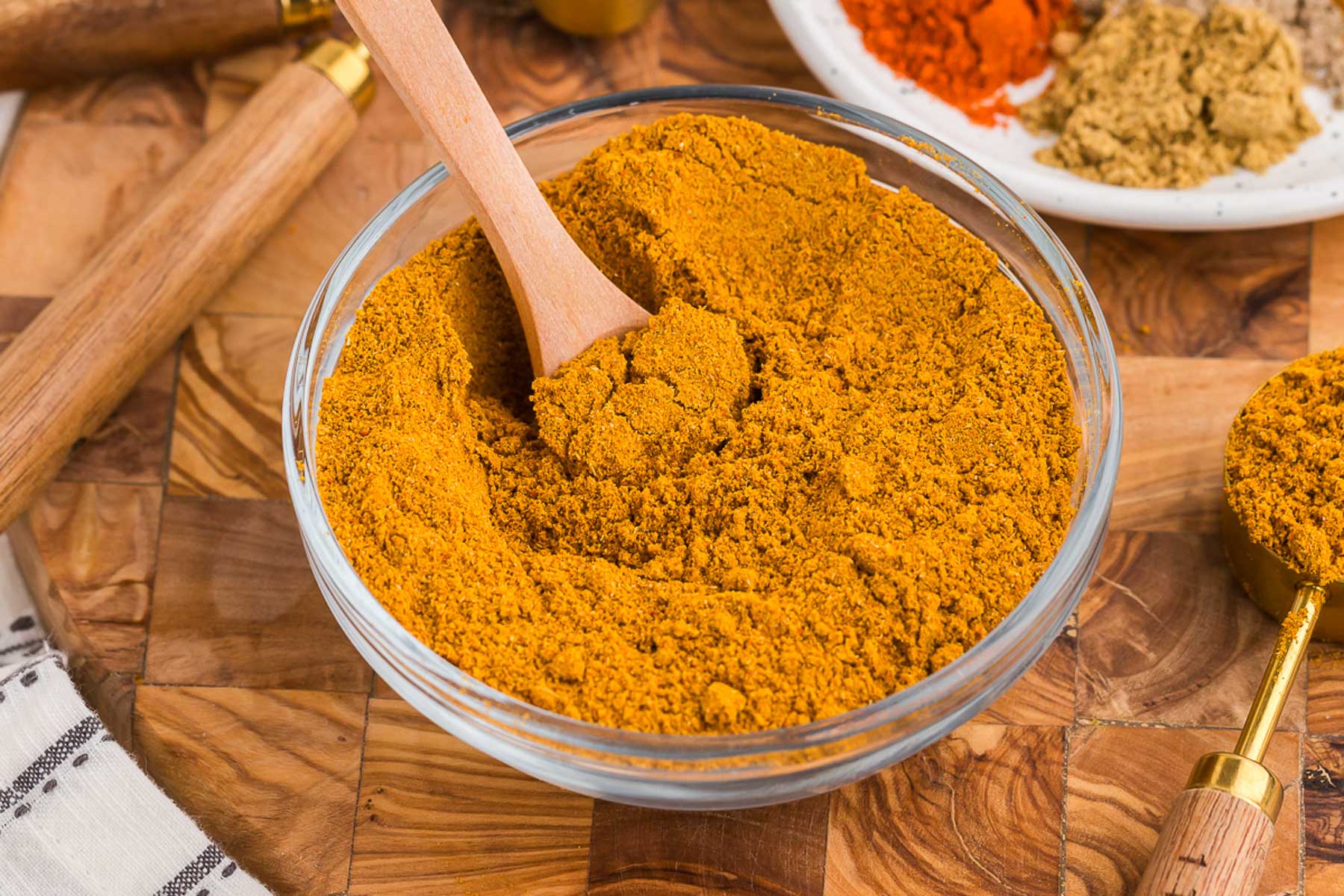
Small bowls of turmeric, cumin, coriander, ginger, paprika, and black pepper arranged on a wooden cutting board in a home kitchen

Why It Works

  • Fresher aroma fast: Toast whole spices when you can, or bloom the finished blend in oil for quick lift.
  • Customizable heat: You control the cayenne and pepper, so it can be kid-friendly or spicy.
  • Better balance: Turmeric gives color, coriander brings citrusy lift, cumin adds depth, and a touch of cinnamon makes everything feel cozy.
  • Works anywhere: Use it as a seasoning, a marinade base, or the first layer of flavor in a stew.

Tip: Curry powder tastes best when it hits a little fat and heat. Bloom it in oil for about 30 seconds before adding liquids, and keep the heat moderate so it does not scorch (especially if you use butter).

Pairs Well With

Storage Tips

Room temperature: Store in an airtight jar in a cool, dark cabinet. It is best within 3 months for peak aroma.

Does it spoil? Spices do not typically spoil quickly, but they do lose potency over time. If it smells dusty or faint, it is not dangerous, it is just not doing its job.

Freezer option: If you make big batches, freeze in a small airtight container for up to 6 months. Let it come to room temp before opening so moisture does not condense inside the jar.

How to use a tired batch: Let the older blend season roasted potatoes or rice where subtle is fine.

Common Questions

What is curry powder, exactly?

Curry powder is a commercial spice blend with British colonial roots, inspired by South Asian flavors. There is no single standard “curry powder” used across India, where spice blends vary by region and dish. Store-bought curry powder is often built on turmeric, coriander, and cumin, with other spices depending on the brand. (You will also see curry powder blends used in other cuisines, like Japanese-style curries.)

Is curry powder the same as garam masala?

No. Garam masala is usually warmer and more aromatic with spices like cardamom, clove, cinnamon, and black pepper. Curry powder often includes turmeric and tends to be earthier. You can use them together, but start small because the flavor stacks quickly.

Is curry powder spicy?

Not necessarily. Many blends are mild. Heat usually comes from cayenne or chili powder, which you can adjust or skip.

Do I have to toast the spices?

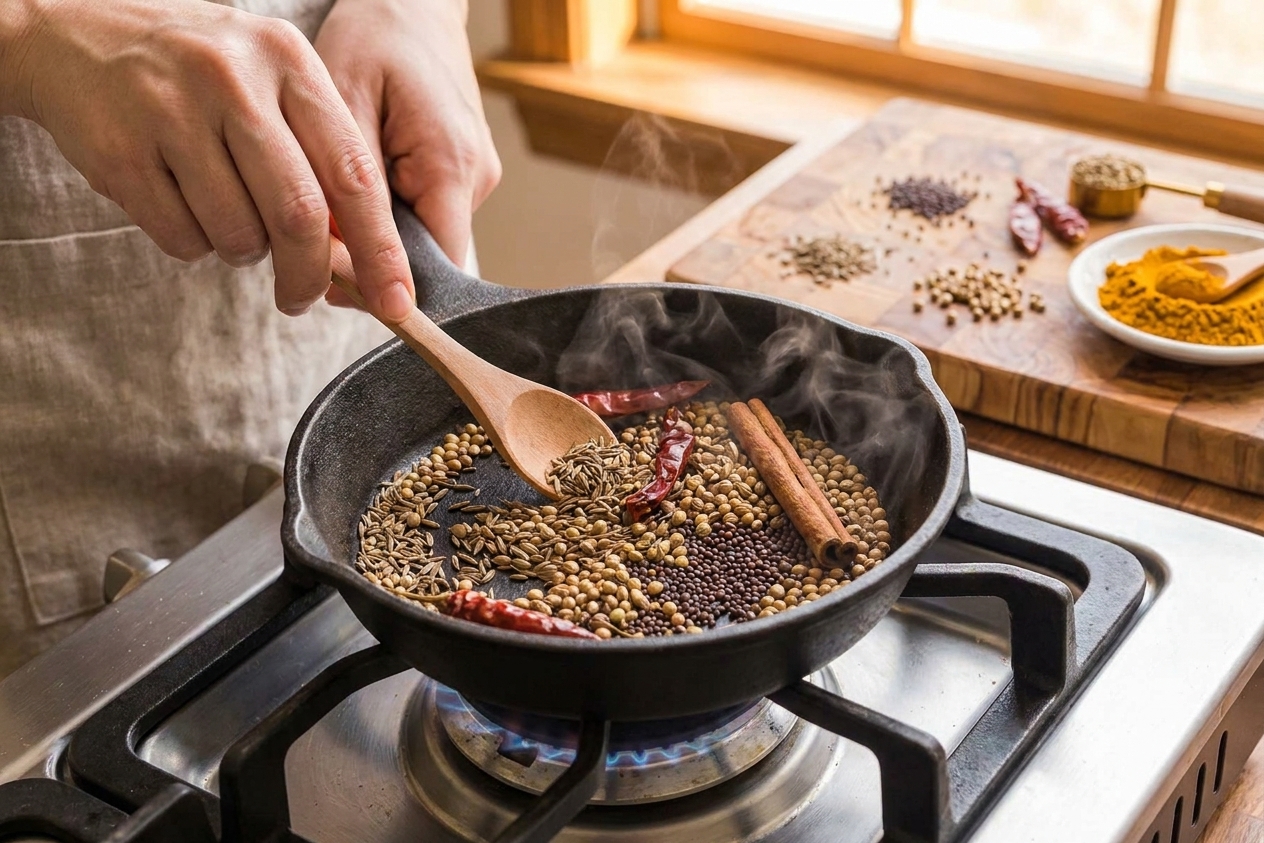
No. If you are using only ground spices, you can skip toasting and just mix well. If you have whole spices, a quick toast plus a grind is the easiest way to level up flavor.

Why does my curry taste bitter?

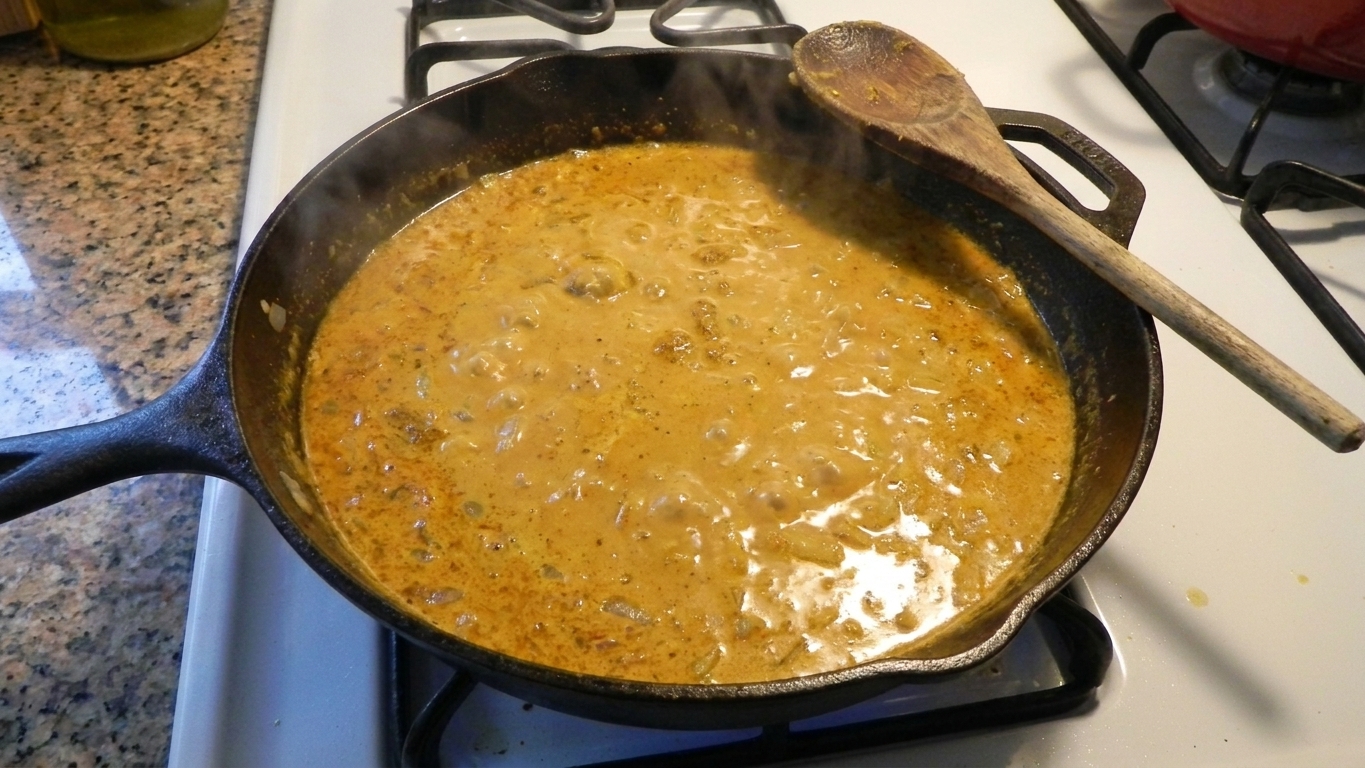
Two common reasons: you burned the spices while toasting, or you added curry powder straight into a watery liquid without blooming it in fat first. Keep the pan at medium, stir often, and bloom the blend in oil (or gently in butter) for about 30 seconds before building the sauce.

What can I substitute for curry powder?

If you do not have curry powder, try a mix of turmeric + cumin + coriander (even in equal parts) with a pinch of ginger and black pepper. It will not be identical, but it gets you in the neighborhood.

I used to treat curry powder like a mystery yellow dust that existed solely for one specific recipe and then lived untouched in the back of my cabinet for two years. Once I started cooking more on the fly, I realized it is basically a cheat code: one spoonful and your soup, chicken, lentils, or roasted veggies suddenly taste like you planned ahead.

Making it at home was my “wait, why didn’t I do this sooner?” moment. The smell when spices hit a warm pan is unreal, and the flavor is noticeably brighter. Also, it is fun in the slightly chaotic way I love. You toast, you grind, you taste, you adjust, and now you have a blend that is actually yours.