Mom's Best Recipes
Recipe

Homemade Za'atar Seasoning

A bold, tangy, toasty Middle Eastern spice blend you can stir together in minutes and use all week.

Author By Matt Campbell
4.9
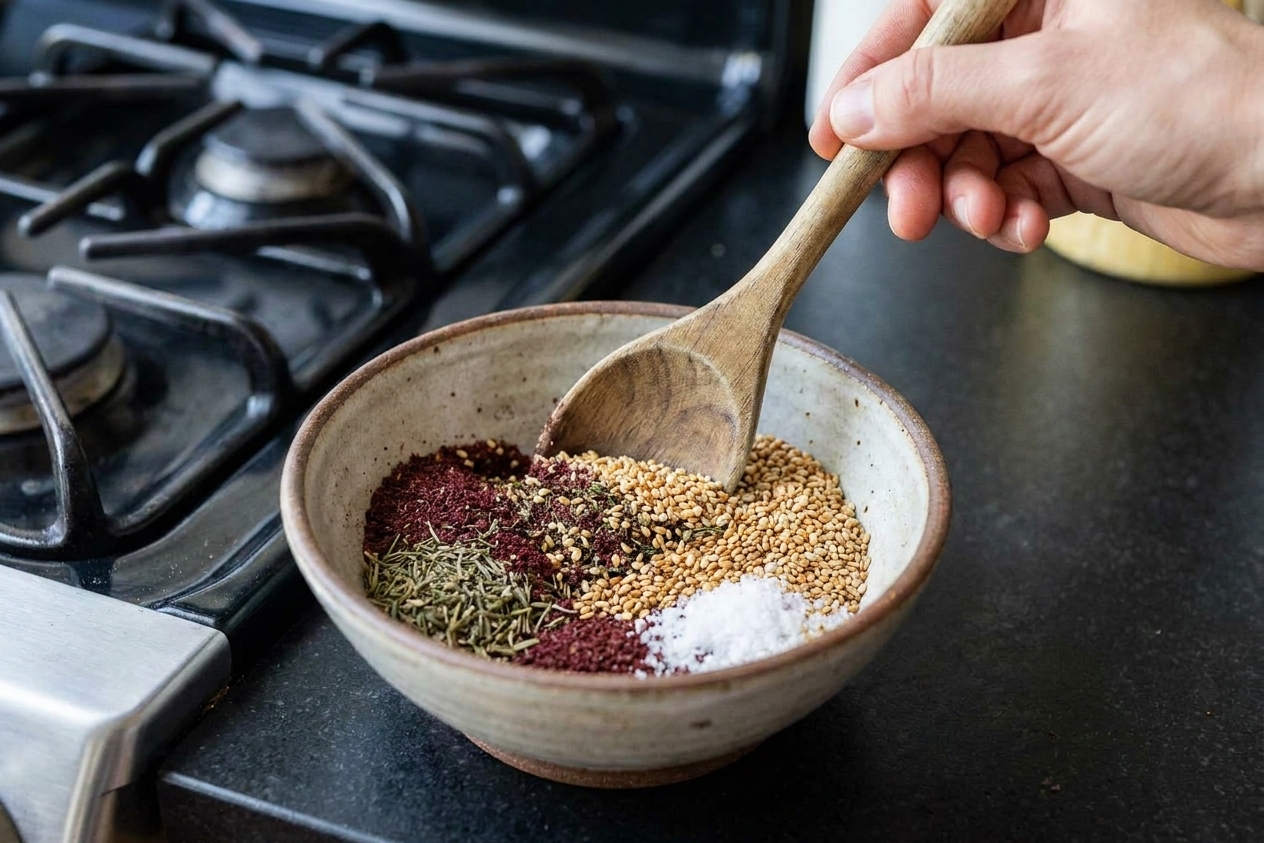
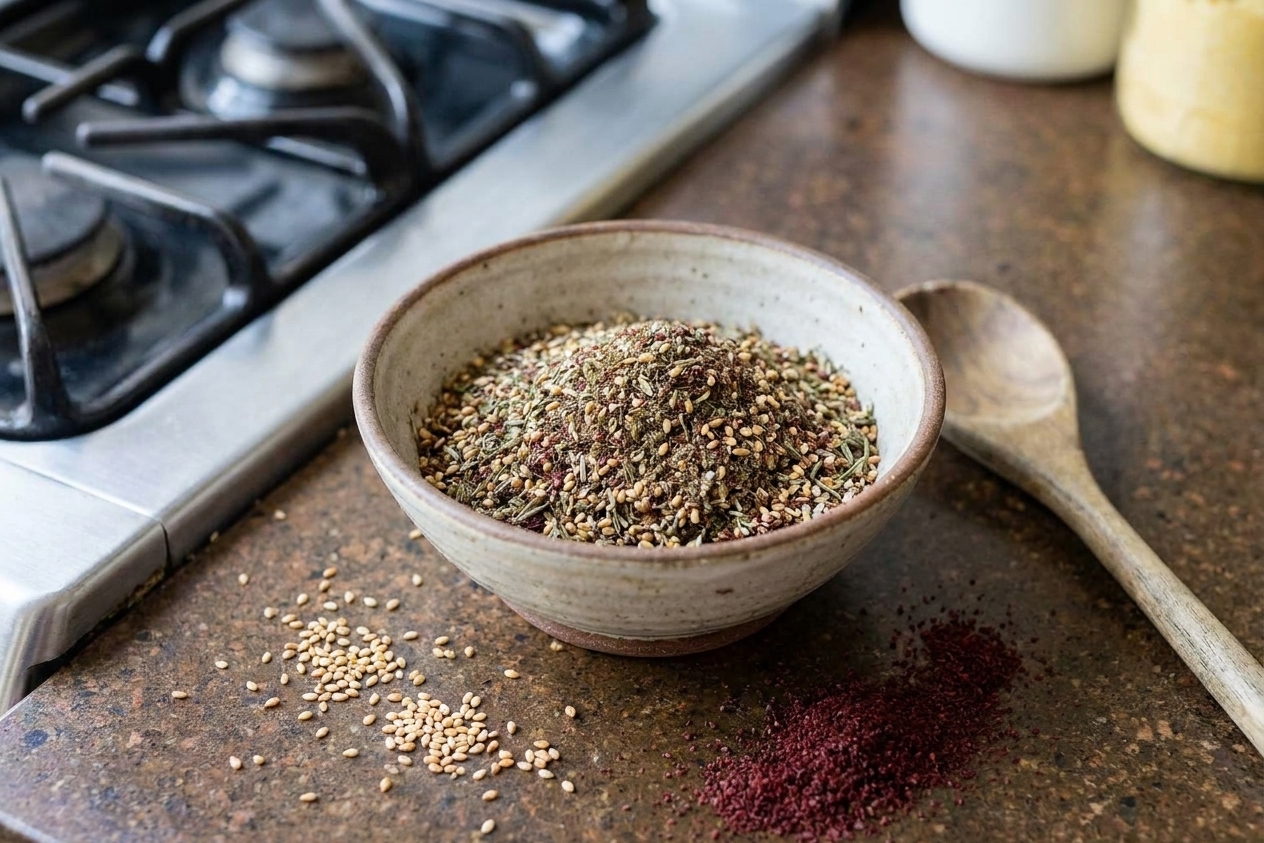
A small ceramic bowl filled with homemade za'atar seasoning on a warm-toned kitchen counter with sesame seeds and sumac nearby

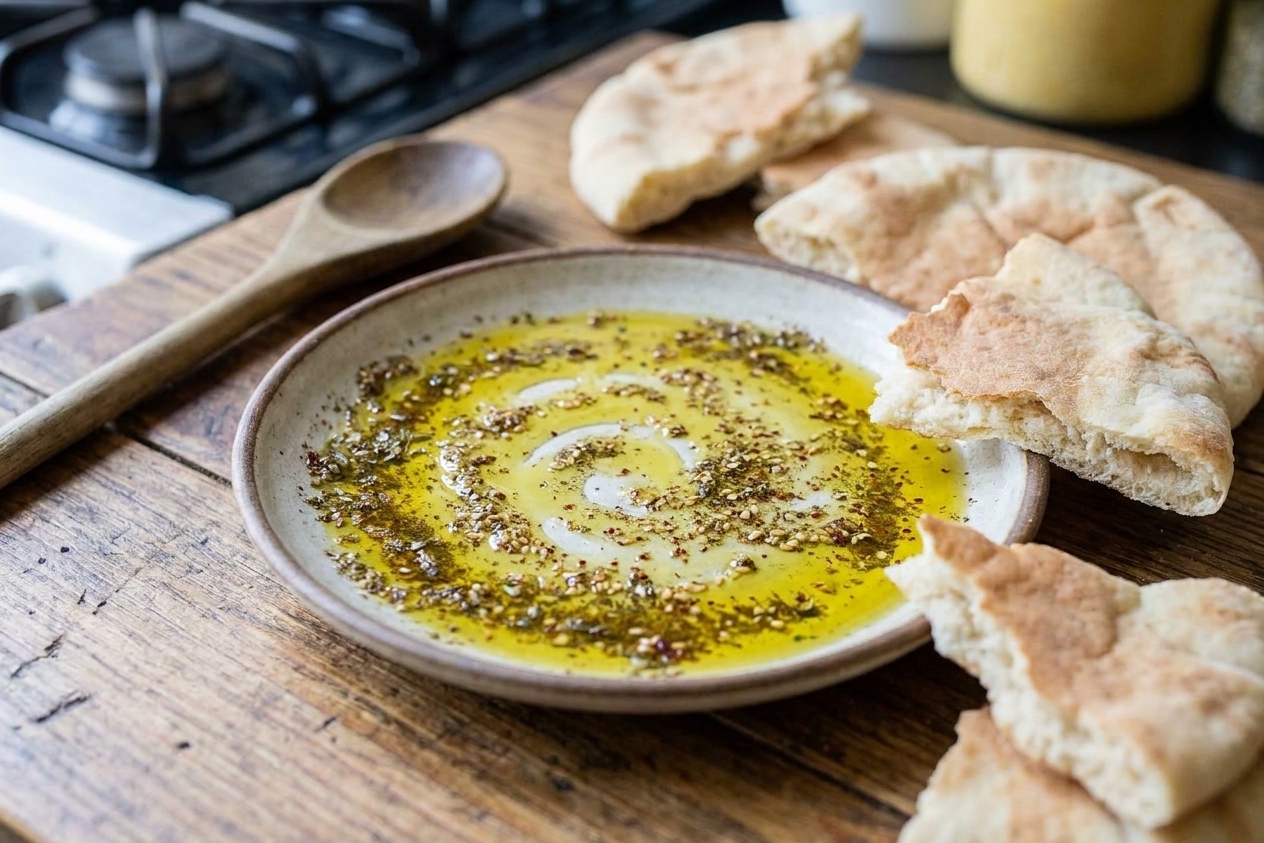
Za'atar is one of those magic pantry blends that makes everyday food taste like you tried harder than you did. It is herby and woodsy (thyme), tangy and almost citrusy (sumac), and warm and nutty (toasted sesame). Sprinkle it on eggs and suddenly breakfast has a personality. Stir it into yogurt and you have an instant sauce. Toss it with olive oil and you are five seconds away from the kind of bread dip that makes everyone hover around the kitchen.

This version is the one I keep in my cabinet because it is accessible, balanced, and easy to tweak. Some za'atar blends are heavy on thyme, some lean super tangy, and some go all-in on sesame. This one is my happy middle, with clear ratios so you can adjust it to your taste without guessing. (Also, quick nerdy note: in some regions, “za'atar” can mean the herb itself, not just the blend, but here we are talking about the jar-you-sprinkle-on-everything version.)
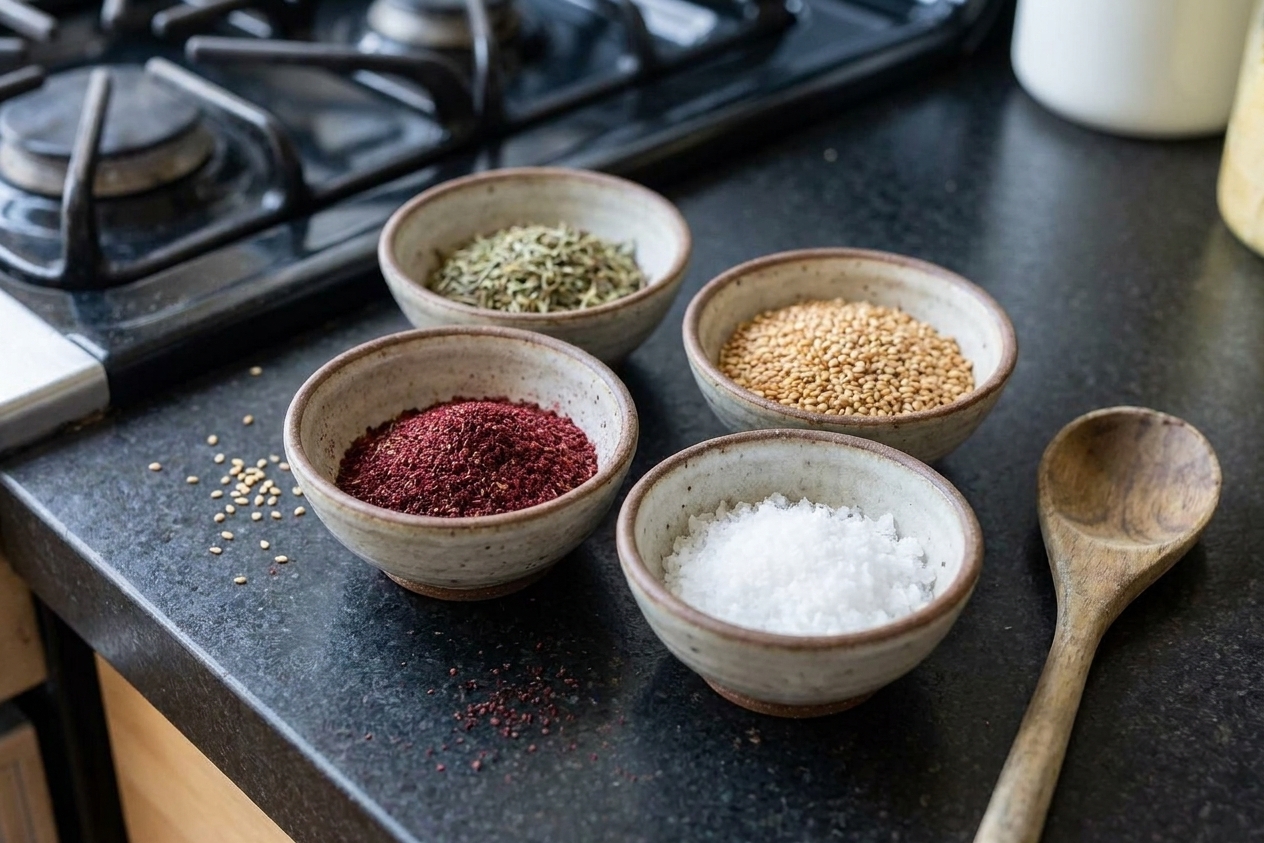
Small bowls of ground sumac, dried thyme, toasted sesame seeds, and flaky salt arranged on a clean kitchen counter in natural light

Why It Works

  • Big flavor, tiny effort: Mix it once and you have instant seasoning for weeks.
  • Bright and balanced: Sumac brings lemony tang, sesame adds toastiness, and thyme rounds it out.
  • Flexible on purpose: Use oregano or marjoram, swap salt levels, and make it as punchy as you like.
  • Better than store-bought: Fresh sesame and a good sumac make the whole jar taste more alive.

Pairs Well With

Storage Tips

Store: Keep za'atar in a small airtight jar in a cool, dark cabinet. Keep it away from the stove if you can, because heat and steam will flatten the flavor fast.

Best flavor window: It is great for about 1 to 2 months. It will still be safe after that, but the herbs start to fade and the sesame loses some of its toasted vibe.

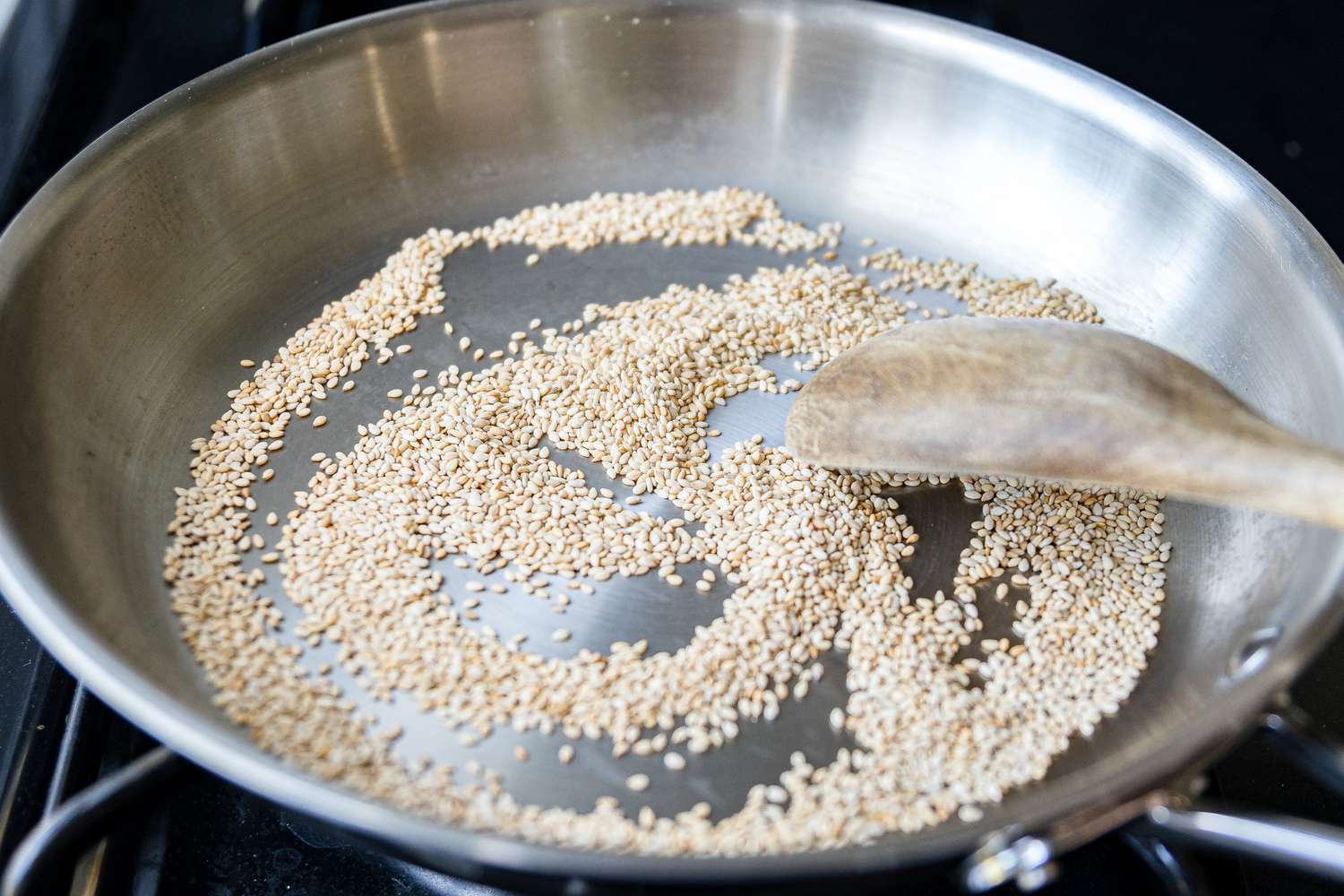
Pro tip: If you toasted sesame for this, let it cool completely before mixing and jarring. Any warmth can create condensation, and condensation is the enemy of crunchy, fragrant spice blends. Also, use a dry spoon every time.

Batching: If you want to make a bigger batch, scale the recipe evenly and write the date on a piece of tape on the jar. Future you will thank you.

Common Questions

What is za'atar made of?

Za'atar is most commonly known as a Middle Eastern herb and spice blend. Many Levantine-style versions include dried thyme (or oregano/marjoram), toasted sesame seeds, sumac, and salt. One quick nuance: in some places, za'atar can also refer to the herb itself (often Origanum syriacum, sometimes called Syrian oregano), not just the blend.

Some regional blends also include cumin, coriander, or dried savory.

What does sumac taste like?

Sumac tastes bright and tangy, kind of like lemon zest met cranberry and decided to be delicious together. It is not spicy. It is the thing that makes za'atar taste fresh even though it is a dried blend.

Can I make za'atar without sumac?

You can, but it will not taste like classic za'atar. If you cannot find sumac, try a temporary substitute of finely grated lemon zest stirred in right before using (do not store it in the jar) or a pinch of citric acid if you keep it in your pantry.

Is za'atar spicy?

Usually no. It is herby and tangy. If you want heat, add a pinch of Aleppo pepper or crushed red pepper when you use it.

How do I use za'atar?

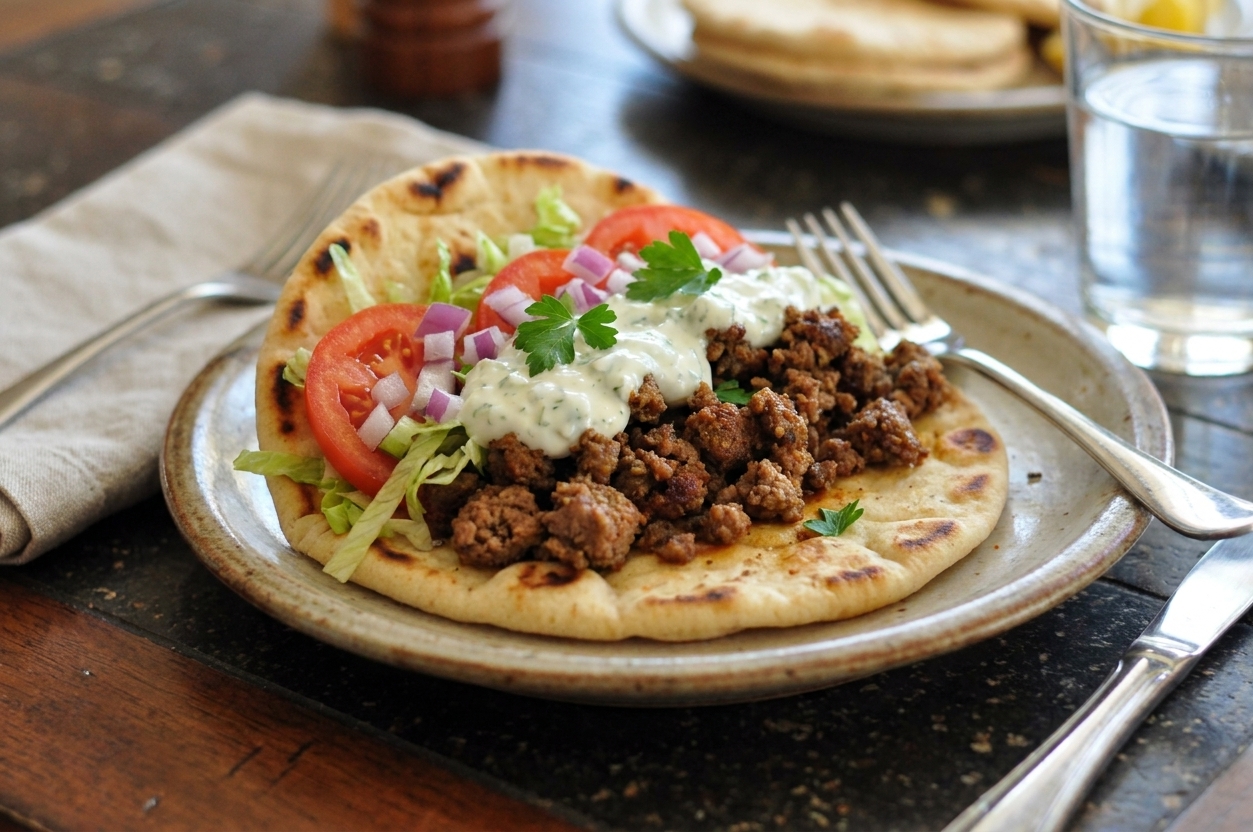
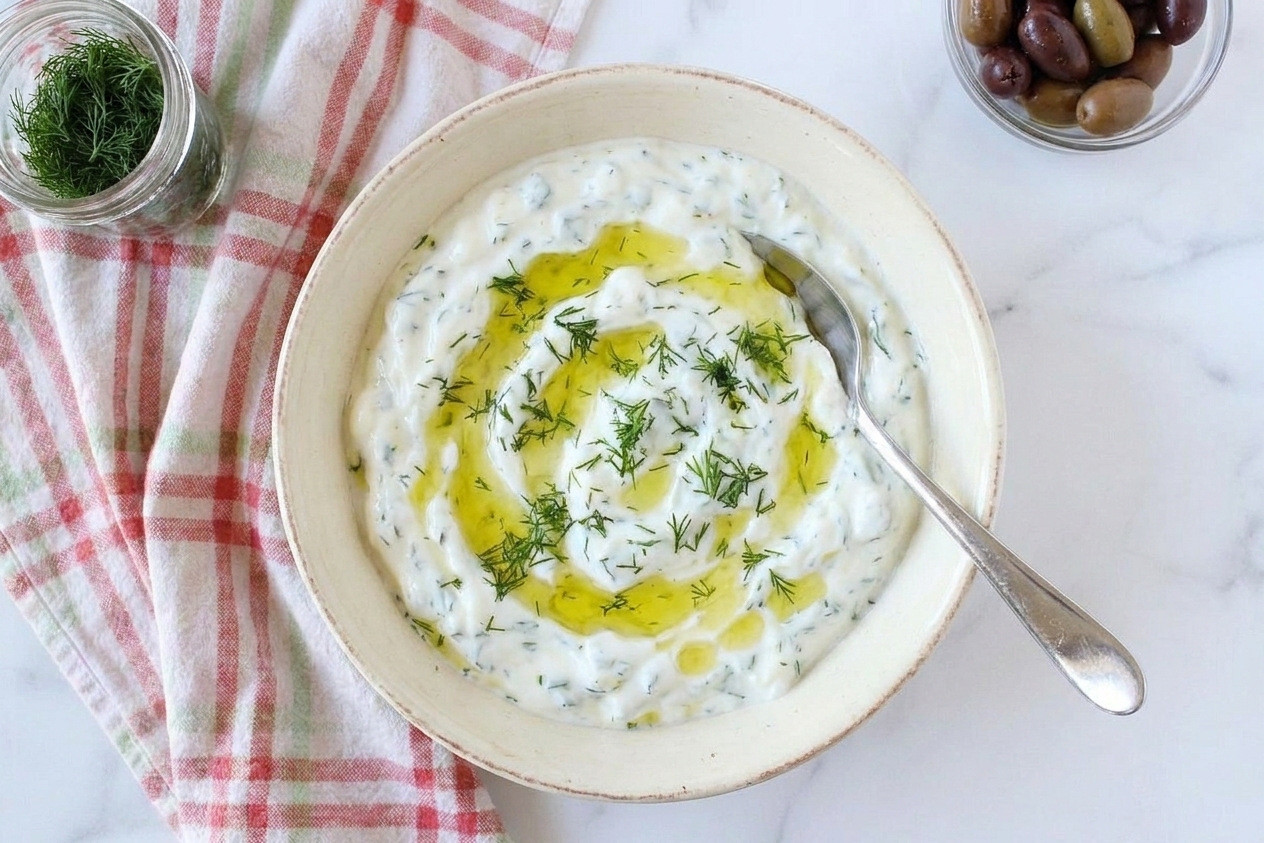
My top moves: mix with olive oil for dipping bread, sprinkle on roasted veggies, season chicken or fish, stir into hummus, or add to Greek yogurt with lemon for a quick sauce.

Is za'atar gluten-free?

Homemade za'atar is gluten-free as written. Some store-bought blends can include wheat or bulgur (and other add-ins), so check labels if you are sensitive.

The first time I kept za'atar around, I thought I would use it for one recipe and forget about it. Instead, it became my weeknight cheat code. I would come home, stare into the fridge like it owed me money, then sprinkle za'atar on whatever looked remotely edible. Eggs. Chicken thighs. A sad zucchini. Suddenly it all tasted intentional. Now I make a small jar at a time so it stays punchy, and I never let my sesame seeds sit around un-toasted because that nutty aroma is half the point.