Mom's Best Recipes
Recipe

Homemade Fruit Leather

A simple, kid-friendly fruit leather recipe that bakes low and slow into a chewy, roll-up snack using accessible fruit and a few smart flavor boosters.

Author By Matt Campbell
4.8
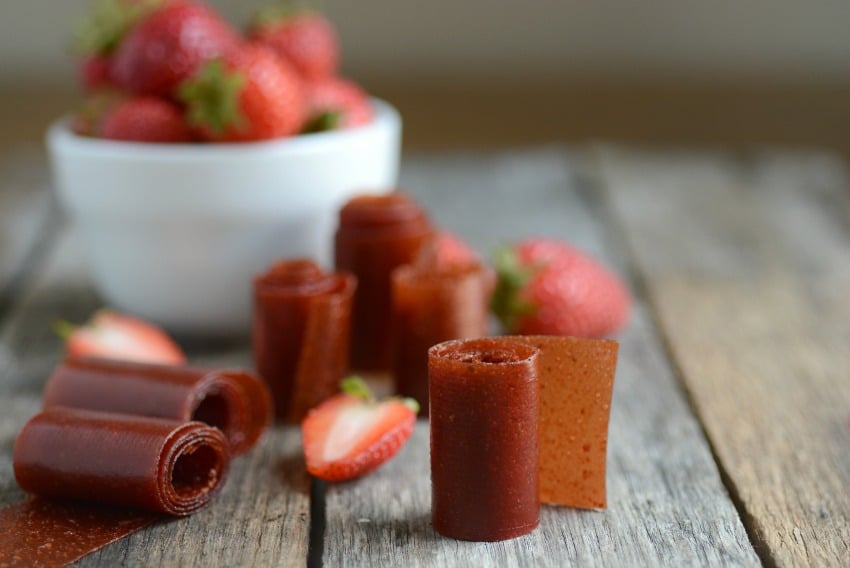
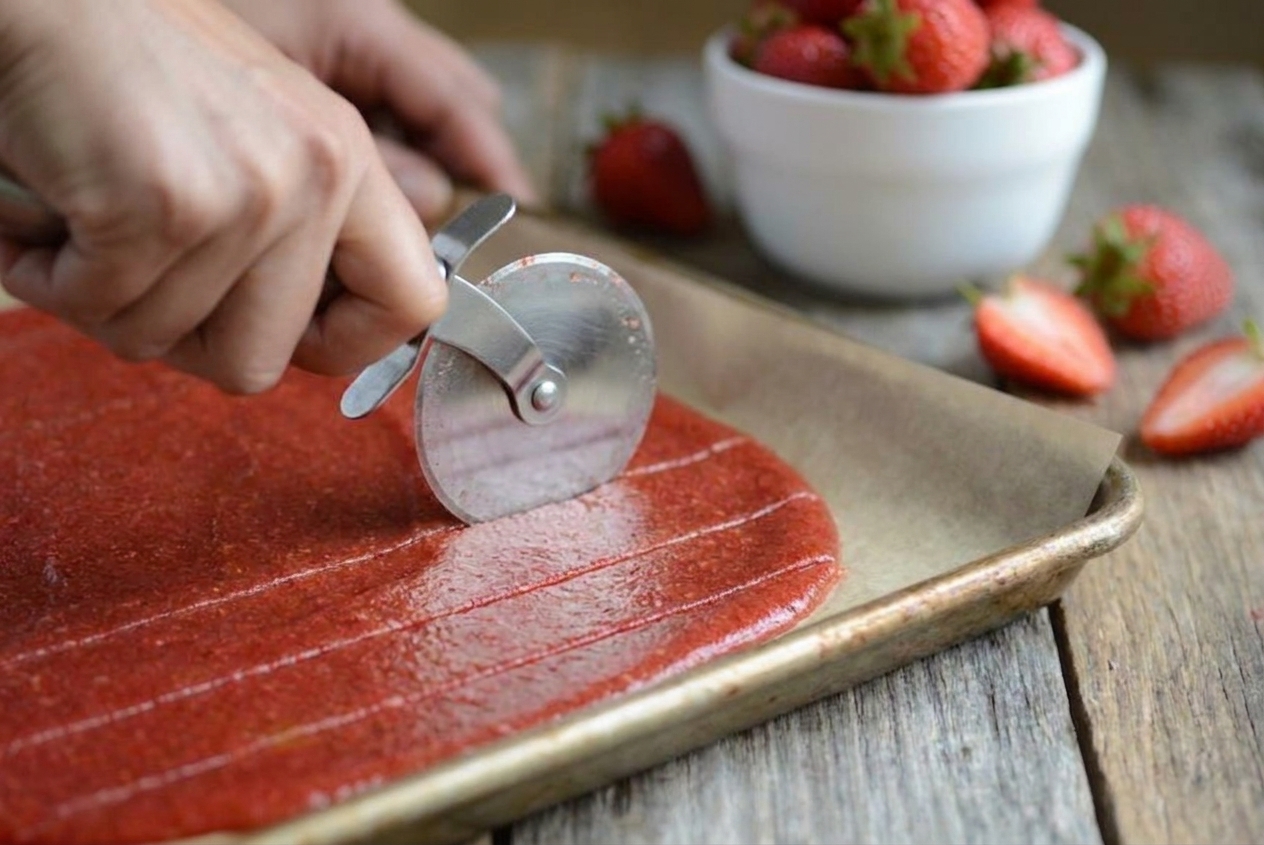
A sheet of glossy strawberry fruit leather peeled back on parchment on a kitchen counter, with a few cut roll-ups on the side

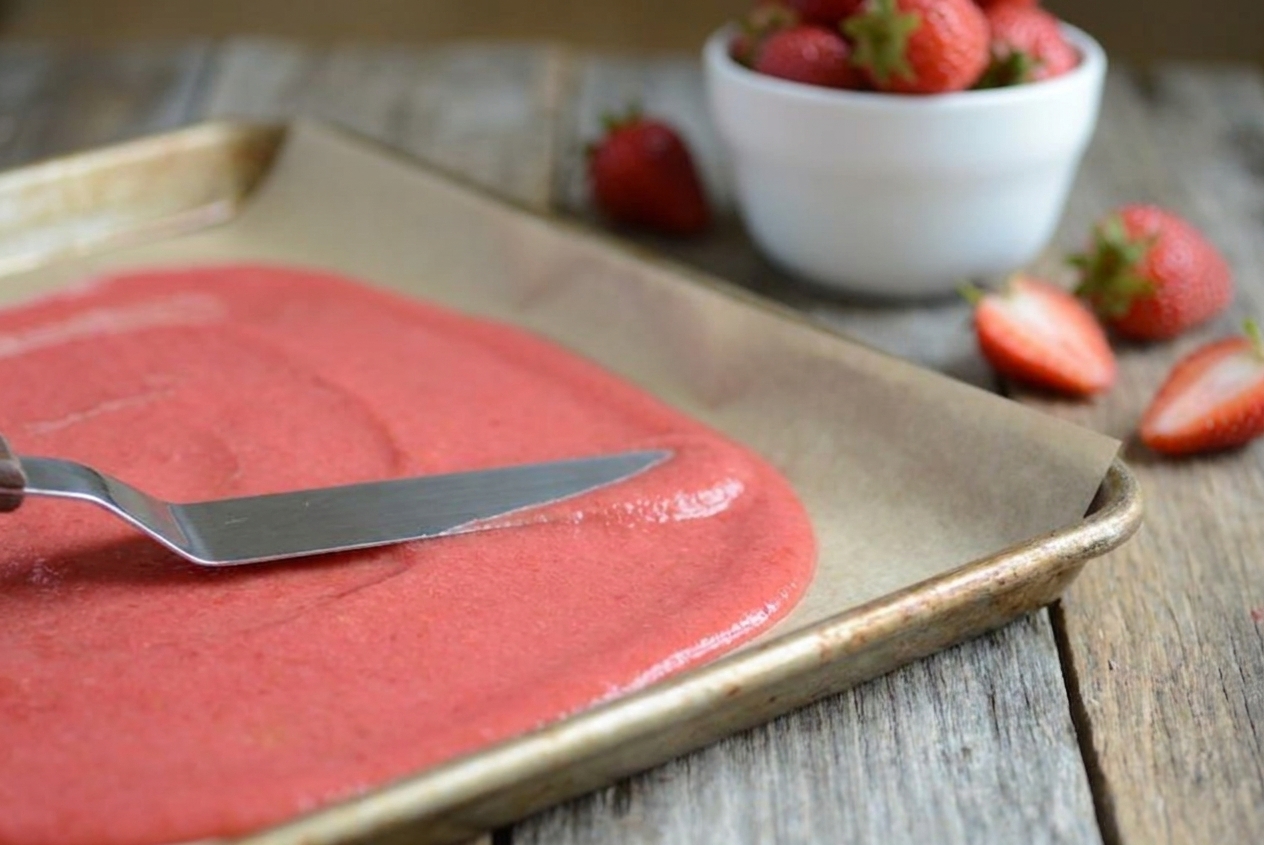
Fruit leather is one of those snacks that feels like a magic trick. You blitz fruit into a smoothie-looking puree, spread it thin, and a few hours later you have a chewy, rollable little strip of concentrated sunshine.

This is my go-to method for reliable texture (pliable, not brittle), bright flavor (not flat and jammy), and easy peeling (no tearing, no tantrums). We are keeping ingredients simple and the instructions clear, with both oven and dehydrator options.

And yes, you should absolutely taste the puree before it goes in. That is not “extra.” That is quality control.

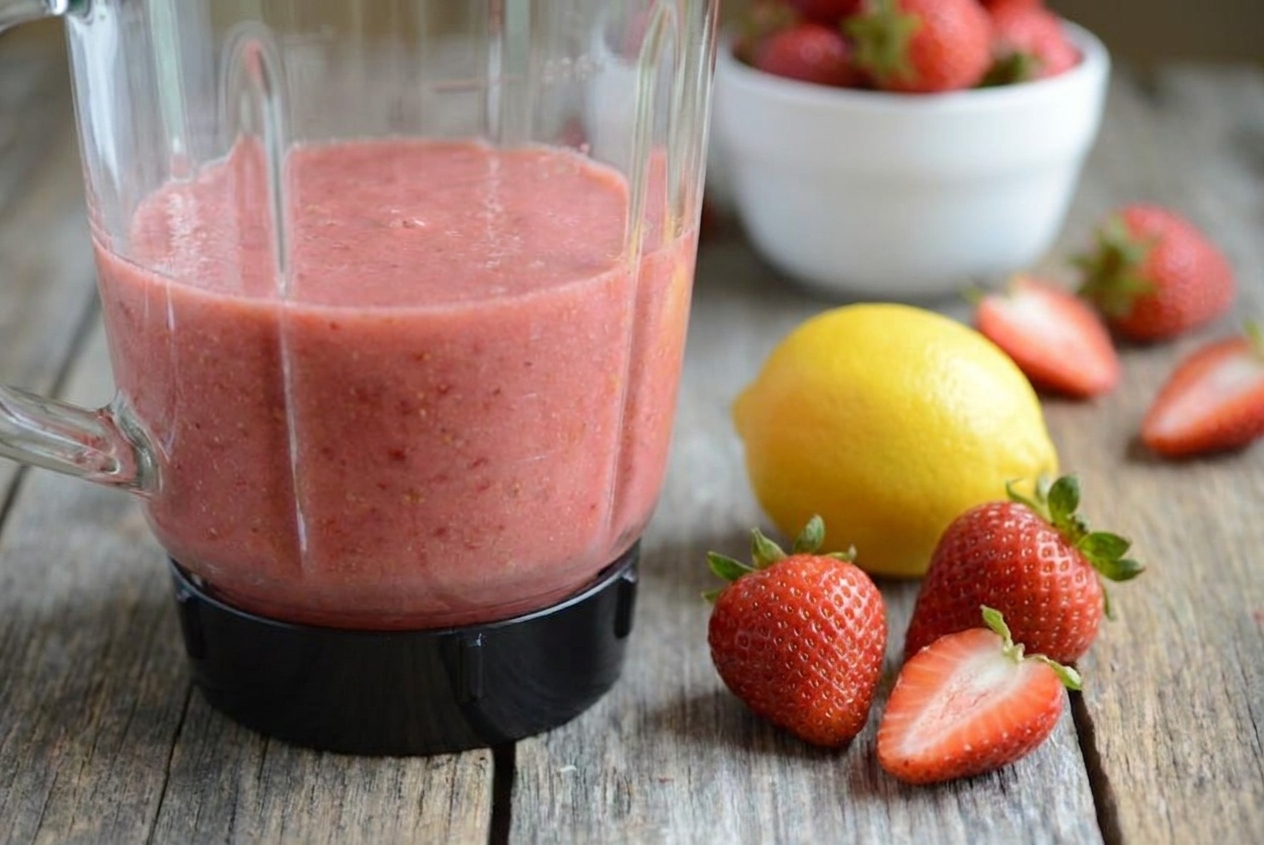
A blender jar filled with pink berry and applesauce puree on a kitchen counter next to fresh berries and a lemon

Why It Works

  • Low and slow drying gives you that classic fruit-roll-up chew without scorching the edges.
  • Applesauce (or apple) adds body and natural pectin, which often helps the leather set up and peel cleanly.
  • Lemon juice keeps the flavor popping and helps prevent browning in lighter fruits.
  • A thin, even spread is the difference between perfectly pliable leather and a tray with wet spots.
  • Finish check is simple: it should feel dry to the touch, and after cooling, it should lift from the liner in one piece.

Pairs Well With

Storage Tips

Room temperature: Roll up in parchment (or cut into strips and wrap individually). Store in an airtight container for 1 to 2 weeks in a cool, dry spot. If you notice moisture beads, a musty smell, or any sign of mold, discard.

Refrigerator: Helpful if your kitchen runs warm or humid. Store airtight for up to 3 weeks. Note: the fridge can cause condensation when the container is opened, so keep pieces wrapped in parchment and close the container quickly.

Freezer: For long-term snacking. Freeze parchment-wrapped rolls in a freezer bag for up to 3 months. Thaw at room temp for 10 to 15 minutes before eating.

If it gets too firm: Let a piece sit at room temperature for a few minutes. For a gentler soften, keep the rolls in a sealed container with a small piece of bread for a few hours (keep the bread separate so it does not touch the leather), then remove the bread once the texture is where you want it.

If it gets sticky: That usually means it needed more dry time or picked up humidity. Put it back in the oven or dehydrator for 30 to 60 minutes, then cool completely before re-wrapping.

Common Questions

Do I need a dehydrator to make fruit leather?

Nope. An oven works great, especially if it can hold 170°F to 200°F. A dehydrator is a little more hands-off and often dries more evenly, but the oven method is absolutely solid.

My oven will not go as low as 170°F. What now?

Use the lowest setting your oven can reliably hold (ideally under 200°F). If your oven runs hot, you can prop the door open slightly with a wooden spoon to let steam escape, but only if it is safe for your oven and household. Drying is more about low heat + airflow + time than hitting one perfect number.

How do I know when fruit leather is done?

It should look set and slightly glossy, feel dry (not tacky) when you lightly touch the center, and peel up from the liner without leaving wet puree behind. If the middle still feels soft like jam, it needs more time. Also, remember it can feel a tiny bit softer when it is hot. If you are on the fence, cool it for 10 minutes, then test again.

Why is my fruit leather cracking?

It over-dried or was spread too thin. Next time spread a touch thicker and start checking earlier. If it is already cracked, you can still snack on it. It just becomes fruit “chips.”

Why is it sticky even after hours?

Usually one of three things: the layer is too thick, the oven runs cool, or the puree has a lot of sugar (very ripe fruit, added sweetener, or high-sugar fruit like mango). Keep drying, rotate the pan once or twice, and consider cracking the oven door slightly (if safe) to help moisture escape.

Can I make it with frozen fruit?

Yes. Thaw first, then blend. Frozen fruit can be a little watery, so you may need a longer dry time. If your puree seems thin, simmer it for 5 to 10 minutes to reduce, then cool and proceed.

Is fruit leather healthy?

It can be a great snack because it is made from fruit, but it is still concentrated. Think of it as “portable fruit,” not candy. The nice part is you control what goes in.

Can babies have fruit leather?

For kids under 12 months, skip honey (it is not recommended for infants). Also use your best judgment on texture for little ones who are still learning to chew.
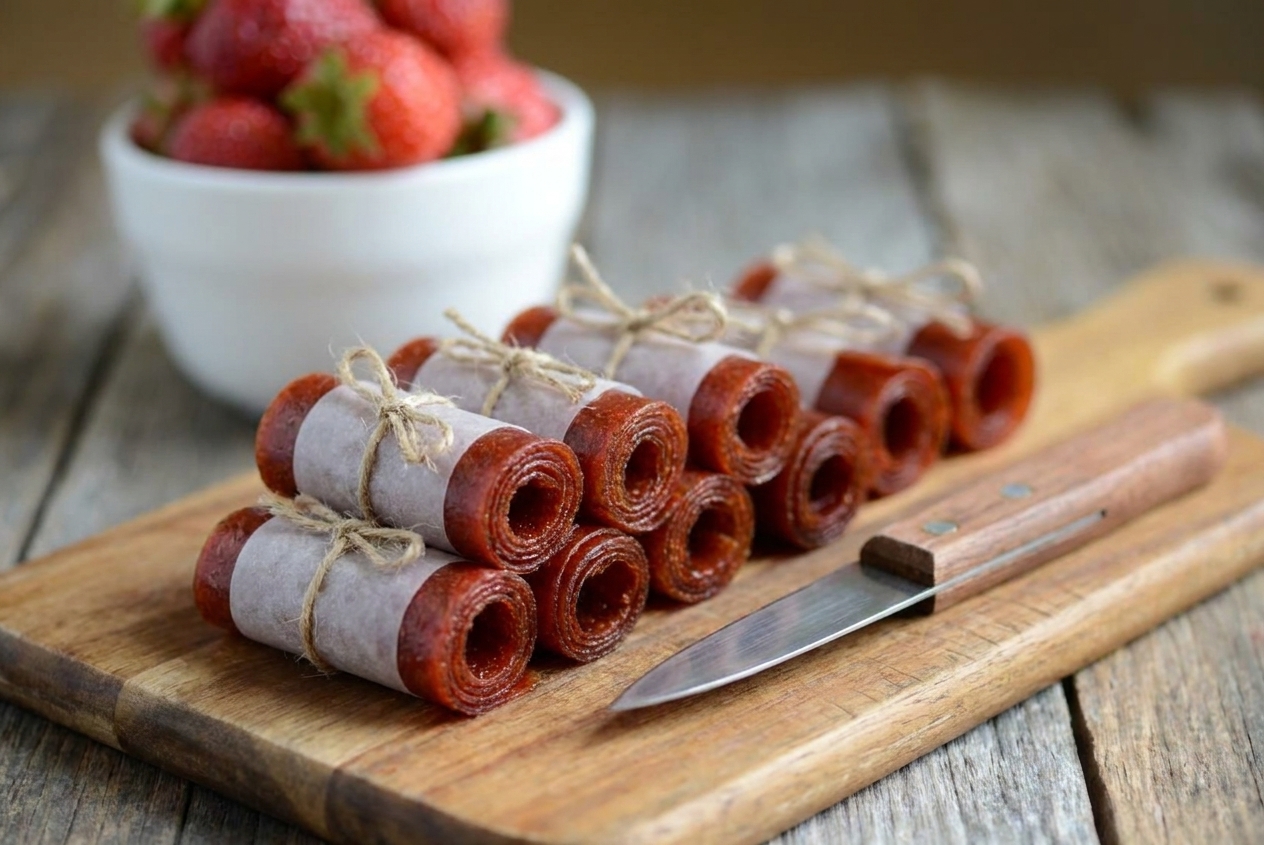

Rolled fruit leather strips wrapped in parchment paper on a wooden cutting board with a small kitchen knife nearby

I skipped culinary school because I wanted the practical stuff, the real-life kitchen skills that make dinner happen on a Tuesday. Fruit leather is exactly that kind of lesson in disguise. It is simple, but it teaches you patience, seasoning (yes, seasoning fruit), and how tiny adjustments change the final texture. The first time I made it, I over-dried the edges and under-dried the center and still ate it anyway, because it tasted like strawberries turned up to eleven. Now I spread it like I mean it, rotate the pan, and treat the puree like a sauce: taste, adjust, then commit.