Mom's Best Recipes
Recipe

Homemade Ginger Beer

Spicy, citrusy, naturally fizzy ginger beer with fresh ginger and lime. No mystery ingredients, just a friendly ferment and a big payoff.

Author By Matt Campbell
4.8
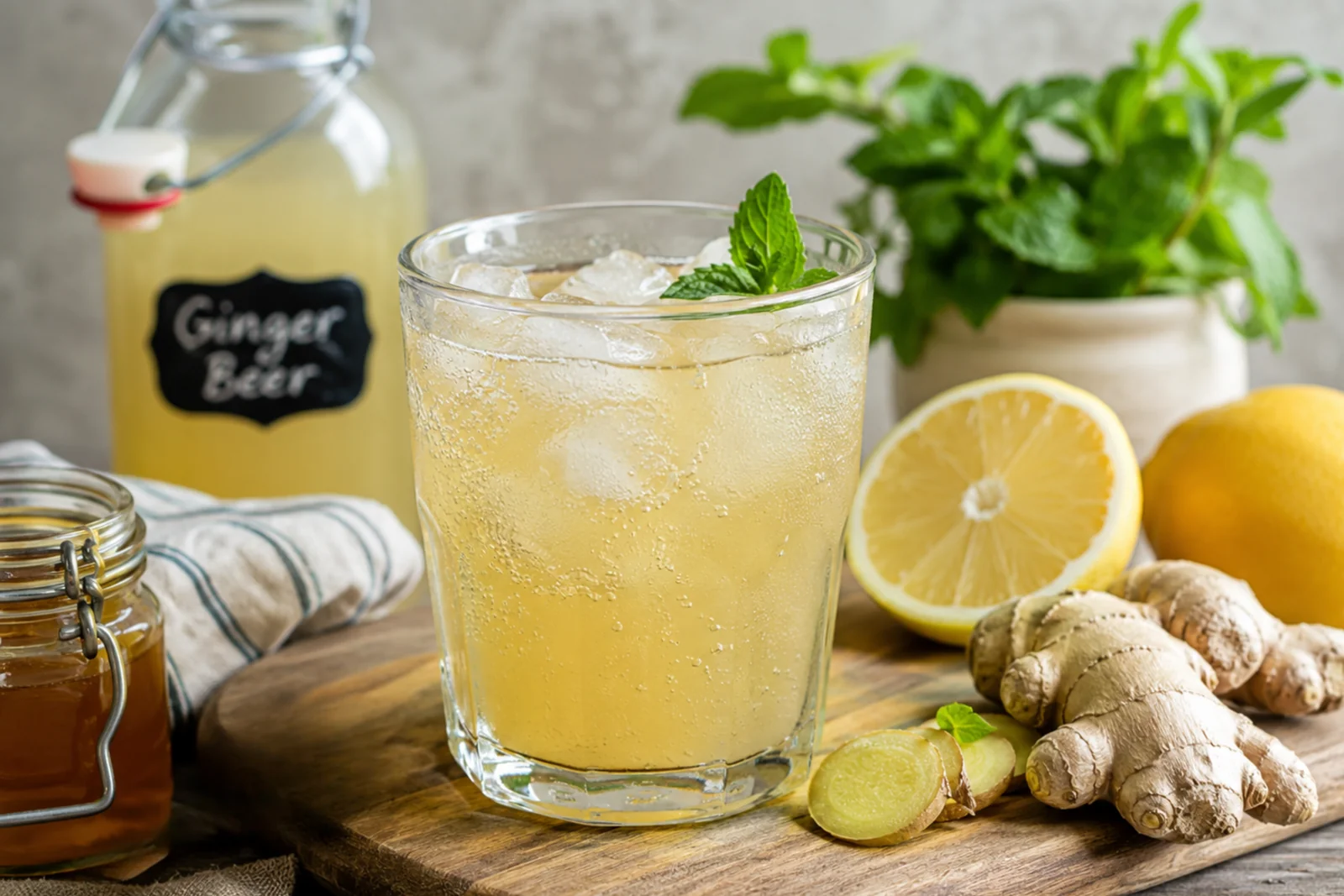
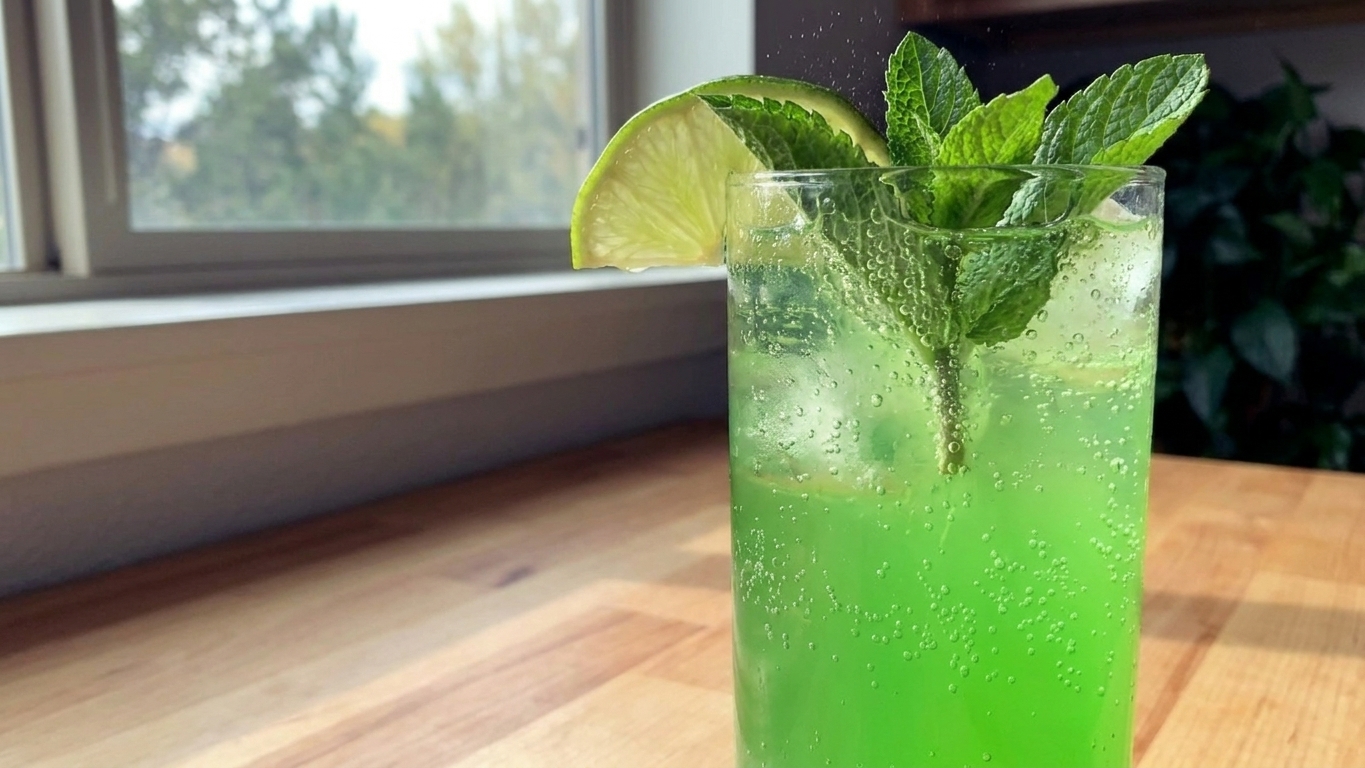
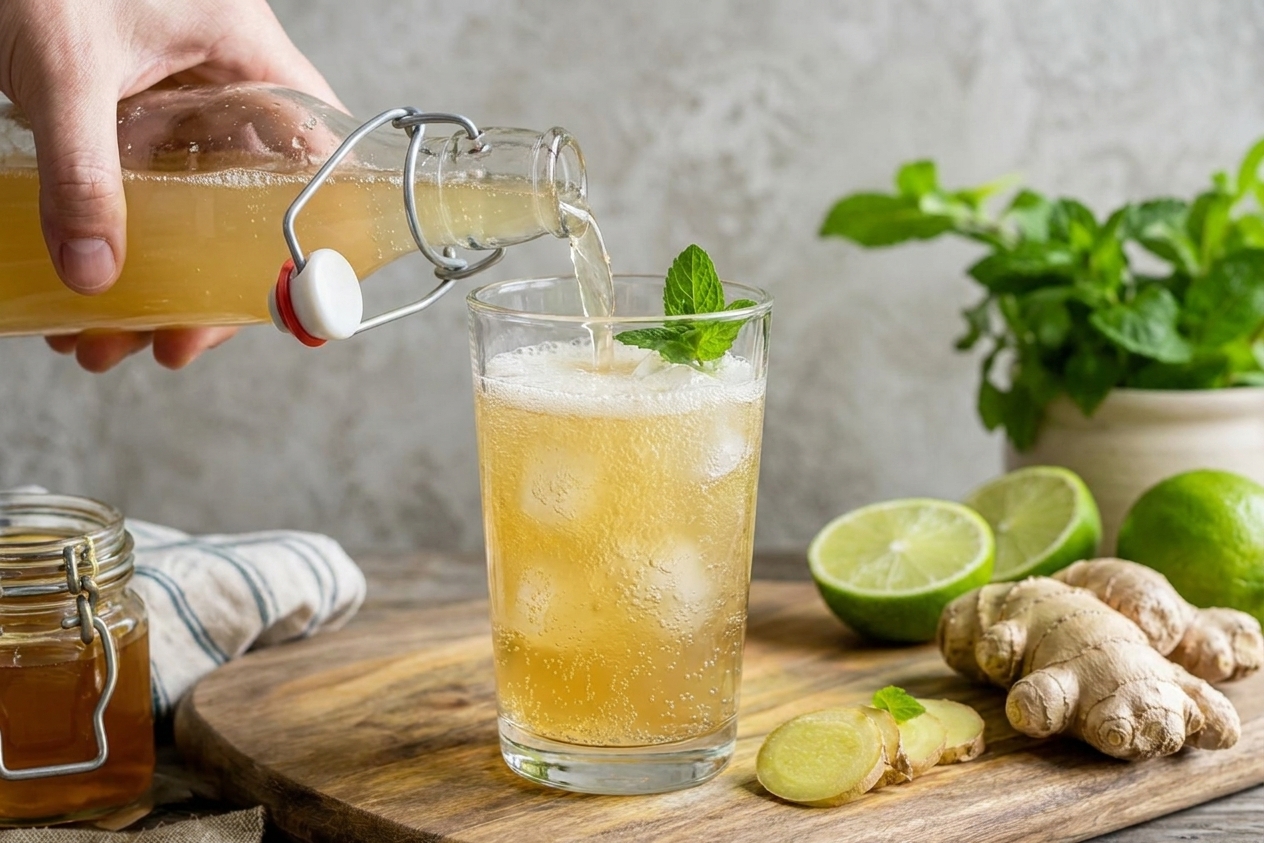
A tall glass of homemade ginger beer with lots of ice, visible bubbles, and a lime wedge on the rim on a bright kitchen counter

Ginger beer is one of those drinks that feels like it should be complicated, like you need a lab coat or a secret handshake. You do not. You need ginger, sugar, water, and a little patience while nature does its bubbly thing.

This version is naturally carbonated (real fermentation), with that ginger heat that hits your nose first and then hangs around just long enough to make you grin. I keep it approachable, but I also give you the small moves that make it reliable: how to wake up the yeast, how to know it is ready, and how not to redecorate your kitchen with overpressurized bottles.

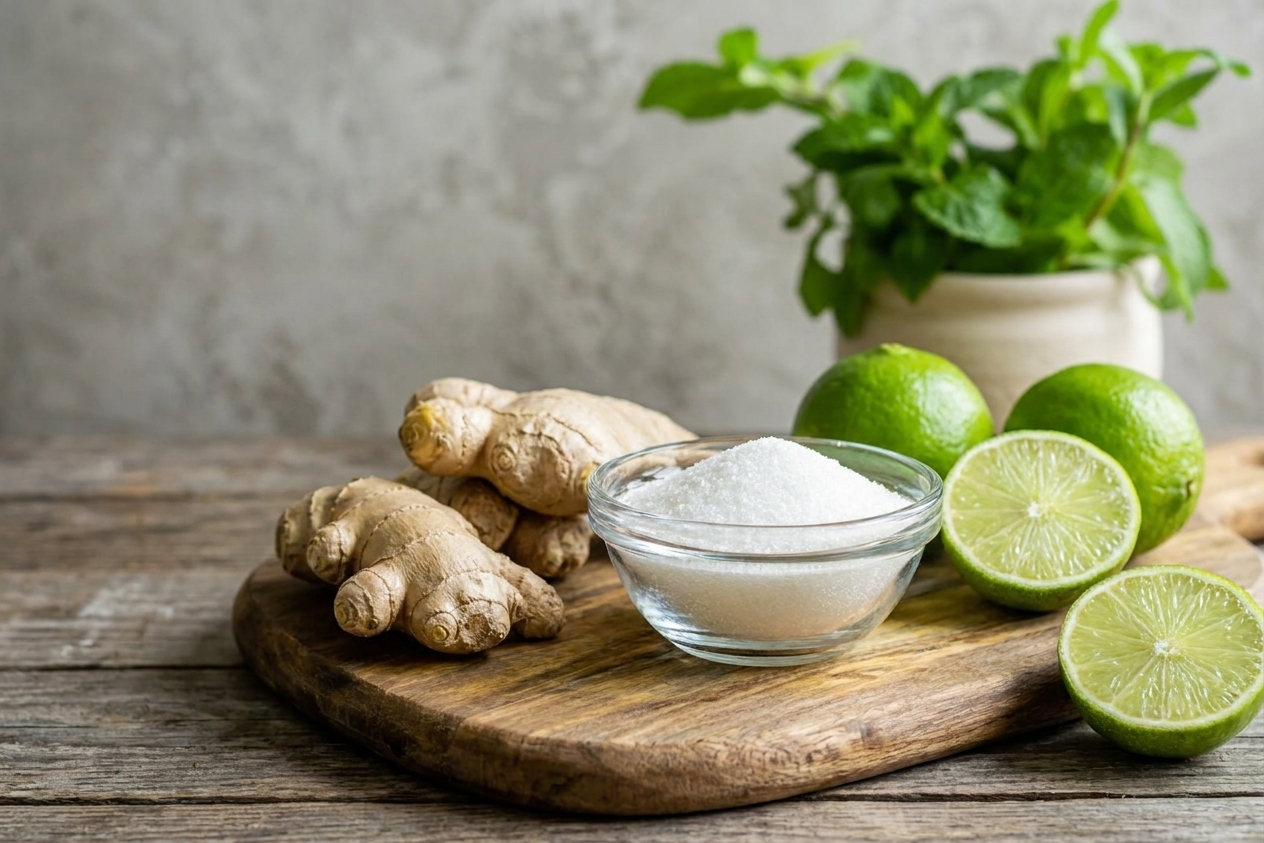
Fresh ginger roots, limes, and a small bowl of sugar arranged on a wooden cutting board on a home kitchen counter

Make it mild, make it spicy, make it with extra lime. Just please taste as you go. That is half the fun and all the quality control.

Why It Works

  • Real ginger punch: Fresh ginger (and a quick simmer) pulls out heat and aroma without tasting flat.
  • Reliable fizz: A small, measured amount of yeast plus a short fermentation gets you bubbles without weeks of waiting.
  • Balanced sweetness: Enough sugar to feed fermentation and keep the drink satisfying, with an easy adjust in the glass.
  • Cleaner flavor: Straining the ginger solids keeps the final drink bright, not muddy.
  • Safer bottling: Short room temperature carbonation, frequent checks, and chilling promptly once fizzy helps prevent overpressure.
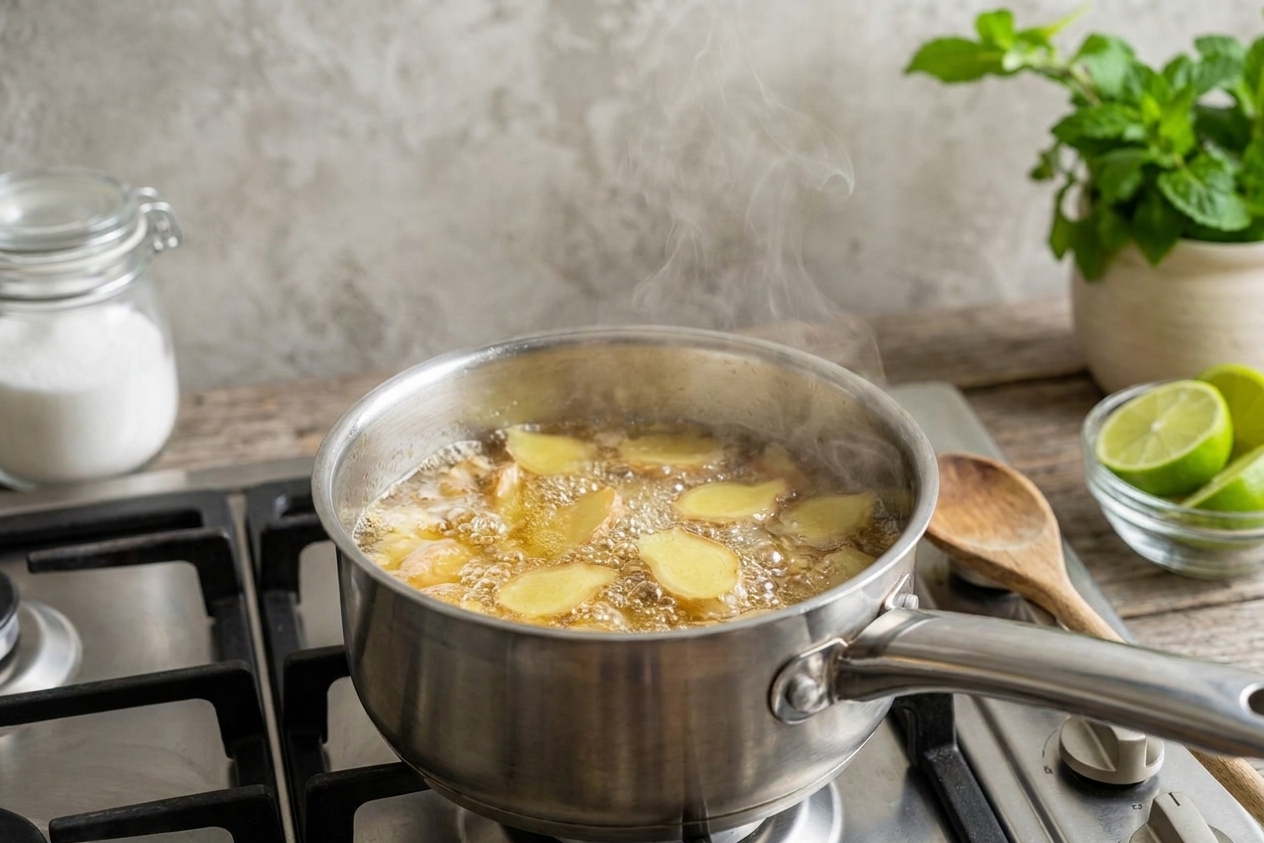
A saucepan of simmering ginger and sugar syrup on a stovetop with steam rising and ginger pieces visible in the liquid

Pairs Well With

Storage Tips

How to Store It

  • Refrigerate: Once it is carbonated to your liking, move bottles to the fridge right away. Cold slows fermentation way down and locks in fizz.
  • How long it keeps: Best in the first 7 to 10 days for peak ginger aroma. It is still drinkable after that, but the flavor can shift more yeasty and the pressure can keep building.
  • Open carefully: Always crack the cap slowly over the sink, especially if it has been sitting a few days.
  • Leftover ginger pulp: Stir a spoonful into oatmeal, blend into smoothies, or simmer it again with more water for a lighter second batch.

Important: Use fermentation safe bottles (plastic soda bottles are the most forgiving, swing tops work if you monitor them closely). Thin glass bottles can break under pressure. Never store fully carbonated bottles at room temperature.

Common Questions

Common Questions

Is ginger beer alcoholic?

This homemade, fermented version can contain a small amount of alcohol. It is typically low for a short ferment like this, but it varies a lot based on sugar, time, temperature, and yeast strain. Think “often under a couple percent,” but it is not lab-tested unless you measure it. If you want zero alcohol, skip fermentation and force carbonate with a soda maker, or make the syrup and top with sparkling water.

What is the difference between ginger beer and ginger ale?

Ginger ale is typically a sweet, carbonated soda flavored with ginger. Ginger beer is usually stronger and spicier, and traditionally fermented, which gives it a deeper bite and natural fizz.

Why is my ginger beer not fizzy?

  • Your yeast may be old, or your mixture was too warm when you added it.
  • Your room is cold. Aim for about 70°F to 78°F.
  • You did not seal it airtight during the carbonation step.
  • It needs more time. Check again after 24 hours.

Can I use bread yeast?

Yes. Active dry yeast works well here and is easy to find. Use a small amount so the flavor stays clean.

How do I make it spicier?

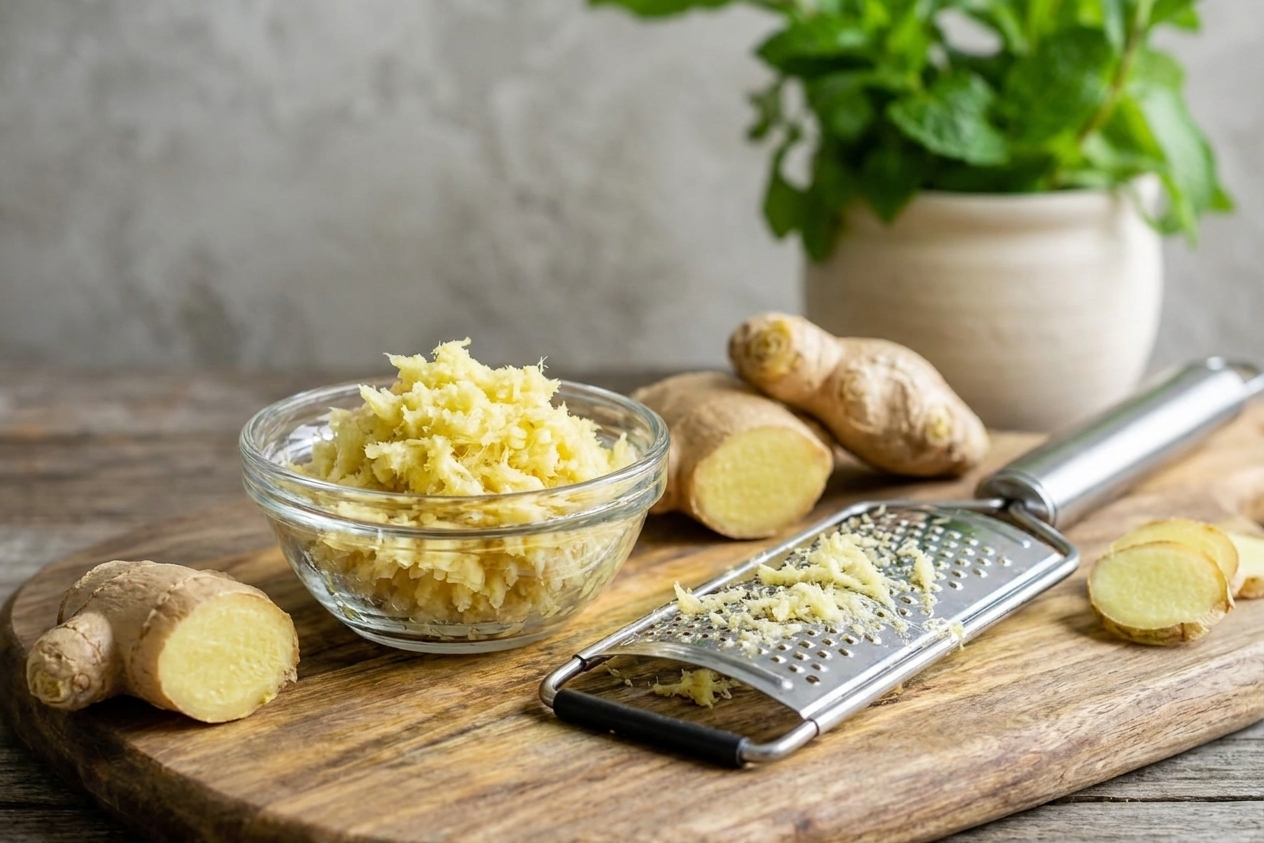
Use more ginger, grate it finer, and add a small pinch of cayenne. For an extra bright ginger bite, you can also stir in a spoonful of freshly grated ginger right after you turn off the heat, then steep 10 minutes before straining.

Do I have to peel the ginger?

Not strictly, but I recommend it. If you do not peel, scrub it very well. The skin can add an earthy note and sometimes grit.

How do I avoid bottle bombs?

Respect the pressure. If you are nervous, use plastic soda bottles for carbonation so you can feel them firm up. Once the bottles are fizzy, refrigerate immediately to slow fermentation. Do not leave fully sealed bottles at room temperature for extended periods. Open slowly over the sink. If a bottle seems wildly overcarbonated, chill hard (24 hours), then vent very carefully. When in doubt, discard.
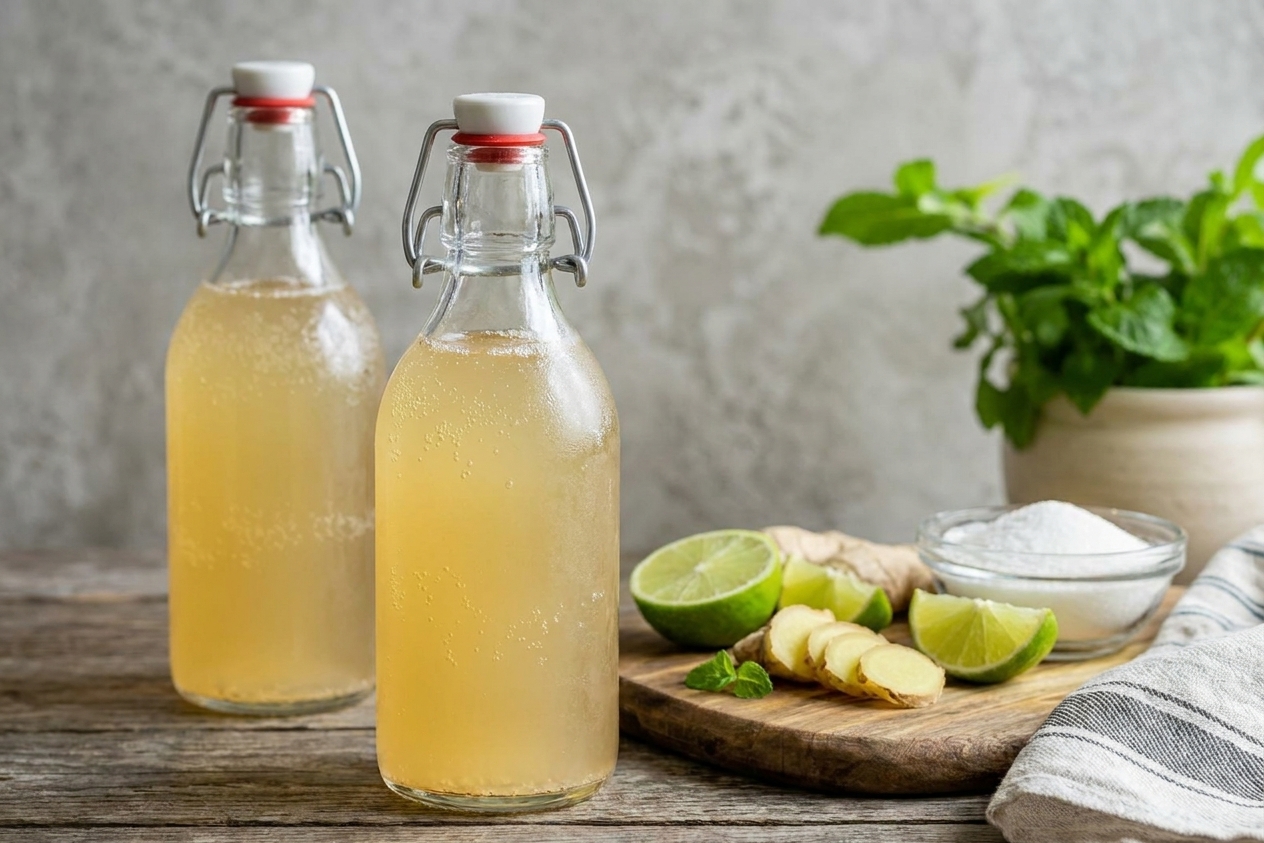

Two swing top glass bottles filled with pale golden ginger beer with bubbles rising, sitting on a kitchen counter near a cutting board

The first time I made ginger beer at home, I treated it like a science project and still managed to wing it like a weeknight dinner. That is kind of my sweet spot. I learned fast that ginger beer rewards the chaotic curious energy, as long as you respect pressure. Now it is my go to when I want something that feels special but is secretly just ginger, lime, and a little time doing the heavy lifting.