
Mom's Best Recipes
Recipe

Lemonade with Lemon Juice

A smooth, punchy homemade lemonade that works with bottled or fresh lemon juice, sweetened with simple syrup so it tastes clean, not grainy.

Author By Matt Campbell
4.8
A clear glass pitcher of pale yellow homemade lemonade with lemon slices and ice on a bright kitchen counter, sunlight coming through a nearby window

I love a recipe that does not pretend to be complicated. Lemonade is exactly that. It is basically three things: lemon, sugar, and water. But if you have ever made a pitcher that tasted flat, too sharp, or weirdly gritty, you already know the tiny details matter.

This version uses lemon juice (fresh or bottled), plus a quick simple syrup so the sweetness melts right in. The payoff is lemonade that is bright, balanced, and dangerously easy to keep refilling. Taste as you go. Your lemons, your juice, your day.
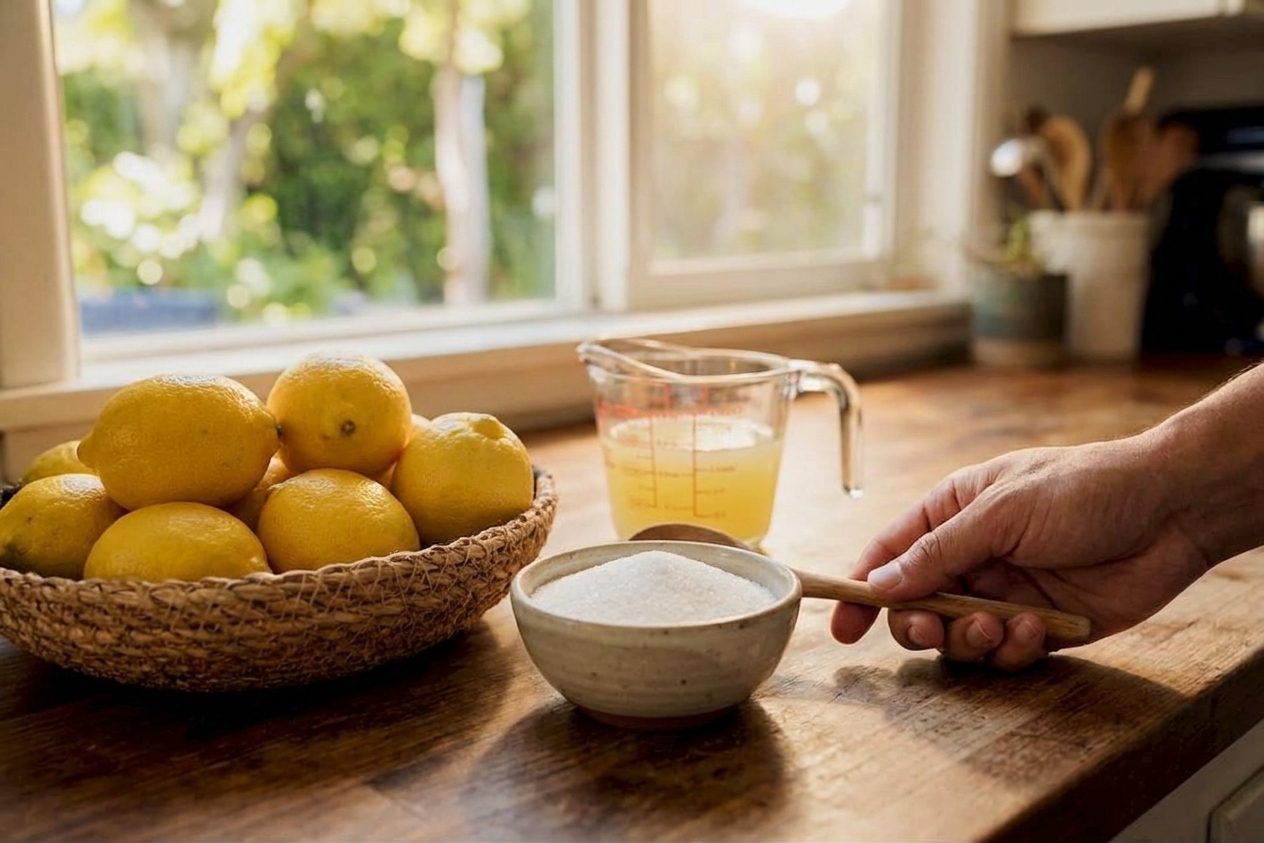
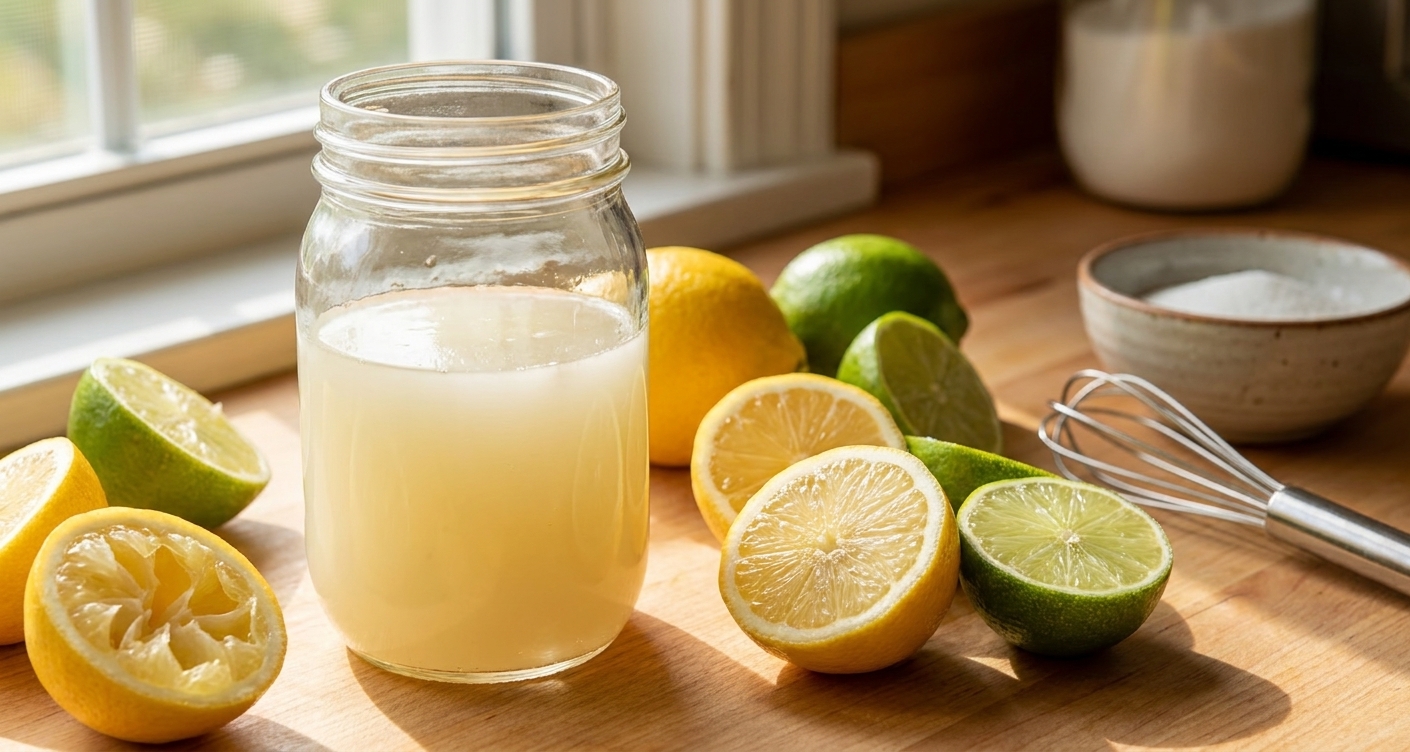
Fresh lemons, a small bowl of sugar, and a measuring cup of lemon juice arranged on a clean kitchen counter

Why It Works

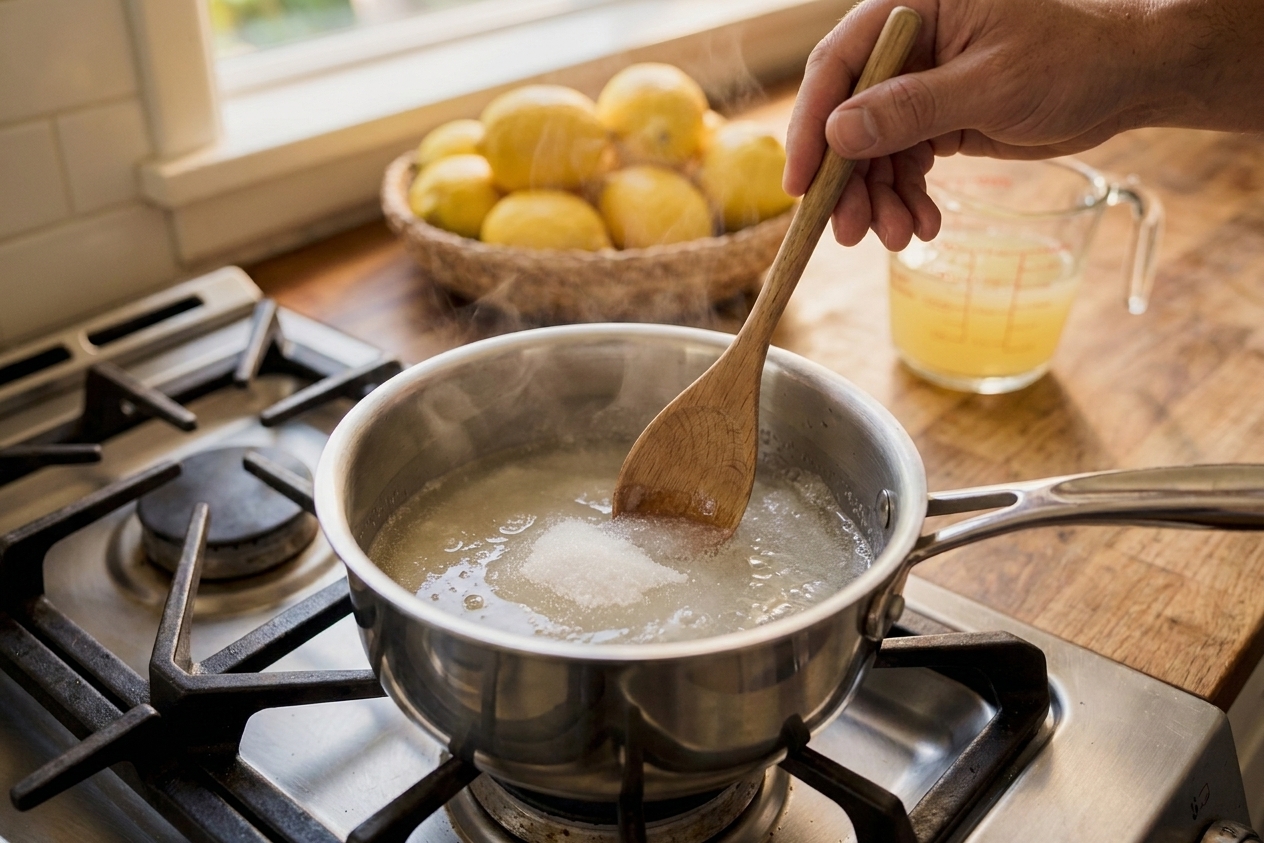
  • No gritty sugar: A fast simple syrup dissolves completely, so every sip is smooth.
  • Works with what you have: Fresh lemon juice is amazing, but bottled lemon juice makes a totally solid pitcher when you need it now.
  • Balanced, not harsh: The ratios here give you tart lemonade with enough sweetness to feel refreshing, not puckering.
  • Easy to adjust: Make it more “fair lemonade stand” sweet or more “grown up patio” tart with a simple tweak.

Pairs Well With

Storage Tips

Refrigerate: Store lemonade in a covered pitcher or jar in the fridge for 3 to 5 days. It tastes best in the first 2 to 3 days.

Keep ice separate: Ice in the pitcher waters it down fast. If you can, keep lemonade chilled and add ice to individual glasses.

Make-ahead tip: You can make the simple syrup up to 2 weeks ahead and keep it refrigerated in a sealed jar. Discard if it turns cloudy or smells off.

Freezer option: Freeze leftover lemonade in ice cube trays. Use cubes to chill future lemonade without diluting it, or blend for a quick slushy.

Common Questions

Can I use bottled lemon juice instead of fresh?

Yes. Bottled lemon juice is convenient and consistent. Fresh will taste a little brighter and more fragrant, but bottled still makes a very good pitcher, especially when you balance it with simple syrup and a pinch of salt.

How much lemon juice equals one lemon?

On average, 1 medium lemon gives about 2 to 3 tablespoons of juice. For this recipe you need 1 cup of juice, which is usually about 5 to 8 lemons depending on size and juiciness.

Why does my lemonade taste bitter?

Bitterness usually comes from peel oils and too much contact with the rind or pith. If you are juicing fresh lemons, press firmly but do not crush and twist the peel into the reamer. If it is already bitter, dilute slightly with more cold water and add a little more syrup.

How do I make it less sweet or more sweet?

Start with the recipe as written, then adjust in small amounts. For sweeter lemonade, add 1 to 2 tablespoons syrup at a time. To make it less sweet and less intense, add 1/4 cup cold water at a time. To make it tarter without making it sweeter, add a little more lemon juice, starting with 1 to 2 tablespoons, then taste.

Do I need to strain it?

If you want super smooth lemonade, strain the lemon juice before mixing. If you like a little pulp, skip it. Both are correct.

A hand stirring lemonade in a clear glass pitcher with a long spoon on a kitchen counter

Lemonade is my reset button drink. When I was chasing kitchen experience over classroom hours, I learned fast that the “simple” stuff is where people judge you hardest. Anybody can dump lemon juice and sugar into water. The difference is whether it tastes clean and bright or like you panic-made it in a hurry.

Now, when I make lemonade at home, I do it the same way I would for friends who just walked in and claimed they were not hungry. Simple syrup, lots of ice in the glass, and a little taste test that turns into three taste tests. Quality control, obviously.