Mom's Best Recipes
Recipe

Homemade Ketchup

Tangy, lightly sweet, and packed with tomato flavor, this quick stovetop ketchup uses pantry staples and tastes like the upgraded version of the bottle.

Author By Matt Campbell
4.8
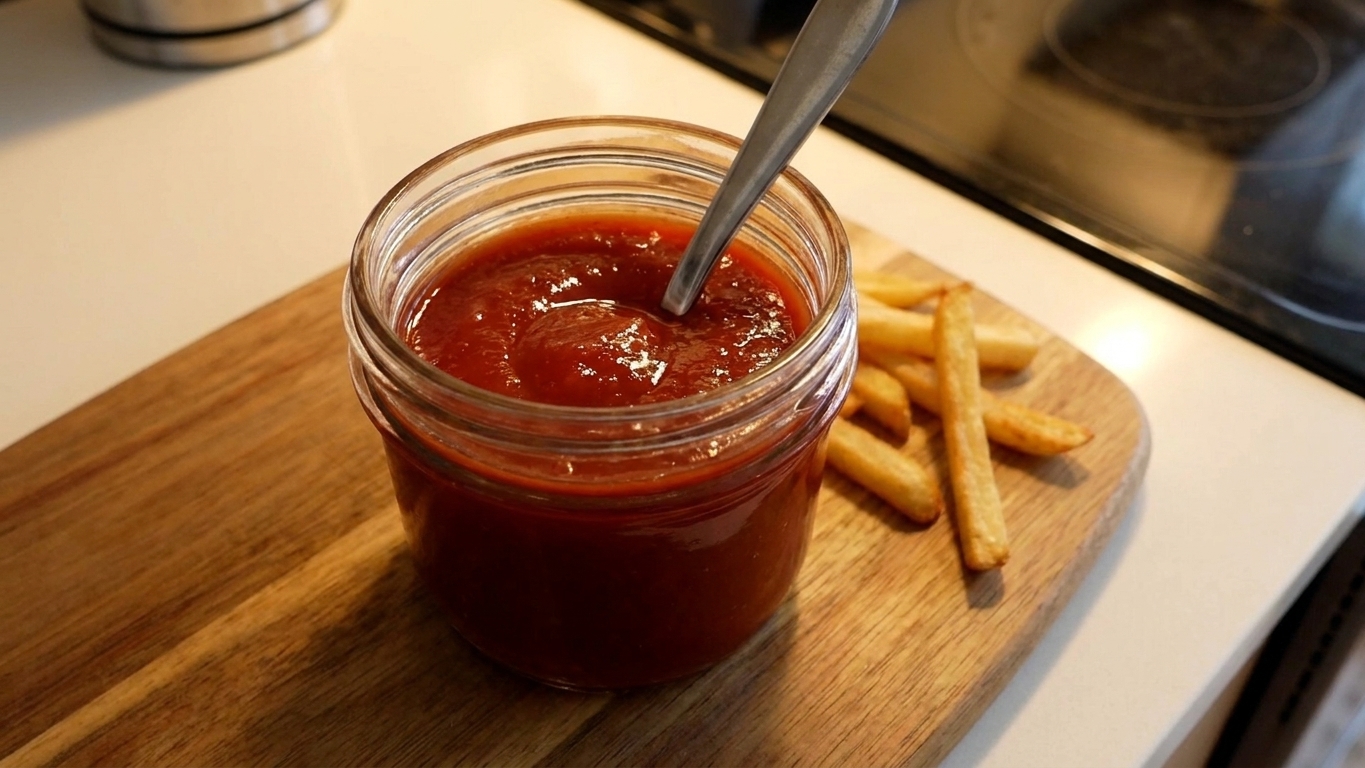
A small glass jar of glossy homemade ketchup on a wooden cutting board with a spoon and a few fries nearby, warm kitchen lighting

I love ketchup, but I am picky about it. I want bright tang, real tomato flavor, and that cozy little background note of spice that makes fries feel like an actual meal. The store bottle is fine. This one is alive.

This homemade ketchup is a weeknight-friendly project that uses mostly pantry ingredients. It comes together in one pot, blends smooth, and thickens into that classic dip-and-swipe texture. You can keep it classic, nudge it smoky, or make it a little spicy depending on your mood.
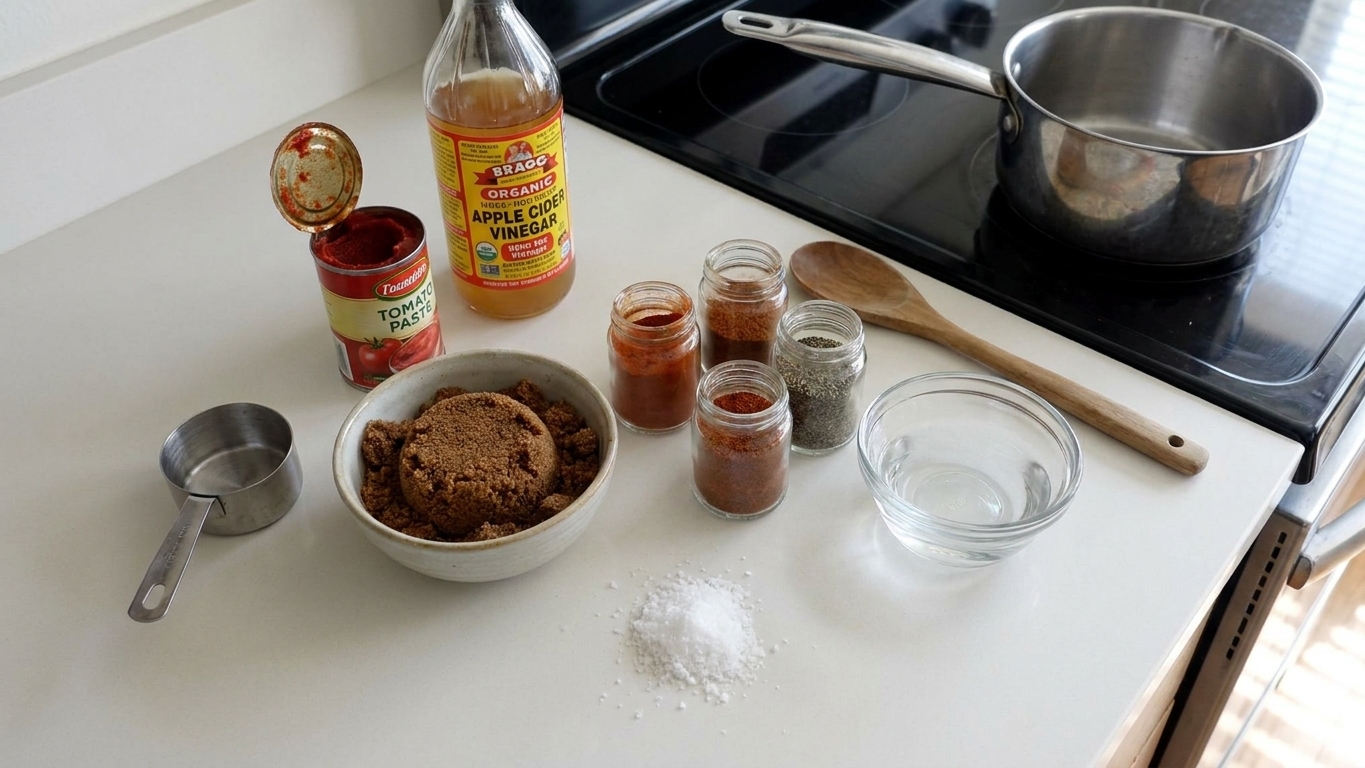
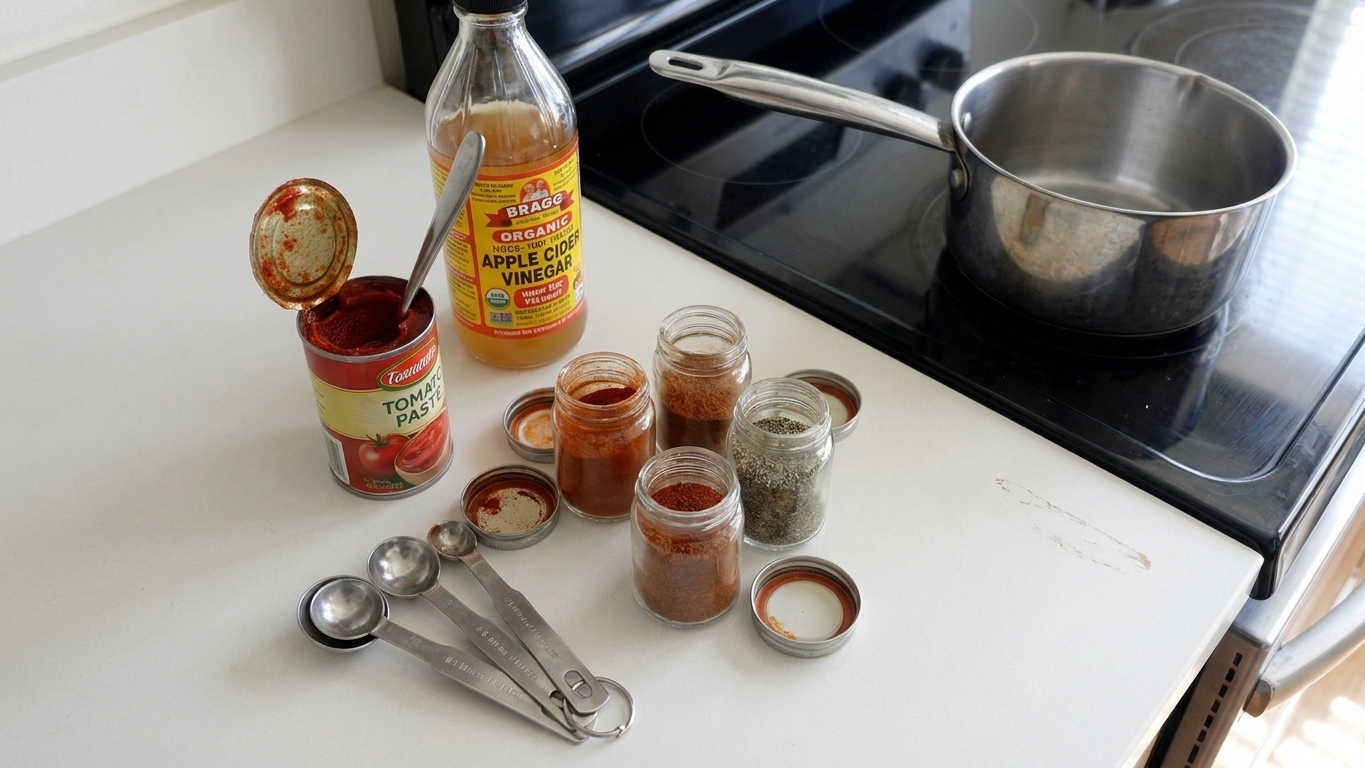
Tomato paste, apple cider vinegar, brown sugar, salt, spices, and a small bowl of water arranged on a clean kitchen counter

Why It Works

  • Big tomato flavor fast: Tomato paste gives you concentrated flavor without simmering fresh tomatoes all afternoon.
  • Balanced sweet and tangy: Vinegar brings the zip, brown sugar rounds it out, and you can adjust both at the end.
  • Silky texture: A quick blend and a short simmer gets you smooth, spoonable ketchup that clings to fries.
  • Pantry spice magic: A tiny pinch of clove and allspice makes it taste like ketchup, not sweet tomato sauce.

Pairs Well With

Storage Tips

Let the ketchup cool completely, then store it in an airtight jar or container.

  • Refrigerator: About 2 weeks (sometimes up to 3 weeks) if stored cold and kept clean. Always use a clean spoon, and discard if you notice mold, off smells, or any weird bubbling.
  • Freezer: Up to 3 months. Freeze in small portions (ice cube tray or small containers) so you can thaw only what you need.
  • Thawing: Thaw overnight in the fridge, then stir well. If it looks a little separated, a quick whisk fixes it.

Texture note: Ketchup thickens as it chills. If yours gets too thick, stir in a teaspoon of water at a time until it is back to your preferred squeeze-and-dip consistency.

Common Questions

Why does my homemade ketchup taste too vinegary?

It usually just needs more balance. Add 1 to 2 teaspoons brown sugar, simmer 2 more minutes, then taste again. Also, vinegar can feel sharper when the ketchup is hot. Taste once it has cooled for the most accurate read.

How do I make it taste more like store-bought ketchup?

Store-bought versions are typically a little sweeter and very smooth. Blend thoroughly, strain if you want it ultra-silky, then add a touch more sugar (start with 1 teaspoon at a time). A small pinch of onion powder and garlic powder helps too, even if you already used fresh onion.

Can I use fresh tomatoes instead of tomato paste?

You can, but it becomes a longer project. You would need to cook down peeled or well-blended tomatoes until very thick, then season. Tomato paste is the quickest route to that classic ketchup vibe.

Is homemade ketchup safe for canning?

This recipe is written for the fridge, not shelf-stable canning. Safe water-bath canning depends on tested acidity levels and processing times. If you want a canning recipe, use one from a trusted, lab-tested source.

Can I make it spicy or smoky?

Absolutely. For spicy, add cayenne or a spoon of chipotle in adobo. For smoky, add smoked paprika or a few drops of liquid smoke (go easy).

The first time I made ketchup at home, it was because I ran out mid-burger night and refused to put on real pants to go to the store. I expected a compromise. What I got was this warm, tangy, ridiculously tomatoey sauce that made me pause and think, okay wow. Now I keep a jar in the fridge like it is a condiment with benefits, because it turns grilled cheese, roasted potatoes, and leftover nuggets into something that feels a little more intentional.