Mom's Best Recipes
Recipe

Homemade LMNT Electrolyte Drink

A DIY LMNT-inspired electrolyte drink mix with a bold salty-citrus hit, easy flavor variations, and a zero-sugar option (plus realistic electrolyte mg estimates).

Author By Matt Campbell
4.8
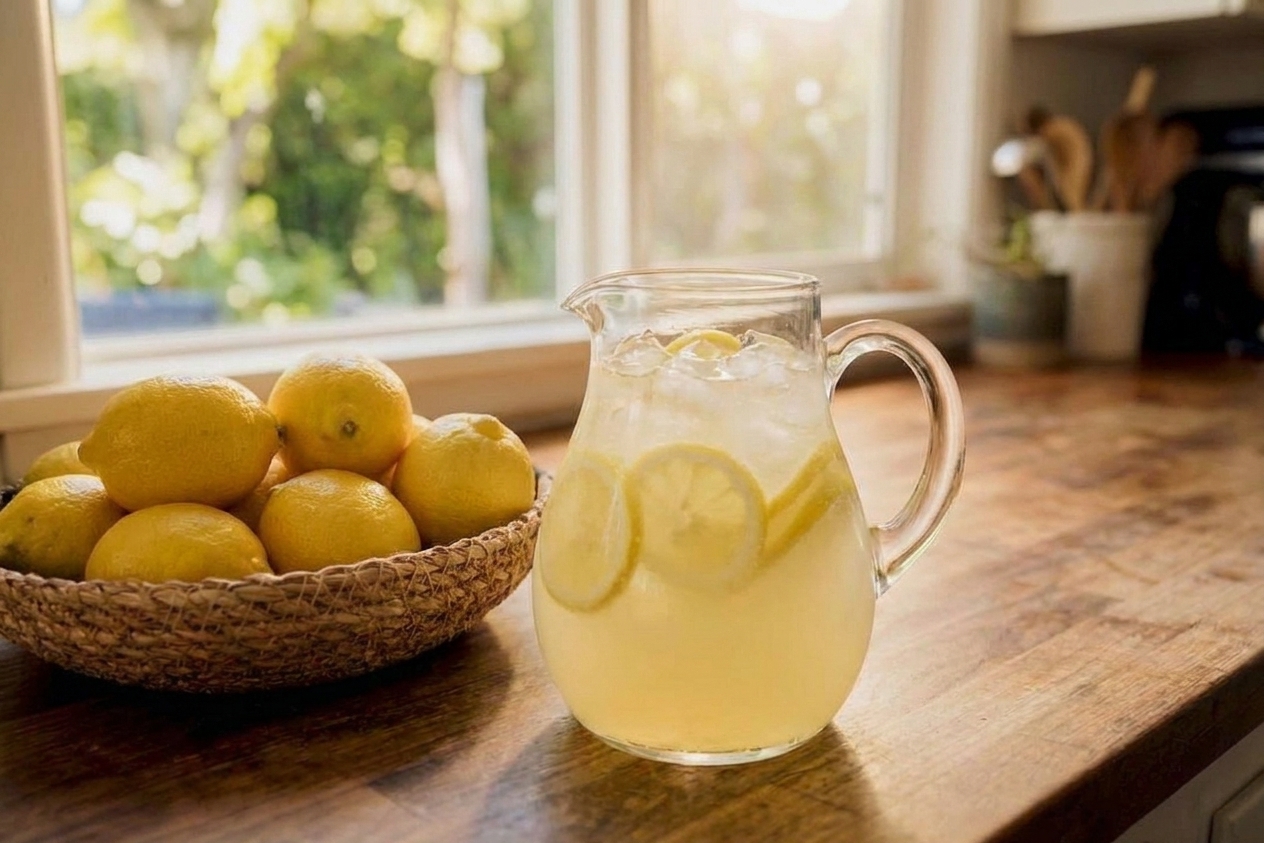
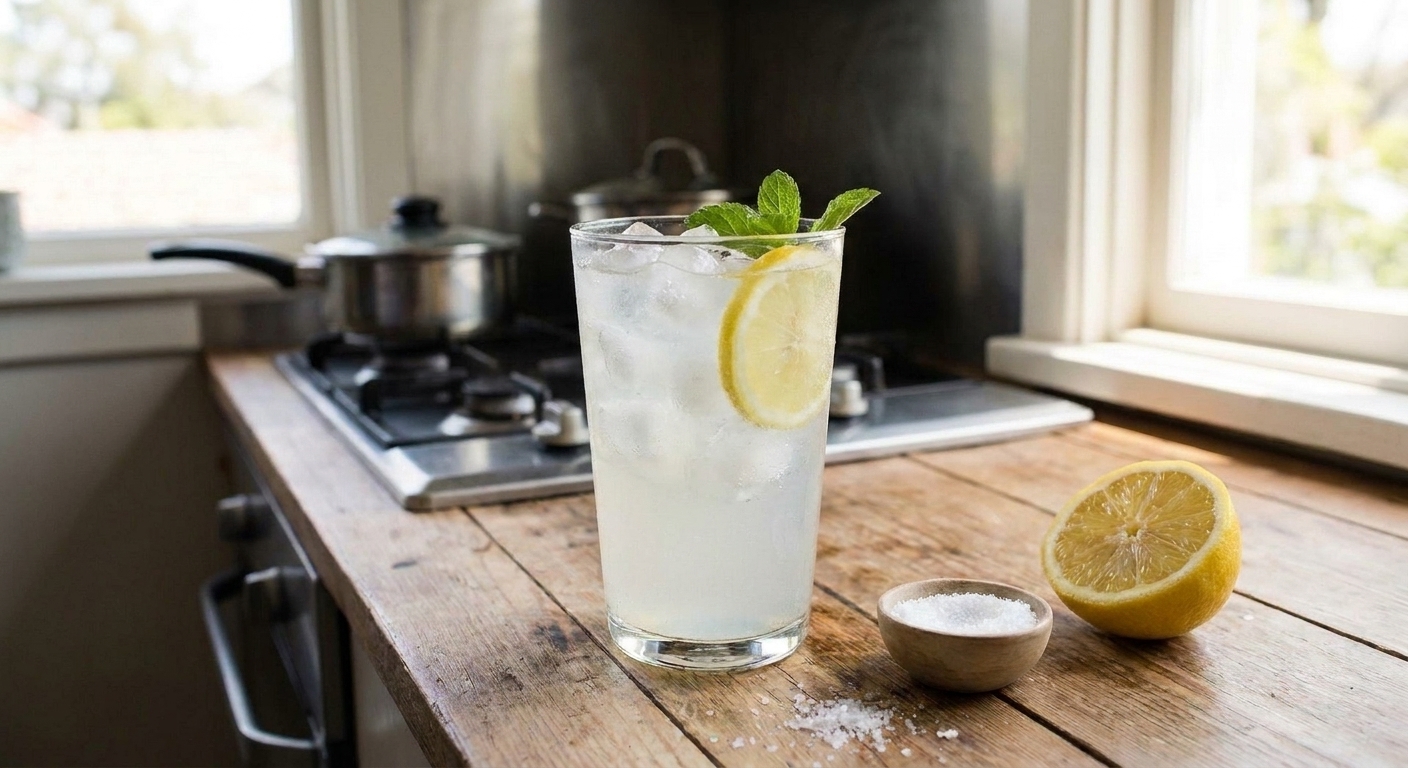
A tall glass of lemon electrolyte drink with ice on a bright kitchen counter, with a small bowl of salt and a cut lemon nearby

If you have ever tried LMNT, you know the vibe. It is unapologetically salty in the best way, then it snaps back with bright flavor so you actually want to finish the bottle. This is my at-home, pantry-friendly version that scratches the same itch: salty, citrusy, and fast.

One note before we mix like responsible people: this is a LMNT-inspired mix, not a clone. LMNT uses specific mineral forms and flavor systems. At home, we are going for a similar feel using accessible ingredients, clear measurements, and flavor tweaks that make it taste like something you chose, not something you endure.

When to use it

  • Hot days and heavy sweating: yard work, long walks, hikes, summer sports
  • Training sessions: especially if you are a salty sweater or your workouts run long
  • Low-carb or keto eating: some people feel better with more sodium (talk to a clinician if you have medical concerns)
  • When plain water is not cutting it: headaches, fatigue, or that “I drank water but I still feel off” feeling can sometimes be a sodium issue

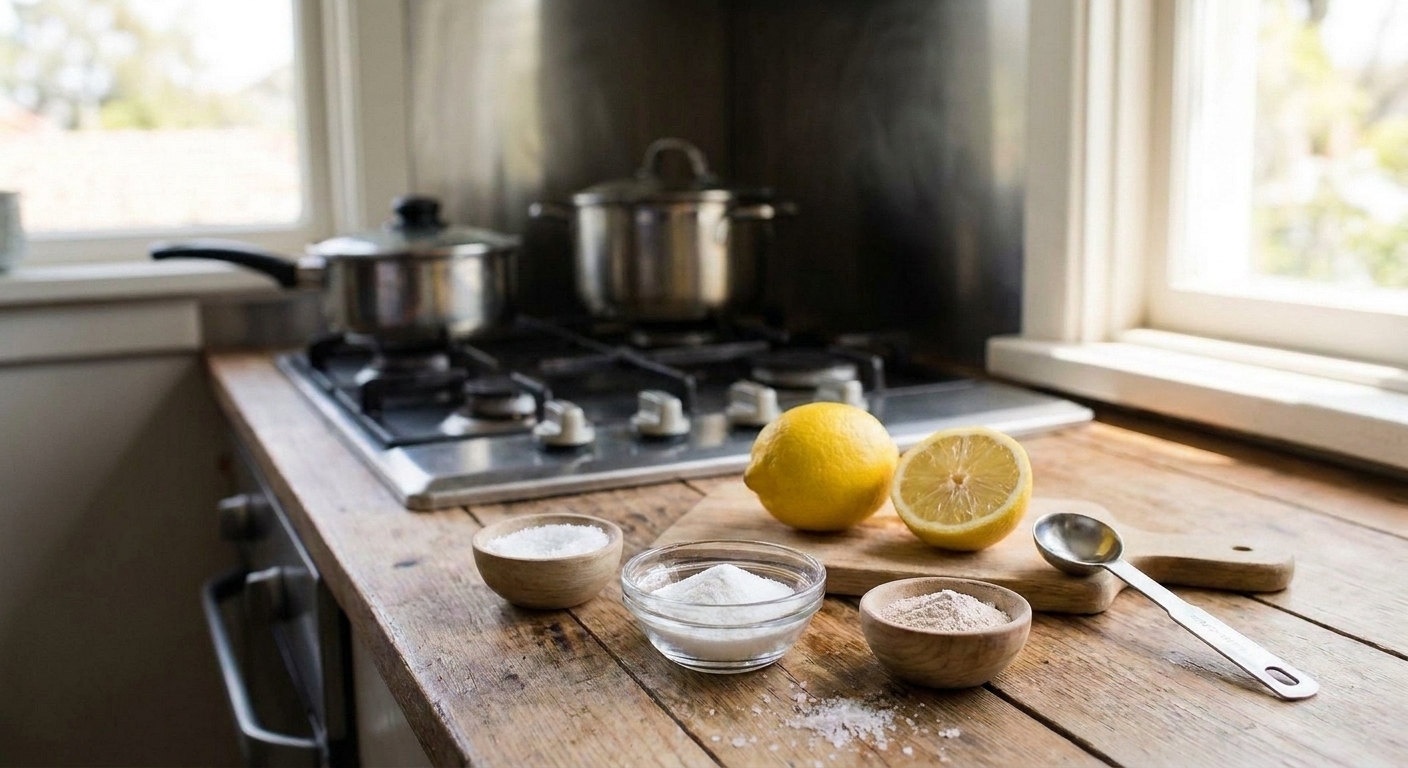
Measured ingredients for a homemade electrolyte mix on a kitchen counter, including fine salt, potassium chloride, magnesium powder, and a lemon

Why It Works

  • Big electrolyte energy, simple method: Stir, taste, adjust. No blender, no simmering, no drama.
  • Bold flavor with a zero-sugar option: Citrus plus an optional non-nutritive sweetener keeps the salt from tasting flat.
  • Make it your way: Mix a single serving in a bottle or batch a jar of dry mix for the week.
  • More confidence in the mix: Includes rough sodium and potassium mg estimates, plus a label-first approach for magnesium.

Pairs Well With

Storage Tips

Storage Tips

Single mixed drink: Store in a covered bottle in the refrigerator and drink it best within 24 hours. Shake before drinking because minerals can settle and the citrus flavor can change a bit over time.

Batch dry mix: Keep in an airtight jar in a cool, dry spot for up to 1 month. Use a dry spoon and avoid steam so it does not clump.

Batch mix formula

Per 1 serving dry mix: 1/2 tsp salt + 1/16 to 1/8 tsp potassium chloride + your chosen magnesium amount (start small and follow your label dosing). Stir citrus and sweetener into water when you are ready to drink.

10 servings (jar method): 5 tsp salt (1 tbsp + 2 tsp) + 5/8 tsp potassium chloride (or use 1/2 tsp for a gentler mix) plus magnesium per your product label. Shake the jar well, then measure out 1 serving at a time.

Pre-portion hack: Spoon servings into small jars or reusable snack bags so you can dump-and-go.

Common Questions

Common Questions

Is this the same as LMNT?

No. This is a LMNT-inspired homemade electrolyte drink using common ingredients. The goal is the same salty-forward hydration vibe with potassium and magnesium support, but it will not be identical to the commercial formula.

How much sodium and potassium are in this (roughly)?

Quick, practical estimates:

  • Sodium: 1/2 tsp fine salt typically provides roughly 1,100 to 1,200 mg sodium (varies by brand and grind).
  • Potassium: 1/16 tsp potassium chloride is often roughly 150 to 200 mg potassium. 1/8 tsp is roughly 300 to 400 mg potassium. This varies a lot by product and how densely it packs.

The move: check your potassium chloride label for how many milligrams of potassium are in 1/4 tsp, then scale down (1/8 tsp is half, 1/16 tsp is quarter). Measure carefully because too much can taste metallic and may not be appropriate for everyone.

How much magnesium is in this?

It depends heavily on the product (and the label usually lists elemental magnesium in mg). If you want an LMNT-like ballpark, you are generally looking for about ~60 mg elemental magnesium per drink, but follow your label and start low. Magnesium powders vary a lot in strength and taste, and too much magnesium can cause GI upset (including diarrhea).

Why is it so salty?

That is the point, especially if you are sweating a lot. Sodium helps replace what you lose in sweat and supports fluid balance. If it tastes like ocean water, dilute with more water and add more lemon or a touch more sweetener. Also, if you have been told to limit sodium (high blood pressure, heart or kidney issues), this style of drink may not be a fit without medical guidance.

What kind of magnesium should I use?

Use a beverage-safe, dissolvable magnesium. Magnesium citrate powders are common for mixing into water. Some “magnesium glycinate” products do not dissolve well (and many are capsules), so if yours clumps or tastes aggressively bitter, reduce the amount or switch products. Always follow your product’s label dosing. Too much magnesium can cause GI upset, including diarrhea.

What is potassium chloride and where do I find it?

It is often sold as a salt substitute (for example, Nu-Salt or NoSalt) in the spice aisle, baking aisle, or near table salt. It adds potassium and a slightly mineral taste. Too much can taste metallic, so measure carefully.

Can I make it without sweetener?

Yes. It will be sharper and more saline. My no-sweetener fix is more citrus and a few drops of vanilla extract for the illusion of sweetness.

How do I scale this for a big pitcher?

This recipe is written as one 16 oz bold serving for easy math. For a 2-quart pitcher (64 oz), make 4 servings worth of dry mix and add lemon and sweetener to taste. If you prefer the lighter 24 oz version, use about 3 servings worth of dry mix for 64 oz, then adjust to taste.

Is it okay for kids?

Ask your pediatrician if you are unsure. For most kids, a lighter version is better: half strength (half the mix, same water), especially if they are not doing heavy sweating.

Any medical cautions?

This is not medical advice. If you are pregnant, have kidney or heart disease, high blood pressure, or you take medications that affect electrolytes (including ACE inhibitors, ARBs, or potassium-sparing diuretics), check with a clinician before regularly using a salty electrolyte drink.

I did not go to culinary school to become the guy obsessing over salt water, but here we are. The first time I tried an LMNT packet, I had that mid-sip pause like, hold on, why is this weirdly good? So I started tinkering at home the same way I do with sauces. Add acid. Balance. Taste. Repeat. This version is what I keep in my cabinet for hot days, long walks, and any moment when plain water feels like it is not finishing the job.