Mom's Best Recipes
Recipe

Homemade Pumpkin Puree

Roasted pumpkin turned into thick, smooth puree with a deeper flavor than canned and a texture you can control for baking or savory recipes.

Author By Matt Campbell
4.8
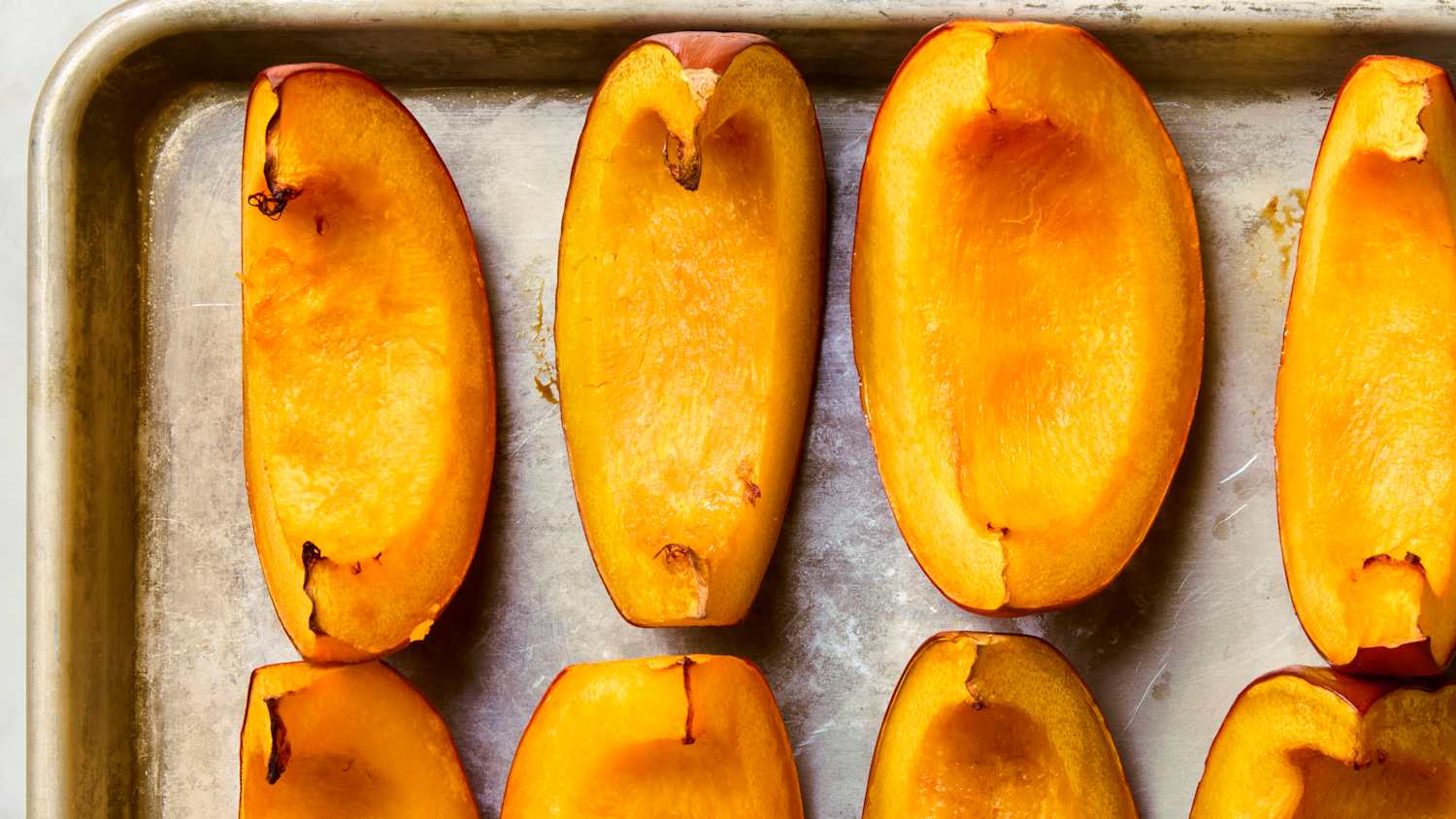
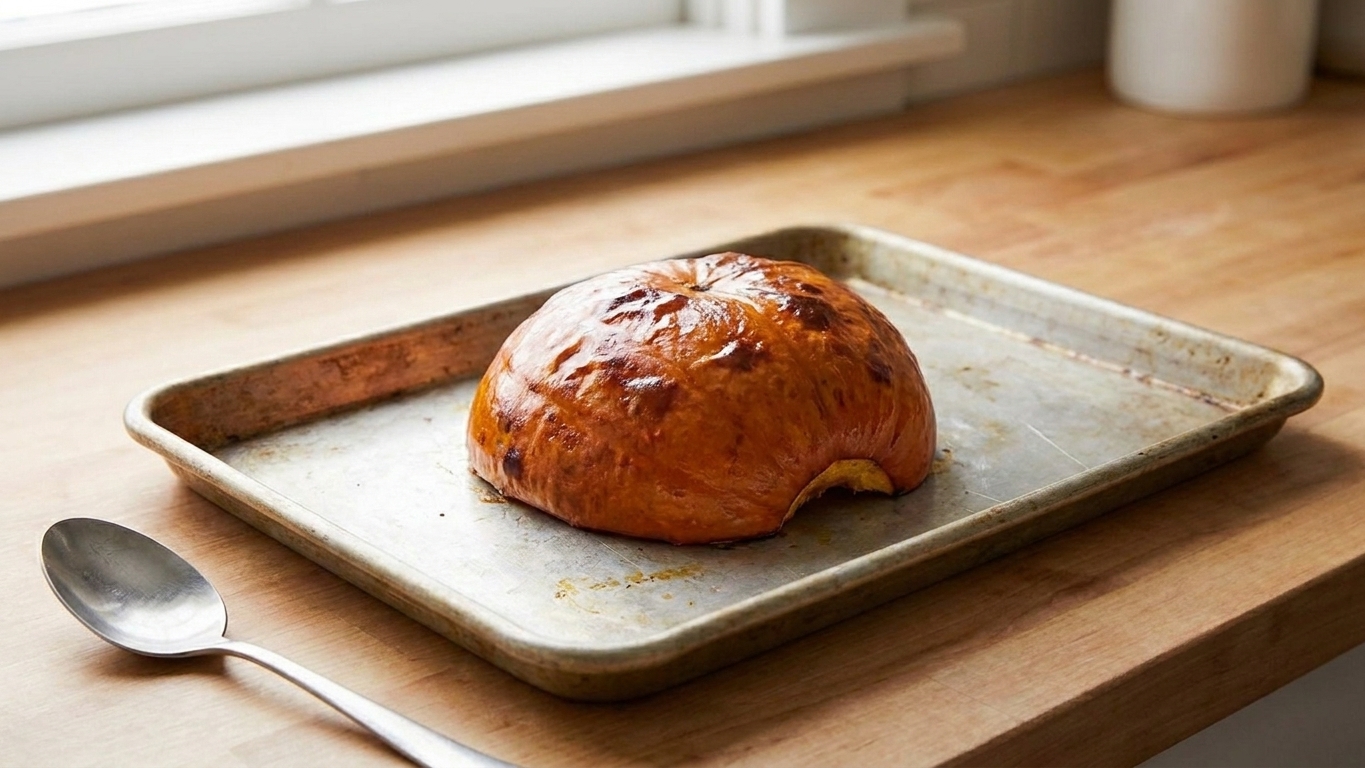
A halved sugar pie pumpkin roasted cut-side down on a rimmed baking sheet, with caramelized edges and a spoon nearby on a warm kitchen counter

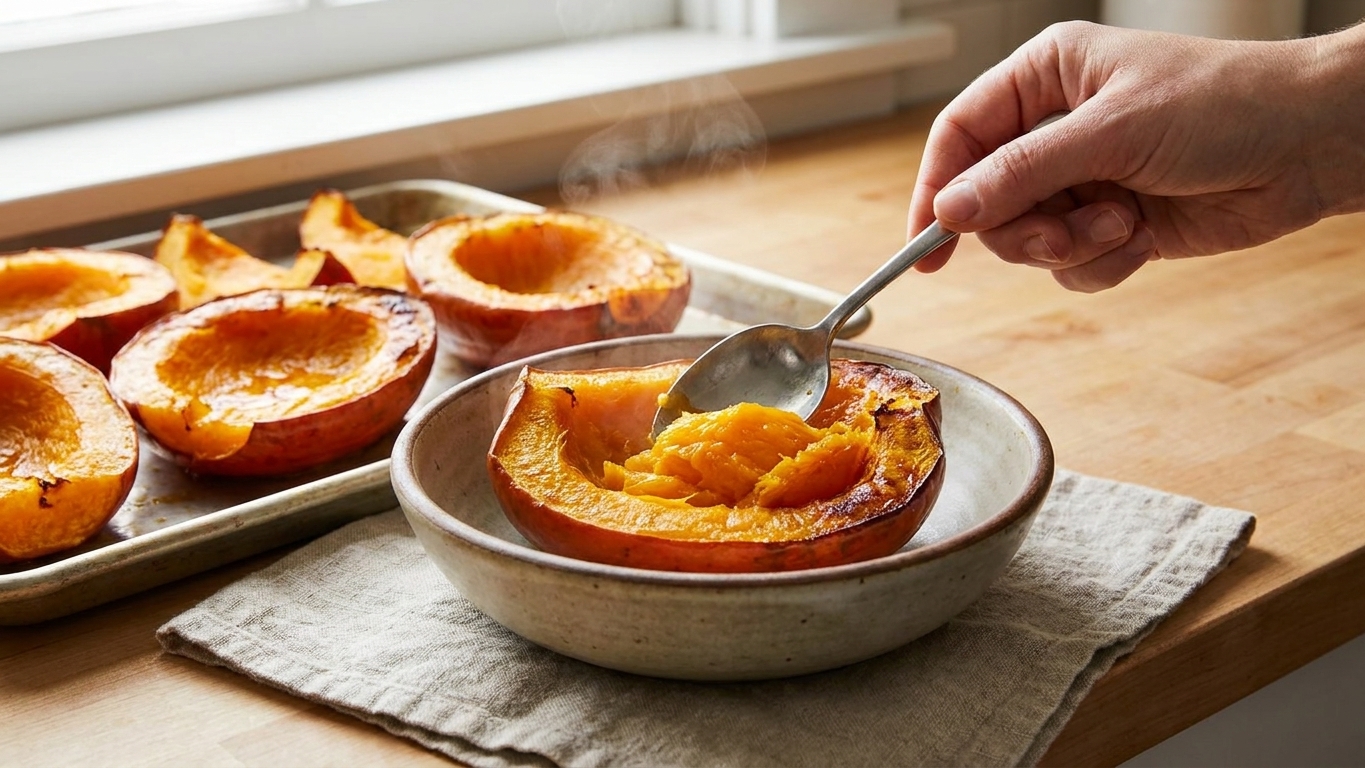
Pumpkin puree is one of those ingredients that looks humble in the can but magically turns into muffins, pancakes, pasta sauce, soup, and of course pie. And yes, canned is totally fine. But when you make it at home, you get a fresher pumpkin flavor, a thicker texture, and a very satisfying moment where you scoop out soft roasted pumpkin like it is edible velvet.

This recipe is my go-to method: roast (for flavor), scoop (for ease), then blend until silky. Roasting gives you natural sweetness and that lightly caramelized depth that is harder to get from boiling or steaming. I will also show you how to fix the one thing that makes homemade puree tricky, which is extra water. If you can drain yogurt, you can drain pumpkin. Same vibe, way cozier.

Yield note: You will get about 2 to 3 cups, depending on pumpkin size and water content.
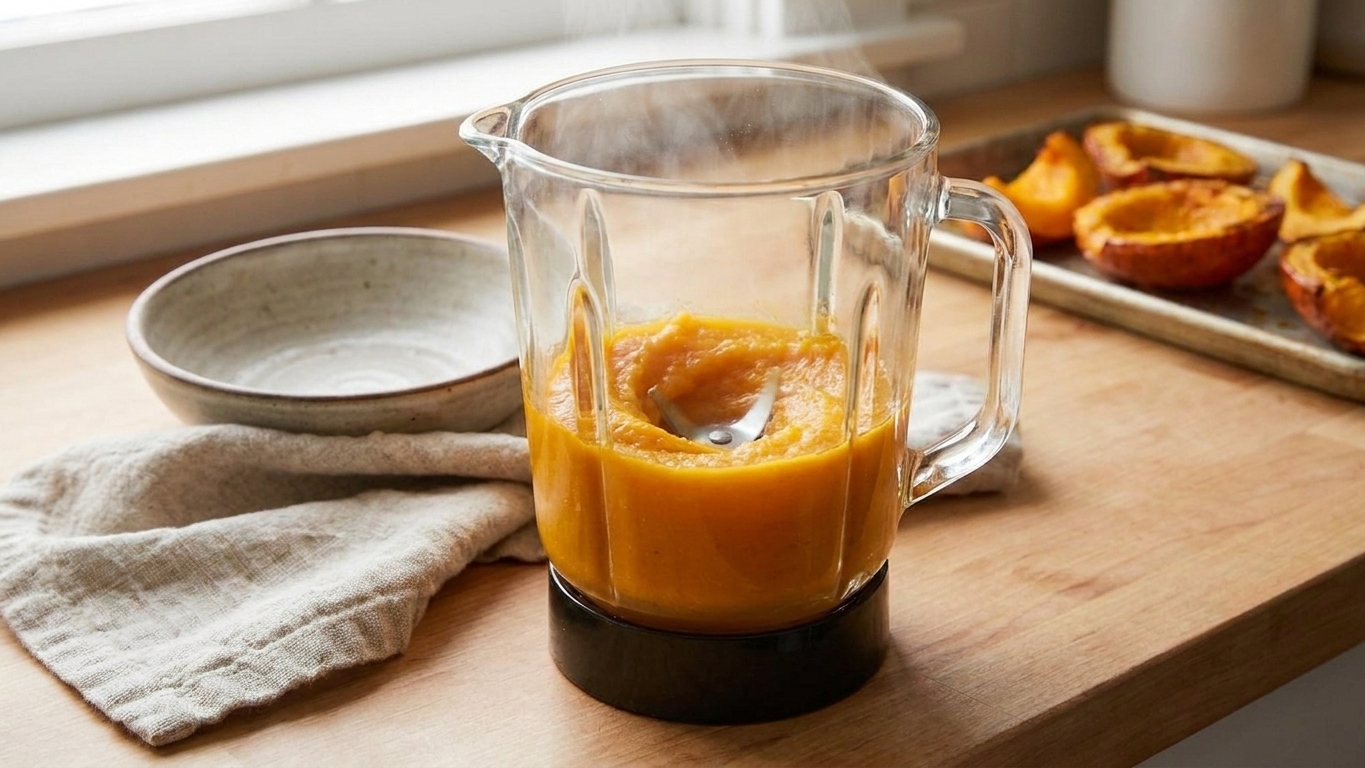
Roasted pumpkin flesh being blended into a smooth puree in a clear blender jar on a kitchen counter

Why It Works

  • Roasting builds flavor fast: You get natural sweetness and that lightly caramelized, toasty depth that is harder to get from boiling or steaming.
  • Thick, not watery: A quick drain option keeps your puree baking-friendly, so your breads and pies set up properly.
  • Flexible for sweet or savory: Leave it plain and neutral, then season in the recipe you are making.
  • Freezer friendly: Make a batch once, portion it, and future-you gets weeknight pumpkin power.

Pairs Well With

Storage Tips

How to Store Pumpkin Puree

In the fridge: Store pumpkin puree in an airtight container for 3 to 5 days for best quality. Press a piece of plastic wrap directly onto the surface if you want to limit oxidation and keep it extra fresh. If you notice any off smell, mold, or odd texture, toss it.

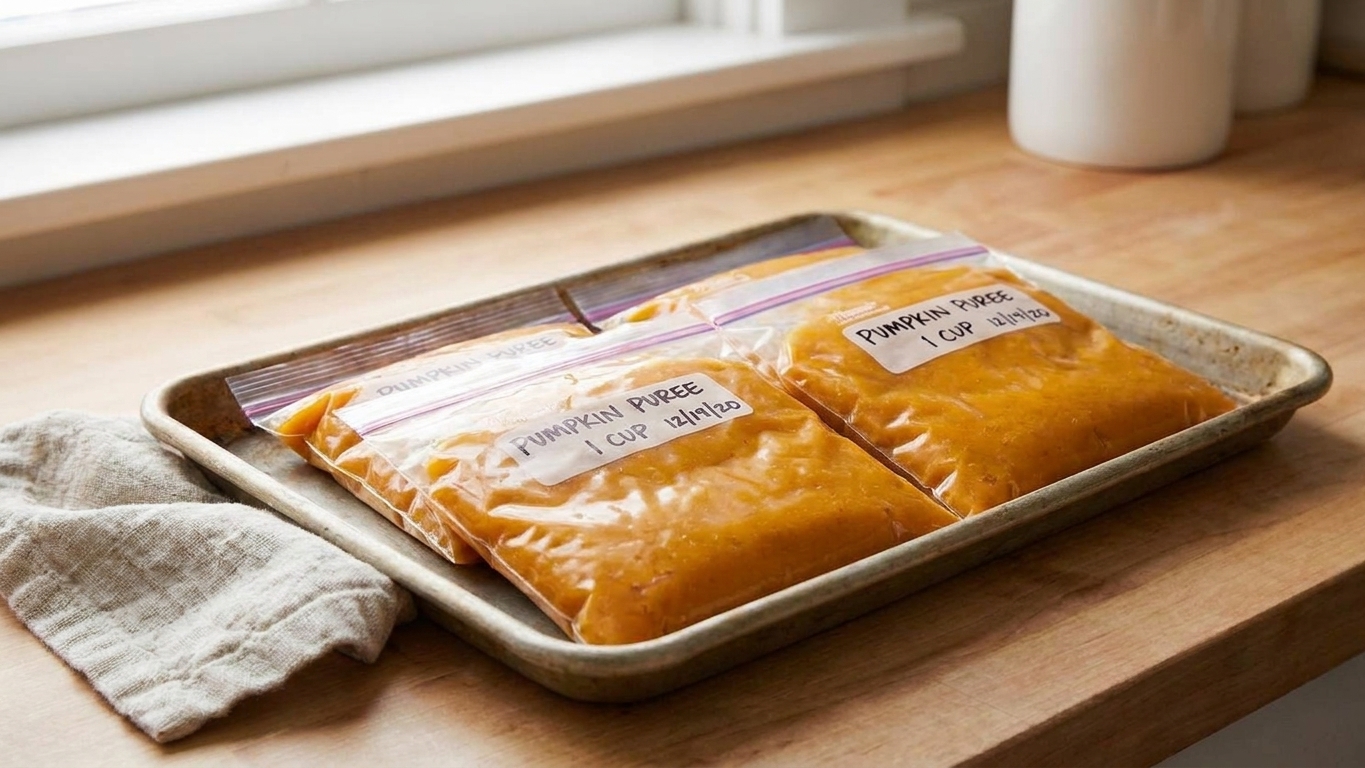
In the freezer: Portion into 1/2-cup or 1-cup amounts (muffin tin, silicone molds, or freezer bags laid flat). Freeze for up to 3 months for best flavor, or up to 6 months if well sealed. It stays safe longer if kept continuously frozen, but quality slowly declines.

Thawing tip: Thaw overnight in the fridge, then stir. If liquid separates, just mix it back in. For baking, you may want to drain off excess liquid first.

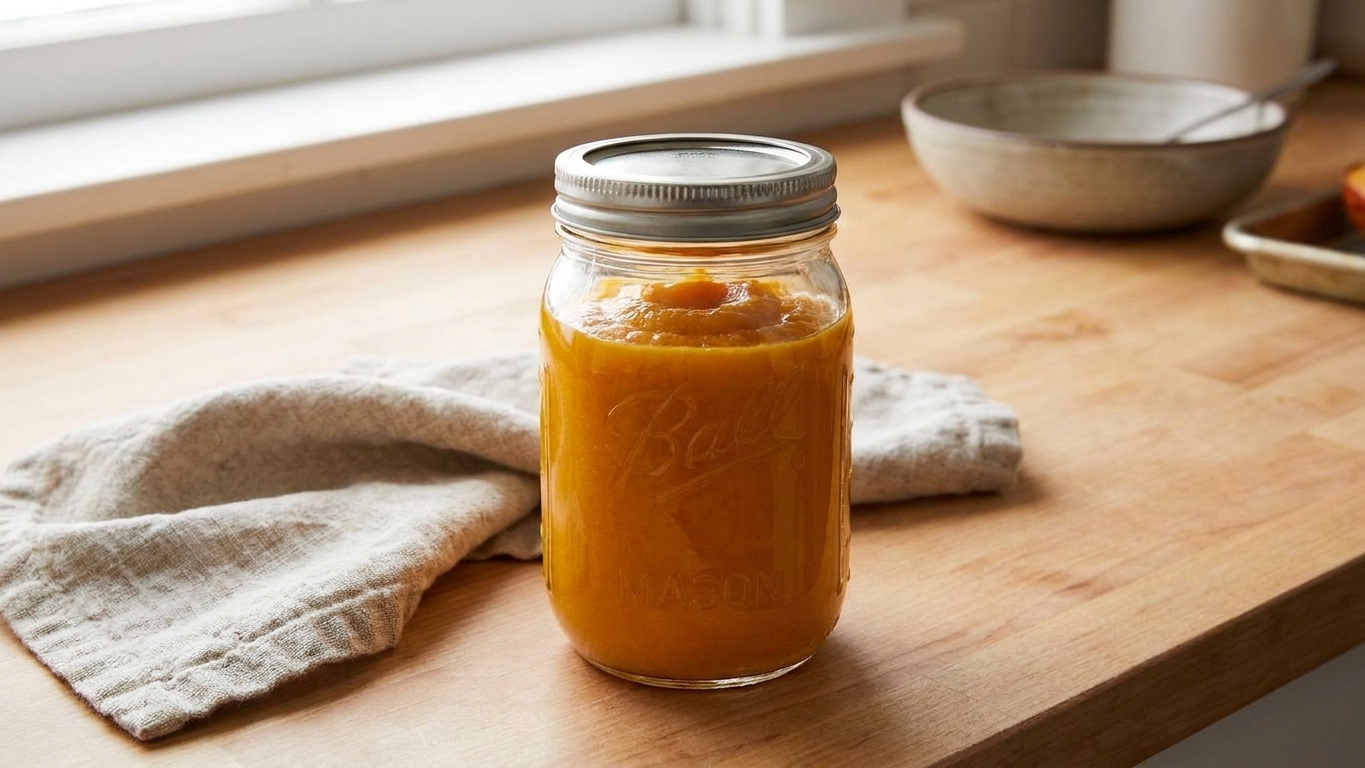
Portioned pumpkin puree sealed in labeled freezer bags laid flat on a baking sheet, ready to freeze

Common Questions

Pumpkin Puree FAQs

What kind of pumpkin should I use?

Use sugar pie pumpkin (sometimes labeled pie pumpkin). They are smaller, sweeter, and less watery than carving pumpkins, which can taste bland and turn your puree into soup.

Is homemade pumpkin puree the same as canned?

Same idea, different personality. Homemade tends to be lighter in color and can be more watery depending on the pumpkin. Canned is very consistent and often thicker. If your homemade puree seems loose, drain it (I show you how below).

Quick can swap: If a recipe calls for a 15-ounce can of pumpkin (about 1 3/4 cups), measure your homemade puree by volume. If the recipe is for baking and your puree looks loose, drain it first to get closer to canned thickness.

How do I thicken pumpkin puree for baking?

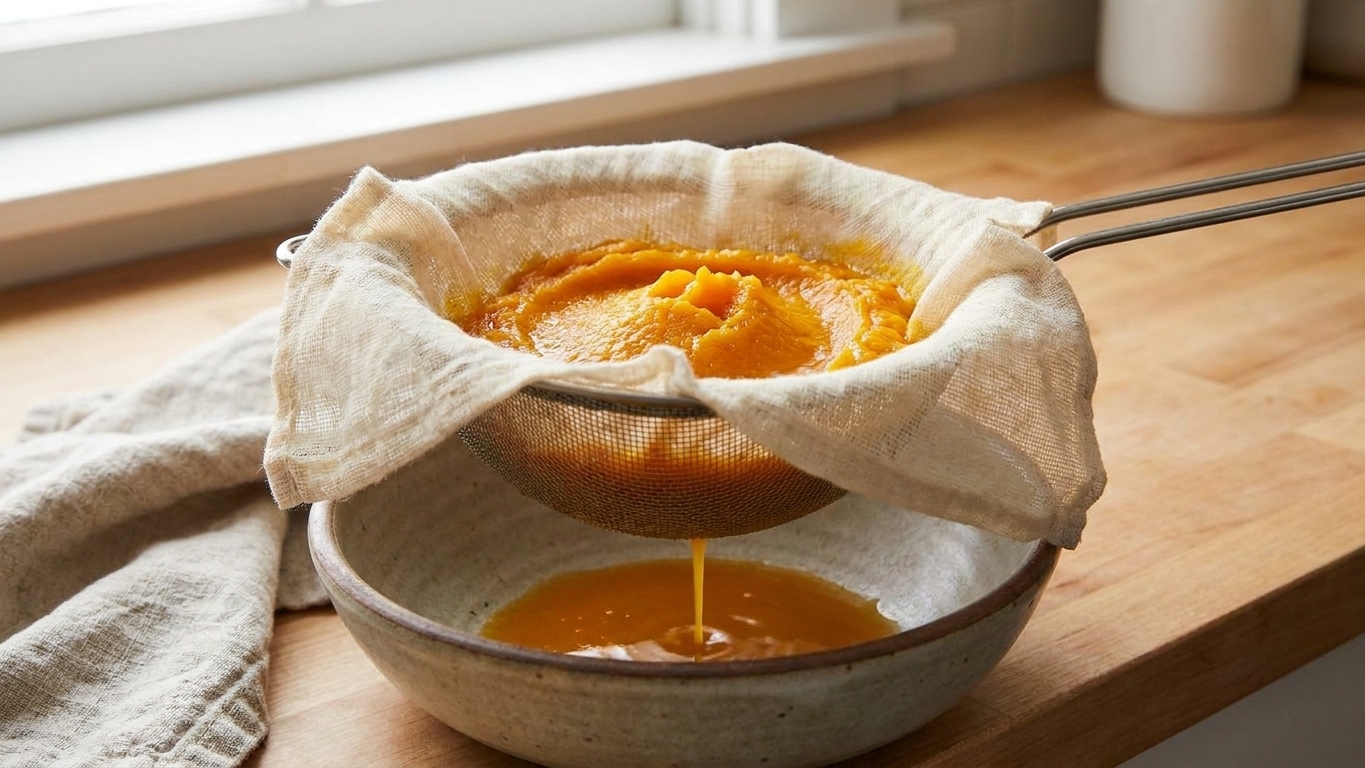
Spoon the puree into a cheesecloth-lined strainer (or a clean thin kitchen towel) and let it drain for 30 to 60 minutes in the fridge. Even 20 minutes helps. You can also blot gently with paper towels in a pinch.

Can I make pumpkin puree without a blender?

Yes. Use a food processor or an immersion blender. For a rustic puree, mash thoroughly with a potato masher, but for pie-level smooth, blending is the move.

Do I need to add water or oil?

Nope. Roast the pumpkin until soft, then blend the flesh. Only add a tiny splash of water if your blender needs help moving, and add it slowly so you do not thin it out too much.

Why does my puree taste bitter?

Usually it is the pumpkin variety (carving pumpkin) or the flesh got a little scorched. Use pie pumpkin and roast until tender, not charred.

One more note: in rare cases, squash and pumpkins can be extremely bitter due to naturally occurring compounds. If your puree tastes intensely bitter (not just a little “pumpkin-y” or roasty), do not eat it. Toss it and start with a different pumpkin.

I started making pumpkin puree at home because I was convinced I could taste the difference in everything. Sometimes I can, sometimes I cannot, but I still love the process. Roasting a pumpkin makes the kitchen smell like you are doing something impressive even if you are wearing sweatpants and listening to a podcast. And the best part is that you get to control the texture. If I want it thick for muffins, I drain it. If I want it silky for soup, I blend it extra smooth and call it a day.