What is the difference between whipped topping and whipped cream?
Homemade whipped topping is basically sweetened, flavored whipped cream used as a “topper.” Store-bought whipped topping (like tub varieties) is typically made with oils and stabilizers, so it lasts longer and is less delicate. This recipe is the real deal: cream-forward, fresh, and way better on the spoon.
Why is my whipped cream not thickening?
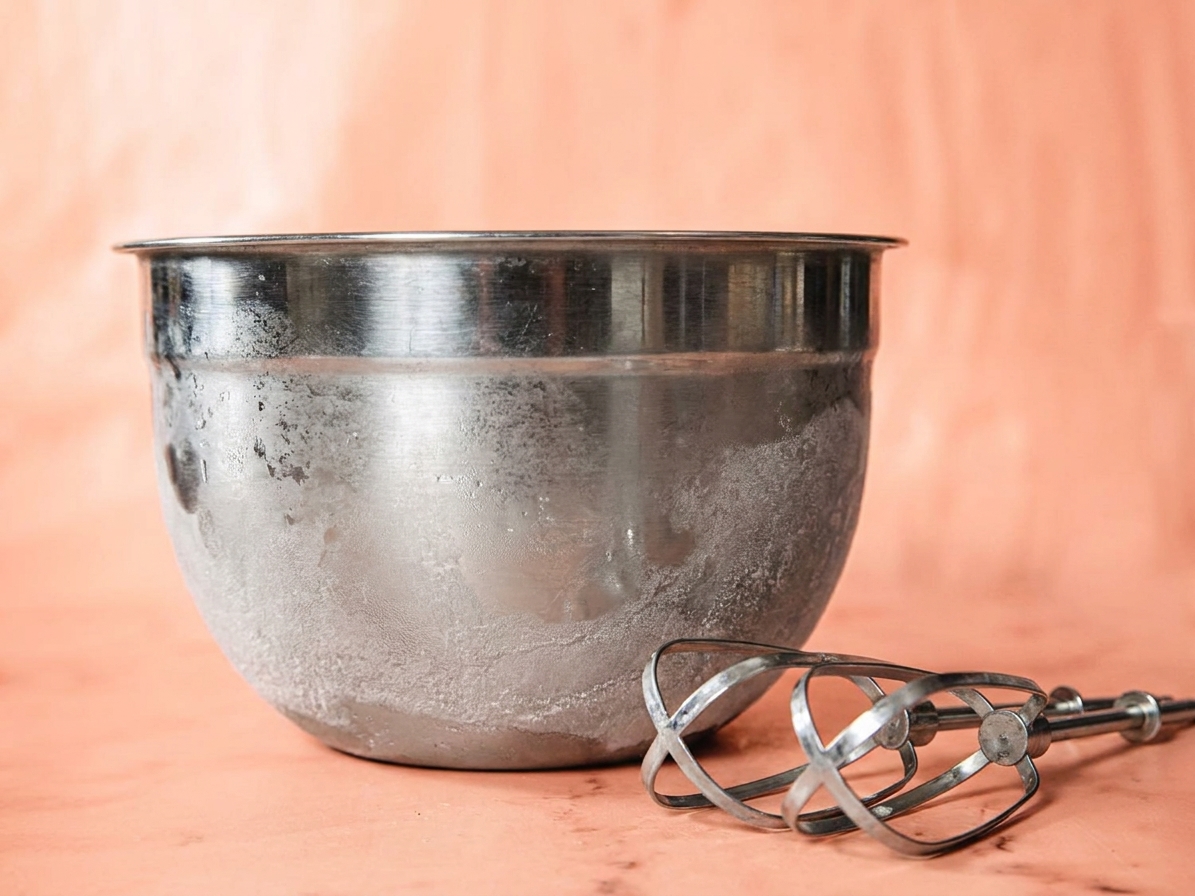
Most of the time it is temperature. If the cream is not cold enough, it will take forever. Chill your bowl and beaters for 10 minutes, use cold heavy cream (not half-and-half), and use heavy cream or heavy whipping cream (typically about 36% milk fat in the U.S., but brands vary).
Other common culprits: a greasy bowl/beaters (even a tiny bit of oil can sabotage you), or ultra-pasteurized cream, which can take a little longer to whip.
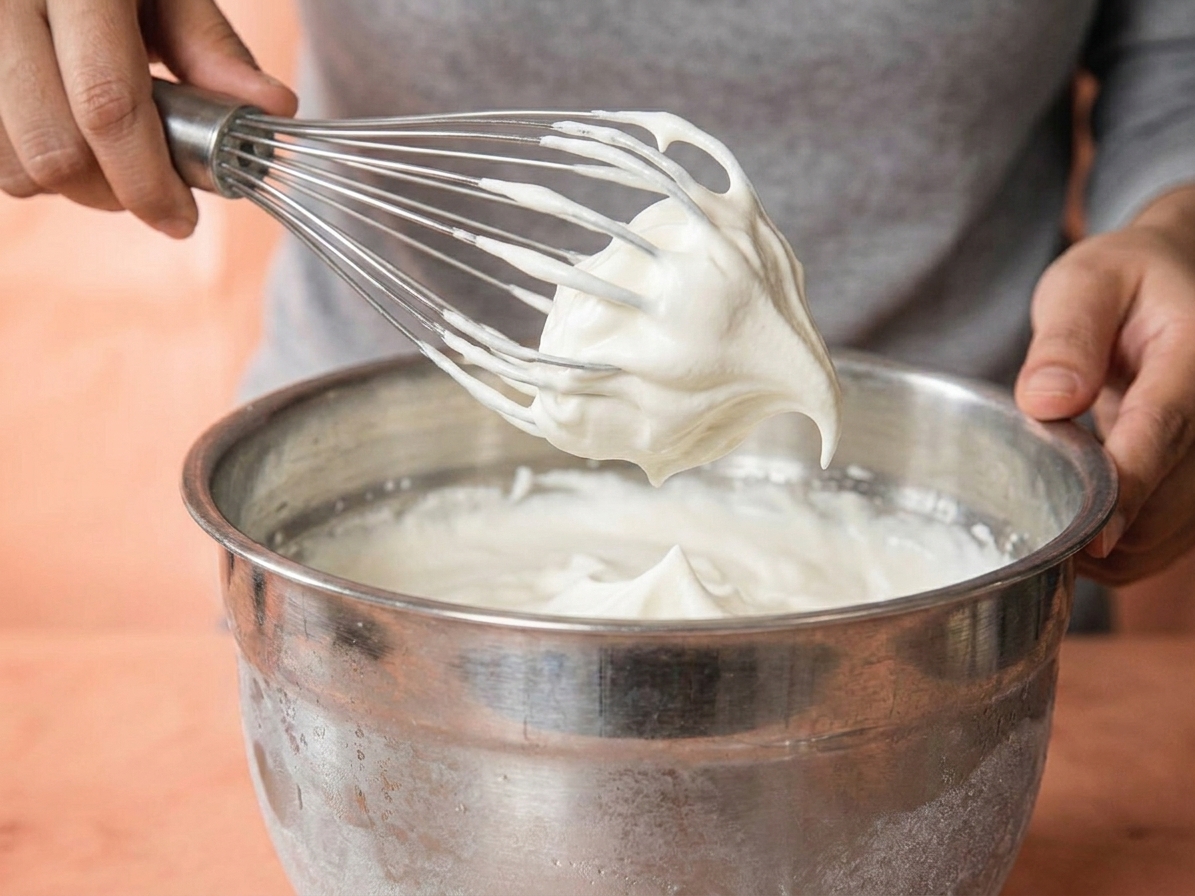
How do I know when I hit soft peaks vs stiff peaks?
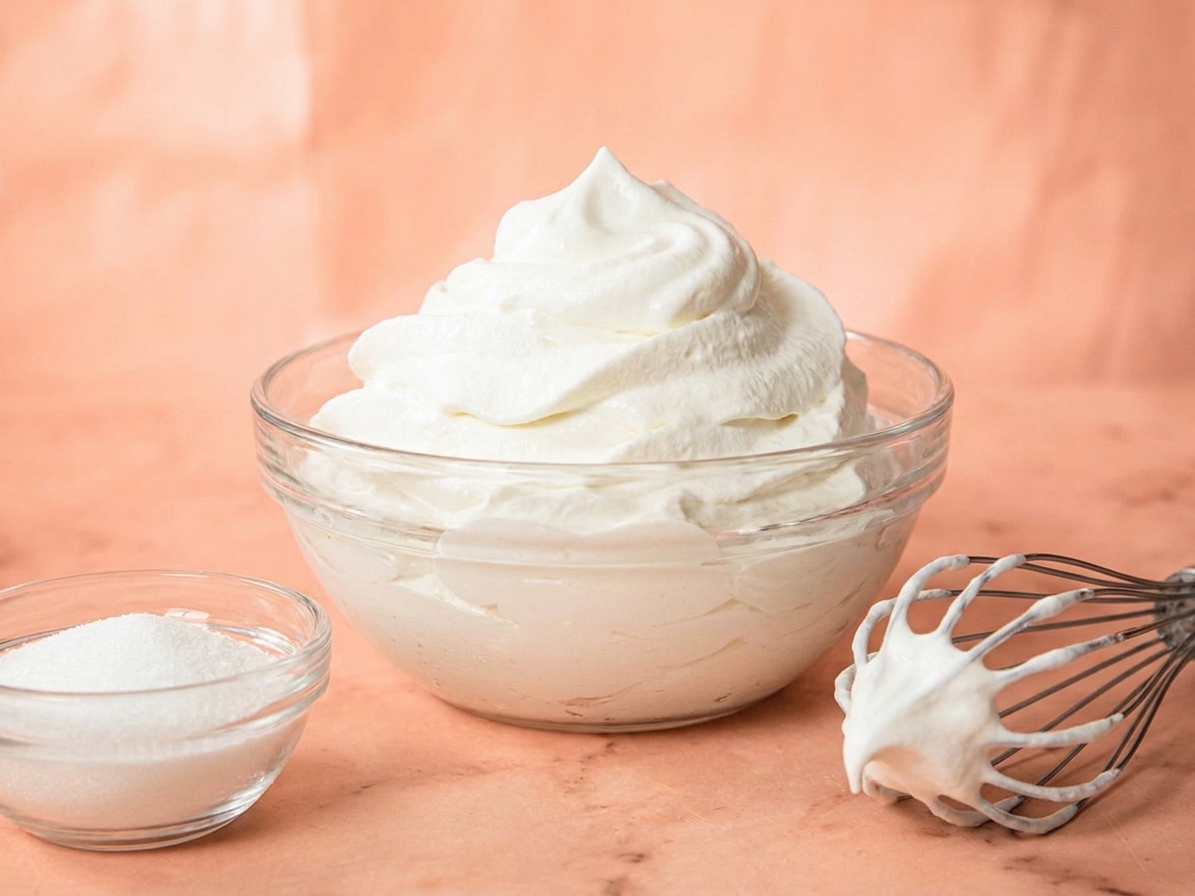
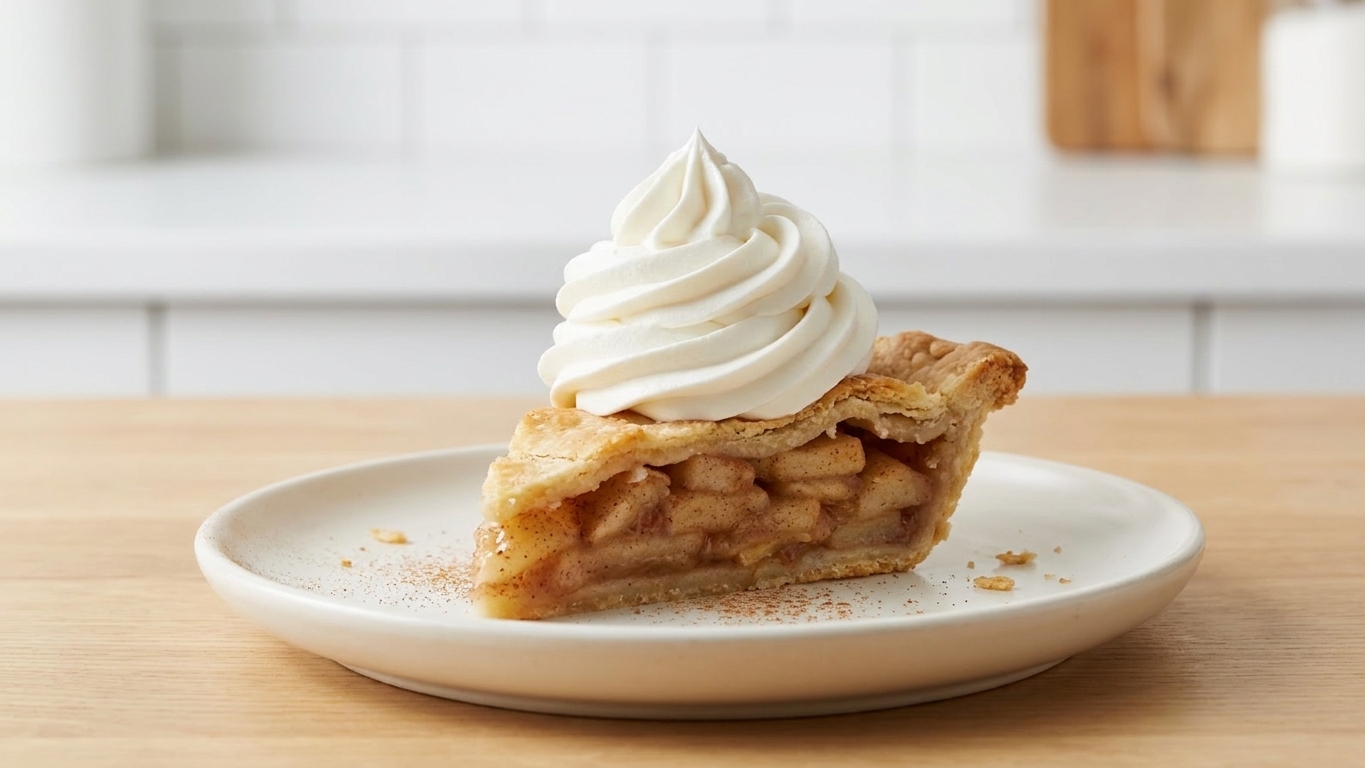
Soft peaks: When you lift the whisk, the peak droops over. Great for spooning onto pies, berries, and cocoa.
Medium peaks: The peak holds its shape but the tip curls slightly. My favorite all-purpose stage.
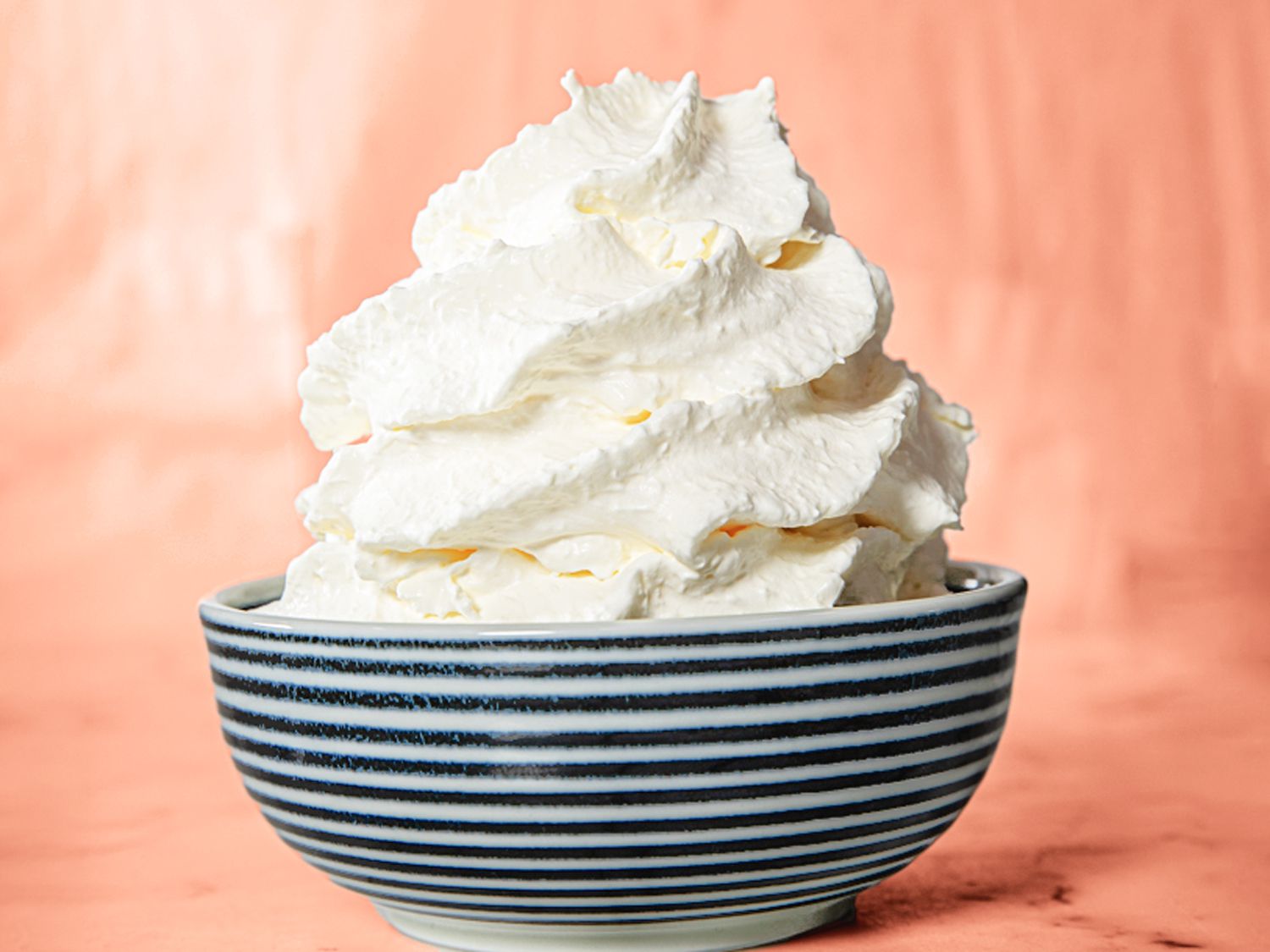
Stiff peaks: The peak stands straight up with no slumping. Best for piping and layered desserts.
Can I make it ahead for a party?
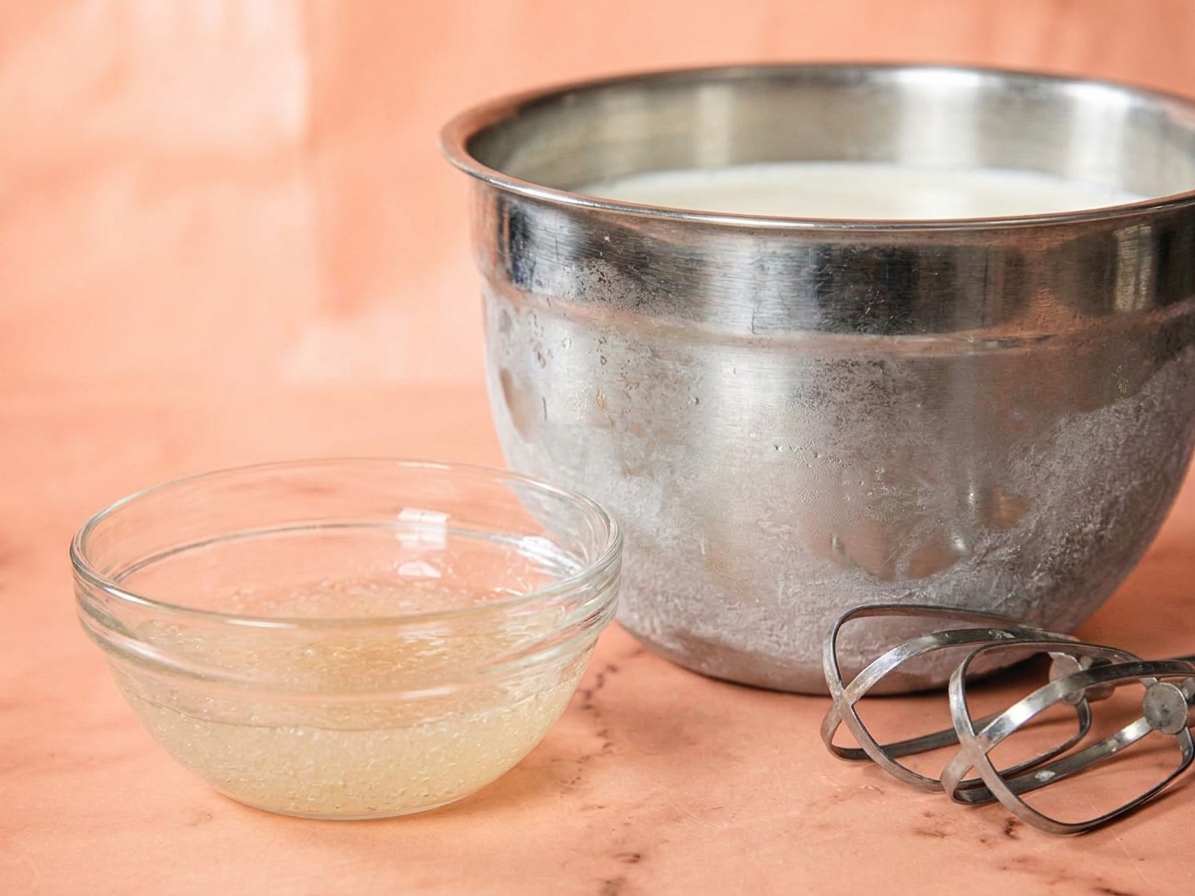
Yes. For a few hours, this holds fine in the fridge. If you need it to stay fluffy longer (or you want neat piping), use the optional gelatin method in the instructions.
Can I sweeten it with granulated sugar?
You can, but it takes longer to dissolve and can feel slightly gritty. If granulated sugar is all you have, blitz it in a blender for 20 seconds to make it finer, or dissolve it into the cream by letting it sit 5 minutes before whipping.
Is whipped cream safe at room temperature?
Because it is dairy, keep it chilled. For serving, try to keep it out no more than about 2 hours total, less if your kitchen is warm.